𝗪𝗵𝗮𝘁 𝗮𝗿𝗲 𝗣𝗵𝗮𝗿𝗺𝗮𝗰𝗲𝘂𝘁𝗶𝗰𝗮𝗹 𝗣𝗿𝗼𝗱𝘂𝗰𝘁𝘀?
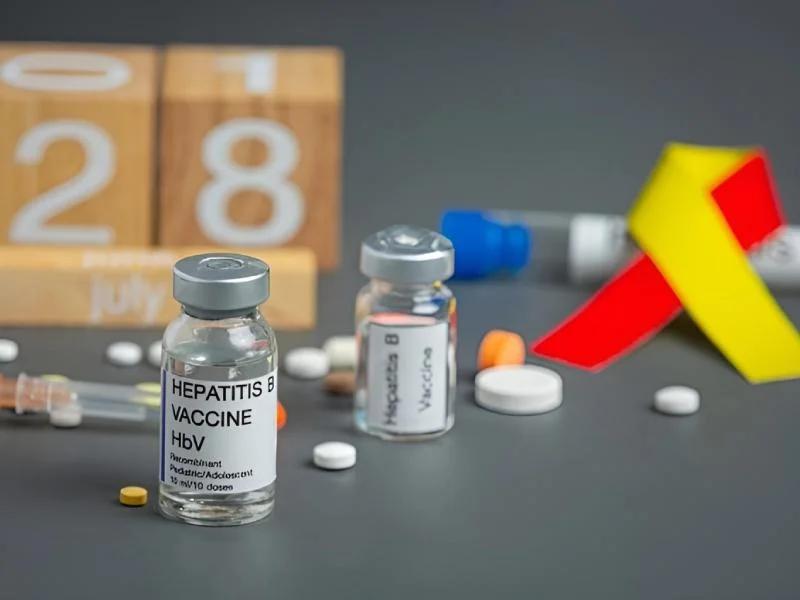
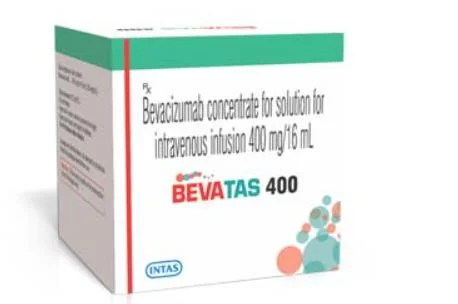
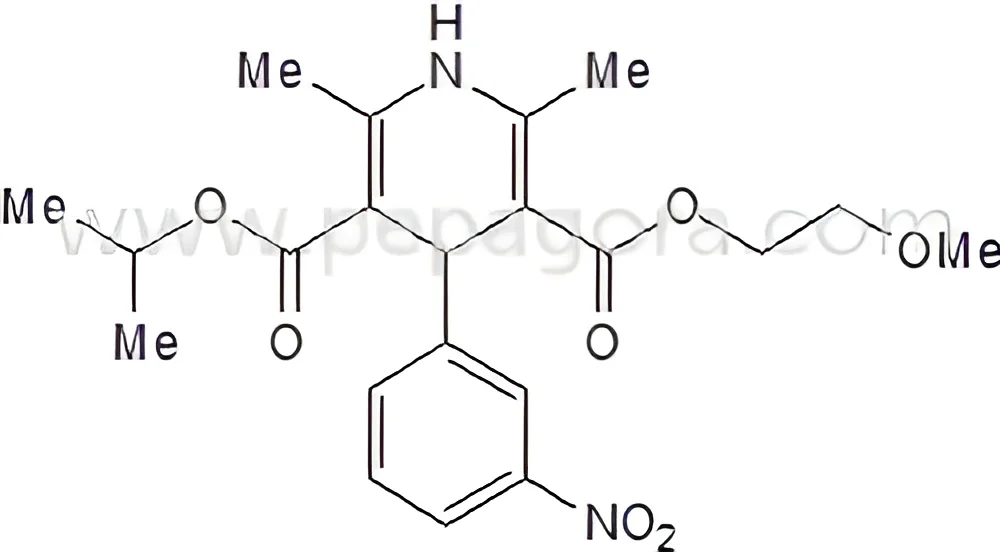
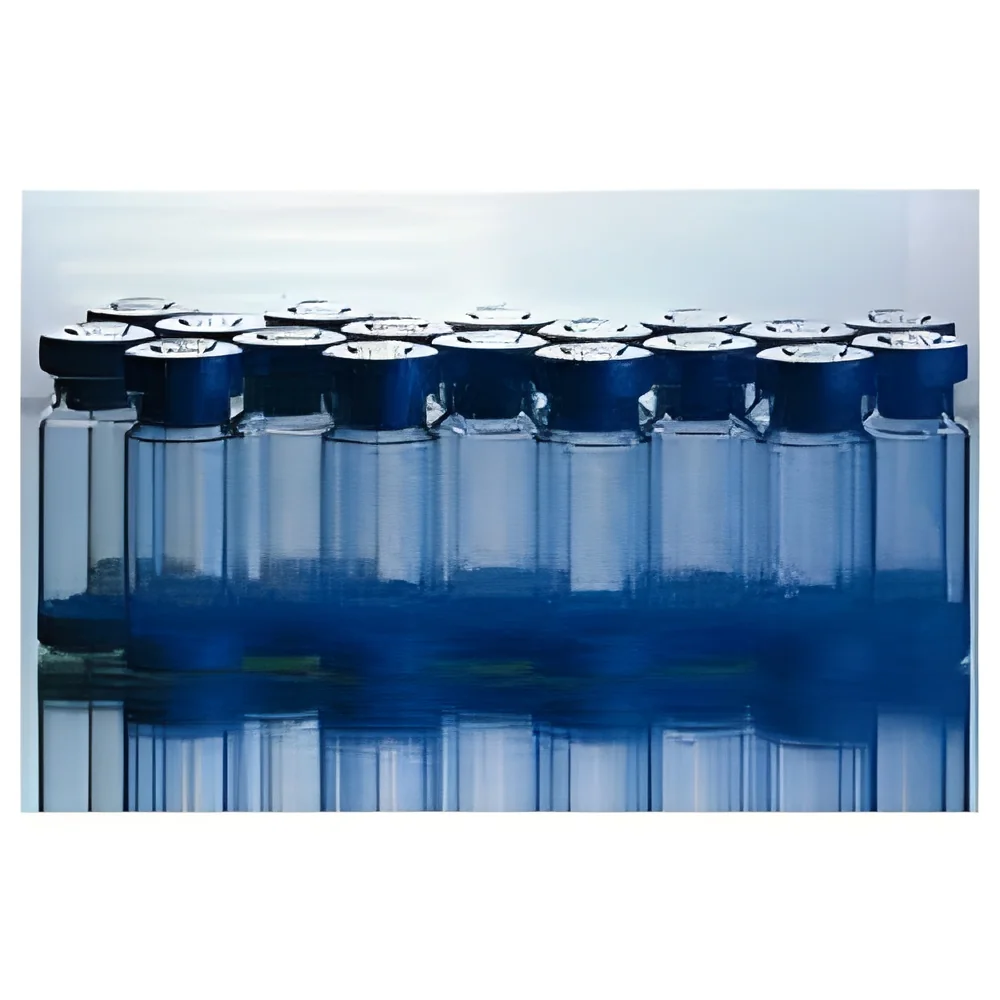
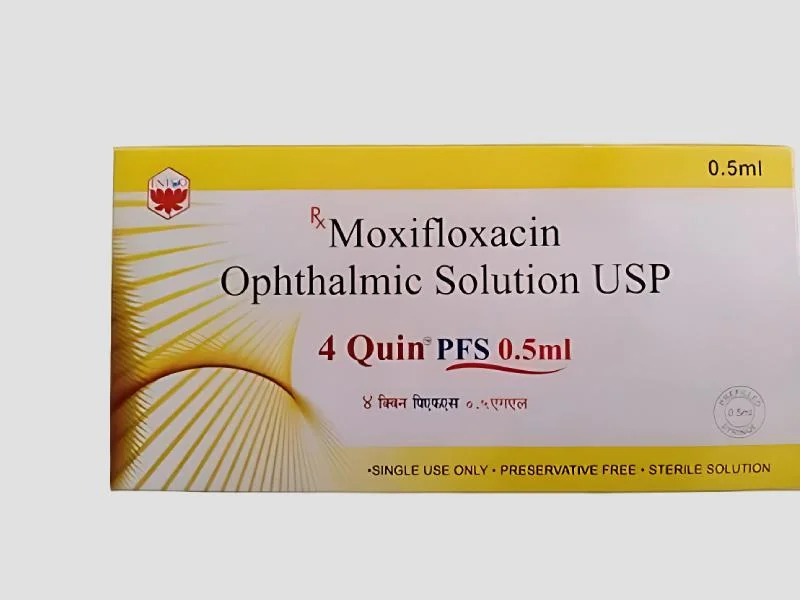
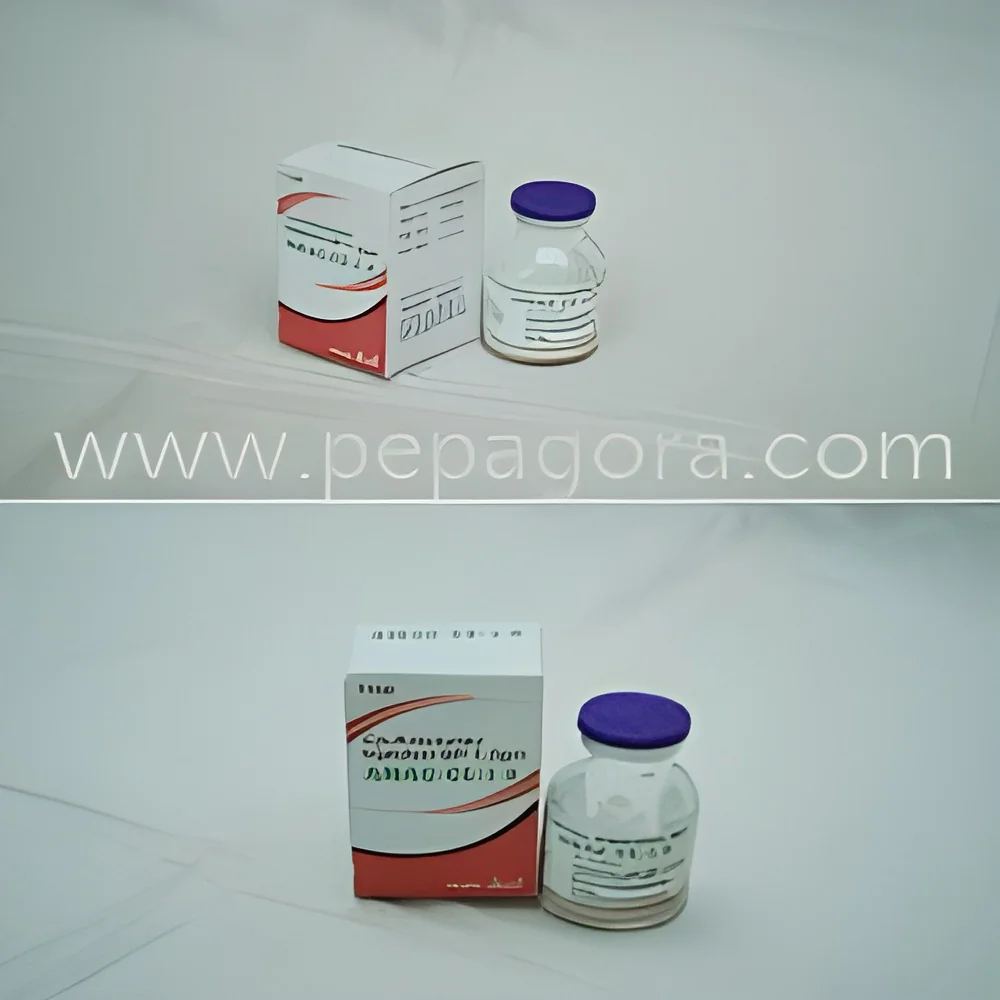
Pharmaceutical products encompass a wide range of substances that are used for medical purposes, primarily to diagnose, treat, or prevent diseases and medical conditions. These products can include prescription medications, over-the-counter drugs, vaccines, and biologics. They are developed through rigorous research and testing to ensure safety, efficacy, and quality, adhering to strict regulatory standards set by health authorities.
The primary uses of pharmaceutical products are in healthcare settings, where they play a critical role in patient treatment and disease management. They are utilized by hospitals, clinics, and pharmacies, serving both human and veterinary medicine. Pharmaceutical products are also integral in research and development, contributing to advancements in medical science and technology, thereby improving patient outcomes.
In the context of the pharmaceutical industry, the market is vast and highly competitive, driven by ongoing innovation and the need for new treatments. The global pharmaceutical market has been growing steadily, fueled by rising healthcare demands, an aging population, and increased investment in research and development. This growth underscores the importance of pharmaceutical products in improving public health and advancing medical knowledge.
𝗞𝗲𝘆 𝗙𝗲𝗮𝘁𝘂𝗿𝗲𝘀 𝗮𝗻𝗱 𝗦𝗽𝗲𝗰𝗶𝗳𝗶𝗰𝗮𝘁𝗶𝗼𝗻𝘀
Pharmaceutical products are characterized by several key features and specifications that ensure their effectiveness and safety in medical applications. Understanding these specifications is crucial for B2B buyers seeking reliable products.
Key specifications include:
1. Composition
- The active ingredients and excipients used in formulation
- Concentration levels and specific dosages
2. Stability
- Shelf life and storage conditions
- Temperature and humidity control requirements
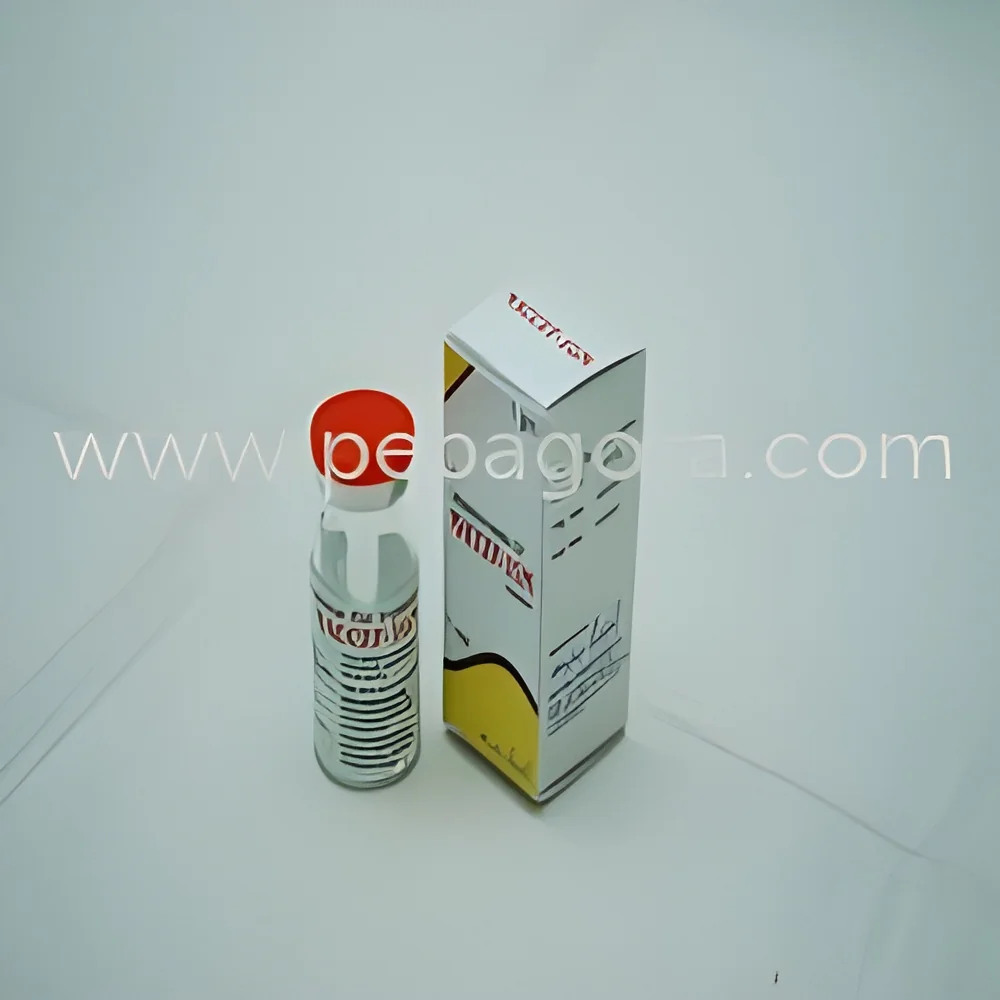
3. Packaging
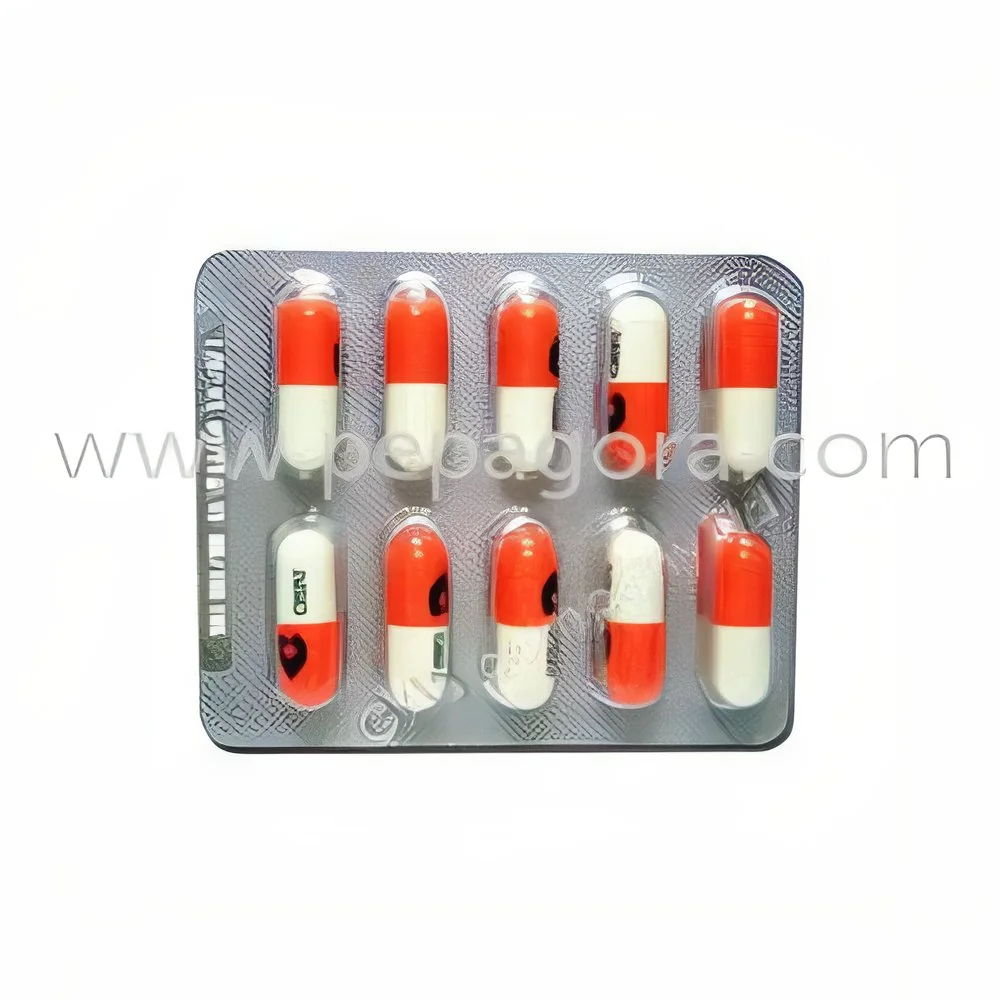
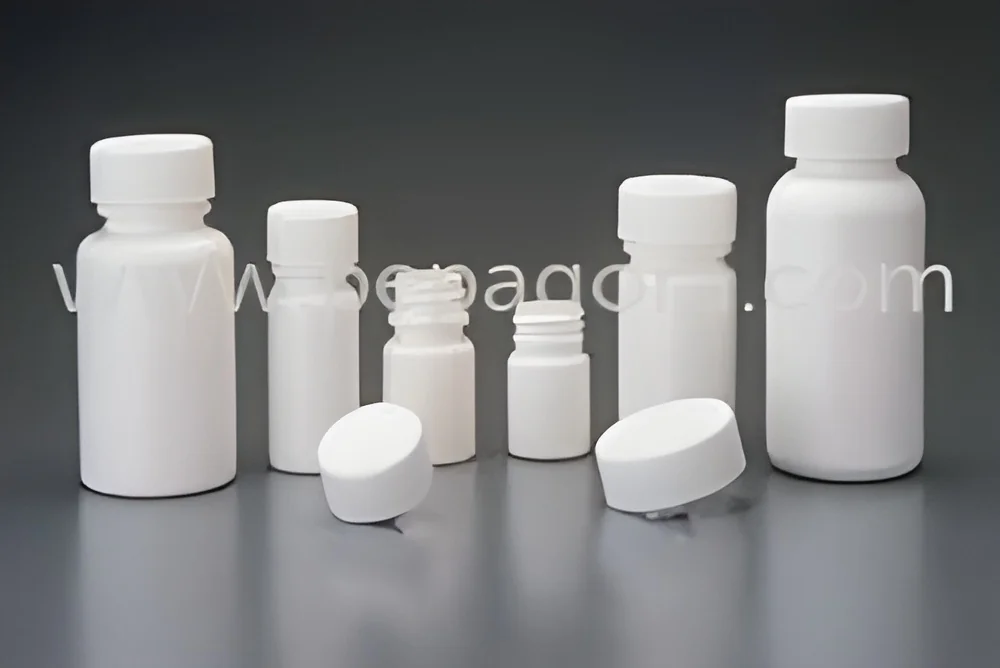
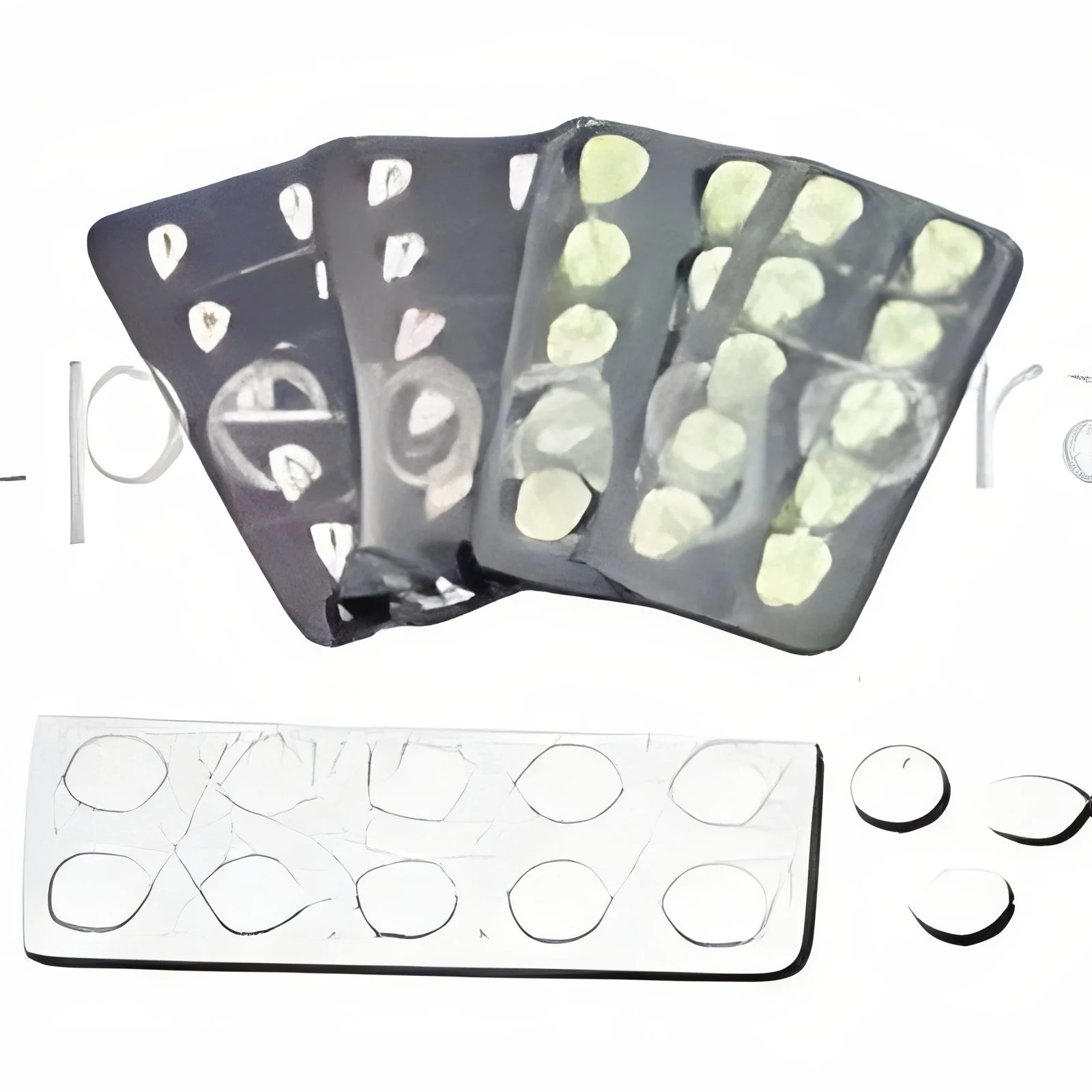
- Types of packaging materials (e.g., blister packs, bottles)
- Tamper-evident and child-resistant features
4. Regulatory Compliance
- Adherence to health authority regulations (e.g., FDA, EMA)
- Certification requirements such as CE marking
5. Quality Control
- Testing procedures for purity and potency
- Methods of monitoring and ensuring product consistency
6. Dosage Forms
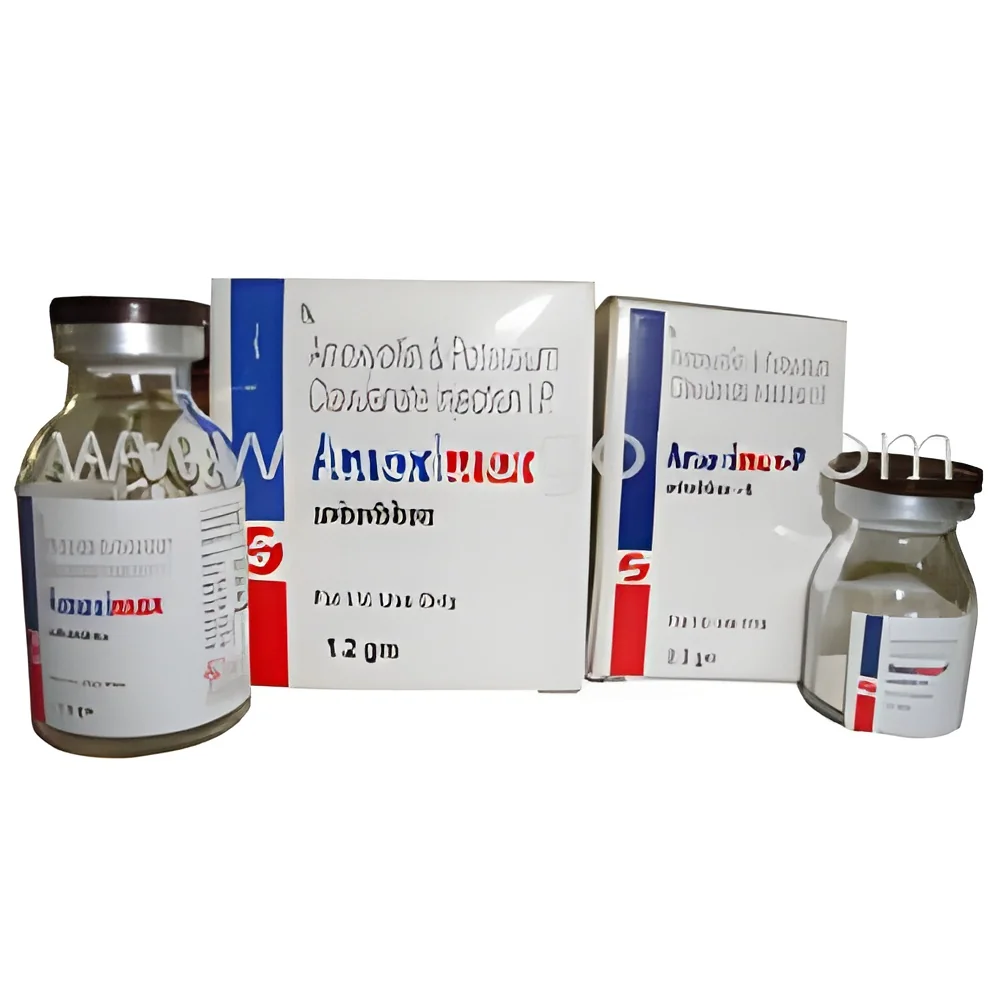
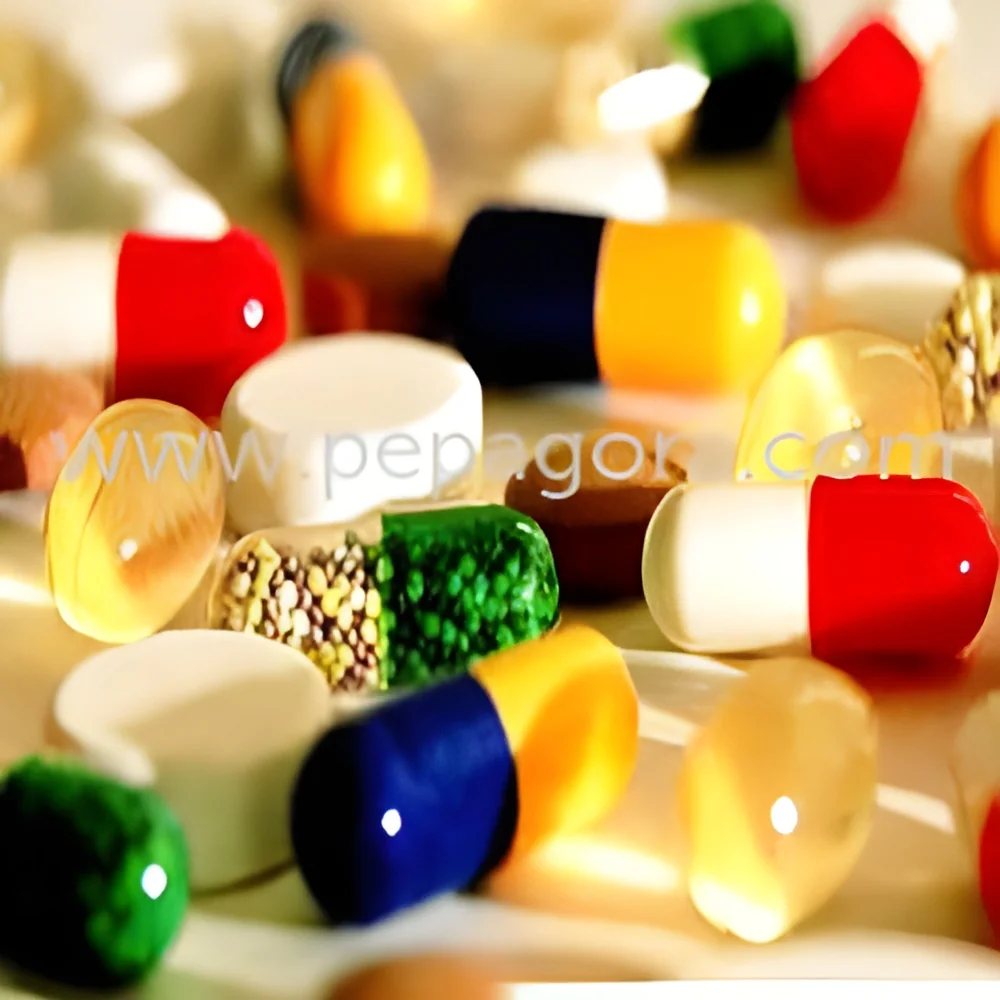
- Variants including tablets, capsules, liquids, and injectables
- Administration routes (oral, intravenous, topical)
7. Labeling
- Information provided on packaging for proper usage
- Instructions for storage, dosage, and warnings
8. Batch Number and Expiry Date
- Tracking and traceability for safety recalls
- Importance of expiration dates for product efficacy
In summary, these specifications help B2B buyers assess the quality and suitability of pharmaceutical products for their needs.
𝗖𝗼𝗺𝗺𝗼𝗻 𝗔𝗽𝗽𝗹𝗶𝗰𝗮𝘁𝗶𝗼𝗻𝘀 𝗮𝗻𝗱 𝗨𝘀𝗲 𝗖𝗮𝘀𝗲𝘀
Pharmaceutical products are utilized across various industries, reflecting their diverse applications and significance.
1. Healthcare: Pharmaceutical products are essential in hospitals and clinics for treating patients, managing chronic conditions, and supporting surgical procedures.
2. Biotechnology: In the biotechnology field, pharmaceutical products are developed for advanced therapies, including gene and cell therapies that target specific diseases.
3. Research Institutions: Pharmaceutical products are widely used in research institutions for clinical trials and studies aimed at discovering new treatments and understanding diseases.
4. Veterinary Medicine: These products are also applied in veterinary practices to treat animals, ensuring their health and well-being.
5. Pharmaceutical Manufacturing: Companies engaged in pharmaceutical manufacturing utilize these products as raw materials for producing generics and branded medications.
6. Public Health: Vaccines and preventive medications are critical in public health initiatives aimed at controlling epidemics and promoting health.
7. Regulatory Affairs: Pharmaceutical products must adhere to compliance regulations, making them crucial for professionals in regulatory affairs who ensure that products meet legal standards.
𝗣𝗿𝗼𝗱𝘂𝗰𝘁 𝗩𝗮𝗿𝗶𝗮𝗻𝘁𝘀 𝗮𝗻𝗱 𝗦𝘂𝗯𝗰𝗮𝘁𝗲𝗴𝗼𝗿𝗶𝗲𝘀
Pharmaceutical products come in various forms and formulations, catering to specific medical needs and patient preferences. This diversity allows for tailored treatment options.
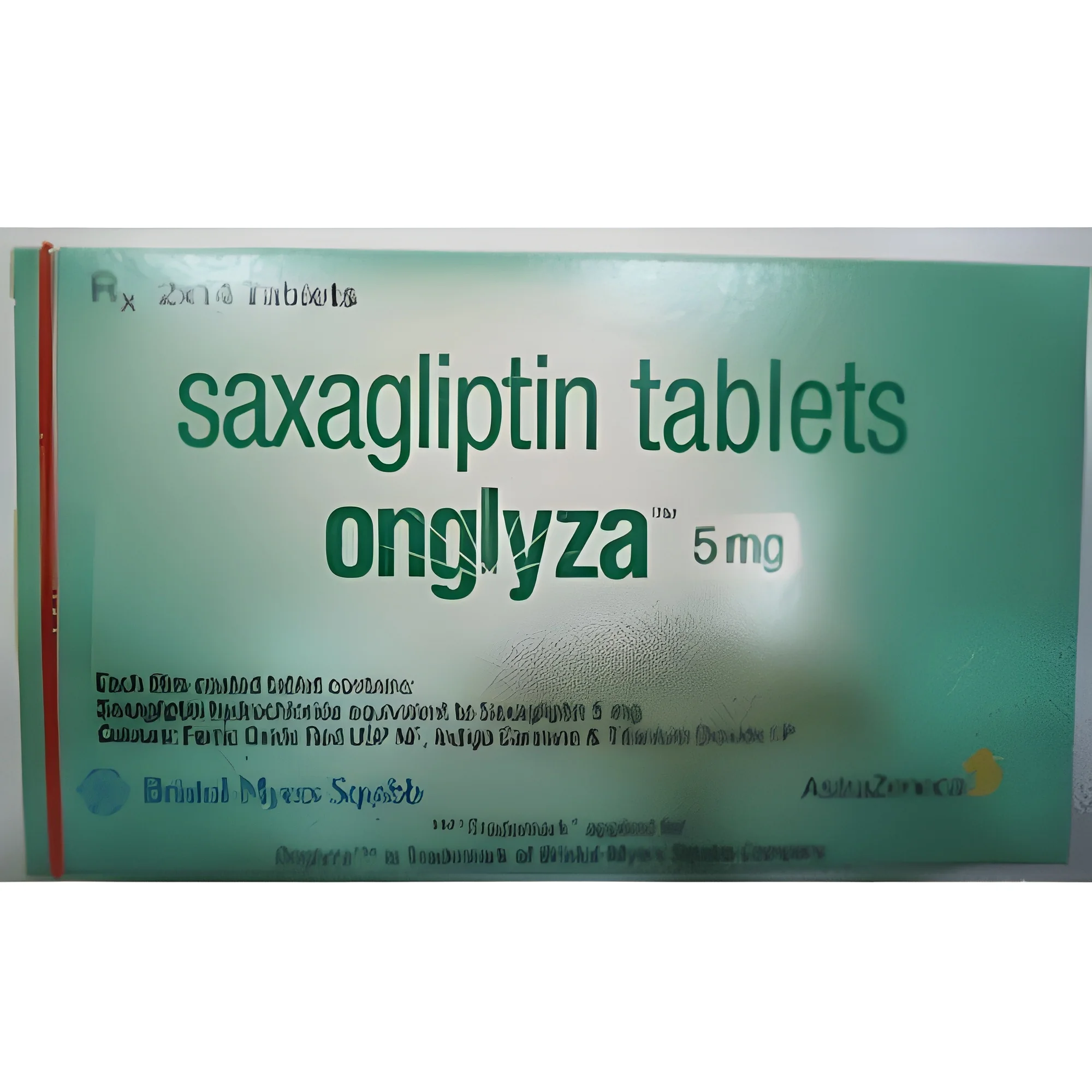
Tablet Formulations
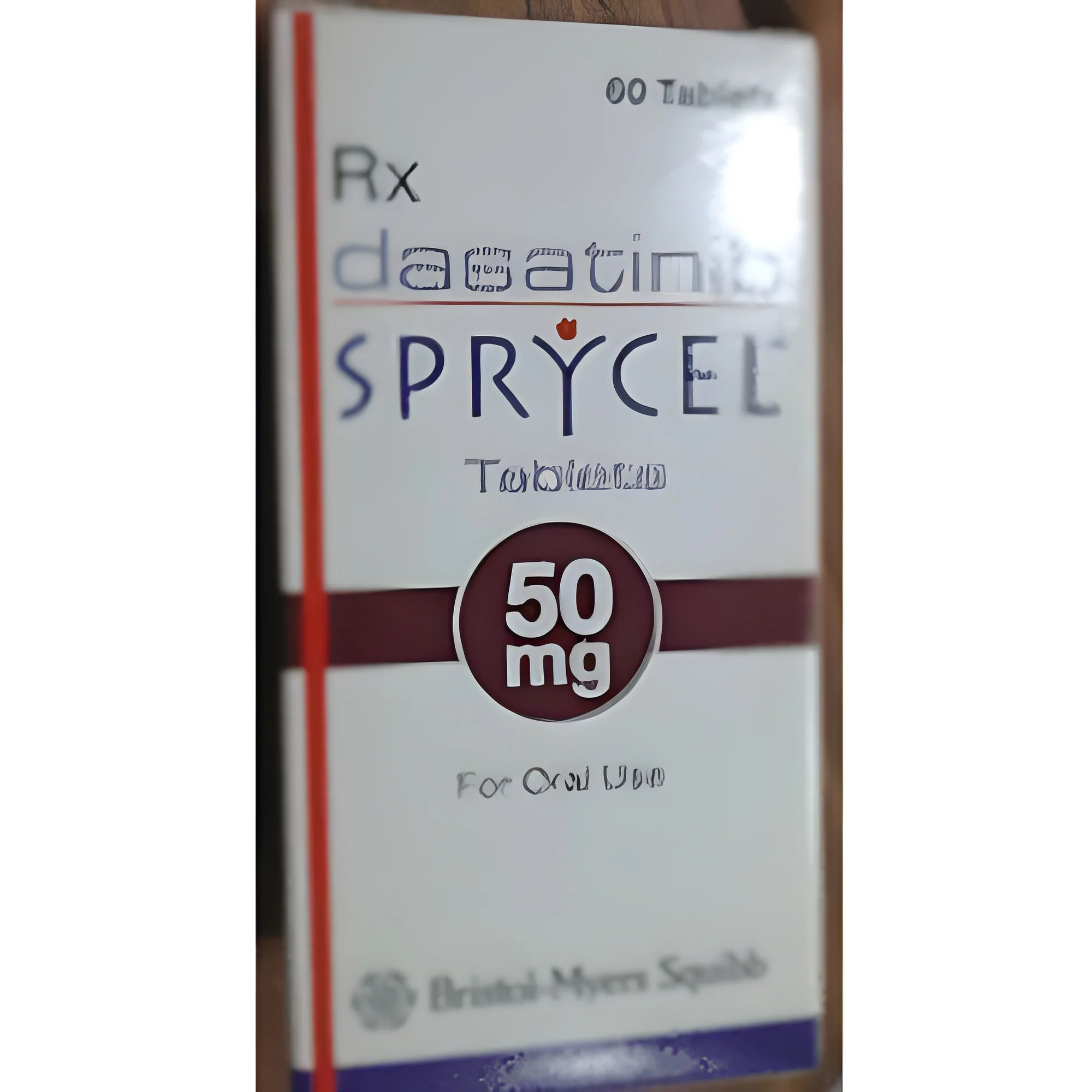
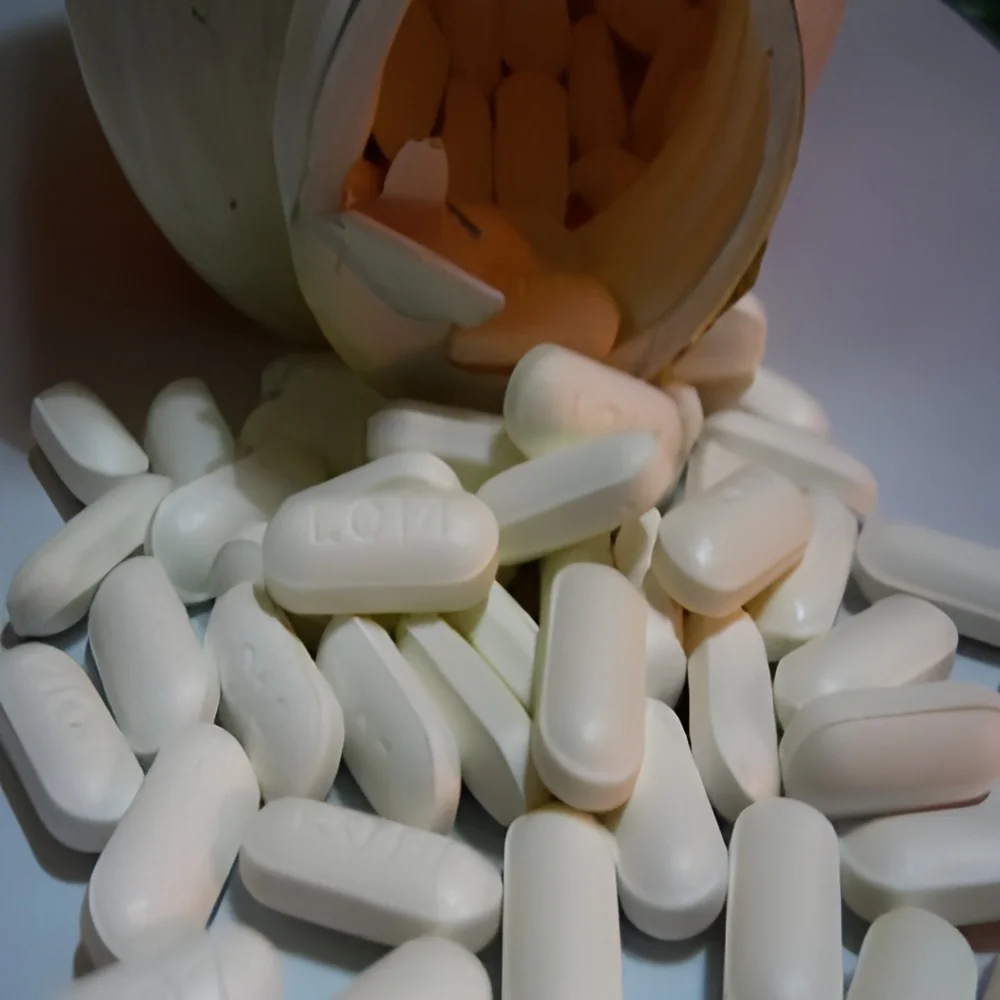
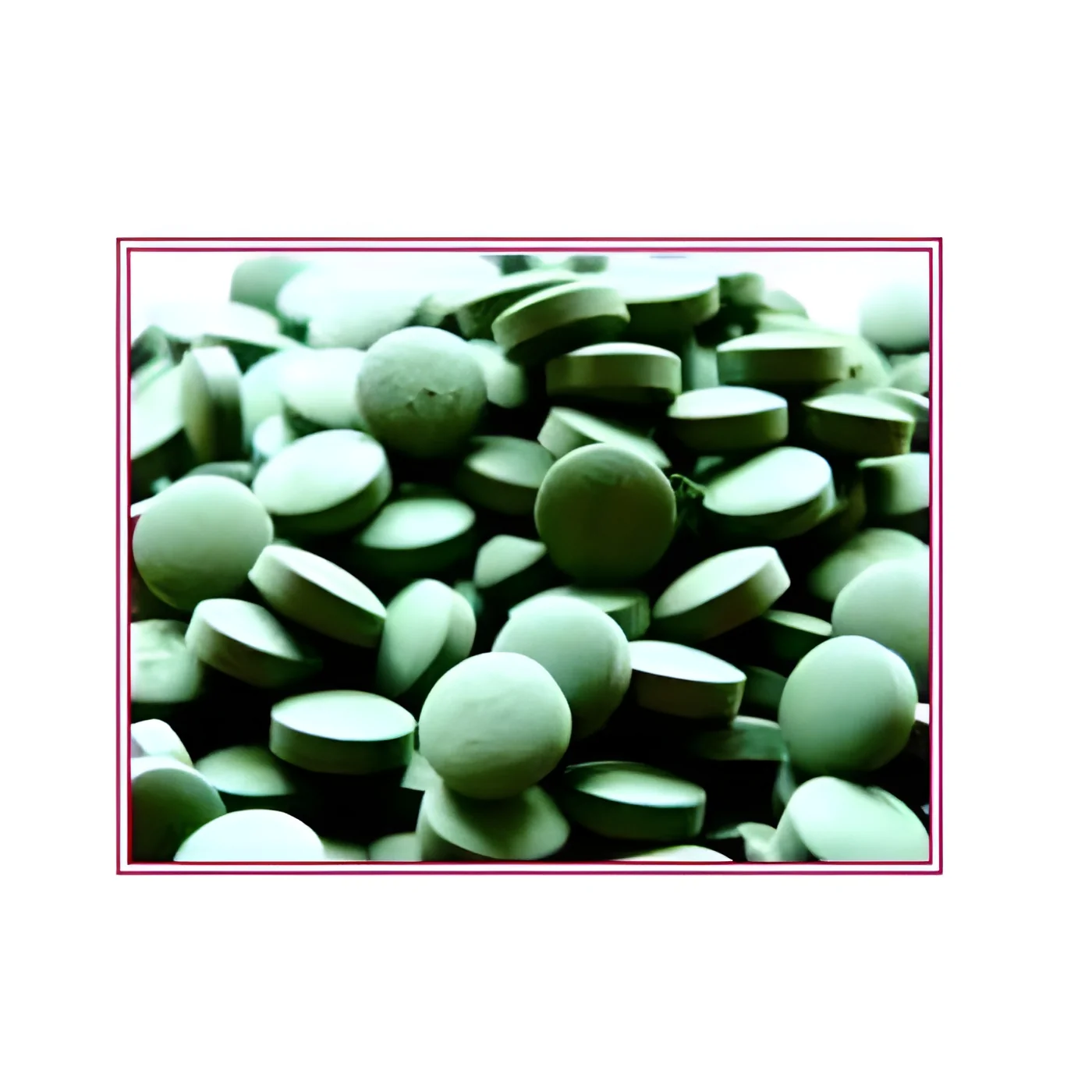
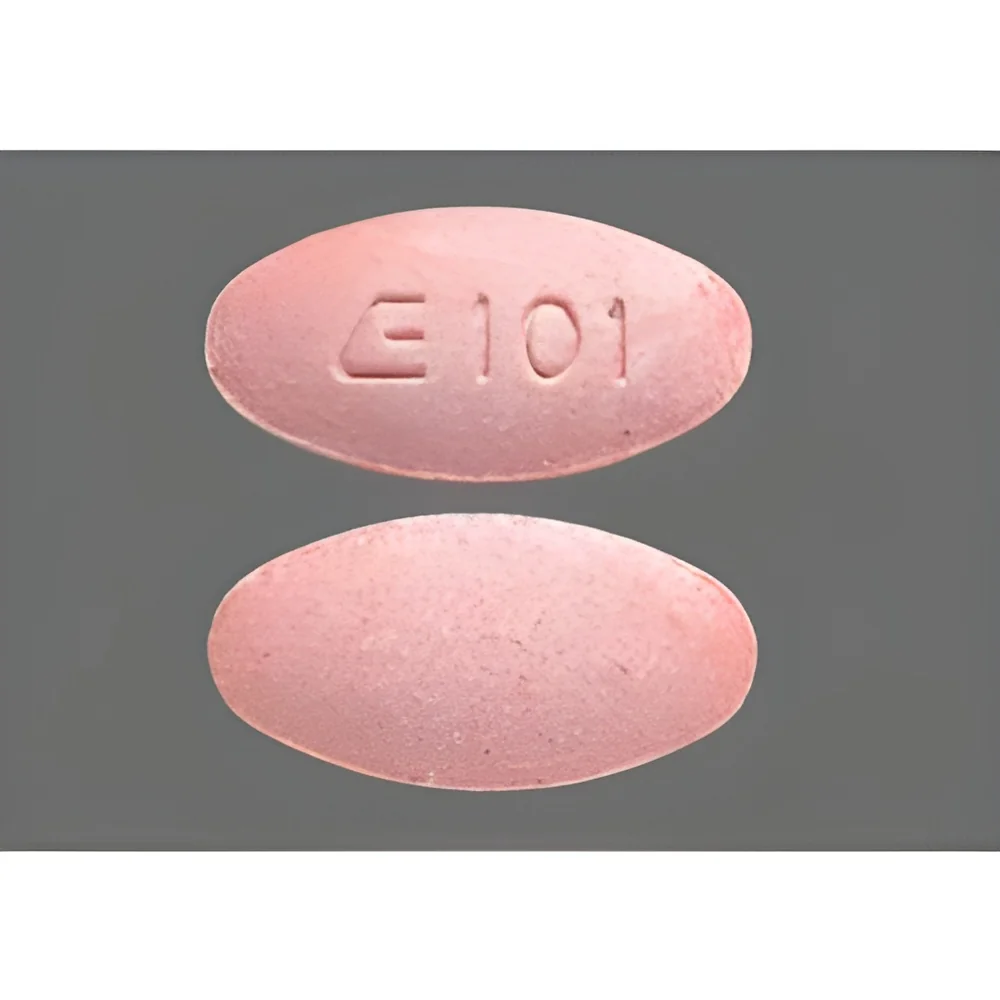
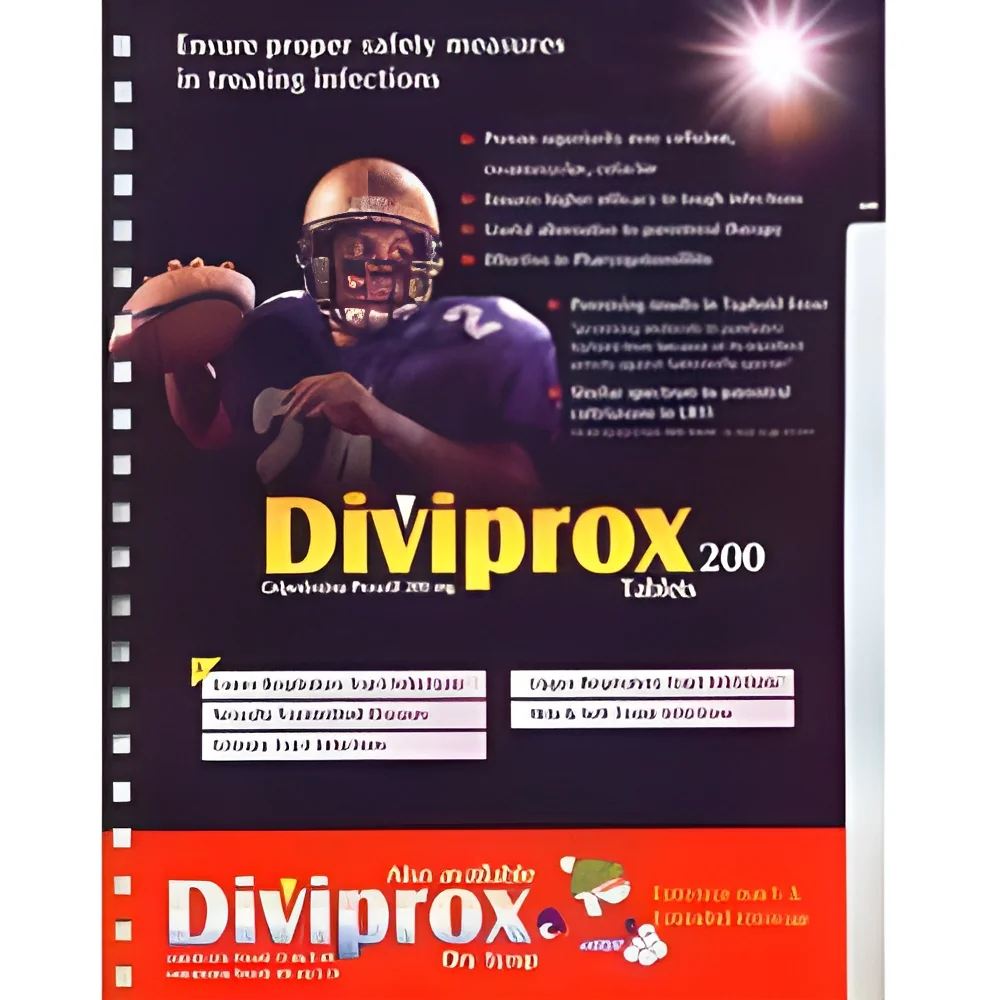
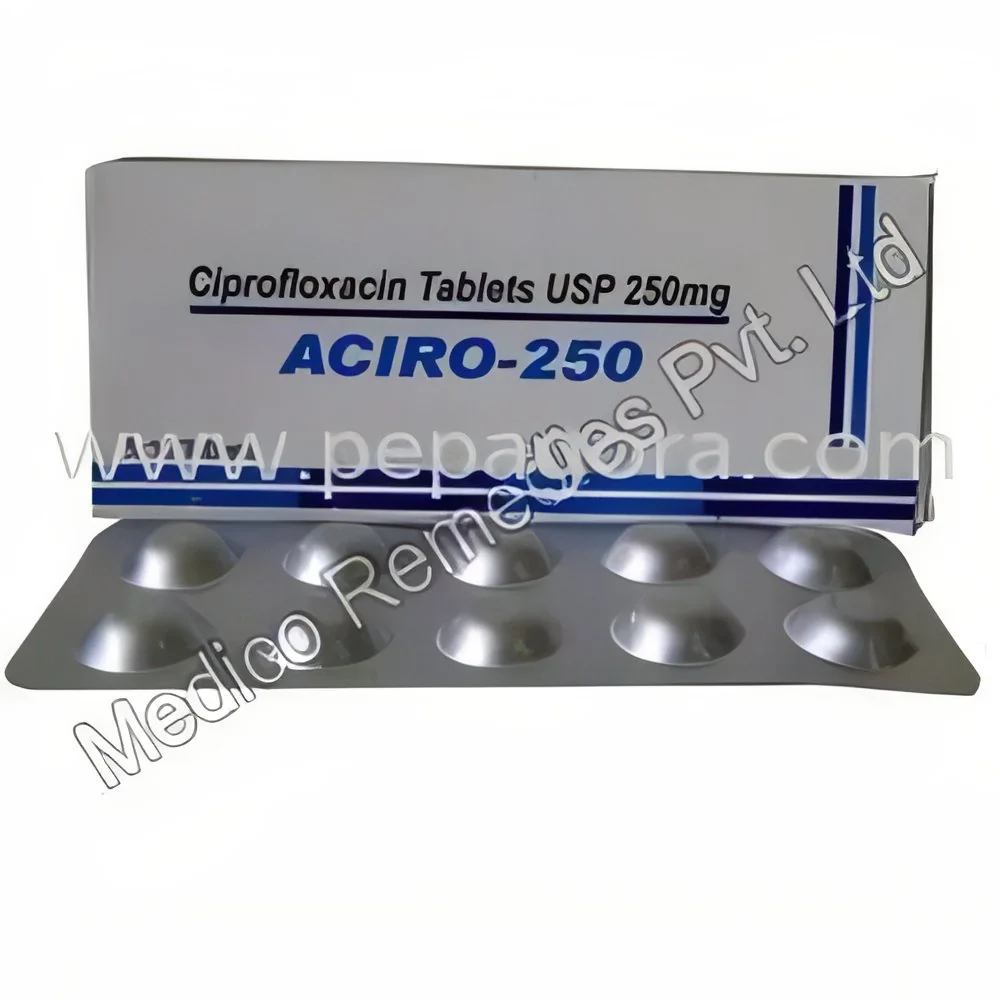
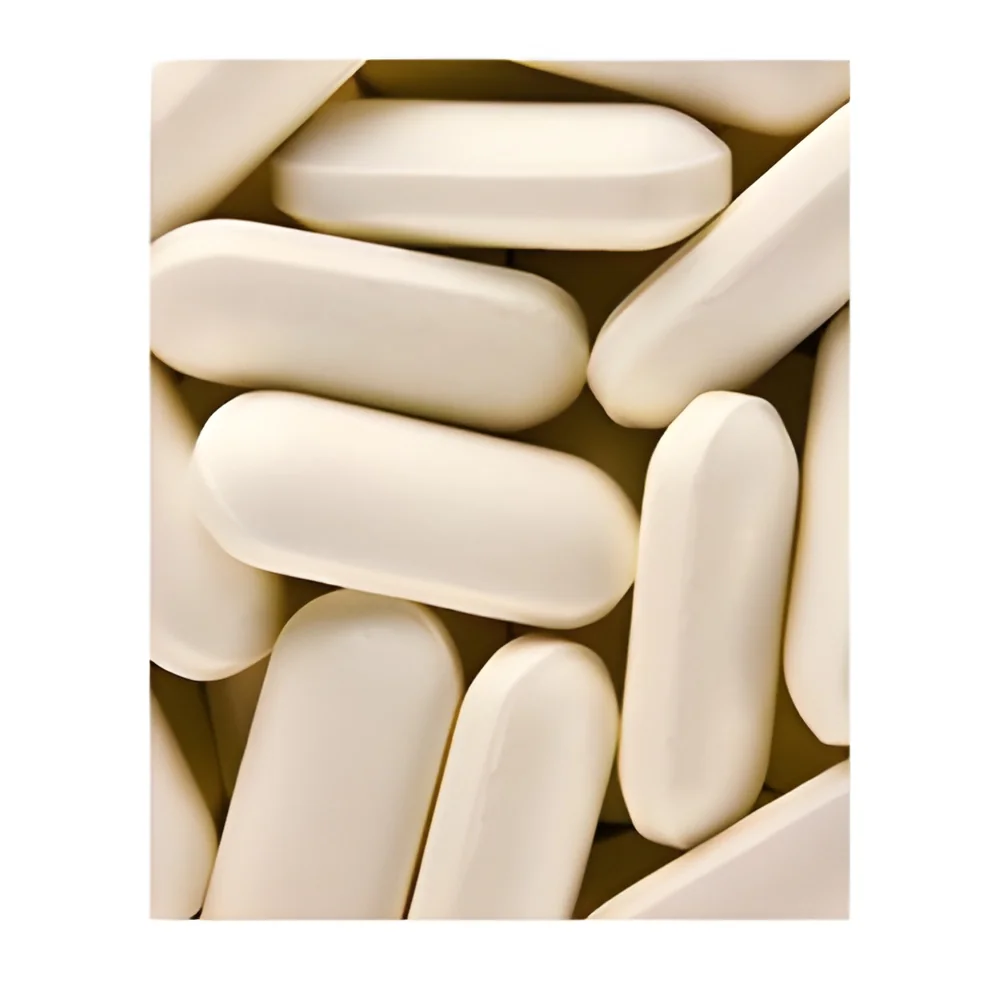
Tablets are one of the most common forms of pharmaceutical products. They are typically easy to administer and can be formulated for immediate or controlled release, providing flexibility in patient care.
Liquid Formulations
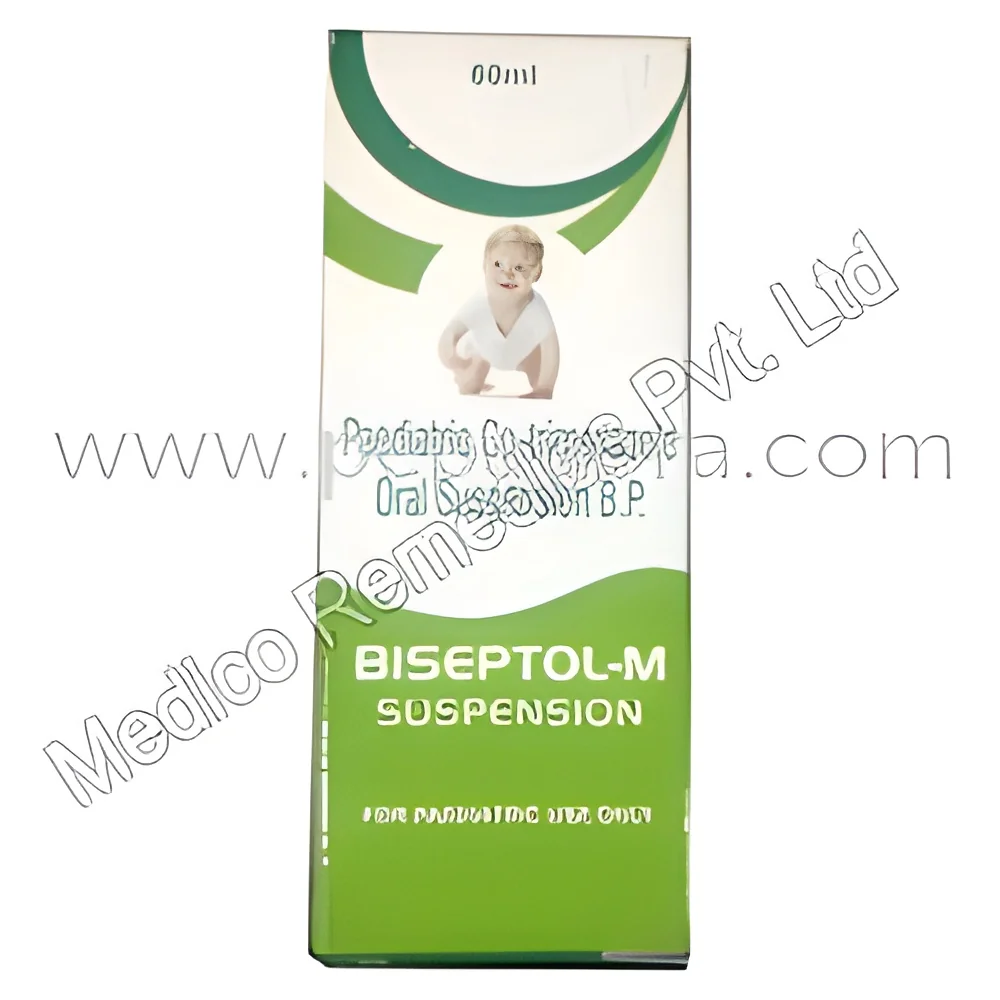
Liquid formulations, including syrups and suspensions, are often preferred for pediatric or geriatric patients who may have difficulty swallowing tablets. These products can also provide rapid absorption in the body.
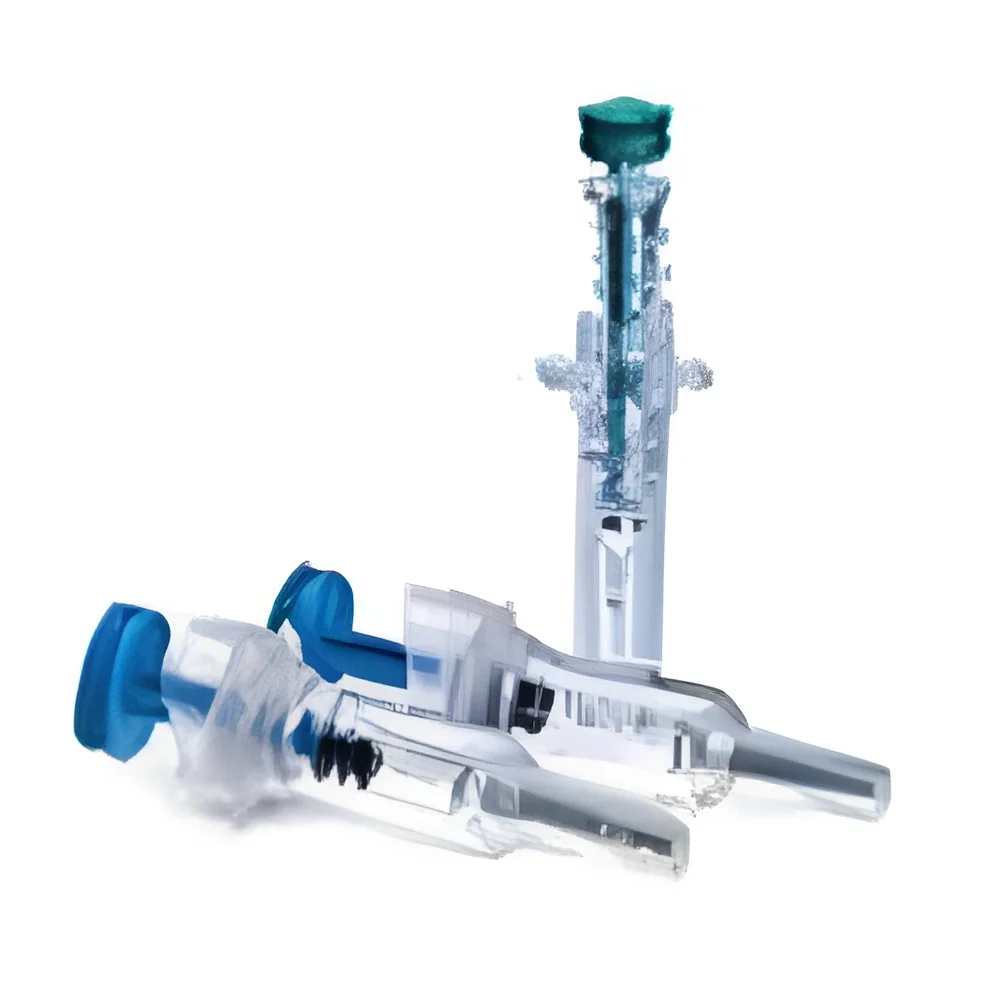
Injectable Solutions
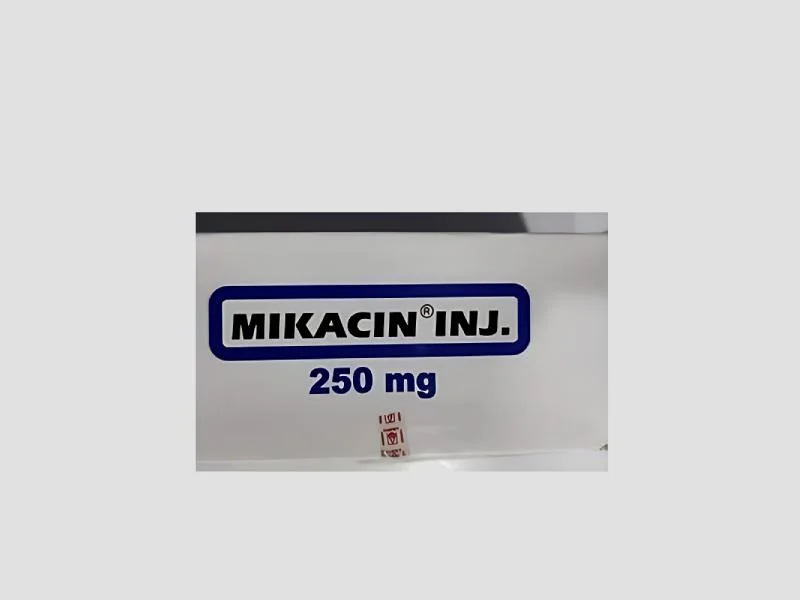
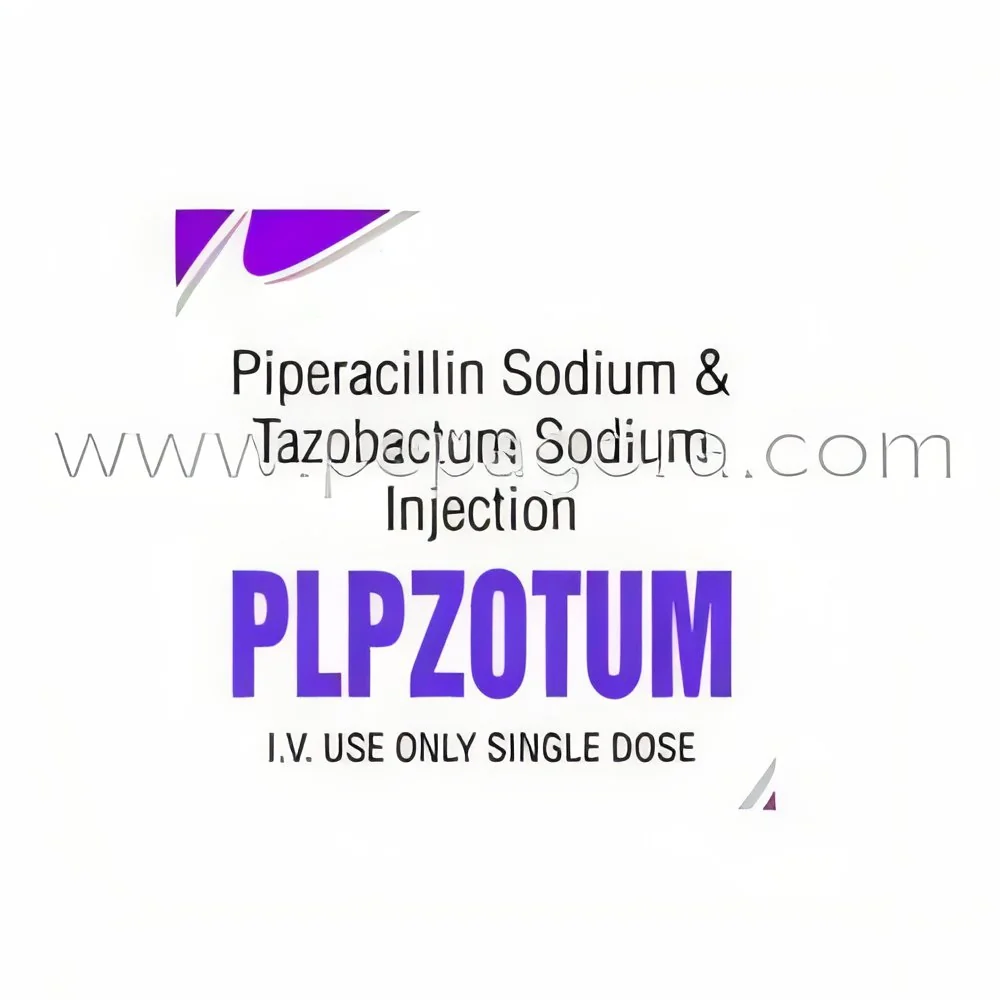
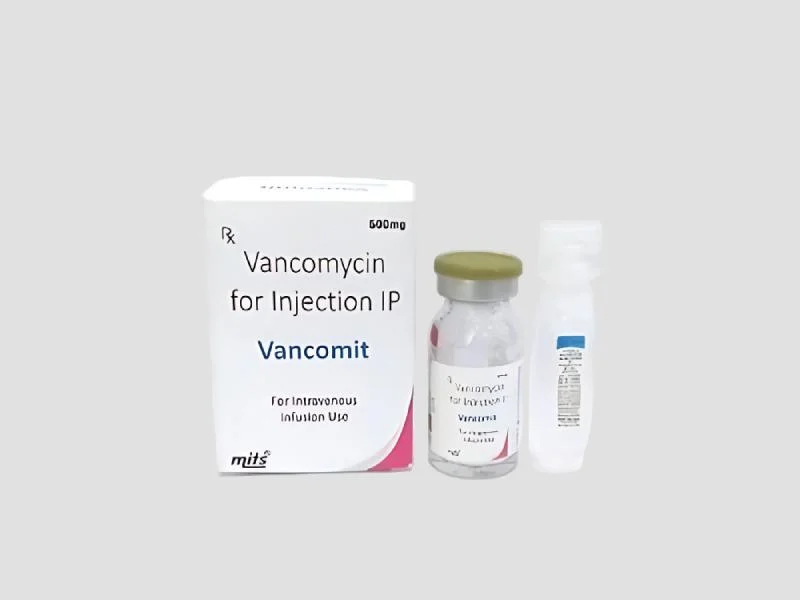
Injectable solutions are used for medications that require prompt therapeutic action. They are crucial in emergency medicine and in settings where oral administration is not feasible.
Topical Preparations
Topical preparations, such as creams and ointments, are designed for localized treatment of skin conditions. They are often used in dermatology and pain management.
Inhalation Products
Inhalation products are essential for patients with respiratory conditions. They include metered-dose inhalers and nebulizers, delivering medication directly to the lungs for immediate relief.
𝗕𝗲𝗻𝗲𝗳𝗶𝘁𝘀 𝗮𝗻𝗱 𝗔𝗱𝘃𝗮𝗻𝘁𝗮𝗴𝗲𝘀
The use of pharmaceutical products offers numerous benefits for healthcare providers and patients alike.
Key benefits include:
1. Improved Patient Outcomes: Pharmaceutical products are designed to effectively treat and manage medical conditions, resulting in better health outcomes for patients.
2. Enhanced Convenience: Various forms of pharmaceutical products allow for easier administration, catering to patient preferences and enhancing adherence to treatment regimens.
3. Research and Innovation: The development of new pharmaceutical products drives innovation in medical science, leading to breakthroughs in treatment options and therapies.
4. Cost-Effectiveness: Many pharmaceutical products are available in generic forms, providing cost-effective alternatives without compromising quality.
5. Regulatory Assurance: Compliance with rigorous standards ensures that pharmaceutical products are safe and effective for public use, fostering trust among healthcare providers and patients.
6. Versatile Applications: Pharmaceutical products have applications across multiple sectors, including human and veterinary medicine, research, and biotechnology, expanding their utility.
𝗕𝘂𝘆𝗶𝗻𝗴 𝗚𝘂𝗶𝗱𝗲 𝗳𝗼𝗿 𝗕𝟮𝗕 𝗕𝘂𝘆𝗲𝗿𝘀
When sourcing pharmaceutical products, B2B buyers must consider several factors to ensure quality and reliability.
1. Quality Assessment: Evaluate the quality of pharmaceutical products through certifications and compliance with industry standards. Look for products that have undergone rigorous testing for safety and efficacy.
2. Supplier Verification: Conduct thorough research to verify suppliers' credentials. Ensure that they have a proven track record of providing high-quality pharmaceutical products and comply with regulatory requirements.
3. Pricing and MOQ: Understand the pricing structure and minimum order quantities (MOQ) for different pharmaceutical products. Negotiate terms that align with your budget and needs.
4. Delivery and Lead Times: Assess the logistics involved in product delivery. Confirm lead times to ensure that you receive products when needed without delays impacting your operations.
5. Compliance Requirements: Familiarize yourself with compliance regulations specific to your industry and region. Ensure that the pharmaceutical products sourced meet all necessary legal requirements for distribution and use.
𝗖𝗼𝗺𝗽𝗹𝗶𝗮𝗻𝗰𝗲 𝗮𝗻𝗱 𝗖𝗲𝗿𝘁𝗶𝗳𝗶𝗰𝗮𝘁𝗶𝗼𝗻𝘀
Compliance and certifications are vital components of the pharmaceutical industry, ensuring that products meet required safety and quality standards.
Pharmaceutical products must adhere to relevant quality standards such as ISO 9001, which focuses on quality management systems. This standard helps organizations consistently provide products that meet customer and regulatory requirements.
Additionally, the Hazard Analysis and Critical Control Points (HACCP) approach is employed to ensure food safety in pharmaceutical manufacturing processes, especially for products that involve dietary components.
Good Distribution Practice (GDP) standards are also critical, ensuring that pharmaceutical products are stored and transported under appropriate conditions to maintain their integrity.
Furthermore, industry certifications like CE mark signify compliance with European health, safety, and environmental protection standards, which is crucial for products sold in the EU market.
Buyers should also be aware of regional compliance considerations, as regulations can vary significantly. Understanding these requirements is essential for ensuring that pharmaceutical products are safe and compliant for use in different markets.
𝗪𝗵𝘆 𝗦𝗼𝘂𝗿𝗰𝗲 𝗣𝗵𝗮𝗿𝗺𝗮𝗰𝗲𝘂𝘁𝗶𝗰𝗮𝗹 𝗣𝗿𝗼𝗱𝘂𝗰𝘁𝘀 𝗳𝗿𝗼𝗺 𝗣𝗲𝗽𝗮𝗴𝗼𝗿𝗮?
Pepagora provides a trusted platform for sourcing pharmaceutical products, offering several key advantages that benefit B2B buyers.
Verified Supplier Network: Pepagora maintains a network of verified suppliers, ensuring that buyers have access to reputable manufacturers and distributors. This verification process helps mitigate risks associated with sourcing.
Streamlined RFQ Process: The platform simplifies the request for quotation (RFQ) process, allowing buyers to efficiently compare offers from multiple suppliers. This transparency empowers buyers to make informed decisions based on pricing and product quality.
Trade Assurance and Support: Pepagora offers trade assurance and support services to protect buyers throughout the sourcing process. This includes assistance with negotiations, ensuring that buyers receive the products they require safely and securely.
Regional Coverage: With a strong presence in India, the GCC, and Southeast Asia, Pepagora provides extensive geographic reach. This allows buyers to source pharmaceutical products from a variety of suppliers located in key markets, offering flexibility and options for their procurement needs.

 IN
IN