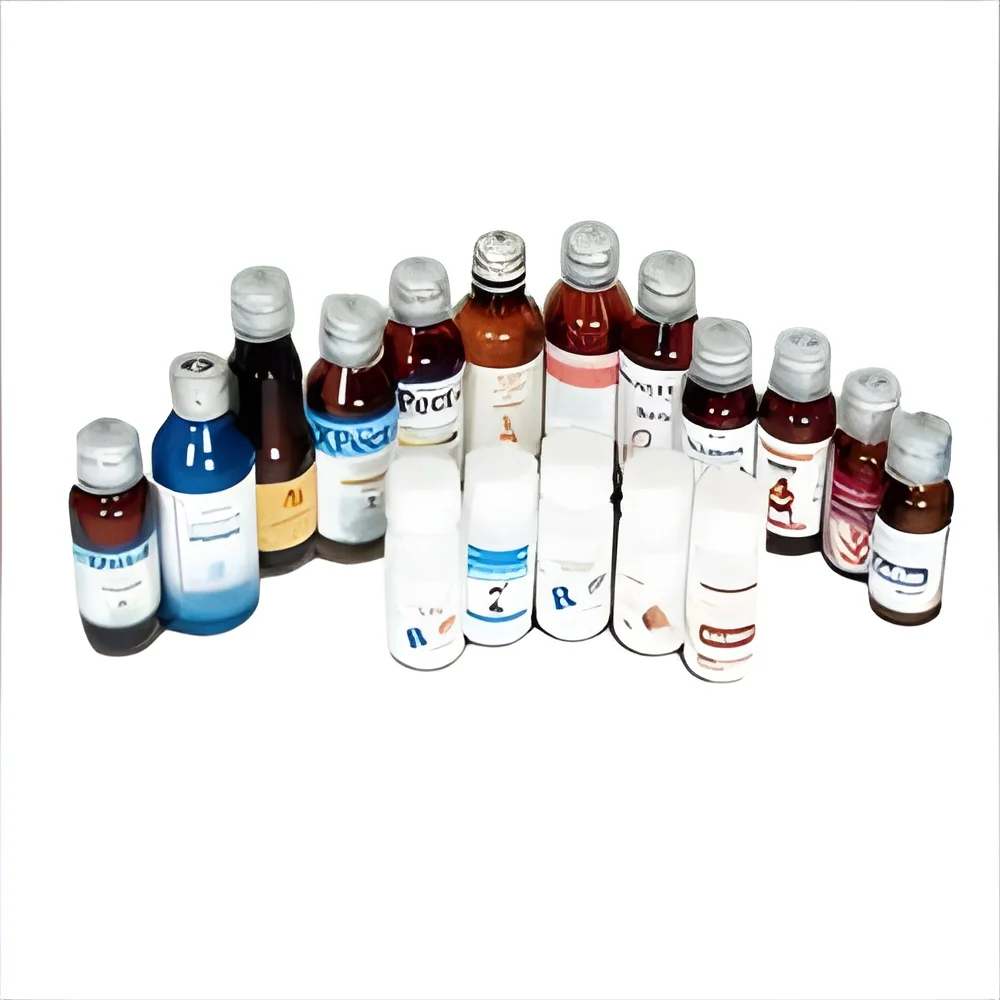
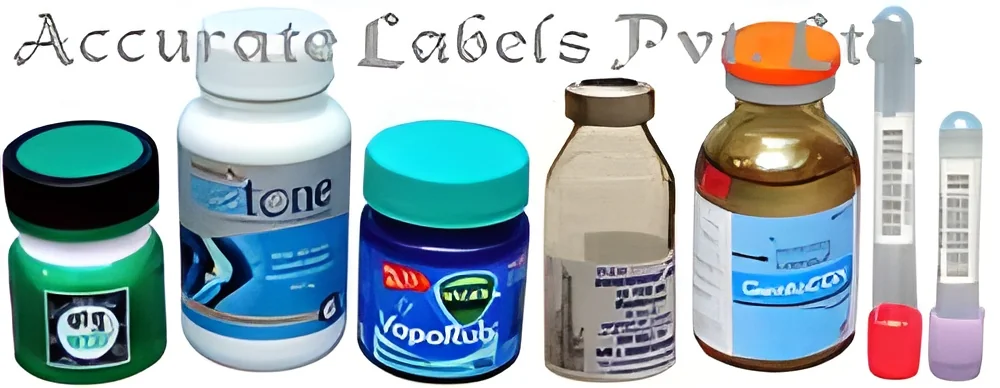
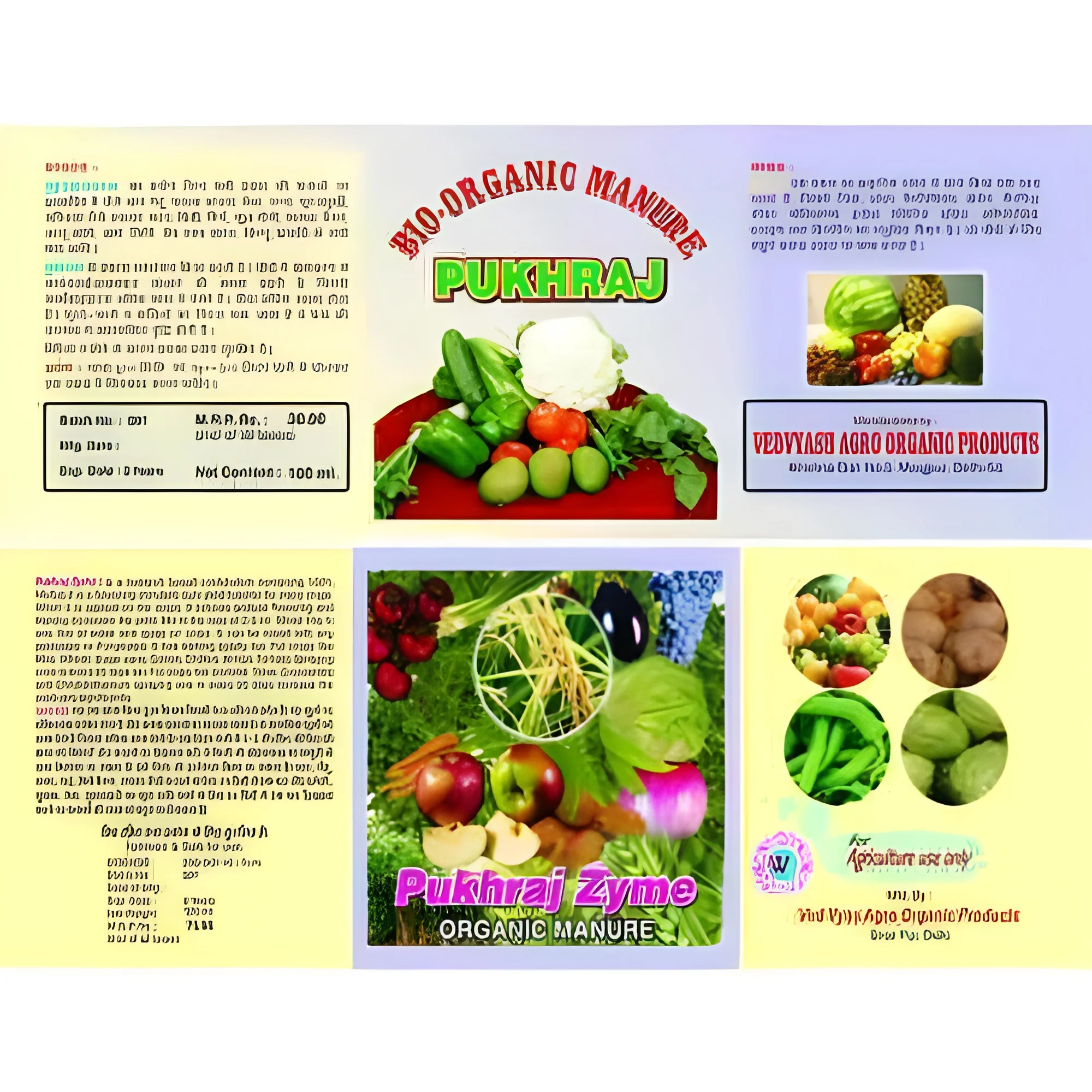
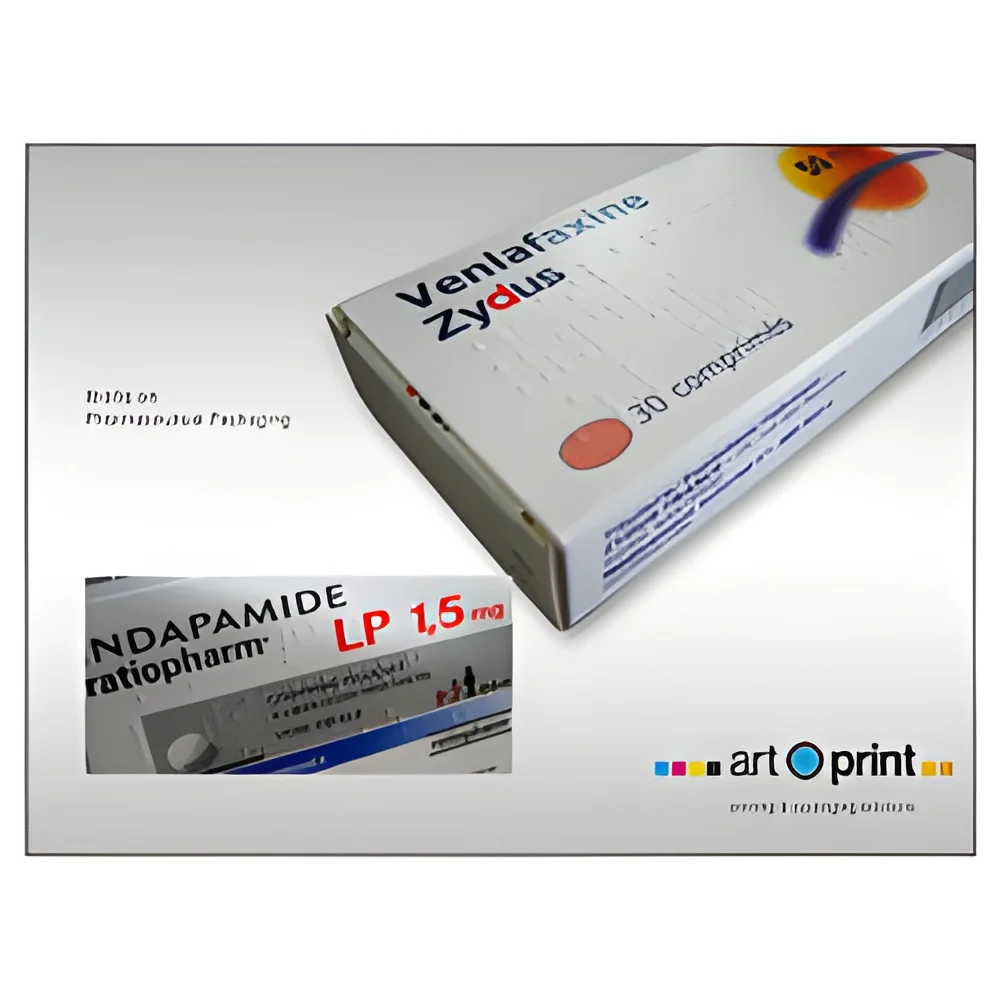
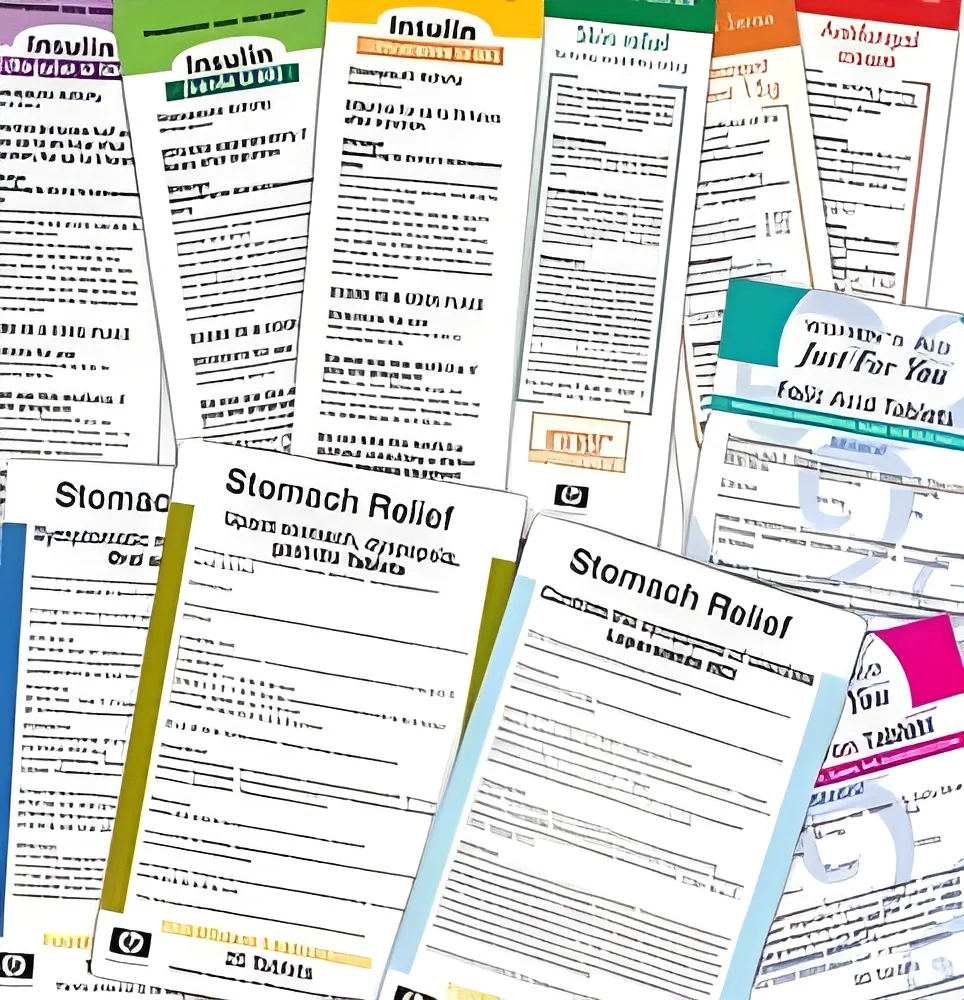
What are Pharma Labelling & Regulatory Printing?
Pharma Labelling and Regulatory Printing encompass the production of labels and packaging for pharmaceutical products that comply with stringent industry regulations. These labels provide critical information such as dosage instructions, ingredients, safety warnings, and expiration dates. The printing processes used in this sector must adhere to specific quality standards to ensure that the information remains legible and accurate throughout the product's lifecycle.
The primary uses of pharma labelling and regulatory printing include the packaging of prescription medications, over-the-counter drugs, and medical devices. Businesses in the pharmaceutical sector rely on these printed materials to meet legal requirements, enhance product safety, and improve consumer awareness. Proper labelling is not only a regulatory necessity but also a marketing tool that can influence purchasing decisions and build brand trust.
In a highly regulated market, the relevance of pharma labelling and regulatory printing is paramount. With the rise of global trade, pharmaceutical companies must ensure compliance with various international regulations. As a result, the demand for high-quality printing solutions that can meet these standards is increasing, driving innovation and standards in the industry.
Key Features and Specifications
Pharma labelling and regulatory printing products are characterized by several key features that ensure compliance and effectiveness. These features are designed to meet both the functional needs of the industry and the regulatory requirements.
Key specifications include:
1. Print Quality
- High-resolution printing to ensure clarity and readability
- Use of durable inks that resist fading and smudging
2. Material Compatibility
- Labels must adhere well to various surfaces like glass, plastic, and metal
- Use of materials that can withstand environmental factors such as moisture and temperature fluctuations
3. Compliance Standards
- Must meet industry-specific regulations such as ISO 9001 and CE certification
- Adherence to Good Distribution Practices (GDP)
4. Security Features
- Incorporation of anti-counterfeiting measures such as holograms or QR codes
- Tamper-evident labels to enhance product safety
5. Customization Options
- Ability to print labels in various sizes, shapes, and colors
- Options for variable data printing for batch tracking and serialization
6. Eco-Friendly Materials
- Use of sustainable materials that comply with environmental regulations
- Options for recyclable or biodegradable labels
7. Multi-Language Support
- Availability of labels in multiple languages to cater to global markets
- Compliance with local language requirements in specific regions
8. Flexibility in Production
- Capability for short runs or large scale printing to meet diverse business needs
- Quick turnaround times for urgent orders
These specifications ensure that pharma labelling and regulatory printing solutions are reliable, compliant, and tailored to the needs of the pharmaceutical industry.
Common Applications and Use Cases
Pharma labelling and regulatory printing play vital roles across various sectors within the healthcare and pharmaceutical industries.
1. Prescription Medications: Labels provide essential information on dosage, administration, and storage, ensuring patient safety and adherence to treatment protocols.
2. Over-the-Counter Drugs: Clear labelling helps consumers make informed choices about non-prescription medications by detailing ingredients and usage instructions.
3. Medical Devices: Labels for medical devices must include safety warnings and usage guidelines, ensuring compliance with regulatory standards.
4. Nutraceuticals: Labels for dietary supplements must convey necessary health claims and ingredient lists, complying with FDA regulations.
5. Veterinary Products: Pharmaceutical products for animals require specific labelling to inform pet owners about dosages and safety precautions.
6. Biologics: Labels for biologics must comply with strict regulatory requirements, including storage conditions and expiration dates.
7. Clinical Trials: Labelling for investigational products in clinical trials must be accurate for tracking and regulatory compliance.
Product Variants and Subcategories
Pharma labelling and regulatory printing offerings can vary to meet specific industry needs. While specific subcategories are not available, the diversity in product offerings allows for tailored solutions.
Custom Labels: These labels can be designed to meet specific branding and regulatory requirements. They are suitable for unique products requiring specialized information.
Tamper-Evident Labels: Designed to provide security and assurance to consumers, these labels indicate if a product has been opened or tampered with.
Water-Resistant Labels: Ideal for products exposed to moisture, these labels ensure that the information remains intact regardless of environmental conditions.
Sustainable Labels: These options cater to eco-conscious businesses looking to reduce their environmental footprint while maintaining compliance and quality.
Benefits and Advantages
Sourcing pharma labelling and regulatory printing comes with several advantages for businesses in the pharmaceutical sector.
1. Compliance Assurance: Ensuring labels meet regulatory requirements minimizes the risk of legal issues and costly product recalls.
2. Enhanced Brand Trust: High-quality, clear labelling builds consumer confidence in the product's safety and efficacy.
3. Improved Operational Efficiency: Streamlined printing processes reduce production time and costs, leading to better resource management.
4. Customization Flexibility: Businesses can tailor labels to meet specific marketing and regulatory needs, enhancing brand visibility.
5. Security Measures: Incorporating anti-counterfeiting features protects both consumers and brands from fraudulent products.
6. Environmental Responsibility: Offering sustainable labelling options aligns with corporate social responsibility goals and appeals to eco-conscious consumers.
Buying Guide for B2B Buyers
When sourcing Pharma Labelling and Regulatory Printing, it is essential for B2B buyers to consider several critical factors to ensure a successful procurement process.
1. Quality Assessment: Buyers should evaluate the quality of printing and materials used. This includes checking for durability and compliance with industry standards.
2. Supplier Verification: It is crucial to vet suppliers for reliability and reputation. This may involve checking references and past performance in similar projects.
3. Pricing and MOQ: Understanding pricing structures and minimum order quantities (MOQ) helps buyers budget effectively and avoid overstocking.
4. Delivery and Lead Times: Buyers should inquire about lead times to ensure timely delivery. This is especially important for urgent projects or product launches.
5. Compliance Requirements: Buyers must confirm that the supplier can meet all relevant regulatory and compliance standards specific to their industry.
Compliance and Certifications
Pharma labelling and regulatory printing are subject to stringent compliance and certification requirements. Key quality standards include ISO 9001, which ensures consistent quality management systems. Other relevant standards may include HACCP for food safety and Good Distribution Practices (GDP) for pharmaceutical products.
Industry certifications such as CE and UL signify that products meet safety and performance standards. These certifications are crucial for products intended for international markets.
Safety and testing requirements are vital to ensure that the printed materials do not degrade or become illegible over time. Compliance with regional regulations is also necessary, as different countries may have specific labelling requirements based on local laws and market conditions.
Why Source Pharma Labelling & Regulatory Printing from Pepagora?
Pepagora offers a trusted platform for sourcing Pharma Labelling and Regulatory Printing, providing several key advantages to B2B buyers.
Verified Supplier Network: Pepagora connects buyers with a network of verified suppliers, ensuring that businesses can source high-quality products with confidence. This verification process includes thorough background checks and performance assessments.
Streamlined RFQ Process: The platform simplifies the quotation process, allowing buyers to request quotes quickly and efficiently. This feature saves time and enhances the procurement experience.
Trade Assurance and Support: Pepagora provides buyer protection through trade assurance measures, ensuring that businesses receive the quality and services they expect from their suppliers.
Regional Coverage: With operations covering India, the GCC, and Southeast Asia, Pepagora ensures that businesses can find local suppliers that understand regional compliance and market needs. This geographic reach enables quicker response times and better logistical support for buyers.

 IN
IN