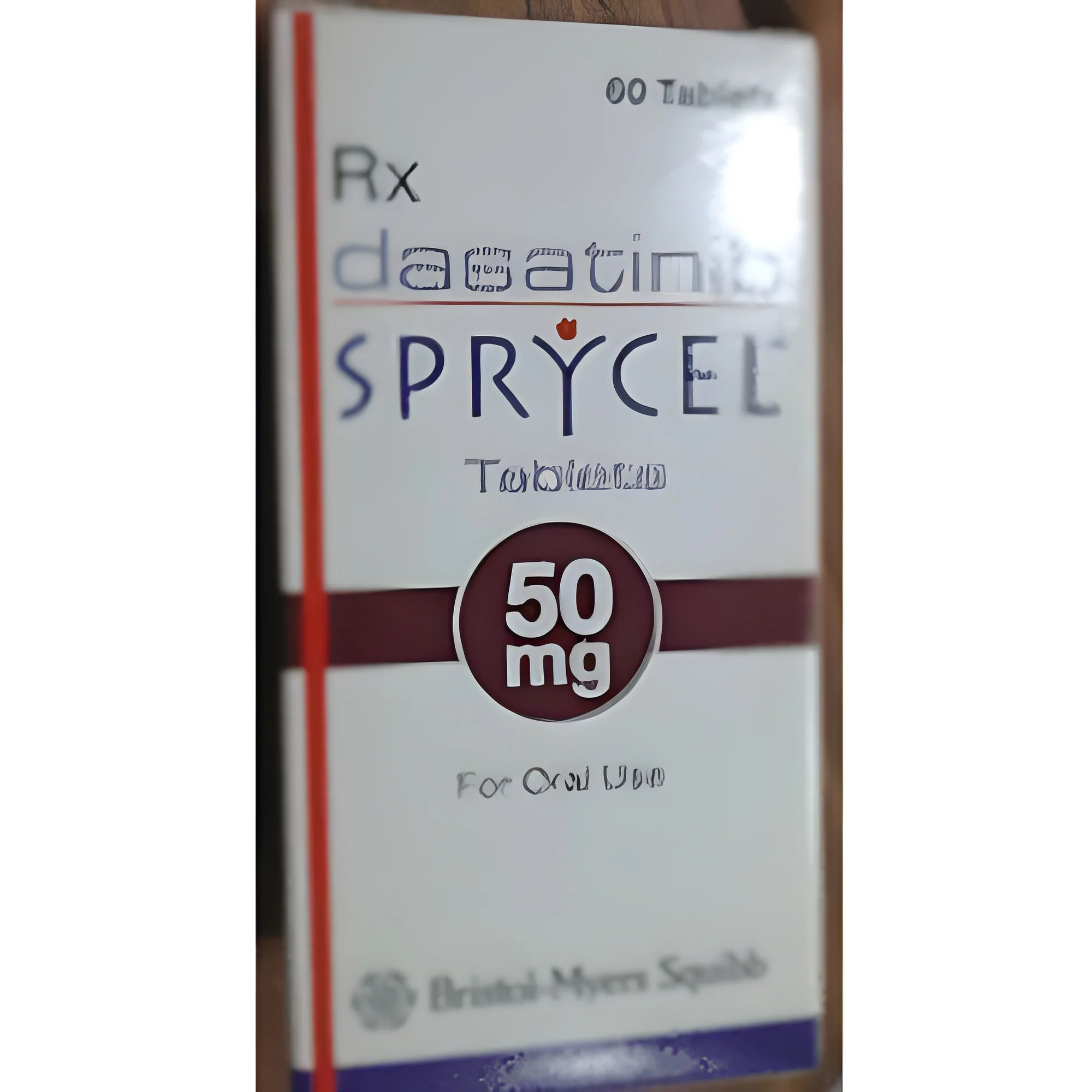
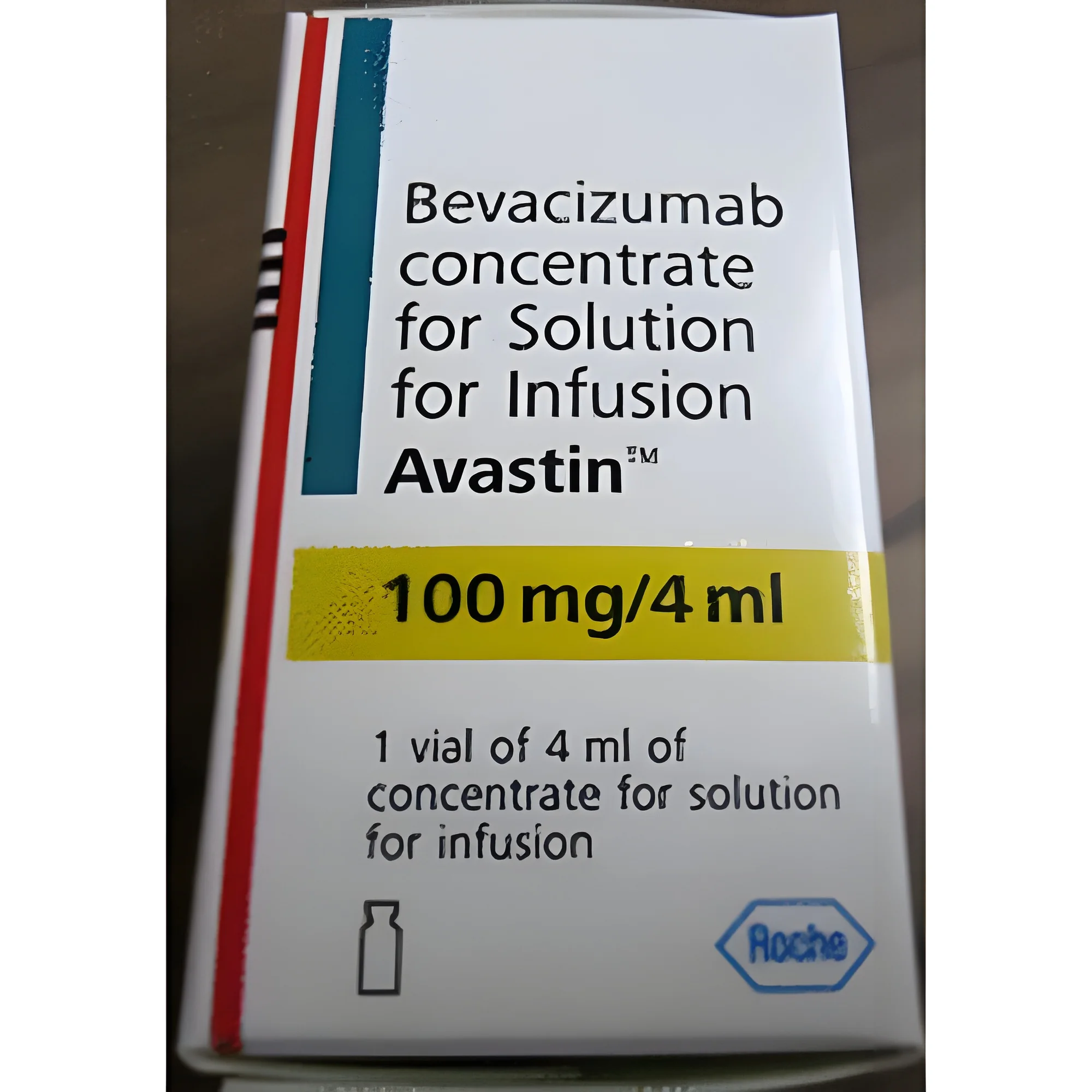
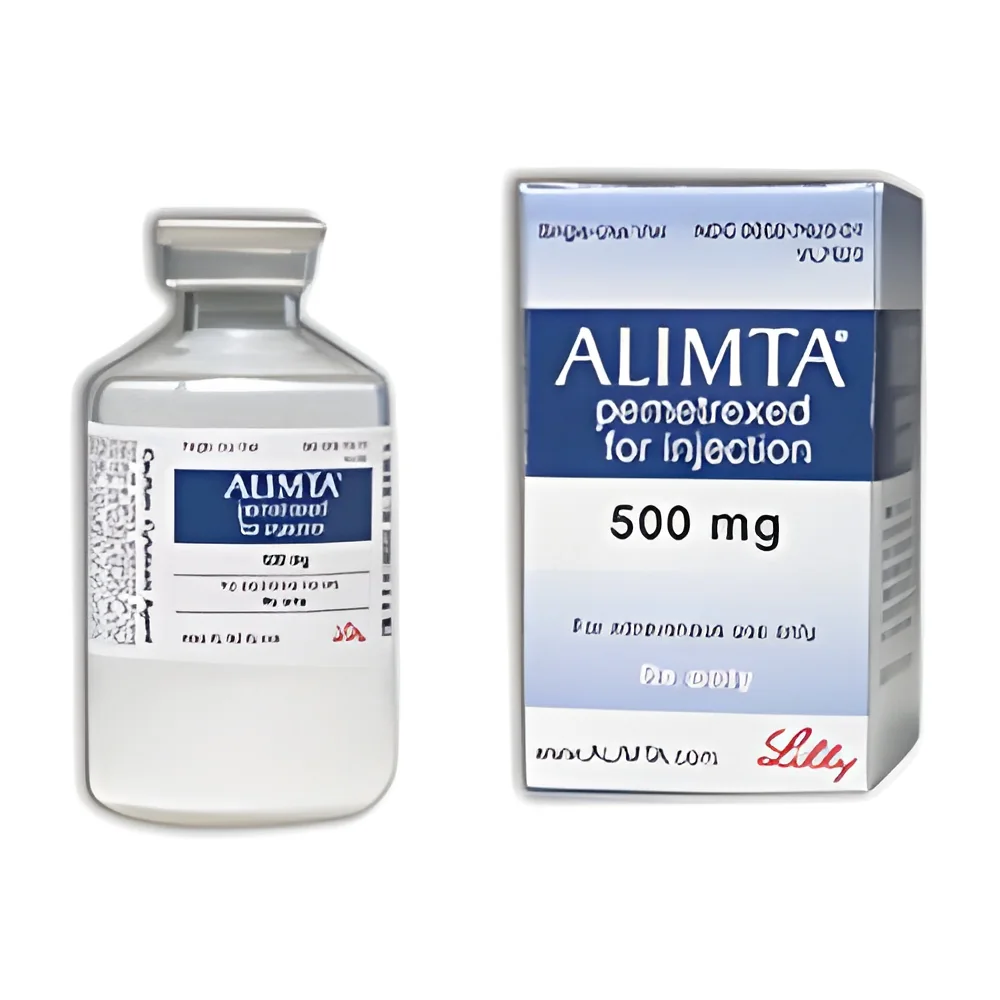
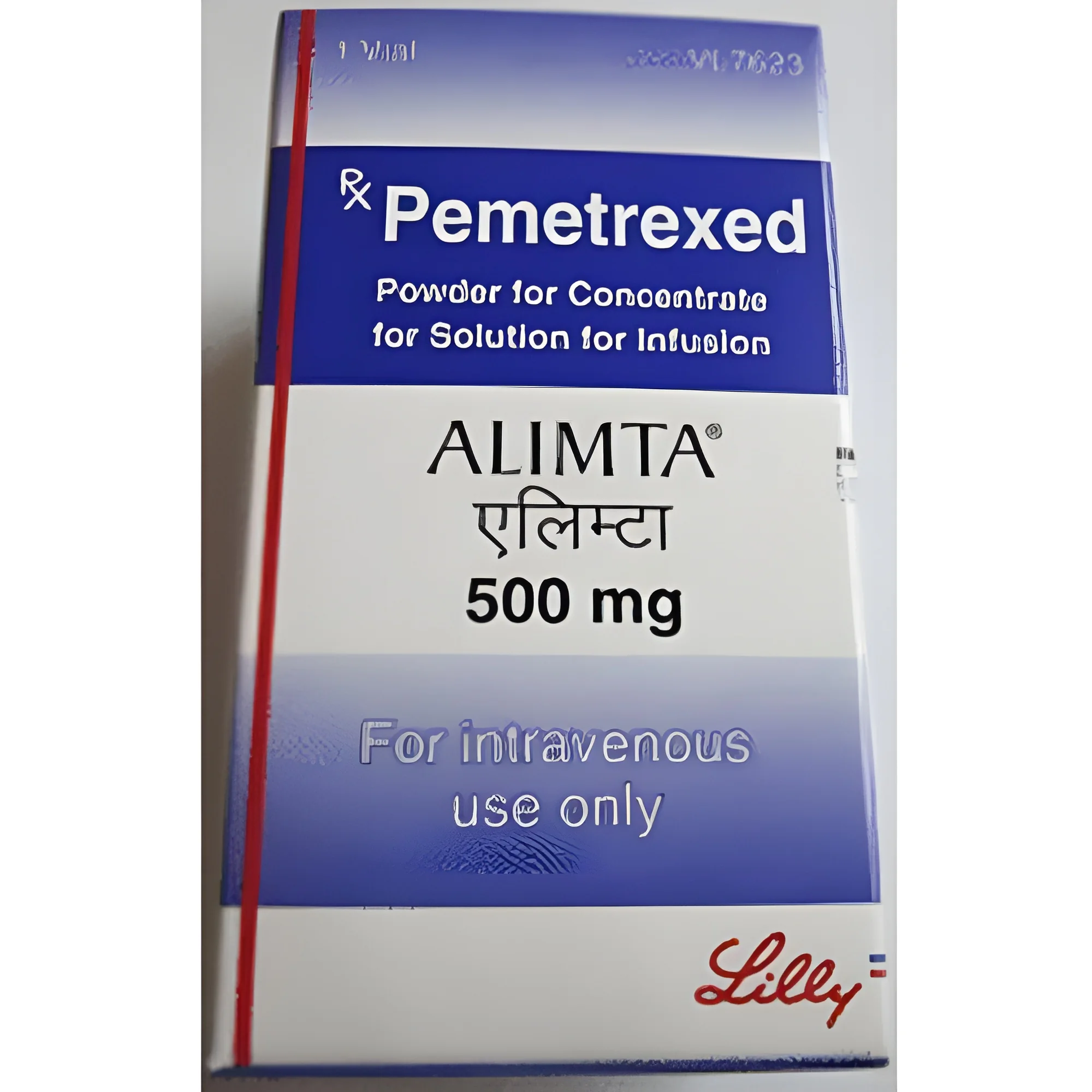
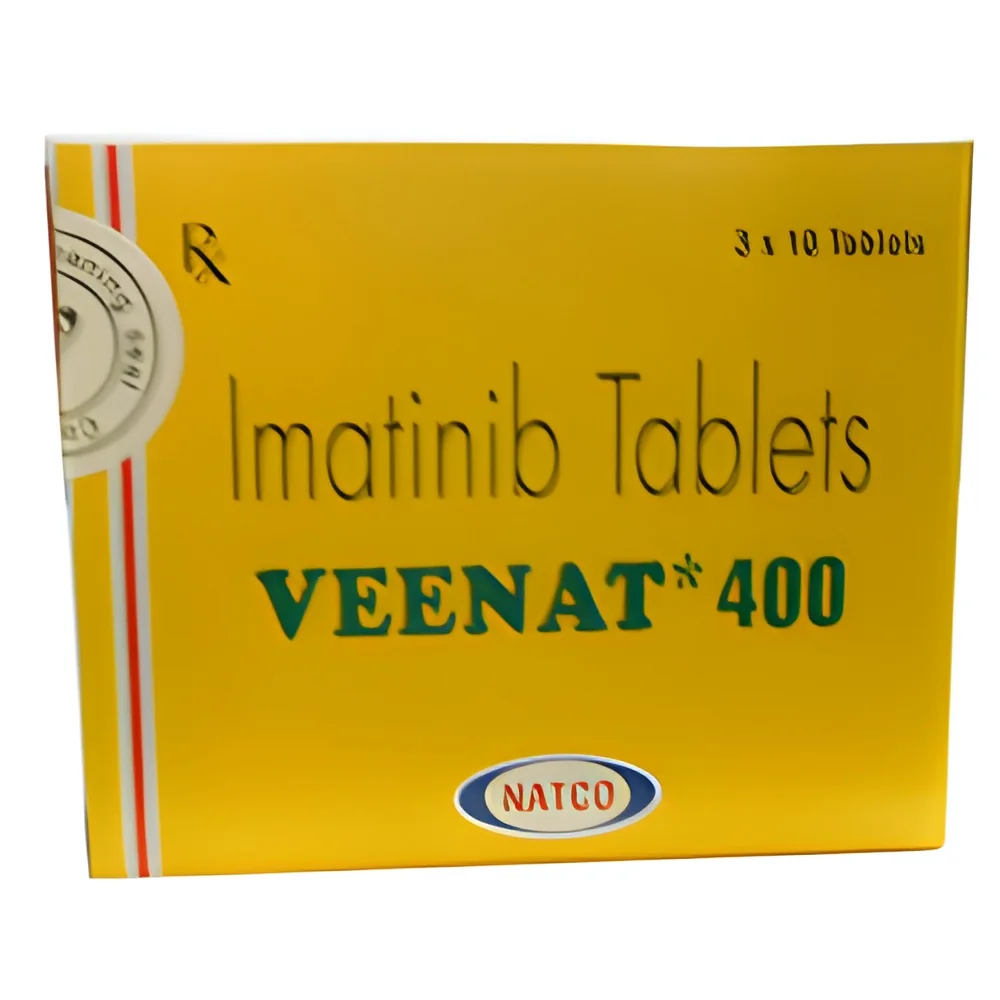
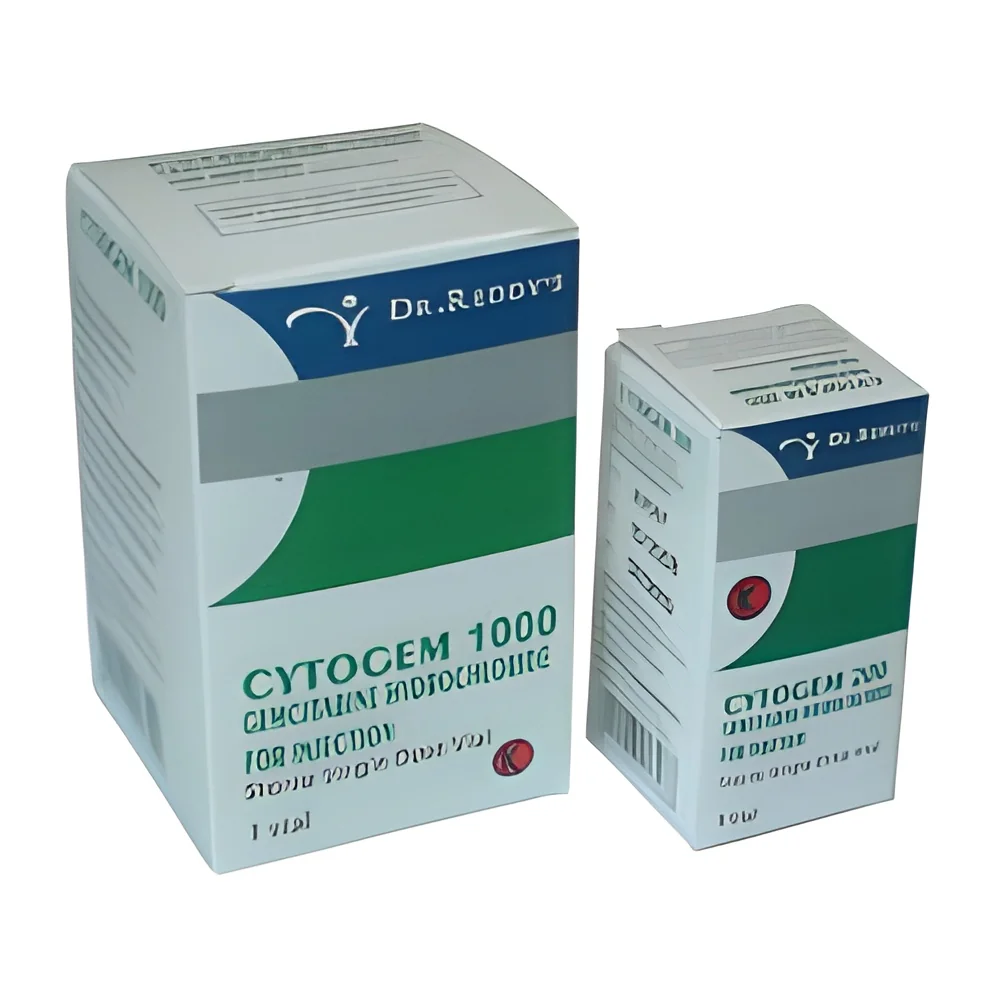
What are Oncology Drugs?
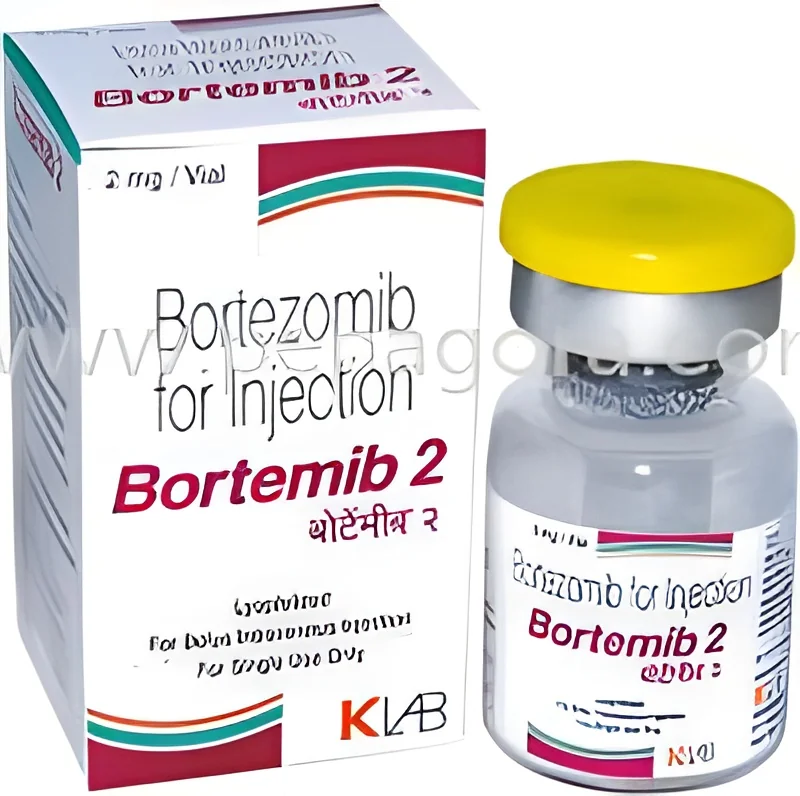
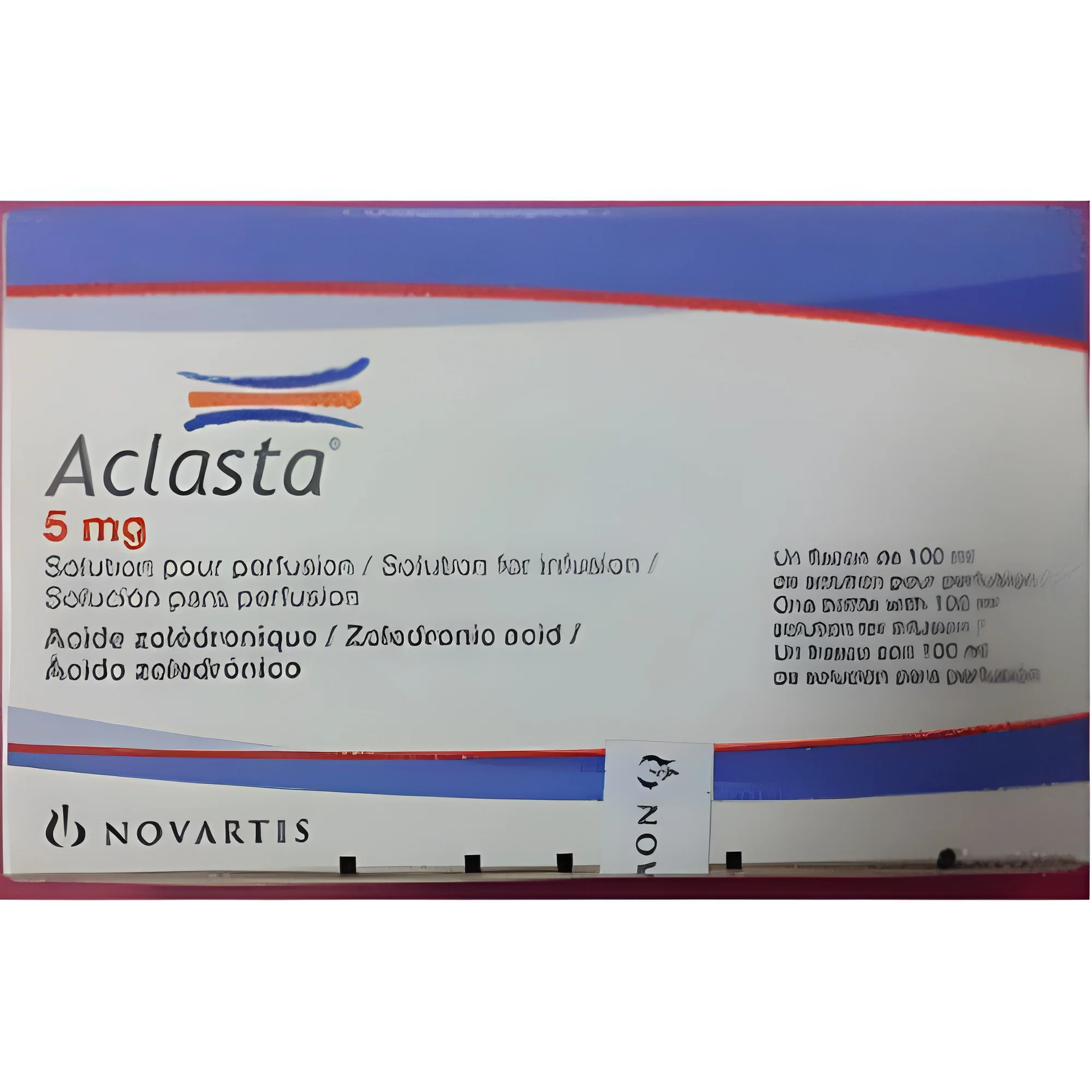
Oncology drugs are pharmaceutical agents specifically designed to diagnose, treat, and prevent various types of cancer. These drugs work through different mechanisms such as inhibiting cancer cell growth, inducing apoptosis, or enhancing the immune response against tumors. They are categorized into several classes, including chemotherapy agents, targeted therapies, immunotherapies, and hormone therapies. Each class targets cancer cells in unique ways, aiming to either kill them directly or disrupt their ability to grow and divide.
In the business context, oncology drugs are essential in hospitals, cancer treatment centers, and research institutions. They are used in combination with other treatments such as surgery and radiation therapy to maximize their effectiveness. The oncology drug market is significant as it addresses the growing prevalence of cancer globally. Many pharmaceutical companies are investing heavily in oncology research and development, resulting in a competitive landscape that drives innovation and improvements in treatment options.
Key Features and Specifications
Oncology drugs come with a range of features and specifications that are crucial for effective treatment. Understanding these specifications helps healthcare providers make informed decisions regarding patient care.
Key specifications include:
1. Drug Class
- This refers to the category of the oncology drug, such as chemotherapy, targeted therapy, or immunotherapy.
- Each class has distinct mechanisms of action and treatment protocols.
2. Dosage Forms
- Oncology drugs are available in various forms, including oral tablets, injectable solutions, and intravenous formulations.
- The choice of dosage form impacts administration and patient compliance.
3. Indications
- Each oncology drug is approved for specific types of cancer, such as breast cancer, lung cancer, or colorectal cancer.
- Proper indication is crucial for treatment efficacy.
4. Side Effects
- Oncology drugs may have a range of side effects, which can vary by patient and drug type.
- Understanding potential side effects informs patient management strategies.
5. Storage Conditions
- Many oncology drugs require specific temperature and humidity controls to maintain effectiveness.
- Proper storage is essential to ensure drug stability.
6. Administration Guidelines
- Each drug comes with specific guidelines on how and when to administer it, including pre-treatment assessments.
- Adherence to these guidelines is critical for treatment success.
7. Clinical Trial Data
- Most oncology drugs are supported by clinical trial data demonstrating their safety and efficacy.
- This data informs treatment protocols and patient eligibility.
8. Regulatory Approvals
- Oncology drugs require approvals from regulatory bodies like the FDA or EMA before market release.
- Compliance with regulations ensures that drugs meet safety and efficacy standards.
In summary, the key features and specifications of oncology drugs play a vital role in their application within clinical settings, impacting treatment decisions and patient outcomes.
Common Applications and Use Cases
Oncology drugs are employed across various sectors in healthcare, primarily focused on cancer treatment and management.
1. Hospitals: Oncology drugs are extensively used in hospitals for inpatient cancer treatment, where they are administered in controlled settings.
2. Cancer Treatment Centers: Specialized facilities utilize these drugs for outpatient therapies, providing targeted treatments tailored to individual patient needs.
3. Research Institutions: Oncology drugs are a focal point in clinical research, where new therapies are developed and tested for efficacy and safety.
4. Pharmaceutical Companies: They invest in oncology drug development, focusing on innovative therapies that target specific cancer types.
5. Home Healthcare: Some oncology drugs can be administered at home under the supervision of healthcare professionals, allowing for more flexible treatment options.
6. Palliative Care: Oncology drugs also play a role in palliative care, aimed at alleviating symptoms and improving the quality of life for patients with advanced cancer.
7. Clinical Trials: Many new oncology drugs are initially used in clinical trials, contributing to the advancement of cancer treatment methodologies.
Product Variants and Subcategories
The oncology drug market is diverse, with numerous variants available to meet specific patient needs.
Targeted Therapy Agents: These drugs are designed to target specific molecular pathways involved in cancer growth. They often have fewer side effects compared to traditional chemotherapy and are tailored to individual tumor characteristics.
Chemotherapy Agents: Traditionally used to treat various cancers, these drugs work by killing rapidly dividing cells. They are often administered in cycles and can be used in combination with other treatments.
Immunotherapy Drugs: These agents enhance the body’s immune response against cancer cells. They represent a significant advancement in oncology treatment, providing options for cancers previously deemed untreatable.
Hormone Therapy: Used primarily for hormone-sensitive cancers, such as breast or prostate cancer, these drugs block the body's natural hormones that fuel cancer growth.
Benefits and Advantages
Oncology drugs offer several advantages in cancer treatment, making them essential in modern medicine.
1. Targeted Treatment: Many oncology drugs are designed to target specific cancer types, resulting in more effective and personalized therapies.
2. Improved Survival Rates: Advances in oncology drug development have contributed to increased survival rates for many cancer patients.
3. Quality of Life: Certain oncology drugs help manage symptoms and side effects of cancer, improving patients' overall quality of life.
4. Research and Innovation: Continuous research in oncology drugs leads to new therapies and treatment protocols, providing hope for patients with complex cancer diagnoses.
5. Combination Therapy Potential: Oncology drugs can often be combined with other treatments to enhance efficacy, allowing for multi-faceted approaches to cancer care.
6. Access to Clinical Trials: Many oncology drugs are available through clinical trials, giving patients access to cutting-edge therapies that may not yet be widely available.
Buying Guide for B2B Buyers
When sourcing oncology drugs, B2B buyers should consider several critical factors to ensure they make informed purchasing decisions.
1. Quality Assessment: It is vital to verify the quality of oncology drugs through certifications and quality standards. Buyers should look for compliance with regulations and quality assurance processes.
2. Supplier Verification: Conducting thorough background checks on suppliers is essential. This includes reviewing their manufacturing processes, certifications, and track record in delivering safe and effective products.
3. Pricing and MOQ: Understanding the pricing structure and minimum order quantities (MOQ) is important for budgeting and inventory management. Buyers should compare prices among suppliers while considering quality.
4. Delivery and Lead Times: Assessing delivery schedules and lead times helps ensure that oncology drugs are available when needed. Reliable logistics and supply chain management are critical.
5. Compliance Requirements: Oncology drugs are subject to various regulatory requirements. Buyers must ensure that suppliers comply with local and international regulations governing drug safety and efficacy.
Compliance and Certifications
Compliance and certifications are vital in the oncology drug industry, ensuring that products meet safety and quality standards.
Relevant quality standards such as ISO 9001 ensure that manufacturing processes adhere to international quality management principles. These standards are critical for maintaining product consistency and safety.
Industry certifications, including CE marking, indicate that oncology drugs comply with European health, safety, and environmental protection standards. This certification is crucial for market access in Europe.
Safety and testing requirements are stringent for oncology drugs, given their impact on patient health. Comprehensive clinical trials and post-market surveillance are essential to monitor drug safety.
Regional compliance considerations vary by market. Buyers must be aware of specific regulations in their region to ensure that sourced oncology drugs meet local requirements.
Why Source Oncology Drugs from Pepagora?
Pepagora provides a trusted platform for sourcing oncology drugs, offering several key advantages to B2B buyers.
Verified Supplier Network: Pepagora maintains a network of verified suppliers, ensuring that all sourced oncology drugs meet stringent quality and safety standards. This verification process helps buyers make informed decisions.
Streamlined RFQ Process: The platform offers a streamlined request for quotation (RFQ) process, enabling buyers to easily compare options and select the best products for their needs. This efficiency saves time and facilitates better purchasing decisions.
Trade Assurance and Support: Pepagora offers trade assurance and support to buyers, providing protection throughout the sourcing process. This includes assistance with any issues that may arise during procurement.
Regional Coverage: With a presence in India, the GCC, and Southeast Asia, Pepagora offers extensive regional coverage for oncology drugs, making it easier for buyers to source products suited to their markets. This geographical reach ensures access to a variety of suppliers and competitive pricing.

 IN
IN