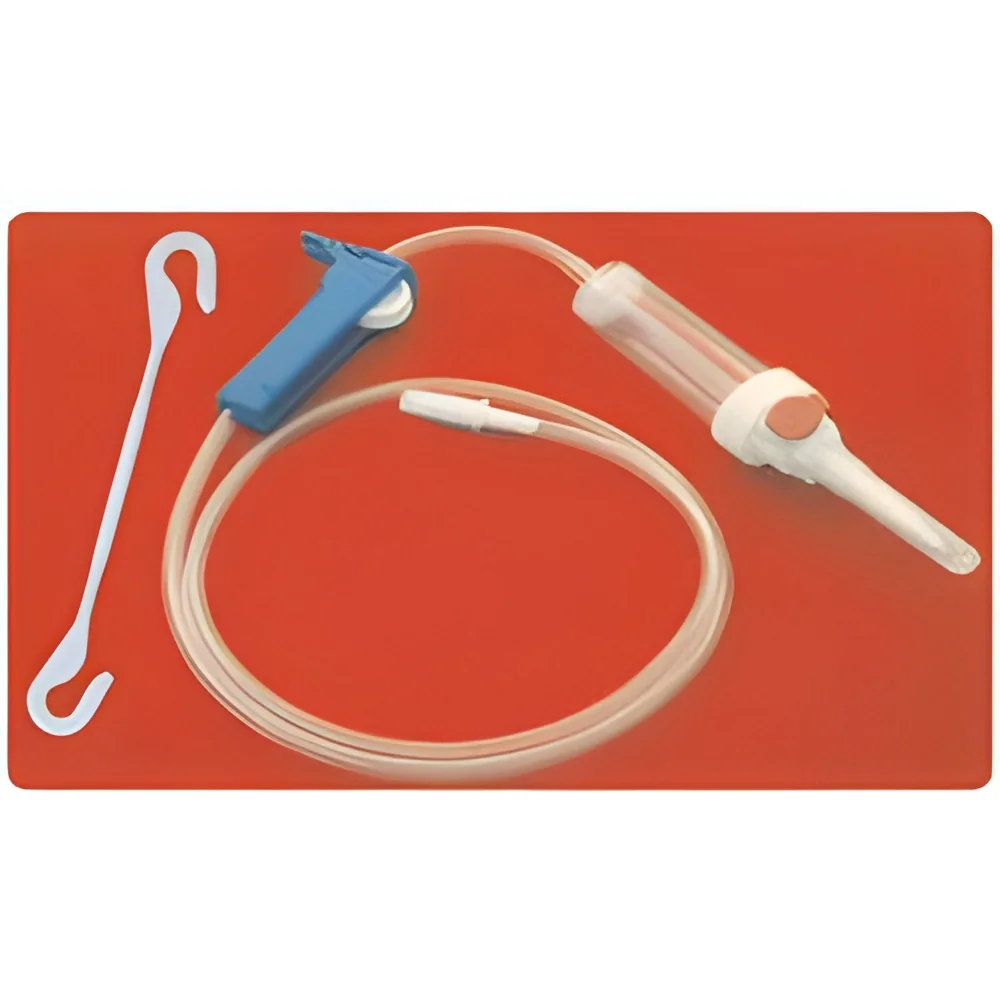
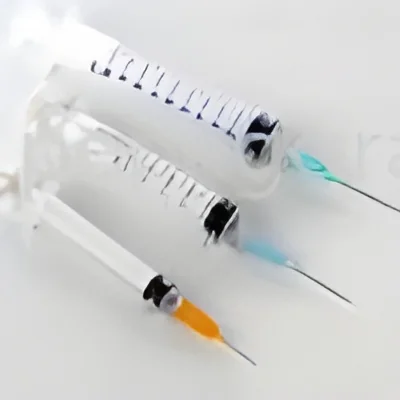
Key Features and Specifications
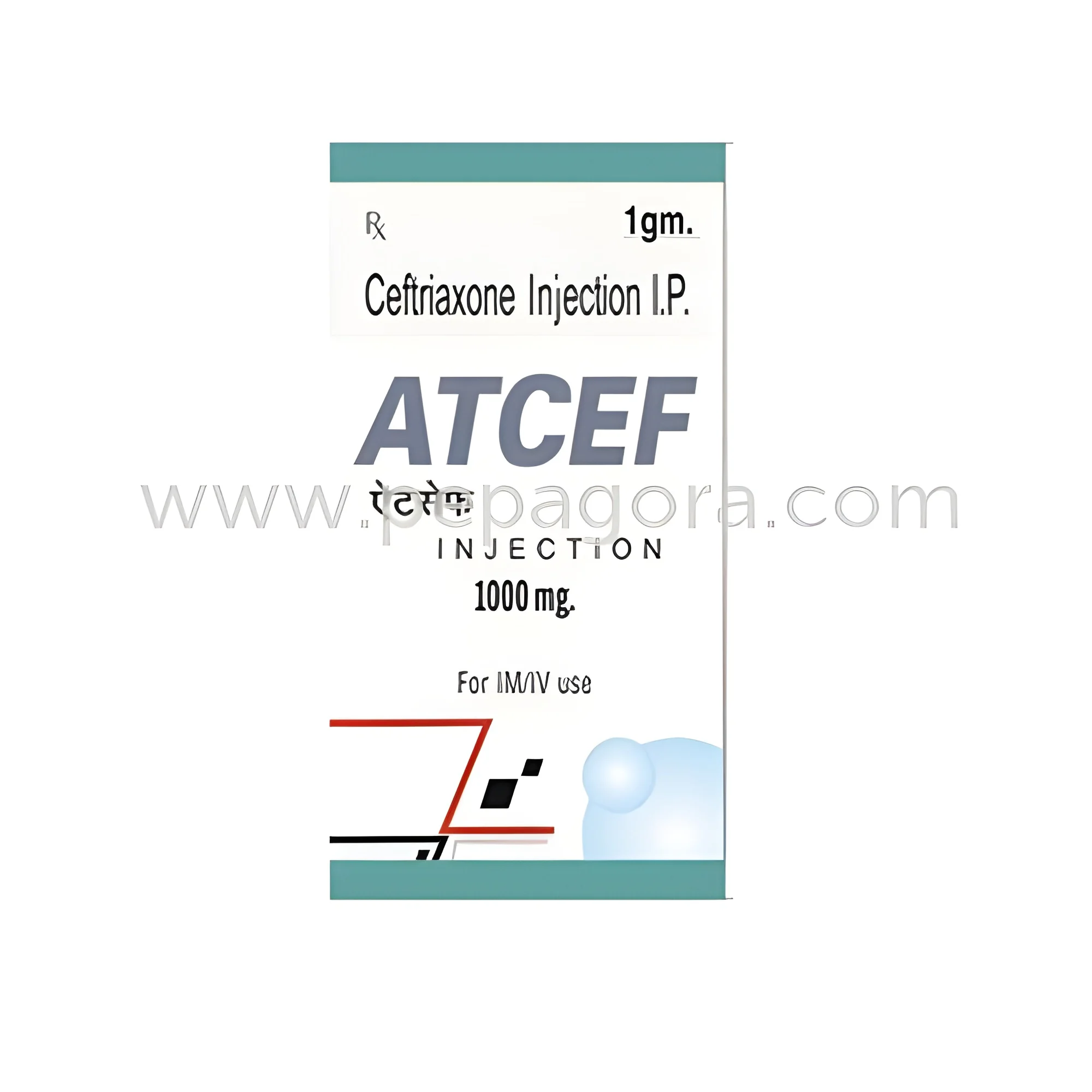
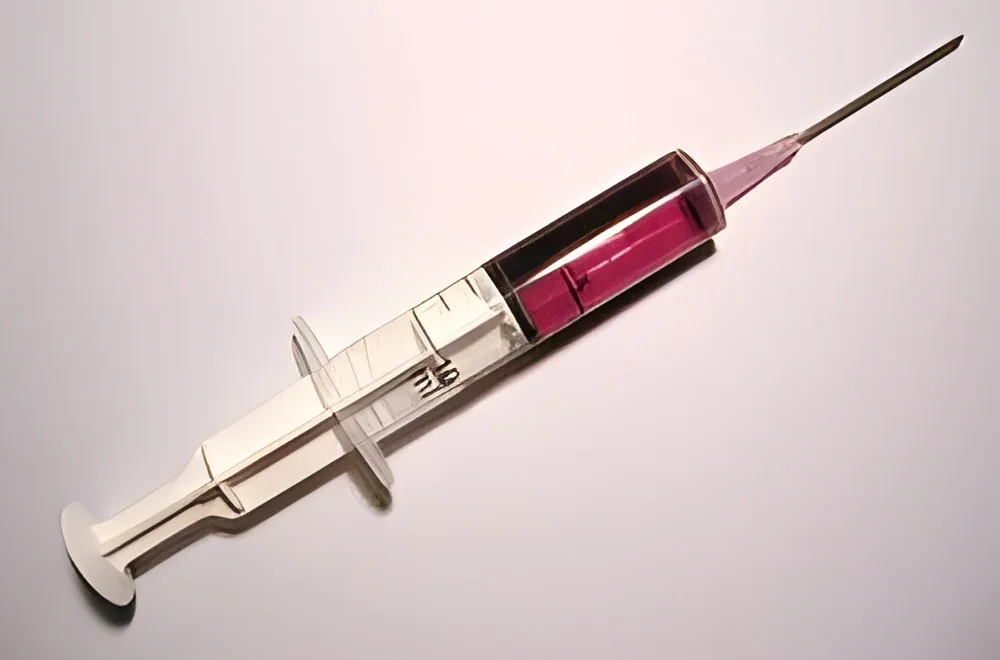
Injectables (IV, IM, Subcutaneous) are designed with specific features and technical specifications that cater to various medical needs. Understanding these specifications is crucial for selecting the appropriate injectable solution.
Key specifications include:
1. Administration Type
- IV, IM, or Subcutaneous
- Each type designed for specific clinical scenarios
2. Dosage Form
- Liquid formulations for direct injection
- Concentrations vary based on therapeutic needs
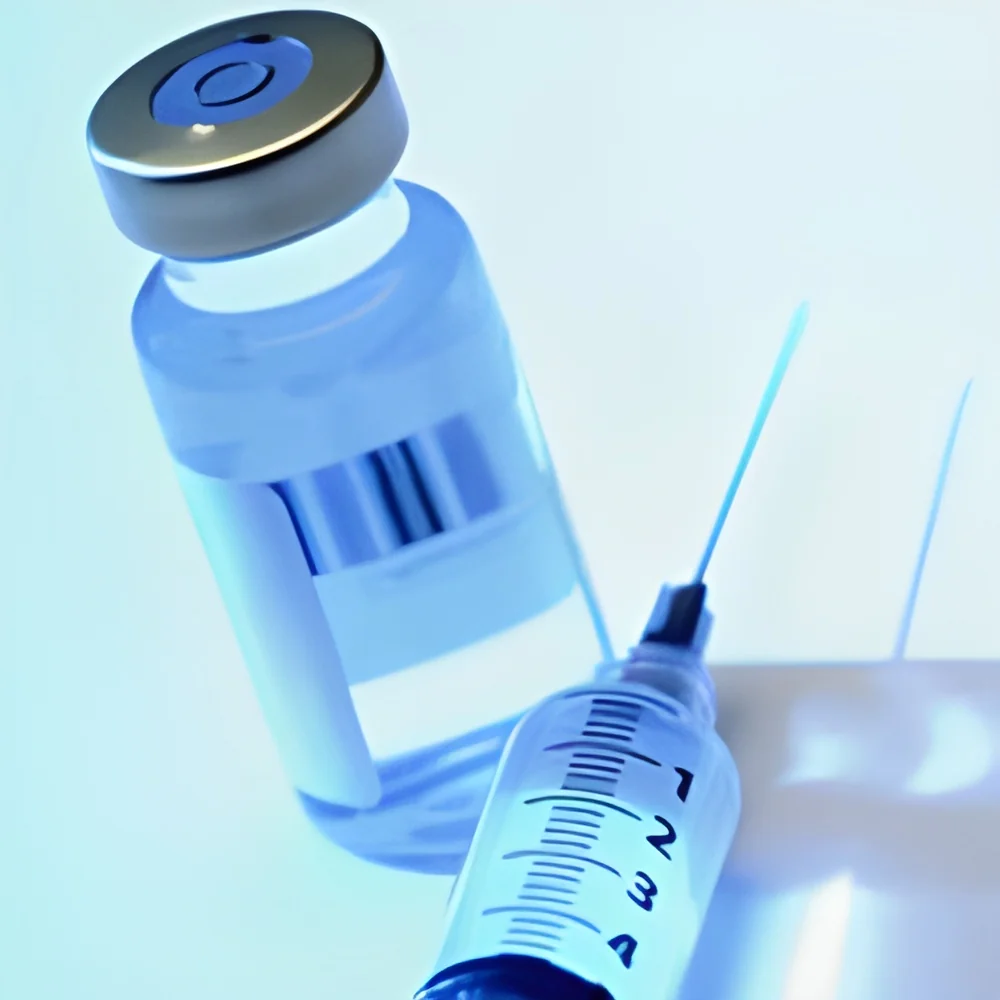
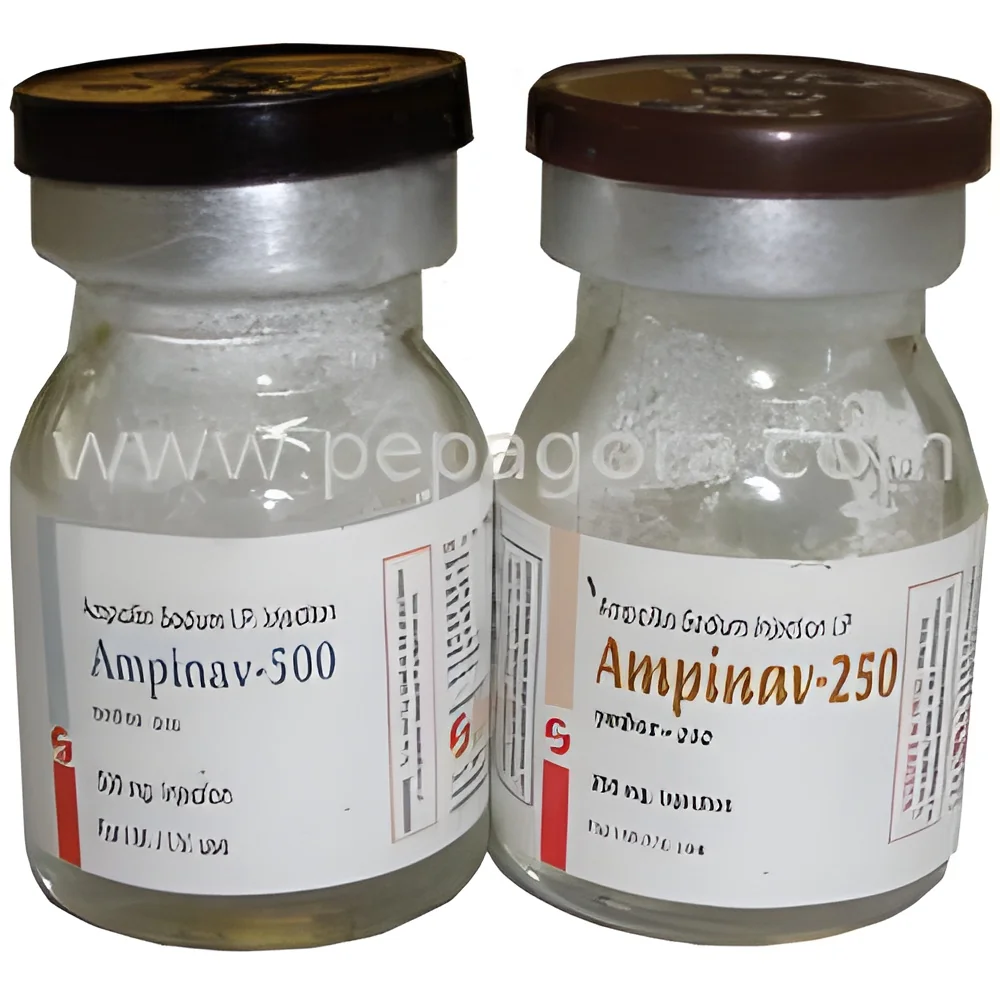
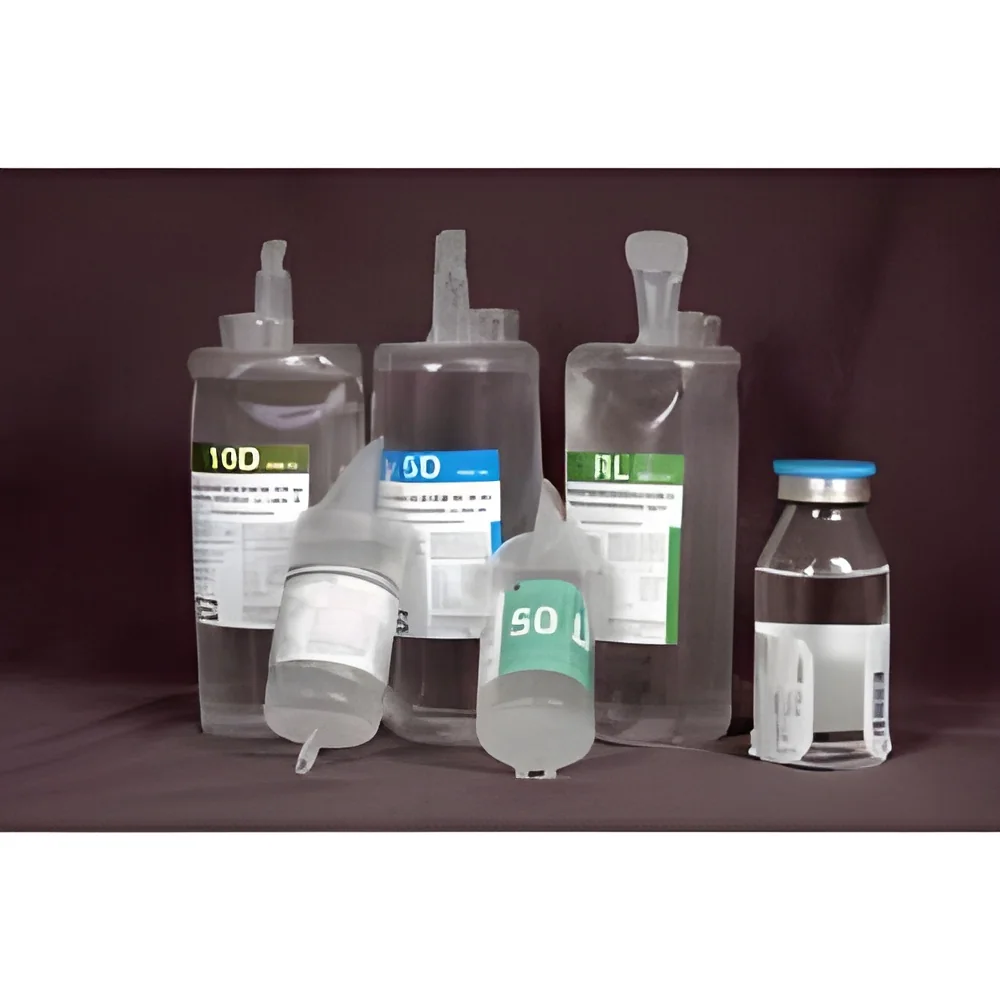
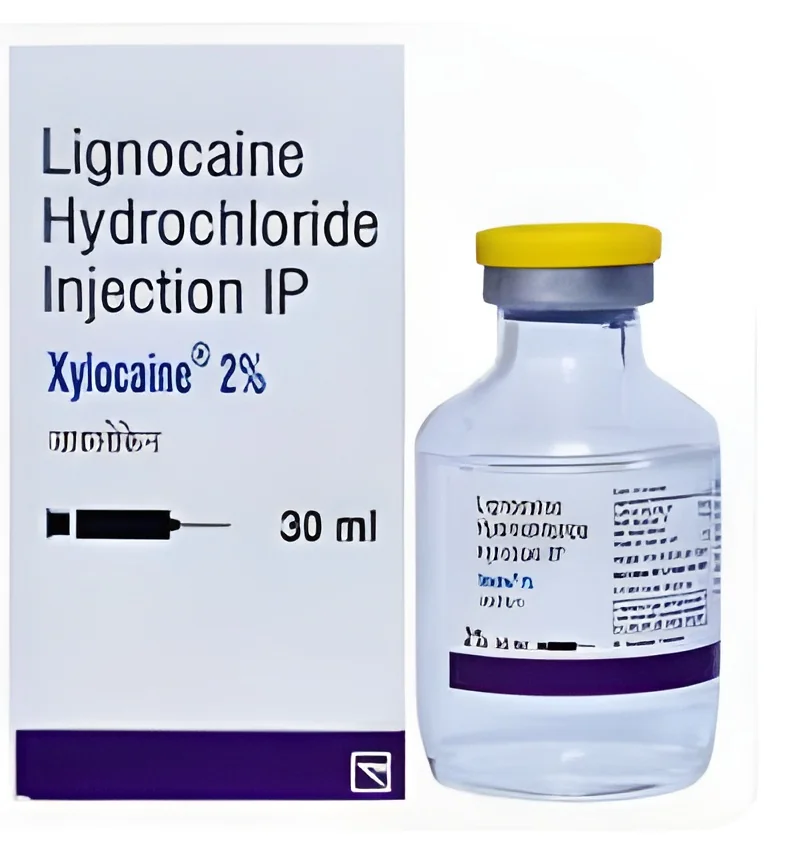
3. Packaging
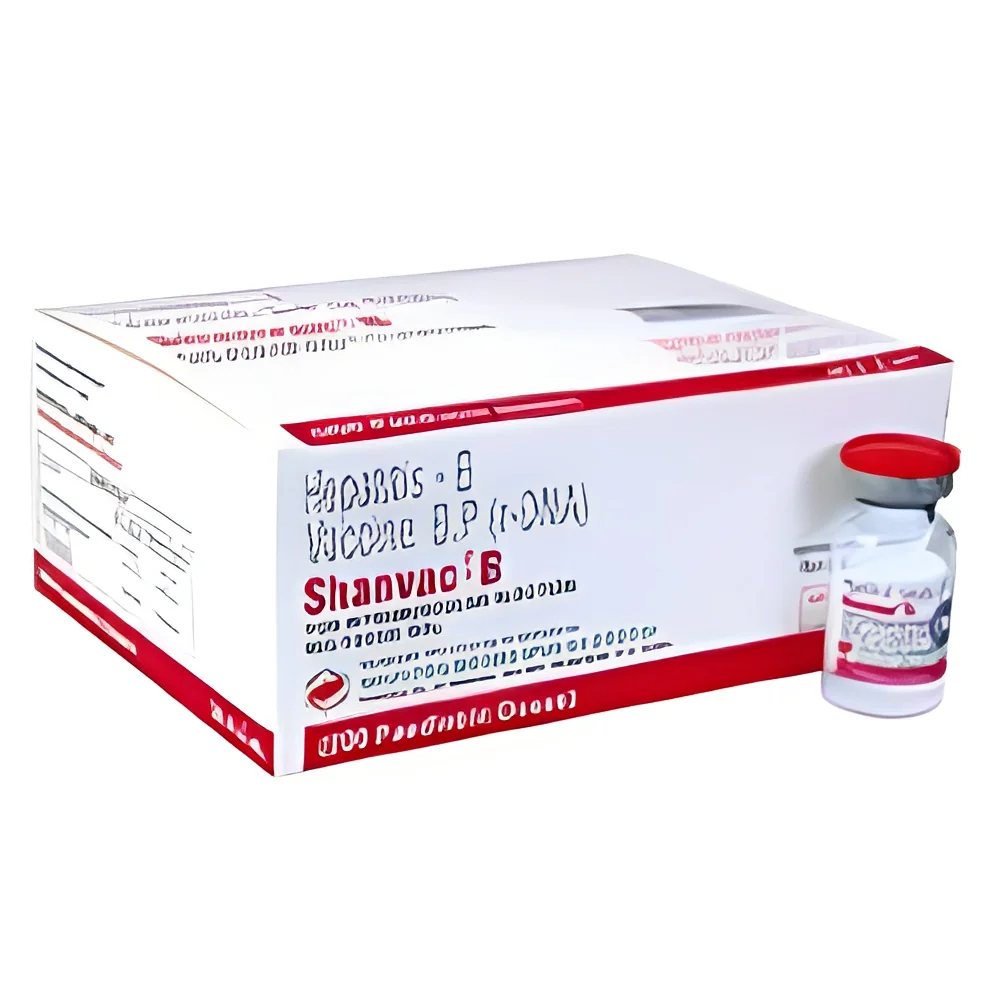
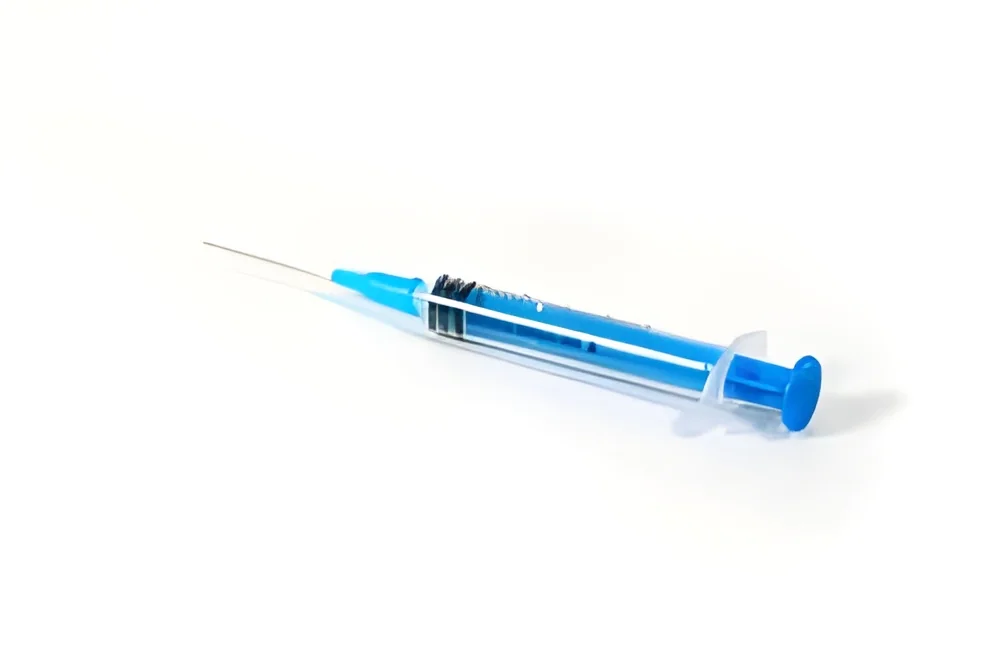
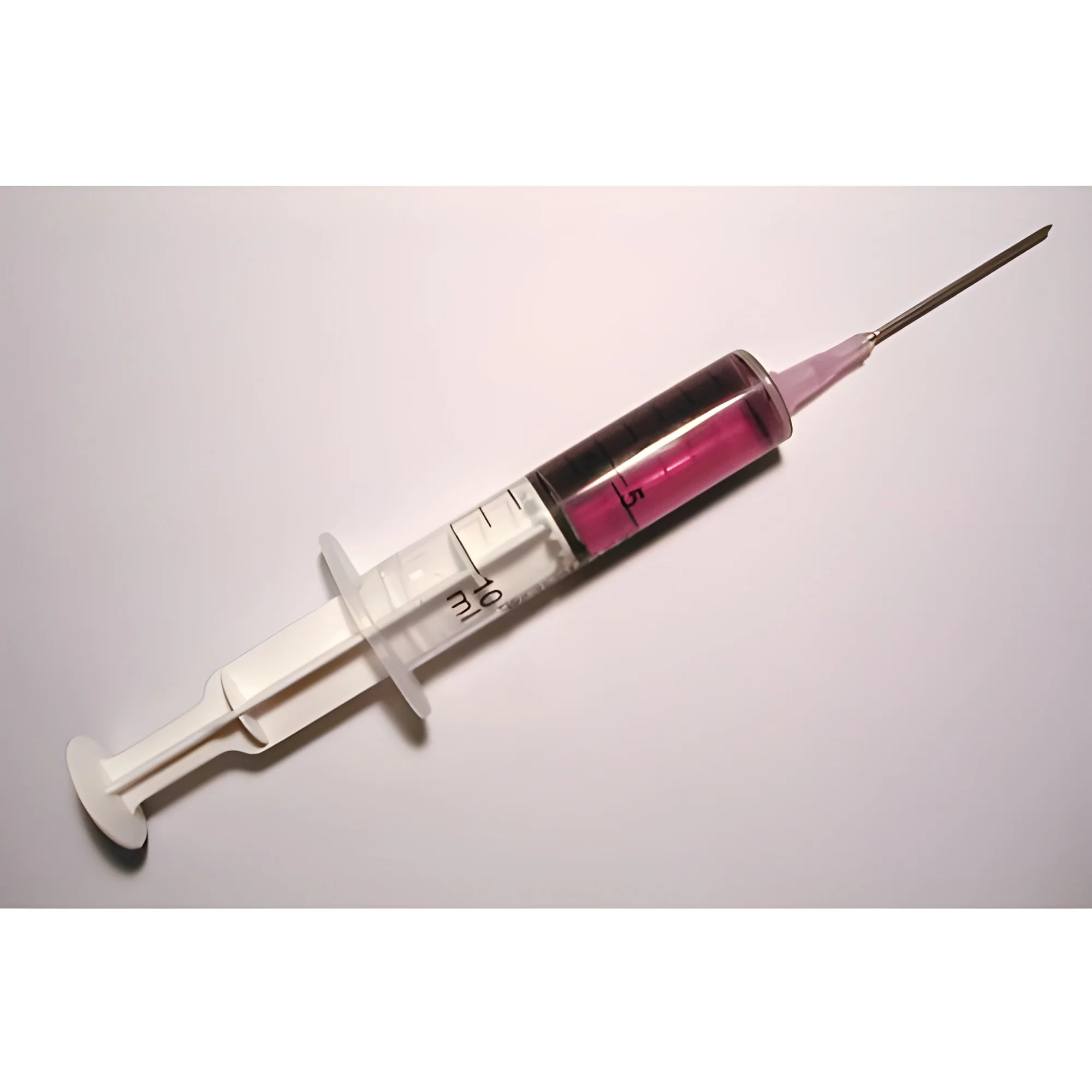
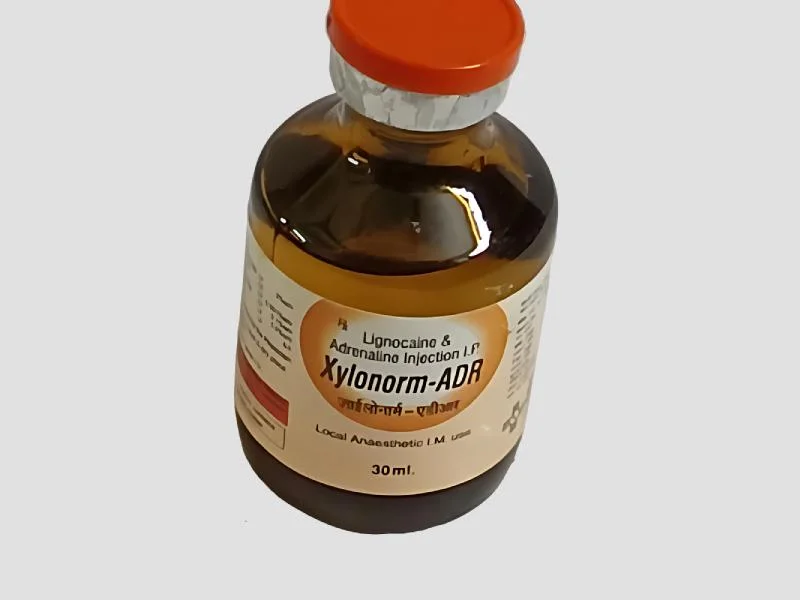
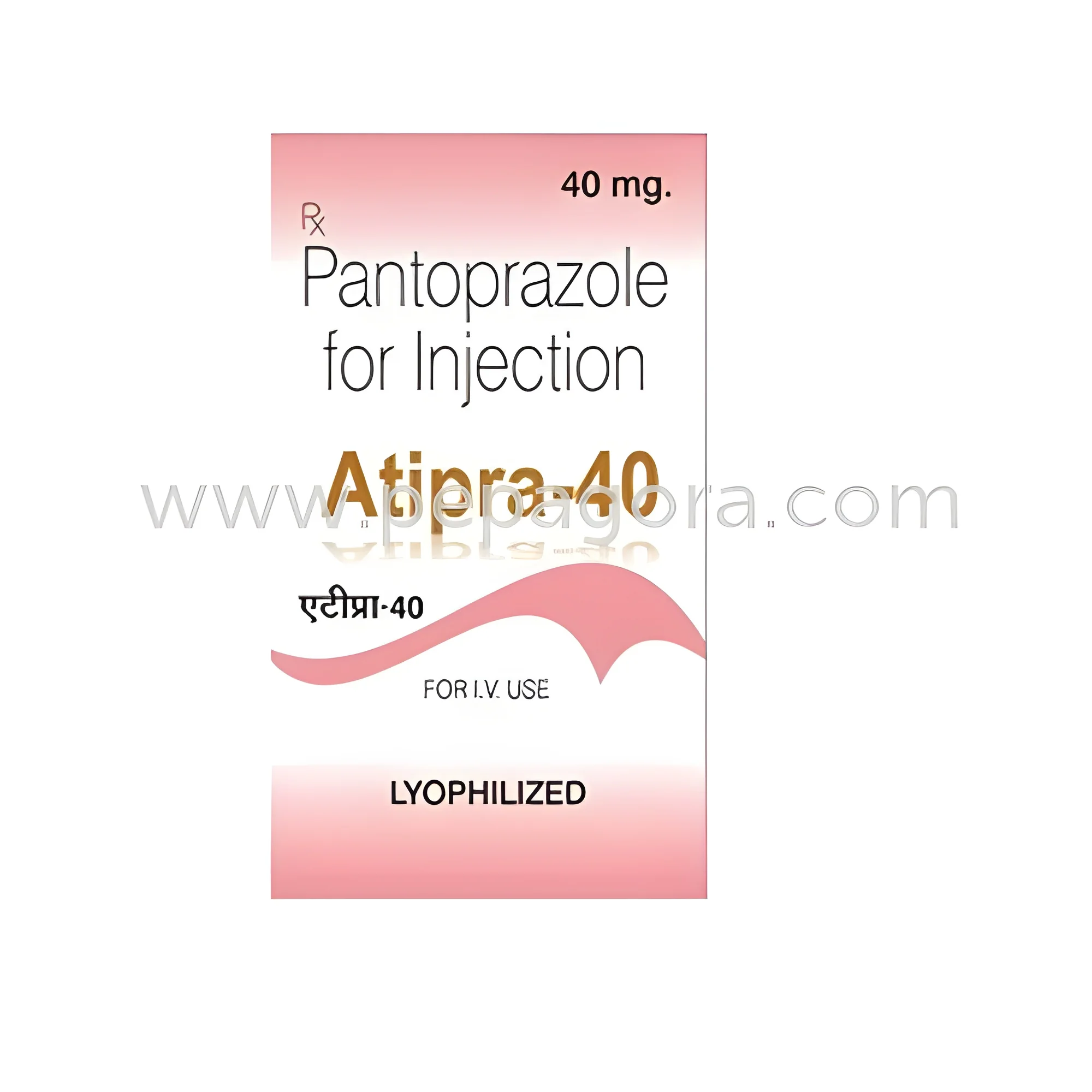
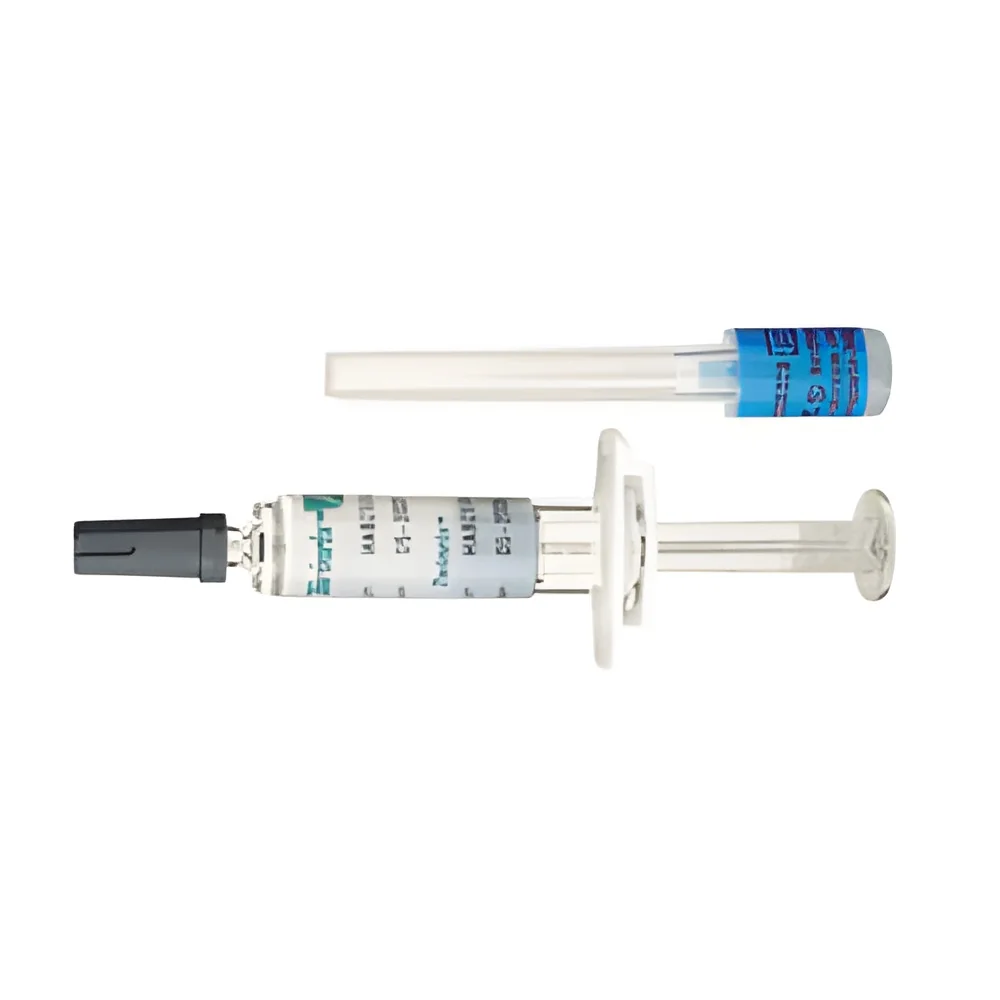
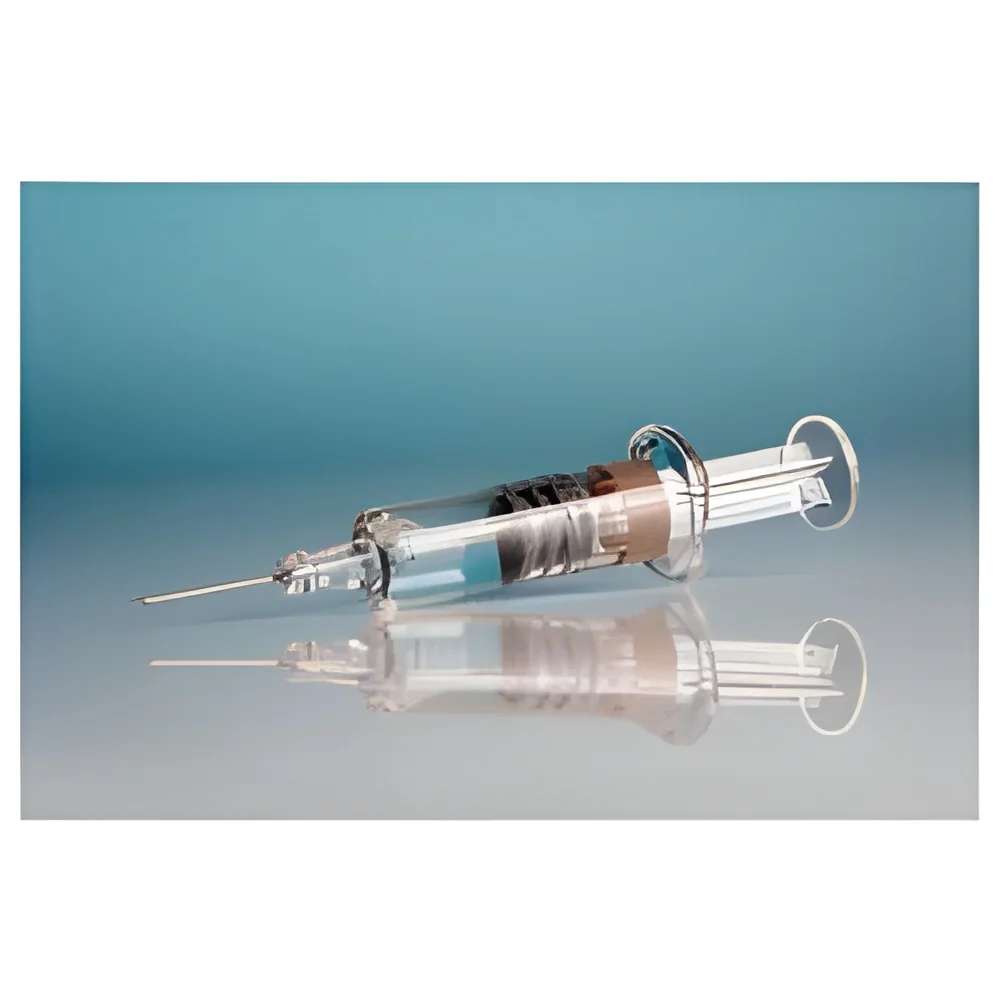
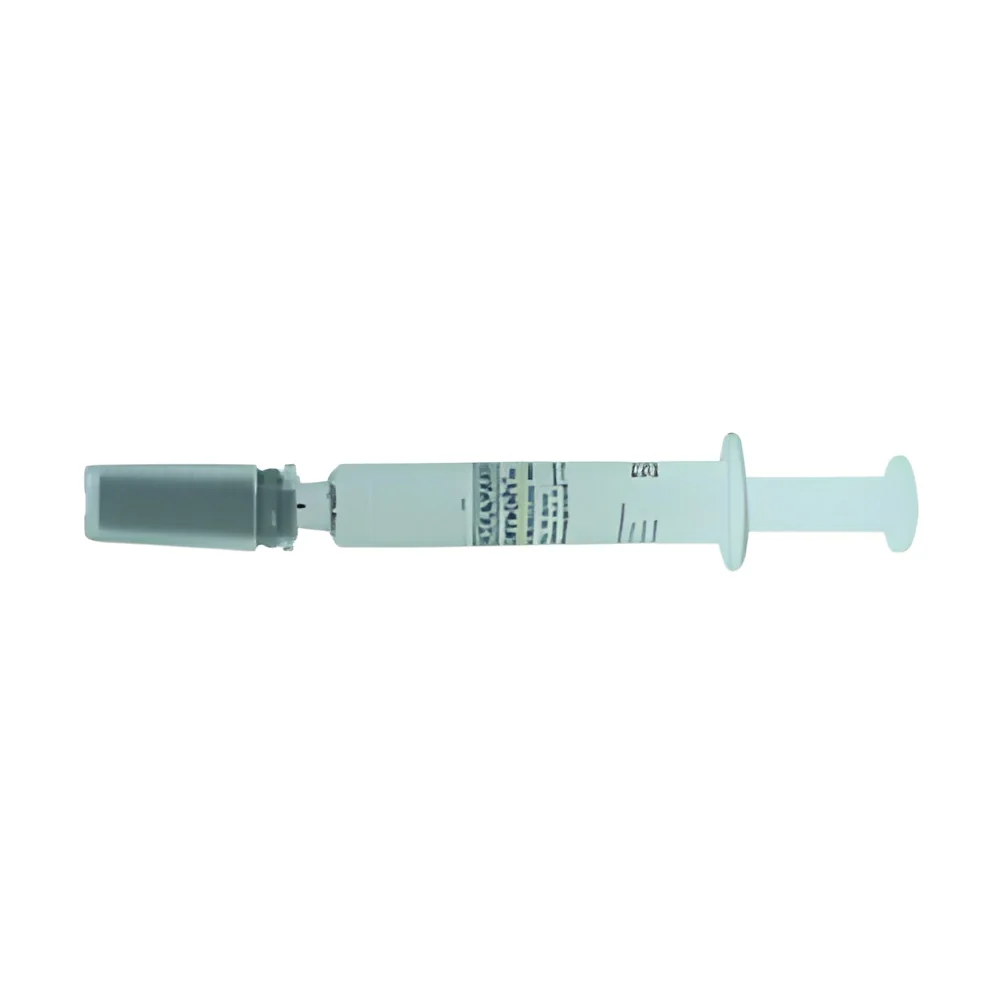
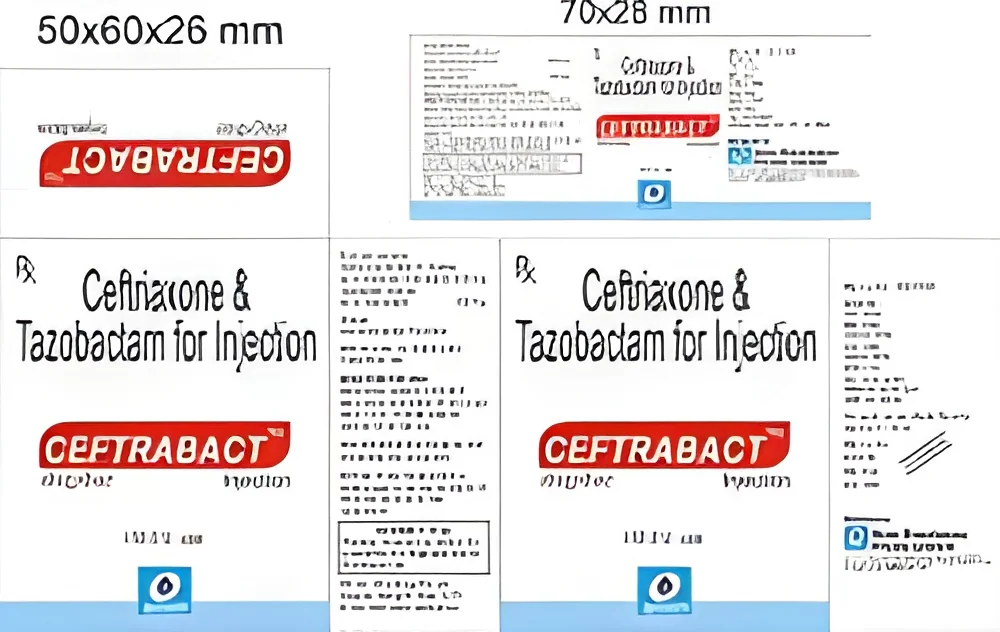
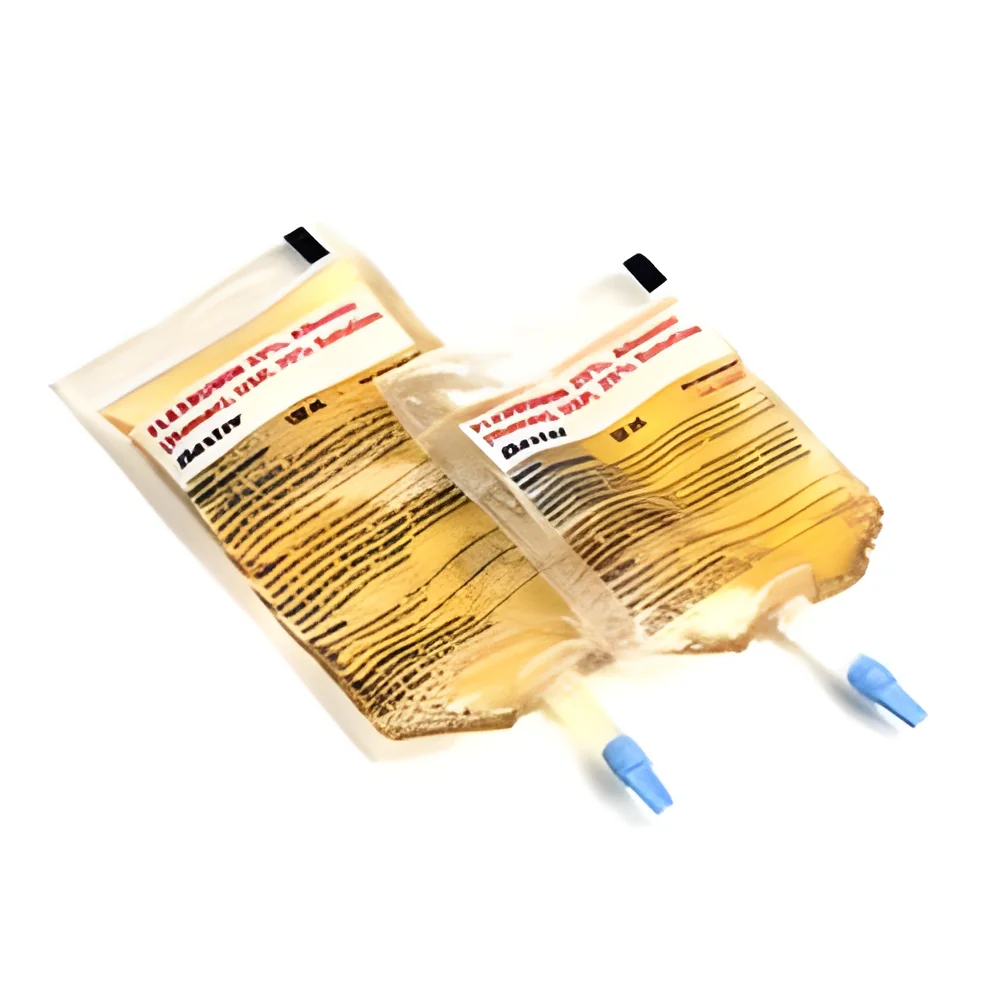
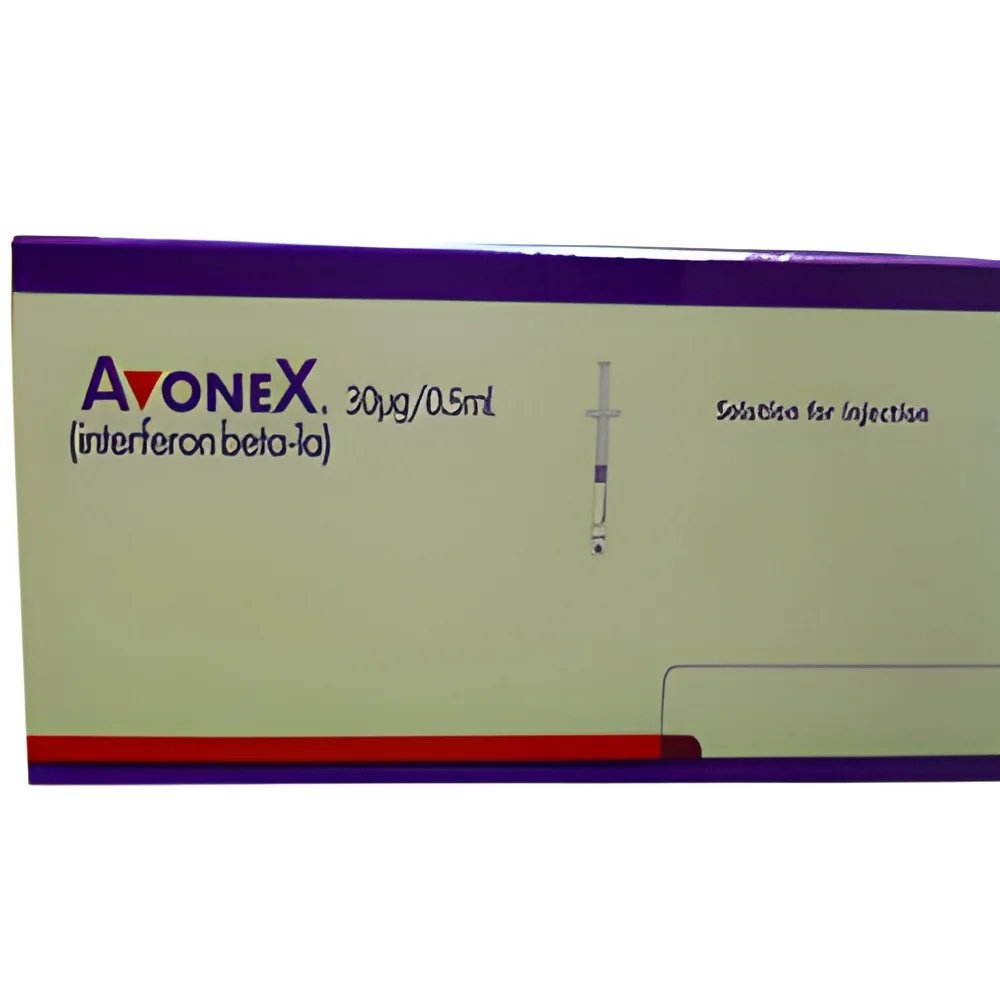
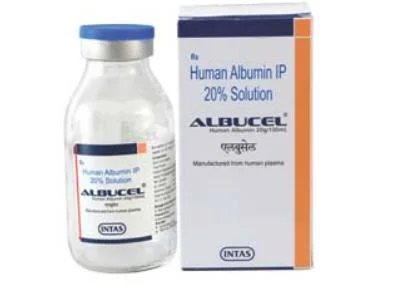
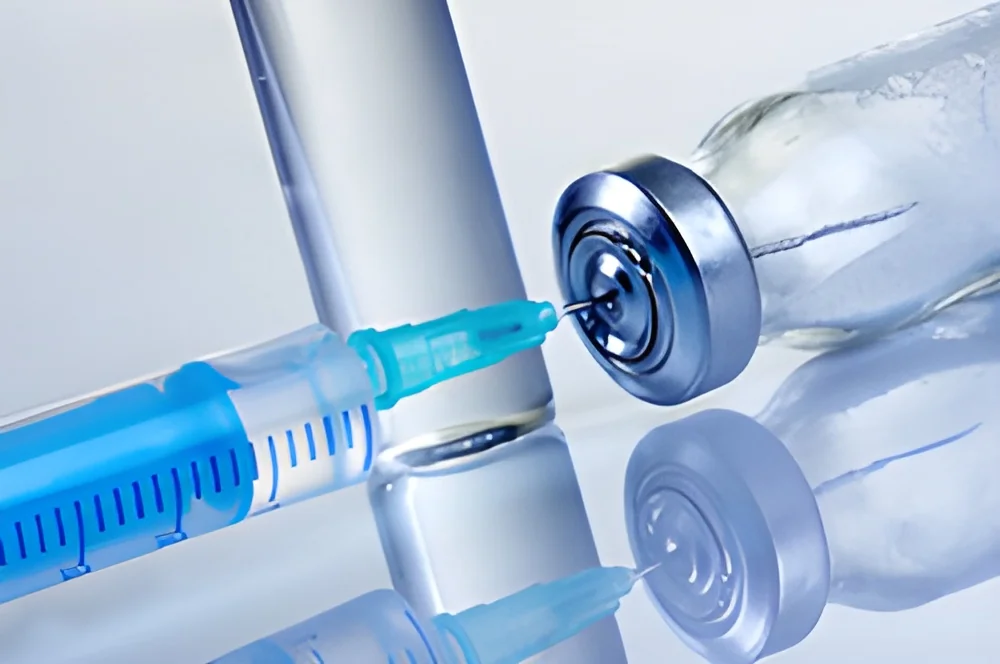
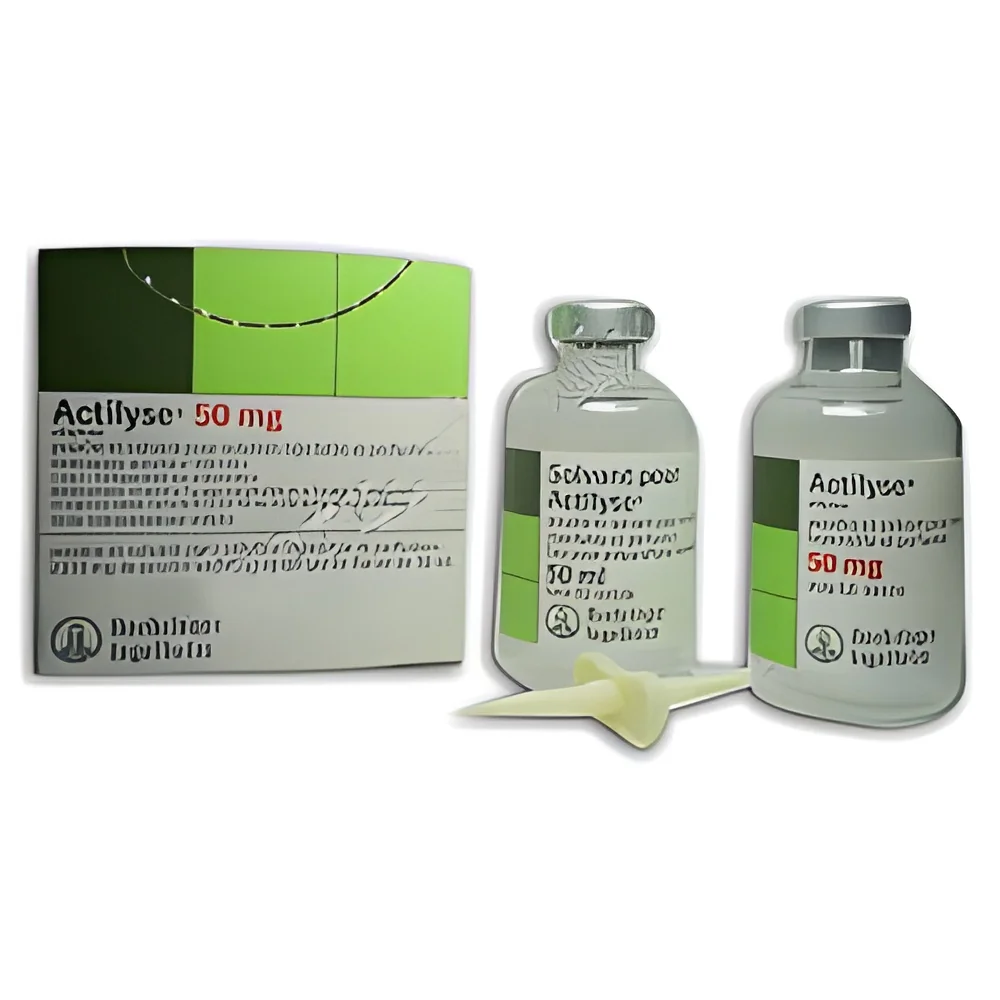
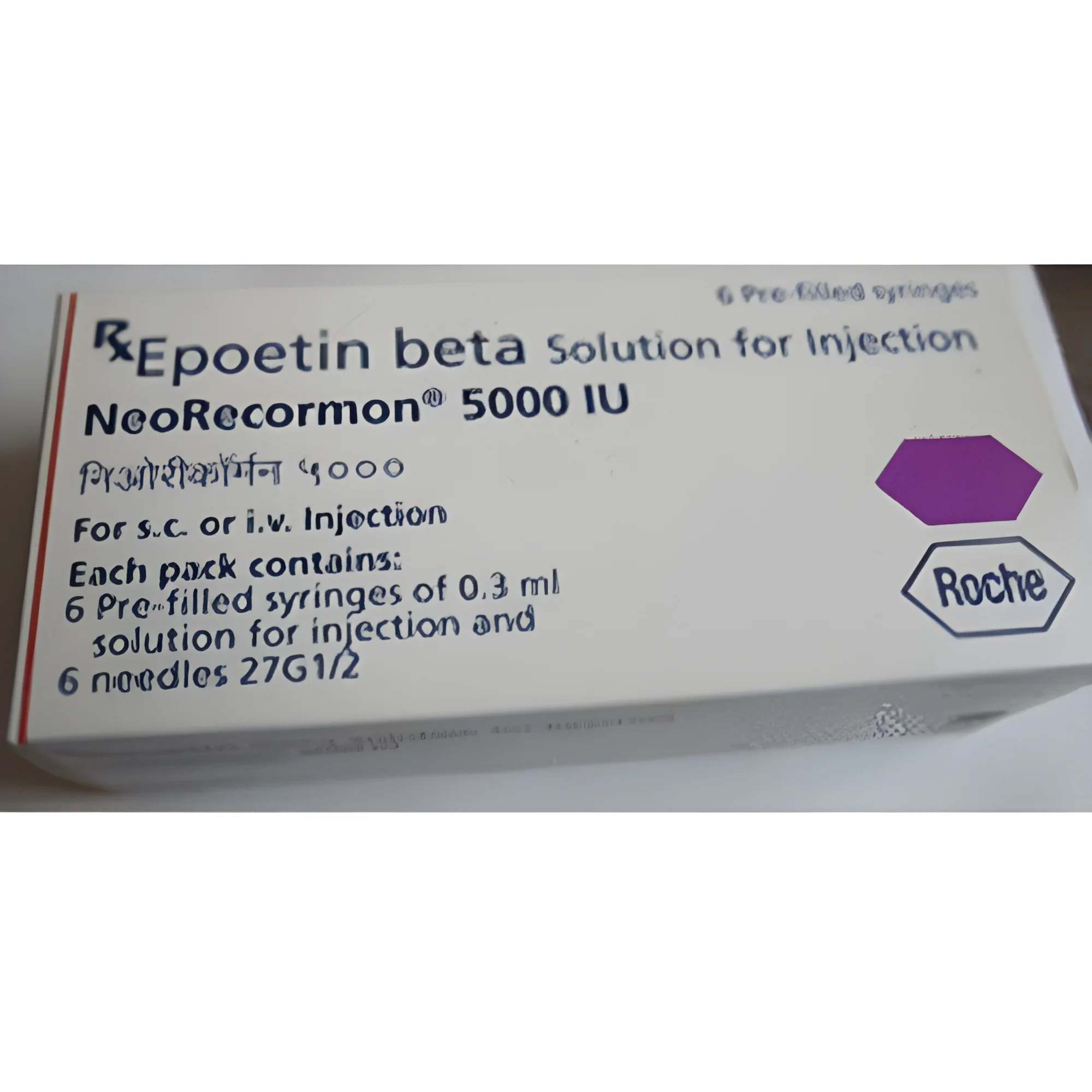
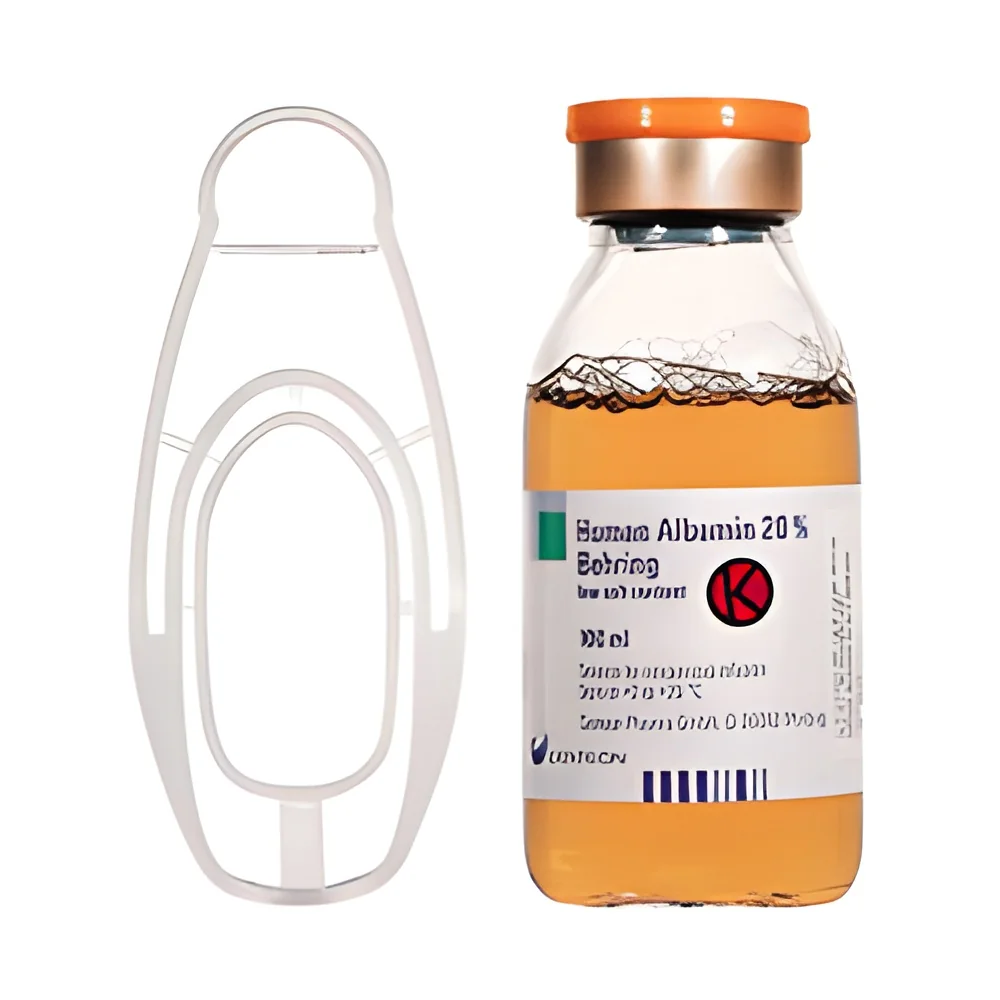
- Vials, ampoules, or prefilled syringes
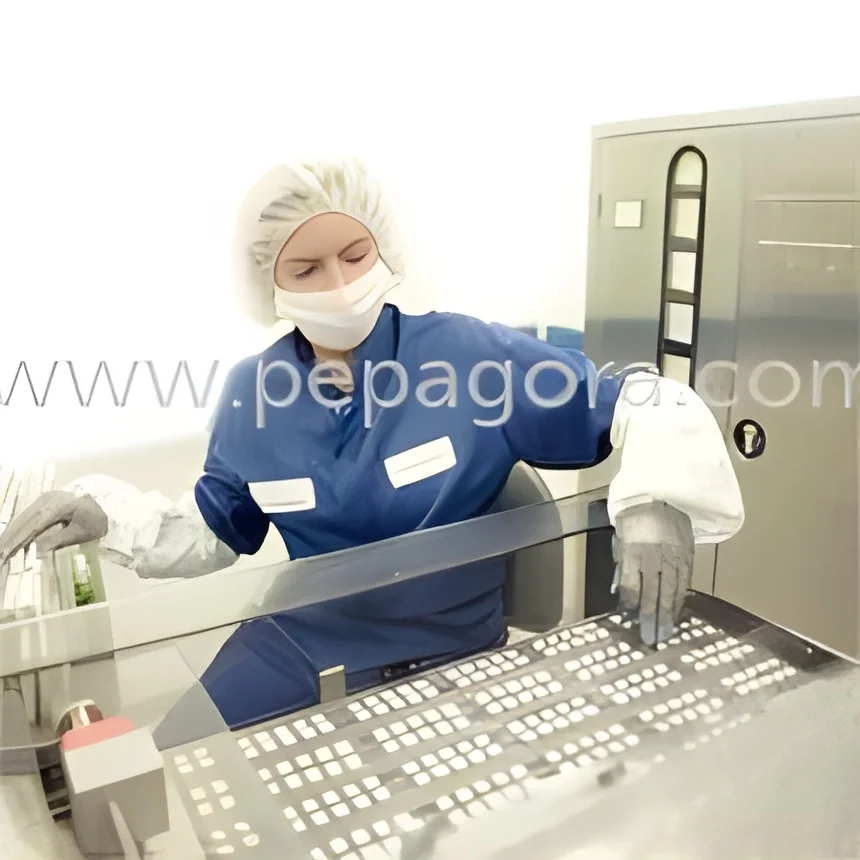
- Ensures safety and sterility during transport and storage
4. Shelf Life
- Typically ranges from 12 to 36 months
- Dependent on formulation and storage conditions
5. Storage Conditions
- Refrigerated or room temperature storage
- Specific humidity and temperature controls required
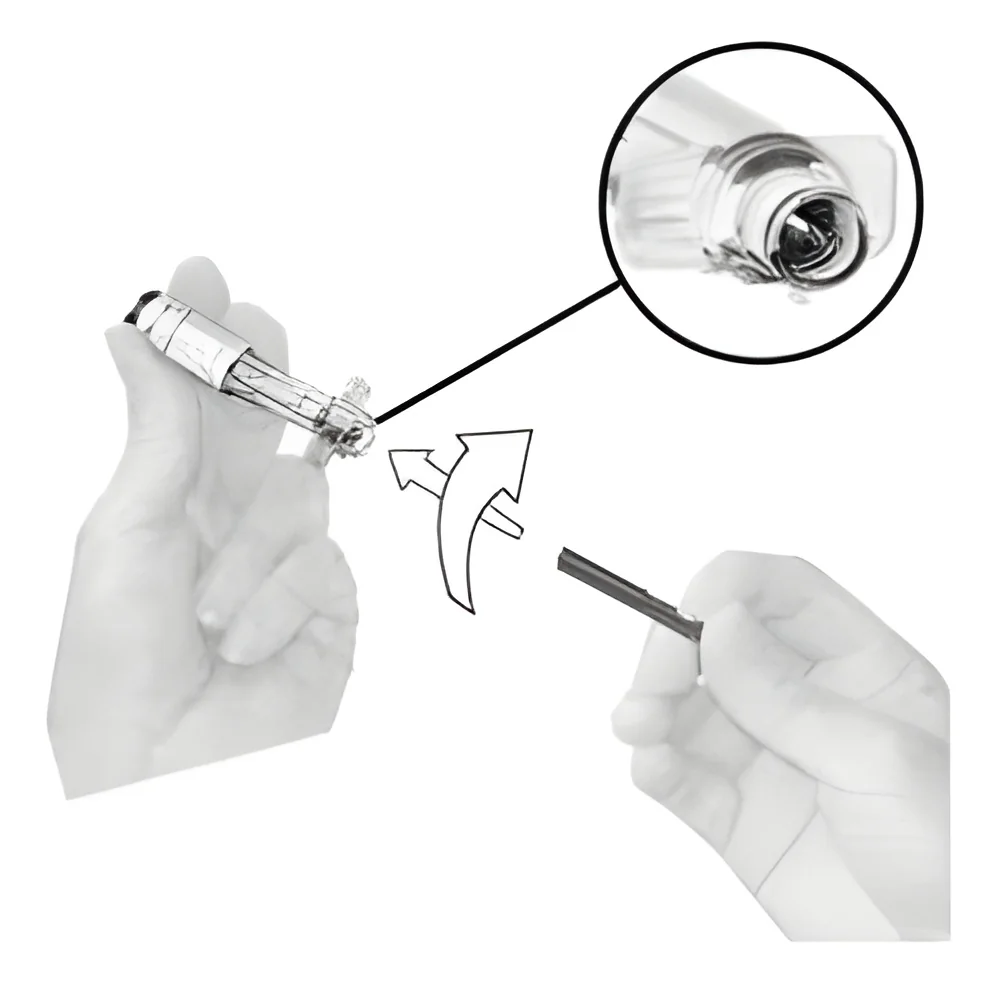
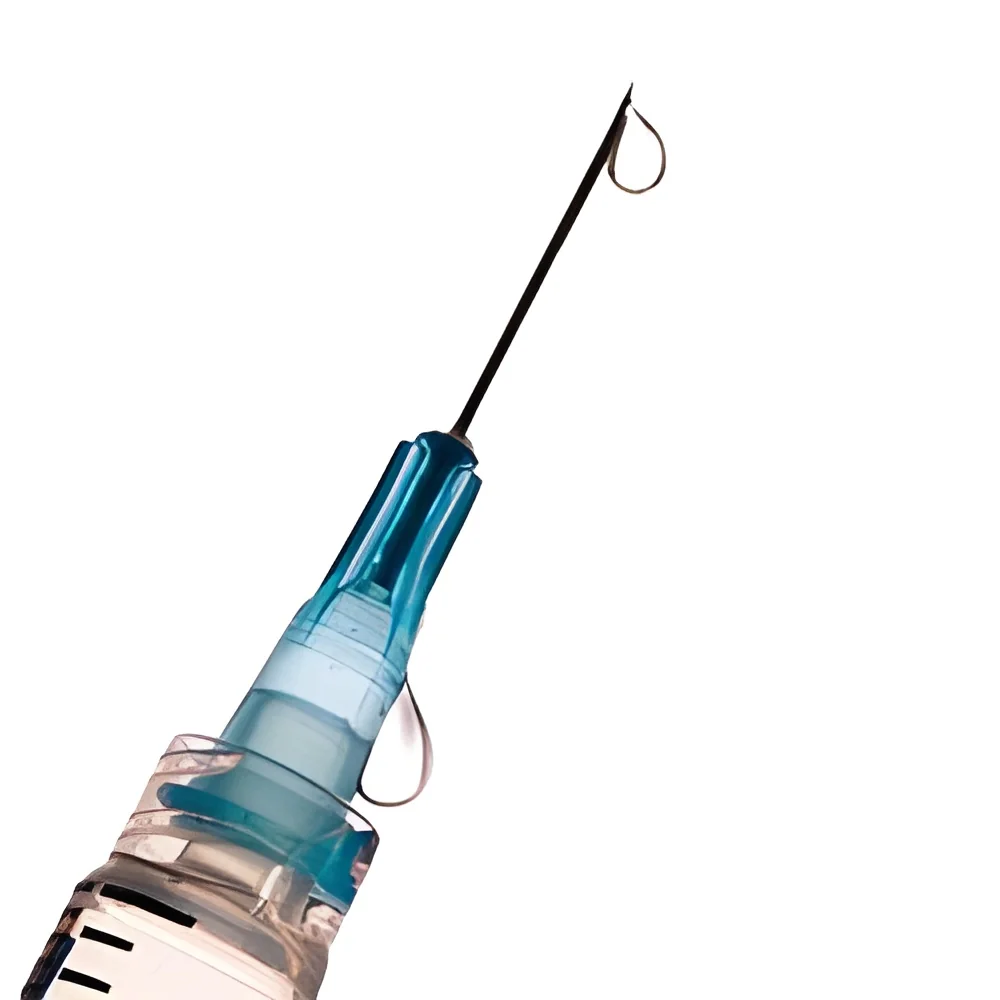
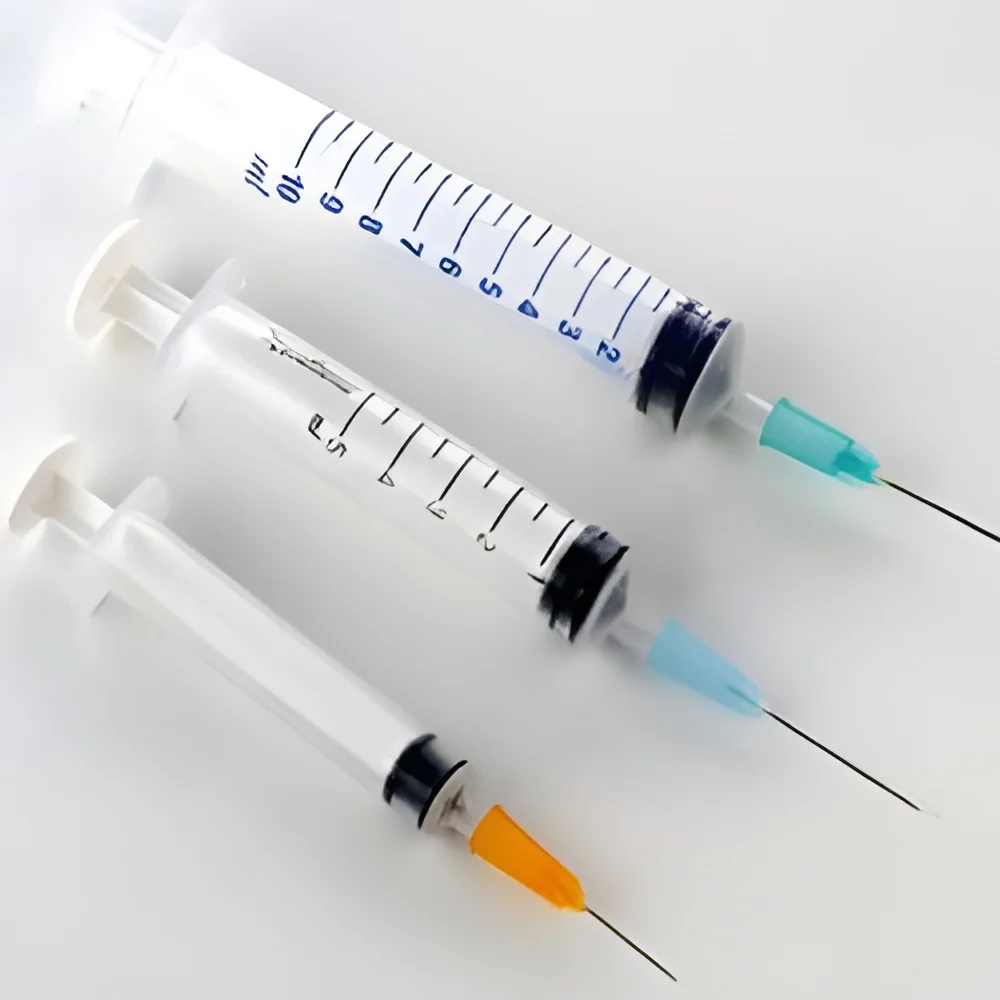
6. Needle Specifications
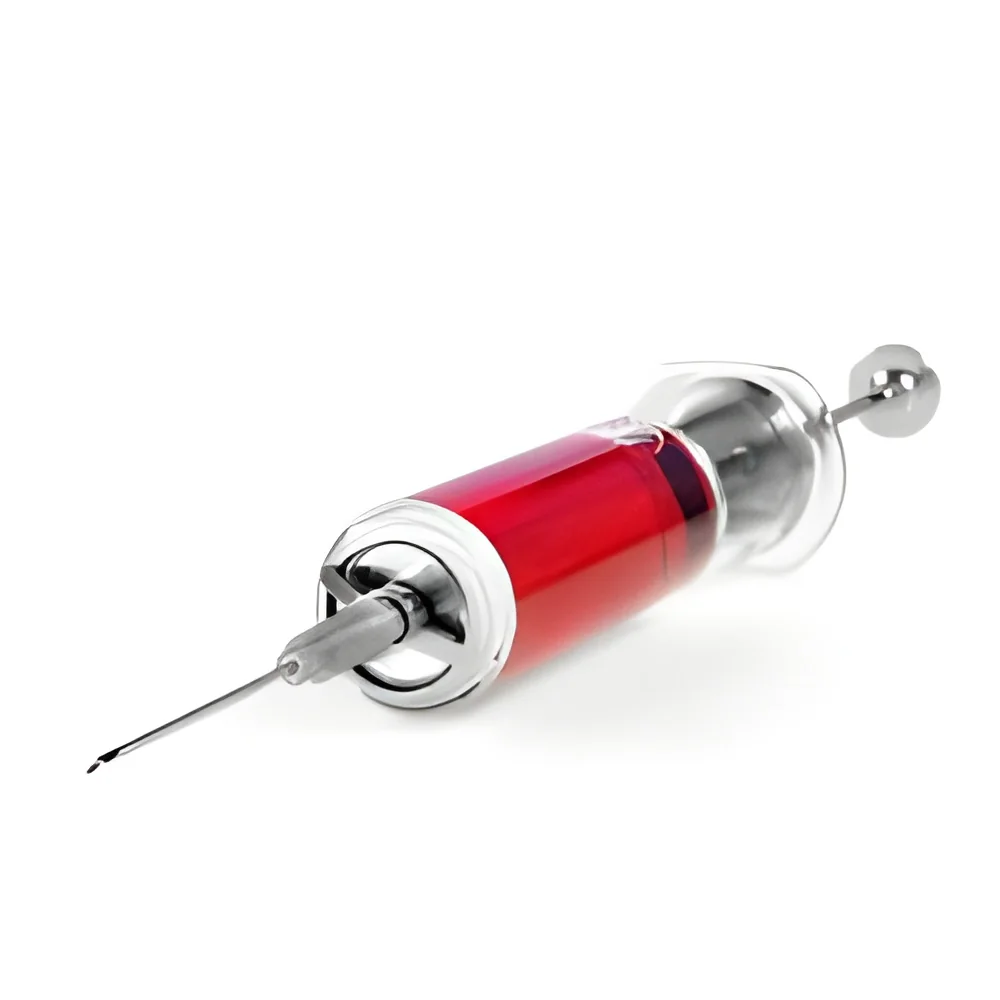
- Various gauge sizes for different injection types
- Compatibility with standard syringes and delivery systems
7. Sterility Assurance
- Must comply with strict sterility standards
- Ensures safety for patient use
8. Regulatory Compliance
- Must meet industry standards such as CE certification
- Ensures product quality and safety
In summary, understanding the key features and specifications of injectables is essential for healthcare providers and procurement departments to make informed purchasing decisions.
Common Applications and Use Cases
Injectables are versatile products utilized across many sectors within healthcare.
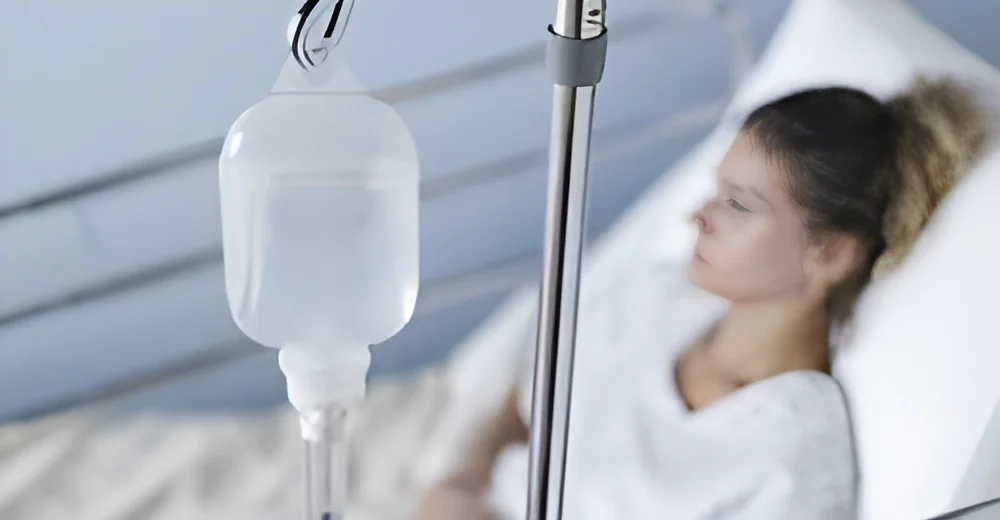
1. Hospitals: Inpatient care often requires IV therapies for hydration, nutrition, and medication administration.
2. Clinics: IM injections are frequently used for vaccinations and hormone therapies, providing essential preventive care.
3. Home Healthcare: Subcutaneous injectables enable patients to self-administer medications, such as insulin or biologics, in a comfortable home setting.
4. Emergency Services: Rapid IV access is critical for patients in shock or requiring immediate medication during emergencies.
5. Research and Development: Pharmaceutical companies use injectables in clinical trials to test new therapies and drug formulations.
6. Veterinary Medicine: Animals also benefit from injectable treatments for various conditions, including vaccinations and anesthetic procedures.
7. Cosmetic Applications: Injectable treatments in aesthetics, such as dermal fillers and Botox, have seen significant growth in the beauty industry.
Product Variants and Subcategories
Injectables come in various forms, each designed to meet specific therapeutic needs and patient preferences.
IV Injectables
IV injectables are typically used for rapid drug delivery directly into the bloodstream. They are essential in emergency medicine and for patients requiring immediate treatment, as they allow for precise control over medication dosage and speed of administration.
IM Injectables
IM injectables are administered into muscle tissue, allowing for slower absorption compared to IV injectables. They are commonly used for vaccinations and long-acting medications, providing a balance of quick onset and prolonged effect.
Subcutaneous Injectables
Subcutaneous injectables are administered into the fatty tissue beneath the skin. This method is often used for self-administration of medications like insulin or biologics, allowing patients greater autonomy in managing their health conditions.
Benefits and Advantages
Injectables provide numerous benefits that make them an essential component of modern medicine.
1. Rapid Onset of Action: IV injectables deliver medications directly into the bloodstream, resulting in immediate therapeutic effects, critical in emergency situations.
2. Versatile Administration: Different injection types allow for tailored treatment based on patient needs, whether for quick relief or longer-term management.
3. Improved Patient Compliance: Subcutaneous injectables enable self-administration, enhancing patient adherence to treatment regimens, especially for chronic conditions.
4. Precise Dosing: Injectables can be formulated to provide accurate dosages, minimizing the risk of underdosing or overdosing compared to oral medications.
5. Reduced Digestive Interference: By bypassing the gastrointestinal tract, injectables avoid potential absorption issues related to oral medications.
6. Wide Range of Applications: Injectables support various therapeutic areas, from vaccinations and hormone therapies to pain management and emergency care.
Buying Guide for B2B Buyers
When sourcing Injectables (IV, IM, Subcutaneous), it is important for businesses to consider several key factors to ensure they make informed decisions.
1. Quality Assessment: Evaluate the quality of injectables based on manufacturer certifications, compliance with industry standards, and product testing results. High-quality injectables are crucial for patient safety and efficacy.
2. Supplier Verification: Vet suppliers thoroughly by checking their reputation, certifications, and past performance. A reliable supplier ensures consistent quality and timely delivery of products.
3. Pricing and MOQ: Understand the pricing structure and minimum order quantities (MOQ) set by suppliers. This knowledge helps in budgeting and financial planning for procurement.
4. Delivery and Lead Times: Consider suppliers' logistics capabilities, including their ability to meet delivery timelines and manage inventory efficiently. Reliable delivery is vital for maintaining patient care.
5. Compliance Requirements: Familiarize yourself with regulatory requirements that impact injectable products, such as CE certification and local health regulations. Compliance ensures that the products meet safety standards.
Compliance and Certifications
Compliance and certifications are critical aspects of the injectable market. Products must adhere to relevant quality standards, including ISO 9001, which addresses quality management systems, and HACCP, which focuses on food safety and pharmaceutical practices.
Industry certifications like CE mark indicate that the products meet European safety standards, ensuring that they are safe for patient use. Manufacturers must conduct rigorous testing to demonstrate the efficacy and safety of their injectables.
Additionally, regional compliance considerations may vary based on local regulations. Understanding these requirements is essential for businesses to ensure the injectables they procure are compliant and safe for their intended use.
Why Source Injectables (IV, IM, Subcutaneous) from Pepagora?
Pepagora provides a trusted platform for sourcing Injectables (IV, IM, Subcutaneous) with several key advantages.
Verified Supplier Network: Pepagora has established a robust network of verified suppliers, ensuring that buyers gain access to high-quality products. This verification process enhances trust and reliability in the sourcing process.
Streamlined RFQ Process: The platform simplifies the request for quotation (RFQ) process, allowing buyers to compare multiple suppliers efficiently. This streamlining helps businesses make informed decisions based on pricing and product availability.
Trade Assurance and Support: Pepagora offers trade assurance, providing buyers with protection against potential risks associated with procurement. This support ensures a smoother transaction experience for both parties.
Regional Coverage: With a broad geographic reach across India, the GCC, and Southeast Asia, Pepagora facilitates sourcing for businesses in various markets. This regional coverage enables companies to find suppliers that best meet their logistical and operational needs.

 IN
IN