
 IN
Capsules (Hard Gelatin, Soft Gelatin)
11 products available
Key Features and Specifications
Capsules, both hard and soft gelatin, come with distinct features that make them suitable for various applications. The specifications of these capsules are crucial for ensuring they meet industry standards and customer expectations.
Key specifications include:
1. Material Composition
- Hard gelatin capsules are made from gelatin and may contain colorants.
- Soft gelatin capsules contain gelatin along with glycerin and sorbitol.
2. Size Options
- Available in various sizes (0 to 00) to suit different volumes.
- Size selection can affect dosage accuracy and swallowing ease.
3. Fill Weight Capacity
- Hard gelatin capsules can accommodate up to 1,000 mg of powder.
- Soft gelatin capsules can hold liquid fills up to 1.5 ml.
4. Sealing Mechanism
- Hard capsules rely on a tight-fitting design.
- Soft capsules are hermetically sealed to prevent leakage.
5. Stability and Shelf Life
- Hard gelatin capsules offer good stability under proper storage.
- Soft gelatin capsules may have a shorter shelf life due to moisture content.
6. Customization Options
- Both types can be customized for color, size, and branding.
- Specialized coatings can be applied for delayed or controlled release.
7. Compliance Standards
- Must align with relevant regulatory guidelines and quality standards.
In summary, understanding these specifications allows businesses to select the appropriate type of capsule for their unique applications and regulatory needs.
Common Applications and Use Cases
Capsules are versatile products that cater to various industries, each with specific applications that leverage their unique properties.
1. Pharmaceutical Industry: Capsules are widely used for delivering medications, allowing for precise dosing and improved patient compliance.
2. Nutraceutical Industry: They serve as a popular choice for dietary supplements, providing a convenient way to deliver vitamins and herbal extracts.
3. Veterinary Medicine: Capsules are utilized to administer medications to animals, ensuring accurate dosages and ease of administration.
4. Cosmetics: Some skincare products use soft gelatin capsules for delivering active ingredients while enhancing shelf life and stability.
5. Food Industry: Capsules can encapsulate flavors and nutrients, offering innovative solutions for food fortification.
6. Research and Development: In laboratories, capsules are often used for testing formulations and active ingredients in controlled environments.
7. Health and Wellness: The wellness sector utilizes capsules for various herbal remedies and holistic health products, appealing to health-conscious consumers.
Product Variants and Subcategories
The capsule market offers a range of variants to meet diverse customer needs. Each variant has its specific features and applications.
Hard Gelatin Capsules
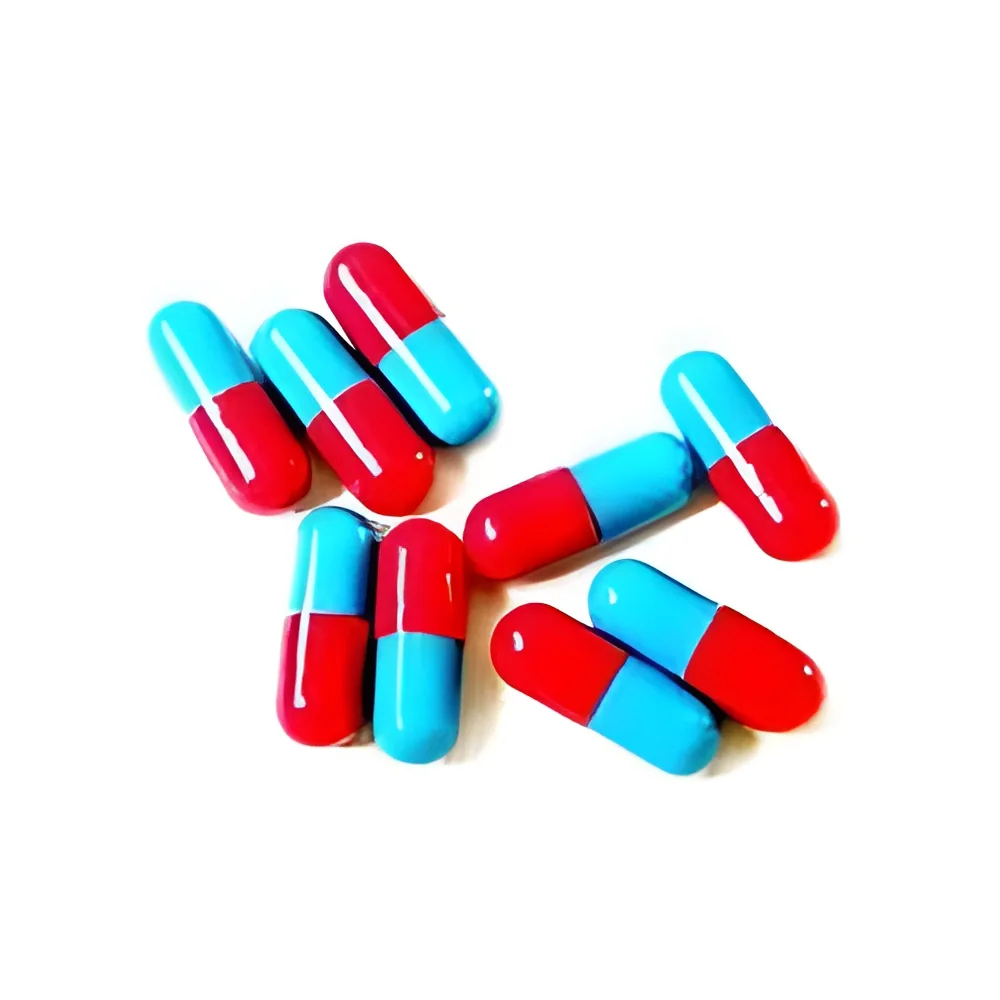
These capsules are known for their rigidity and are suitable for powdered formulations. They can be customized in size and color to meet branding requirements, making them ideal for pharmaceuticals and dietary supplements.
Soft Gelatin Capsules
Soft gelatin capsules provide a flexible option for liquid or semi-solid fillings. They are often used for oils and extracts, offering better bioavailability. Their smooth texture enhances swallowability, appealing to consumers seeking easy-to-take options.
Benefits and Advantages
Choosing capsules for product delivery offers numerous benefits that are crucial for B2B buyers.
1. Enhanced Bioavailability: Capsules often improve the absorption of active ingredients, leading to better efficacy of the product.
2. Versatility in Formulations: Both hard and soft gelatin capsules can accommodate a wide range of formulations, including powders, liquids, and granules.
3. Taste and Odor Masking: Capsules effectively mask unpleasant tastes and smells, improving the consumer experience.
4. Precise Dosing: Capsules allow for accurate measurement of doses, ensuring consistency in product delivery and patient compliance.
5. Customization and Branding Opportunities: The ability to customize sizes, colors, and coatings provides businesses with branding advantages.
6. Stability and Protection: Capsules protect sensitive ingredients from environmental factors, thus enhancing product shelf life.
Buying Guide for B2B Buyers
When sourcing Capsules (Hard Gelatin, Soft Gelatin), businesses should consider several factors to ensure they make informed purchasing decisions.
1. Quality Assessment: Evaluate the quality of capsules by reviewing supplier certifications and laboratory testing results. Look for compliance with regulatory standards to ensure product safety.
2. Supplier Verification: Vet suppliers by checking their reputation, experience, and customer reviews. A reliable supplier should provide transparency in their manufacturing processes.
3. Pricing and MOQ: Compare pricing among suppliers while considering the minimum order quantity (MOQ). This will help determine the most cost-effective options for your business.
4. Delivery and Lead Times: Discuss logistics and expected lead times with suppliers. Ensure they can meet your production schedules and maintain consistent inventory levels.
5. Compliance Requirements: Be aware of regulatory requirements specific to your industry and region. Ensure that the capsules comply with relevant health and safety standards.
Compliance and Certifications
Capsules (Hard Gelatin, Soft Gelatin) must adhere to various quality standards and certifications to ensure safety and efficacy in their applications.
Relevant quality standards include ISO 9001, which focuses on quality management systems to enhance customer satisfaction. HACCP (Hazard Analysis Critical Control Point) is critical for managing food safety risks. GDP (Good Distribution Practices) ensures that products are consistently stored and transported under suitable conditions.
Industry certifications such as CE and UL indicate compliance with safety and performance standards. These certifications are essential for building trust with customers and regulatory bodies.
Safety and testing requirements are also vital, ensuring that capsules do not contain harmful substances and are suitable for consumption. Regional compliance considerations may vary, and businesses should be aware of specific regulations in their target markets to ensure proper adherence.
Why Source Capsules (Hard Gelatin, Soft Gelatin) from Pepagora?
Pepagora serves as a trusted platform for sourcing Capsules (Hard Gelatin, Soft Gelatin), providing several key advantages for B2B buyers.
Verified Supplier Network: Pepagora partners with a range of verified suppliers, ensuring that businesses can connect with reputable sources for high-quality capsules. This network minimizes the risk associated with sourcing from unknown entities.
Streamlined RFQ Process: The platform offers an efficient Request for Quotation (RFQ) system, allowing buyers to easily request quotes from multiple suppliers. This simplifies the procurement process and enhances competitiveness in pricing.
Trade Assurance and Support: Buyers benefit from trade assurance measures that protect their transactions, offering peace of mind during the sourcing process. Additionally, Pepagora provides ongoing support to assist buyers in navigating their purchasing decisions.
Regional Coverage: With a wide geographic reach that includes India, GCC, and Southeast Asia, Pepagora caters to a diverse range of market needs. This regional focus ensures that businesses can find suppliers who understand local regulatory requirements and can meet specific demands.


Frequently Asked Questions
What are Capsules (Hard Gelatin, Soft Gelatin)?
Capsules are solid dosage forms that contain active ingredients enclosed within a shell. Hard gelatin capsules have two halves that are joined together, while soft gelatin capsules are made from a single piece that is hermetically sealed.
What are the different types of Capsules (Hard Gelatin, Soft Gelatin)?
The two main types of capsules are hard gelatin and soft gelatin. Hard gelatin capsules are typically used for powdered or granular substances, whereas soft gelatin capsules are suitable for liquid formulations and are more flexible.
How do I choose the right Capsules (Hard Gelatin, Soft Gelatin)?
Choosing the right type of capsule depends on the formulation and desired delivery method of the active ingredients. Consider factors such as the physical state of the product, stability, and any specific regulatory requirements.
What are the standard specifications for Capsules (Hard Gelatin, Soft Gelatin)?
Standard specifications for capsules include size, weight, moisture content, and dissolution rate. These factors ensure the quality and efficacy of the capsules in delivering the active ingredients effectively.
What is the price range for Capsules (Hard Gelatin, Soft Gelatin)?
The price range for capsules can vary significantly based on factors such as size, type, and quantity ordered. Generally, prices may range from a few rupees to several hundred rupees per thousand capsules.
What quality standards apply to Capsules (Hard Gelatin, Soft Gelatin)?
Capsules must adhere to quality standards set by regulatory bodies such as the Food and Drug Administration (FDA) and the Indian Pharmacopoeia. These standards ensure safety, efficacy, and consistency in manufacturing processes.
Where can I find Capsules (Hard Gelatin, Soft Gelatin) suppliers in India?
You can find suppliers of capsules in India through B2B marketplaces like Pepagora, industry trade shows, and pharmaceutical manufacturing directories. It's advisable to compare multiple suppliers for quality and pricing.
Can Capsules (Hard Gelatin, Soft Gelatin) be customized?
Yes, capsules can often be customized in terms of size, color, and formulation to meet specific requirements. Customization options may vary from one manufacturer to another, so it's essential to inquire directly.
What is the typical minimum order quantity for Capsules (Hard Gelatin, Soft Gelatin)?
The minimum order quantity (MOQ) for capsules typically ranges from 1,000 to 10,000 units, depending on the manufacturer. Larger orders may be required for custom formulations or specialized sizes.
What is the typical lead time for Capsules (Hard Gelatin, Soft Gelatin)?
The typical lead time for capsules can vary based on the manufacturer and order specifications, but it generally ranges from 2 to 6 weeks. Factors such as customization and production schedules can influence this timeline.
Why Businesses Trust Pepagora
Thousands of companies trust Pepagora to source smarter and sell faster
Expand Your Sales Globally

Source Smarter,Grow Faster
