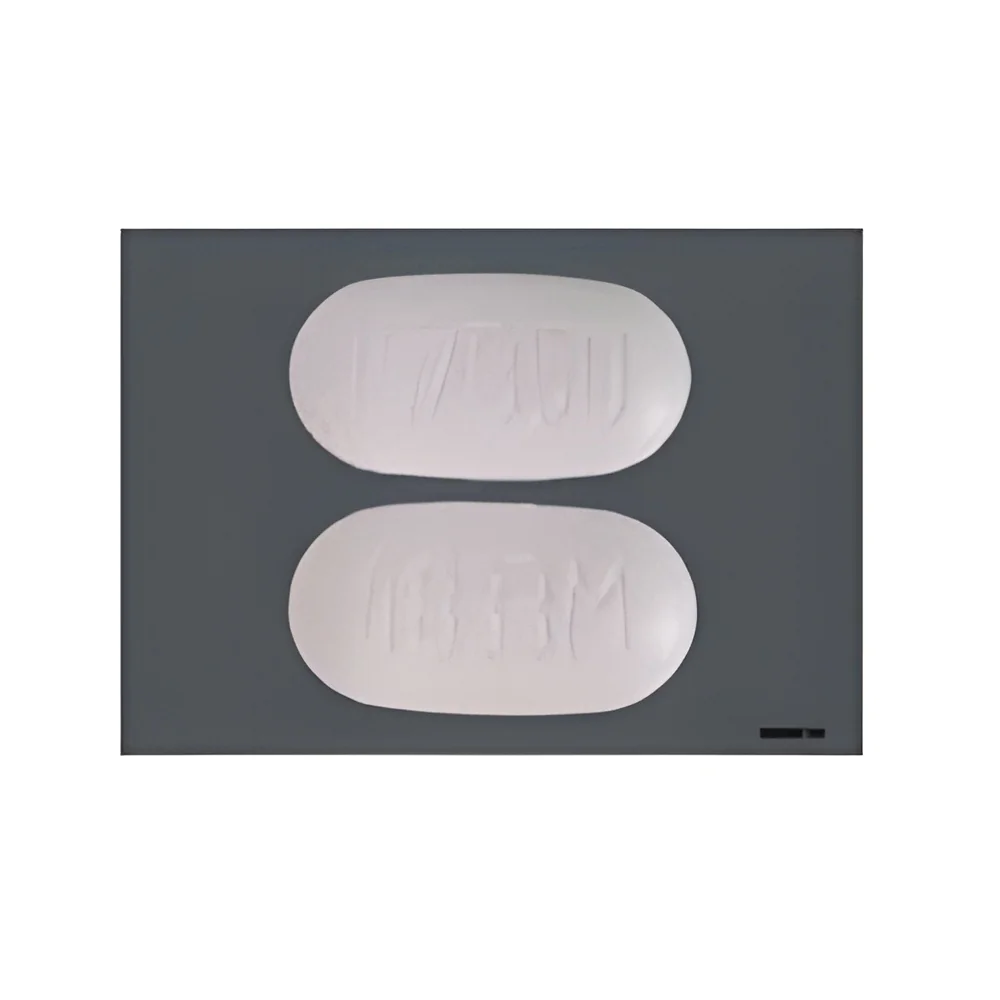
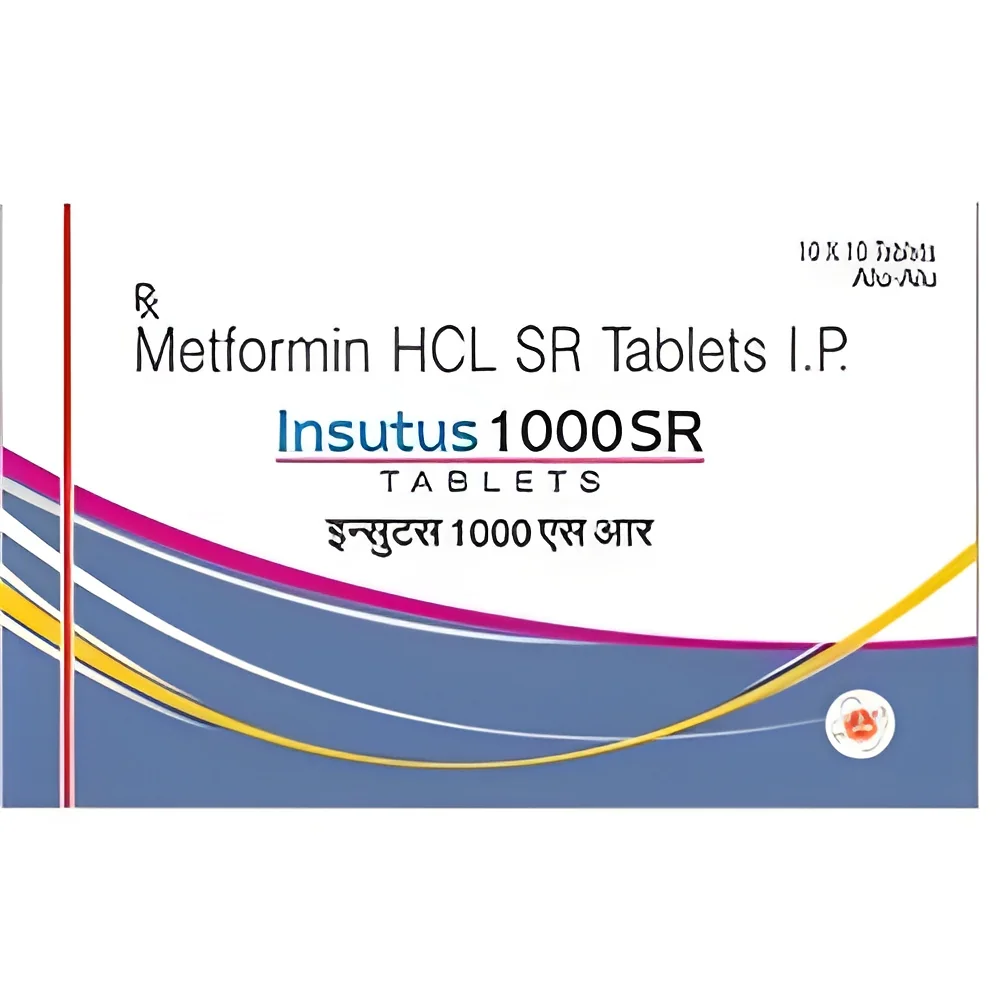
What are Diabetes Management Drugs?
Diabetes management drugs are pharmaceutical products designed to help control blood sugar levels in individuals with diabetes. These medications work by various mechanisms to either increase insulin production, improve insulin sensitivity, or decrease glucose production in the liver. They are essential for the effective management of diabetes, which is a chronic condition affecting millions worldwide.
The primary uses of diabetes management drugs include the treatment of Type 1 and Type 2 diabetes. In Type 1 diabetes, patients rely on insulin therapy, while those with Type 2 diabetes may use a combination of oral medications and insulin. Businesses in the healthcare sector, including hospitals, clinics, and pharmacies, play a crucial role in providing these drugs to patients, thus facilitating effective diabetes management.
The relevance of diabetes management drugs in the healthcare industry is significant, given the rising incidence of diabetes globally. The market for these drugs continues to expand as new formulations and delivery methods are developed. This growth presents opportunities for pharmaceutical companies and healthcare providers to innovate and improve patient care.
Key Features and Specifications
Diabetes management drugs come with various features and specifications that are critical for their effectiveness and safety. Understanding these specifications is essential for healthcare providers and B2B buyers sourcing these products.
Key specifications include:
1. Active Ingredients
- Common active ingredients include Metformin, Sulfonylureas, and Insulin.
- Each ingredient has specific mechanisms of action and efficacy profiles.
2. Dosage Forms
- Available in various forms such as tablets, injections, and pens.
- Each form has different administration routes and convenience levels.
3. Efficacy Rates
- Varying levels of efficacy depending on the drug class and patient demographics.
- Important for determining the appropriate treatment for patients.
4. Side Effects
- Common side effects may include gastrointestinal issues, hypoglycemia, and weight gain.
- Awareness of side effects is crucial for patient management.
5. Storage Requirements
- Some drugs require refrigeration, while others can be stored at room temperature.
- Proper storage is essential to maintain drug stability and efficacy.
6. Shelf Life
- Varies by product, typically ranging from 12 to 36 months.
- Important for inventory management and product turnover.
7. Packaging Options
- Available in various packaging sizes, including bulk and retail formats.
- Packaging affects distribution and storage strategies.
8. Regulatory Compliance
- Must meet local and international regulatory standards.
- Compliance ensures safety and efficacy for patients.
The diverse features and specifications highlight the importance of selecting the right diabetes management drugs to meet patient needs effectively.
Common Applications and Use Cases
Diabetes management drugs are crucial in multiple sectors, addressing various applications to improve patient health outcomes.
1. Healthcare Facilities: Hospitals and clinics use these drugs as part of diabetes care protocols, ensuring patients receive necessary treatment for blood glucose regulation.
2. Pharmacies: Retail pharmacies stock a range of diabetes management drugs, providing easy access for patients to obtain their medications and ensuring adherence to treatment plans.
3. Home Healthcare: Patients managing diabetes at home rely on these drugs as part of their daily regimen, helping them maintain stable blood sugar levels with minimal intervention.
4. Research Institutions: Pharmaceutical companies and research institutions utilize diabetes management drugs in clinical studies to develop new therapies and improve existing treatments.
5. Diabetes Education Programs: Organizations focused on diabetes education incorporate these drugs into their curricula, helping patients understand their treatment options and management strategies.
Product Variants and Subcategories
Diabetes management drugs come in various forms to cater to different patient needs and preferences.
Metformin
This oral medication is commonly prescribed for Type 2 diabetes. It helps lower blood sugar levels by improving insulin sensitivity and reducing glucose production in the liver.
Insulin Analogues
These are synthetic forms of insulin that mimic the body’s natural insulin response. They are often used for individuals with Type 1 diabetes or for those with Type 2 diabetes who require insulin therapy.
Sulfonylureas
This class of oral medications stimulates the pancreas to produce more insulin. They are typically used for patients with Type 2 diabetes who need additional support for blood sugar control.
DPP-4 Inhibitors
These drugs work by increasing incretin levels, which help regulate insulin and glucose levels. They offer a different mechanism of action for patients who may not respond well to other oral medications.
Benefits and Advantages
Diabetes management drugs offer several key benefits that enhance patient care and improve overall health outcomes.
1. Improved Blood Sugar Control: These medications assist in maintaining blood glucose levels within the target range, reducing the risk of complications associated with diabetes.
2. Diverse Treatment Options: A range of drugs is available, allowing healthcare providers to tailor treatment plans according to individual patient needs and preferences.
3. Enhanced Quality of Life: Effective diabetes management can lead to significant improvements in patients' quality of life, enabling them to engage more fully in daily activities.
4. Prevention of Complications: Proper management of diabetes can help prevent serious complications such as cardiovascular disease, neuropathy, and kidney damage.
5. Support for Weight Management: Some diabetes medications aid in weight loss or help maintain a healthy weight, which is crucial for Type 2 diabetes management.
6. Continuous Innovation: The pharmaceutical industry is continually developing new drugs and formulations, providing patients with more effective and convenient options for managing their condition.
Buying Guide for B2B Buyers
When sourcing diabetes management drugs, it is essential for B2B buyers to consider several key factors to ensure they make informed decisions.
1. Quality Assessment: Buyers should evaluate the quality of diabetes management drugs by checking for certifications and compliance with industry standards. This includes reviewing batch records and stability studies.
2. Supplier Verification: It is crucial to vet suppliers for their reputation, reliability, and adherence to regulatory requirements. A thorough background check can prevent potential issues with product quality.
3. Pricing and MOQ: Buyers should analyze cost structures, including pricing and minimum order quantities (MOQ). Understanding the financial aspects can help in budgeting and ensuring a profitable procurement strategy.
4. Delivery and Lead Times: Logistics play a vital role in the timely availability of diabetes management drugs. Buyers should inquire about delivery schedules and lead times to meet patient needs effectively.
5. Compliance Requirements: Familiarity with regional regulatory needs is essential. Buyers must ensure that the products they procure comply with local health regulations and safety standards.
Compliance and Certifications
Diabetes management drugs must adhere to various compliance and certification standards to ensure their safety and efficacy.
Relevant quality standards include ISO 9001, which focuses on quality management systems, ensuring consistent product quality and customer satisfaction. Additionally, HACCP (Hazard Analysis and Critical Control Points) provides a structured approach to food safety and risk management in pharmaceutical production.
Industry certifications such as CE mark indicate compliance with European health, safety, and environmental protection standards. This certification enhances the credibility and marketability of diabetes management drugs.
Safety and testing requirements are critical in the development and distribution of these medications. Rigorous clinical trials and post-market surveillance help identify potential risks and ensure ongoing safety for patients.
Regional compliance considerations vary by market. Manufacturers and suppliers must remain informed about local regulations to ensure their products meet all necessary legal requirements.
Why Source Diabetes Management Drugs from Pepagora?
Pepagora offers a reliable platform for sourcing diabetes management drugs, providing several key advantages for B2B buyers.
Verified Supplier Network: Pepagora has established a network of verified suppliers, ensuring that buyers have access to high-quality products from trusted manufacturers. This verification process helps mitigate risks associated with procurement.
Streamlined RFQ Process: The request for quotation (RFQ) system on Pepagora allows buyers to easily compare prices and specifications from multiple suppliers. This transparency aids in making informed purchasing decisions.
Trade Assurance and Support: Pepagora provides trade assurance, offering buyers protection throughout the procurement process. Dedicated support teams are available to assist with any issues or inquiries during transactions.
Regional Coverage: Pepagora has a broad geographic reach, serving markets in India, the GCC, and Southeast Asia. This extensive network facilitates efficient sourcing and distribution, catering to a diverse range of customer needs.
By choosing Pepagora, buyers can access a comprehensive selection of diabetes management drugs while benefiting from a trusted sourcing experience.

 IN
IN