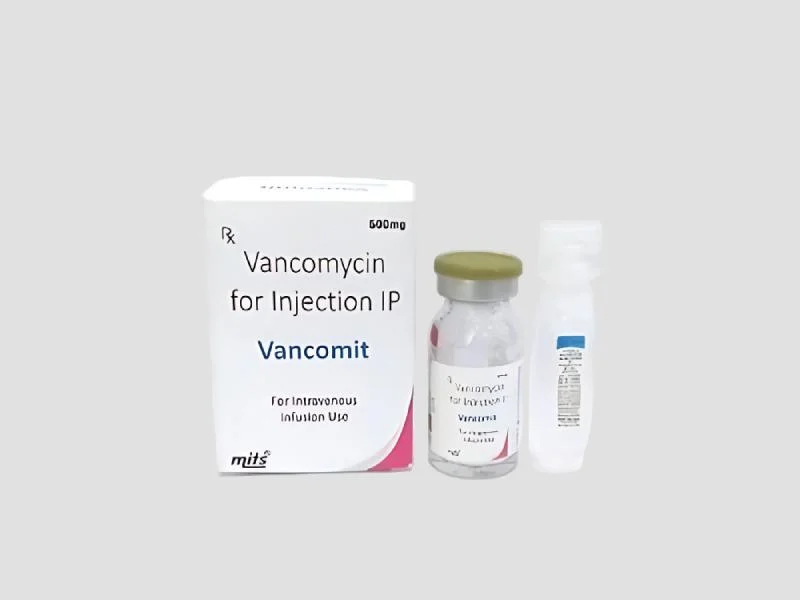
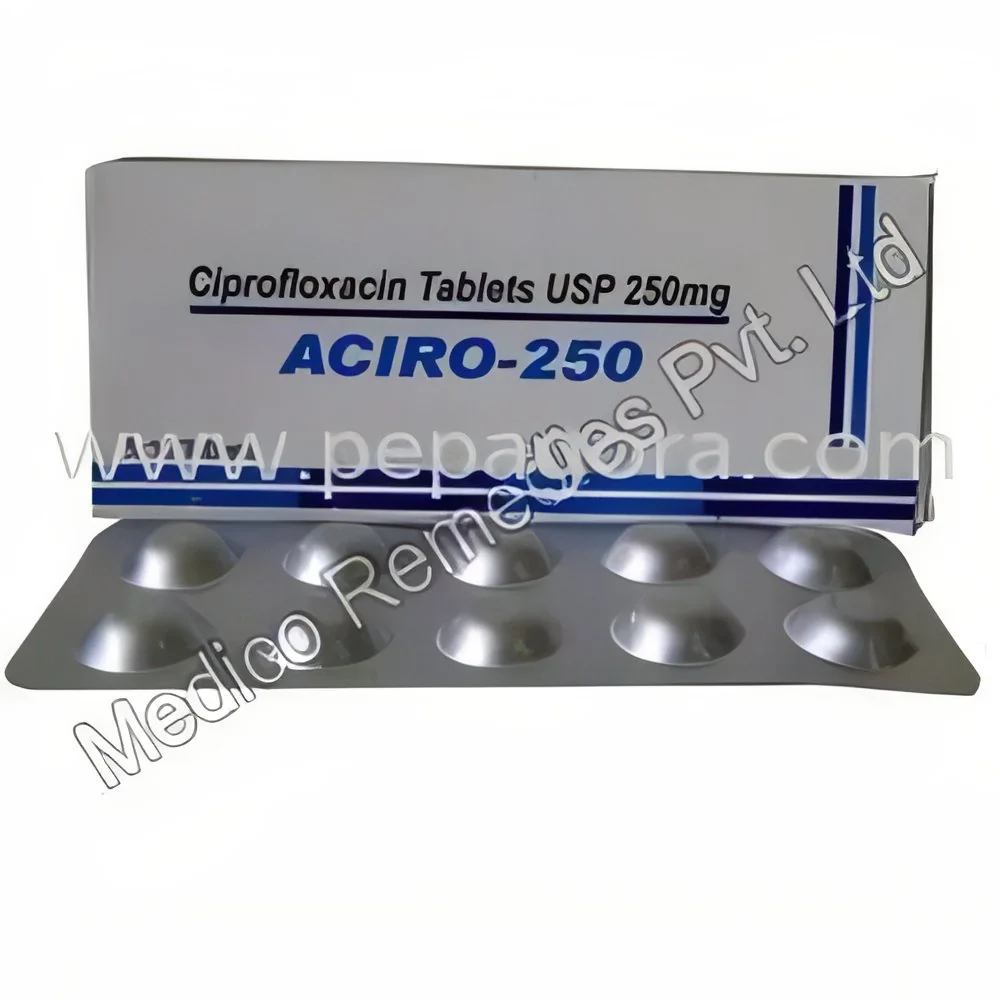
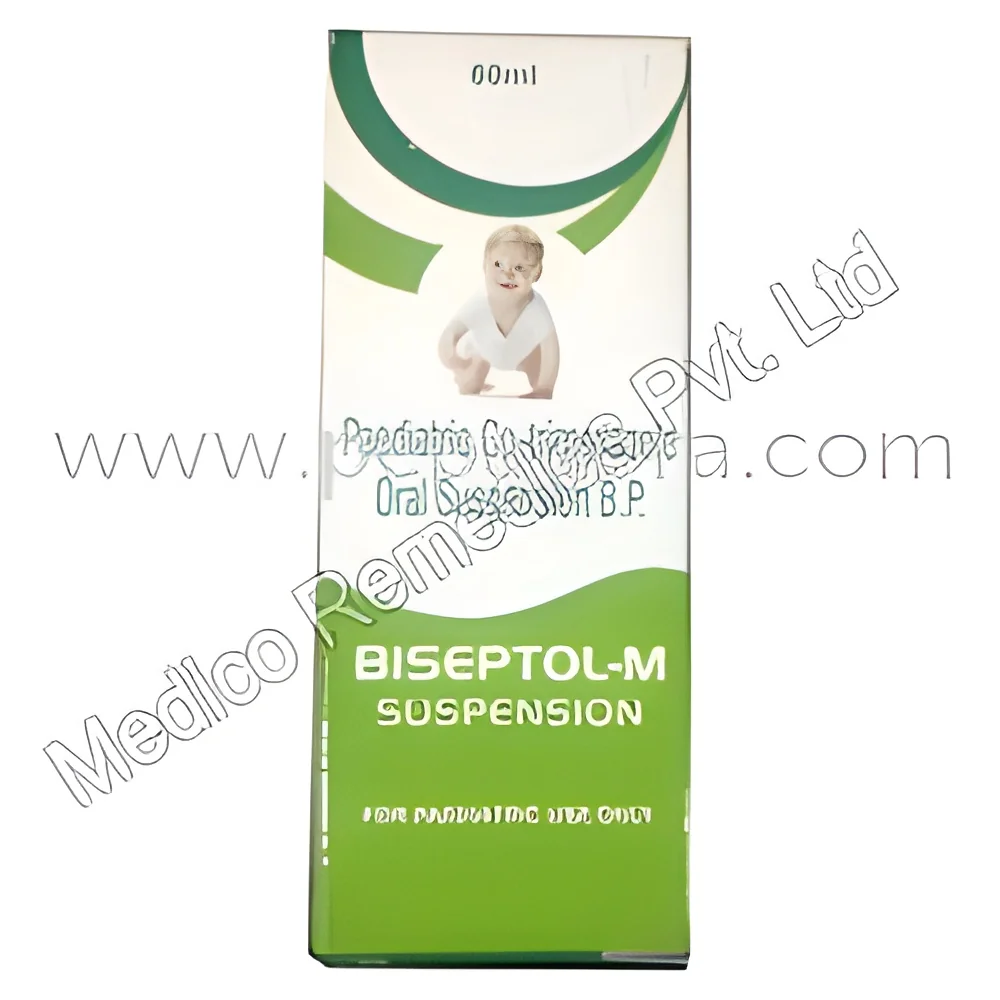
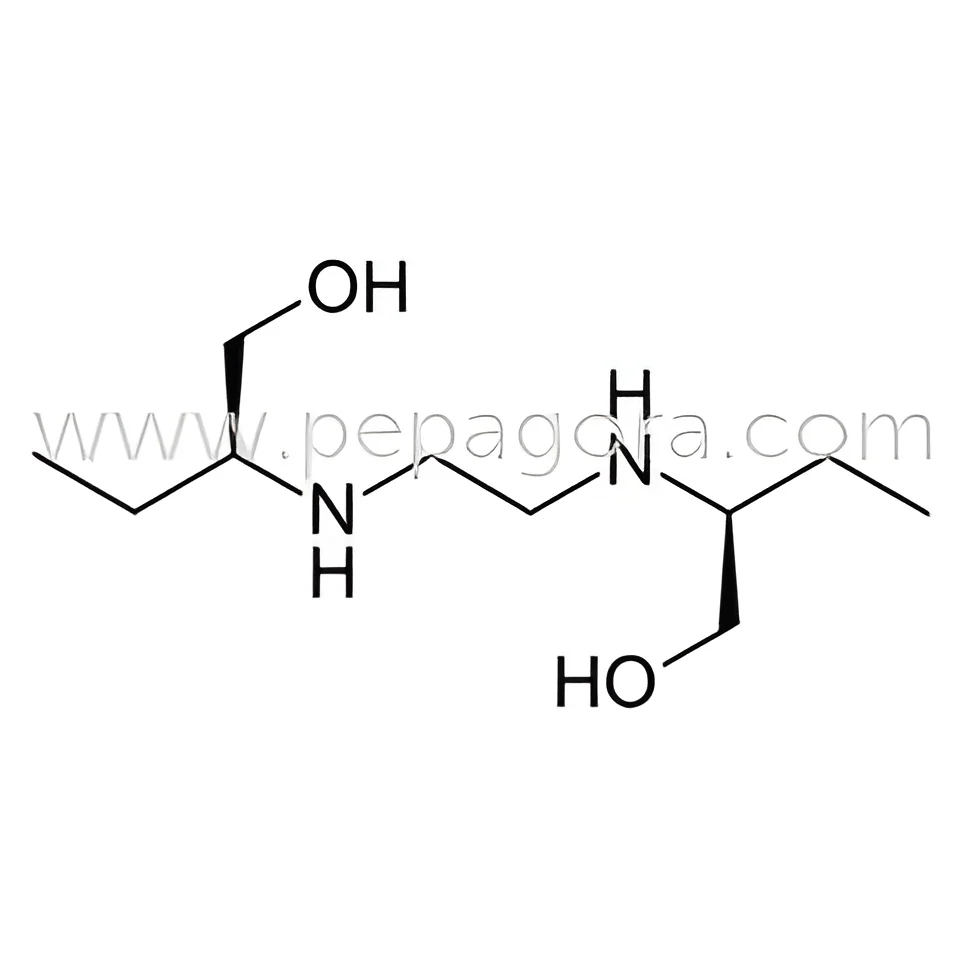
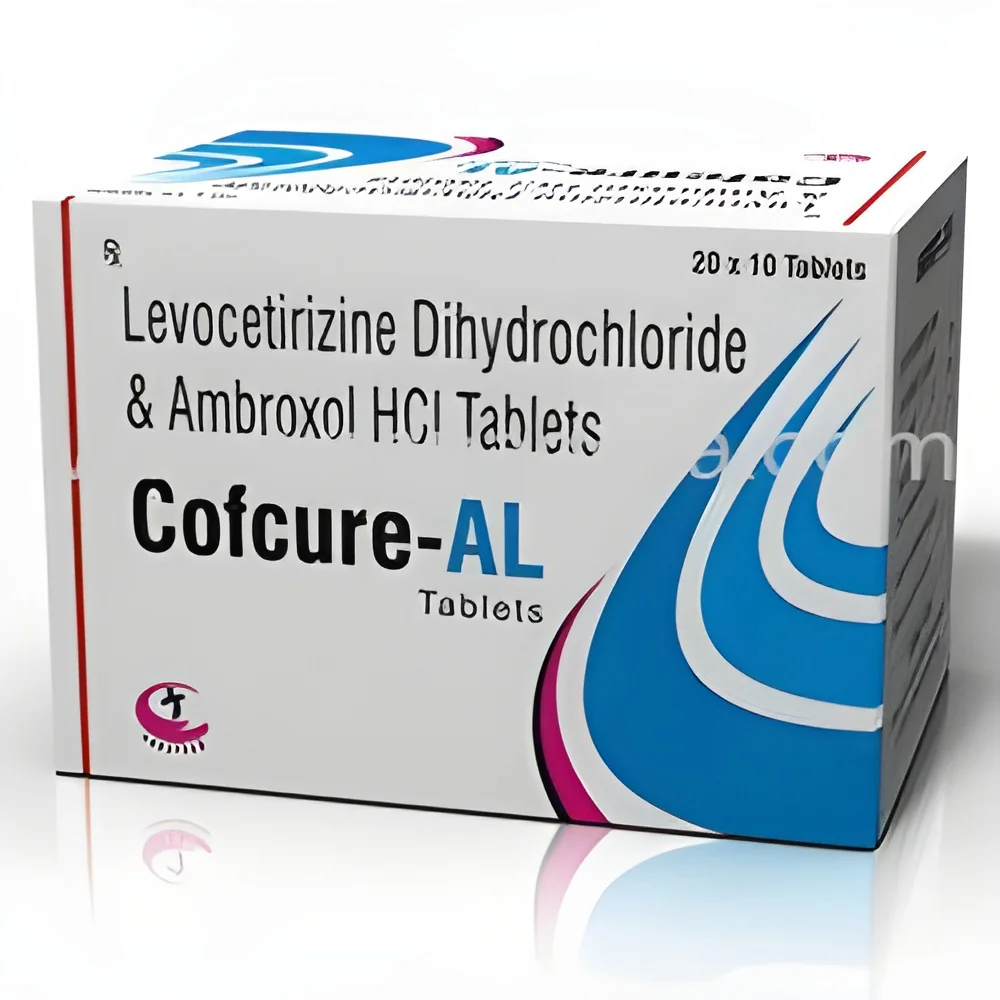
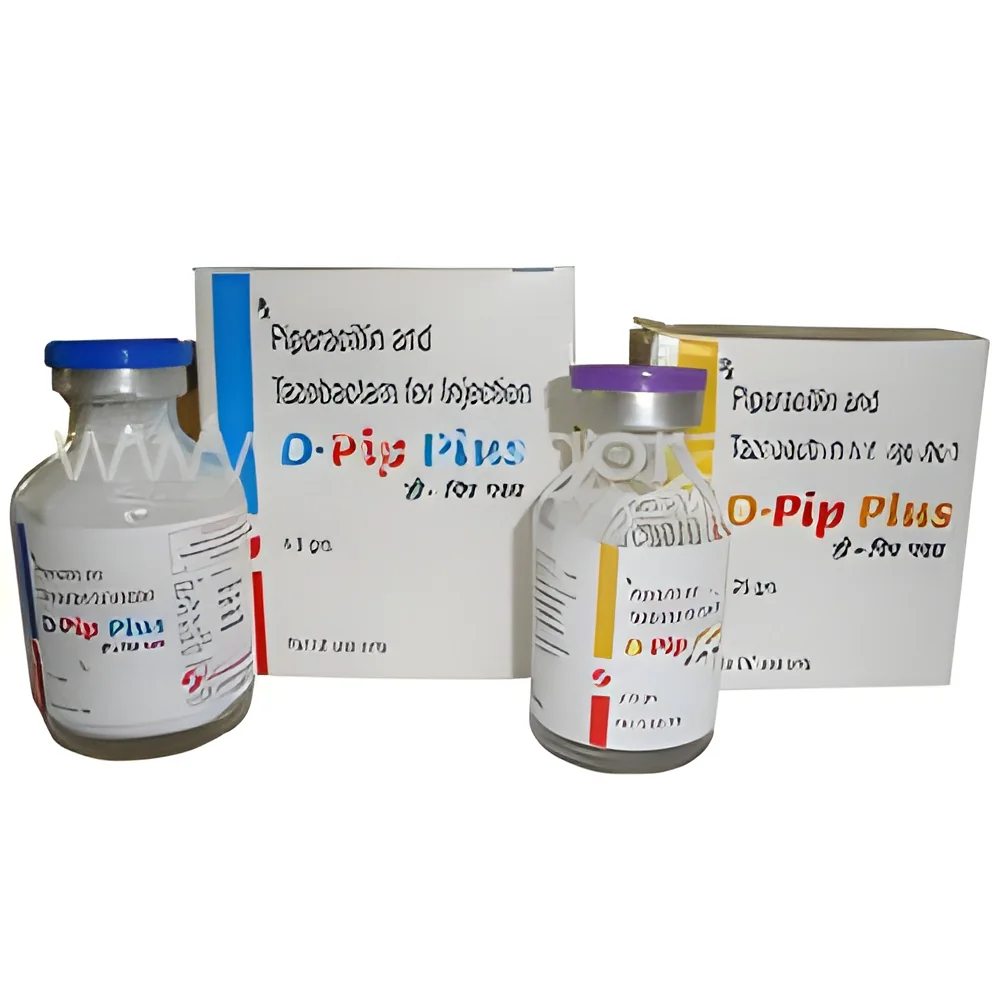
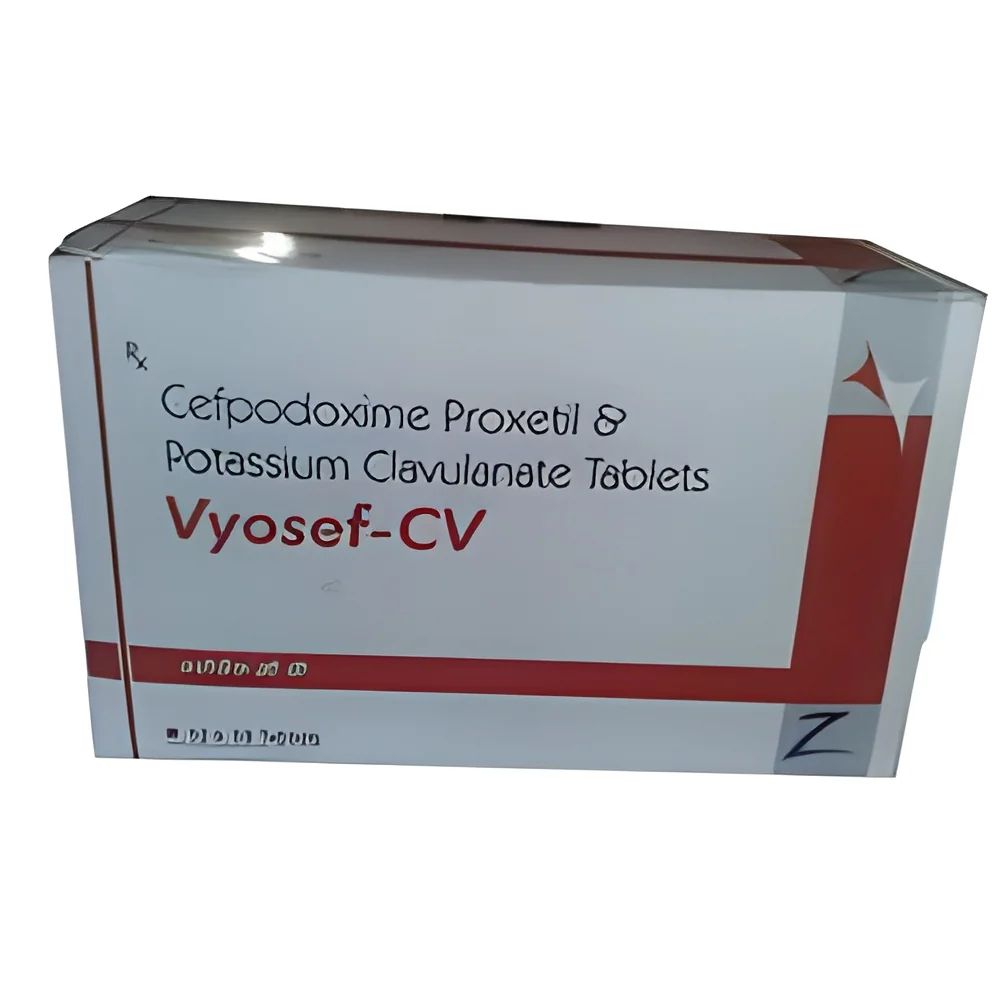
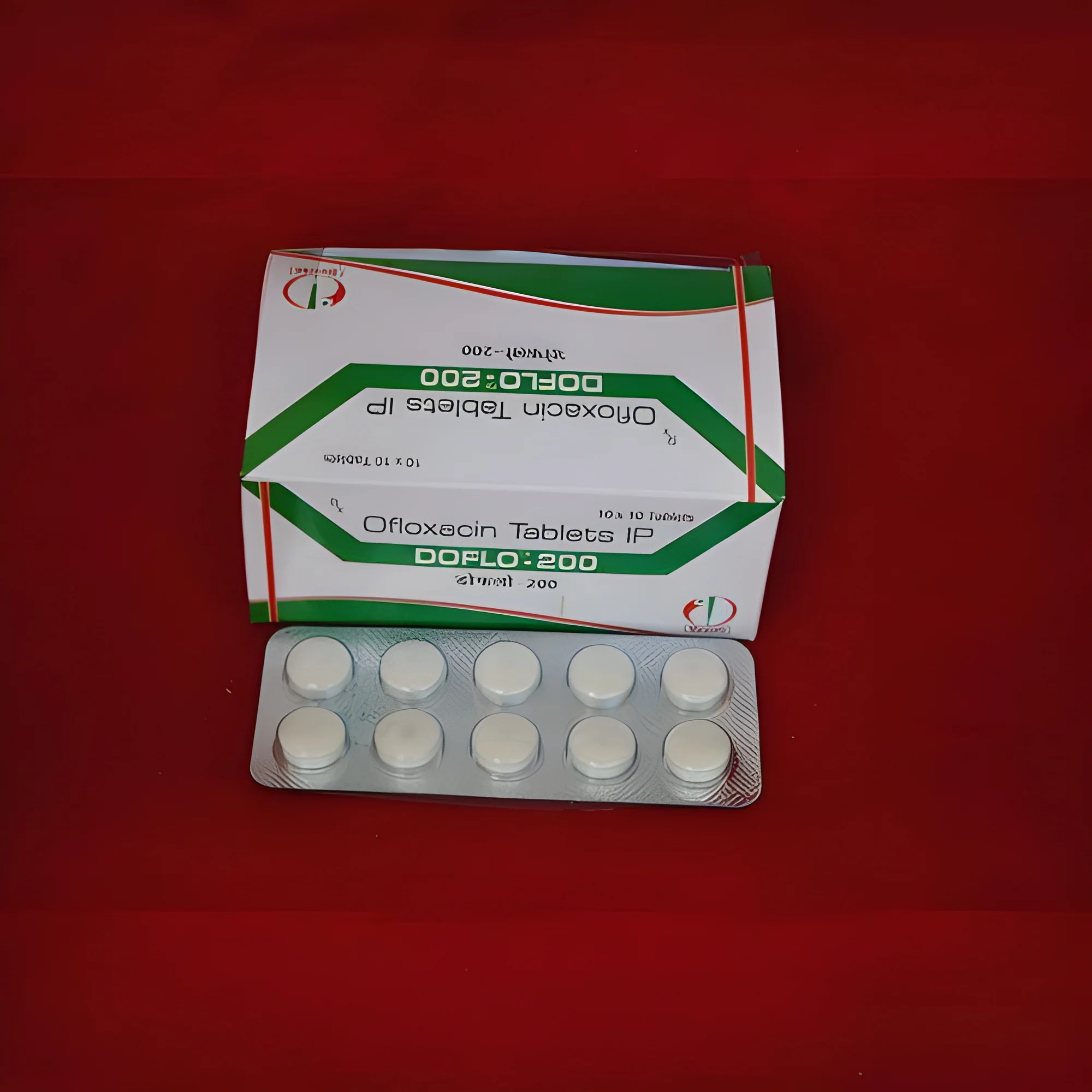
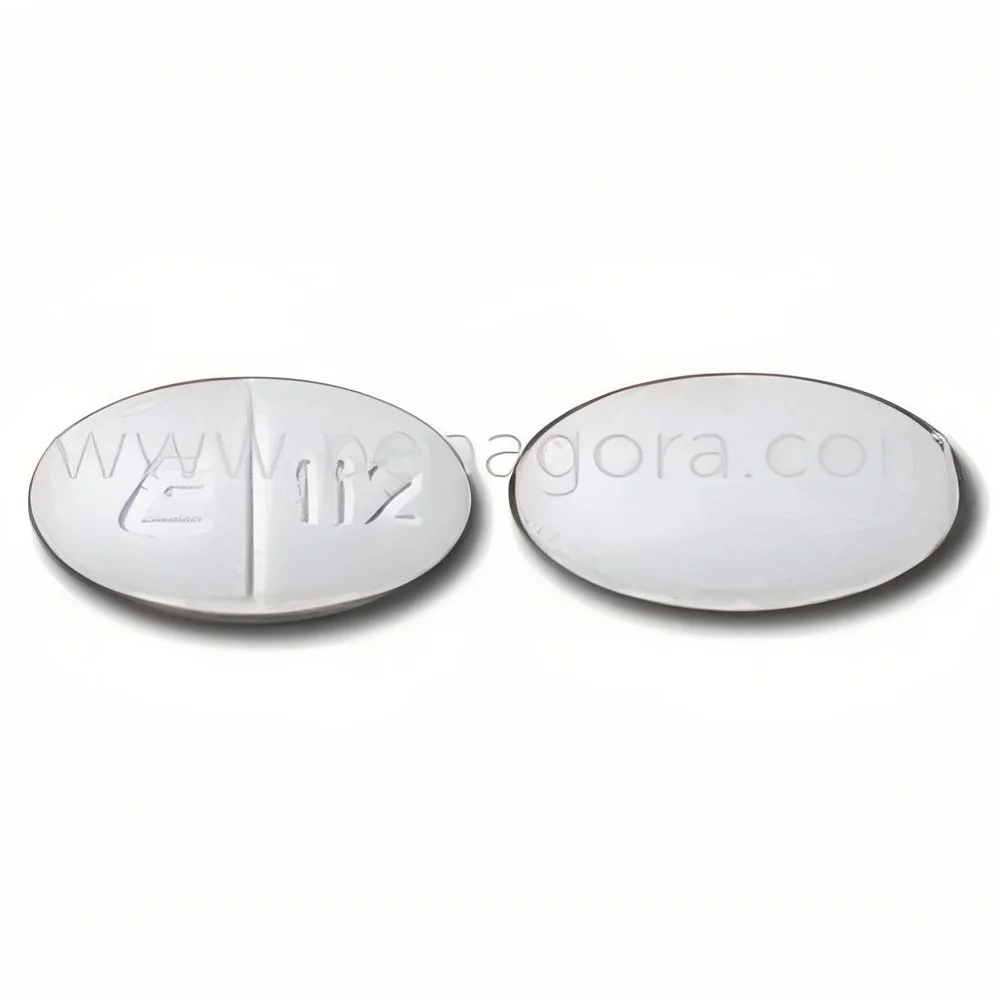
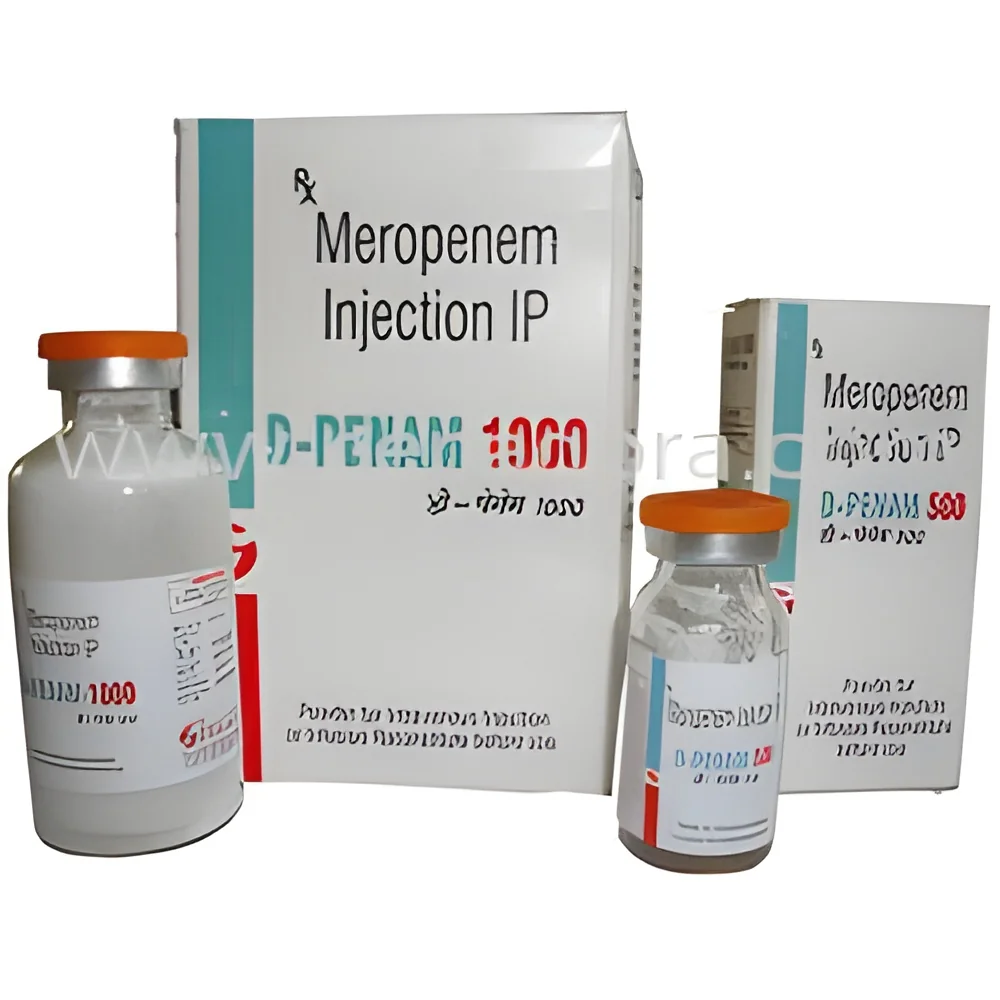
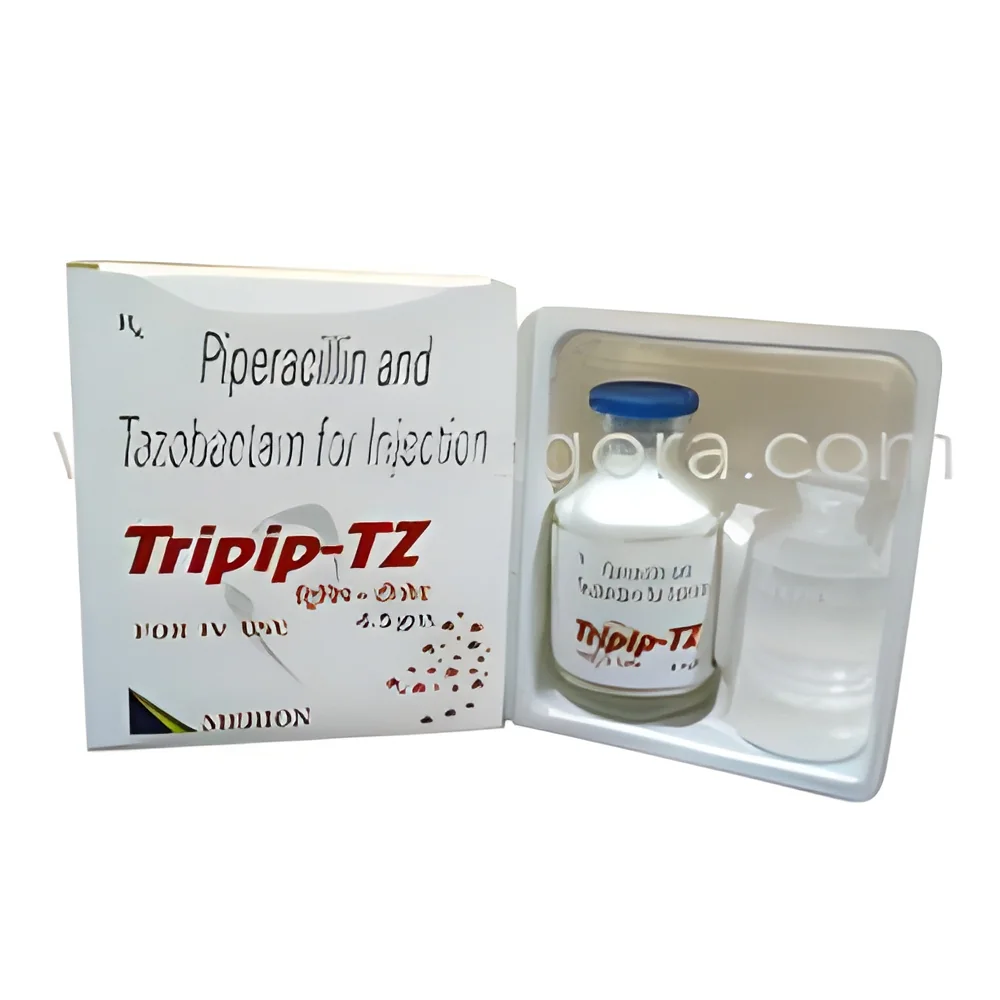
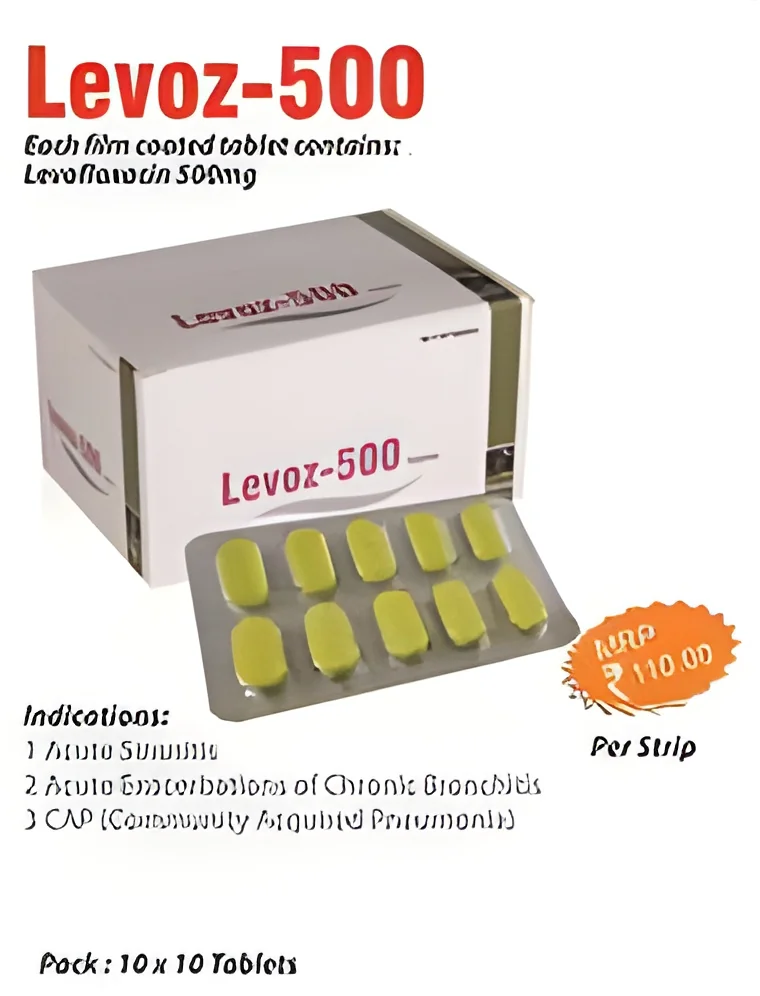
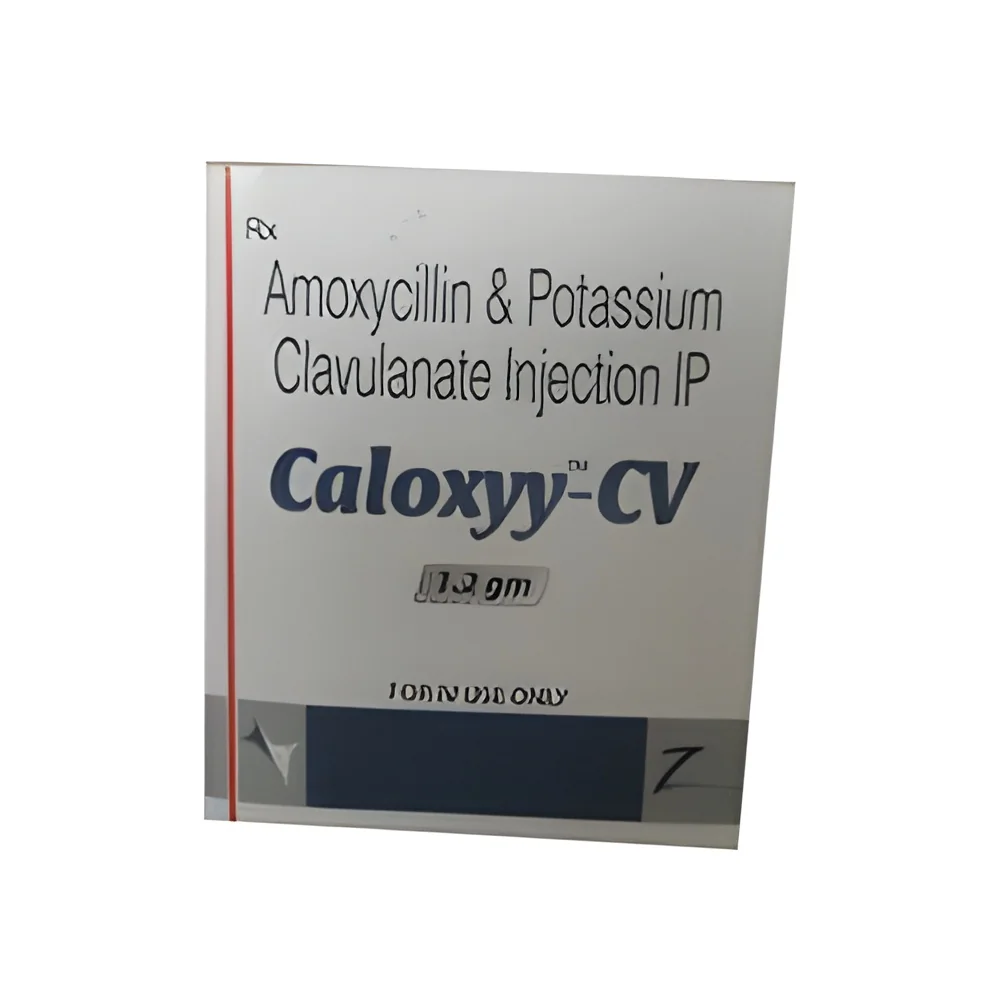
What are Antibiotics & Antimicrobials?
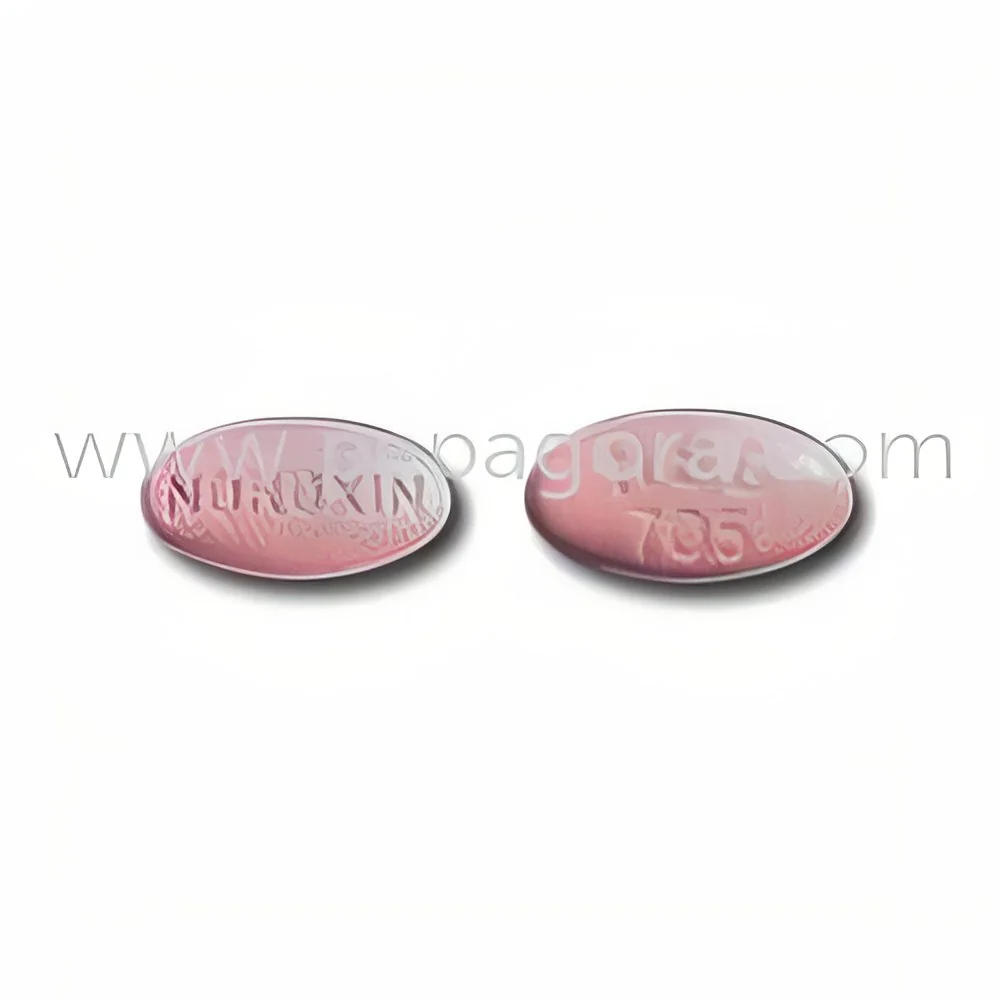
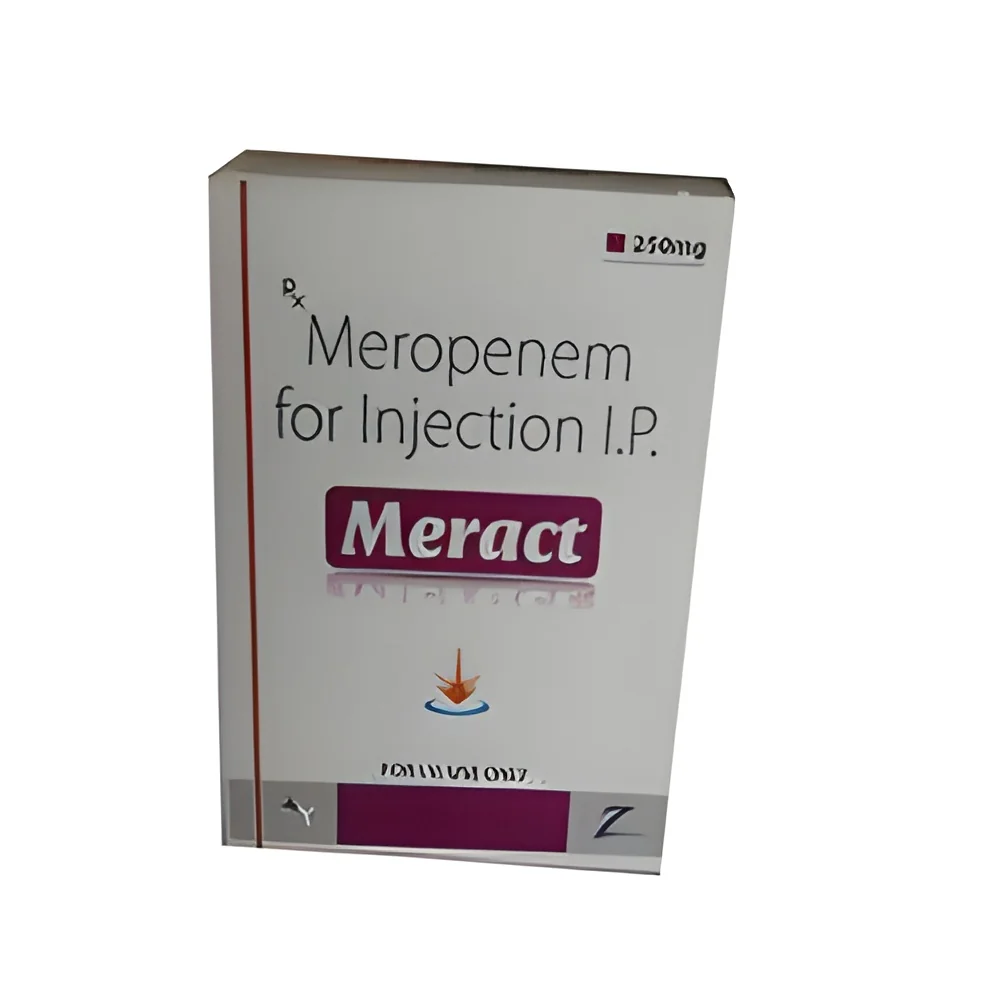
Antibiotics and antimicrobials are agents that inhibit the growth of or kill microorganisms including bacteria, fungi, and viruses. Antibiotics specifically target bacterial infections, while antimicrobials encompass a broader range of substances that can combat various types of pathogens. These compounds work by disrupting vital processes in microbial cells, leading to their destruction or inability to reproduce.
In the B2B landscape, antibiotics and antimicrobials are essential for a variety of applications, particularly in healthcare and agriculture. They are used extensively in hospitals to treat infections, prevent surgical site infections, and in agriculture to promote animal health and production. The growing concern over antibiotic resistance has heightened the demand for innovative antimicrobial solutions that can effectively combat resistant strains while ensuring compliance with regulatory standards.
The market for antibiotics and antimicrobials is evolving rapidly due to increasing awareness of infection control and the need for effective treatment options. As healthcare facilities and agricultural producers seek reliable and effective products, suppliers must navigate a landscape of stringent regulations and quality standards. This dynamic market presents significant opportunities for businesses involved in the development, manufacturing, and distribution of these critical substances.
Key Features and Specifications
Antibiotics and antimicrobials come with a range of features and specifications that define their effectiveness and application. Understanding these specifications is crucial for selecting the right product for specific needs.
Key specifications include:
1. Spectrum of Activity
- Indicates the range of bacteria or pathogens the antibiotic or antimicrobial can target.
- Can be broad-spectrum (effective against multiple types) or narrow-spectrum (targeting specific organisms).
2. Dosage Formulation
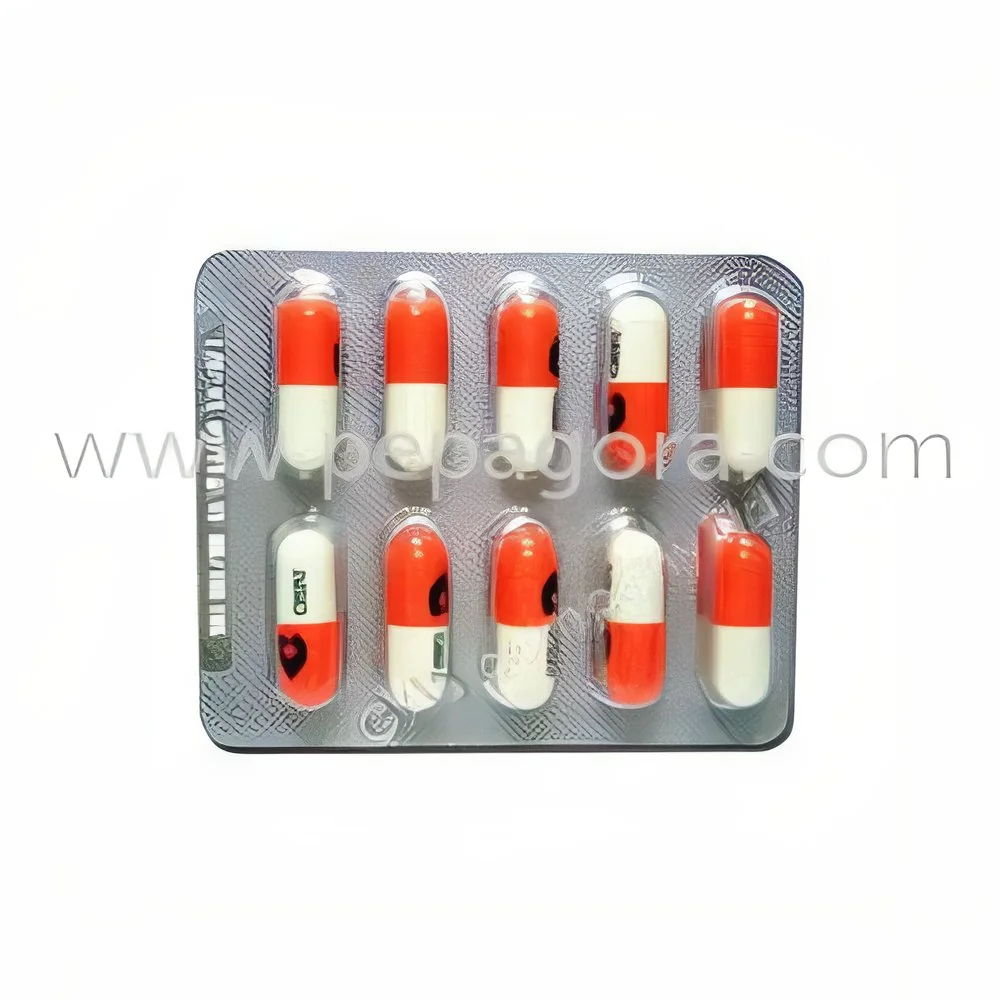
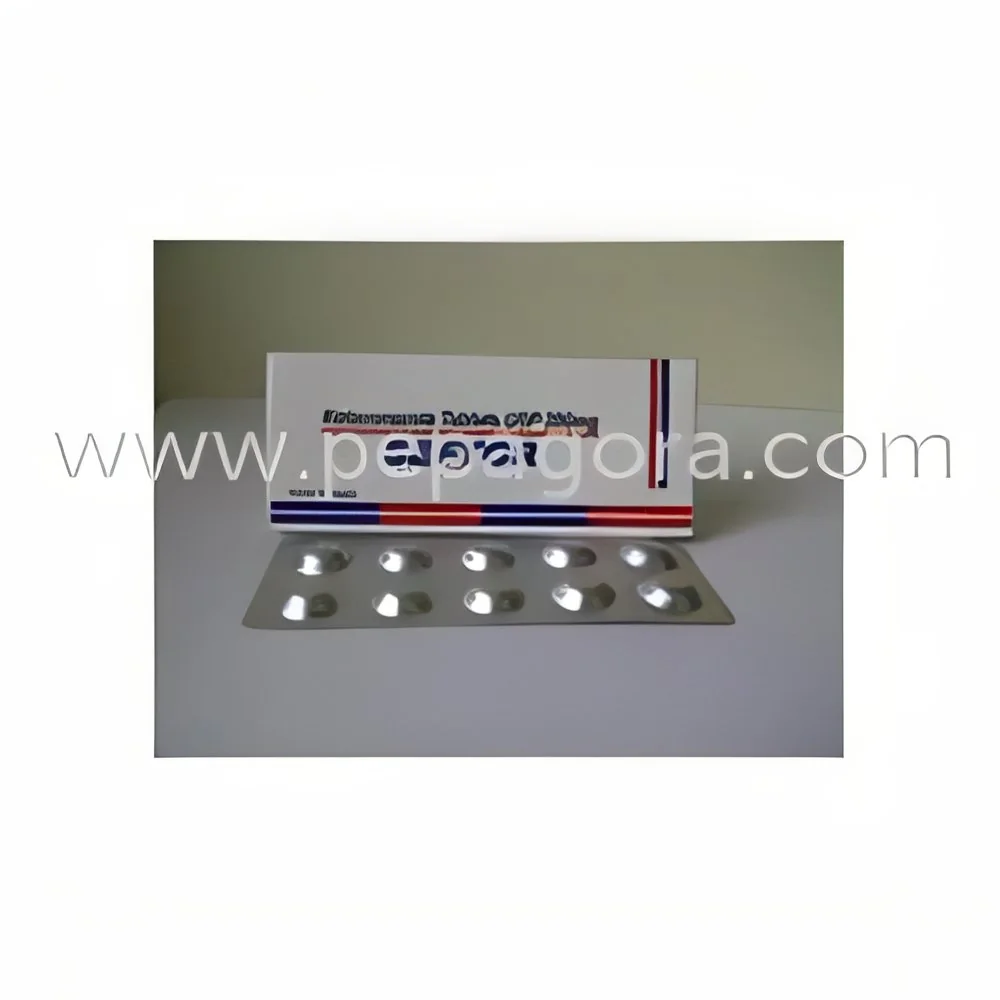
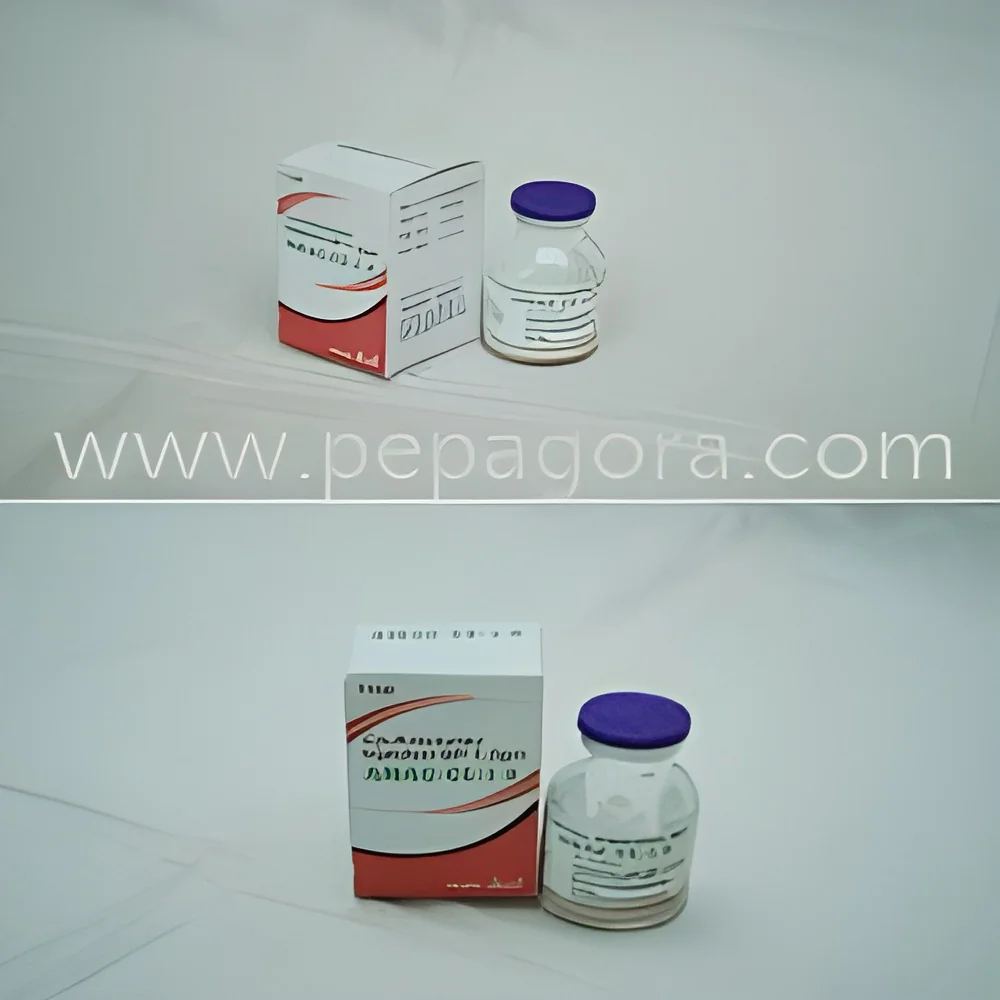
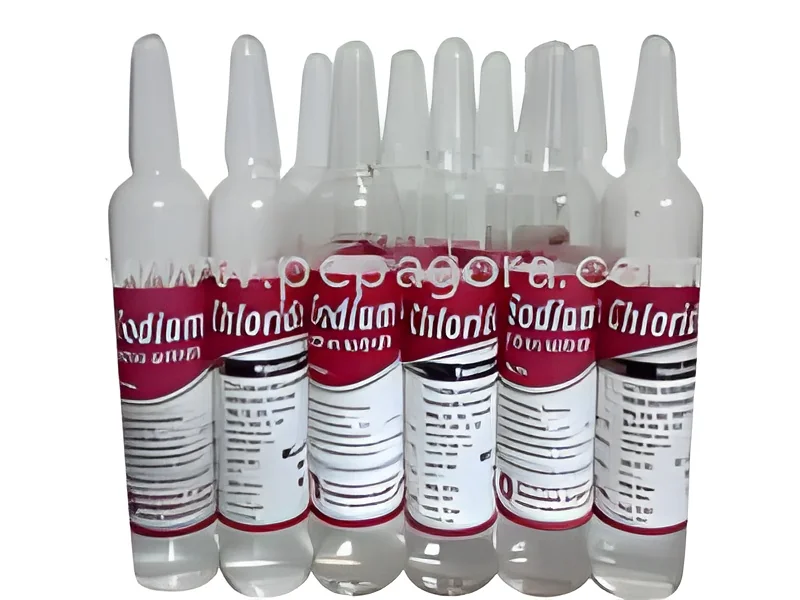
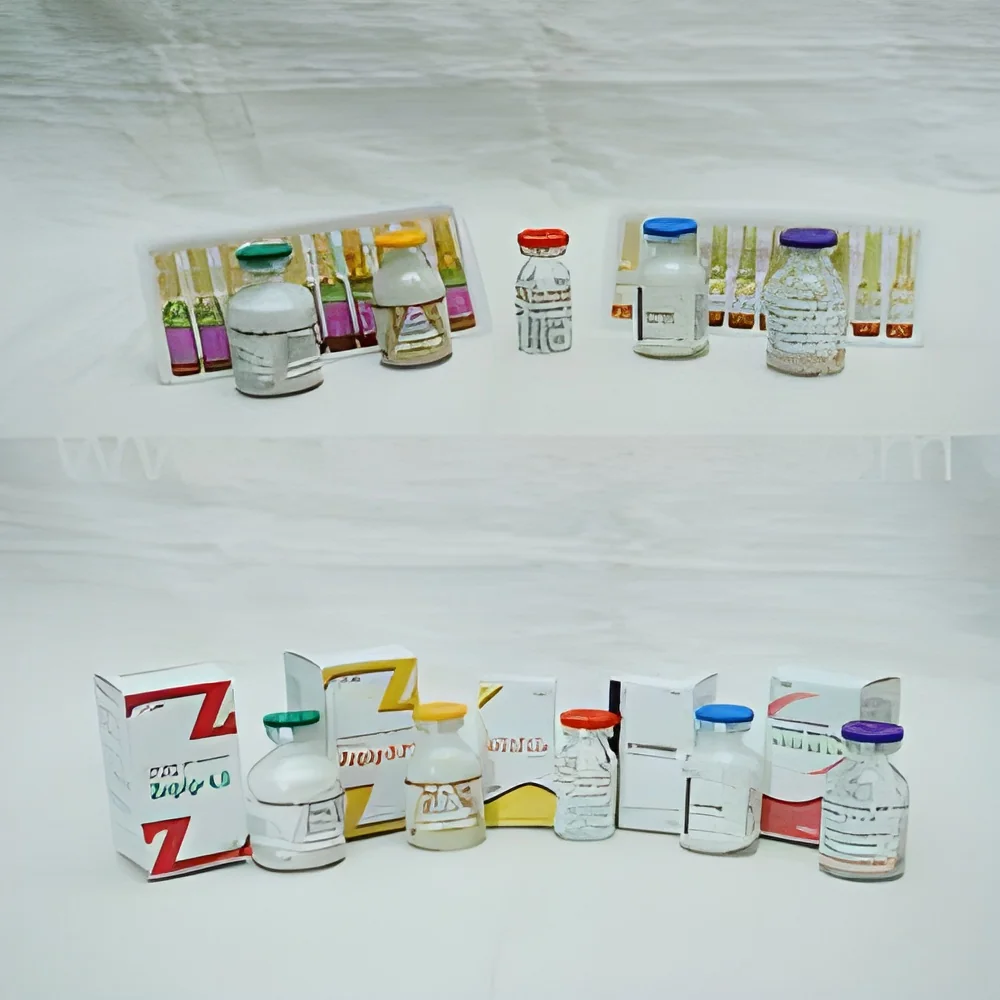
- Available in various forms such as tablets, injectables, and topical applications.
- Dosage strength varies depending on the application and target disease.
3. Stability and Storage Conditions
- Guidelines on temperature and humidity controls needed to maintain product efficacy.
- Typically requires storage in cool, dry places to prevent degradation.
4. Mechanism of Action
- Describes how the antibiotic or antimicrobial works to inhibit or kill microorganisms.
- Common mechanisms include cell wall synthesis inhibition, protein synthesis disruption, and nucleic acid synthesis interference.
5. Resistance Profile
- Information on the potential for microbial resistance to the antibiotic or antimicrobial.
- Important for assessing long-term effectiveness.
6. Shelf Life
- Indicates the period during which the product remains effective when stored properly.
- Important for inventory management and regulatory compliance.
7. Regulatory Compliance
- Must meet industry standards such as CE certification for safety and efficacy.
- Subject to rigorous testing and validation processes.
8. Packaging and Labeling Requirements
- Specifications on how products should be packaged to ensure safety and compliance.
- Includes information about proper handling and usage instructions.
In summary, understanding the features and specifications of antibiotics and antimicrobials is essential for businesses to ensure they select the right products that meet their operational needs and regulatory standards.
Common Applications and Use Cases
Antibiotics and antimicrobials serve a wide array of industries, each with specific needs and applications.
1. Healthcare: Antibiotics are used in hospitals and clinics to treat bacterial infections, prevent infections during surgeries, and in outpatient settings for various conditions.
2. Agriculture: Antimicrobials are utilized in livestock to promote growth and prevent diseases, playing a vital role in animal health management.
3. Pharmaceuticals: The development of new antimicrobial agents is crucial for addressing emerging infectious diseases and antibiotic resistance.
4. Food Industry: Antimicrobials are employed in food preservation to prevent spoilage and extend shelf life, ensuring food safety.
5. Environmental Applications: Used in water treatment processes to control microbial contamination and ensure safe drinking water.
6. Veterinary Medicine: Essential for treating infections in pets and livestock, ensuring animal welfare and productivity.
7. Research and Development: Antibiotics are critical in laboratories for research involving microbial pathogens, aiding in the discovery of new treatments.
Product Variants and Subcategories
The diversity of antibiotics and antimicrobials allows for tailored solutions that meet specific needs across various sectors.
Penicillins
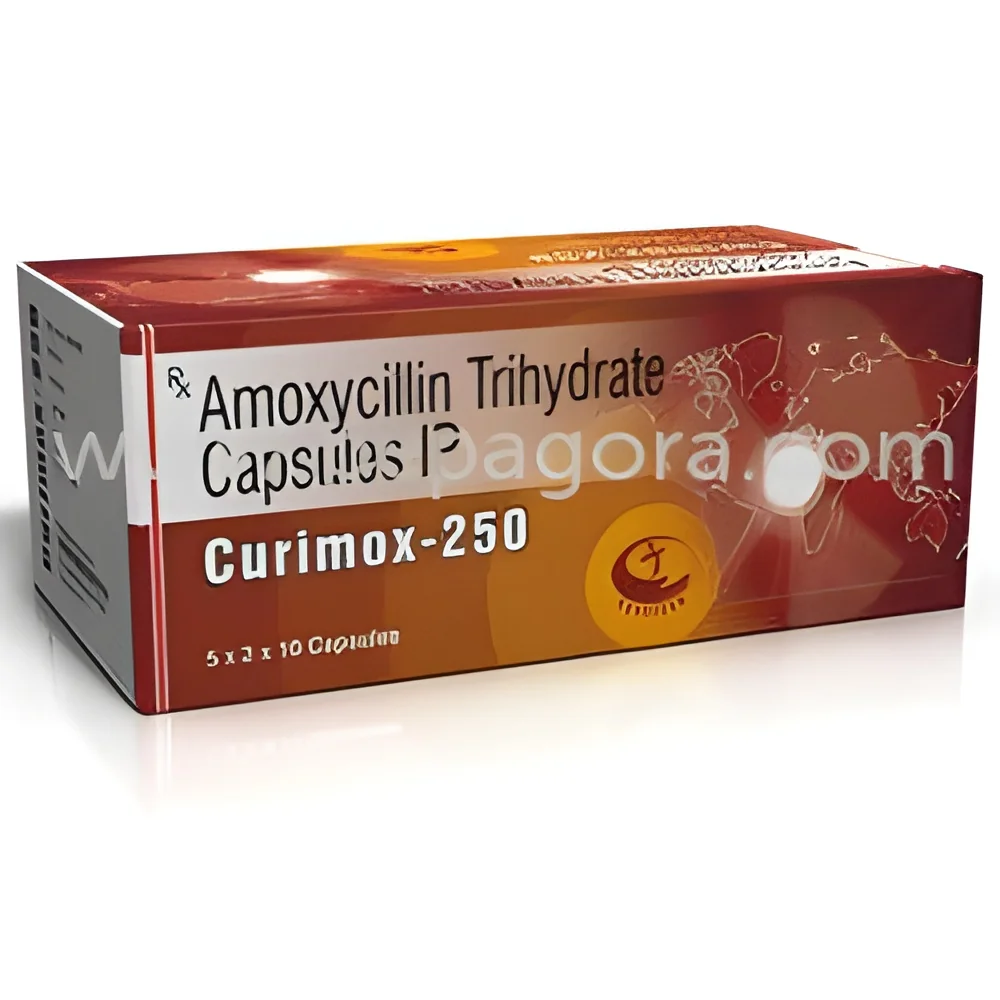
This variant includes a group of antibiotics that are effective against a wide range of bacterial infections. They are commonly used in healthcare settings for treating respiratory and skin infections.
Cephalosporins
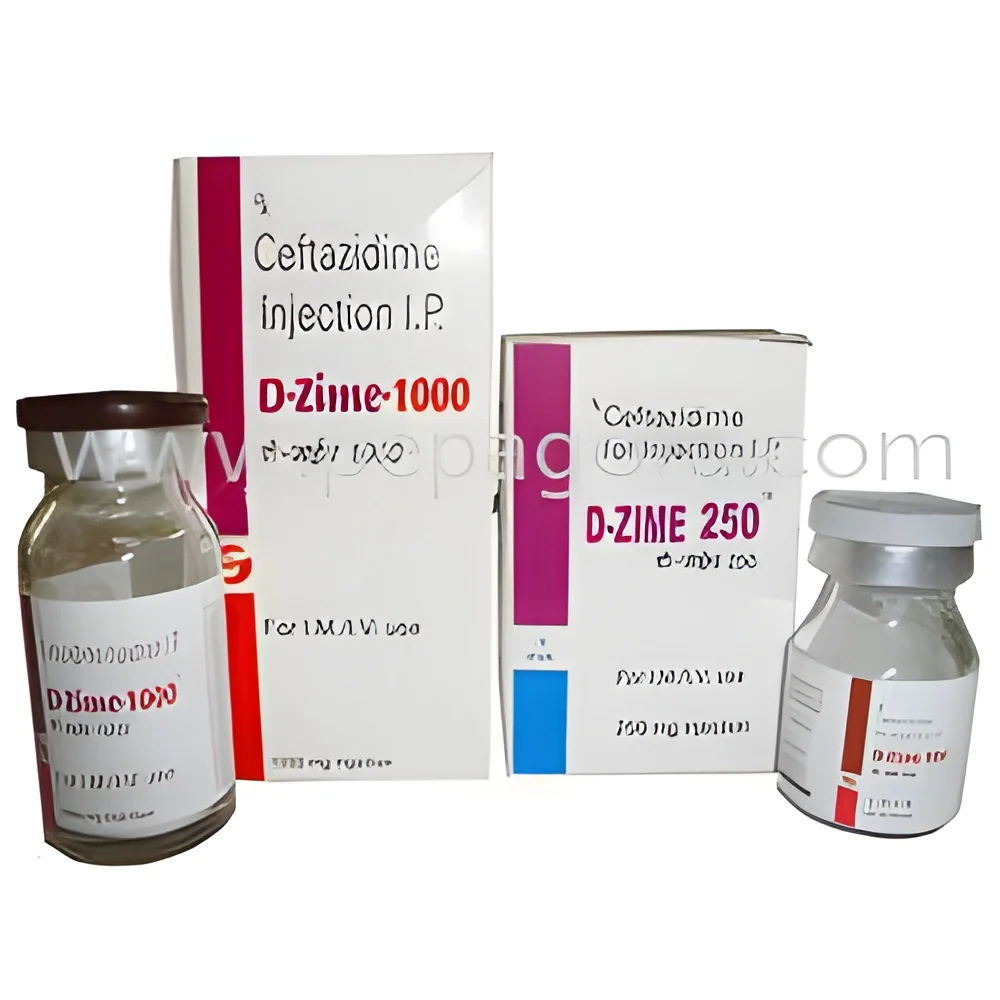
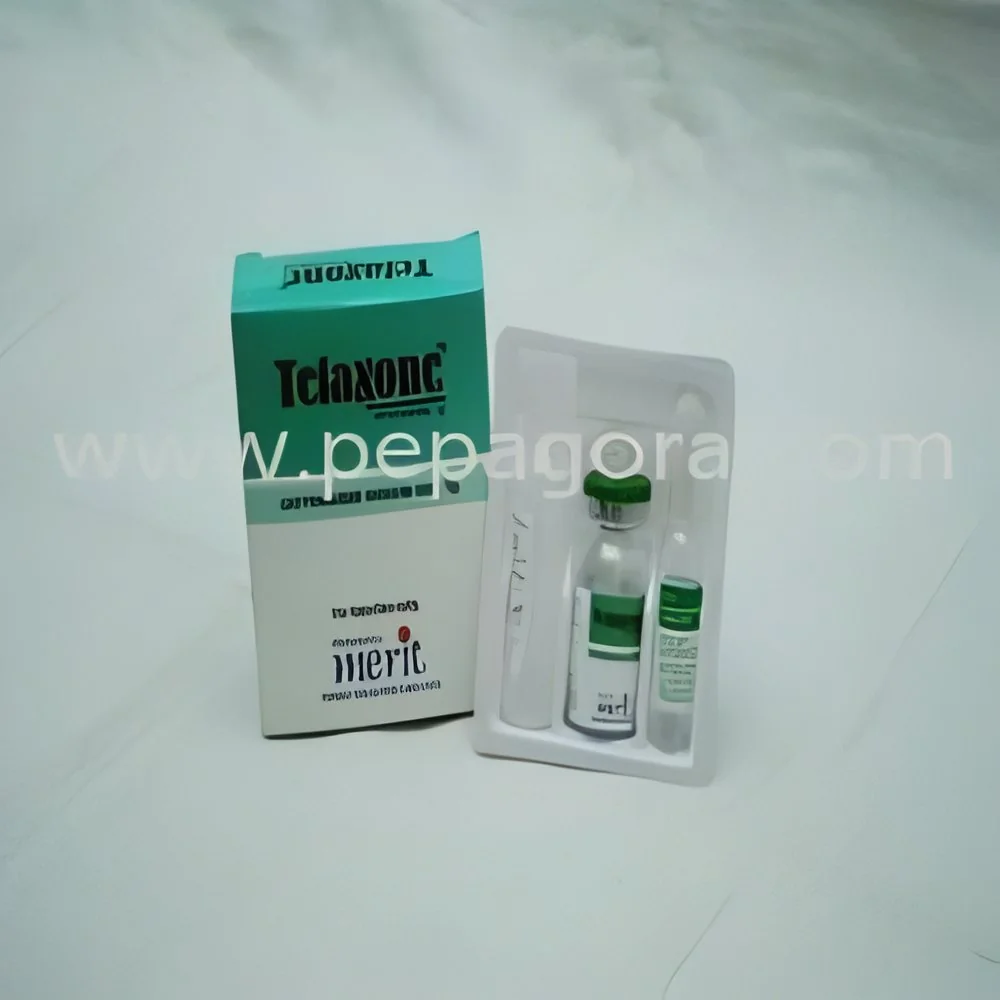
These antibiotics are known for their broad-spectrum activity and are used in both human and veterinary medicine. They are effective against a variety of infections, including those resistant to penicillin.
Tetracyclines
This class of antibiotics is utilized for treating acne and respiratory infections. They are effective against both gram-positive and gram-negative bacteria.
Macrolides
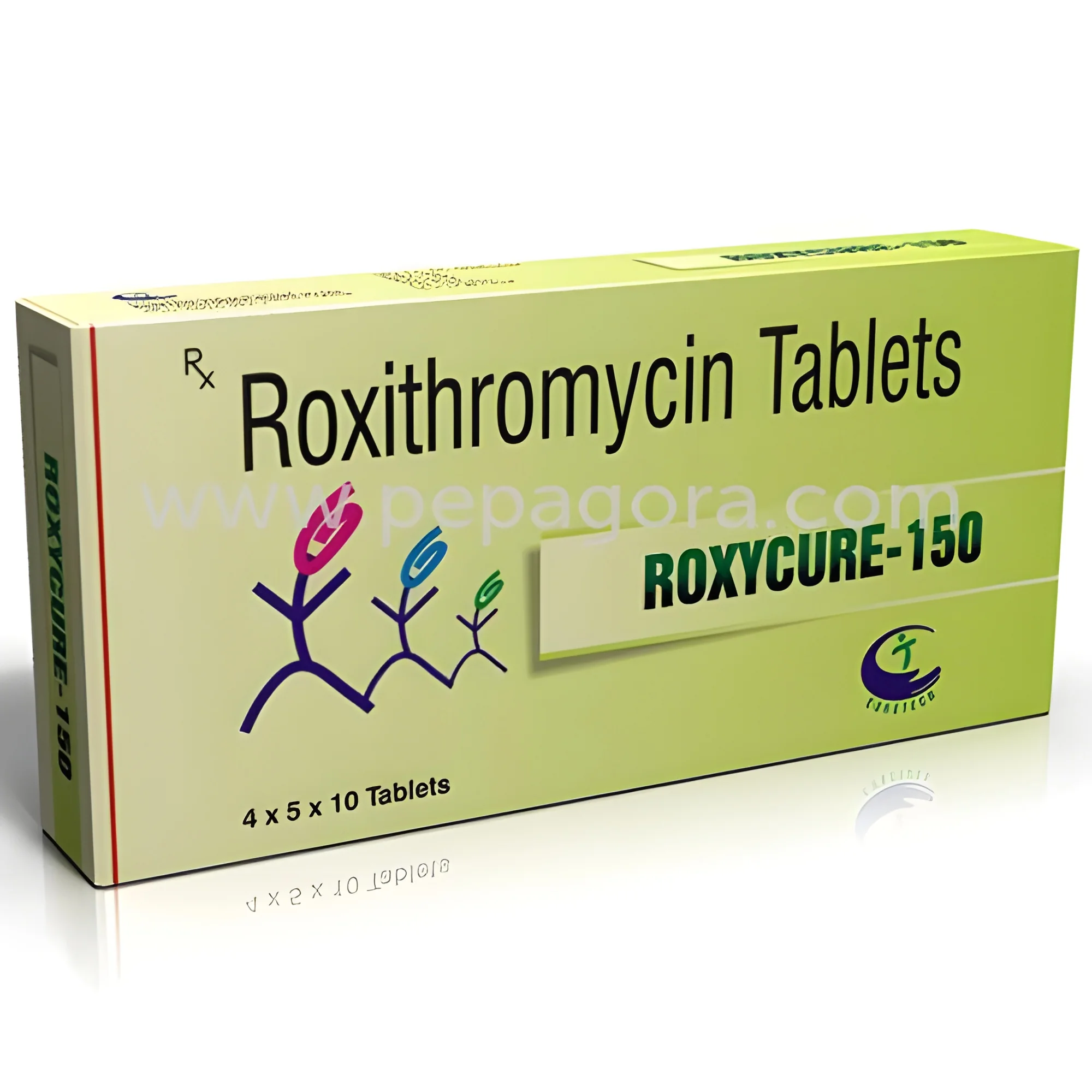
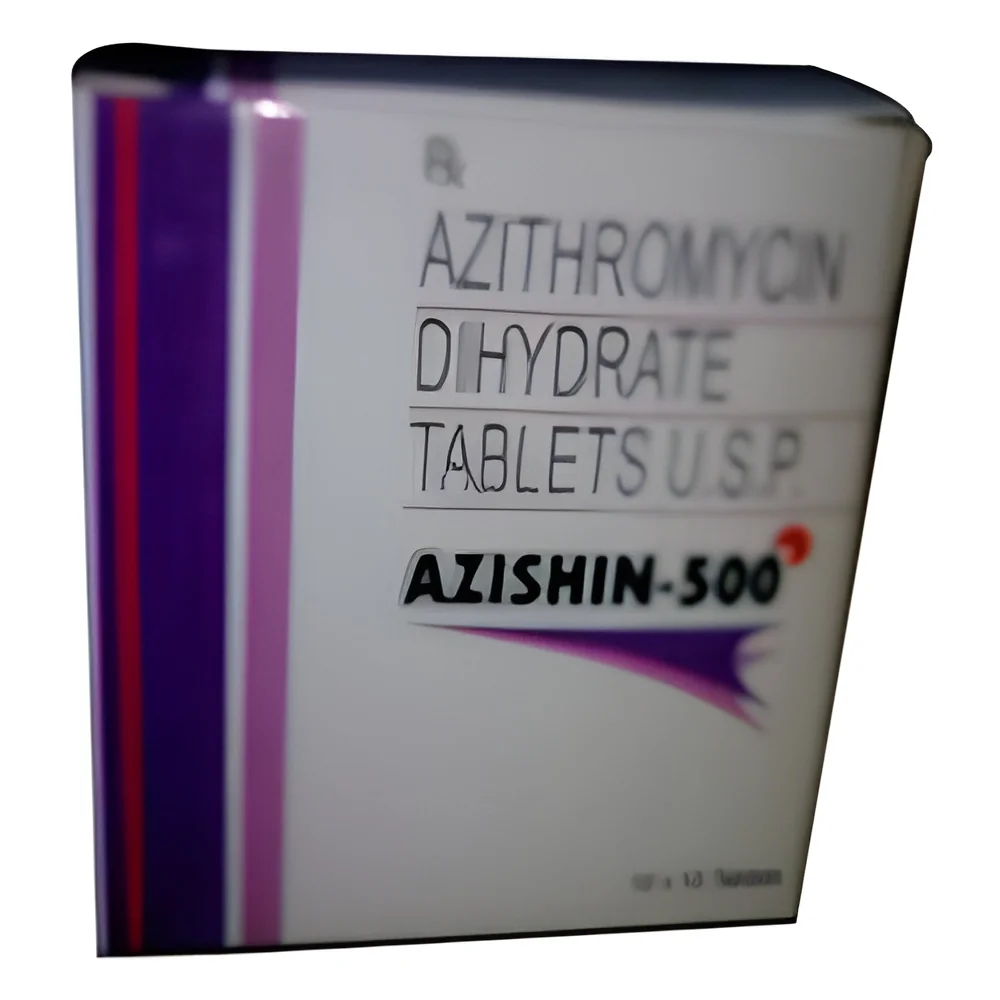
These antibiotics are often used to treat respiratory infections and are known for their ability to penetrate human cells, making them effective against intracellular bacteria.
Quinolones
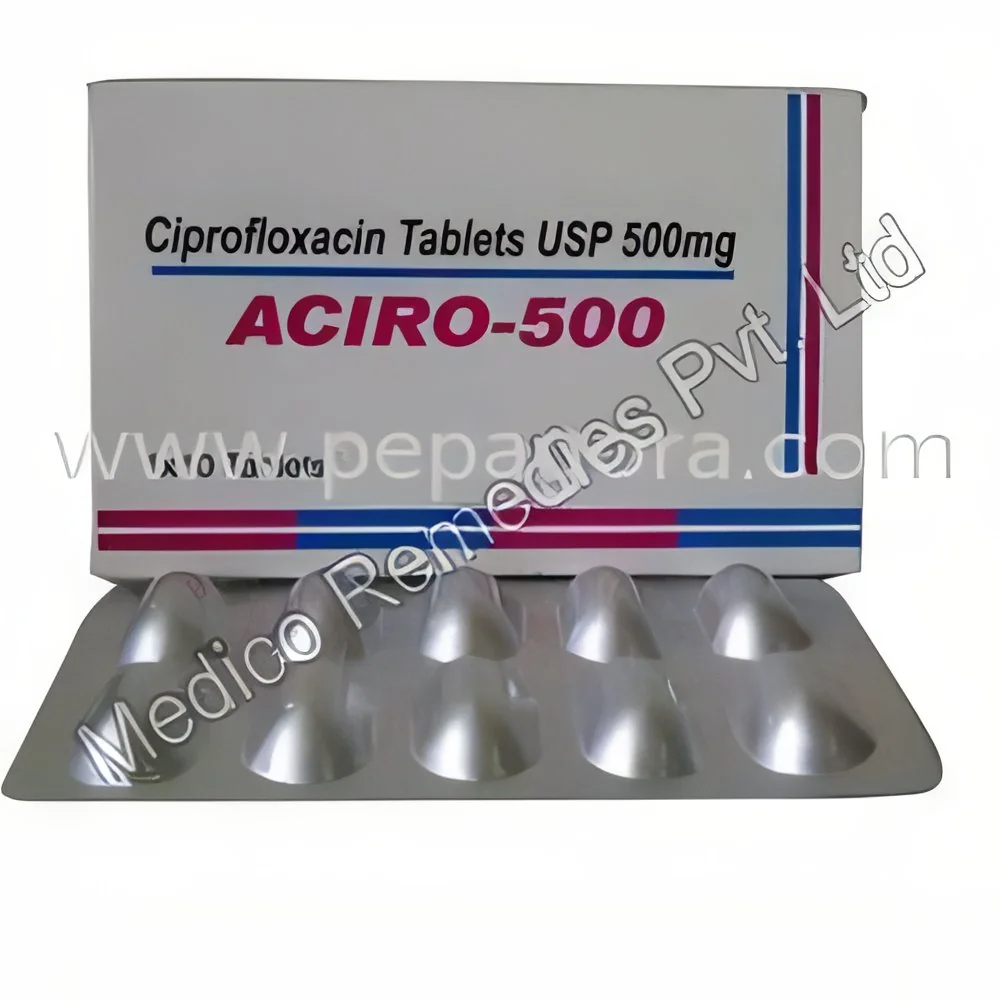
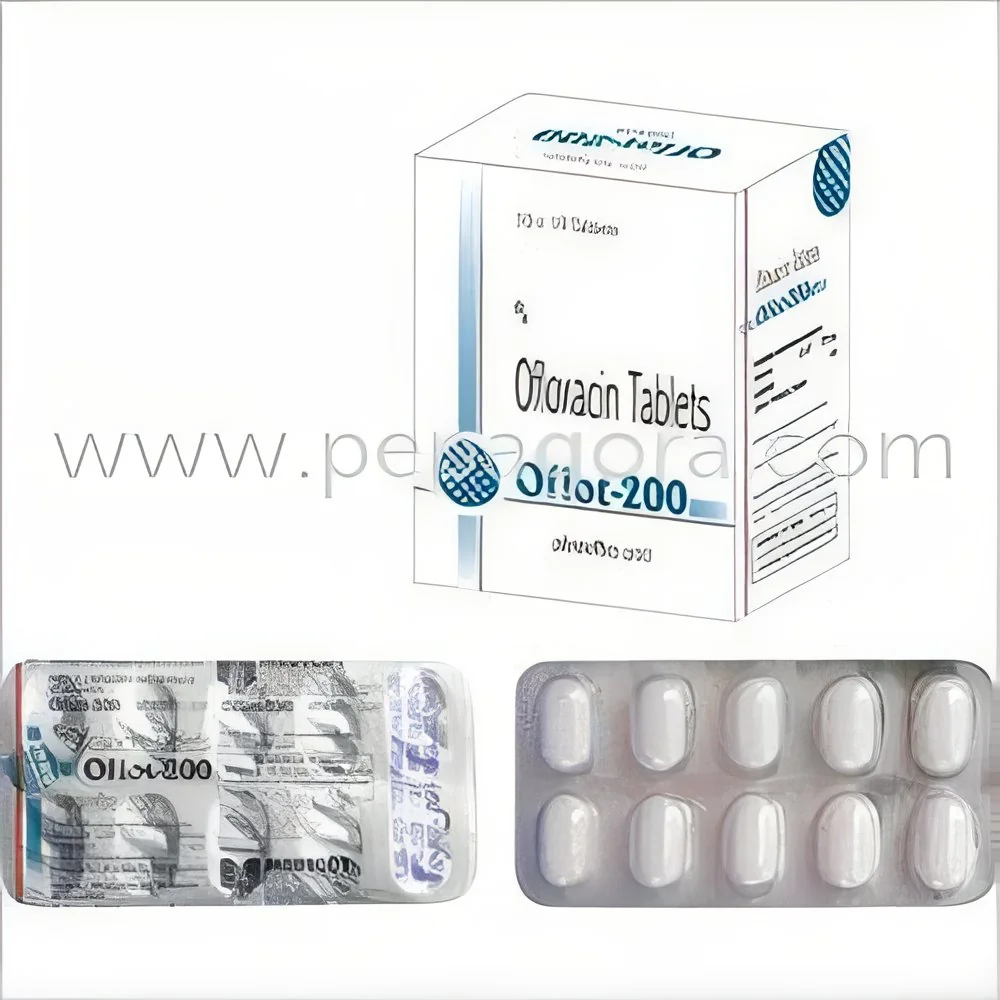
Quinolones are broad-spectrum antimicrobials effective against a variety of infections. They are commonly used in both human and veterinary medicine.
Benefits and Advantages
Antibiotics and antimicrobials offer numerous advantages that make them essential in various industries.
1. Efficacy: Proven effectiveness against a wide range of pathogens, ensuring successful treatment of infections.
2. Versatility: Applicable across multiple sectors, including healthcare, agriculture, and food safety.
3. Innovation: Continuous research leads to the development of new formulations that combat emerging resistant strains.
4. Safety: Compliance with stringent quality standards ensures safety and efficacy in use.
5. Cost-Effectiveness: Proper use can reduce healthcare costs by preventing complications from untreated infections.
6. Regulatory Compliance: Adherence to regulations ensures that products meet industry standards, enhancing trust among consumers.
Buying Guide for B2B Buyers
When sourcing antibiotics and antimicrobials, it is essential to consider several factors to ensure the right selection.
1. Quality Assessment: Evaluate products based on their efficacy, safety, and compliance with relevant standards. Look for certifications that indicate quality assurance.
2. Supplier Verification: Vet suppliers to ensure they have a solid reputation and track record in the industry. Check for their compliance with regulatory requirements.
3. Pricing and MOQ: Assess pricing structures and minimum order quantities to ensure they align with your budget and operational needs. Compare multiple suppliers for competitive pricing.
4. Delivery and Lead Times: Consider logistics capabilities and lead times for delivery to ensure timely availability of products.
5. Compliance Requirements: Understand regional and industry-specific regulations that apply to the products you intend to source, ensuring all necessary certifications are in place.
Compliance and Certifications
Antibiotics and antimicrobials must adhere to several quality standards and certifications to ensure their safety and effectiveness. Key standards include ISO 9001, which focuses on quality management systems, and HACCP, which emphasizes food safety management. Additionally, Good Distribution Practice (GDP) guidelines ensure that products are stored and transported under conditions that maintain their quality.
CE certification is particularly important in the European market, indicating that the product meets all relevant safety and health requirements. Compliance with safety and testing requirements is critical, as it involves rigorous validation of antimicrobial efficacy and safety profiles.
Moreover, regional compliance considerations may vary, requiring businesses to stay informed about local regulations and testing requirements in different markets. This adherence to compliance not only safeguards end-users but also enhances the credibility of suppliers in the marketplace.
Why Source Antibiotics & Antimicrobials from Pepagora?
Pepagora provides a trusted platform for sourcing antibiotics and antimicrobials, offering several key advantages that appeal to B2B buyers.
Verified Supplier Network: Pepagora collaborates with a network of verified suppliers, ensuring that every product meets stringent quality and safety standards. This verification process builds trust and confidence in the sourcing experience.
Streamlined RFQ Process: The platform offers a user-friendly request for quotation (RFQ) system, making it easy for buyers to compare options and receive competitive quotes from multiple suppliers. This efficiency saves time and facilitates informed decision-making.
Trade Assurance and Support: Pepagora prioritizes buyer protection through trade assurance features that secure transactions and provide support throughout the purchasing process. This commitment to buyer safety enhances the overall sourcing experience.
Regional Coverage: Pepagora's geographic reach spans India, the GCC, and Southeast Asia, catering to a diverse market. This broad coverage ensures that buyers have access to a wide range of products and suppliers, enhancing their sourcing opportunities.
In conclusion, Pepagora stands out as a reliable source for antibiotics and antimicrobials, combining quality assurance with a robust network of suppliers and efficient processes to meet the needs of businesses across various industries.

 IN
IN