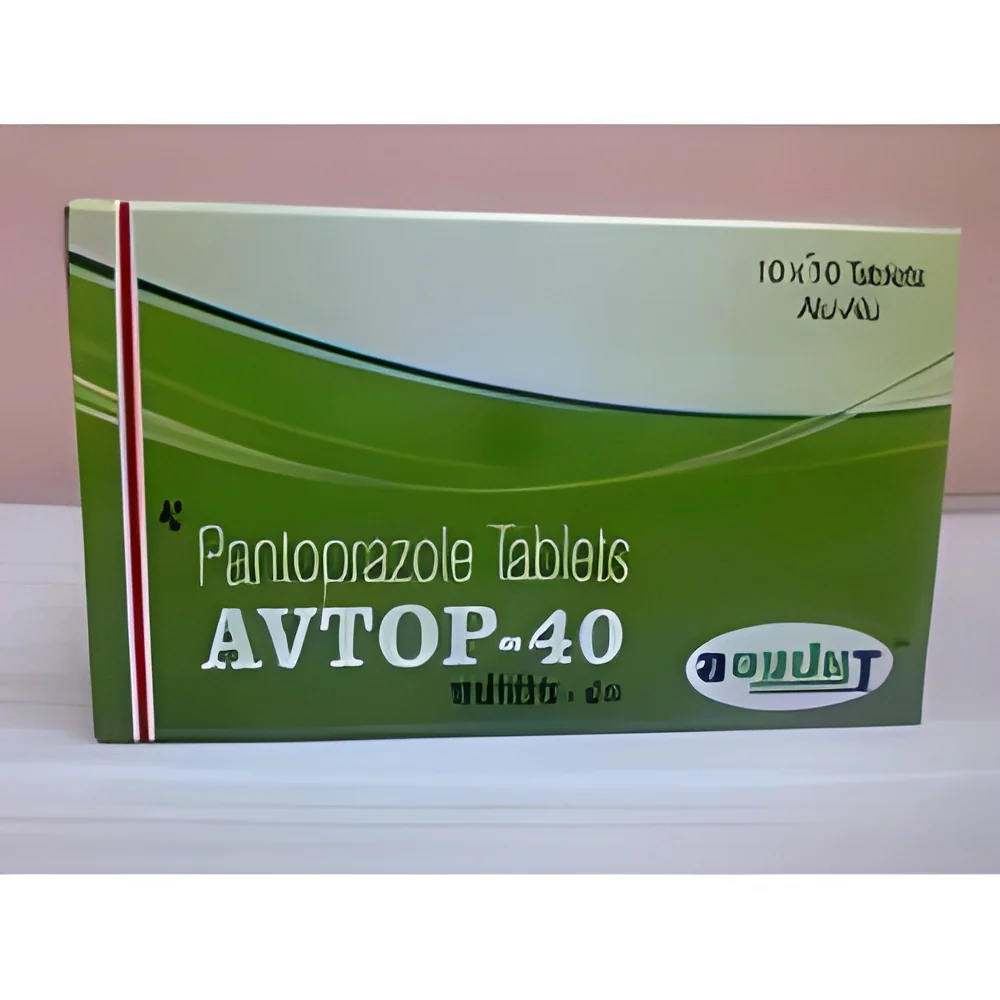
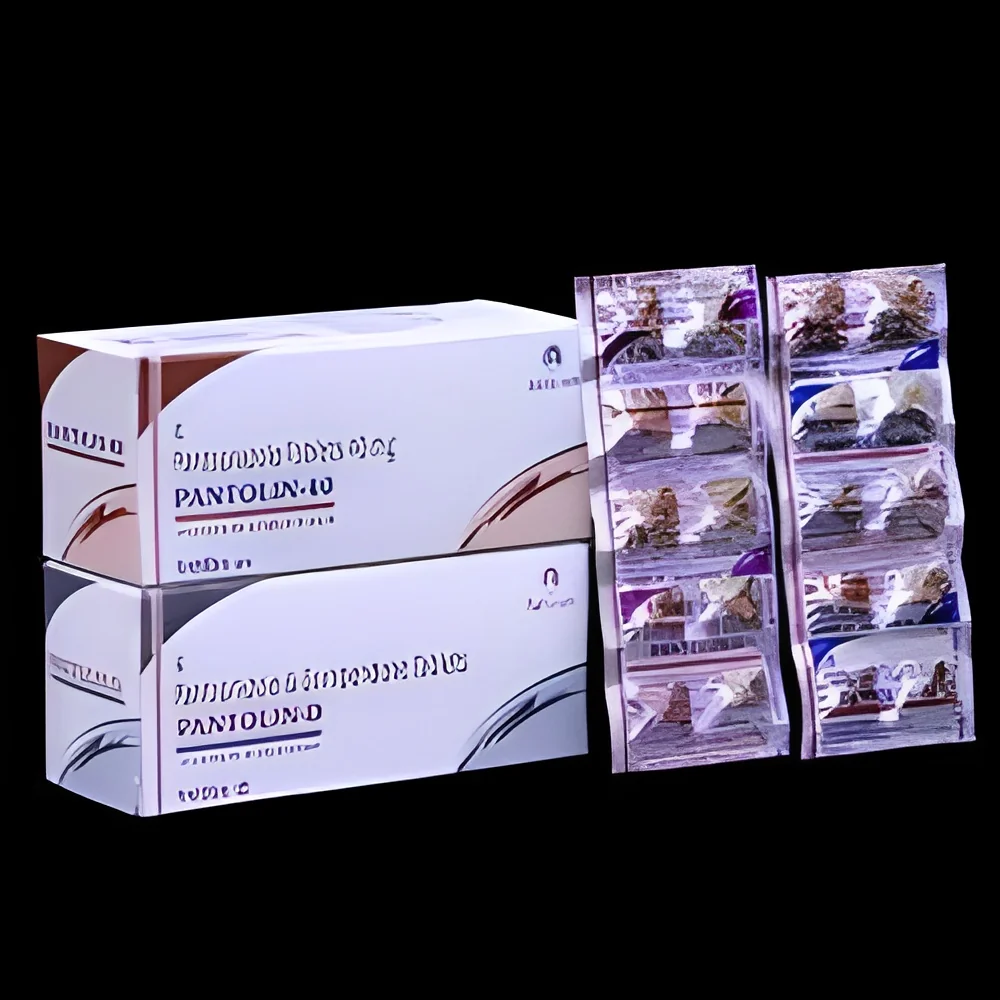
What are Gastrointestinal Drugs (Antacids, Laxatives)?
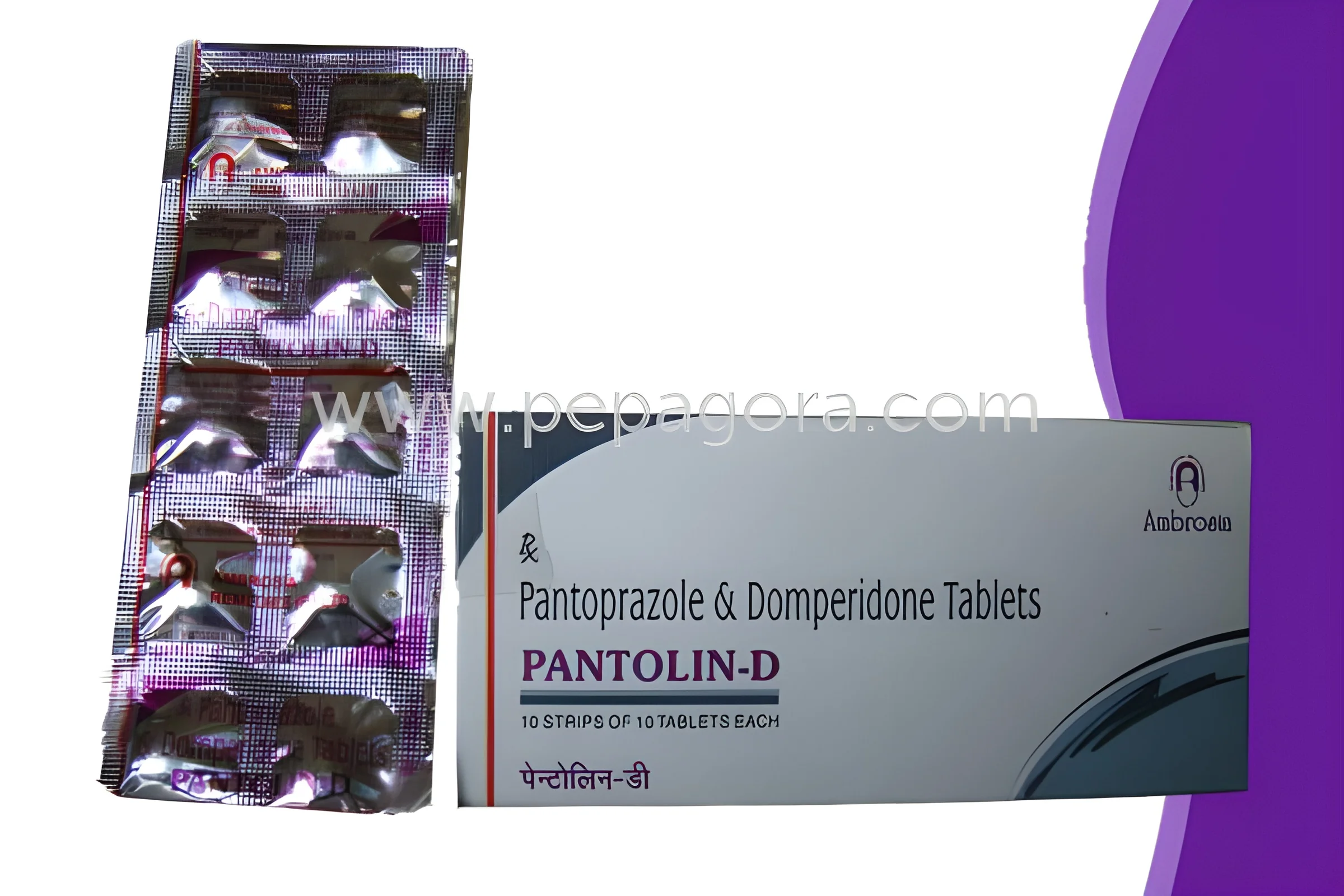
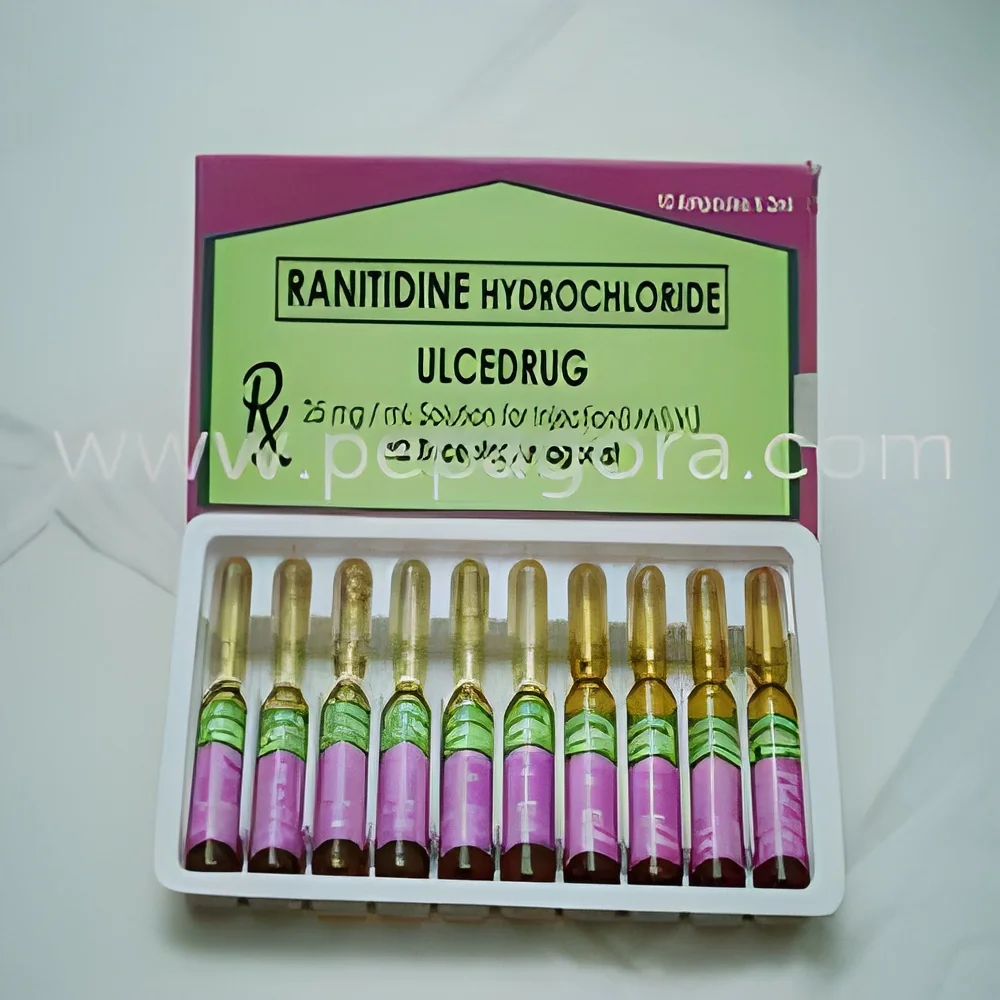
Gastrointestinal drugs, specifically antacids and laxatives, are medications designed to address common digestive issues. Antacids work by neutralizing stomach acid, providing relief from conditions such as heartburn and indigestion. Laxatives, on the other hand, are utilized to treat constipation by promoting bowel movements. Both categories of drugs play a crucial role in maintaining gastrointestinal health and enhancing the quality of life for individuals suffering from digestive disorders.
These drugs are primarily used in healthcare settings, including hospitals, outpatient clinics, and pharmacies. They are essential in the treatment of gastrointestinal diseases and are often prescribed alongside dietary adjustments and lifestyle changes. The market for gastrointestinal drugs is continuously evolving, driven by increasing awareness of digestive health and the rising prevalence of gastrointestinal disorders globally. This presents significant opportunities for businesses in the pharmaceutical sector and those involved in the distribution of healthcare products.
𝗞𝗲𝘆 𝗙𝗲𝗮𝘁𝘂𝗿𝗲𝘀 𝗮𝗻𝗱 𝗦𝗽𝗲𝗰𝗶𝗳𝗶𝗰𝗮𝘁𝗶𝗼𝗻𝘀
Gastrointestinal drugs, particularly antacids and laxatives, come with various key features that ensure their effectiveness and safety. These specifications can vary based on the formulation and intended use of the drugs.
Key specifications include:
1. Active Ingredients
- Antacids may contain compounds such as magnesium hydroxide, aluminum hydroxide, or calcium carbonate.
- Laxatives can include bisacodyl, senna, or polyethylene glycol.
2. Dosage Form
- Available in various forms including tablets, liquids, and powders.
- Each form has specific usage guidelines and absorption rates.
3. pH Level
- Antacids typically have a pH level around neutral to slightly alkaline to effectively neutralize stomach acid.
4. Onset of Action
- Antacids generally provide relief within minutes, while laxatives may take from hours to days to elicit a response.
5. Side Effects
- Common side effects vary by drug type and may include diarrhea for laxatives and constipation for some antacids.
6. Shelf Life
- Most gastrointestinal drugs have a shelf life of 2 to 3 years if stored properly.
7. Packaging
- Often packaged in bottles or blister packs to ensure product integrity and ease of use.
8. Regulatory Approval
- Must meet specific guidelines set by health authorities such as the FDA or equivalent organizations in other regions.
These specifications ensure that gastrointestinal drugs are effective and safe for consumer use.
𝗖𝗼𝗺𝗺𝗼𝗻 𝗔𝗽𝗽𝗹𝗶𝗰𝗮𝘁𝗶𝗼𝗻𝘀 𝗮𝗻𝗱 𝗨𝘀𝗲 𝗖𝗮𝘀𝗲𝘀
Gastrointestinal drugs find applications across various sectors, catering to different needs.
1. Healthcare Providers: Hospitals and clinics use antacids and laxatives as part of treatment protocols for patients with gastrointestinal complaints.
2. Pharmacies: Retail pharmacies stock these drugs to provide over-the-counter relief options for consumers dealing with digestive issues.
3. Long-term Care Facilities: These facilities often administer these medications to residents with chronic constipation or acid reflux problems.
4. Home Healthcare: Patients managing their health at home benefit from easy access to these medications for self-care.
5. Nutraceutical Companies: Some companies incorporate these drugs into dietary supplements aimed at improving digestive health.
6. Research and Development: Pharmaceutical companies study these drugs to develop new formulations and improve efficacy.
𝗣𝗿𝗼𝗱𝘂𝗰𝘁 𝗩𝗮𝗿𝗶𝗮𝗻𝘁𝘀 𝗮𝗻𝗱 𝗦𝘂𝗯𝗰𝗮𝘁𝗲𝗴𝗼𝗿𝗶𝗲𝘀
Gastrointestinal drugs have several variants tailored to specific needs and conditions.
Antacids
Antacids are available in various formulations, including chewable tablets and liquid forms. These variants are designed to provide quick relief from heartburn and indigestion by neutralizing stomach acid.
Laxatives
Laxatives come in several forms as well, including stimulant laxatives, osmotic laxatives, and bulk-forming laxatives. Each variant targets different mechanisms in the digestive system, catering to various types of constipation.
𝗕𝗲𝗻𝗲𝗳𝗶𝘁𝘀 𝗮𝗻𝗱 𝗔𝗱𝘃𝗮𝗻𝘁𝗮𝗴𝗲𝘀
The use of gastrointestinal drugs offers numerous benefits to both consumers and healthcare providers.
1. Quick Relief: Antacids provide rapid relief from acid-related discomfort, making them a popular choice for immediate treatment.
2. Improved Quality of Life: By alleviating symptoms of constipation and heartburn, these drugs enhance daily living for many individuals.
3. Accessibility: Many gastrointestinal drugs are available over-the-counter, allowing for easy access without a prescription.
4. Versatility: The range of formulations offers options for different patient preferences and needs.
5. Support for Digestive Health: Regular use of these drugs can help manage chronic conditions, contributing to overall gastrointestinal health.
6. Cost-Effectiveness: These medications are generally affordable, making them a practical choice for consumers and healthcare facilities.
𝗕𝘂𝘆𝗶𝗻𝗴 𝗚𝘂𝗶𝗱𝗲 𝗳𝗼𝗿 𝗕𝟮𝗕 𝗕𝘂𝘆𝗲𝗿𝘀
When sourcing gastrointestinal drugs like antacids and laxatives, B2B buyers should consider several important factors.
1. Quality Assessment: Evaluate the quality of the drugs by checking for certifications and compliance with industry standards. Ensure that products meet safety and efficacy requirements.
2. Supplier Verification: Conduct thorough research on potential suppliers. Look for established companies with a proven track record in the pharmaceutical industry.
3. Pricing and MOQ: Compare pricing structures and minimum order quantities among different suppliers to ensure cost-effectiveness and budget adherence.
4. Delivery and Lead Times: Assess the logistics capabilities of suppliers. Ensure that they can meet your delivery timelines to avoid stock shortages.
5. Compliance Requirements: Familiarize yourself with regulatory compliance for gastrointestinal drugs in your region. This includes understanding necessary certifications and quality standards.
𝗖𝗼𝗺𝗽𝗹𝗶𝗮𝗻𝗰𝗲 𝗮𝗻𝗱 𝗖𝗲𝗿𝘁𝗶𝗳𝗶𝗰𝗮𝘁𝗶𝗼𝗻𝘀
Ensuring compliance and obtaining certifications are critical in the pharmaceutical industry, especially for gastrointestinal drugs.
Relevant quality standards such as ISO 9001 ensure that products meet international quality management criteria. These standards help maintain consistency in manufacturing processes and product quality.
Certifications like CE indicate that the products meet European health, safety, and environmental protection standards. This certification is crucial for gaining trust in the market and indicating product reliability.
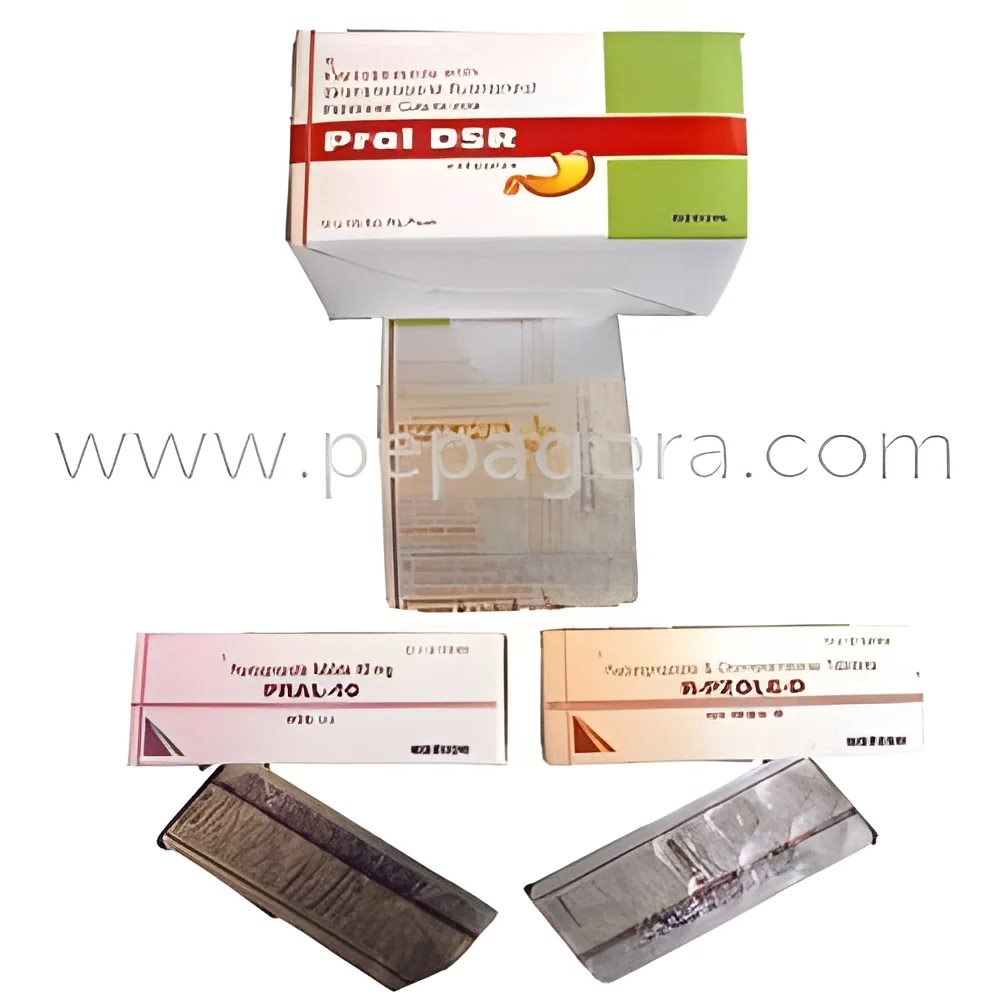
Safety and testing requirements must also be adhered to, ensuring that all drugs are safe for consumer use and effective in their intended applications. This includes rigorous testing for efficacy and side effects.
Regional compliance considerations vary, so it is important for manufacturers and suppliers to be aware of local regulations and standards that govern the sale and distribution of pharmaceutical products.
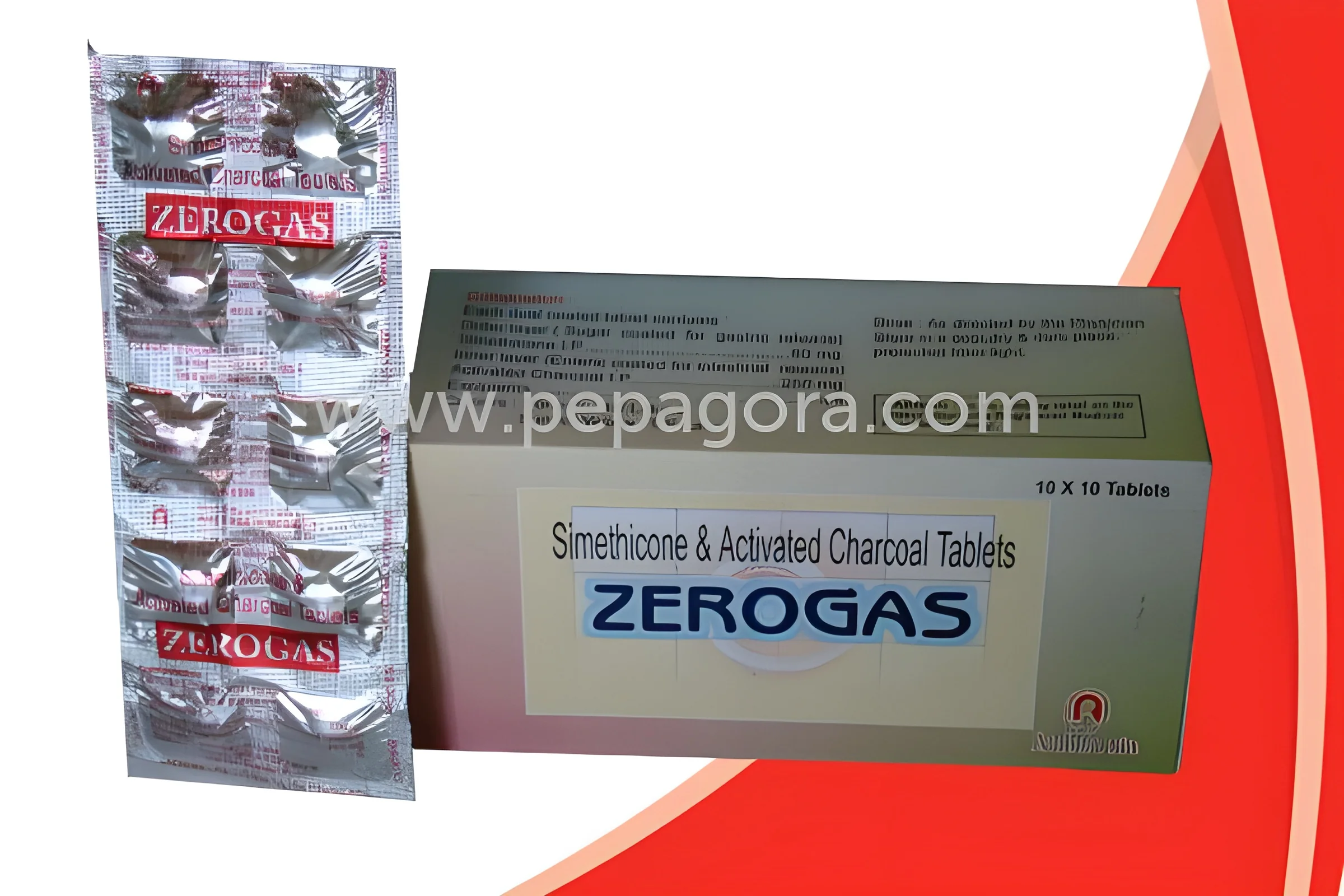

Why Source Gastrointestinal Drugs (Antacids, Laxatives) from Pepagora?
Pepagora is a trusted platform for sourcing gastrointestinal drugs such as antacids and laxatives, offering several key advantages to B2B buyers.
Verified Supplier Network: Pepagora connects buyers with a network of verified suppliers who meet strict quality and compliance standards. This ensures that buyers can source reliable products with confidence.
Streamlined RFQ Process: The platform features a streamlined request for quotation (RFQ) process, making it easy for buyers to obtain competitive pricing and terms from multiple suppliers quickly.
Trade Assurance and Support: Pepagora provides trade assurance, offering buyers protection throughout the sourcing process. This ensures that transactions are secure and that buyers receive the products they expect.

Regional Coverage: The platform has a wide geographic reach, covering markets in India, the GCC, and Southeast Asia. This makes it easier for businesses to connect with suppliers that meet their specific regional needs.