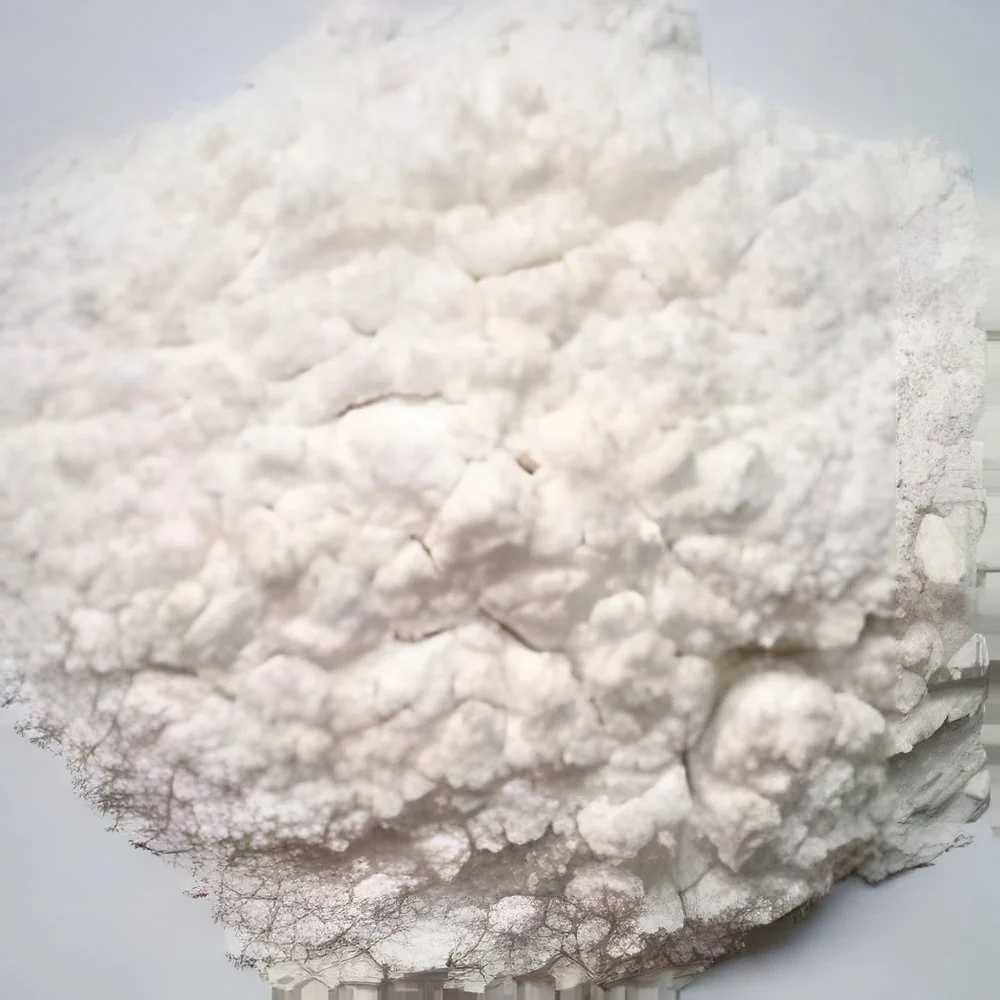
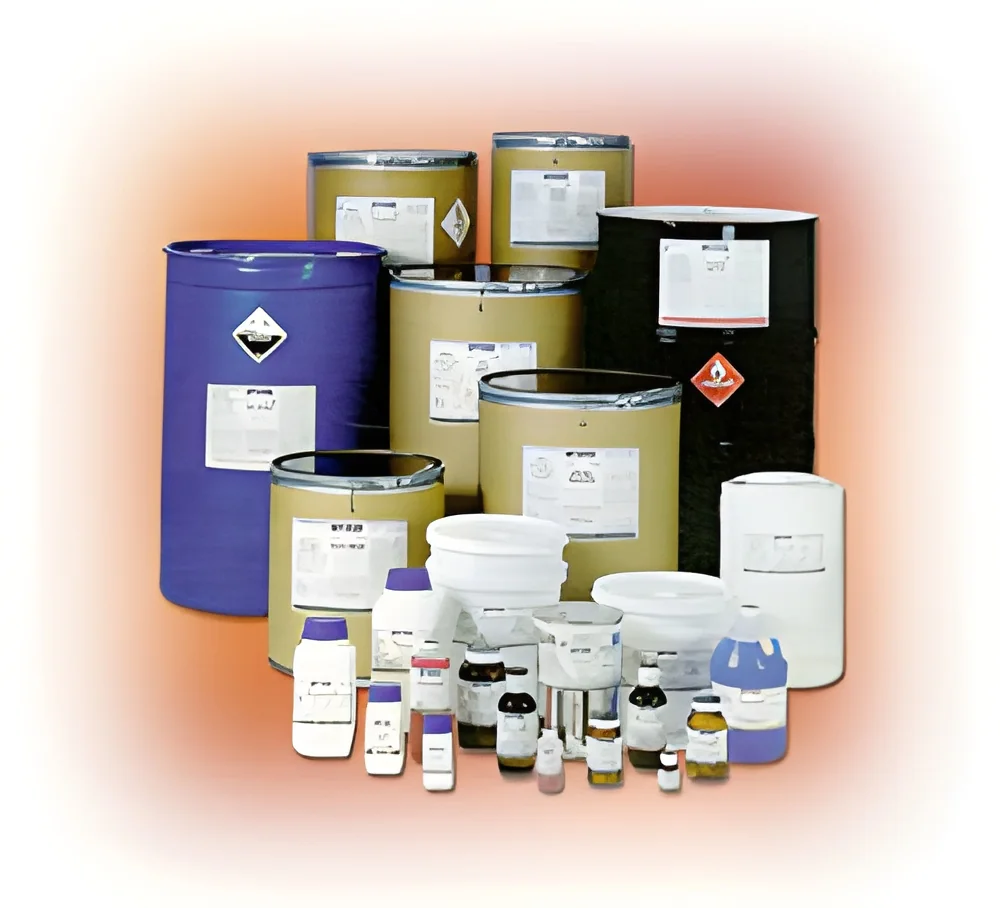
What are Powders & Granules?
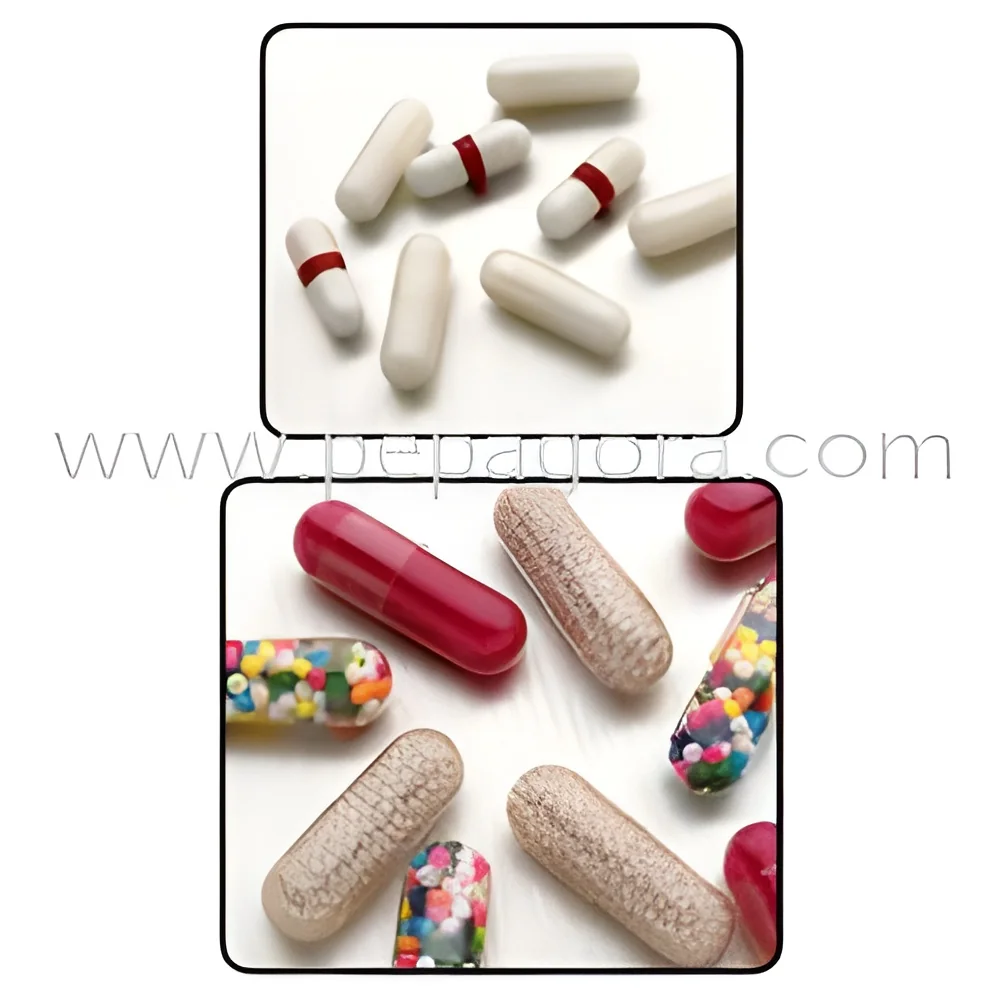
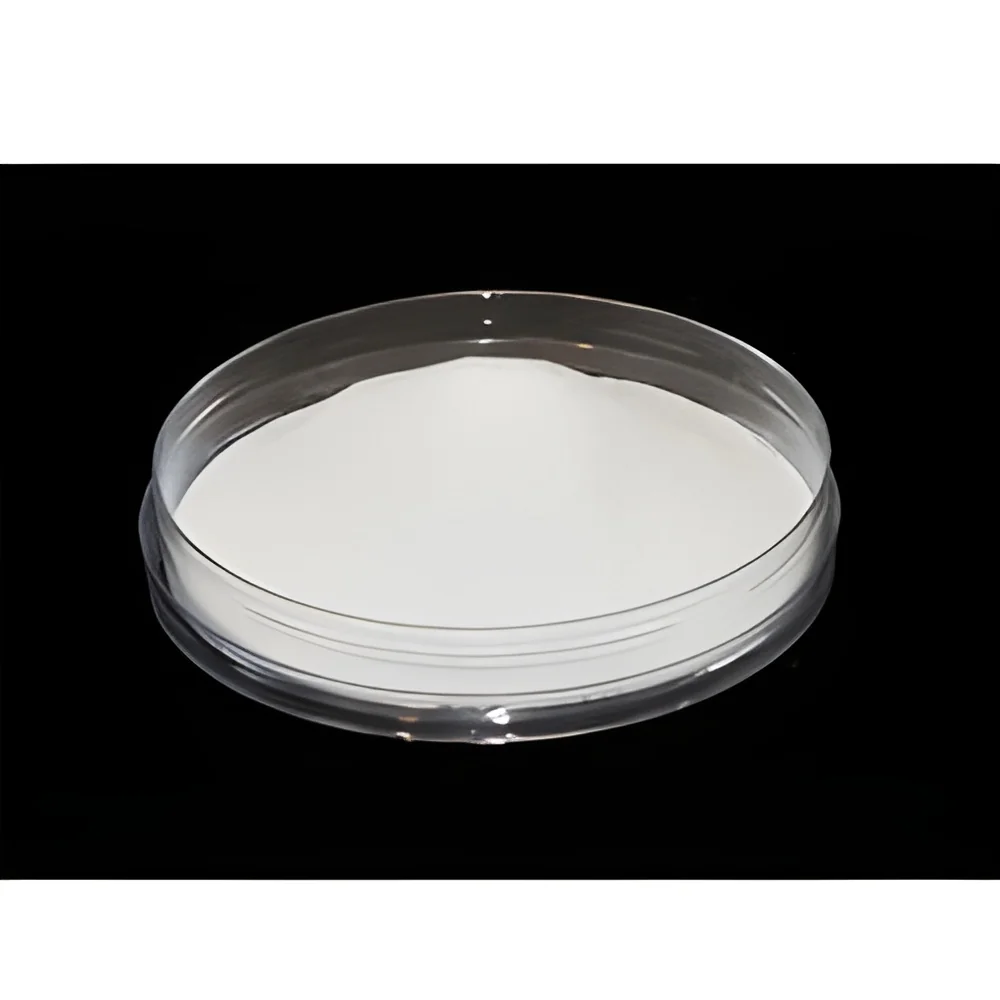
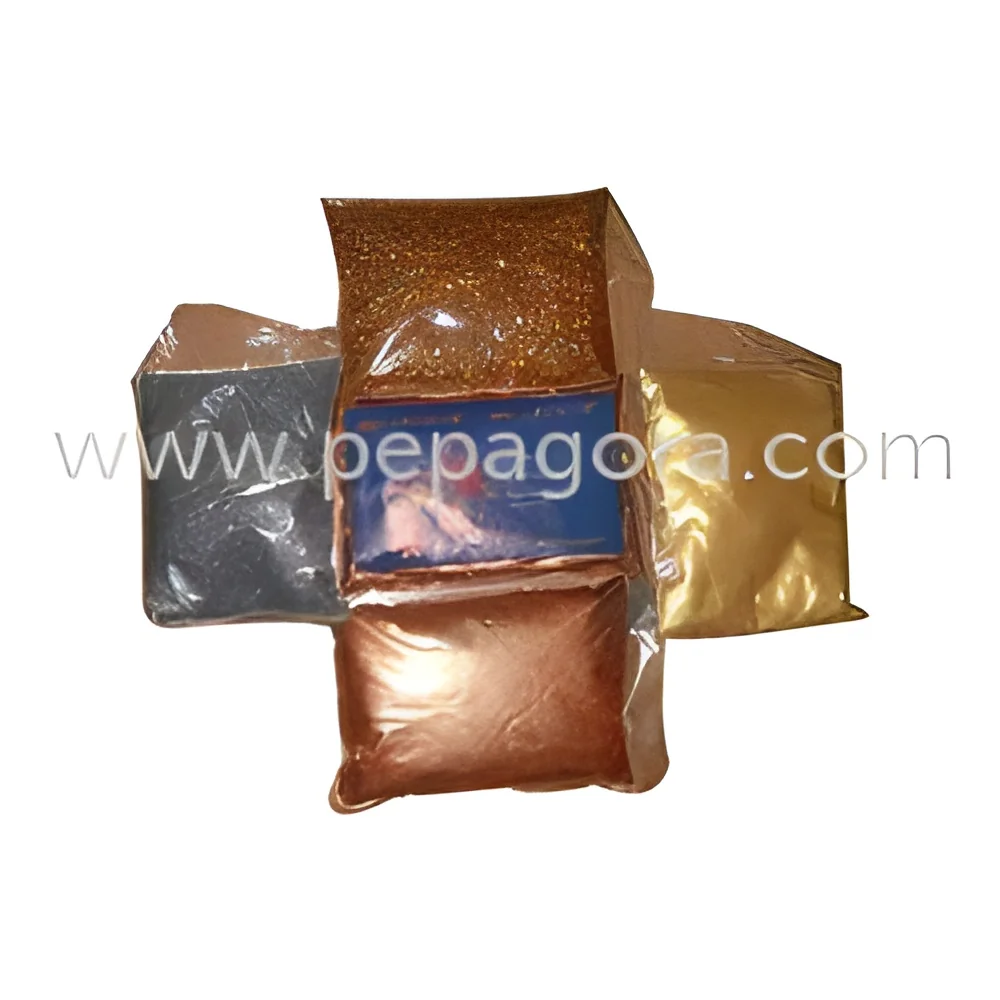
Powders and granules are solid forms of materials used across various industries. Powders are finely divided particles, while granules consist of larger, coarser particles that have a defined shape. These forms are often produced through processes such as milling, grinding, or agglomeration. Powders can have a wide range of particle sizes and distributions, which influence their behavior in applications, while granules are typically designed to flow more easily and can be used for controlled release in various applications.
The primary applications of powders and granules span multiple sectors, including pharmaceuticals, food processing, plastics, and construction materials. They are used in formulations, as additives, or as the primary ingredients in products. In pharmaceuticals, for example, powders are vital for drug formulations and dosing, while granules are preferred for their ease of handling and improved flow properties. The versatility of these materials makes them crucial in enhancing product performance and efficiency in various industries.
The market for powders and granules is continually evolving, driven by technological advancements and increasing demand for specialized applications. The ability to customize particle size and characteristics allows manufacturers to meet specific industry requirements, thereby enhancing their relevance in the global market. As industries seek innovative solutions, the demand for high-quality powders and granules is expected to grow steadily.
Key Features and Specifications
Powders and granules possess several key features that define their utility and effectiveness in various applications. Understanding the specifications is essential for selecting the right product for specific needs.
Key specifications include:
1. Particle Size Distribution
- Determines flowability and mixing characteristics
- Typically measured in micrometers or mesh size
2. Bulk Density
- Influences packaging and transportation
- Can vary depending on the material and processing method
3. Moisture Content
- Affects shelf life and stability
- Measured as a percentage of the total weight
4. Chemical Composition
- Defines the suitability for specific applications
- Must meet industry standards and regulations
5. Flow Properties
- Impacts processing and handling
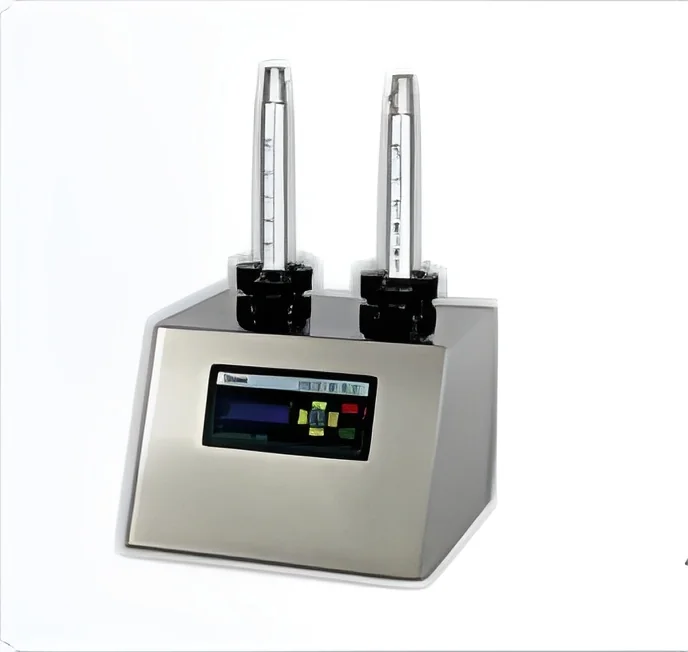
- Often assessed using standardized testing methods
6. Solubility
- Important for applications in food and pharmaceuticals
- Varies with different solvents and pH levels
7. Hardness or Friability
- Indicates durability and stability during handling
- Relevant for granule applications in pharmaceuticals
8. Additive Compatibility
- Compatibility with other ingredients is crucial
- Ensures effective formulation and performance
These specifications help businesses select the right powders and granules for their specific requirements, ensuring optimal performance in their applications.
Common Applications and Use Cases
Powders and granules find extensive applications across various industries, highlighting their versatility and importance.
1. Pharmaceuticals: Powders are essential for drug formulations, while granules are used for controlled release and ease of dosing in solid dosage forms.
2. Food Processing: Powders serve as flavoring agents, thickeners, and preservatives, whereas granules are commonly used in baking and as texture enhancers.
3. Plastics: Powders are used as fillers and additives to improve material properties, while granules facilitate easier processing and shaping.
4. Construction: Powders are utilized in cement and mortar formulations, and granules provide bulk and stability in various construction materials.
5. Agriculture: Powders and granules serve as fertilizers and pesticides, offering controlled release and targeted application.
6. Cosmetics: Powders are used in formulations for makeup and skincare products, enhancing texture and performance, while granules provide exfoliating properties.
7. Electronics: Powders are used in the production of conductive materials, while granules can be used in the manufacturing of components.
These diverse applications demonstrate the critical role of powders and granules in enhancing product functionality across various sectors.
Product Variants and Subcategories
The diversity of powders and granules allows for various product variants tailored to meet specific industry needs.
Standard Powders
These are finely milled materials used in a wide range of applications from pharmaceuticals to food processing. They offer excellent solubility and mixing capabilities.
Coarse Granules
Designed for applications requiring better flow and handling, coarse granules are commonly found in construction and agricultural products. They provide stability and ease of use.
Specialty Powders
These are custom formulations designed for specific applications, such as pharmaceutical excipients or food additives. They are engineered to meet particular performance criteria.
Functional Granules
These granules are designed with specific characteristics for targeted applications, such as slow-release fertilizers or controlled-release pharmaceuticals, enhancing their effectiveness.
Benefits and Advantages
Sourcing high-quality powders and granules provides numerous advantages for businesses.
1. Enhanced Performance: The right powders and granules can significantly improve product performance in applications, leading to better end-user satisfaction.
2. Versatility: These materials can be tailored for a wide range of applications, making them suitable for various industries.
3. Improved Efficiency: Custom formulations can streamline processes, reduce waste, and enhance manufacturing efficiency.
4. Quality Assurance: High-quality powders and granules meet industry standards, ensuring reliability and safety in final products.
5. Cost-effectiveness: Sourcing from reliable suppliers can lead to competitive pricing and reduced overall costs for businesses.
6. Innovation: Continuous advancements in powder and granule technology enable the development of new products and applications, keeping businesses competitive in the market.
Buying Guide for B2B Buyers
When sourcing powders and granules, buyers should consider several critical factors to ensure they make informed decisions.
1. Quality Assessment: Evaluate the quality of powders and granules based on their specifications, certifications, and testing results to ensure they meet application requirements.
2. Supplier Verification: Conduct thorough due diligence on suppliers, checking their reputation, reliability, and compliance with industry standards.
3. Pricing and MOQ: Understand pricing structures and minimum order quantities to make cost-effective purchasing decisions while ensuring supply consistency.
4. Delivery and Lead Times: Confirm logistics, including delivery times and shipping methods, to ensure timely availability of materials for production.
5. Compliance Requirements: Ensure that powders and granules meet relevant regulatory and safety standards specific to the industry, including certifications such as CE and UL.
Compliance and Certifications
Compliance with industry standards and certifications is crucial in ensuring the safety and quality of powders and granules.
ISO 9001 is a key quality management standard that ensures consistent quality in production processes. Adherence to HACCP guidelines is essential for food safety, particularly in the food processing industry, ensuring that products are safe for consumption.
Certifications such as CE and UL demonstrate compliance with safety and performance standards, which is vital for products used in electronics and construction.
Additionally, businesses must be aware of regional compliance considerations, as different regions may have specific regulations governing the use and handling of powders and granules. Meeting these standards not only assures quality but also enhances trust with customers and end-users.
Why Source Powders & Granules from Pepagora?
Pepagora provides a trusted platform for sourcing powders and granules, offering several key advantages to businesses seeking reliable materials.
Verified Supplier Network: Pepagora connects buyers with a network of verified suppliers, ensuring quality and compliance. Suppliers undergo rigorous vetting, which helps in mitigating risks associated with sourcing.
Streamlined RFQ Process: The Request for Quotation process on Pepagora is designed to be efficient and user-friendly. Buyers can quickly obtain quotes from multiple suppliers, enabling them to make informed purchasing decisions based on competitive pricing and quality.
Trade Assurance and Support: Pepagora offers trade assurance to protect buyers during transactions. This includes support in negotiations and ensuring that products meet specified requirements, enhancing buyer confidence.
Regional Coverage: With a strong presence in India, the GCC, and Southeast Asia, Pepagora provides extensive geographic reach. This enables businesses to source powders and granules from local and international suppliers, ensuring timely delivery and reduced shipping costs.
By choosing Pepagora as a sourcing partner, businesses can streamline their procurement processes and enhance their supply chain efficiency in the competitive market for powders and granules.

 IN
IN