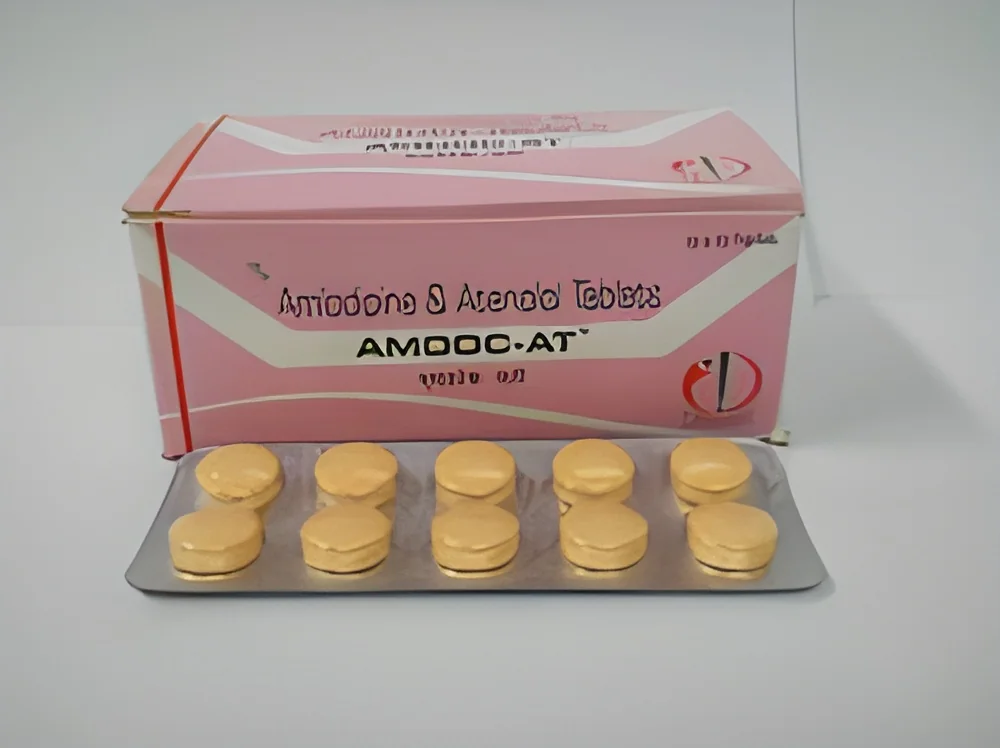
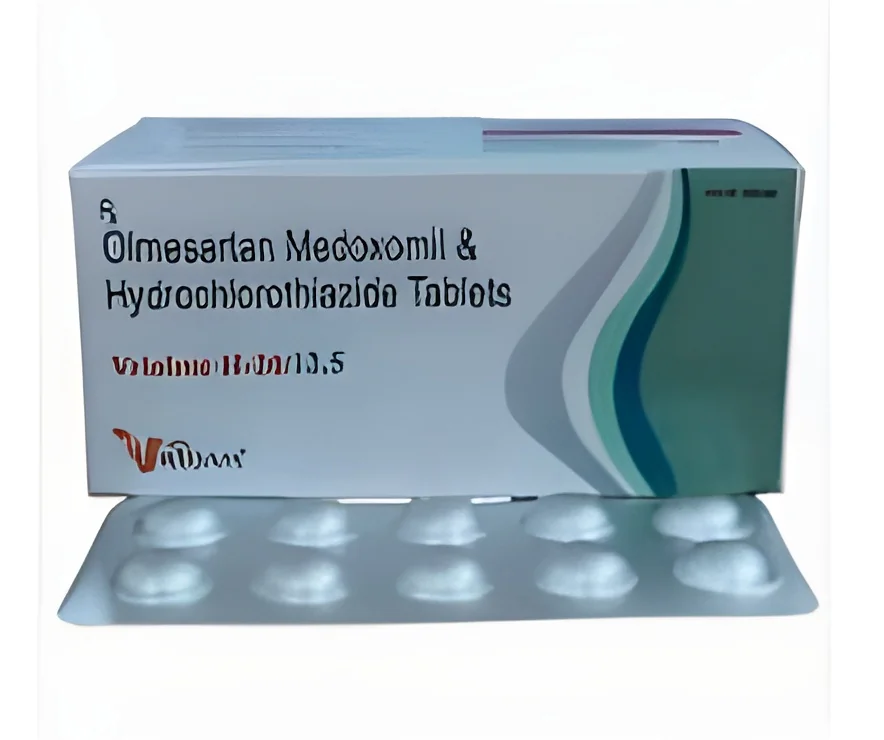
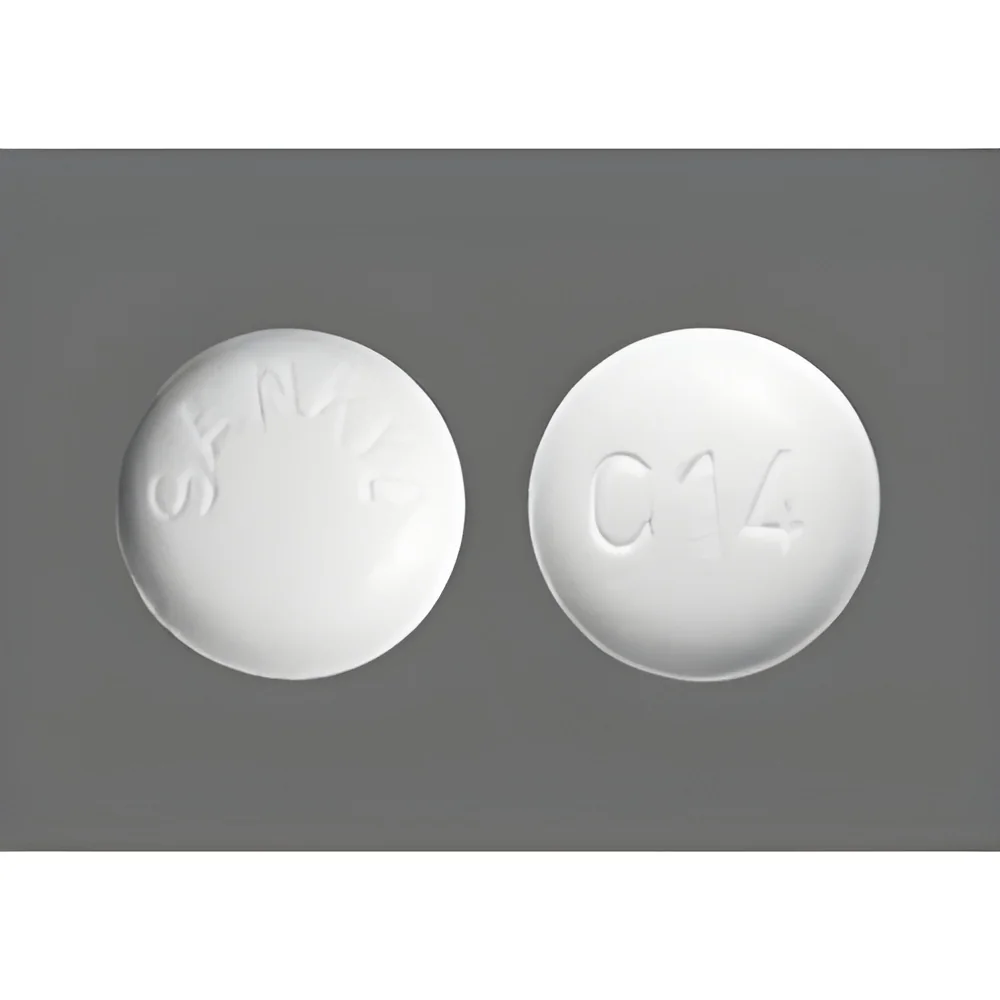
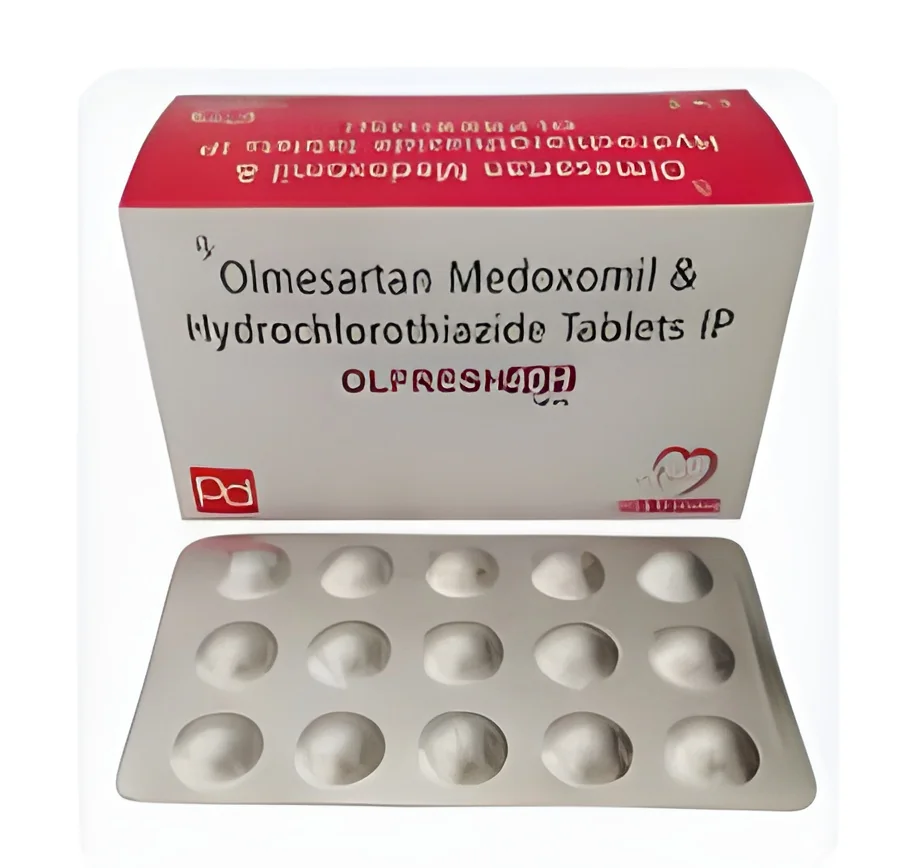
What are Cardiovascular Medications?
Cardiovascular medications are a class of drugs designed to treat disorders related to the heart and blood vessels. These medications play a crucial role in managing conditions such as hypertension, heart failure, arrhythmias, and coronary artery disease. They work by affecting the heart's rhythm, improving blood flow, or reducing the heart's workload, thereby promoting overall cardiovascular health.
The primary uses of cardiovascular medications include lowering blood pressure, managing cholesterol levels, preventing blood clots, and controlling heart rate. In a business context, these medications are critical for healthcare providers, hospitals, and pharmacies that aim to improve patient outcomes and provide comprehensive care. The growing prevalence of cardiovascular diseases globally has led to an increasing demand for effective medications, thus highlighting their importance in the pharmaceutical market.
With the rise in lifestyle-related diseases, the cardiovascular medication market is expanding rapidly. This growth is driven by advancements in drug development, increased awareness of heart health, and the aging population. The industry is highly competitive, with numerous pharmaceutical companies working to innovate and diversify their offerings to meet the needs of healthcare professionals and patients alike.
Key Features and Specifications
Cardiovascular medications encompass a variety of formulations and delivery methods, each tailored to specific patient needs. Understanding key specifications is essential for ensuring the efficacy and safety of these medications.
Key specifications include:
1. Active Ingredients
- Various compounds that provide therapeutic effects
- Examples include beta-blockers, ACE inhibitors, and statins
2. Dosage Forms
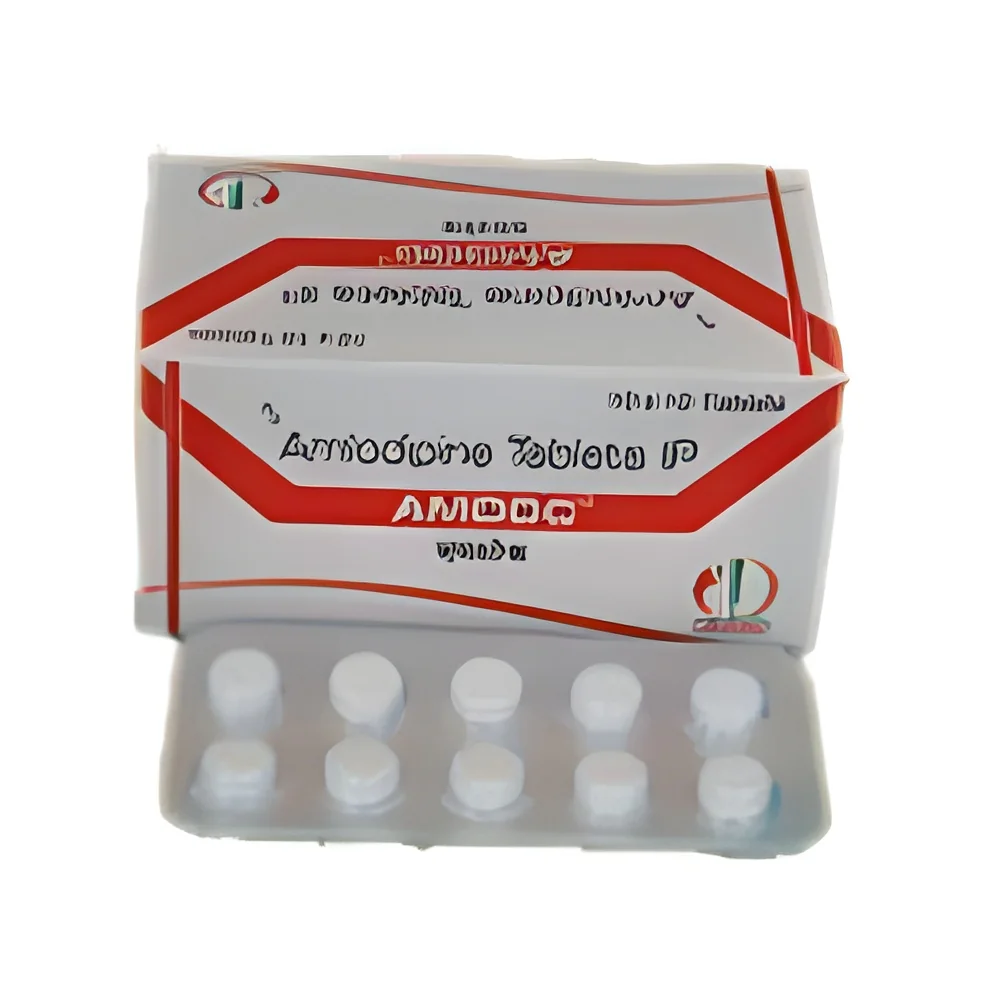
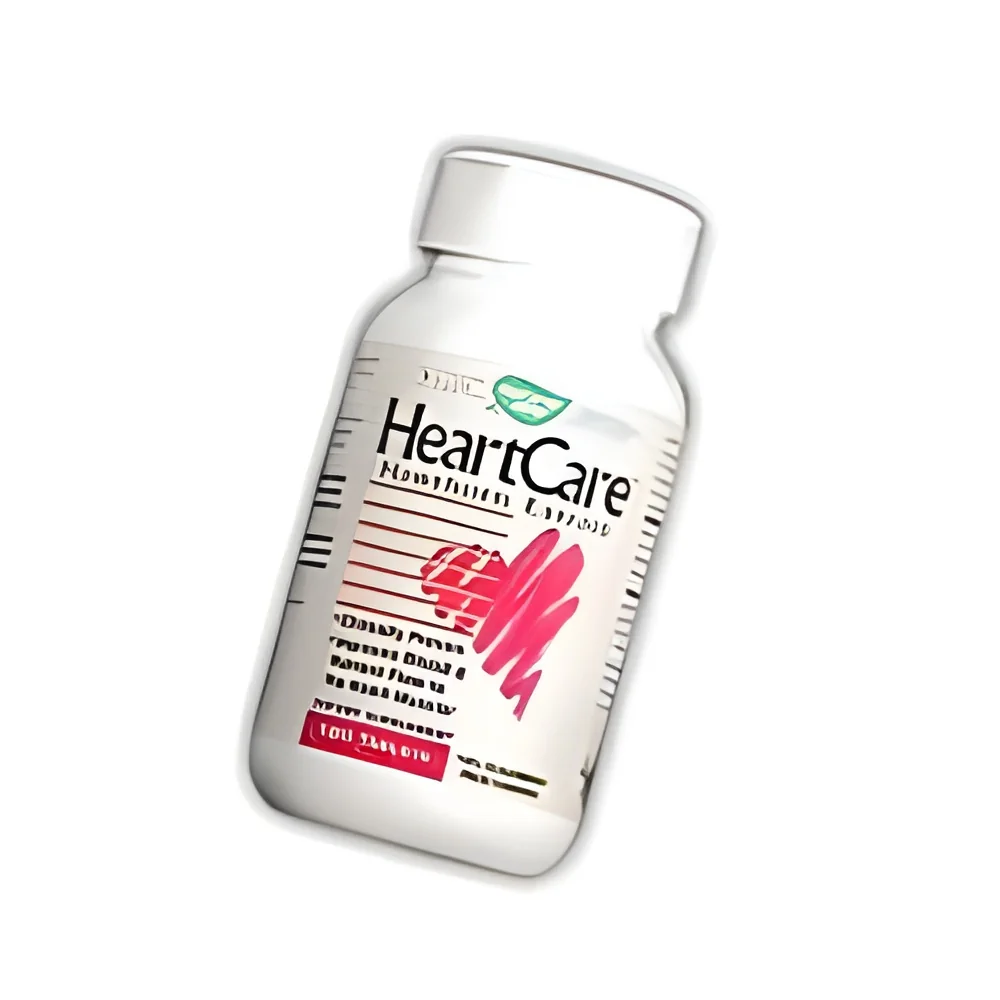
- Available in tablets, capsules, injectable forms, and patches
- Each form allows for different administration methods based on patient requirements
3. Shelf Life
- Typically ranges from 18 months to 5 years
- Dependent on storage conditions and formulation stability
4. Storage Conditions
- Must be stored in a cool, dry place to maintain efficacy
- Specific temperature ranges are often recommended by manufacturers
5. Packaging
- Comes in unit-dose, multi-dose, or bulk packaging
- Packaging must comply with regulatory standards for safety and labeling
6. Side Effects
- Potential adverse effects can vary by medication
- Common side effects include dizziness, fatigue, and gastrointestinal issues
7. Contraindications
- Certain conditions may restrict use
- Examples include pregnancy, renal impairment, and allergic reactions
8. Regulatory Approvals
- Must be approved by relevant health authorities before distribution
- Compliance with standards such as CE and UL certifications is essential
In summary, understanding the features and specifications of cardiovascular medications is key for healthcare providers and buyers to ensure proper usage and patient safety.
Common Applications and Use Cases
Cardiovascular medications are utilized across various industries, reflecting their versatility and importance in healthcare.
1. Hospitals: These institutions use cardiovascular medications to treat acute and chronic heart conditions, ensuring effective patient management during hospital stays.
2. Pharmacies: Retail pharmacies dispense these medications to patients with prescriptions, supporting ongoing treatment and disease management.
3. Long-term Care Facilities: Facilities for elderly patients often administer cardiovascular medications to manage chronic illnesses and improve quality of life.
4. Home Healthcare: Healthcare providers use cardiovascular medications in home settings, allowing patients to receive treatment in comfortable environments.
5. Research Institutions: These organizations study the efficacy and safety of new cardiovascular treatments, contributing to medical advancements.
6. Rehabilitation Centers: Cardiac rehabilitation programs incorporate these medications as part of comprehensive recovery plans for heart patients.
7. Telehealth Services: Increasingly, telehealth providers prescribe cardiovascular medications remotely, expanding access to care for patients in need.
Product Variants and Subcategories
Cardiovascular medications come in various forms to meet the diverse needs of patients.
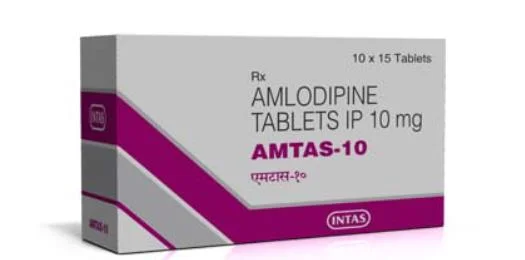
Antihypertensive Medications: These medications are designed to lower blood pressure and may include several subclasses such as diuretics, ACE inhibitors, and calcium channel blockers. They are commonly prescribed for patients with hypertension.
Anticoagulants: This category includes medications that prevent blood clots, which are critical for patients at risk for stroke or heart attack. Common examples are warfarin and newer direct-acting anticoagulants.
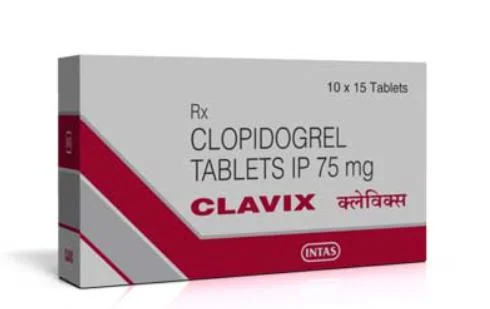
Antiplatelet Agents: These drugs help prevent the clumping of platelets, reducing the risk of cardiovascular events. Aspirin and clopidogrel are widely used in this category.
Statins: Used primarily to lower cholesterol levels, statins are essential for managing hyperlipidemia and preventing cardiovascular diseases.
Beta-Blockers: These medications help reduce heart rate and blood pressure, making them beneficial for patients with heart failure or arrhythmias.
Benefits and Advantages
Cardiovascular medications offer numerous benefits that enhance patient care and outcomes.
1. Improved Health Outcomes: These medications significantly reduce the risks associated with cardiovascular diseases, leading to better patient health.
2. Enhanced Quality of Life: By managing symptoms effectively, cardiovascular medications allow patients to lead more active and fulfilling lives.
3. Cost-Effectiveness: Preventive use of these medications can reduce the need for more expensive interventions, such as surgeries and hospitalization.
4. Customization: Many cardiovascular medications can be tailored to individual patient needs, ensuring optimal therapeutic effects.
5. Ongoing Research: Continuous research in this field leads to the development of new and improved treatments, providing better options for patients.
6. Support for Chronic Disease Management: These medications play a critical role in managing long-term conditions, allowing patients to maintain their health over time.
Buying Guide for B2B Buyers
When sourcing cardiovascular medications, it is important for B2B buyers to consider several key factors.
1. Quality Assessment: Ensure that the medications meet high-quality standards and have passed through rigorous testing and approval processes. Look for evidence of compliance with industry regulations.
2. Supplier Verification: Vet potential suppliers by checking their certifications, reviews, and track records. A reliable supplier should have a proven history of delivering quality products.
3. Pricing and MOQ: Understand the pricing structures and minimum order quantities for cardiovascular medications. This will help in budgeting and ensuring the best deals.
4. Delivery and Lead Times: Inquire about lead times for delivery, especially in critical healthcare settings where timely access to medications is essential.
5. Compliance Requirements: Be aware of relevant regulatory requirements and certifications that the medications must meet in your region. Compliance is crucial for legal and safety reasons.
Compliance and Certifications
Compliance and certifications play a significant role in the production and distribution of cardiovascular medications.
Relevant quality standards include ISO 9001, which specifies requirements for a quality management system, ensuring that organizations consistently provide products that meet customer and regulatory requirements. Other standards, such as HACCP, focus on food safety and risk management, which can also apply in pharmaceutical settings.
Industry certifications like CE and UL are essential. CE marking indicates conformity with health, safety, and environmental protection standards for products sold within the European Economic Area. UL certification ensures safety and performance in electrical and electronic products, which is relevant for certain medical devices used alongside medications.
Safety and testing requirements are critical to ensure that cardiovascular medications are effective and do not pose unnecessary risks to patients. This includes extensive clinical trials and post-market surveillance.
Regional compliance considerations vary. Different countries have specific regulations governing the approval and distribution of pharmaceuticals, which must be adhered to by manufacturers and suppliers.
Why Source Cardiovascular Medications from Pepagora?
Pepagora offers a trusted platform for sourcing cardiovascular medications, emphasizing several key advantages that benefit B2B buyers.
The Verified Supplier Network ensures that all suppliers listed on the platform have undergone thorough verification processes. This reduces the risks associated with sourcing and guarantees access to high-quality products.
The Streamlined RFQ Process allows buyers to quickly request quotations from multiple suppliers. This feature saves time and simplifies the procurement process, enabling buyers to make informed purchasing decisions.
Trade Assurance and Support provide an additional layer of security for buyers. This ensures that transactions are protected, and buyers receive support throughout the sourcing process.
With Regional Coverage spanning India, GCC, and Southeast Asia, Pepagora reaches a broad market, facilitating access to a diverse range of cardiovascular medications while catering to local regulatory requirements and market needs.

 IN
IN