
 IN
INVials, Ampoules, Syringes
6 products available
What are Vials, Ampoules, Syringes?
Key Features and Specifications
Common Applications and Use Cases
Product Variants and Subcategories
Benefits and Advantages
Buying Guide for B2B Buyers
Compliance and Certifications
Why Source Vials, Ampoules, Syringes from Pepagora?

Frequently Asked Questions
What are Vials, Ampoules, Syringes?
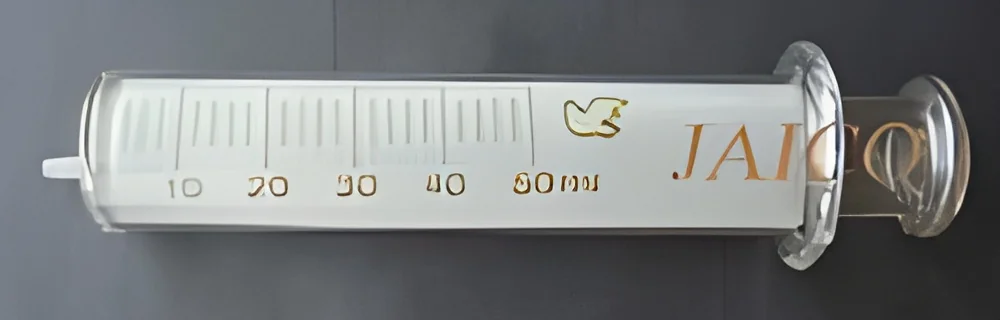
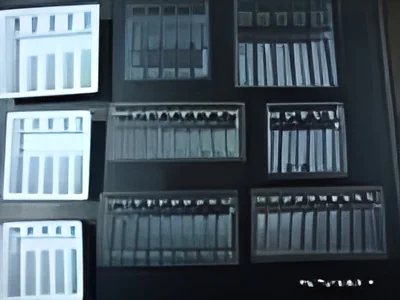
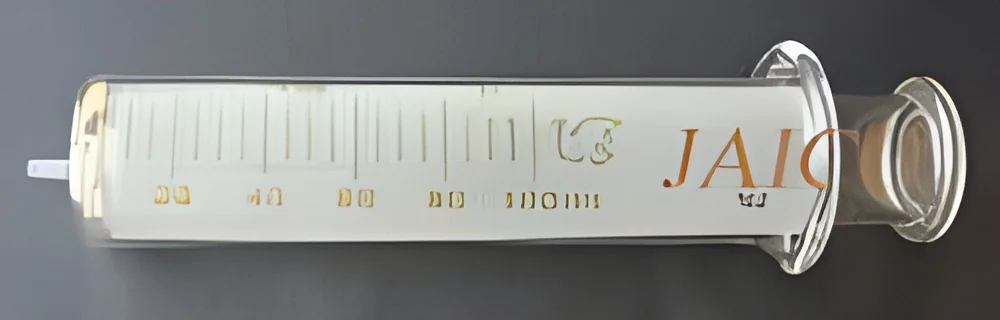
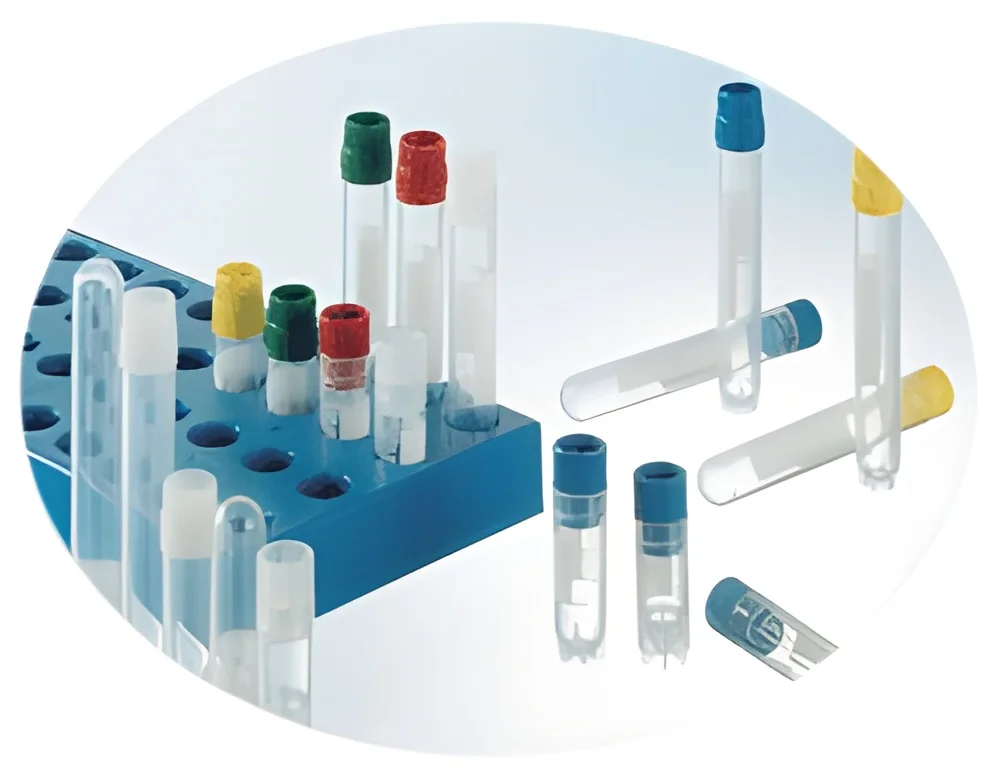
Vials, ampoules, and syringes are essential components in the pharmaceutical and healthcare industries. Vials are small containers that hold liquids for medications or samples, while ampoules are sealed containers that protect their contents from contamination. Syringes are instruments used to inject or withdraw fluids, typically made of plastic or glass.
What are the different types of Vials, Ampoules, Syringes?
There are various types of vials, ampoules, and syringes available. Vials can be categorized into multi-dose and single-dose vials, while ampoules are often classified based on their sealing method. Syringes come in different types as well, including disposable and reusable, as well as various sizes and needle gauges.
How do I choose the right Vials, Ampoules, Syringes?
Choosing the right vials, ampoules, and syringes depends on the specific application and the type of medication being used. Factors to consider include the volume of the liquid, compatibility with the substance, and the method of administration. Consulting with healthcare professionals or suppliers can also provide valuable insights.
What are the standard specifications for Vials, Ampoules, Syringes?
Standard specifications for vials, ampoules, and syringes may vary by manufacturer, but they typically include dimensions, material types, and closure systems. Vials are often made from glass or plastic and can have various neck finishes, while ampoules are usually glass. Syringes must meet specific standards for capacity, accuracy, and sterility.
What is the price range for Vials, Ampoules, Syringes?
The price range for vials, ampoules, and syringes can vary significantly based on material, size, and supplier. Generally, vials and ampoules can range from a few cents to several dollars each, while syringes may cost similarly depending on their type and features. Bulk purchasing often leads to lower prices.
What quality standards apply to Vials, Ampoules, Syringes?
Quality standards for vials, ampoules, and syringes are governed by regulatory bodies such as the FDA and ISO. These standards ensure that products meet safety, efficacy, and manufacturing requirements. Compliance with Good Manufacturing Practices (GMP) is also essential for maintaining product quality.
Where can I find Vials, Ampoules, Syringes suppliers in India?
Vials, ampoules, and syringes suppliers in India can be found through online B2B marketplaces like Pepagora, trade shows, and industry directories. Additionally, contacting manufacturers directly or seeking recommendations from industry professionals can help locate reliable suppliers.
Can Vials, Ampoules, Syringes be customized?
Yes, vials, ampoules, and syringes can be customized to meet specific requirements. Customization options may include size, material, labeling, and packaging. It is advisable to discuss customization needs with the supplier to ensure proper specifications are met.
What is the typical minimum order quantity for Vials, Ampoules, Syringes?
The typical minimum order quantity (MOQ) for vials, ampoules, and syringes can vary by supplier and product type. Generally, MOQs can range from a few hundred to several thousand units, depending on manufacturing capabilities and the nature of the product.
What is the typical lead time for Vials, Ampoules, Syringes?
The typical lead time for vials, ampoules, and syringes depends on the supplier and the order quantity. Generally, lead times can range from a few days for readily available products to several weeks for customized or bulk orders. It is recommended to confirm lead times with the supplier during the ordering process.
Why Businesses Trust Pepagora
Thousands of companies trust Pepagora to source smarter and sell faster
Expand Your Sales Globally

Source Smarter,Grow Faster
