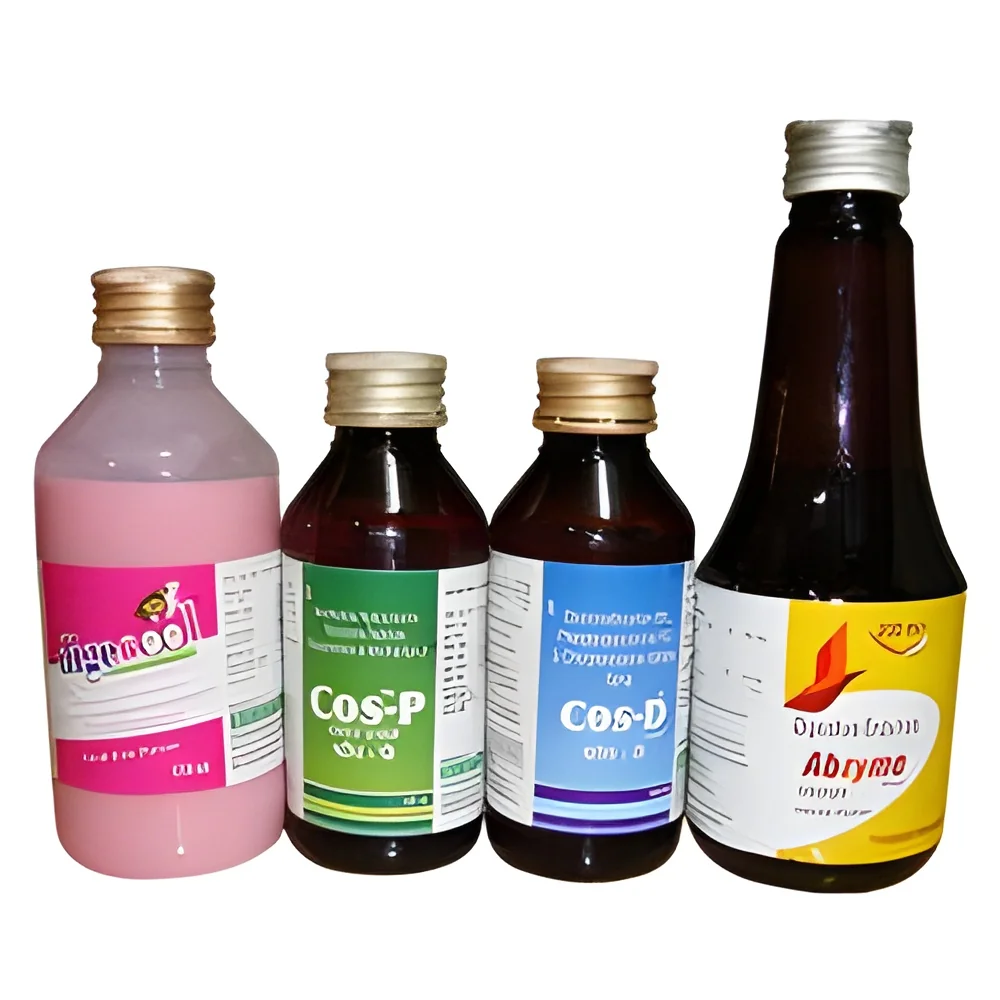
What are Syrups & Suspensions?
Syrups and suspensions are liquid formulations commonly used in various industries, including pharmaceuticals, food and beverage, and cosmetics. Syrups are typically concentrated solutions of sugar in water, often containing flavoring agents, while suspensions are mixtures where solid particles are dispersed in a liquid but not dissolved. This distinction is crucial as it affects how these products are manufactured, stored, and delivered to consumers.
The primary uses of syrups and suspensions include serving as active pharmaceutical ingredients, sweetening agents, and carriers for flavors and nutrients. In the pharmaceutical industry, syrups are often used to mask the unpleasant taste of medicines, making it easier for patients, especially children, to consume. Suspensions are valuable for delivering medications that are not soluble in water, providing a method to administer active ingredients effectively. The relevance of these products in the market is substantial, driven by the growing demand for liquid formulations in health, wellness, and convenience food sectors.
Key Features and Specifications
Syrups and suspensions come with a variety of features and specifications that cater to different needs across industries. Understanding these specifications is vital for businesses when selecting the right products.
Key specifications include:
1. Viscosity
- Determines the thickness of the syrup or suspension.
- Measured in centipoise (cP), with typical values ranging depending on formulation.
2. pH Level
- Indicates the acidity or alkalinity of the product.
- Normal ranges for syrups and suspensions are usually between 4.0 to 7.0.
3. Sweetness Level
- Dictates the sugar concentration in syrups.
- Measured in degrees Brix, with common levels ranging from 20 to 60.
4. Solubility
- Refers to the ability of substances to dissolve in the liquid.
- Specific parameters depend on the active ingredients used.
5. Stability
- Assesses how well the product maintains its properties over time.
- Stability tests usually conducted for six months to two years.
6. Microbial Content
- Ensures the product is free from harmful microorganisms.
- Compliance typically requires less than 100 CFU/ml for non-sterile products.
7. Particle Size Distribution
- Important for suspensions to ensure proper dispersion and stability.
- Typically measured in micrometers (µm).
8. Shelf Life
- Indicates how long the product can be stored without losing efficacy.
- Most syrups and suspensions have a shelf life of 1-3 years.
In summary, these specifications are crucial for ensuring quality, efficacy, and safety in syrups and suspensions, making them suitable for various industrial applications.
Common Applications and Use Cases
Syrups and suspensions are versatile products with applications across multiple industries.
1. Pharmaceuticals: Syrups are frequently used as flavoring agents in cough syrups and children’s medications, while suspensions deliver non-soluble active ingredients.
2. Food and Beverage: Syrups serve as sweeteners and flavor enhancers in beverages, desserts, and sauces, contributing to the overall taste profile.
3. Cosmetics: Suspensions are used in lotions and creams to evenly distribute active ingredients, providing benefits like hydration and sun protection.
4. Nutraceuticals: Syrups are formulated to deliver vitamins and supplements in a palatable form, especially for health-conscious consumers.
5. Veterinary Medicine: Syrups and suspensions are utilized for administering medications to animals, ensuring ease of consumption.
6. Personal Care Products: These formulations are common in mouthwashes and throat sprays, where flavor and consistency are essential.
7. Industrial Applications: Some syrups are used in manufacturing processes, acting as binders or coatings for various products.
Product Variants and Subcategories
Syrups and suspensions exhibit diversity in formulations to cater to specific needs.
Sugar Syrups: These are concentrated solutions of sugar and water, primarily used in the food and beverage industry for sweetening and flavoring.
Medicated Syrups: These contain active pharmaceutical ingredients designed to treat specific conditions, often enhanced with flavors to improve patient compliance.
Flavored Suspensions: Tailored for the pharmaceutical sector, these suspensions include flavoring agents to mask the taste of active ingredients.
Herbal Syrups: Made from natural extracts, these syrups are used in alternative medicine, providing health benefits without synthetic additives.
Sugar-Free Syrups: Targeting health-conscious consumers, these variants use artificial sweeteners to provide sweetness without calories.
Benefits and Advantages
Sourcing syrups and suspensions offers several key benefits for businesses.
1. Versatility: These products can be tailored for various applications, making them suitable for multiple industries.
2. Enhanced Taste: Syrups improve the palatability of medications and food products, increasing consumer acceptance.
3. Effective Delivery: Suspensions enable the administration of active ingredients that are not soluble, ensuring proper dosage.
4. Customization: Many manufacturers offer tailored formulations to meet specific client needs, enhancing product effectiveness.
5. Easy Consumption: Liquid forms are easier to consume, particularly for children and those with swallowing difficulties.
6. Market Demand: The growing trend towards liquid formulations in health, wellness, and food sectors increases the potential for business growth.
Buying Guide for B2B Buyers
When sourcing syrups and suspensions, buyers should consider several critical factors to ensure quality and suitability.
1. Quality Assessment: It is essential to evaluate the quality of products based on ingredients, manufacturing processes, and stability testing results.
2. Supplier Verification: Vetting suppliers through references and certifications is crucial to ensure reliability and quality assurance.
3. Pricing and MOQ: Understanding the pricing structure and minimum order quantity (MOQ) helps businesses align their budget with supplier offerings.
4. Delivery and Lead Times: Timely delivery is critical for maintaining production schedules, so assessing lead times is necessary for planning.
5. Compliance Requirements: Buyers must ensure that products meet regional regulations and industry standards to avoid legal issues.
Compliance and Certifications
Syrups and suspensions must adhere to various quality standards and regulations to ensure safety and efficacy. Relevant quality standards include ISO 9001, which focuses on quality management systems, and HACCP, which addresses food safety.
Industry certifications such as CE are essential for products sold in European markets, ensuring they meet safety and performance requirements. Additionally, safety and testing requirements are crucial in determining product quality and consumer safety.
Regional compliance considerations vary, as different countries have specific regulations regarding labeling, ingredient usage, and manufacturing practices. Understanding these requirements is vital for businesses looking to source syrups and suspensions globally.
Why Source Syrups & Suspensions from Pepagora?
Pepagora offers a trusted platform for sourcing syrups and suspensions, providing several key advantages for businesses.
Verified Supplier Network: Pepagora connects buyers with a network of verified suppliers, ensuring that all products meet high-quality standards.
Streamlined RFQ Process: The request for quotation (RFQ) system simplifies the sourcing process, allowing buyers to obtain competitive pricing and terms efficiently.
Trade Assurance and Support: Pepagora provides buyer protection through trade assurance, ensuring that transactions are secure and that any issues are addressed promptly.
Regional Coverage: With a presence in India, the GCC, and Southeast Asia, Pepagora facilitates access to a wide range of suppliers and products, catering to diverse business needs.

 IN
IN