What are Antiviral & Antifungal Drugs?
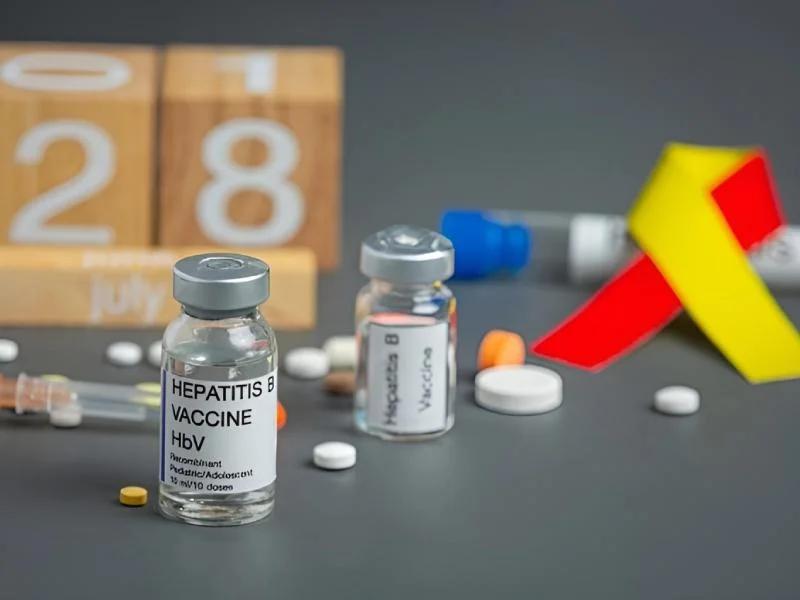
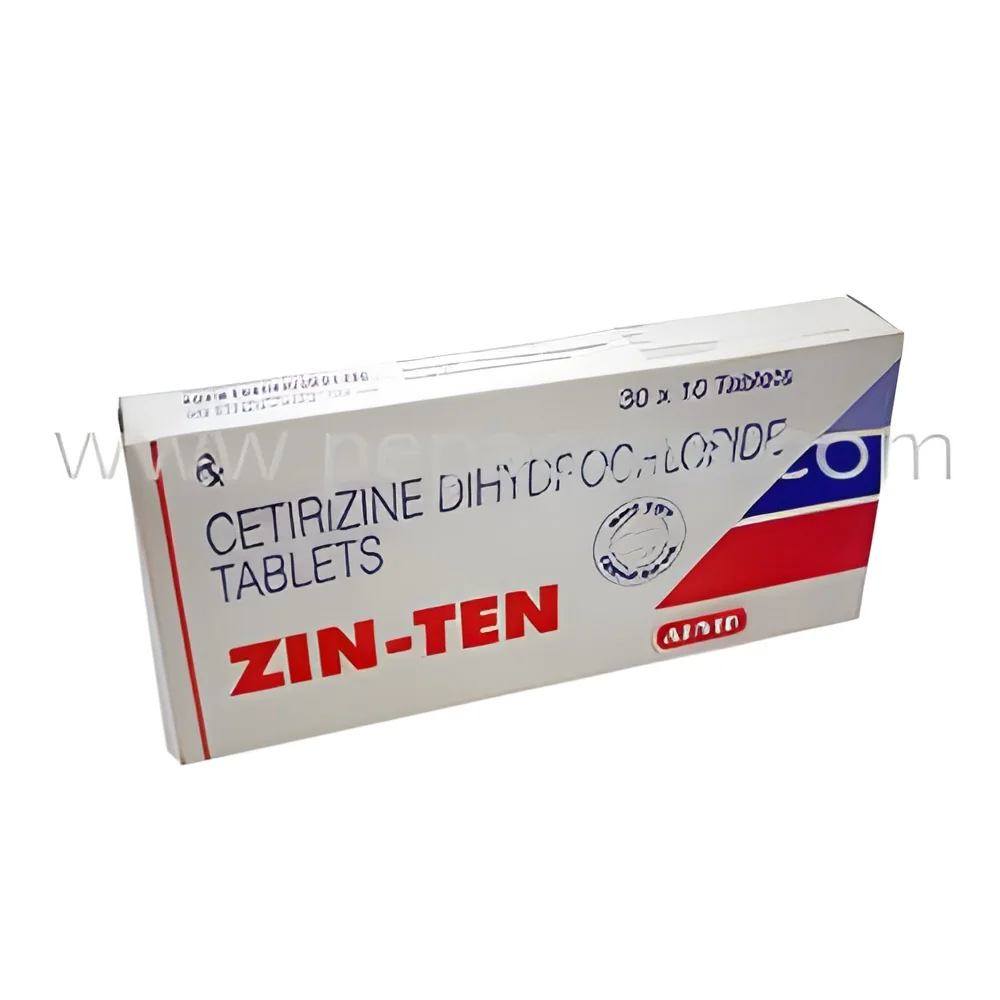
Antiviral and antifungal drugs are specialized medications designed to combat viral infections and fungal diseases, respectively. Antiviral drugs inhibit the development and replication of viruses, while antifungal drugs target fungi to hinder their growth and spread. These drugs play a crucial role in treating infections that can lead to serious health complications, particularly in immunocompromised individuals or those with chronic health conditions.
In the business landscape, antiviral and antifungal drugs are integral to healthcare, pharmaceuticals, and biotechnology sectors. They are used in hospitals, clinics, and research facilities to treat diseases caused by viruses and fungi. The growing prevalence of infectious diseases, coupled with the rise of drug-resistant strains, has led to increased demand for these medications. Consequently, the market for antiviral and antifungal drugs is expanding, presenting opportunities for manufacturers and suppliers in the industry.
The relevance of antiviral and antifungal drugs in various industries cannot be overstated. As global health concerns continue to rise, businesses that focus on the development and distribution of these products play a vital role in public health. The market is driven by ongoing research and development efforts aimed at creating more effective treatments, highlighting the importance of innovation in this field.
Key Features and Specifications
Antiviral and antifungal drugs come with several key features that define their effectiveness and usability. Understanding these specifications is essential for businesses looking to source these products.
Key specifications include:
1. Efficacy:
- The ability of the drug to successfully eliminate or inhibit viruses or fungi.
- Measured by clinical trial outcomes or laboratory testing.
2. Spectrum of Activity:
- The range of pathogens the drug can effectively target.
- Includes broad-spectrum and narrow-spectrum classifications.
3. Formulation:
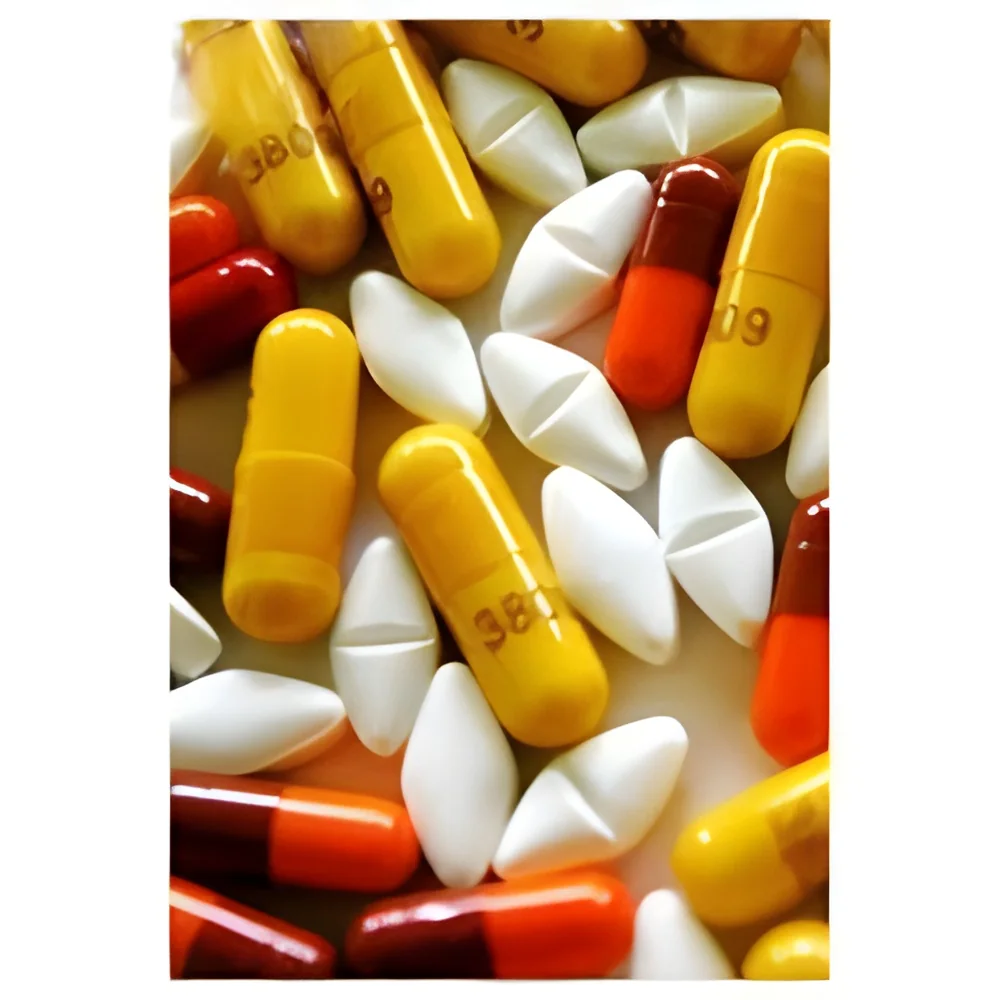
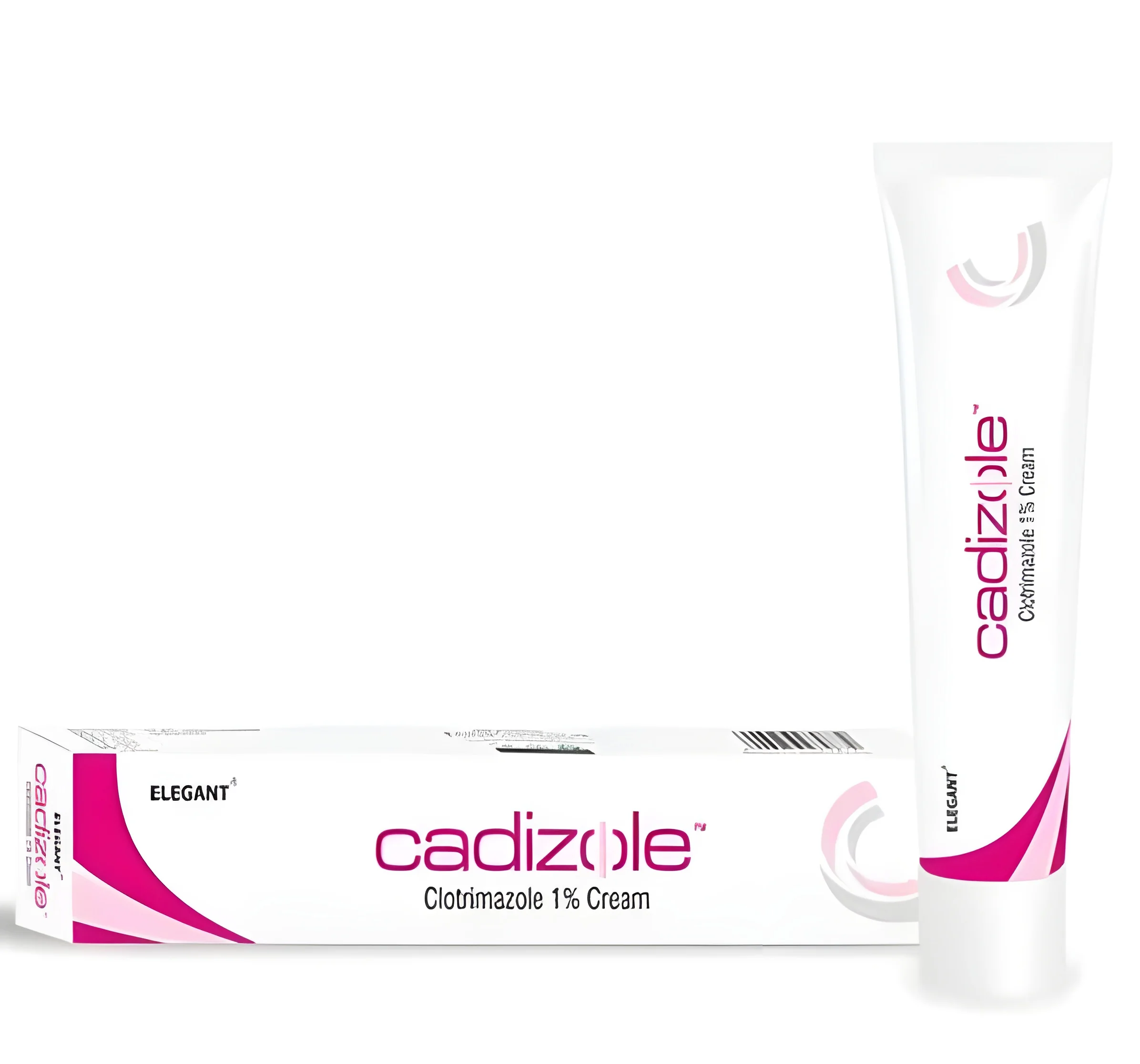
- Available in various forms such as tablets, capsules, injections, and topical applications.
- Determines the method of administration and patient compliance.
4. Shelf Life:
- Indicates the duration for which the drug remains effective when stored under recommended conditions.
- Typically ranges from 1 to 5 years depending on the formulation.
5. Dosage and Administration:
- Recommended dosages and frequency of administration for effective treatment.
- Varies based on the type of infection and patient characteristics.
6. Side Effects:
- Potential adverse reactions associated with the drug.
- Important for assessing the overall risk-benefit profile.
7. Regulatory Approval:
- Must meet the standards set by relevant health authorities (e.g., FDA, EMA).
- Ensures safety and efficacy for public use.
8. Cost Considerations:
- Pricing can vary widely based on the formulation and market dynamics.
- Understanding pricing structures is crucial for budgeting and procurement.
In summary, the specifications of antiviral and antifungal drugs are essential considerations for B2B buyers. Companies must assess these features to ensure they select the most suitable products for their needs.
Common Applications and Use Cases
Antiviral and antifungal drugs find applications across various industries, addressing a broad spectrum of health-related issues.
1. Healthcare: Hospitals and clinics utilize these drugs for treating viral infections like influenza and HIV, as well as fungal infections such as candidiasis and aspergillosis.
2. Pharmaceuticals: Companies in this sector invest in research and development to create new antiviral and antifungal agents, aiming to combat emerging pathogens and drug-resistant strains.
3. Biotechnology: Biotech firms focus on the development of innovative drug formulations and delivery systems to enhance the efficacy and safety of antiviral and antifungal treatments.
4. Veterinary Medicine: Antiviral and antifungal drugs are also used in veterinary practices to treat infections in animals, thus contributing to animal health and welfare.
5. Agriculture: Some antifungal agents are employed in agriculture to protect crops from fungal infections, ensuring food security and quality.
6. Cosmetics: Certain antifungal compounds are incorporated into cosmetic products to prevent fungal growth and ensure product stability.
7. Research Laboratories: These drugs are essential for research purposes, assisting scientists in studying viral and fungal pathogenesis and developing new treatment strategies.
Product Variants and Subcategories
Antiviral and antifungal drugs come in diverse formulations and types, catering to a range of therapeutic needs.
Antiviral Agents:
These include drugs specifically designed to treat viral infections. They may be tailored for specific viruses, such as those targeting influenza or HIV, and can be found in various forms including oral tablets and injectables.
Antifungal Agents:
These include a wide array of medications used to treat fungal infections. They can be categorized into azoles, polyenes, and echinocandins, each with unique mechanisms of action and therapeutic applications.
Combination Therapies:
Some products combine antiviral and antifungal properties to address co-infections, providing a comprehensive approach to treatment.
Benefits and Advantages
Sourcing antiviral and antifungal drugs offers several advantages for businesses in the healthcare and pharmaceutical sectors.
1. Enhanced Patient Outcomes: Effective treatments lead to improved recovery rates and reduced morbidity associated with viral and fungal infections.
2. Market Demand: The increasing prevalence of infectious diseases creates a growing market for antiviral and antifungal drugs, offering business growth opportunities.
3. Innovation Potential: Continuous research and development efforts in this field lead to the emergence of novel therapies, keeping businesses at the forefront of medical advancements.
4. Regulatory Compliance: Sourcing from reputable suppliers ensures adherence to industry regulations, enhancing the credibility of healthcare providers.
5. Diverse Applications: The broad use of these drugs across multiple industries enables businesses to cater to various market segments.
6. Safety Assurance: Properly tested and certified products minimize the risk of adverse effects, ensuring patient safety and trust in healthcare.
Buying Guide for B2B Buyers
When sourcing antiviral and antifungal drugs, it is vital for buyers to consider several key factors to ensure a successful procurement process.
1. Quality Assessment: Evaluate the quality of drugs based on established standards and clinical efficacy. Look for products that have undergone rigorous testing and meet regulatory approvals.
2. Supplier Verification: Conduct thorough due diligence on potential suppliers. Verify their credentials, certifications, and track records within the industry to ensure reliability.
3. Pricing and MOQ: Understand the pricing structures and minimum order quantities (MOQ) that suppliers offer. This helps in budgeting and inventory management.
4. Delivery and Lead Times: Assess the logistics involved in delivery. Consider lead times for production and shipping to avoid disruptions in the supply chain.
5. Compliance Requirements: Ensure that the drugs meet relevant regulatory requirements in your region. This includes understanding local laws and industry standards to avoid legal issues.
Compliance and Certifications
Compliance with industry standards and certifications is crucial for antiviral and antifungal drugs. Relevant quality standards such as ISO 9001 ensure that products are manufactured consistently and meet customer expectations.
In addition, adherence to HACCP (Hazard Analysis Critical Control Point) principles is essential for ensuring the safety of pharmaceutical products. GDP (Good Distribution Practice) guidelines also play a significant role in maintaining product quality throughout the supply chain.
Industry certifications such as CE mark indicate that the products have met European health, safety, and environmental protection standards. This is particularly important for companies looking to market their products in the European Union.
Safety and testing requirements are also integral to the compliance process. Rigorous testing for efficacy and side effects must be conducted to ensure the safety of these drugs for patients.
Regional compliance considerations vary by market. Understanding the specific regulations in your geographic area helps businesses navigate the complexities of drug procurement and distribution.
Why Source Antiviral & Antifungal Drugs from Pepagora?
Pepagora provides a trusted platform for sourcing antiviral and antifungal drugs, offering several key advantages to B2B buyers.
Verified Supplier Network: Pepagora ensures that all suppliers in its network undergo thorough verification processes. This guarantees that buyers can trust the quality and reliability of the products they source.
Streamlined RFQ Process: The platform offers a simple and efficient request for quotation (RFQ) process, allowing buyers to easily compare options and make informed purchasing decisions.
Trade Assurance and Support: Pepagora provides trade assurance to protect buyers from potential risks associated with procurement. Additionally, dedicated support teams are available to assist throughout the purchasing process.
Regional Coverage: With a strong presence in India, the GCC, and Southeast Asia, Pepagora offers extensive geographic reach. This enables buyers to access a wide range of antiviral and antifungal drugs tailored to their specific market needs.

 IN
IN