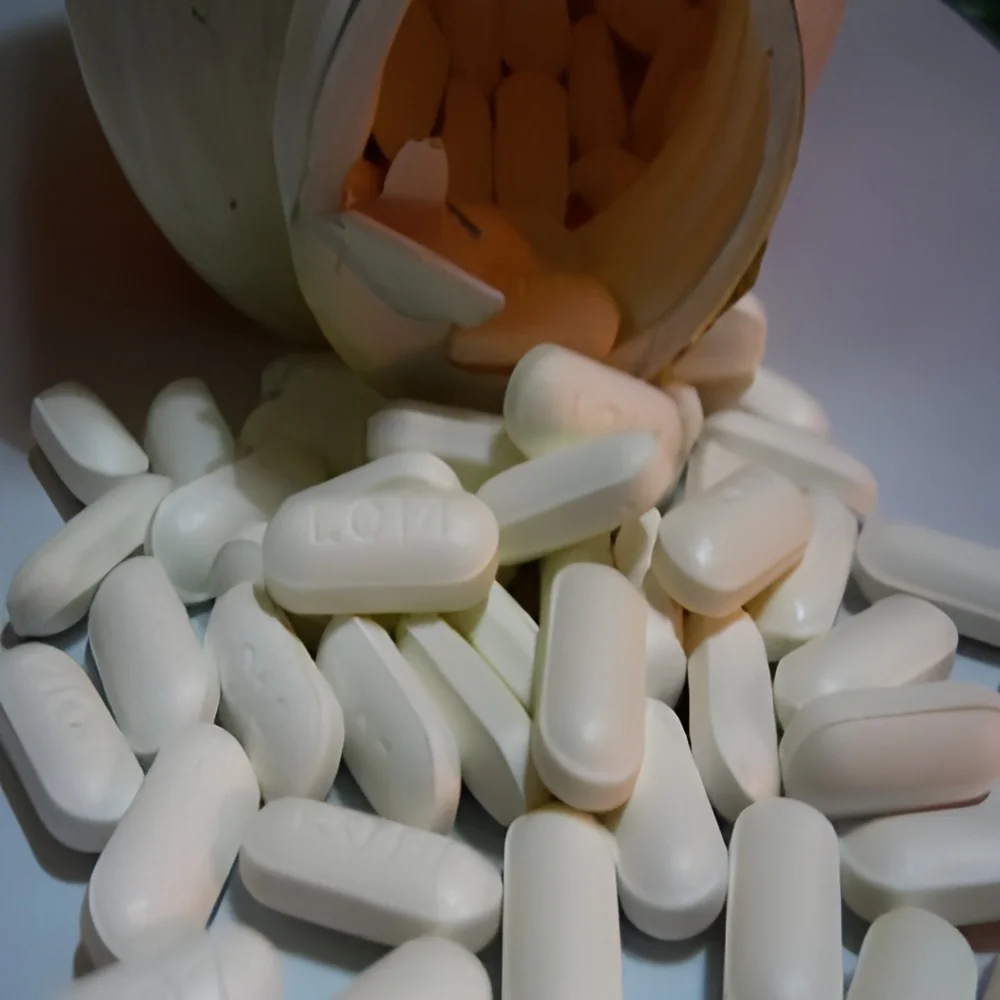
What are Tablets (Immediate Release, Sustained Release)?
Tablets are solid dosage forms that contain active ingredients and excipients compressed into a specific shape and size. They are classified into two main types: Immediate Release and Sustained Release. Immediate Release tablets dissolve quickly after administration, allowing for rapid absorption and onset of action. In contrast, Sustained Release tablets are designed to release the active ingredient gradually over an extended period, providing prolonged therapeutic effects.
These tablets are widely used in pharmaceuticals to deliver medications effectively. Immediate Release tablets are suitable for acute conditions where quick relief is necessary, such as pain management or treating infections. Sustained Release tablets are beneficial for chronic conditions, allowing for less frequent dosing and improved patient compliance. The tablet form is prevalent in the healthcare industry, making it a vital product in both therapeutic treatments and preventive healthcare measures.
The growing demand for effective drug delivery systems drives the market for tablets. As the healthcare industry expands, the need for reliable and efficient medication forms continues to rise. Tablets are favored for their convenience, dosage accuracy, and stability, making them a primary choice for pharmaceutical companies.
๐๐ฒ๐ ๐๐ฒ๐ฎ๐๐๐ฟ๐ฒ๐ ๐ฎ๐ป๐ฑ ๐ฆ๐ฝ๐ฒ๐ฐ๐ถ๐ณ๐ถ๐ฐ๐ฎ๐๐ถ๐ผ๐ป๐
Tablets (Immediate Release, Sustained Release) come with a range of features and specifications that enhance their functionality and effectiveness. These specifications are crucial for B2B buyers looking to meet specific industry standards and customer needs.
Key specifications include:
1. Dosage Formulation
- Available in varying dosages to meet therapeutic requirements
- Common dosages range from 10 mg to 500 mg
2. Release Profile
- Immediate Release provides rapid onset of action within minutes
- Sustained Release offers extended action over several hours
3. Coating Options
- Available with enteric coatings to protect sensitive ingredients
- Film coatings for improved aesthetic and handling properties
4. Stability
- Designed to withstand various environmental conditions
- Shelf life typically ranges from 18 months to 3 years
5. Size and Shape
- Offered in various shapes such as round, oval, and scored for easy splitting
- Size can be customized per client specifications
6. Packaging
- Packaged in blister packs or bottles to ensure integrity
- Tamper-evident options available for safety
7. Compliance
- Manufactured adhering to industry standards such as GMP and CE
- Quality control measures in place to ensure consistency
In summary, these specifications highlight the versatility and reliability of Tablets (Immediate Release, Sustained Release) in meeting diverse medical needs.
๐๐ผ๐บ๐บ๐ผ๐ป ๐๐ฝ๐ฝ๐น๐ถ๐ฐ๐ฎ๐๐ถ๐ผ๐ป๐ ๐ฎ๐ป๐ฑ ๐จ๐๐ฒ ๐๐ฎ๐๐ฒ๐
Tablets (Immediate Release, Sustained Release) are utilized across various industries, demonstrating their versatility and effectiveness.
1. Pharmaceuticals: In the pharmaceutical sector, these tablets are employed for treating a wide range of conditions, from acute pain relief to chronic disease management.
2. Nutraceuticals: In the dietary supplement industry, tablets are used to deliver vitamins and minerals efficiently, providing consumers with essential nutrients.
3. Veterinary Medicine: Tablets are also applicable in veterinary care, offering a convenient method for administering medications to animals.
4. Consumer Health: Tablets are commonly found in over-the-counter products, allowing consumers easy access to medications for minor health issues.
5. Biotechnology: In biopharmaceuticals, tablets serve as a method for delivering complex biologics in a stable form.
6. Research and Development: Tablets are often used in clinical trials to assess the efficacy and safety of new drugs.
7. Education and Training: In educational settings, tablets can be used for training healthcare professionals on drug administration and dosage management.
๐ฃ๐ฟ๐ผ๐ฑ๐๐ฐ๐ ๐ฉ๐ฎ๐ฟ๐ถ๐ฎ๐ป๐๐ ๐ฎ๐ป๐ฑ ๐ฆ๐๐ฏ๐ฐ๐ฎ๐๐ฒ๐ด๐ผ๐ฟ๐ถ๐ฒ๐
Tablets (Immediate Release, Sustained Release) come in various forms to cater to different market needs.
Extended Release Tablets
These tablets are formulated to release the active ingredients slowly over time, reducing the frequency of dosing. They are ideal for patients requiring consistent medication levels throughout the day.
Chewable Tablets
Designed for ease of consumption, chewable tablets are popular among pediatric and geriatric populations. They offer a palatable option for those who may have difficulty swallowing standard tablets.
Effervescent Tablets
These dissolve in water to create a fizzy solution, enhancing absorption and providing a refreshing way to take medication. They are often used for vitamins and antacids.
๐๐ฒ๐ป๐ฒ๐ณ๐ถ๐๐ ๐ฎ๐ป๐ฑ ๐๐ฑ๐๐ฎ๐ป๐๐ฎ๐ด๐ฒ๐
Tablets (Immediate Release, Sustained Release) offer numerous benefits that make them an attractive option for pharmaceutical manufacturers and healthcare providers.
1. Ease of Administration: Tablets are simple to take, requiring no special preparation or equipment, which enhances patient compliance.
2. Precise Dosage: Each tablet contains a specific amount of medication, ensuring accurate dosing for better treatment outcomes.
3. Long Shelf Life: Tablets typically have a longer shelf life compared to liquid formulations, making them more cost-effective for storage and distribution.
4. Stability: The solid form provides better stability and protection for sensitive ingredients against environmental factors.
5. Versatility: Tablets can be formulated for various release profiles, allowing for tailored solutions to meet specific medical needs.
6. Cost-Effectiveness: Manufacturing tablets can be more economical compared to other dosage forms, benefiting both producers and consumers.
๐๐๐๐ถ๐ป๐ด ๐๐๐ถ๐ฑ๐ฒ ๐ณ๐ผ๐ฟ ๐๐ฎ๐ ๐๐๐๐ฒ๐ฟ๐
When sourcing Tablets (Immediate Release, Sustained Release), there are several key factors to consider to ensure quality and compliance.
1. Quality Assessment: Evaluate the quality of the tablets through certifications, clinical data, and stability testing results to ensure they meet industry standards.
2. Supplier Verification: Conduct thorough background checks on suppliers to confirm their reputation, manufacturing capabilities, and adherence to regulatory requirements.
3. Pricing and MOQ: Understand the pricing structure and minimum order quantities to align with budget constraints and supply chain needs.
4. Delivery and Lead Times: Discuss logistics and expected lead times for delivery to avoid disruptions in inventory and ensure timely availability of products.
5. Compliance Requirements: Ensure that the tablets comply with relevant regulatory standards and quality certifications, such as CE and GMP, to guarantee safety and efficacy.
๐๐ผ๐บ๐ฝ๐น๐ถ๐ฎ๐ป๐ฐ๐ฒ ๐ฎ๐ป๐ฑ ๐๐ฒ๐ฟ๐๐ถ๐ณ๐ถ๐ฐ๐ฎ๐๐ถ๐ผ๐ป๐
Compliance and certifications are critical aspects of Tablets (Immediate Release, Sustained Release) to ensure safety and efficacy in the market.
Relevant quality standards include ISO 9001, which ensures quality management systems are in place to enhance customer satisfaction. HACCP guidelines are important for identifying and managing food safety risks in nutraceutical applications. Good Distribution Practice (GDP) compliance is essential for maintaining the integrity of the tablets throughout the supply chain.
Industry certifications, such as CE marking, indicate that the product meets European health, safety, and environmental protection standards. This certification is particularly relevant for tablets entering markets in Europe and other regions requiring stringent compliance.
Safety and testing requirements must also be met, including stability testing, dissolution profile assessment, and contamination controls. Regional compliance considerations can vary, so it is crucial to be aware of local regulations and requirements that govern the production and sale of pharmaceutical products.
Why Source Tablets (Immediate Release, Sustained Release) from Pepagora?
Pepagora provides a trusted platform for sourcing Tablets (Immediate Release, Sustained Release) with several key advantages.
Verified Supplier Network: Pepagora features a network of verified suppliers, ensuring that buyers can confidently source high-quality tablets from reputable manufacturers. This reduces the risk associated with procurement and enhances trust in the supply chain.
Streamlined RFQ Process: The quotation system on Pepagora simplifies the sourcing process. Buyers can easily request quotes from multiple suppliers, allowing for competitive pricing and informed decision-making.
Trade Assurance and Support: Pepagora offers trade assurance to protect buyers throughout the transaction process. Support services are available to address any concerns, ensuring a smooth purchasing experience.
Regional Coverage: With a focus on regions such as India, the GCC, and Southeast Asia, Pepagora is well-positioned to facilitate connections between buyers and suppliers across these dynamic markets, enabling access to diverse products and services.