What are Hormonal & Endocrine Medications?
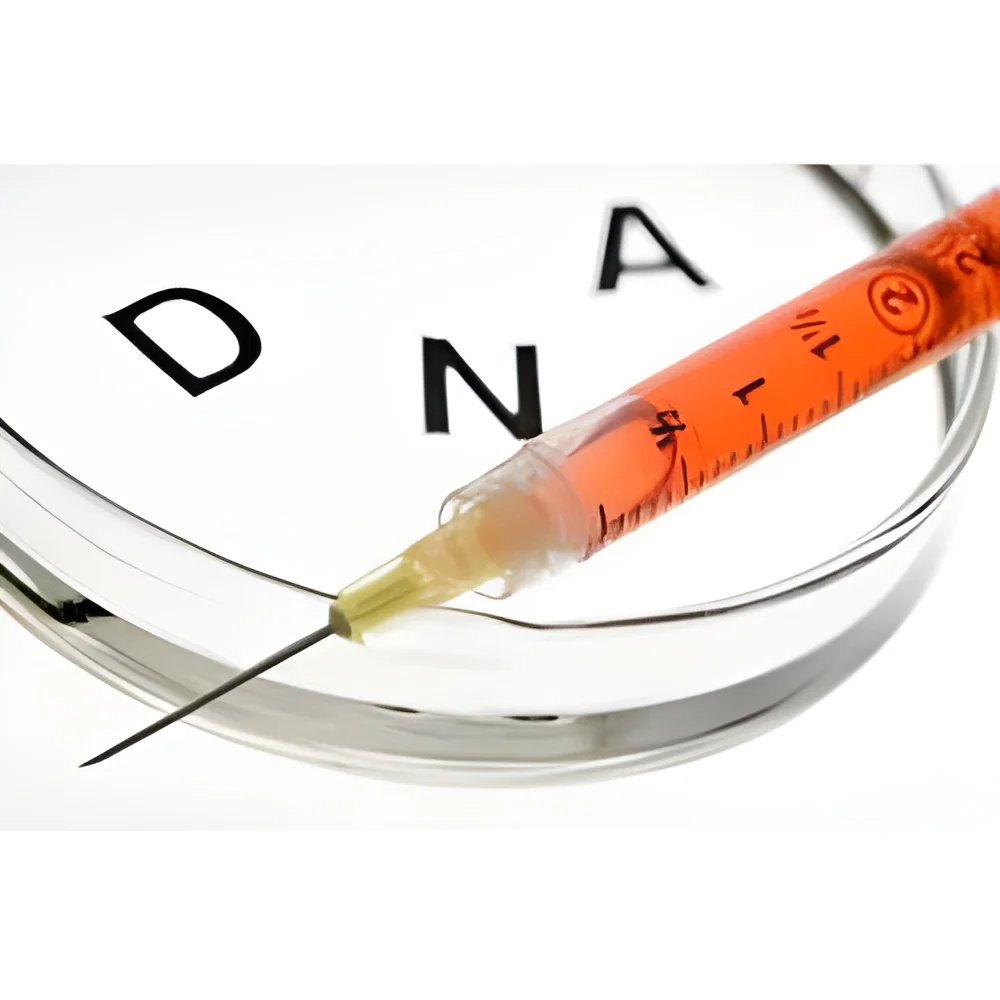
Hormonal and endocrine medications are pharmaceutical products designed to regulate the body's hormone levels and address various endocrine disorders. These medications can include hormones such as insulin, thyroid hormones, steroids, and sex hormones. They are critical in managing conditions like diabetes, thyroid dysfunction, and hormonal imbalances. By mimicking or influencing the body's natural hormone production, these medications help restore balance and improve patient outcomes.
The primary uses of hormonal and endocrine medications span multiple medical fields, including endocrinology, reproductive health, and chronic disease management. Businesses in the healthcare sector utilize these medications to treat patients, improve quality of life, and enhance clinical outcomes. Hospitals, clinics, and pharmacies play a significant role in the distribution and administration of these products.
In terms of industry relevance, the market for hormonal and endocrine medications continues to grow due to rising incidences of hormonal disorders and an aging population. The global demand for these products has led to increased investments in research and development, contributing to innovative treatments and improved formulations. This dynamic market context highlights the importance of reliable suppliers and high-quality products in meeting healthcare needs.
Key Features and Specifications
Hormonal and endocrine medications come with specific features and specifications that ensure their efficacy and safety. These specifications are crucial for healthcare providers and businesses involved in the supply chain.
Key specifications include:
1. Quality Standards
- Adherence to international quality standards such as CE certification.
- Compliance with Good Distribution Practices (GDP) to ensure product integrity.
2. Dosage Forms
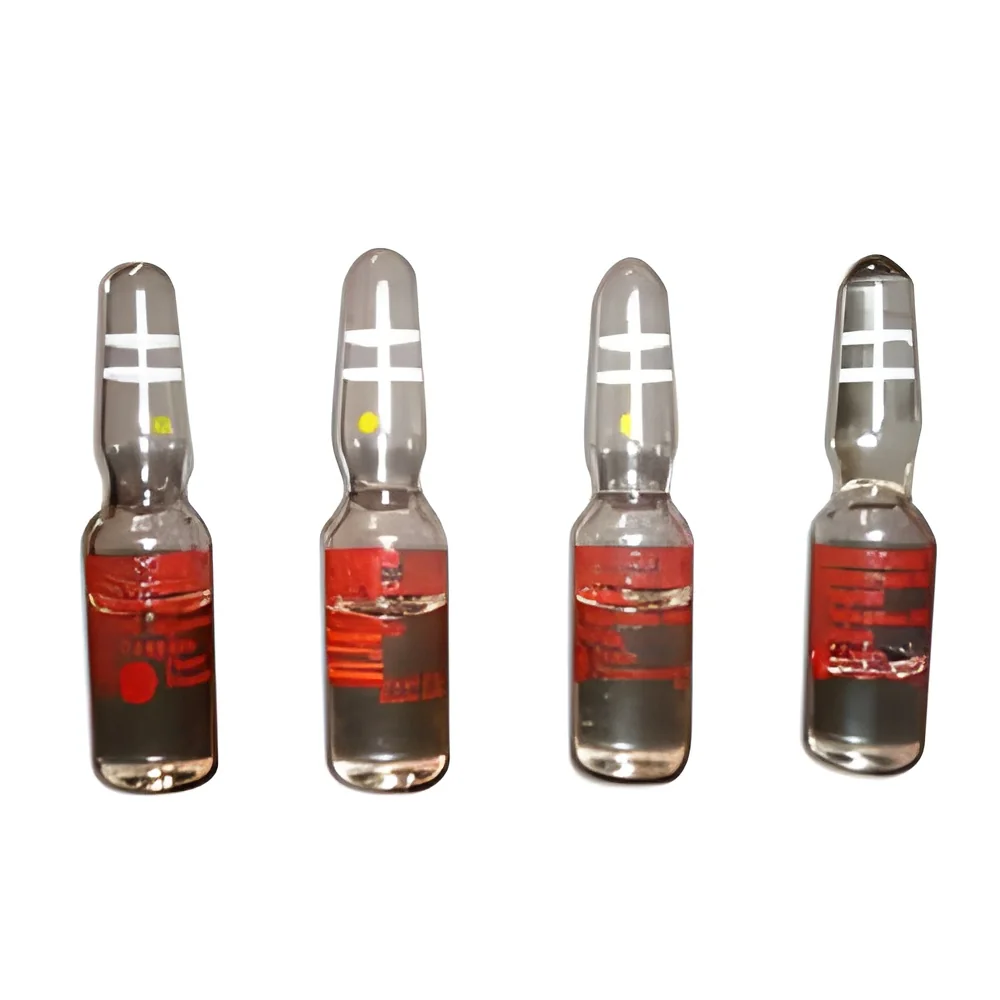
- Available in various forms including tablets, injections, and transdermal patches.
- Each form is designed for specific absorption rates and patient needs.
3. Storage Conditions
- Typically require controlled temperature and humidity for optimal stability.
- Specific storage guidelines must be followed to prevent degradation.
4. Shelf Life
- Defined expiration dates based on stability studies.
- Regular monitoring is recommended to ensure product efficacy.
5. Packaging
- Tamper-proof packaging to ensure safety and prevent contamination.
- Clear labeling with dosage information and warnings.
6. Monitoring Features
- Some formulations may include features for tracking hormone levels.
- Advanced formulations may offer controlled-release mechanisms.
7. Customization Options
- Potential for compounding specific dosages based on patient needs.
- Flexibility in formulation for specialized medical applications.
In summary, understanding the various specifications helps businesses make informed purchasing decisions that align with their operational requirements.
Common Applications and Use Cases
Hormonal and endocrine medications serve a wide range of applications across various industries.
1. Healthcare: These medications are essential in treating endocrine disorders such as diabetes and hypothyroidism, ensuring that patients receive appropriate hormone replacements.
2. Pharmaceuticals: Companies in the pharmaceutical sector develop and manufacture these medications, focusing on innovative delivery systems and formulations.
3. Biotechnology: Research organizations utilize hormonal medications in clinical trials to explore new therapies and improve patient outcomes.
4. Veterinary Medicine: Hormonal treatments are also applied in veterinary practices to manage reproductive health and metabolic disorders in animals.
5. Sports Medicine: These medications may be used to treat hormonal imbalances that affect athletic performance and recovery.
6. Mental Health: Hormonal therapies are increasingly recognized for their role in managing mood disorders and stress-related conditions.
7. Endocrine Research: Academic institutions study these medications to advance understanding of hormonal functions and develop new therapeutic approaches.
Product Variants and Subcategories
Hormonal and endocrine medications are diverse, catering to various medical needs and conditions.
Insulin Analogues
These are modified forms of insulin used to manage blood glucose levels in diabetes patients. They offer rapid or long-acting effects to suit different patient requirements.
Thyroid Hormones
Medications like levothyroxine are used to treat hypothyroidism. They help restore normal metabolism and energy levels in patients with thyroid dysfunction.
Corticosteroids
These medications are used to manage inflammation and immune responses. They are commonly prescribed for conditions like asthma and autoimmune disorders.
Estrogen and Progesterone
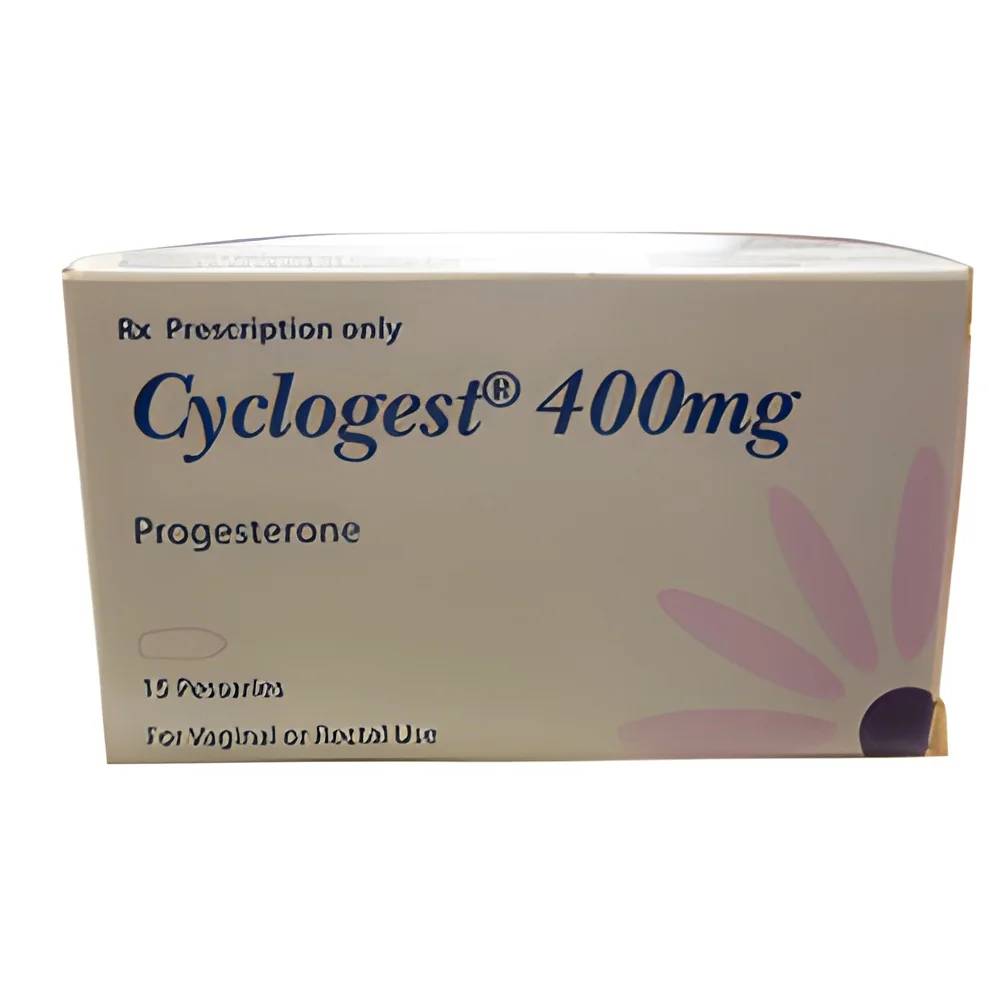
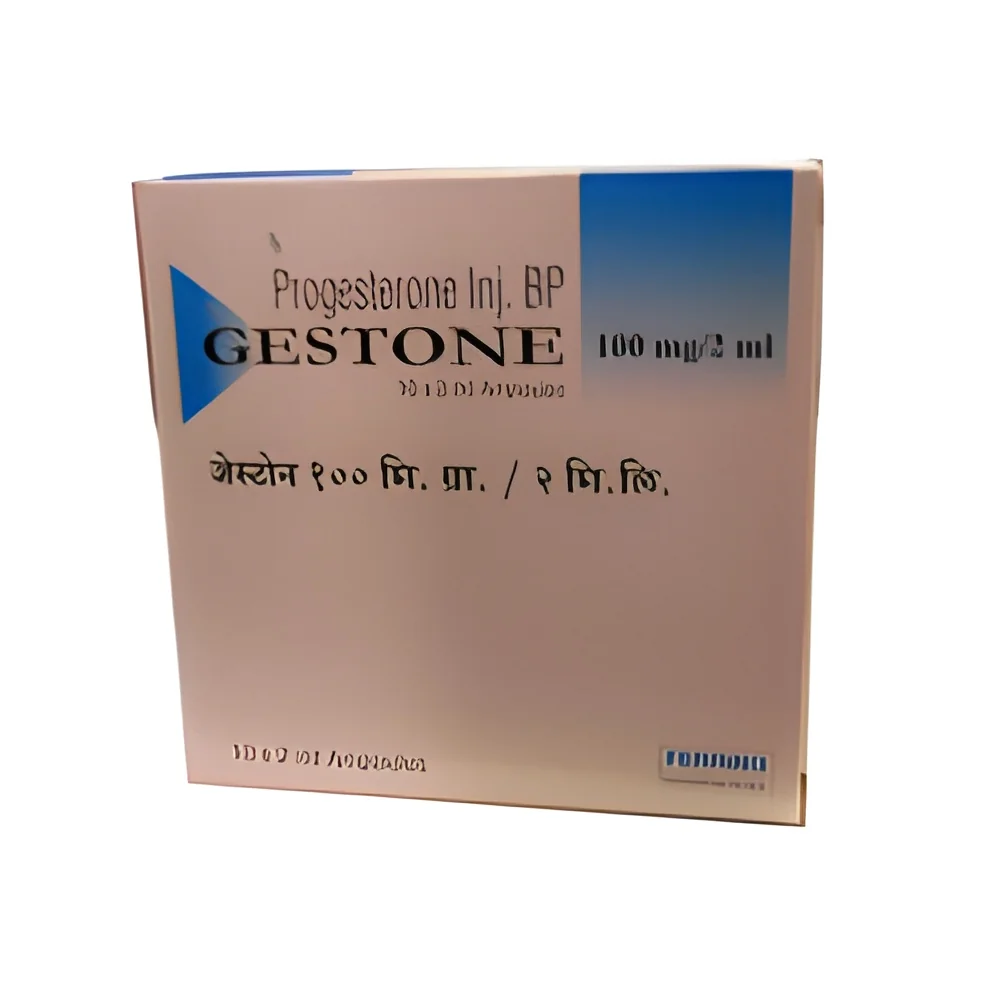
These hormones are used in hormone replacement therapy and contraceptives. They play a crucial role in managing reproductive health.
Benefits and Advantages
Hormonal and endocrine medications provide numerous benefits to patients and healthcare providers.
1. Improved Health Outcomes: These medications help restore hormonal balance, leading to better management of chronic conditions.
2. Enhanced Quality of Life: Patients often experience significant improvements in daily functioning and overall well-being.
3. Customizable Treatments: Many medications can be tailored to individual patient needs, ensuring optimal dosing and effectiveness.
4. Increased Patient Compliance: With various delivery methods available, patients find it easier to adhere to treatment regimens.
5. Ongoing Research and Innovation: Continuous advancements in hormone therapies lead to more effective and safer treatment options.
6. Comprehensive Management: These medications can address multiple symptoms and conditions, offering a holistic approach to patient care.
Buying Guide for B2B Buyers
When sourcing hormonal and endocrine medications, businesses should consider several key factors to ensure quality and compliance.
1. Quality Assessment: Verify that products meet established quality standards and are backed by appropriate certifications such as CE. This ensures that the medications are safe and effective.
2. Supplier Verification: Vet suppliers through industry references and customer reviews to ensure reliability and integrity in their operations.
3. Pricing and MOQ: Evaluate pricing structures and minimum order quantities to align with budgetary constraints and operational needs.
4. Delivery and Lead Times: Consider logistics and shipping times, as timely delivery is crucial for maintaining inventory and meeting patient needs.
5. Compliance Requirements: Stay informed about regulatory needs and compliance standards in your region to avoid legal issues and ensure product safety.
Compliance and Certifications
Hormonal and endocrine medications must adhere to various compliance and certification standards to ensure safety and efficacy.
Quality standards such as ISO 9001 and Good Distribution Practices (GDP) are essential for maintaining product integrity throughout the supply chain. Adhering to these standards helps businesses guarantee that the medications meet required safety and effectiveness criteria.
Industry certifications such as CE play a significant role in ensuring that products are safe for use. These certifications demonstrate compliance with European health, safety, and environmental protection standards.
Safety and testing requirements are crucial for hormonal and endocrine medications. Products must undergo rigorous testing to ensure they are free from contaminants and meet potency specifications.
Regional compliance considerations vary by market. Businesses must stay updated on local regulations that govern the use and distribution of these medications to ensure compliance and avoid potential penalties.
Why Source Hormonal & Endocrine Medications from Pepagora?
Pepagora provides a trusted platform for sourcing hormonal and endocrine medications, offering several key advantages for B2B buyers.
Verified Supplier Network: Pepagora ensures that all suppliers in its network are thoroughly vetted for quality and reliability, giving buyers confidence in their sourcing decisions.
Streamlined RFQ Process: The platform features an efficient request-for-quotation system that simplifies the procurement process, allowing businesses to receive competitive pricing and terms quickly.
Trade Assurance and Support: Buyers benefit from comprehensive support and protection throughout the purchasing process, ensuring that they receive high-quality products as promised.
Regional Coverage: With a strong presence in India, the Gulf Cooperation Council (GCC), and Southeast Asia, Pepagora provides extensive access to a diverse range of hormonal and endocrine medications, making it easier for businesses to meet their specific needs.

 IN
IN