What are Child-Resistant Packaging?
Child-Resistant Packaging (CRP) refers to packaging designed to be difficult for young children to open while still being accessible to adults. This type of packaging is essential in minimizing the risk of accidental ingestion of harmful substances, such as pharmaceuticals, household chemicals, and other hazardous materials. CRP employs various mechanisms, such as push-and-turn caps, squeeze-and-turn designs, and other locking features that require a specific action to open.
The primary uses of child-resistant packaging span multiple industries, including pharmaceuticals, nutraceuticals, household cleaning products, and cannabis. In the pharmaceutical sector, for instance, CRP is crucial for medications that may pose a danger if ingested by children. The demand for such packaging has grown significantly as regulatory bodies continue to enforce stricter safety standards. As a result, businesses are increasingly recognizing the importance of implementing child-resistant solutions to protect their consumers and comply with legal requirements.
In the current market context, child-resistant packaging is not just a regulatory necessity but also a competitive advantage. Companies that adopt these safety measures can enhance their brand reputation and build customer trust. With the rise in awareness of safety issues related to children and household products, the relevance of CRP in various industries is expected to continue growing.
Key Features and Specifications
Child-resistant packaging incorporates specific features designed to enhance safety while providing functionality. These features are crucial not only for compliance with regulations but also for ensuring the packaging serves its intended purpose effectively.
Key specifications include:
1. Mechanism Type
- Options include push-and-turn, squeeze-and-turn, or slide-to-open designs.
- Each mechanism varies in user-friendliness and effectiveness.
2. Material Composition
- Common materials include plastic, glass, or composite materials.
- Each material offers different levels of durability and barrier properties.
3. Size and Volume Options
- Available in various sizes to accommodate different product volumes.
- Sizing should align with industry needs and customer preferences.
4. Compliance Standards
- Must meet regulatory requirements such as ISO standards and ASTM specifications.
- Compliance ensures safety and effectiveness in preventing unauthorized access.
5. Customization Options
- Many manufacturers provide customizable designs for branding and functionality.
- Customization can enhance marketability and user experience.
6. Reusability
- Some packaging options are designed for multiple uses, promoting sustainability.
- Reusable designs often appeal to environmentally-conscious consumers.
7. Tamper-Evident Features
- Additional safety measures include seals or indicators to show if packaging has been tampered with.
- This feature reinforces product integrity and consumer trust.
8. Cost Considerations
- The pricing of child-resistant packaging can vary based on materials and design complexity.
- Businesses must assess cost-effectiveness in relation to safety benefits.
In summary, child-resistant packaging is characterized by its specialized mechanisms, compliance with standards, and availability in various sizes and materials. These specifications are essential for ensuring safety while meeting market demands.
Common Applications and Use Cases
Child-resistant packaging finds extensive application across various industries, ensuring safety and compliance.
1. Pharmaceuticals: CRP is crucial for prescription and over-the-counter medications that may pose risks if accessed by children. The packaging protects young children while allowing adults easy access.
2. Nutraceuticals: Vitamins and dietary supplements often use child-resistant packaging to prevent accidental ingestion of potentially harmful doses by children.
3. Household Cleaning Products: Many cleaning agents utilize CRP to safeguard against accidental poisoning or exposure among children in the home environment.
4. Cannabis Products: With the legalization of cannabis in many regions, child-resistant packaging has become a critical component in the industry to prevent unauthorized access and ensure consumer safety.
5. Pesticides: Agricultural products and pesticides often require child-resistant packaging to mitigate risks associated with accidental ingestion or exposure.
6. Cosmetics: Certain cosmetics and personal care items use CRP to ensure that harmful ingredients are not easily accessible to children.
7. Food Products: Some food items, particularly those containing allergens or high concentrations of certain ingredients, are packaged in child-resistant formats to enhance safety.
Product Variants and Subcategories
Child-resistant packaging comes in various forms to cater to different industry needs, ensuring that safety and functionality are prioritized.
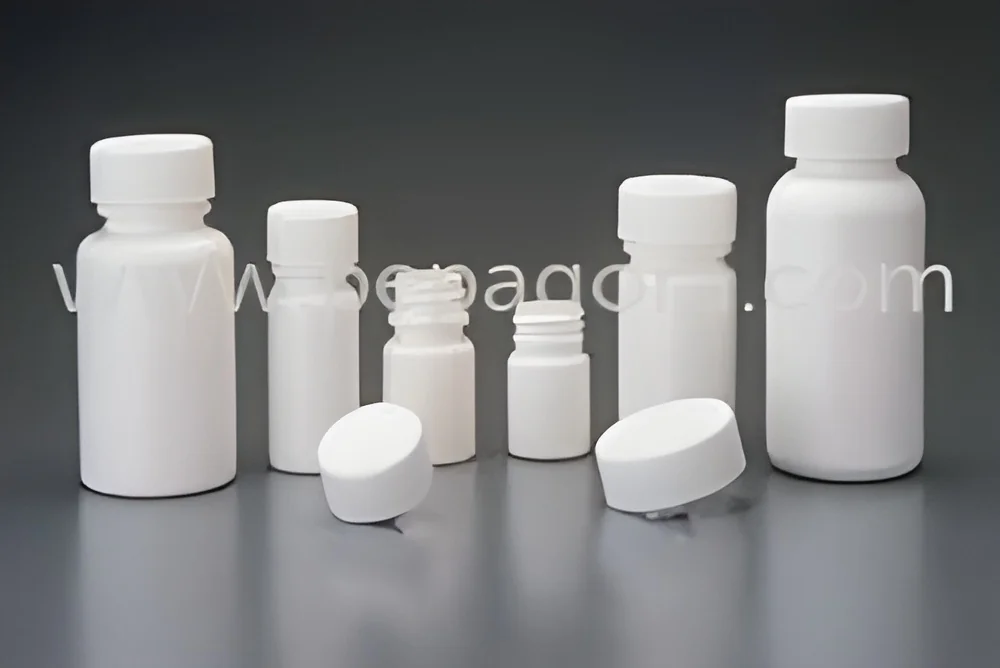
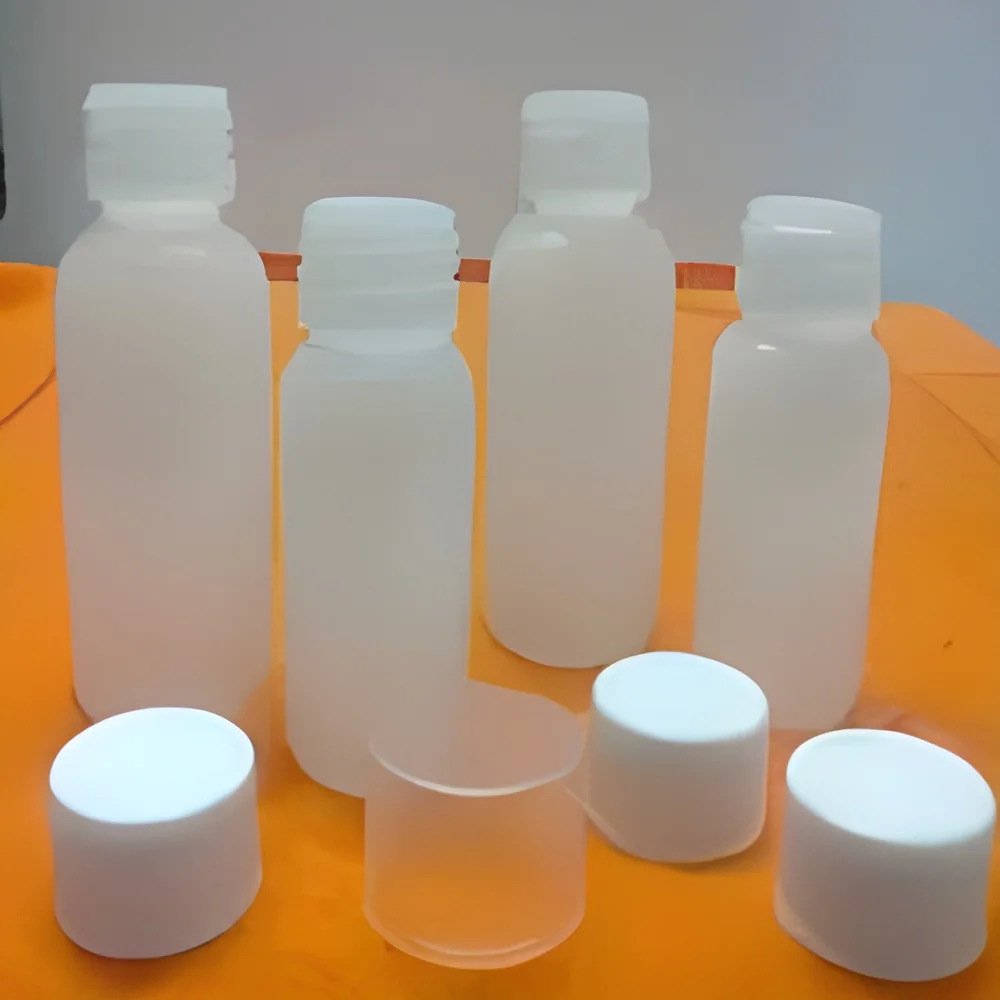
Plastic Bottles: These are often used for liquid medications and household cleaners. They typically feature squeeze-and-turn or push-and-turn mechanisms for easy adult access while remaining secure for children.
Blister Packs: Commonly used in pharmaceuticals, blister packs provide individual doses of medications. They can be designed with child-resistant features to ensure that each dose is protected yet accessible to adults.
Pouches: Child-resistant pouches are increasingly popular for products like cannabis or snacks. These pouches can incorporate zippers or locking mechanisms to provide added security.
Tin Containers: Often used for herbal products or specialty foods, tin containers can include child-resistant lids that are both aesthetically pleasing and functional.
Benefits and Advantages
The adoption of child-resistant packaging offers numerous advantages for businesses and consumers alike.
Key benefits include:
1. Enhanced Safety: The primary advantage is the significant reduction in the risk of accidental ingestion by children. This safety feature is essential for peace of mind among consumers.
2. Regulatory Compliance: Using CRP helps businesses comply with local and international safety regulations, reducing the risk of legal repercussions.
3. Brand Reputation: Companies that prioritize safety through CRP can enhance their brand image, building consumer trust and loyalty.
4. Market Differentiation: CRP can serve as a unique selling point, distinguishing products in a crowded marketplace.
5. Versatility: Child-resistant packaging is available in various forms and materials, making it suitable for a wide range of products across different industries.
6. Customization Opportunities: Many manufacturers offer customization options, allowing companies to integrate branding and achieve specific functionality while maintaining safety features.
Buying Guide for B2B Buyers
When sourcing child-resistant packaging, B2B buyers should consider several key factors to ensure they make informed decisions.
1. Quality Assessment: Evaluate the quality of materials and mechanisms used in the packaging. Look for suppliers that adhere to established quality standards to ensure product safety and reliability.
2. Supplier Verification: Vet potential suppliers by checking their certifications and reputation in the industry. Partnering with established manufacturers can help ensure product quality and compliance.
3. Pricing and MOQ: Understand the cost of different packaging solutions and the minimum order quantities required. This information is crucial for budgeting and assessing overall value.
4. Delivery and Lead Times: Inquire about the delivery schedules and lead times from suppliers. Timely delivery is essential for maintaining production schedules and meeting market demands.
5. Compliance Requirements: Assess any regional compliance requirements to ensure that the packaging meets all legal safety standards. This step is vital for avoiding penalties and ensuring product acceptance in the market.
Compliance and Certifications
Child-resistant packaging must adhere to various quality standards to ensure safety and effectiveness. Relevant standards include ISO 9001, which focuses on quality management systems, and HACCP, which emphasizes food safety. Additionally, Good Distribution Practice (GDP) guidelines ensure that products are consistently stored and transported under appropriate conditions.
Industry certifications such as CE indicate that the packaging meets European safety, health, and environmental protection requirements. Safety and testing requirements often involve rigorous assessments to verify that packaging mechanisms perform as intended under various conditions.
Regional compliance considerations may vary by market. It is essential for manufacturers and distributors to stay informed about local regulations to ensure that their products meet safety standards in the regions where they are sold.
Why Source Child-Resistant Packaging from Pepagora?
Pepagora provides a trusted platform for sourcing child-resistant packaging, offering several key advantages for B2B buyers.
Verified Supplier Network: Pepagora features a network of thoroughly vetted suppliers, ensuring that businesses can source high-quality child-resistant packaging with confidence. This verification process helps buyers avoid potential issues related to product quality and compliance.
Streamlined RFQ Process: The platform simplifies the request for quotation (RFQ) process, allowing buyers to compare options and receive tailored quotes from multiple suppliers efficiently. This streamlined approach saves time and facilitates informed decision-making.
Trade Assurance and Support: Pepagora offers trade assurance, providing buyers with protection throughout the purchasing process. This support includes assistance with any disputes, ensuring that businesses can transact with peace of mind.
Regional Coverage: With a geographic reach that spans India, the GCC, and Southeast Asia, Pepagora facilitates access to child-resistant packaging solutions across diverse markets. This extensive coverage allows businesses to find suitable packaging solutions tailored to their specific regional needs.

 IN
IN