
 IN
Concrete Blocks (Solid & Hollow)
7 products available
Key Features and Specifications
Concrete blocks come with numerous features that enhance their performance and usability. They are engineered to meet various construction standards and can be customized to suit specific project needs. The following specifications outline important characteristics of concrete blocks.
Key specifications include:
1. Compressive Strength
- Indicates the block's ability to withstand axial loads.
- Typical ranges vary from 3.5 MPa to 20 MPa.
2. Density
- Refers to the mass per unit volume of the block.
- Common densities range between 1,800 kg/m³ and 2,400 kg/m³.
3. Dimensions
- Available in various sizes, with standard dimensions including 400mm x 200mm x 200mm and 600mm x 200mm x 200mm.
4. Thermal Conductivity
- Measures the block's ability to conduct heat.
- Values generally range from 0.11 to 1.0 W/m·K.
5. Water Absorption
- Reflects the block's porosity and resistance to moisture.
- Standard absorption rates are approximately 5% to 15%.
6. Fire Resistance
- Indicates how well the block can withstand fire.
- Most concrete blocks offer a fire rating of up to 4 hours.
In summary, concrete blocks provide a robust and versatile solution for a wide range of construction applications, with specifications tailored to meet industry standards.
Common Applications and Use Cases
Concrete blocks serve various industries, each benefiting from their unique properties.
1. Residential Construction: Used for walls, foundations, and partitions in houses, concrete blocks provide structural integrity and insulation.
2. Commercial Buildings: Commonly utilized in the construction of office buildings, shopping centers, and warehouses, concrete blocks offer durability and fire resistance.
3. Infrastructure Projects: Concrete blocks are employed in building roads, bridges, and retaining walls, ensuring stability and longevity.
4. Industrial Facilities: Factories and warehouses often incorporate concrete blocks for their strength and ability to withstand heavy loads.
5. Agricultural Structures: Used in barns and storage facilities, concrete blocks provide a strong and weather-resistant building option.
6. Educational Institutions: Schools and universities utilize concrete blocks for constructing classrooms and auditoriums due to their durability.
7. Healthcare Facilities: Hospitals and clinics use concrete blocks for their fire resistance and ability to create sterile environments.
Product Variants and Subcategories
Concrete blocks come in various forms to cater to specific construction needs.
Solid Concrete Blocks
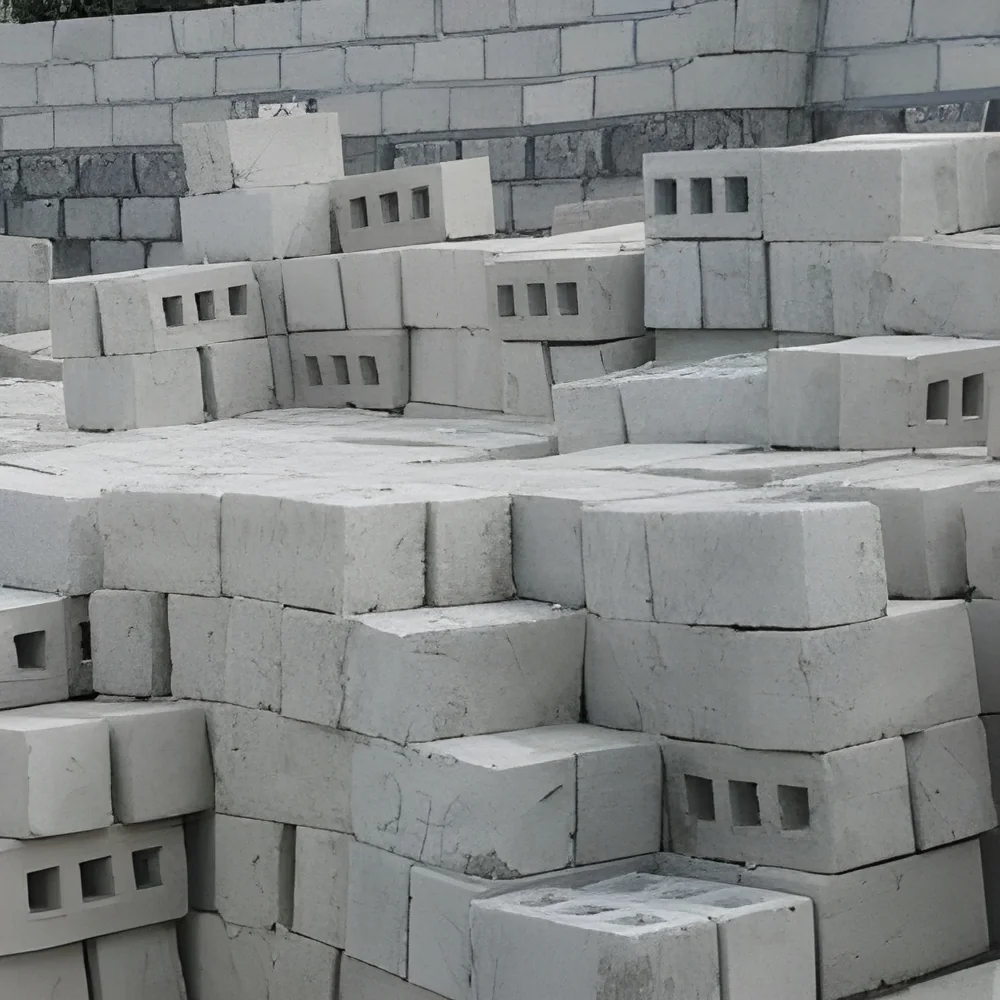
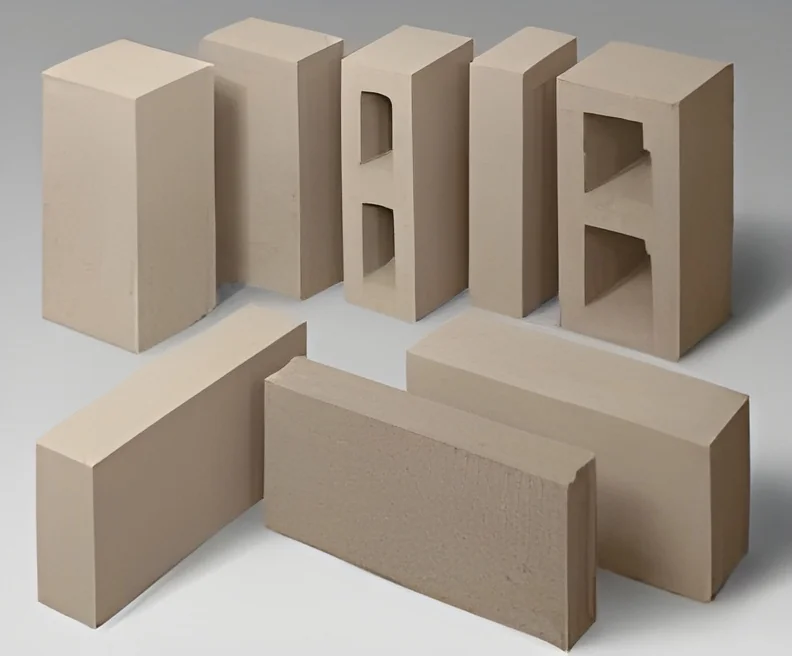
These blocks are dense and offer high compressive strength, making them suitable for load-bearing applications. They are commonly used in foundations and structural walls.
Hollow Concrete Blocks
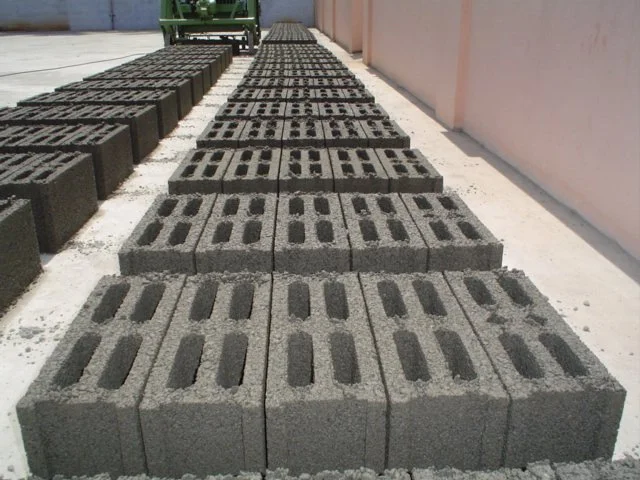
These blocks are lightweight and provide excellent insulation properties. Their hollow cores make them ideal for non-load-bearing walls and partitions, facilitating faster construction.
Benefits and Advantages
Concrete blocks offer numerous advantages that make them an ideal choice for construction projects.
1. Durability: Concrete blocks are resistant to weather, pests, and fire, ensuring a long lifespan for structures.
2. Cost-Effective: Their mass production leads to lower costs, making concrete blocks an economical building material.
3. Energy Efficiency: Hollow blocks provide better insulation, reducing energy costs for heating and cooling.
4. Versatility: Available in various sizes and shapes, concrete blocks can meet different design requirements.
5. Low Maintenance: Concrete blocks require minimal upkeep, reducing long-term maintenance costs.
6. Environmental Benefits: Made from natural materials, concrete blocks are recyclable and contribute to sustainable building practices.
Buying Guide for B2B Buyers
When sourcing concrete blocks, businesses should consider several key factors to ensure the right choice for their projects.
1. Quality Assessment: Evaluate the quality of concrete blocks by checking for certifications and conducting tests for compressive strength and water absorption.
2. Supplier Verification: Vet suppliers by reviewing their reputation, customer feedback, and compliance with industry standards.
3. Pricing and MOQ: Understand pricing structures and minimum order quantities to ensure budget alignment and project feasibility.
4. Delivery and Lead Times: Discuss logistics with suppliers to confirm delivery schedules and lead times, which can impact project timelines.
5. Compliance Requirements: Ensure that the blocks meet local and international regulations, including safety and environmental standards.
Compliance and Certifications
Concrete blocks are subject to various quality standards and certifications that ensure their reliability and safety. ISO 9001 is a widely recognized quality management standard that governs the production processes of concrete block manufacturers. Additionally, blocks may carry CE certification, indicating compliance with European safety regulations.
Safety and testing requirements for concrete blocks include assessments for fire resistance, compressive strength, and durability. Regional compliance considerations may vary, with specific standards set by local building codes and regulations. It is essential for buyers to verify that their selected blocks meet all necessary compliance standards to ensure safety and legal adherence.
Why Source Concrete Blocks (Solid & Hollow) from Pepagora?
Pepagora provides a trusted platform for sourcing concrete blocks, offering several key advantages to B2B buyers.
Verified Supplier Network: Pepagora connects buyers with a network of verified suppliers, ensuring quality and reliability in sourcing concrete blocks. Each supplier is vetted to maintain high standards in production.
Streamlined RFQ Process: The platform features an easy-to-use Request for Quotation (RFQ) system, allowing buyers to receive competitive quotes from multiple suppliers quickly.
Trade Assurance and Support: Pepagora offers trade assurance, providing peace of mind to buyers through protection mechanisms that ensure secure transactions and timely delivery.
Regional Coverage: Pepagora's extensive reach across India, the GCC, and Southeast Asia allows buyers to connect with local suppliers, facilitating efficient sourcing and logistics.
By choosing Pepagora for concrete block sourcing, businesses can expect quality, efficiency, and support throughout the procurement process.


 India
 India
 India
 India
 India
Frequently Asked Questions
What are Concrete Blocks (Solid & Hollow)?
Concrete Blocks (Solid & Hollow) are construction materials made from cement, aggregates, and water. Solid blocks are fully dense and provide high strength, while hollow blocks contain voids to reduce weight and improve insulation properties.
What are the different types of Concrete Blocks (Solid & Hollow)?
The main types include solid concrete blocks, which are dense with no cavities, and hollow concrete blocks, which have one or more cavities. There are also lightweight concrete blocks that are made with expanded aggregates for better insulation and soundproofing.
How do I choose the right Concrete Blocks (Solid & Hollow)?
Selecting the right concrete blocks depends on the intended application, structural requirements, and insulation needs. Consider factors like load-bearing capacity, thermal performance, and the specific building codes relevant to your project.
What are the standard specifications for Concrete Blocks (Solid & Hollow)?
Standard specifications for concrete blocks typically include dimensions, compressive strength, and density. Common sizes include 400mm x 200mm x 200mm for solid blocks and similar dimensions for hollow blocks, while strength is usually measured in MPa.
What is the price range for Concrete Blocks (Solid & Hollow)?
The price of concrete blocks varies based on type, size, and local market conditions. Generally, the price range for solid and hollow concrete blocks in India can be between INR 30 to INR 100 per block.
What quality standards apply to Concrete Blocks (Solid & Hollow)?
Concrete blocks must adhere to standards set by organizations like the Bureau of Indian Standards (BIS). Quality parameters include compressive strength, water absorption, and dimensional tolerances to ensure durability and structural integrity.
Where can I find Concrete Blocks (Solid & Hollow) suppliers in India?
You can find suppliers of concrete blocks through online B2B marketplaces, construction material suppliers, or local building material stores. Platforms like Pepagora.com provide a directory of manufacturers and suppliers in India.
Can Concrete Blocks (Solid & Hollow) be customized?
Yes, concrete blocks can be customized in terms of size, shape, and design to meet specific project requirements. Consult with manufacturers to discuss customization options, including color and texture.
What is the typical minimum order quantity for Concrete Blocks (Solid & Hollow)?
The minimum order quantity (MOQ) for concrete blocks generally ranges from 50 to 100 blocks, depending on the supplier. It is advisable to check with individual suppliers for their specific MOQ policies.
What is the typical lead time for Concrete Blocks (Solid & Hollow)?
The lead time for concrete blocks can vary, but it generally ranges from 1 to 4 weeks depending on availability and order size. Always confirm lead times with suppliers to ensure timely delivery.
Why Businesses Trust Pepagora
Thousands of companies trust Pepagora to source smarter and sell faster
Expand Your Sales Globally

Source Smarter,Grow Faster
