
 IN
Chana Dal
2 products available
What are Chana Dal?
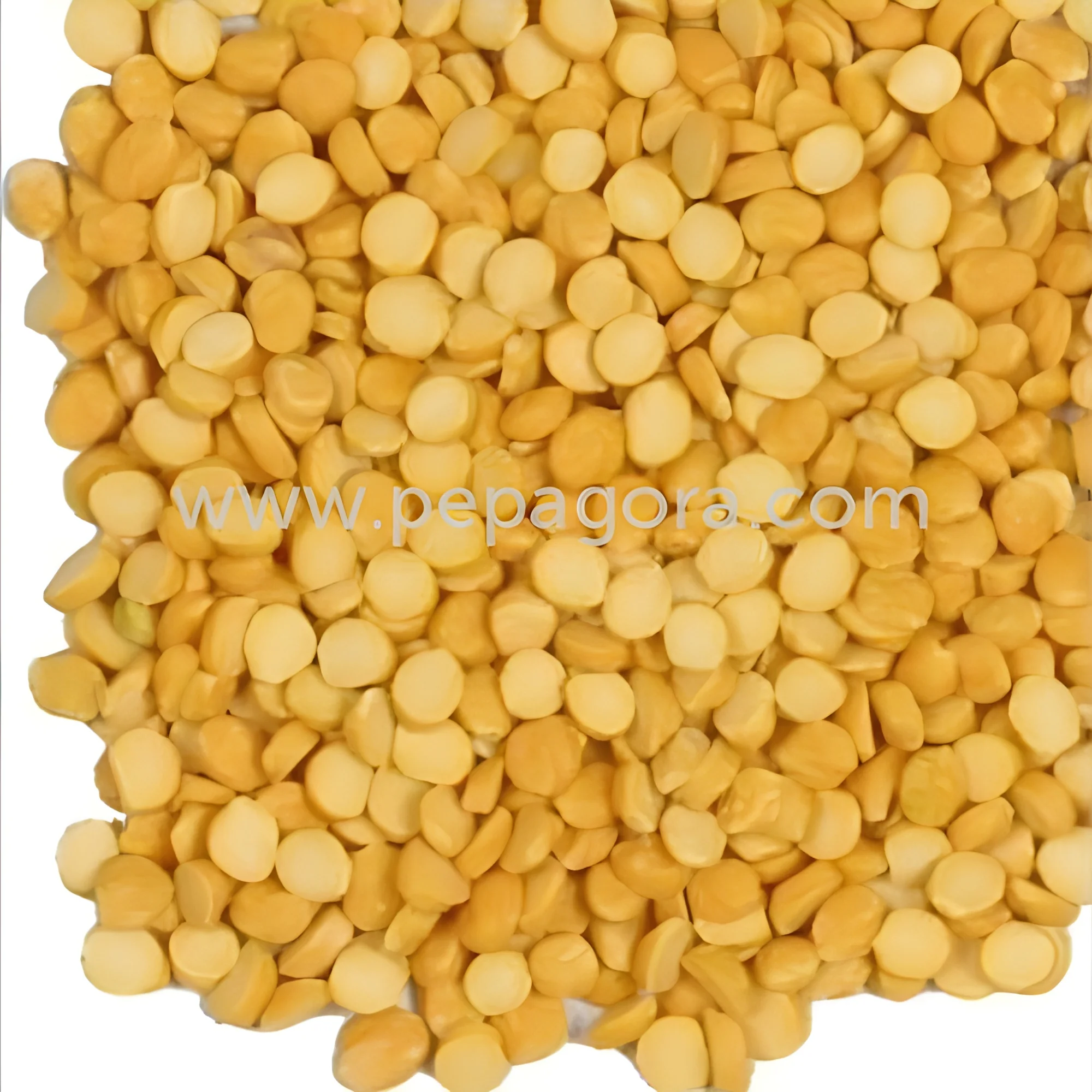
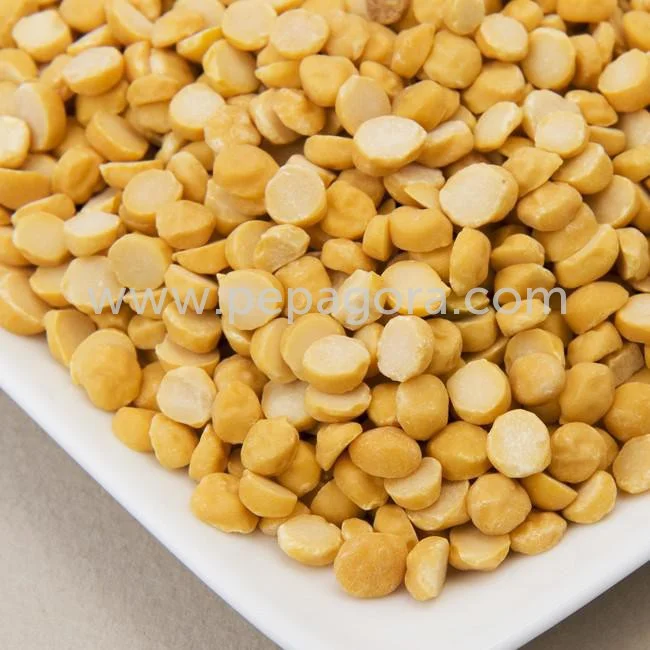
Chana Dal, also known as split chickpeas, is a popular legume in many Asian cuisines, particularly in Indian cooking. It is derived from the desi chickpea, which is hulled and split to create the yellow lentils. Chana Dal is known for its rich protein content and is often used as a staple ingredient in various dishes, from curries to soups. Its nutty flavor and firm texture make it a versatile addition to both vegetarian and non-vegetarian meals.
In the business context, Chana Dal is widely used in the food industry, particularly among manufacturers of snacks and ready-to-eat meals. Its high protein content makes it an attractive option for health-conscious consumers. Additionally, Chana Dal is a key ingredient in various traditional dishes, which keeps its demand steady across different markets. With the growing trend of plant-based diets and increasing awareness about healthy eating, the market for Chana Dal continues to expand, making it a relevant product for suppliers and manufacturers in the food industry.
Key Features and Specifications
Chana Dal is characterized by its unique properties that make it suitable for various applications in the food industry. Its nutritional profile, flavor, and cooking qualities are critical factors in its commercial value.
Key specifications include:
1. Nutritional Content
- High in protein, providing approximately 25 grams per 100 grams.
- Rich in dietary fiber, essential vitamins, and minerals.
2. Moisture Content
- Typically ranges from 10% to 12% to ensure optimal shelf life.
- Required to be monitored to prevent spoilage.
3. Color and Appearance
- Uniform yellow color with a firm texture.
- Free from foreign materials and discoloration.
4. Packaging
- Available in bulk packaging or retail packages.
- Must be sealed properly to maintain freshness.
5. Shelf Life
- Generally has a shelf life of 12 months when stored in a cool, dry place.
- Storage conditions can affect longevity.
6. Cooking Time
- Quick-cooking variety takes approximately 30-40 minutes to prepare.
- Pre-soaking may reduce cooking time.
7. Flavor Profile
- Distinct nutty flavor that enhances the taste of dishes.
- Versatile for both savory and sweet preparations.
8. Culinary Uses
- Commonly used in soups, curries, and as a base for snacks.
- Adaptable for various cooking methods including boiling, frying, and baking.
In summary, understanding the features and specifications of Chana Dal is essential for buyers to ensure they meet the necessary quality and performance standards for their applications.
Common Applications and Use Cases
Chana Dal serves various industries, primarily in the food sector.
1. Food Manufacturing: Chana Dal is utilized in the production of snacks, protein bars, and ready-to-eat meals due to its high protein content and flavor.
2. Restaurant Industry: Many restaurants incorporate Chana Dal in their vegetarian dishes, offering nutritious options that cater to health-conscious diners.
3. Export Market: Countries importing Chana Dal often use it in traditional dishes, making it a valuable export product for agricultural producers.
4. Health Food Products: With the rise of plant-based diets, Chana Dal is increasingly featured in health food products such as vegan protein powders and gluten-free alternatives.
5. Animal Feed: In some cases, Chana Dal by-products are used in animal feed, providing a protein-rich option for livestock.
6. Culinary Education: Cooking schools and culinary institutions teach the use of Chana Dal in various cuisines, promoting its versatility.
7. Organic Food Market: Chana Dal is also available in organic varieties, appealing to consumers focused on organic diets.
Product Variants and Subcategories
Chana Dal offers a range of product variants to cater to different culinary needs and preferences.
Whole Chana Dal: This variant consists of unhulled chickpeas and retains more nutrients and fiber. It is commonly used in traditional dishes and is favored for its health benefits.
Split Chana Dal: This version is hulled and split, making it quicker to cook. It is ideal for soups and curries, providing a creamy texture upon cooking.
Roasted Chana Dal: Roasted versions are often used as snacks or garnishes, adding a crunchy element to dishes while enhancing flavor.
Organic Chana Dal: This variant is grown without synthetic fertilizers or pesticides, appealing to the health-conscious and environmentally aware consumers.
Benefits and Advantages
Chana Dal provides several benefits that make it an attractive option for B2B buyers.
1. High Protein Content: Chana Dal is an excellent source of plant-based protein, making it ideal for health-focused food products.
2. Nutritional Value: Rich in fiber and essential nutrients, it contributes to a balanced diet and supports digestive health.
3. Versatile Ingredient: Its adaptability in various cuisines allows businesses to create diverse product offerings.
4. Cost-Effective: Compared to other protein sources, Chana Dal is often more affordable, making it an economical choice for manufacturers.
5. Long Shelf Life: Properly stored Chana Dal has a long shelf life, reducing waste and ensuring availability for manufacturers.
6. Sustainable Option: As a plant-based product, Chana Dal aligns with the increasing demand for sustainable food sources.
Buying Guide for B2B Buyers
When sourcing Chana Dal, consider the following factors to ensure quality and reliability.
1. Quality Assessment: Ensure that the Chana Dal meets industry standards for nutritional content and appearance. Conduct sample testing for flavor and cooking properties.
2. Supplier Verification: Vet potential suppliers by checking references, certifications, and compliance with food safety regulations. Look for reliable delivery and consistent product quality.
3. Pricing and MOQ: Understand the pricing structure and minimum order quantities (MOQ) to find a supplier that meets your budget and volume needs.
4. Delivery and Lead Times: Discuss logistics and lead times with suppliers to ensure timely delivery and avoid production delays.
5. Compliance Requirements: Ensure that the products meet necessary regulatory standards for food safety, including certifications such as CE and local compliance requirements.
Compliance and Certifications
Compliance with quality standards is critical in the sourcing of Chana Dal. Key certifications include ISO 9001 for quality management systems, ensuring consistent product quality. HACCP (Hazard Analysis Critical Control Point) certifications are essential for food safety, outlining procedures to identify and control potential hazards.
CE certification may also apply, indicating that the product meets European health, safety, and environmental protection standards. In addition, suppliers should adhere to safety and testing requirements relevant to the food industry. Regional compliance considerations may vary, so it is important to understand local regulations for food products.
Why Source Chana Dal from Pepagora?
Pepagora provides a trusted platform for sourcing Chana Dal, offering several key advantages to buyers.
Verified Supplier Network: Pepagora connects buyers with a network of verified suppliers, ensuring that you source high-quality Chana Dal from reputable providers. Each supplier is vetted for quality and compliance, giving you peace of mind.
Streamlined RFQ Process: The platform features an efficient Request for Quotation (RFQ) system that simplifies the sourcing process. Buyers can easily compare quotes from multiple suppliers, enabling informed purchasing decisions.
Trade Assurance and Support: Pepagora offers trade assurance and support, protecting buyers throughout the purchasing process. This includes assistance with negotiations and addressing any issues that may arise.
Regional Coverage: With a strong presence in India, the GCC, and Southeast Asia, Pepagora provides extensive regional coverage. This allows buyers to tap into local markets and benefit from competitive pricing while ensuring reliable supply chains.


 India
Frequently Asked Questions
What are Chana Dal?
<p>Chana Dal is a split pulse made from chickpeas, specifically the desi variety. It is a popular ingredient in Indian cuisine, known for its high protein content and rich flavor. Chana Dal is often used in various dishes, including soups, curries, and snacks.</p>
What are the different types of Chana Dal?
<p>Chana Dal primarily comes in two varieties: the yellow split chickpeas and the whole chickpeas that are split. The yellow variety is more commonly used in cooking, while the whole chickpeas are often used for making flour or snacks. Additionally, there can be variations based on the region and processing methods.</p>
How do I choose the right Chana Dal?
<p>When selecting Chana Dal, look for clean, whole, and uniform grains without any discoloration or impurities. Check for freshness by examining the packaging date and ensuring the product is free from pests or moisture. Sourcing from reputable suppliers can also ensure quality and consistency.</p>
What are the standard specifications for Chana Dal?
<p>The standard specifications for Chana Dal typically include moisture content, protein percentage, and size of the split pulses. Generally, high-quality Chana Dal should have a moisture content of less than 14%, a protein content of around 22-25%, and consistent size for even cooking.</p>
What is the price range for Chana Dal?
<p>The price of Chana Dal can vary based on factors such as quality, supplier, and market demand. Generally, the price range is between INR 60 to INR 120 per kilogram, but it can fluctuate based on seasonal availability and sourcing locations.</p>
What quality standards apply to Chana Dal?
<p>Chana Dal must comply with various quality standards set by food safety authorities for factors such as purity, moisture content, and absence of contaminants. It is often graded based on its size, color, and nutritional content, ensuring it meets the expectations of consumers and businesses alike.</p>
Where can I find Chana Dal suppliers in India?
<p>You can find Chana Dal suppliers in India through B2B marketplaces like Pepagora, local wholesalers, and agricultural trade fairs. Online platforms often provide a comprehensive list of manufacturers and distributors, allowing you to compare products and prices easily.</p>
Can Chana Dal be customized?
<p>Yes, Chana Dal can be customized based on specific requirements such as packaging sizes, quality grades, and processing methods. Suppliers may offer options for bulk orders tailored to meet the unique needs of their clients, including private labeling for businesses.</p>
What is the typical minimum order quantity for Chana Dal?
<p>The typical minimum order quantity (MOQ) for Chana Dal can vary by supplier, but it usually ranges from 100 to 500 kilograms. It's advisable to check with individual suppliers for their specific MOQs, as they may differ based on the scale of operations and product availability.</p>
What is the typical lead time for Chana Dal?
<p>The typical lead time for Chana Dal can range from 3 to 14 days, depending on the supplier and order size. Factors such as processing time, packaging, and shipping logistics can also influence the lead time, so it is essential to communicate with the supplier for accurate timelines.</p>
Why Businesses Trust Pepagora
Thousands of companies trust Pepagora to source smarter and sell faster
Expand Your Sales Globally

Source Smarter,Grow Faster
