
 IN
Black Gram (Urad)
2 products available
Key Features and Specifications
Black Gram offers various features that make it a valuable product for businesses. Its specifications are critical for understanding quality and suitability for different applications.
Key specifications include:
1. Nutritional Profile
- High in protein content, typically around 25-30%
- Rich in dietary fiber, essential vitamins, and minerals
2. Color and Appearance
- Small, black seeds with a shiny surface
- Uniform size for consistent quality
3. Moisture Content
- Ideal moisture content is generally between 10-13%
- Essential for maintaining shelf life and preventing spoilage
4. Packaging
- Available in bulk and retail packaging options
- Packaging materials should ensure moisture and pest resistance
5. Shelf Life
- Typically has a shelf life of 12 months when stored properly
- Requires cool and dry storage conditions
6. Origin
- Sourced from regions known for high-quality cultivation
- Traceability to ensure quality assurance
7. Certification
- CE certified, ensuring compliance with safety and quality standards
In summary, understanding the features and specifications of Black Gram is essential for businesses looking to incorporate this valuable ingredient into their products.
Common Applications and Use Cases
Black Gram has a wide range of applications across various industries, making it a versatile ingredient.
1. Food Industry: Black Gram is primarily used in the food sector for preparing traditional dishes such as dals, idlis, and dosas. Its high protein content makes it a preferred ingredient in vegetarian and health-focused products.
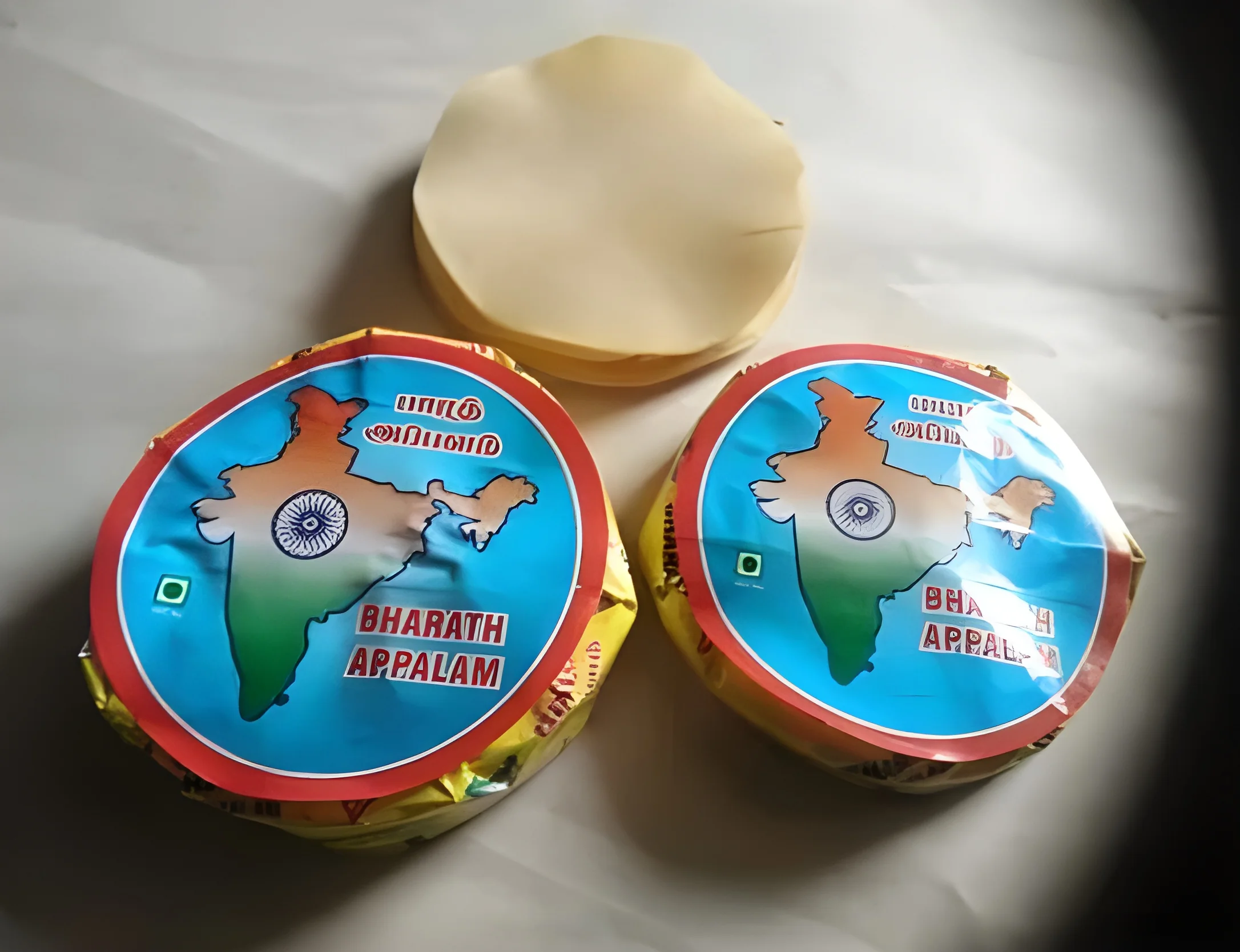
2. Snacks and Confectionery: It is also utilized in the production of various snacks, including papads and chips, where its unique flavor and texture add value to the final product.
3. Nutraceuticals: Due to its rich nutritional profile, Black Gram is often included in dietary supplements and health products aimed at enhancing protein intake.
4. Animal Feed: Black Gram can be processed into feed for livestock, contributing to the nutritional needs of animals.
5. Export Markets: Countries importing Black Gram are increasingly interested in its quality and nutritional benefits, leading to its growing presence in global trade.
6. Culinary Innovations: With the rise of plant-based diets, Black Gram is being explored in innovative culinary applications, including meat substitutes and protein-rich snacks.
7. Traditional Medicine: In some cultures, Black Gram is also used in traditional remedies and health practices, highlighting its cultural significance.
Product Variants and Subcategories
Black Gram comes in various forms, allowing businesses to choose the right variant for their needs.
Whole Black Gram: This is the unprocessed form of the pulse, retaining all its nutrients. It is commonly used in traditional cooking and is favored for its health benefits.
Split Black Gram (Urad Dal): This variant is the de-husked and split version of the whole Black Gram. It is widely used in dals and curries, offering a softer texture and quicker cooking time.
Flour (Urad Atta): Ground Black Gram is available as flour, which is used in the preparation of various batters, including those for idlis and dosas, enhancing the nutritional profile of baked goods.
Benefits and Advantages
Sourcing Black Gram offers several benefits to businesses and consumers alike.
1. High Nutritional Value: Black Gram is an excellent source of protein, making it an ideal ingredient for health-conscious consumers and vegetarian diets.
2. Versatility: Its diverse applications across various industries allow businesses to innovate and create a wide range of products.
3. Sustainability: As a legume, Black Gram contributes to soil health and is considered an environmentally friendly crop.
4. Economic Viability: The growing demand for plant-based proteins creates significant market opportunities for suppliers and manufacturers.
5. Cultural Relevance: Black Gram holds cultural significance in many regions, allowing businesses to tap into traditional markets.
6. Health Benefits: Regular consumption of Black Gram is associated with various health benefits, including improved digestion and heart health.
Buying Guide for B2B Buyers
When sourcing Black Gram, businesses should consider several key factors to ensure they make informed decisions.
1. Quality Assessment: Evaluate the nutritional profile, appearance, and moisture content of Black Gram. Conduct laboratory tests to confirm quality standards.
2. Supplier Verification: Vet suppliers to ensure they have a good reputation and comply with industry standards. Look for certifications such as CE to ensure product quality.
3. Pricing and MOQ: Understand the pricing structure and minimum order quantities required by suppliers. Compare prices from multiple sources to ensure competitive rates.
4. Delivery and Lead Times: Confirm logistics and delivery times with suppliers to ensure timely availability of products. Consider local suppliers for quicker turnaround.
5. Compliance Requirements: Ensure that the Black Gram meets regional and international compliance standards. This may include food safety certifications and quality assurance processes.
Compliance and Certifications
Black Gram must adhere to various compliance and certification standards to ensure quality and safety.
Relevant quality standards include ISO 9001, which establishes criteria for a quality management system. This standard helps ensure that products consistently meet customer and regulatory requirements.
HACCP (Hazard Analysis Critical Control Point) is another important standard applicable to food products. It focuses on preventing hazards in food production and handling processes, ensuring that Black Gram is safe for consumption.
Additionally, the product complies with CE certification, which indicates that it meets European Union safety, health, and environmental protection standards.
Safety and testing requirements are critical, as businesses must ensure that their products are free from contaminants and safe for consumer use. Regular testing for pesticide residues and microbiological contaminants is advisable.
Regional compliance considerations may vary, so businesses should be aware of specific regulations in their target markets, ensuring that their sourcing practices align with local laws.
Why Source Black Gram (Urad) from Pepagora?
Pepagora provides a trusted platform for sourcing Black Gram with several key advantages that make it an ideal choice for B2B buyers.
Verified Supplier Network: Pepagora connects buyers with a network of verified suppliers. This network ensures that businesses can source high-quality Black Gram from reputable producers.
Streamlined RFQ Process: The platform offers a streamlined Request for Quotation process, enabling buyers to receive competitive quotes efficiently. This process facilitates better pricing and options for sourcing.
Trade Assurance and Support: Pepagora guarantees buyer protection through trade assurance mechanisms, ensuring that transactions are secure and that quality standards are met.
Regional Coverage: With a strong presence in India, the GCC, and Southeast Asia, Pepagora provides extensive geographic coverage. This reach allows businesses to tap into diverse markets and respond to local demand effectively.
Overall, sourcing Black Gram from Pepagora offers businesses a reliable pathway to access quality products while fostering growth and innovation in their offerings.


 India
Frequently Asked Questions
What are Black Gram (Urad)?
Black Gram, scientifically known as Vigna mungo, is a leguminous pulse widely cultivated in India. It is rich in protein, fiber, and essential nutrients, making it a popular ingredient in various dishes, including dals and snacks.
What are the different types of Black Gram (Urad)?
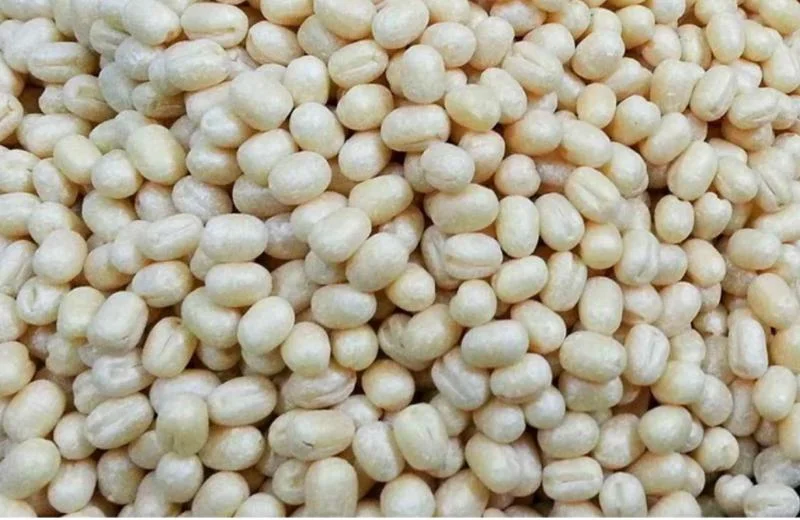
There are primarily two types of Black Gram: whole Black Gram and split Black Gram (Urad dal). Whole Black Gram retains its outer black skin, while split Black Gram is hulled and has a creamy white interior.
How do I choose the right Black Gram (Urad)?
When selecting Black Gram, consider factors such as size, color, and moisture content. High-quality Black Gram should be uniform in size, have a shiny appearance, and be free from impurities.
What are the standard specifications for Black Gram (Urad)?
Standard specifications for Black Gram include moisture content of less than 14%, a maximum of 2% foreign matter, and a minimum protein content of about 20%. These specifications ensure quality and suitability for consumption.
What is the price range for Black Gram (Urad)?
The price of Black Gram can vary based on quality, season, and market demand. Generally, the price range can be anywhere from INR 50 to INR 150 per kilogram in India.
What quality standards apply to Black Gram (Urad)?
Quality standards for Black Gram are set by various agricultural and food safety organizations in India. These standards include parameters for moisture, purity, and absence of pests or diseases.
Where can I find Black Gram (Urad) suppliers in India?
You can find Black Gram suppliers in India through online B2B marketplaces like Pepagora.com, agricultural trade fairs, and local wholesale markets. These platforms often list verified manufacturers and distributors.
Can Black Gram (Urad) be customized?
Yes, Black Gram can be customized in terms of packaging and processing according to buyer specifications. Some suppliers may also offer variations in size and quality based on customer requirements.
What is the typical minimum order quantity for Black Gram (Urad)?
The typical minimum order quantity (MOQ) for Black Gram varies among suppliers, but it generally ranges from 50 kg to 500 kg. It's advisable to check with specific suppliers for their MOQ policies.
What is the typical lead time for Black Gram (Urad)?
The typical lead time for Black Gram orders can range from 1 to 4 weeks, depending on the supplier's inventory and the order size. Factors such as location and shipping method can also affect delivery time.
Why Businesses Trust Pepagora
Thousands of companies trust Pepagora to source smarter and sell faster
Expand Your Sales Globally

Source Smarter,Grow Faster
