
 IN
Basmati Rice
56 products available
What are Basmati Rice?
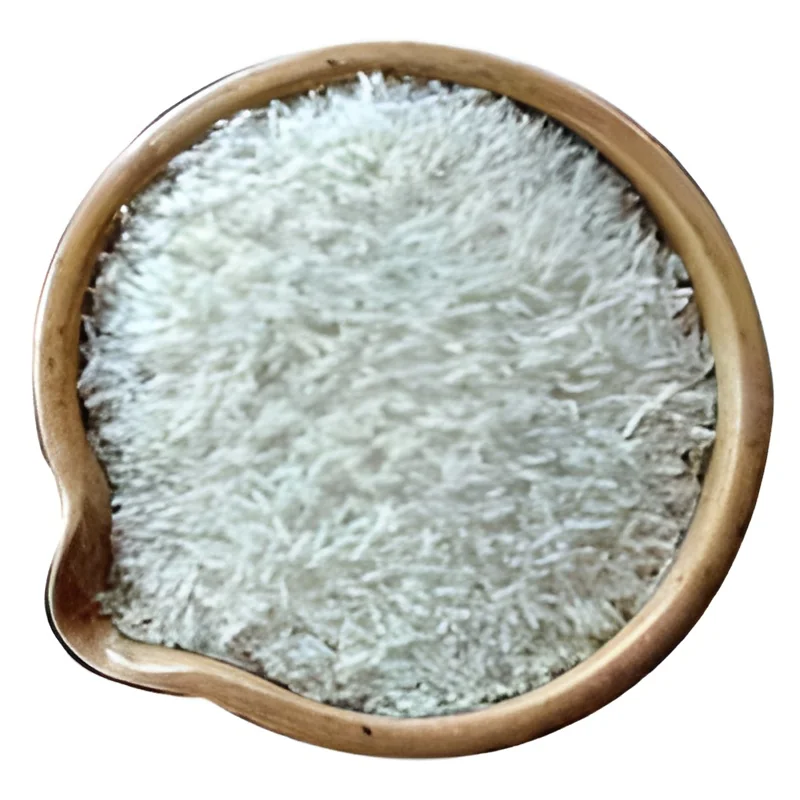
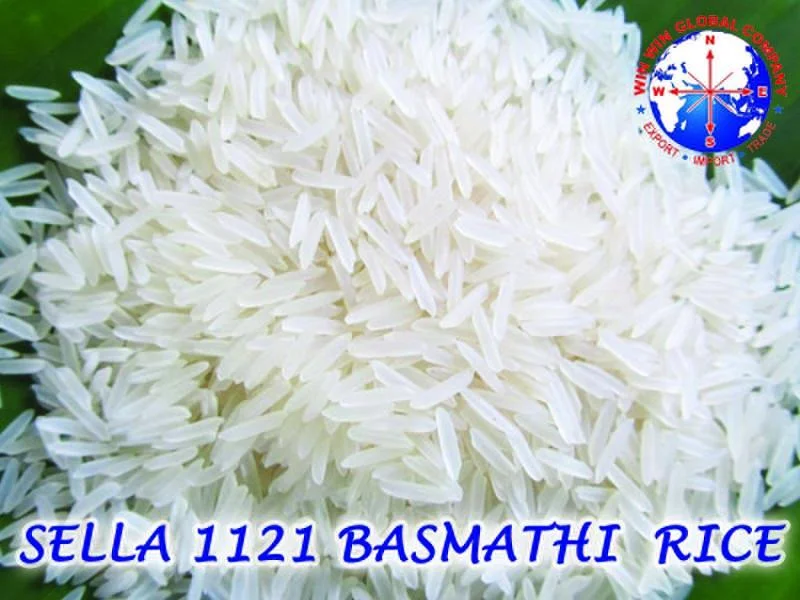
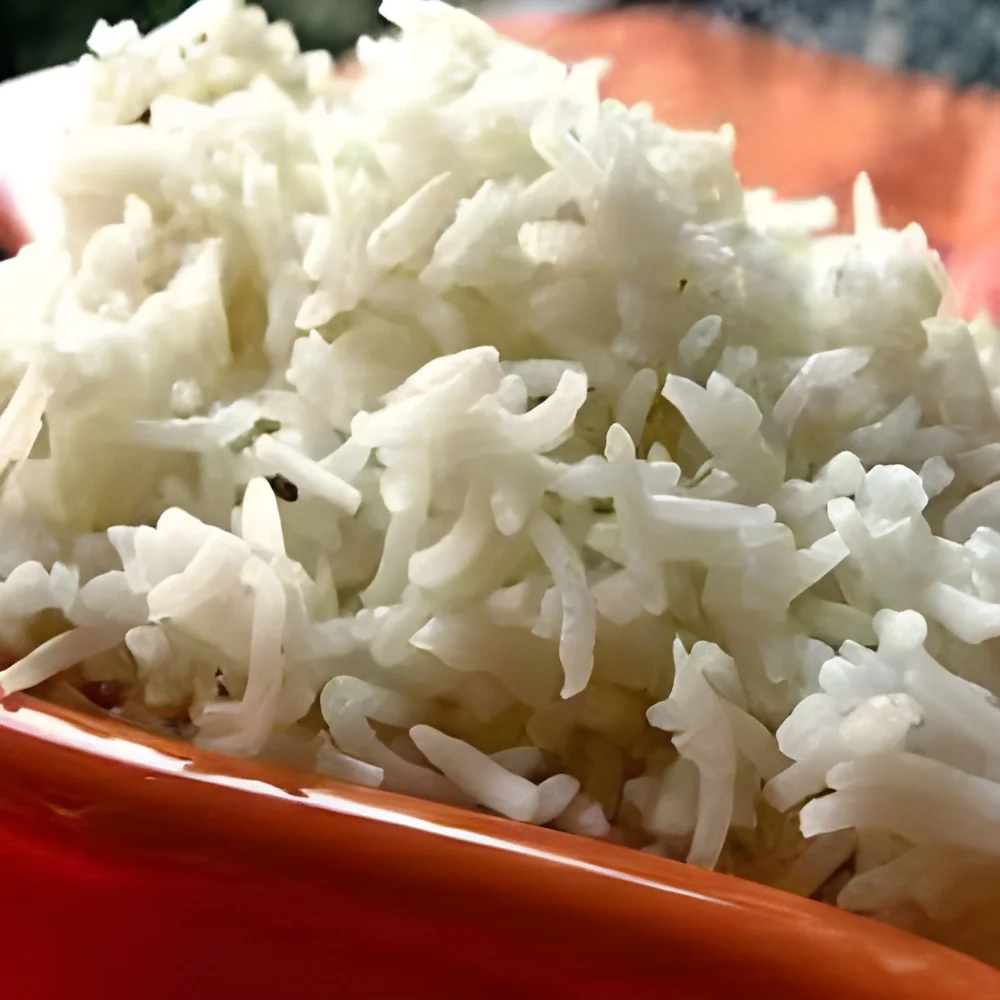
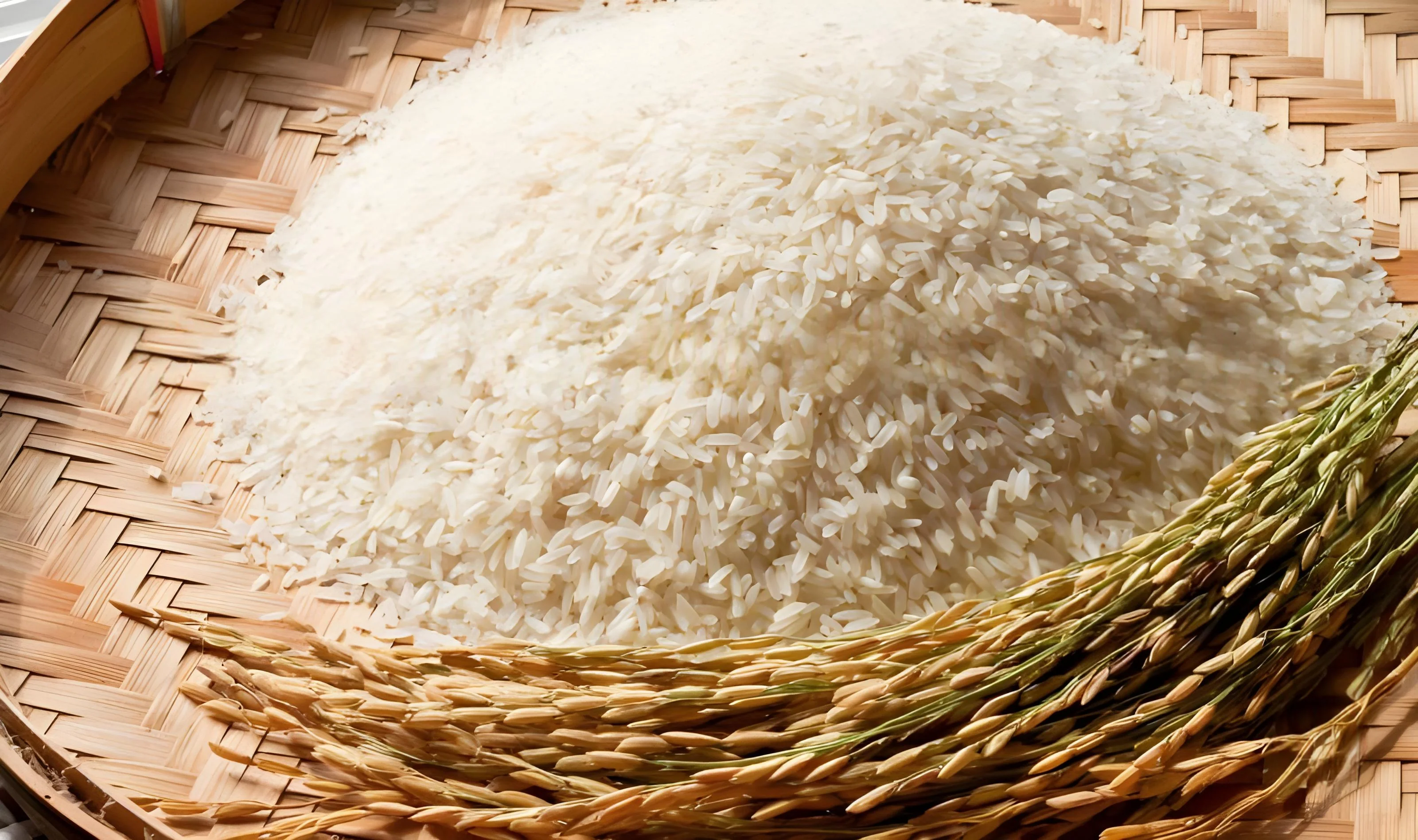
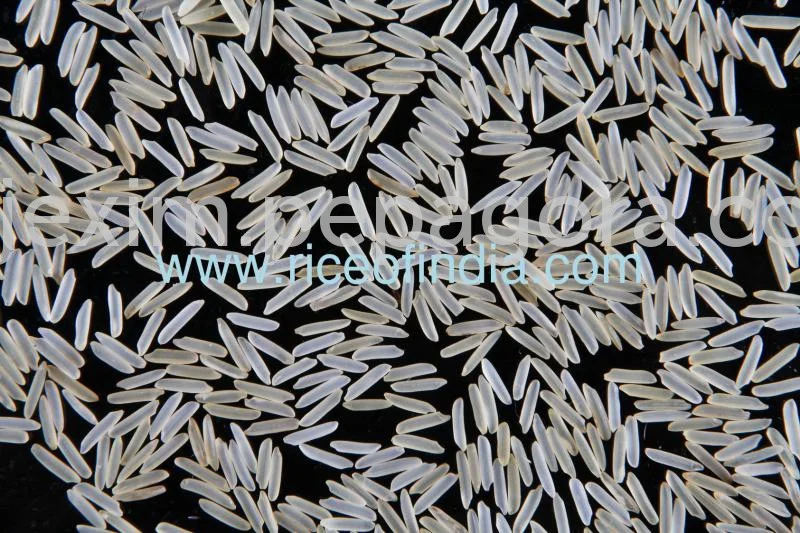
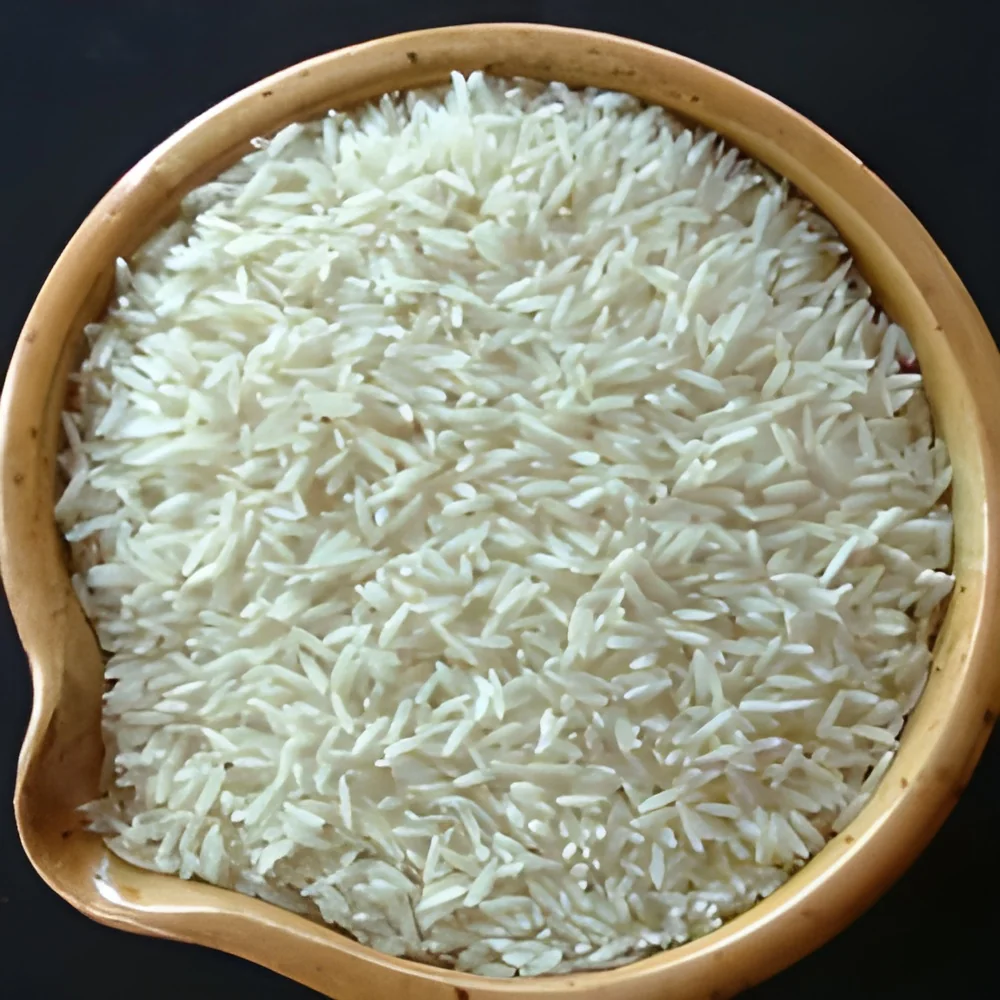
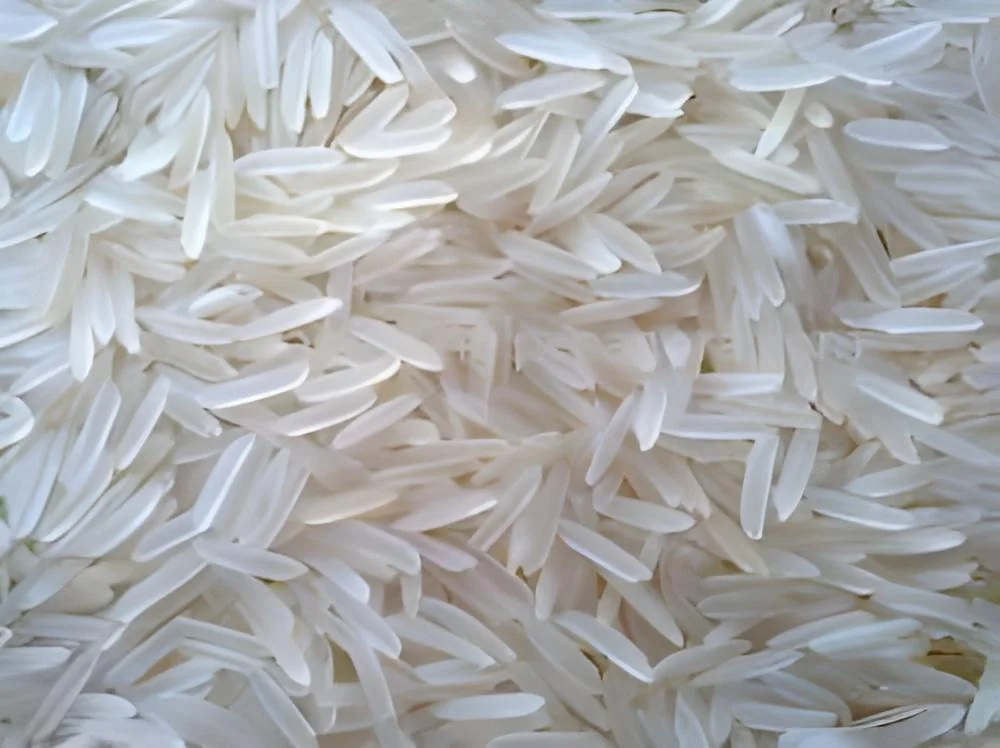
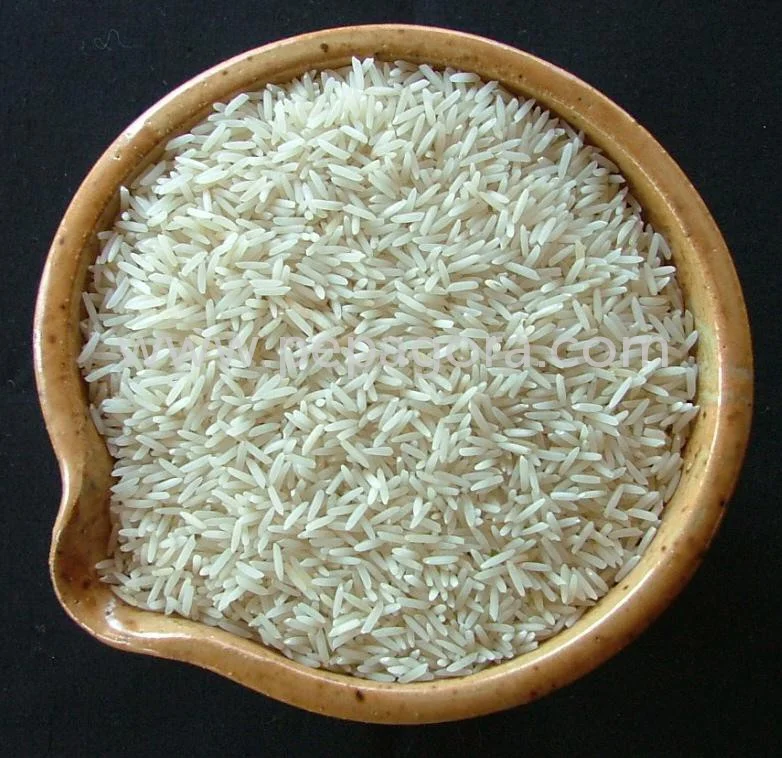
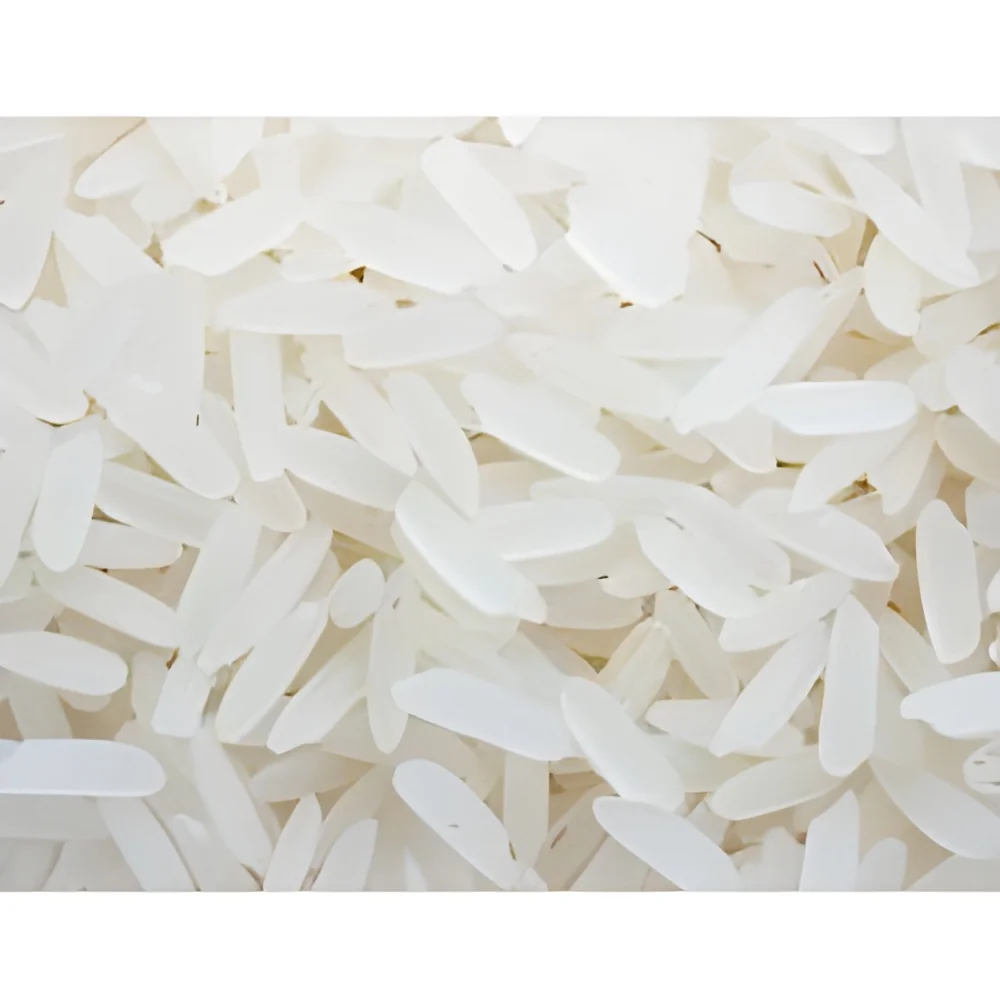
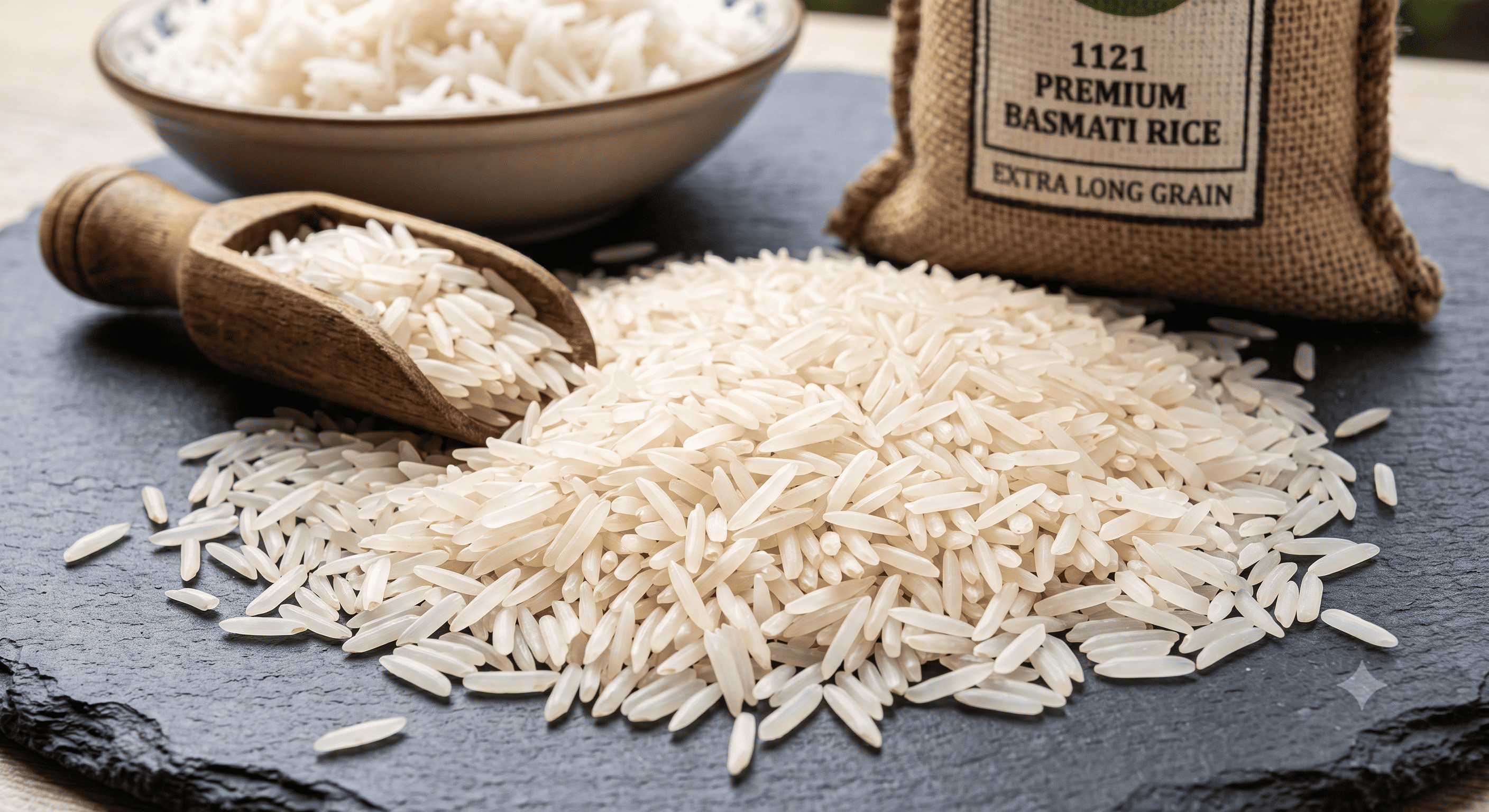
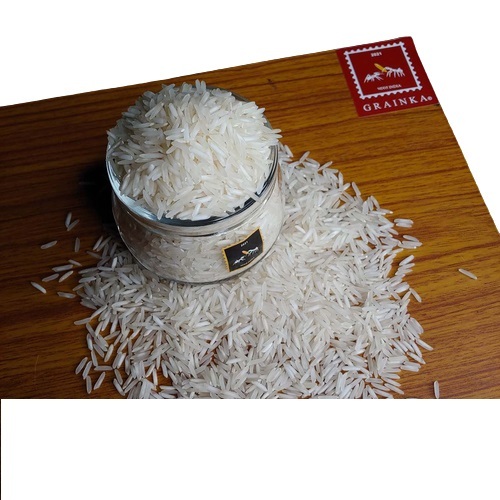
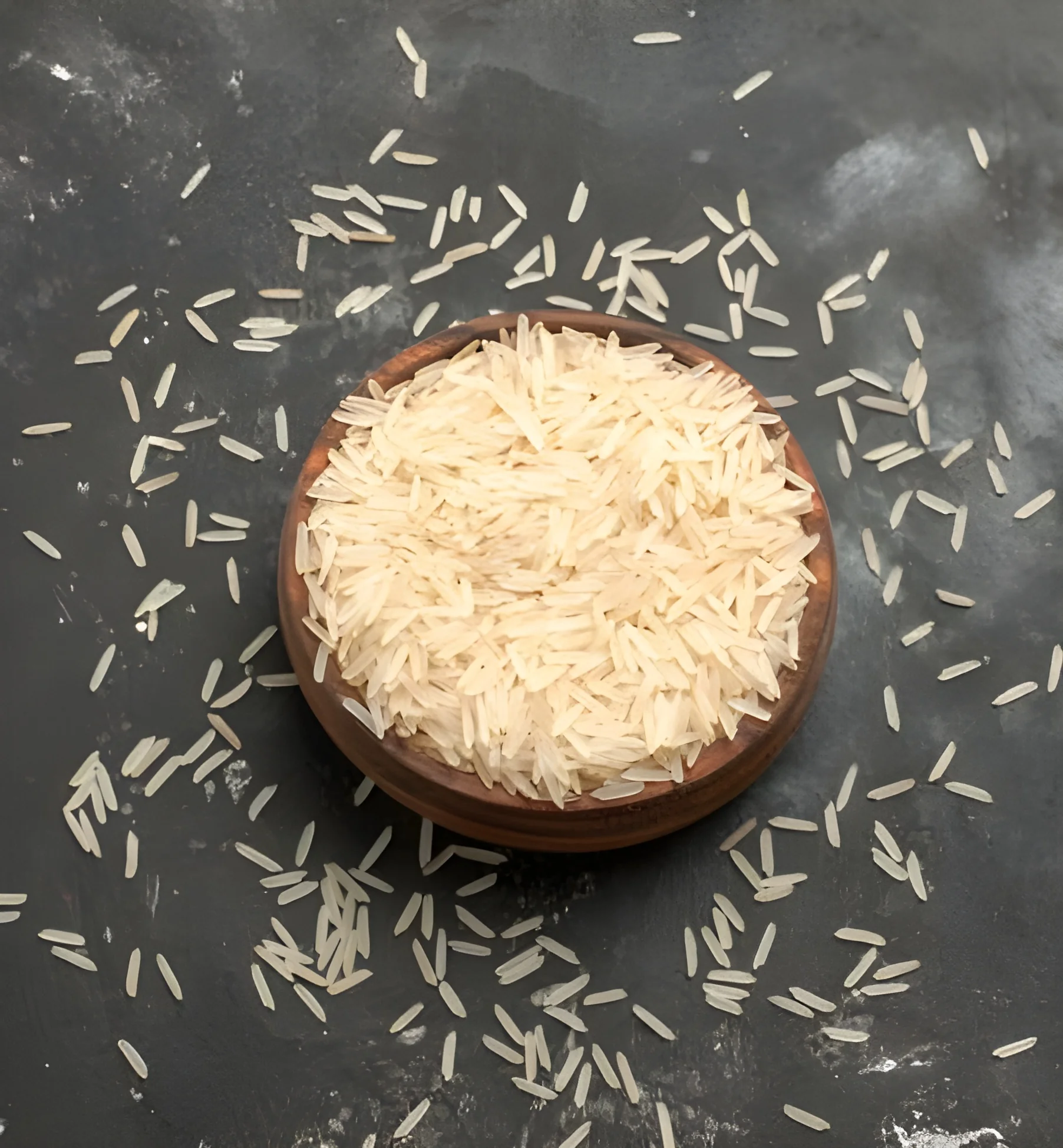
Basmati rice is a long-grain variety of rice known for its unique aroma and delicate flavor. Originating from the Indian subcontinent, it is primarily grown in the Himalayan regions of India and Pakistan. Basmati rice has a distinct texture that becomes fluffy and separate when cooked, making it a preferred choice for various culinary applications. The name "Basmati" means "fragrant" in Sanskrit, which reflects its appealing scent.
In the business context, Basmati rice is widely used in restaurants, catering services, and food processing industries. It is commonly featured in dishes such as biryani, pilaf, and various traditional Indian cuisines. The demand for Basmati rice has expanded globally, with many consumers seeking authentic and high-quality rice products. This has led to a growing market for Basmati rice, especially in regions with significant South Asian populations.
As the global market for premium grains increases, Basmati rice holds a prominent position due to its quality and distinctive characteristics. The rice is often subject to strict quality control measures, ensuring that it meets international standards. This relevance in the agricultural and food sectors makes Basmati rice a valuable product for businesses looking to cater to diverse consumer tastes.
Key Features and Specifications
Basmati rice offers several key features that make it a popular choice in the culinary world. Its unique characteristics and specifications are essential for businesses to understand when sourcing this product.
Key specifications include:
1. Grain Length
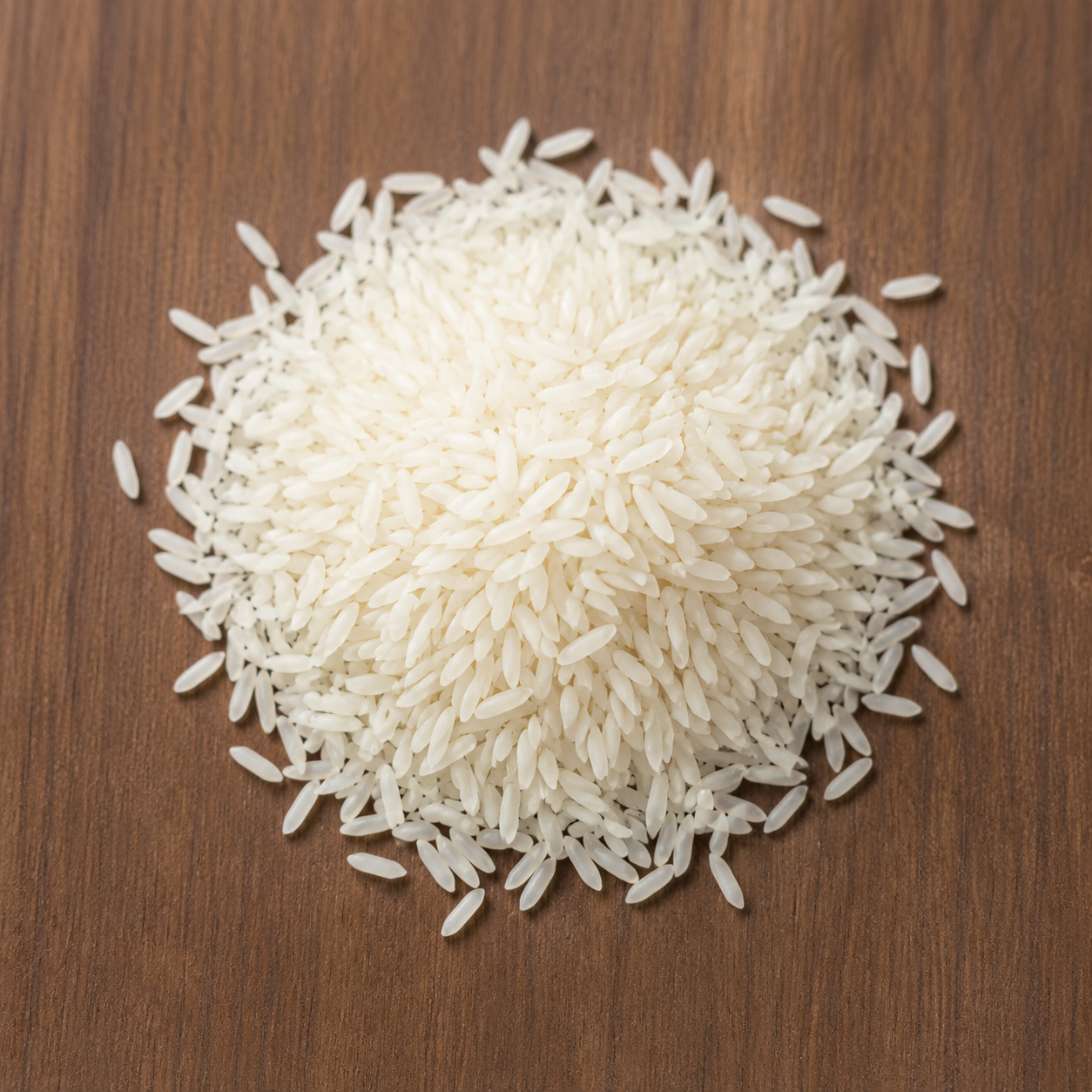
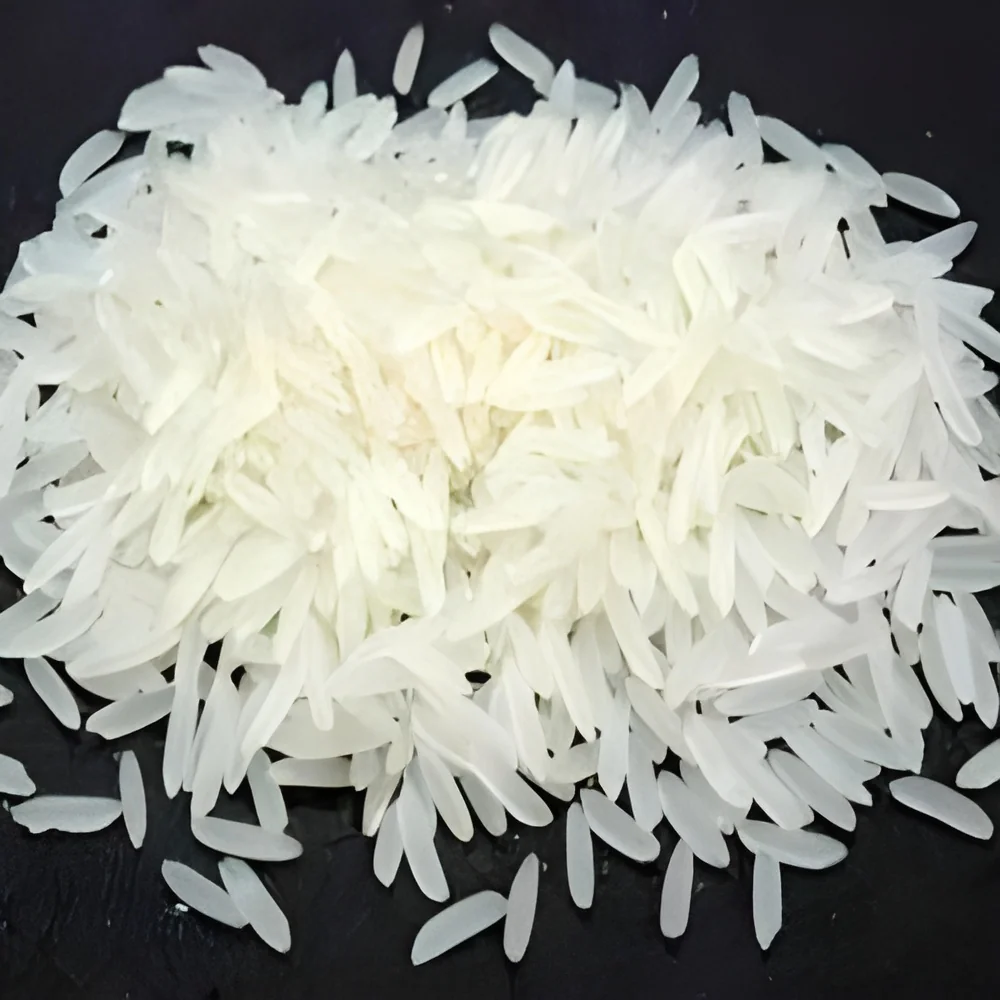
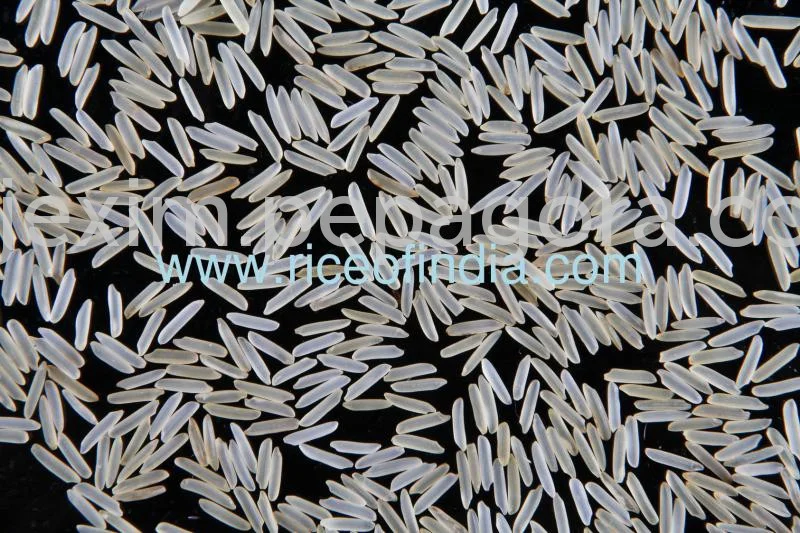
- Basmati rice grains are typically 6 to 8 mm long.
- The elongated structure contributes to its fluffy texture upon cooking.
2. Aroma
- Basmati rice is known for its distinct and fragrant aroma.
- It contains natural compounds that enhance its scent during cooking.
3. Cooking Time
- The average cooking time for Basmati rice ranges from 15 to 20 minutes.
- Proper soaking prior to cooking can improve texture and reduce cooking time.
4. Moisture Content
- Optimal moisture content for Basmati rice is around 12% to 14%.
- Maintaining this range is crucial for quality and shelf life.
5. Color
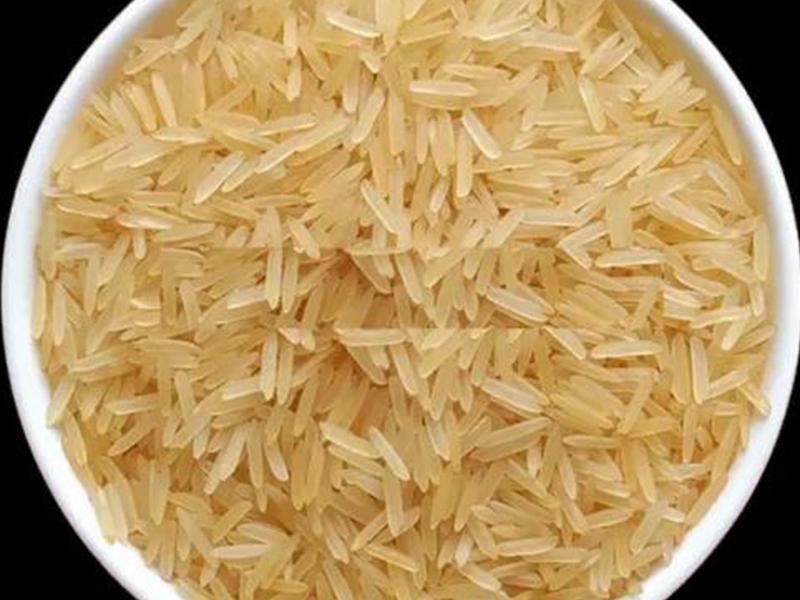
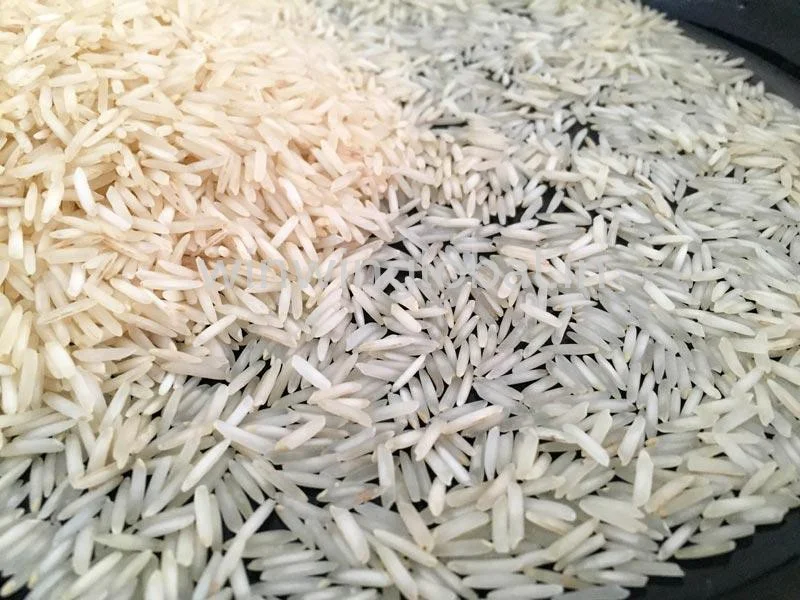
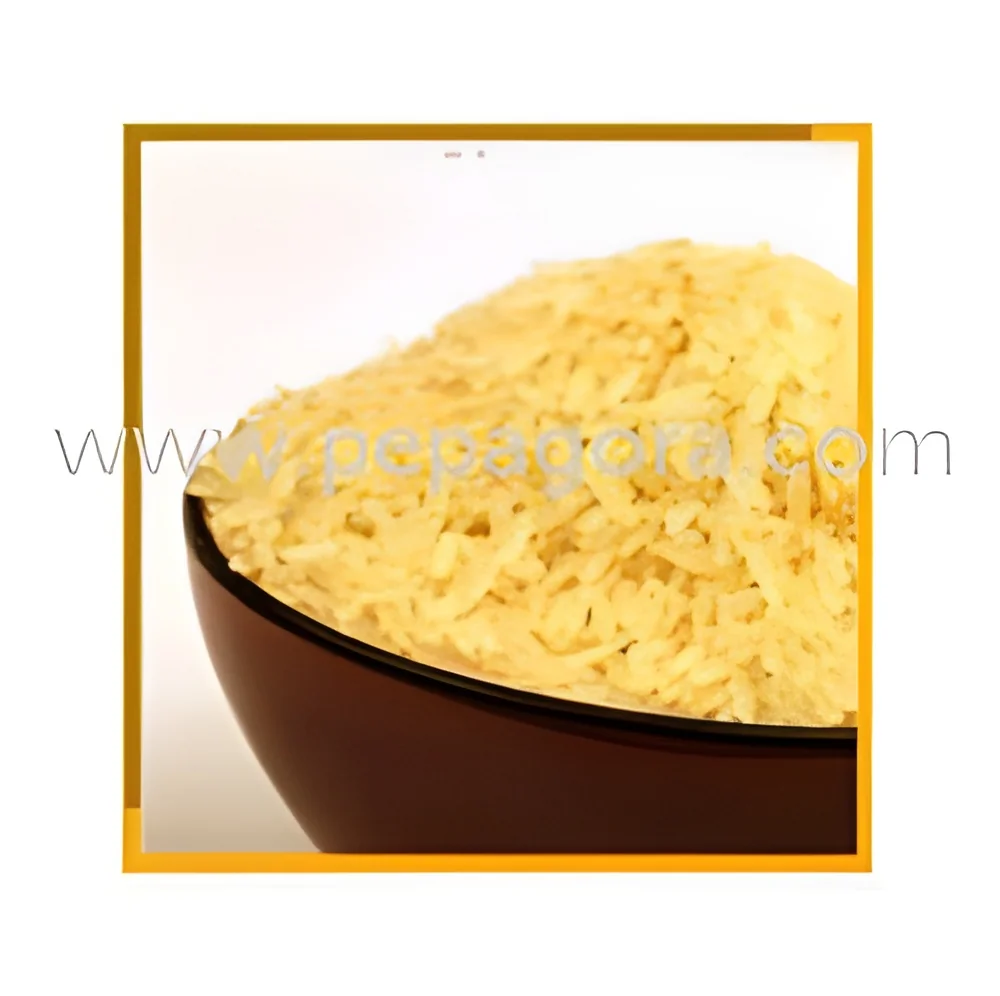
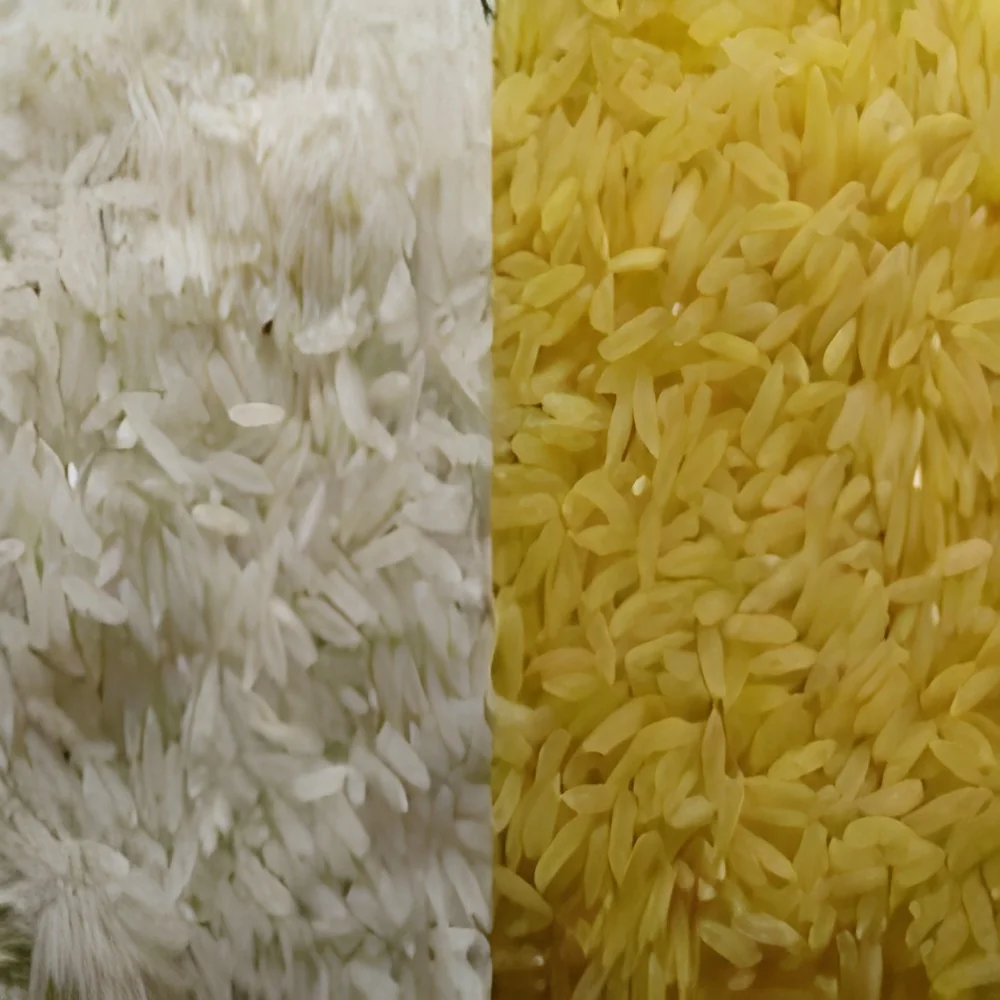
- Basmati rice is typically off-white to pale yellow.
- The color may vary slightly depending on the specific variety and processing techniques.
6. Nutritional Value
- Basmati rice is a good source of carbohydrates, with low fat content.
- It also provides essential vitamins and minerals.
7. Shelf Life
- Properly stored Basmati rice can last up to 1 year.
- It should be kept in a cool, dry place to prevent spoilage.
8. Packaging
- Basmati rice is commonly available in various packaging options, including bulk and retail sizes.
- Packaging should ensure protection against moisture and contaminants.
Understanding these specifications helps businesses ensure they are sourcing the right quality of Basmati rice for their needs.
Common Applications and Use Cases
Basmati rice serves various industries, each utilizing its unique properties for different applications.
1. Food Service Industry: Restaurants and catering services use Basmati rice in traditional dishes such as biryani and pilaf. Its aroma and texture elevate the dining experience.
2. Retail Grocery: Supermarkets and specialty stores offer Basmati rice to consumers seeking high-quality grains for home cooking. Its popularity among health-conscious consumers drives sales.
3. Food Processing: Manufacturers of ready-to-eat meals and frozen foods incorporate Basmati rice for its cooking qualities and flavor, appealing to a broad range of consumers.
4. Export Markets: Basmati rice is a significant export product for countries like India and Pakistan. It is sought after in international markets, especially in the Middle East and Europe.
5. Organic and Health Food Sector: With increasing consumer interest in organic foods, Basmati rice is often available in organic variants, catering to health-conscious buyers.
6. Catering and Events: Basmati rice is a staple for catering large events due to its versatility and ability to complement various dishes.
7. Culinary Schools: Educational institutions use Basmati rice to teach students about different cooking techniques and the preparation of traditional dishes.
Product Variants and Subcategories
Basmati rice comes in several variants, each with its unique attributes, catering to diverse culinary needs.
Traditional Basmati Rice: This variant is renowned for its long grains and aromatic properties. It is often used in traditional Indian and Pakistani dishes, providing an authentic flavor profile.
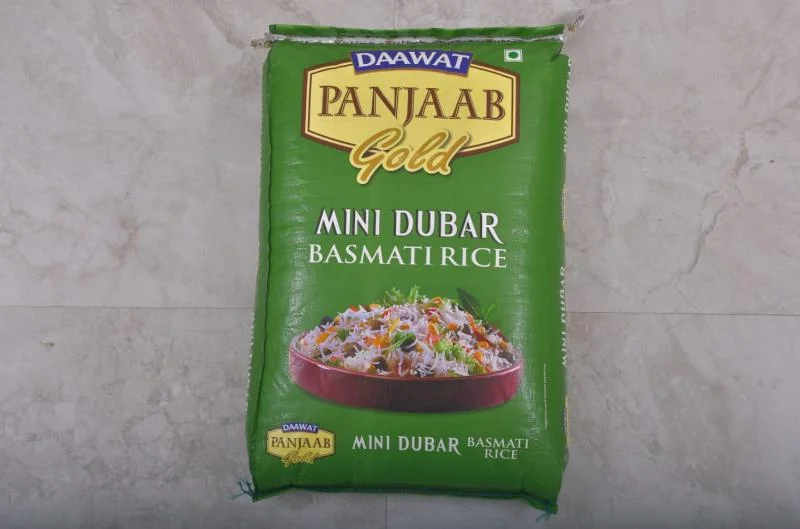
Dubar Basmati Rice: Slightly shorter grains than traditional Basmati, Dubar rice is often more affordable. It is commonly used in everyday cooking and is popular for its good quality and value.
Pusa Basmati Rice: A hybrid variety, Pusa rice offers a similar aroma and texture to traditional Basmati. It has gained popularity for its high yield and disease resistance.
Benefits and Advantages
Basmati rice offers numerous benefits that make it an appealing choice for businesses and consumers alike.
Key benefits include:
1. Superior Taste: Basmati rice is known for its rich flavor and delicate aroma, enhancing the overall culinary experience.
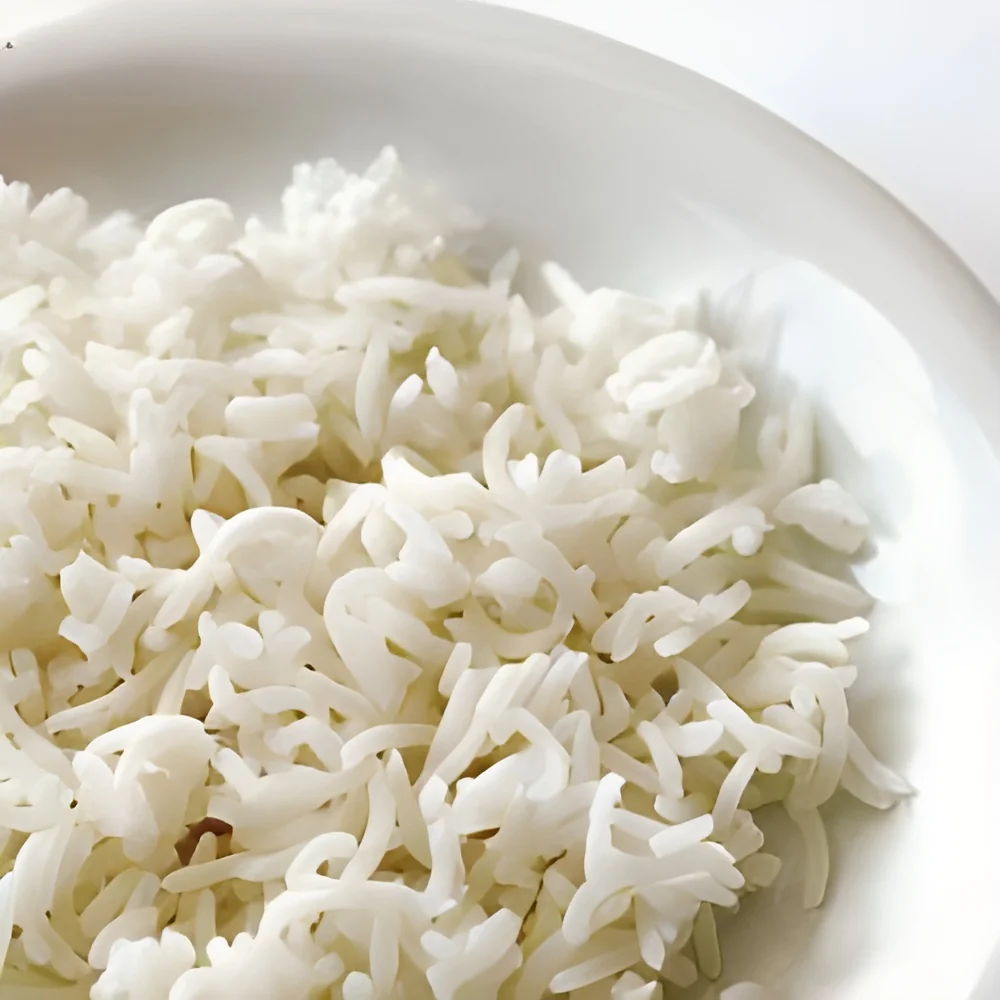
2. Fluffy Texture: When cooked, Basmati rice remains separate and fluffy, making it ideal for various dishes.
3. Nutritional Value: Basmati rice is low in fat and provides essential nutrients, making it a healthy option for consumers.
4. Culinary Versatility: Its unique properties allow Basmati rice to be used in a wide range of dishes, from savory to sweet.
5. Global Demand: The increasing popularity of ethnic cuisine has led to a growing market for Basmati rice, benefiting suppliers.
6. Easy to Cook: Basmati rice is relatively easy to prepare, making it a convenient choice for both home cooks and professional chefs.
Buying Guide for B2B Buyers
When sourcing Basmati rice, there are several critical factors to consider to ensure quality and reliability.
1. Quality Assessment: Evaluate the quality based on grain length, aroma, and moisture content. Look for samples to assess cooking performance.
2. Supplier Verification: Vet suppliers by checking their reputation, certifications, and compliance with industry standards to ensure reliability.
3. Pricing and MOQ: Understand the pricing structures and minimum order quantities. Compare quotes from multiple suppliers to find the best deal.
4. Delivery and Lead Times: Confirm lead times and delivery schedules to ensure timely supply for your operations.
5. Compliance Requirements: Ensure that suppliers meet all relevant regulatory standards for food safety and quality, including certifications like CE.
Compliance and Certifications
Basmati rice must adhere to various quality standards to ensure safety and reliability in the market. Common standards include ISO 9001, which focuses on quality management systems, and HACCP, which addresses food safety. These certifications help guarantee that the rice is processed and handled according to strict safety guidelines.
Industry-specific certifications, such as CE, may also apply, depending on the region and market. Compliance with these standards is essential for businesses looking to maintain a reputation for quality and safety.
Additionally, regions may have specific compliance requirements governing agricultural products. Understanding these regulations is vital for suppliers and buyers to ensure that all products meet legal and safety standards.
Why Source Basmati Rice from Pepagora?
Pepagora provides a trusted platform for sourcing Basmati rice with several key advantages.
Verified Supplier Network: Pepagora works with a network of verified suppliers, ensuring that buyers receive high-quality products. Each supplier undergoes a thorough vetting process to maintain standards.
Streamlined RFQ Process: The platform simplifies the request for quotation (RFQ) process, allowing buyers to receive competitive quotes quickly and efficiently. This reduces time spent on sourcing and negotiation.
Trade Assurance and Support: Pepagora offers trade assurance services, providing buyers with protection throughout the purchasing process. This ensures peace of mind and support in case of disputes.
Regional Coverage: With a broad geographic reach that includes India, the GCC, and Southeast Asia, Pepagora connects buyers with suppliers across key markets. This extensive network provides access to a wide variety of Basmati rice products.






 India


 India

 India
 India
 India
 India



 India
 India
 India


 India
 India








 India
 India






Frequently Asked Questions
What are Basmati Rice?
Basmati Rice is a long-grain variety of rice known for its distinct aroma and fluffy texture when cooked. Originating from the Himalayan region, particularly India and Pakistan, it is often used in various dishes such as biryani and pilaf.
What are the different types of Basmati Rice?
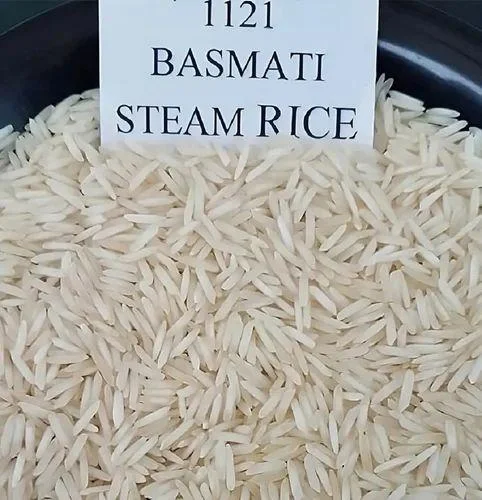
There are several types of Basmati Rice, including traditional varieties like 1121, Pusa Basmati, and Pusa Creamy. Each type varies in grain length, aroma, and cooking characteristics, with some being more aromatic and others offering a firmer texture.
How do I choose the right Basmati Rice?
Choosing the right Basmati Rice involves considering factors such as grain length, aroma, and cooking properties. Opt for high-quality brands that provide clear information on the rice variety and look for certification marks to ensure authenticity.
What are the standard specifications for Basmati Rice?
Standard specifications for Basmati Rice typically include grain length, which should be at least 6.61 mm, and a length-to-width ratio of 4:1. It should be free from impurities, with a distinct aroma and a minimum moisture content of 12%.
What is the price range for Basmati Rice?
The price range for Basmati Rice can vary significantly based on quality, type, and supplier. Generally, prices can range from INR 50 to INR 200 per kg, with premium varieties commanding higher prices.
What quality standards apply to Basmati Rice?
Basmati Rice is subject to various quality standards, including those set by the Food Safety and Standards Authority of India (FSSAI) and the Bureau of Indian Standards (BIS). These standards ensure that the rice meets specific criteria for purity, aroma, and safety.
Where can I find Basmati Rice suppliers in India?
Basmati Rice suppliers in India can be found through online B2B marketplaces like Pepagora.com, agricultural trade shows, and local rice mills. It is advisable to check supplier credentials and reviews to ensure reliability.
Can Basmati Rice be customized?
Basmati Rice can be customized in terms of packaging and branding, depending on the supplier. However, changes to the grain size or quality characteristics are typically not feasible due to the nature of the product.
What is the typical minimum order quantity for Basmati Rice?
The typical minimum order quantity (MOQ) for Basmati Rice varies by supplier but often ranges from 50 kg to 1000 kg. It is advisable to confirm the MOQ with the specific supplier before placing an order.
What is the typical lead time for Basmati Rice?
The typical lead time for Basmati Rice orders can range from 1 to 4 weeks, depending on the supplier's stock availability and order size. It's recommended to discuss lead times during the ordering process to ensure timely delivery.
Why Businesses Trust Pepagora
Thousands of companies trust Pepagora to source smarter and sell faster
Expand Your Sales Globally

Source Smarter,Grow Faster
