IN
IN₹
Apparel & Fashion
Description
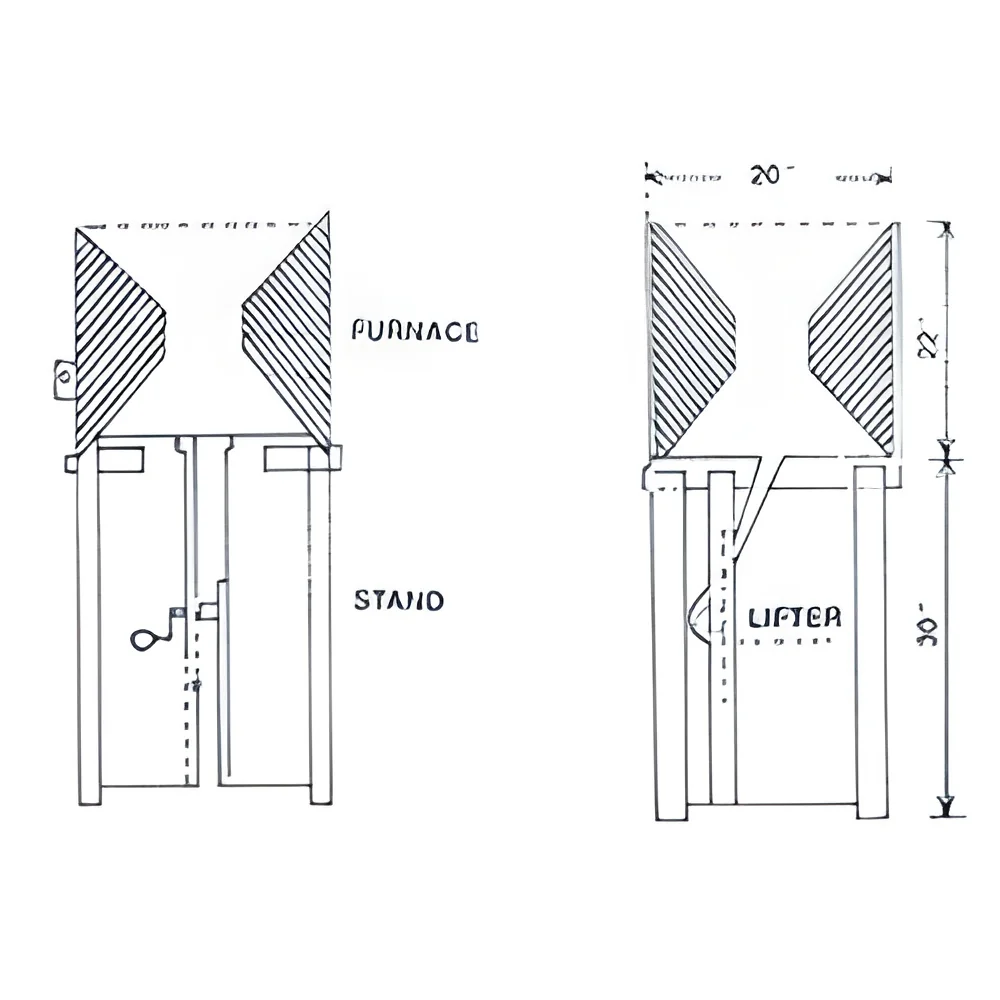
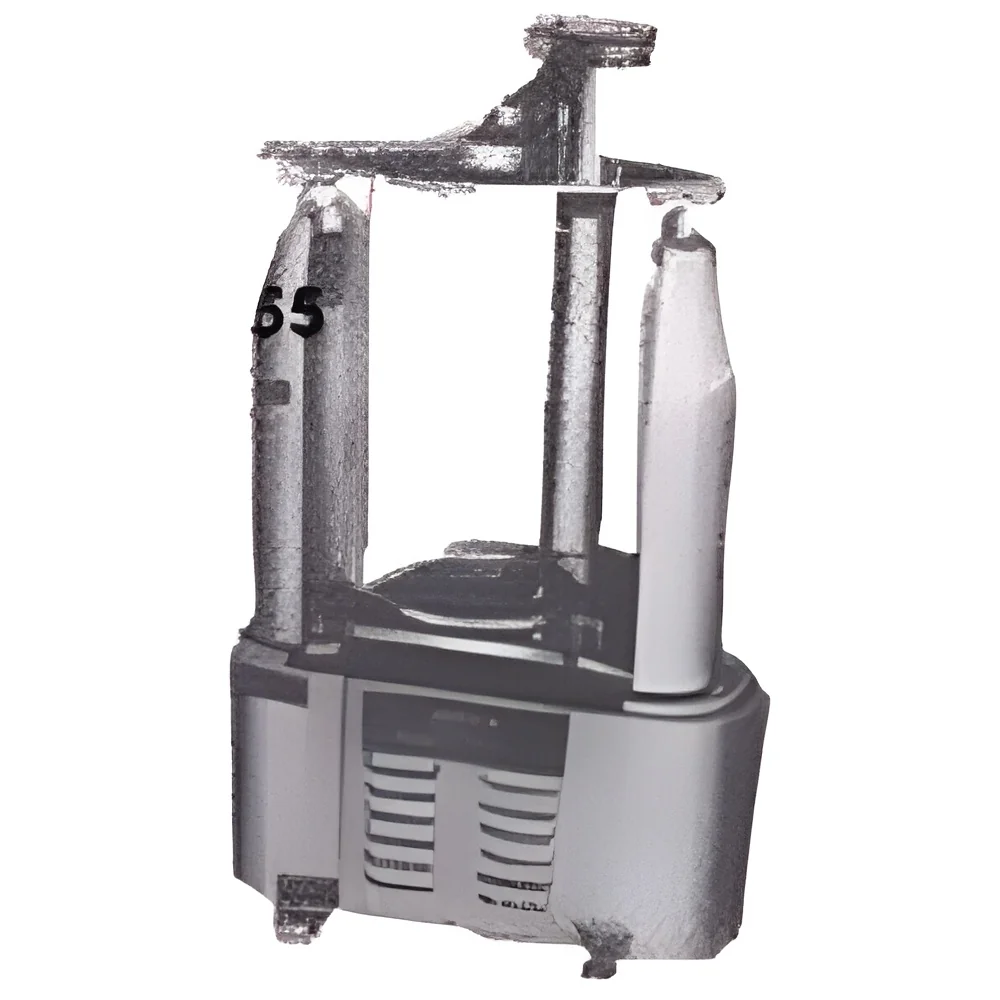
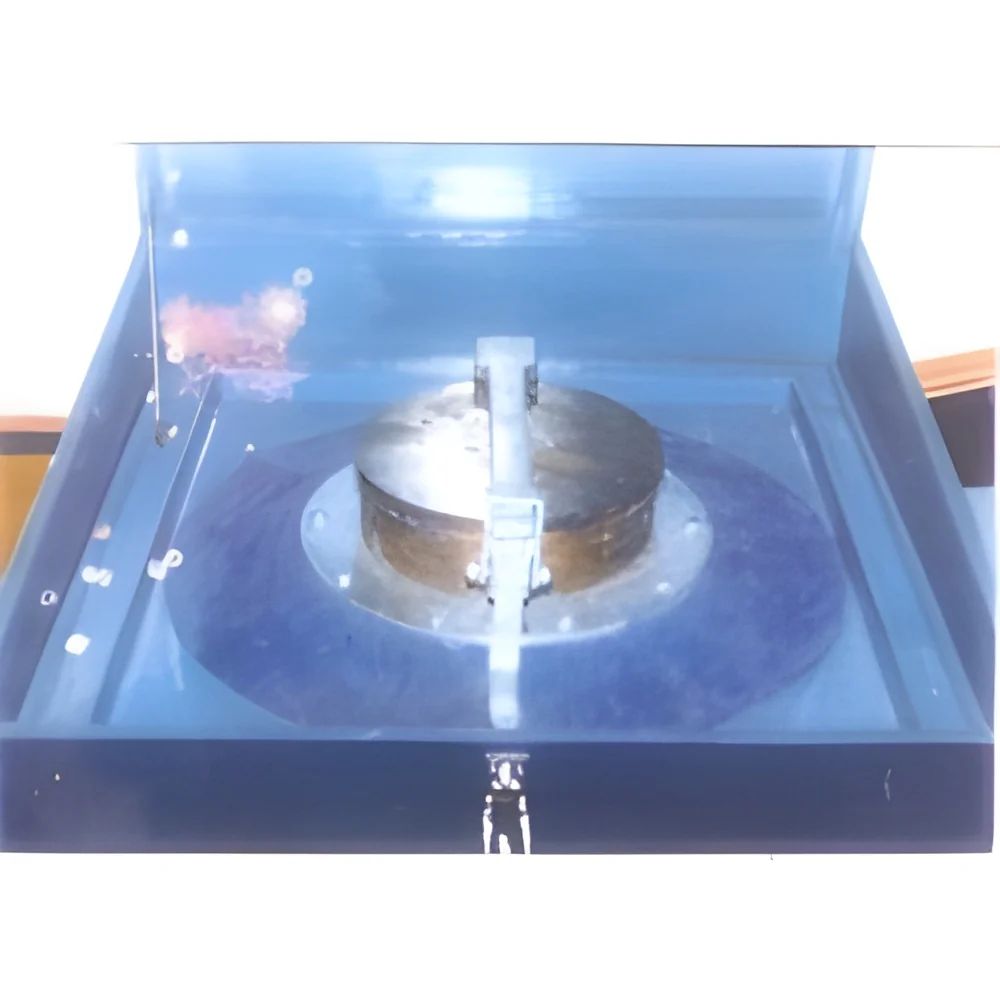
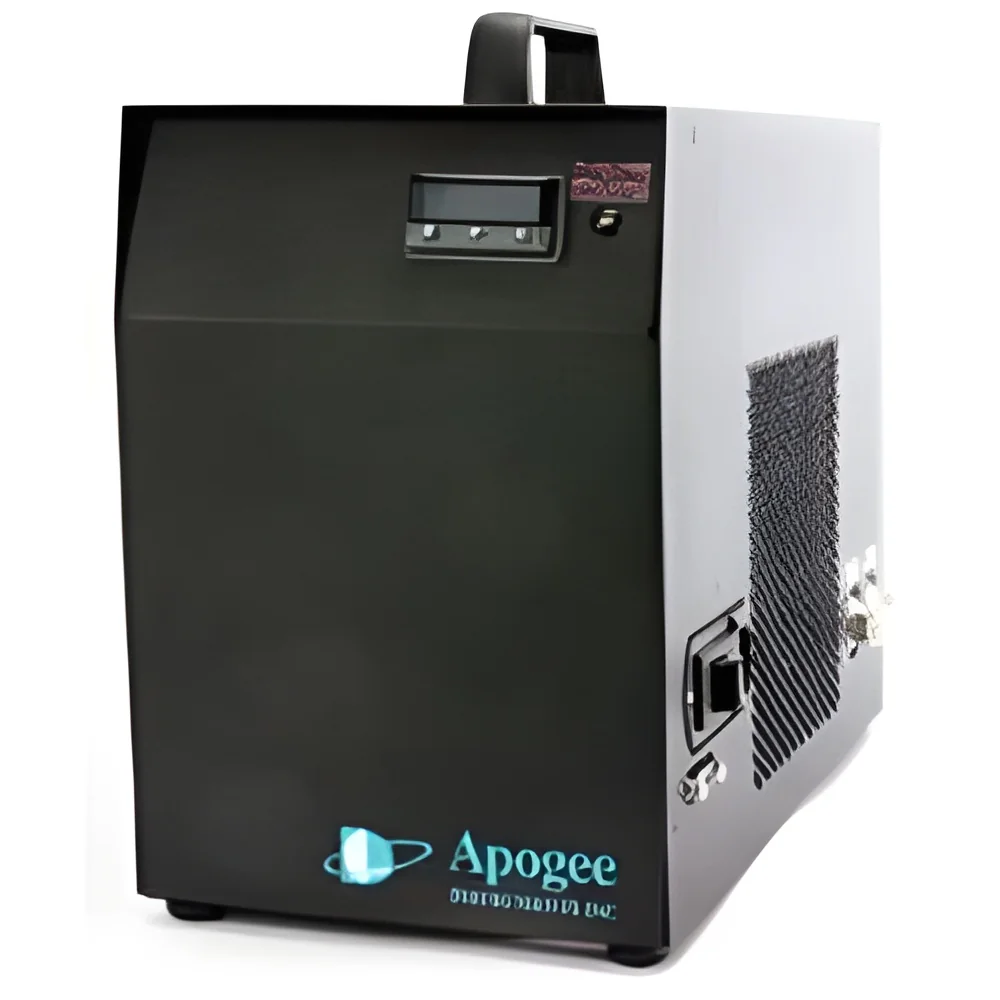
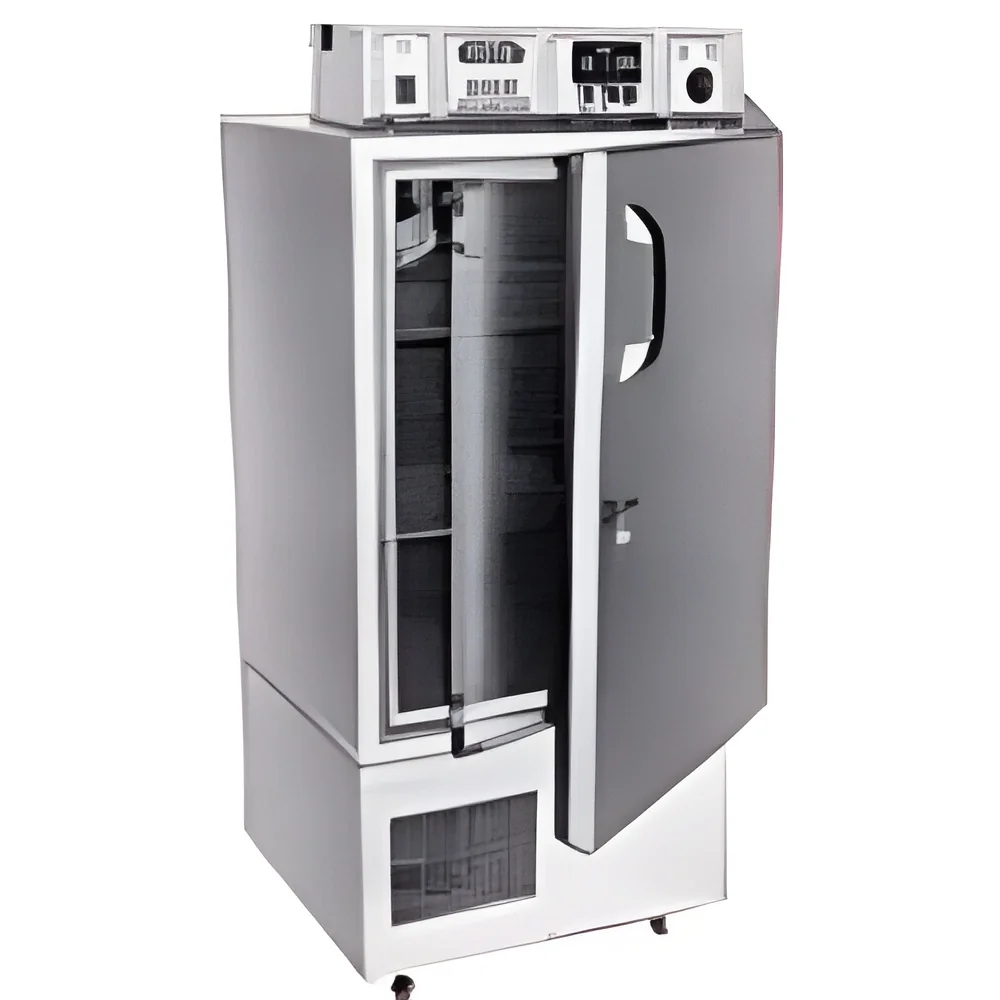
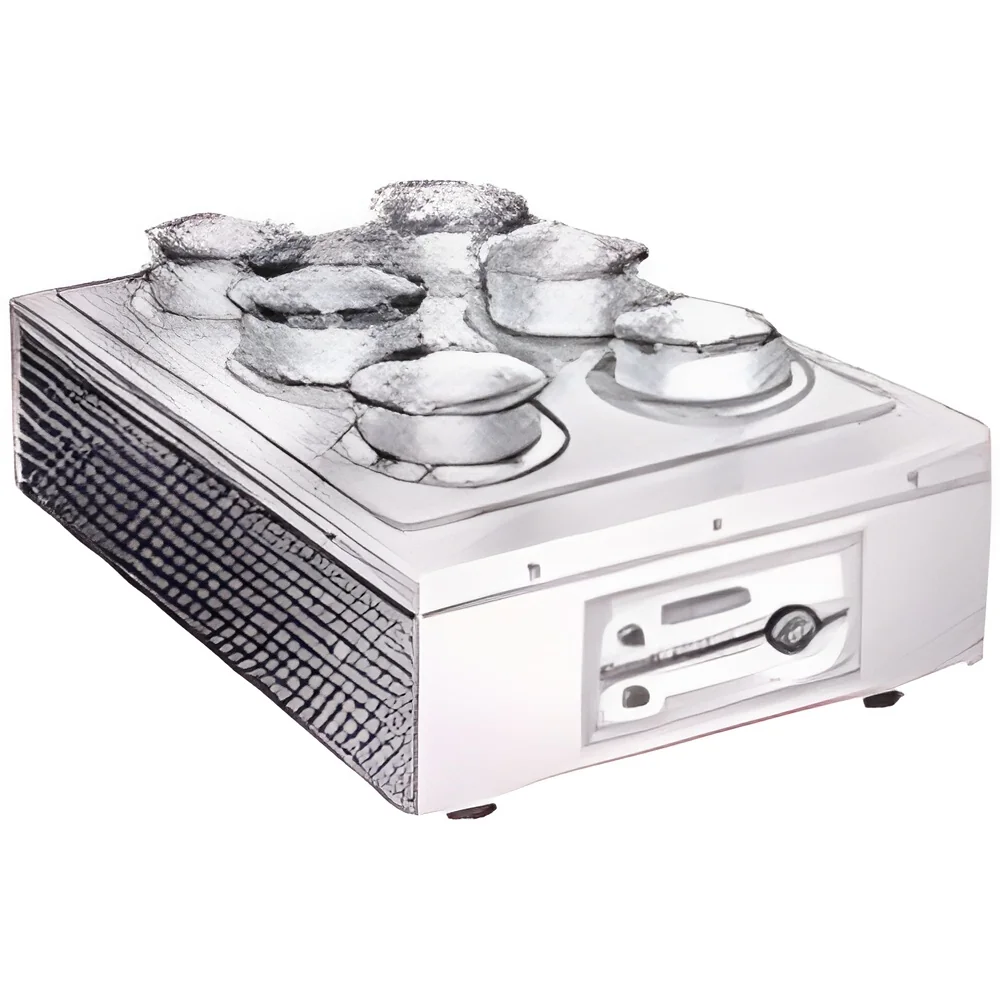
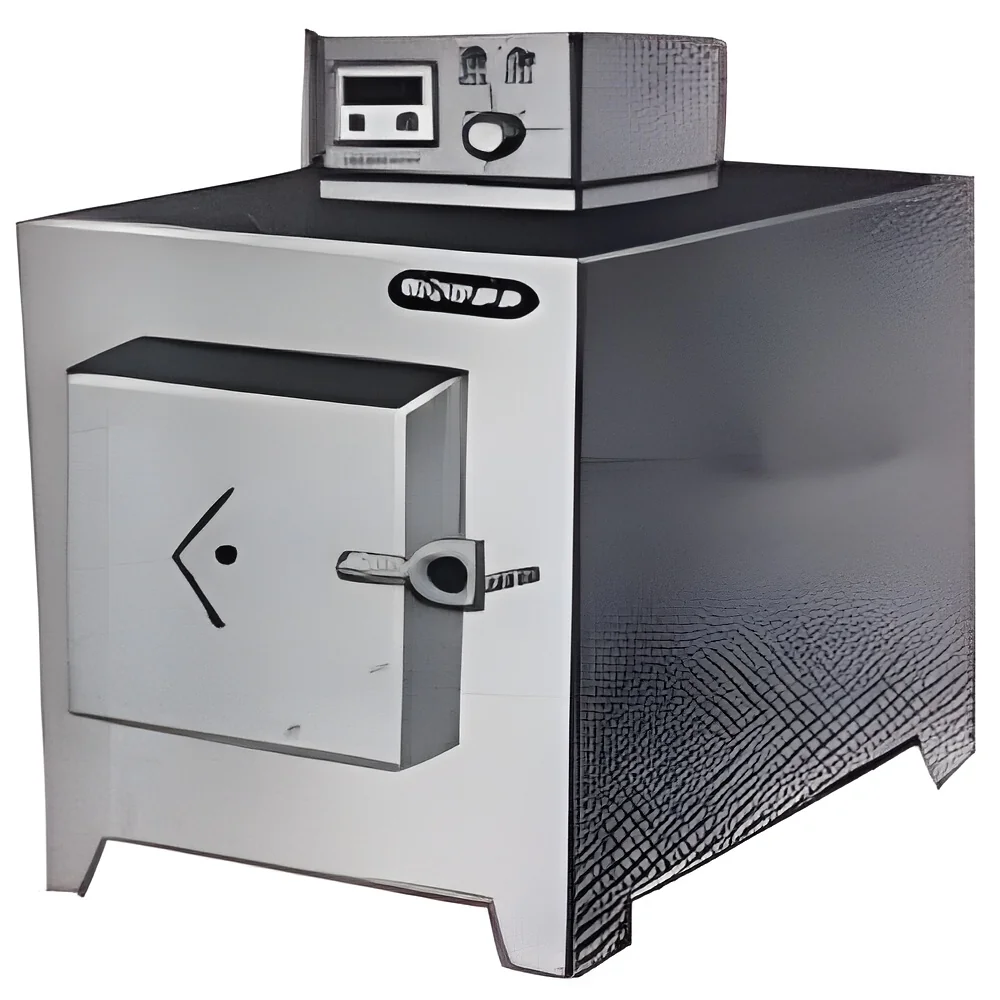
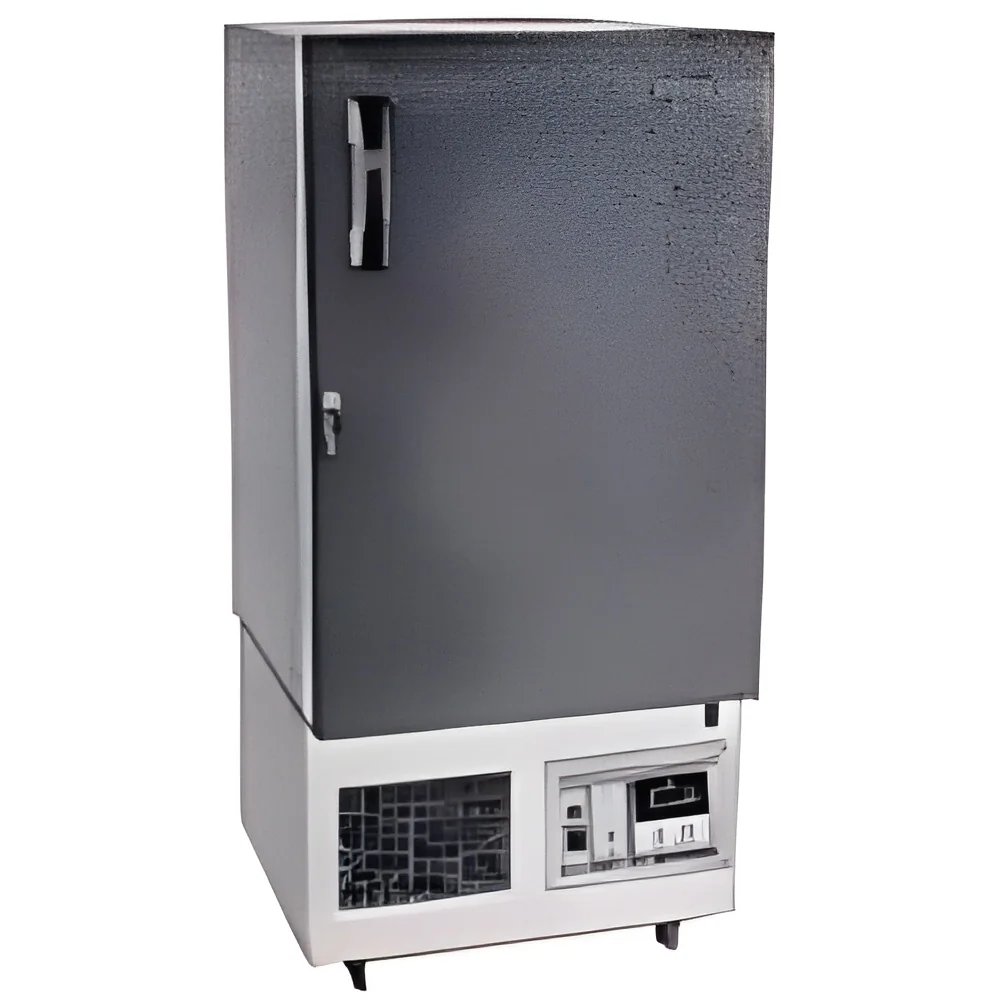
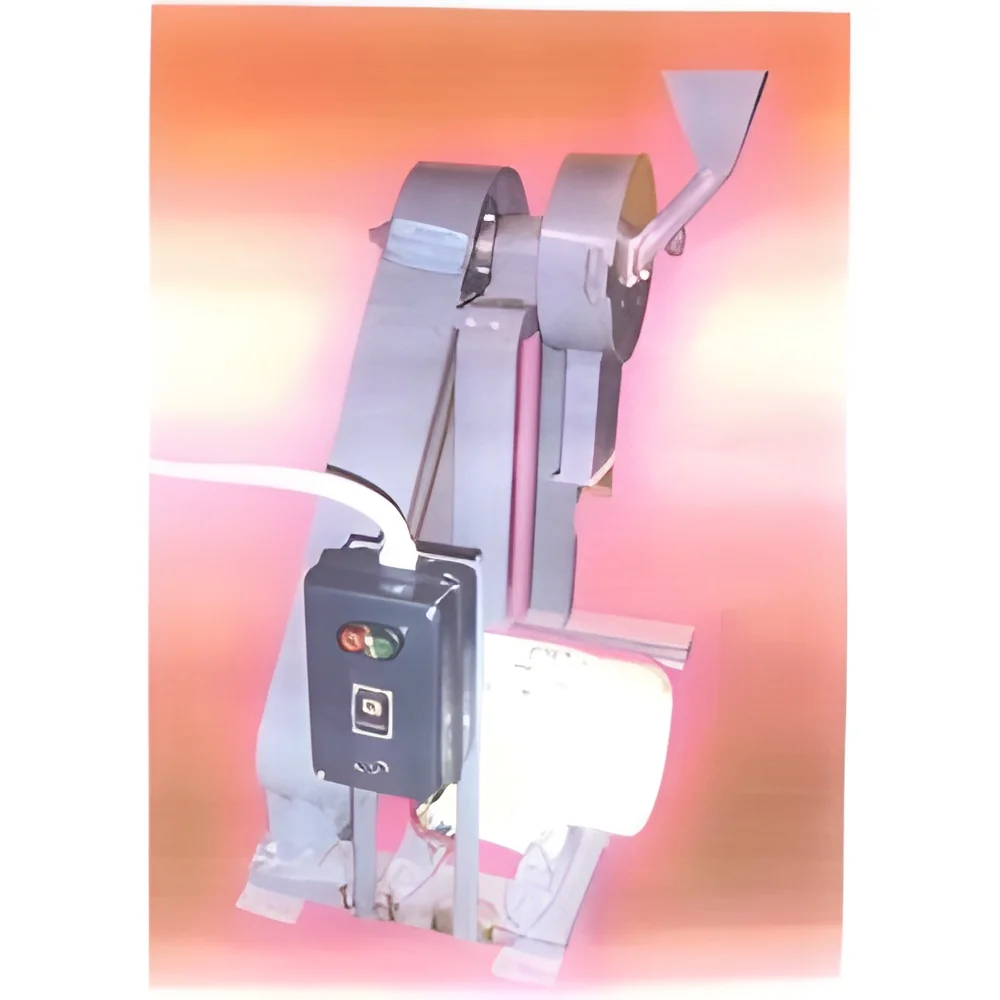
Laboratory industrial vibratory pot mills represent advanced grinding technology engineered for precision and efficiency in material processing. These machines employ high-frequency vibrations to drive grinding media within sealed pots, creating intense impacts and friction that reduce particles to micron and sub-micron sizes. Unlike traditional ball mills, vibratory models deliver faster processing times, superior homogeneity, and controlled temperature management. They support both dry and wet grinding operations, adapting to various material types and consistency requirements. Constructed for durability, these mills feature robust designs that withstand continuous operation in demanding environments. Their engineering minimizes dead zones within grinding chambers, ensuring complete material processing and consistent results across multiple batches.

These precision mills serve critical functions across multiple industries where material fineness and purity directly influence product...
Laboratory industrial vibratory pot mills represent advanced grinding technology engineered for precision and efficiency in material processing. These machines employ high-frequency vibrations to drive grinding media within sealed pots, creating intense impacts and friction that reduce particles to micron and sub-micron sizes. Unlike traditional ball mills, vibratory models deliver faster processing times, superior homogeneity, and controlled temperature management. They support both dry and wet grinding operations, adapting to various material types and consistency requirements. Constructed for durability, these mills feature robust designs that withstand continuous operation in demanding environments. Their engineering minimizes dead zones within grinding chambers, ensuring complete material processing and consistent results across multiple batches.

These precision mills serve critical functions across multiple industries where material fineness and purity directly influence product quality. In pharmaceutical applications, they grind active ingredients to enhance bioavailability and ensure uniform composition in final products. The ceramics industry depends on them for preparing fine powders that form the foundation of advanced technical ceramics and electronic components. Chemical manufacturers utilize vibratory pot mills for producing homogeneous mixtures of pigments, dyes, and specialty compounds where color consistency is essential. Mining and geology laboratories rely on them for preparing analytical samples requiring exact particle size distribution for accurate testing. Research institutions employ these mills across materials science, nanotechnology, and chemistry departments for developing new compounds with specific structural properties.

The operational value of vibratory pot mills lies in their capacity to enhance production efficiency while maintaining rigorous quality standards. These machines significantly reduce processing time compared to conventional methods, resulting in higher throughput and reduced operational costs. Their consistent performance minimizes material waste and rework requirements, directly impacting operational economics. The reliability of these mills ensures uninterrupted operation in production environments, decreasing downtime and maintenance expenditures. This combination of performance, reliability, and operational efficiency makes vibratory pot mills a strategic investment for operations seeking to improve material processing capabilities while maintaining competitive advantage in quality-focused markets.

Key Features:
- High-frequency vibration system ensures efficient particle size reduction
- Sealed grinding pots prevent material contamination and loss
- Compatibility with various grinding media materials and sizes
- Temperature control options protect heat-sensitive materials
- Robust construction with durable components for extended service life

Benefits:
- Consistent particle size distribution improves product quality
- Reduced processing time increases production throughput
- Minimal contamination risk ensures material purity
- Versatile operation handles diverse material types
- Low maintenance design reduces operational downtime
Specifications
| Additional Information | |
|---|---|
| Country of Origin | India |
Application
Vibratory pot mills provide essential precision grinding and homogeneous mixing for industries requiring exact particle size control. These robust machines utilize high-frequency vibrations to achieve uniform material reduction, making them ideal for laboratory research, quality assurance, and small-scale production. Their efficient operation delivers consistent results for diverse dry and wet materials, supporting critical processes in advanced manufacturing and scientific development.
These mills serve sectors where material consistency and purity are paramount. From pharmaceutical compounds to advanced ceramics, they provide controlled grinding environments for sensitive applications. Their versatility accommodates various grinding media and pot materials, adapting to specific requirements while preventing cross-contamination. This flexibility makes them trusted equipment for research departments and production facilities requiring repeatable, high-quality outcomes in every processing batch.
- Pharmaceutical industry for grinding active ingredients and excipients to uniform micron sizes
- Materials science laboratories preparing fine powders for ceramic and composite production
- Chemical manufacturing for blending and pulverizing pigments, dyes, and specialty compounds
- Geology and mining sectors reducing mineral samples to analytical fineness for testing
- Research institutions conducting experiments requiring precise particle size distribution
Trade Details
| Available Stock | In Stock |
| Sample Availability | No |
Payment Terms
| Payment Terms |
|
Company Profile
Bien Artium Natural Science Pvt. Ltd, West Bengal
 West Bengal, India
West Bengal, IndiaIndustrial Equipment & Machinery•Manufacturer•Distributor / Wholesaler
Factory Details
Factory SizeBelow 1000 sqm
Annual Production Capacity0
Laboratory Industrial Vibratory Pot Mills For Precision Grinding Mixing
Laboratory industrial vibratory pot mills deliver precision grinding and mixing for pharmaceuticals, chemicals, and materials science. These high-performance models ensure consistent particle size reduction with reliable operation for demanding applications.
Min. Order Quantity: 1 unit
Shipping
Shipping fee and delivery date to be negotiated. Contact supplier now for more details.
Bien Artium Natural Science Pvt. Ltd
 West Bengal, India
West Bengal, IndiaIndustrial Equipment & MachineryManufacturer