
 IN
INAnti-diabetic Ingredients
4 products available
What are Anti-diabetic Ingredients?
Anti-diabetic ingredients are substances used to manage and regulate blood sugar levels in individuals with diabetes. These ingredients can be derived from natural sources or formulated synthetically. They play a crucial role in controlling glucose metabolism and enhancing insulin sensitivity, making them essential for people with type 2 diabetes and other metabolic disorders.
The primary uses of anti-diabetic ingredients are in the food, pharmaceutical, and nutraceutical industries. They are incorporated into dietary supplements, functional foods, and medications aimed at managing diabetes. Businesses in these sectors utilize these ingredients to provide effective solutions for blood sugar control, promoting overall health and wellness among consumers. The demand for anti-diabetic ingredients continues to grow as the prevalence of diabetes increases globally, making it a significant area of focus in health and nutrition markets.
In the current market context, the relevance of anti-diabetic ingredients is underscored by the rising global diabetes rates. As health-conscious consumers seek effective products to aid in diabetes management, the industry is adapting by developing innovative ingredients and formulations. This has led to the emergence of numerous products that cater specifically to the needs of diabetic patients, creating vast opportunities for businesses involved in this sector.
Key Features and Specifications
Anti-diabetic ingredients come with a range of features and specifications that make them effective for glucose management. Understanding these specifications is essential for businesses looking to incorporate them into their products.
Key specifications include:
1. Source of Ingredients
- These can be derived from plants, such as herbs and fruits, or produced synthetically.
- Common sources include bitter melon, cinnamon, and berberine.
2. Active Compounds
- The specific compounds that exhibit anti-diabetic effects vary by ingredient.
- Examples include polysaccharides, flavonoids, and alkaloids.
3. Dosage Forms
- Anti-diabetic ingredients are available in various forms, including powders, capsules, and liquids.
- The choice of dosage form can affect bioavailability and efficacy.
4. Purity Levels
- The purity of ingredients is critical for effectiveness and safety.
- High-quality ingredients typically have purity levels above 95%.
5. Shelf Life
- The stability of anti-diabetic ingredients affects their usability.
- Most ingredients have a shelf life ranging from 1 to 3 years when stored properly.
6. Compatibility
- Ingredients must be compatible with other components in formulations.
- Compatibility testing ensures no adverse reactions occur.
7. Regulatory Compliance
- Compliance with local and international standards is essential for marketability.
- Ingredients should meet regulations set by health authorities.
8. Efficacy Evidence
- Scientific research and clinical studies support the effectiveness of ingredients.
- Businesses should look for ingredients with documented health benefits.
In summary, understanding the key features and specifications of anti-diabetic ingredients is vital for businesses aiming to develop effective products. These specifications guide the selection and formulation processes, ensuring that the final products meet consumer needs and regulatory requirements.
Common Applications and Use Cases
Anti-diabetic ingredients are utilized across multiple industries to cater to the growing demand for diabetes management solutions.
1. Food Industry: Ingredients are incorporated into functional foods like beverages, snacks, and cereals. These products are designed to help individuals manage their blood sugar levels while enjoying tasty options.
2. Pharmaceutical Industry: Anti-diabetic ingredients are essential in developing medications for diabetes management. They are often used as active components in prescription drugs to enhance insulin efficiency and glucose metabolism.
3. Nutraceutical Industry: Dietary supplements are increasingly using anti-diabetic ingredients to offer health benefits. These supplements help consumers looking for natural ways to support their diabetes management.
4. Personal Care Products: Some anti-diabetic ingredients are included in skincare formulations targeting diabetic patients, addressing issues like skin sensitivity and dryness.
5. Veterinary Medicine: There is a growing interest in using anti-diabetic ingredients in pet care products for diabetic pets, helping to manage their conditions effectively.
6. Sports Nutrition: Ingredients are also finding a place in sports nutrition products aimed at athletes who require stable energy levels and blood sugar control during training.
7. Health and Wellness: With an emphasis on preventive health, anti-diabetic ingredients are becoming popular in wellness programs and health coaching, providing tools for lifestyle management.
Product Variants and Subcategories
The diversity of anti-diabetic ingredients allows for various product formulations tailored to specific needs.
Bitter Melon Extract: This variant is derived from the bitter melon fruit, known for its blood sugar-lowering properties. It is often available in capsule or powder form and is popular in dietary supplements aimed at glucose control.
Cinnamon Oil: Extracted from cinnamon bark, this ingredient is celebrated for its ability to improve insulin sensitivity. It is commonly used in functional foods and nutraceuticals.
Berberine: A compound found in several plants, berberine is recognized for its effectiveness in managing blood sugar levels. It is typically available in capsule form and is popular among consumers seeking natural solutions.
Alpha-Lipoic Acid: This antioxidant is often included in formulations targeting diabetic neuropathy and insulin resistance. It is available in both capsule and powder forms.
Green Tea Extract: Known for its health benefits, green tea extract is used in products aimed at weight management and blood sugar control. It is often included in beverages and dietary supplements.
Benefits and Advantages
Incorporating anti-diabetic ingredients into products offers several advantages for businesses and consumers alike.
1. Blood Sugar Regulation: Anti-diabetic ingredients help in stabilizing blood sugar levels, making them essential for diabetic patients.
2. Natural Alternatives: Many consumers prefer natural solutions over synthetic medications. Anti-diabetic ingredients provide effective options derived from plant sources.
3. Enhanced Efficacy: Ingredients with scientifically proven benefits can enhance the overall effectiveness of products, leading to higher consumer satisfaction.
4. Market Demand: With rising diabetes rates, there is a growing market for products featuring anti-diabetic ingredients, providing businesses with significant opportunities.
5. Versatile Applications: These ingredients can be used in various product categories, from pharmaceuticals to functional foods, broadening market reach.
6. Consumer Education: Offering products with anti-diabetic ingredients allows companies to educate consumers about diabetes management, fostering trust and loyalty.
Buying Guide for B2B Buyers
When sourcing anti-diabetic ingredients, buyers should consider several critical factors to ensure successful procurement.
1. Quality Assessment: It is essential to evaluate the quality of anti-diabetic ingredients. Buyers should look for ingredients with high purity levels and evidence of efficacy from reliable sources.
2. Supplier Verification: Vetting suppliers is crucial for ensuring reliability and product consistency. Buyers should check certifications and reviews to assess supplier credibility.
3. Pricing and MOQ: Understanding the pricing structure and minimum order quantities (MOQ) is important for budgeting and inventory management. Buyers should negotiate terms that align with their business needs.
4. Delivery and Lead Times: Timely delivery is critical for maintaining supply chains. Buyers should inquire about lead times and logistics capabilities to avoid disruptions.
5. Compliance Requirements: Buyers must ensure that the ingredients meet all relevant regulatory standards. Understanding compliance requirements is vital for product safety and marketability.
Compliance and Certifications
Anti-diabetic ingredients must adhere to various quality standards and certifications to ensure safety and efficacy.
Relevant quality standards include ISO 9001 for quality management systems and HACCP for food safety management. Adhering to these standards assures buyers of consistent product quality and safety practices.
Industry certifications such as CE certification indicate compliance with European health, safety, and environmental protection standards. This is essential for market access in Europe and other regions requiring certification.
Safety and testing requirements are crucial for ensuring that anti-diabetic ingredients are free from contaminants and safe for consumption. Regular testing for purity and potency is recommended to maintain product integrity.
Additionally, regional compliance considerations vary by market. Buyers must familiarize themselves with local regulations regarding ingredient sourcing, labeling, and marketing to ensure compliance.
Why Source Anti-diabetic Ingredients from Pepagora?
Pepagora offers a trusted platform for sourcing anti-diabetic ingredients, providing several key advantages to B2B buyers.
Verified Supplier Network: Pepagora has established a robust network of verified suppliers, ensuring that buyers have access to high-quality ingredients. This network is built on rigorous vetting processes, giving buyers confidence in their sourcing decisions.
Streamlined RFQ Process: The platform offers a streamlined request for quotation (RFQ) process, allowing buyers to easily obtain competitive pricing and detailed product information. This efficiency helps buyers make informed purchasing decisions quickly.
Trade Assurance and Support: Pepagora prioritizes buyer protection through trade assurance policies. This support includes safeguards for payments and product quality, ensuring that buyers have a secure purchasing experience.
Regional Coverage: Pepagora's reach extends across India, the GCC, and Southeast Asia, making it easier for businesses in these regions to source anti-diabetic ingredients. This geographic coverage ensures access to a diverse range of products tailored to local market needs.


Frequently Asked Questions
What are Anti-diabetic Ingredients?
Anti-diabetic Ingredients are substances that help manage blood sugar levels and improve insulin sensitivity. These ingredients are commonly used in the formulation of dietary supplements, functional foods, and pharmaceuticals aimed at treating or preventing diabetes.
What are the different types of Anti-diabetic Ingredients?
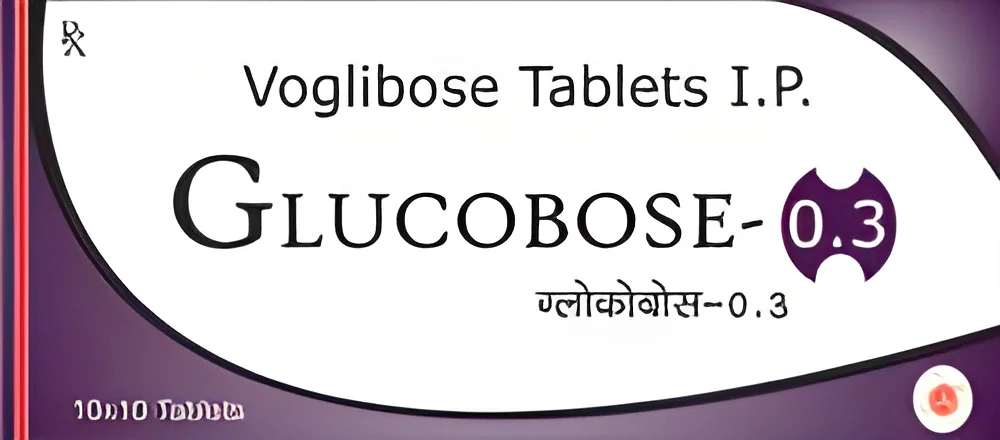
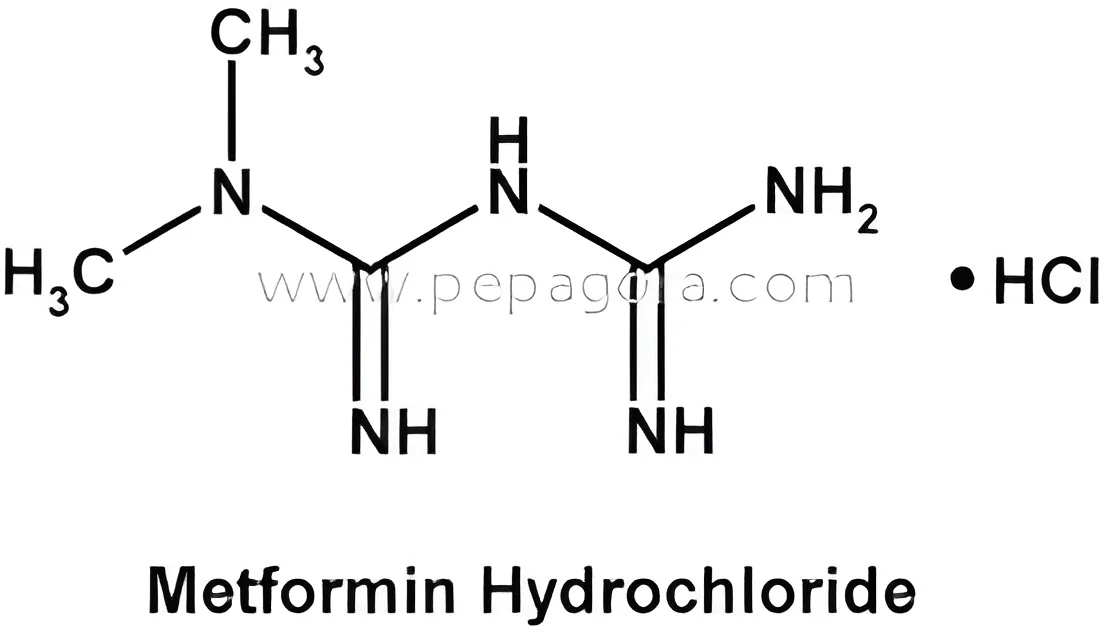
There are several types of Anti-diabetic Ingredients, including natural extracts like bitter melon, gymnema sylvestre, and cinnamon. Additionally, synthetic compounds such as metformin and alpha-glucosidase inhibitors are also classified as Anti-diabetic Ingredients.
How do I choose the right Anti-diabetic Ingredients?
To choose the right Anti-diabetic Ingredients, consider factors such as the specific health benefits you require, the method of action, and any dietary restrictions. It is also advisable to consult with a healthcare professional or nutritionist before making a selection.
What are the standard specifications for Anti-diabetic Ingredients?
Standard specifications for Anti-diabetic Ingredients typically include purity levels, active ingredient concentration, and absence of contaminants. These specifications may vary based on the type of ingredient and its intended use, so it's essential to refer to relevant industry standards.
What is the price range for Anti-diabetic Ingredients?
The price range for Anti-diabetic Ingredients can vary widely depending on the type and quality of the ingredient. Generally, prices can range from a few hundred to several thousand Indian Rupees per kilogram.
What quality standards apply to Anti-diabetic Ingredients?
Quality standards for Anti-diabetic Ingredients often include compliance with regulations set by agencies such as the Food Safety and Standards Authority of India (FSSAI) and Good Manufacturing Practices (GMP). These standards ensure that the ingredients are safe, effective, and produced under controlled conditions.
Where can I find Anti-diabetic Ingredients suppliers in India?
You can find Anti-diabetic Ingredients suppliers in India through various channels such as online marketplaces like Pepagora, trade shows, and industry directories. Additionally, networking within the pharmaceutical and nutraceutical industries can also lead to reliable suppliers.
Can Anti-diabetic Ingredients be customized?
Yes, many manufacturers offer customization options for Anti-diabetic Ingredients based on specific requirements such as formulation, concentration, and packaging. It is advisable to discuss your needs with potential suppliers to explore available customization options.
What is the typical minimum order quantity for Anti-diabetic Ingredients?
The typical minimum order quantity (MOQ) for Anti-diabetic Ingredients varies by supplier but generally ranges from 10 kg to 100 kg. It is important to check with individual suppliers as they may have different MOQ requirements.
What is the typical lead time for Anti-diabetic Ingredients?
The typical lead time for Anti-diabetic Ingredients can range from a few days to several weeks, depending on the supplier's inventory and production capacity. It is recommended to confirm lead times with suppliers during the ordering process.
Why Businesses Trust Pepagora
Thousands of companies trust Pepagora to source smarter and sell faster
Expand Your Sales Globally

Source Smarter,Grow Faster
