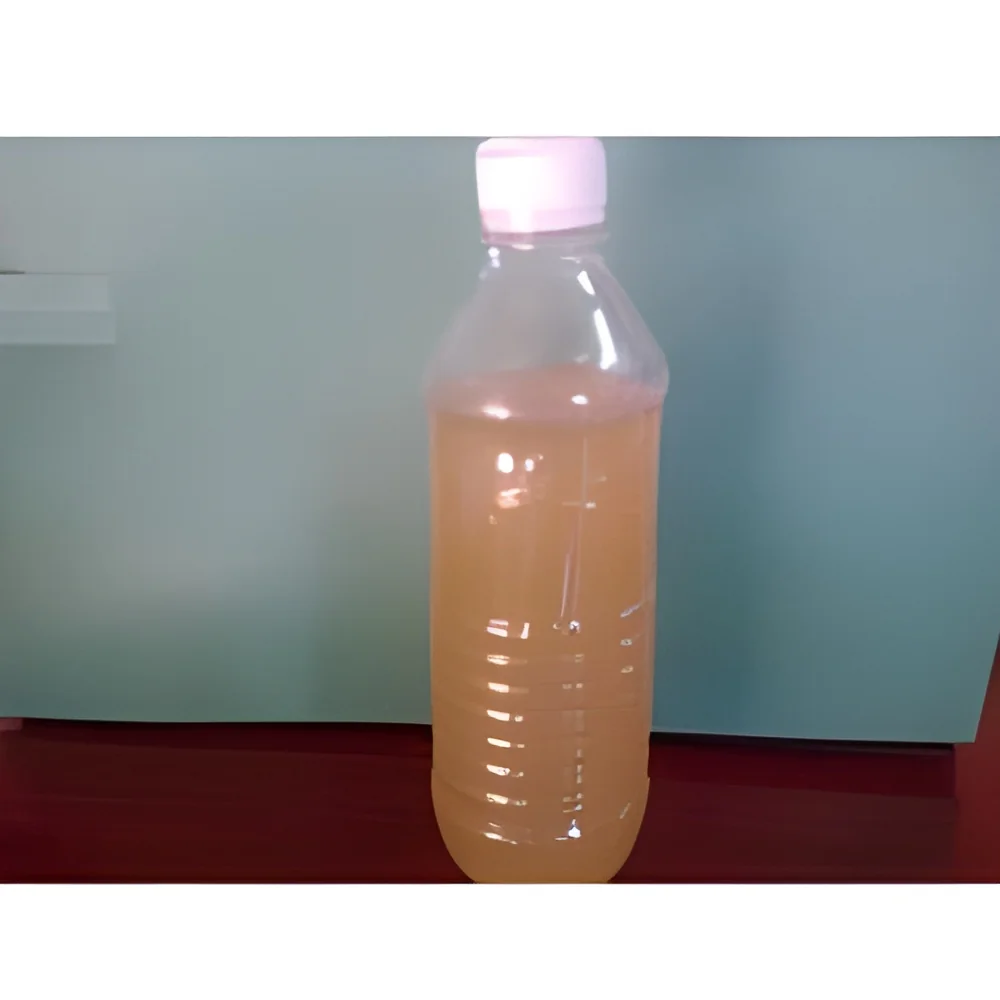
What are Emulsifiers for Pharmaceuticals?
Emulsifiers for pharmaceuticals are specialized substances that facilitate the mixing of two immiscible liquids, such as oil and water. These agents play a crucial role in achieving a stable and uniform product, which is essential for the efficacy and safety of various pharmaceutical formulations. Emulsifiers work by reducing the surface tension between the two phases, allowing for the creation of emulsions that can be easily incorporated into creams, lotions, and oral solutions.
The primary uses of emulsifiers in the pharmaceutical industry include the formulation of topical medications, oral suspensions, and injectable solutions. They are crucial in ensuring that active ingredients are evenly distributed, improving bioavailability and patient compliance. Emulsifiers are also used in the production of vaccines, where they help stabilize the formulation and enhance the effectiveness of the immunological response. Given the growing demand for complex drug formulations, the emulsifier market continues to expand, driven by advancements in drug delivery systems and increased regulatory standards.
Key Features and Specifications
Emulsifiers for pharmaceuticals come with a range of features that ensure optimal performance in various applications. Understanding these specifications is critical for manufacturers and formulators when selecting the appropriate emulsifier for their needs.
Key specifications include:
1. HLB (Hydrophilic-Lipophilic Balance)
- Indicates the emulsifier's balance between hydrophilic and lipophilic properties
- Typically ranges from 1 to 20, influencing the type of emulsion formed
2. Molecular Weight
- Defines the size of the emulsifier molecules
- Generally varies between 300 to 1000 g/mol depending on the type of emulsifier
3. Compatibility
- Refers to the emulsifier's ability to work with different active ingredients and other excipients
- Essential for ensuring product stability and efficacy
4. Viscosity
- Measures the thickness of the emulsion
- Affects the flow properties of the final product
5. pH Stability
- Indicates the emulsifier's effectiveness across different pH levels
- Important for maintaining the stability of pH-sensitive formulations
6. Temperature Stability
- Refers to the emulsifier's performance under varying temperature conditions
- Critical for processes involving heating or cooling
7. Shelf Life
- Indicates the duration the emulsifier remains effective when stored properly
- Typically ranges from 1 to 3 years depending on storage conditions
8. Regulatory Compliance
- Must meet specific regulations for pharmaceutical use
- Includes certifications such as UL and CE for safety and efficacy
In summary, understanding these specifications helps pharmaceutical manufacturers choose the right emulsifiers that align with their formulation needs and regulatory requirements.
Common Applications and Use Cases
Emulsifiers for pharmaceuticals find applications across various industries, playing a vital role in product effectiveness and stability.
1. Pharmaceutical Industry: Emulsifiers are used in the formulation of creams, ointments, and emulsified oral solutions, ensuring uniform distribution of active ingredients.
2. Cosmetic Industry: They help create stable emulsions in skincare products, enhancing texture and efficacy.
3. Nutraceuticals: Emulsifiers improve the bioavailability of supplements, especially those containing oils or fats.
4. Food Industry: Used in formulations like sauces and dressings, emulsifiers ensure consistent texture and stability.
5. Biopharmaceuticals: Critical in the development of vaccines and biologics, emulsifiers stabilize complex formulations.
6. Veterinary Medicine: Emulsifiers assist in creating effective medications for animals, ensuring proper delivery and absorption.
7. Personal Care Products: They enhance the performance of lotions and creams by stabilizing emulsions.
Product Variants and Subcategories
Emulsifiers for pharmaceuticals offer diverse formulations to meet specific application needs.
Variant 1: Non-ionic Emulsifiers
These emulsifiers are characterized by low toxicity and high compatibility with various ingredients. They are widely used in topical and oral formulations due to their gentle nature.
Variant 2: Anionic Emulsifiers
Anionic emulsifiers are effective in forming stable emulsions, particularly in alkaline conditions. They are commonly used in dermatological products and certain oral medications.
Variant 3: Cationic Emulsifiers
These emulsifiers are particularly effective in antimicrobial formulations. They are often utilized in creams and ointments designed for skin and mucosal applications.
Benefits and Advantages
Sourcing emulsifiers for pharmaceuticals provides several key benefits that enhance product performance and formulation stability.
1. Improved Stability: Emulsifiers help maintain the stability of emulsions, preventing separation and ensuring consistent quality.
2. Enhanced Bioavailability: By creating stable emulsions, these agents improve the absorption of active pharmaceutical ingredients in the body.
3. Versatile Applications: Emulsifiers can be used across various pharmaceutical applications, making them essential for diverse product development.
4. Customization Options: Many emulsifiers can be tailored to meet specific formulation requirements, ensuring optimal performance.
5. Regulatory Compliance: Quality emulsifiers are manufactured under strict guidelines, ensuring they meet industry standards for safety and efficacy.
6. Cost-Effectiveness: Proper use of emulsifiers can reduce formulation costs by minimizing waste and improving efficiency.
Buying Guide for B2B Buyers
When sourcing emulsifiers for pharmaceuticals, it is essential to consider several factors to ensure the right choice for your formulation needs.
1. Quality Assessment: Look for emulsifiers that meet relevant quality standards and have certifications from recognized bodies. Conduct testing to ensure they meet your specific formulation criteria.
2. Supplier Verification: Select suppliers with a proven track record in the pharmaceutical industry. Verify their compliance with regulatory requirements and quality assurance practices.
3. Pricing and MOQ: Evaluate pricing structures and minimum order quantities. Consider long-term contracts for better rates while ensuring flexibility for smaller batches when necessary.
4. Delivery and Lead Times: Assess suppliers' logistics capabilities, ensuring they can meet your delivery schedules without compromising quality.
5. Compliance Requirements: Ensure that the emulsifiers comply with relevant pharmaceutical regulations, including safety and efficacy testing standards.
Compliance and Certifications
Compliance and certifications are essential for emulsifiers used in pharmaceuticals. Adhering to relevant quality standards ensures the safety and efficacy of pharmaceutical products.
Many emulsifiers comply with ISO 9001 for quality management systems. This certification ensures that suppliers maintain consistent quality in their production processes.
HACCP (Hazard Analysis Critical Control Points) is another relevant standard that addresses food safety, applicable to emulsifiers used in pharmaceutical formulations that may have dietary implications.
Certifications such as UL and CE indicate that the emulsifiers meet established safety and performance standards. These certifications are crucial for gaining regulatory approval in various markets.
Additionally, some emulsifiers may need to meet specific regional compliance considerations, especially when operating in multiple jurisdictions. It is vital for manufacturers to stay informed about these requirements to ensure their products are compliant.
Why Source Emulsifiers for Pharmaceuticals from Pepagora?
Pepagora provides a trusted platform for sourcing emulsifiers for pharmaceuticals, offering several key advantages for B2B buyers.
Verified Supplier Network: Pepagora connects buyers with a network of verified suppliers, ensuring that all products meet the necessary quality and regulatory standards. This verification process helps mitigate risks associated with sourcing.
Streamlined RFQ Process: The platform simplifies the request for quotation process, allowing buyers to efficiently compare prices and specifications from multiple suppliers. This transparency helps in making informed purchasing decisions.
Trade Assurance and Support: Pepagora offers trade assurance and support to protect buyers throughout the sourcing process. This includes assistance with negotiations and resolution of disputes, ensuring a smooth transaction experience.
Regional Coverage: With a strong presence in India, the GCC, and Southeast Asia, Pepagora offers extensive regional coverage. This geographic reach allows buyers to find local suppliers, reducing shipping costs and lead times while supporting regional industries.

 IN
IN