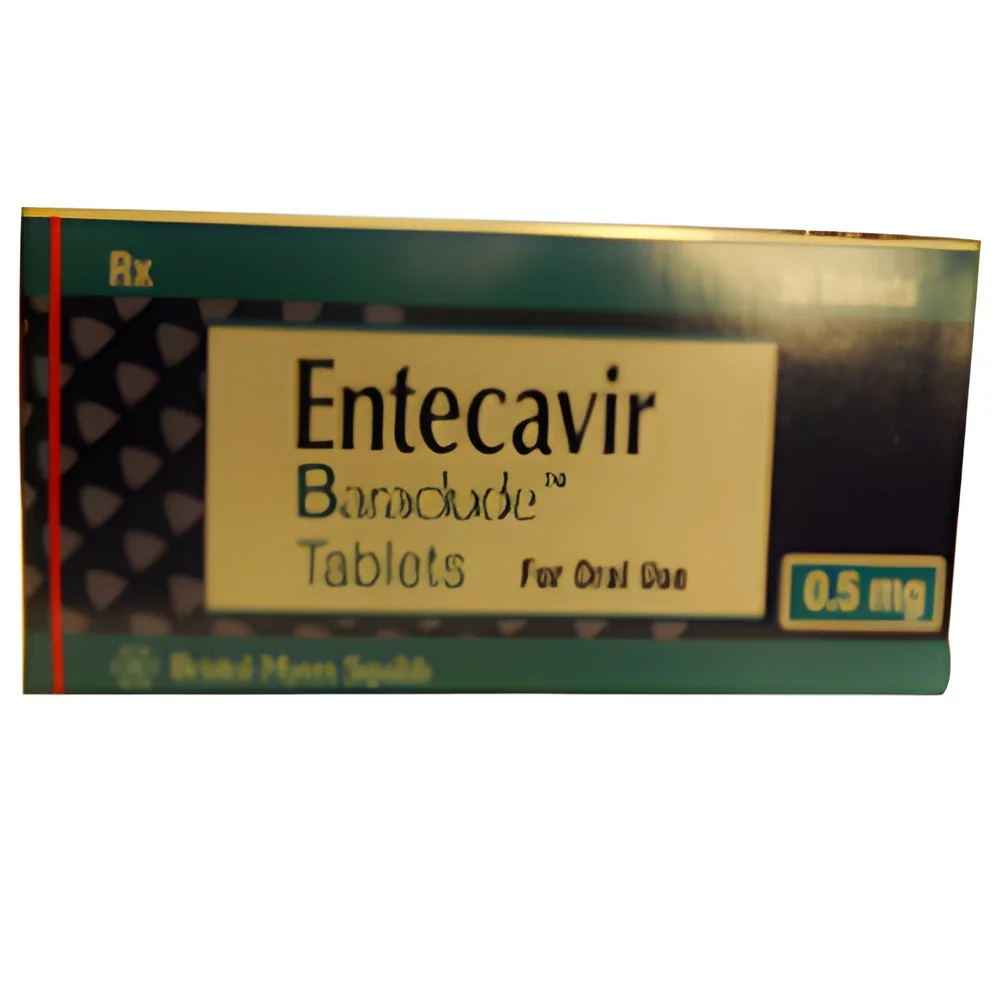
What are Antiviral Agents?
Antiviral agents are specialized medications designed to prevent the replication of viruses within the body. These agents work by targeting specific stages of the viral life cycle, effectively inhibiting their ability to multiply and spread. Unlike antibiotics, which target bacterial infections, antiviral agents are specifically formulated to combat viral pathogens, making them essential tools in modern medicine.
The primary uses of antiviral agents include the treatment of viral infections such as influenza, HIV, hepatitis, and herpes simplex virus. In a business context, they are crucial for healthcare facilities, pharmaceutical companies, and research institutions focused on infectious diseases. Antiviral agents are also increasingly important in the development of vaccines and other preventative measures against viral outbreaks. The demand for these agents has grown significantly in recent years due to global health challenges, highlighting their relevance in the pharmaceutical market.
Key Features and Specifications
Antiviral agents come with various features and specifications that make them effective in treating viral infections. Understanding these specifications is vital for businesses involved in procurement and application.
Key specifications include:
1. Efficacy Rate
- The percentage of virus suppression achieved by the agent.
- Typically ranges from 70% to 95% depending on the virus and treatment protocol.
2. Mechanism of Action
- The specific biochemical interaction through which the antiviral agent works.
- Includes inhibiting viral entry, replication, or release.
3. Dosage Forms
- Available in various forms such as tablets, injections, or topical applications.
- Ensures versatility in administration routes.
4. Shelf Life
- The period during which the antiviral agent remains effective.
- Generally ranges from 1 to 3 years under proper storage conditions.
5. Storage Conditions
- Specific temperature and humidity requirements for maintaining effectiveness.
- Often recommended to be stored at controlled room temperature.
6. Side Effects Profile
- A summary of potential adverse effects associated with the antiviral agent.
- Varies based on the specific agent and patient demographics.
7. Approved Indications
- List of viral infections or conditions for which the agent is approved for use.
- Includes conditions like HIV, hepatitis, and specific viral outbreaks.
In summary, understanding the key features and specifications of antiviral agents is essential for businesses involved in healthcare and pharmaceutical sectors, allowing them to make informed decisions.
Common Applications and Use Cases
Antiviral agents are applied across various industries, each with unique requirements and applications.
1. Healthcare: Antiviral agents are critical in hospitals and clinics for treating patients with viral infections, improving recovery rates and reducing transmission.
2. Pharmaceutical: Companies develop and manufacture antiviral agents, contributing to the expansion of treatment options available for viral diseases.
3. Research: Laboratories utilize antiviral agents in studies to better understand viral behavior and to develop new therapies and vaccines.
4. Veterinary: Antiviral agents are also used in veterinary medicine to manage viral infections in animals, ensuring animal health.
5. Biotech: Biotechnological firms employ antiviral agents in the development of novel therapies and diagnostics, addressing emerging viral threats.
6. Agriculture: Some antiviral agents are investigated for application in agriculture to protect crops from viral infections.
Product Variants and Subcategories
Antiviral agents encompass a diverse range of products designed to address various viral infections. This diversity allows businesses to select agents based on specific needs.
Variant 1: Nucleotide Analogues
These agents mimic the building blocks of viral nucleic acids, disrupting viral replication. They are commonly used in the treatment of HIV and hepatitis.
Variant 2: Protease Inhibitors
This class of antiviral agents inhibits the protease enzyme, crucial for viral maturation. They are primarily used in the treatment of HIV and some forms of hepatitis.
Variant 3: Neuraminidase Inhibitors
These agents block the neuraminidase enzyme, preventing the release of new viral particles. They are effective against influenza viruses.
Benefits and Advantages
Utilizing antiviral agents offers numerous advantages for businesses and healthcare providers in combating viral infections.
1. Effective Treatment: Antiviral agents provide targeted therapy, significantly reducing the severity and duration of viral infections.
2. Prevention of Transmission: By managing viral loads, these agents help in reducing the spread of infections within communities.
3. Improved Patient Outcomes: Timely administration of antiviral agents enhances recovery rates and decreases hospital stays.
4. Research Advancements: Antiviral agents contribute to scientific research, leading to the development of novel therapies and vaccines.
5. Cost Efficiency: Effective antiviral treatments can reduce overall healthcare costs associated with prolonged infections and complications.
Buying Guide for B2B Buyers
When sourcing antiviral agents, it is important to consider several key factors to ensure quality and reliability.
1. Quality Assessment: Evaluate the quality of antiviral agents through certifications and testing results. Look for adherence to recognized quality standards.
2. Supplier Verification: Vet suppliers by checking their reputation, certifications, and compliance with industry standards. A reliable supplier ensures product quality and safety.
3. Pricing and MOQ: Understand the pricing structure and minimum order quantities. Compare prices across different suppliers to ensure competitive rates.
4. Delivery and Lead Times: Assess delivery capabilities and lead times to ensure timely access to antiviral agents. Consider logistics and inventory management.
5. Compliance Requirements: Ensure that the antiviral agents meet regulatory standards applicable to your industry and region. This includes safety and efficacy testing.
Compliance and Certifications
Antiviral agents are subject to rigorous compliance and certification processes to ensure their safety and efficacy in treating viral infections.
Relevant quality standards such as ISO 9001 and HACCP are important for maintaining product quality throughout the manufacturing process. These standards help ensure that antiviral agents are produced in a controlled environment with consistent quality.
Industry certifications, including CE marking, provide assurance that the products meet European health, safety, and environmental protection standards. This certification is essential for gaining access to markets in various regions.
Safety and testing requirements also play a crucial role in the development of antiviral agents. Products must undergo thorough testing to evaluate their efficacy and potential side effects.
Additionally, regional compliance considerations are critical. Different countries may have specific regulations that govern the approval and use of antiviral agents, impacting market access and distribution.
Why Source Antiviral Agents from Pepagora?
Pepagora offers a trusted platform for sourcing antiviral agents, providing several key advantages to businesses.
Verified Supplier Network: Pepagora connects buyers with a network of verified suppliers, ensuring that only reputable and reliable manufacturers are featured. This verification process gives buyers confidence in the quality of the products.
Streamlined RFQ Process: The platform simplifies the request for quotation process, allowing buyers to easily compare offers from multiple suppliers. This efficiency helps businesses save time and make informed purchasing decisions.
Trade Assurance and Support: Pepagora provides trade assurance, protecting buyers against potential risks during transactions. The dedicated support team is available to assist buyers with any inquiries or issues.
Regional Coverage: With a strong presence in regions such as India, the GCC, and Southeast Asia, Pepagora ensures that businesses have access to antiviral agents across multiple markets. This geographic reach enhances sourcing opportunities for companies looking to expand their supply chains.

 IN
IN