
 IN
Anti-inflammatory Agents
24 products available
What are Anti-inflammatory Agents?
Anti-inflammatory agents are substances that help reduce inflammation in the body. Inflammation is the body's natural response to injury or infection, but when it becomes chronic, it can lead to various health issues, including arthritis, cardiovascular diseases, and autoimmune disorders. Anti-inflammatory agents work by inhibiting the pathways that cause inflammation, effectively alleviating pain and swelling.
These agents are primarily used in the pharmaceutical industry but also find applications in food production, cosmetics, and animal health. In a B2B context, companies utilize these agents for product development, enhancing the efficacy of pharmaceuticals, and improving the quality of food and cosmetic products. The market for anti-inflammatory agents is significant, driven by the rising prevalence of inflammation-related conditions and the increasing demand for effective treatment options.
Key Features and Specifications
Anti-inflammatory agents come with several key features that make them vital for various applications. Understanding these specifications can help businesses make informed decisions when sourcing these products.
Key specifications include:
1. Active Ingredients
- Specific compounds that exert anti-inflammatory effects.
- Varied depending on the formulation, such as non-steroidal or steroidal ingredients.
2. Purity Levels
- Minimum purity percentage required for effective use.
- Often ranges from 95% to 99% depending on the agent.
3. Formulation Type
- Available in oral, topical, or injectable forms.
- Each type serves different application needs.
4. Stability Conditions
- Required conditions for optimal storage, including temperature and humidity.
- Typically stable at room temperature but may vary by product.
5. Shelf Life
- Expected duration for which the product maintains efficacy.
- Generally ranges from 1 to 3 years.
6. Regulatory Compliance
- Adherence to relevant health and safety regulations.
- Certification such as CE is common.
In summary, understanding the key features and specifications of anti-inflammatory agents is crucial for businesses looking to select the right products for their specific needs.
Common Applications and Use Cases
Anti-inflammatory agents are utilized across various industries, each with unique applications tailored to their needs.
1. Pharmaceutical Industry: These agents are critical in developing medications for chronic pain management and inflammatory conditions. They are essential in formulating drugs that target arthritis and other inflammatory diseases.
2. Food Industry: Anti-inflammatory agents are used as additives to enhance the health benefits of food products. They help in preserving food quality and extending shelf life while providing health claims related to inflammation reduction.
3. Cosmetics Industry: In skincare products, anti-inflammatory agents are incorporated to soothe irritation and redness. They are effective in formulations aimed at sensitive skin and acne treatment.
4. Animal Health: These agents are included in veterinary medicines to treat inflammation in animals, ensuring their well-being and improving recovery times post-surgery.
5. Nutraceuticals: Anti-inflammatory agents are often found in dietary supplements aimed at enhancing overall health and preventing inflammation-related diseases.
Product Variants and Subcategories
Anti-inflammatory agents are diverse and come in various forms to cater to different applications.
Non-steroidal Anti-inflammatory Drugs (NSAIDs)
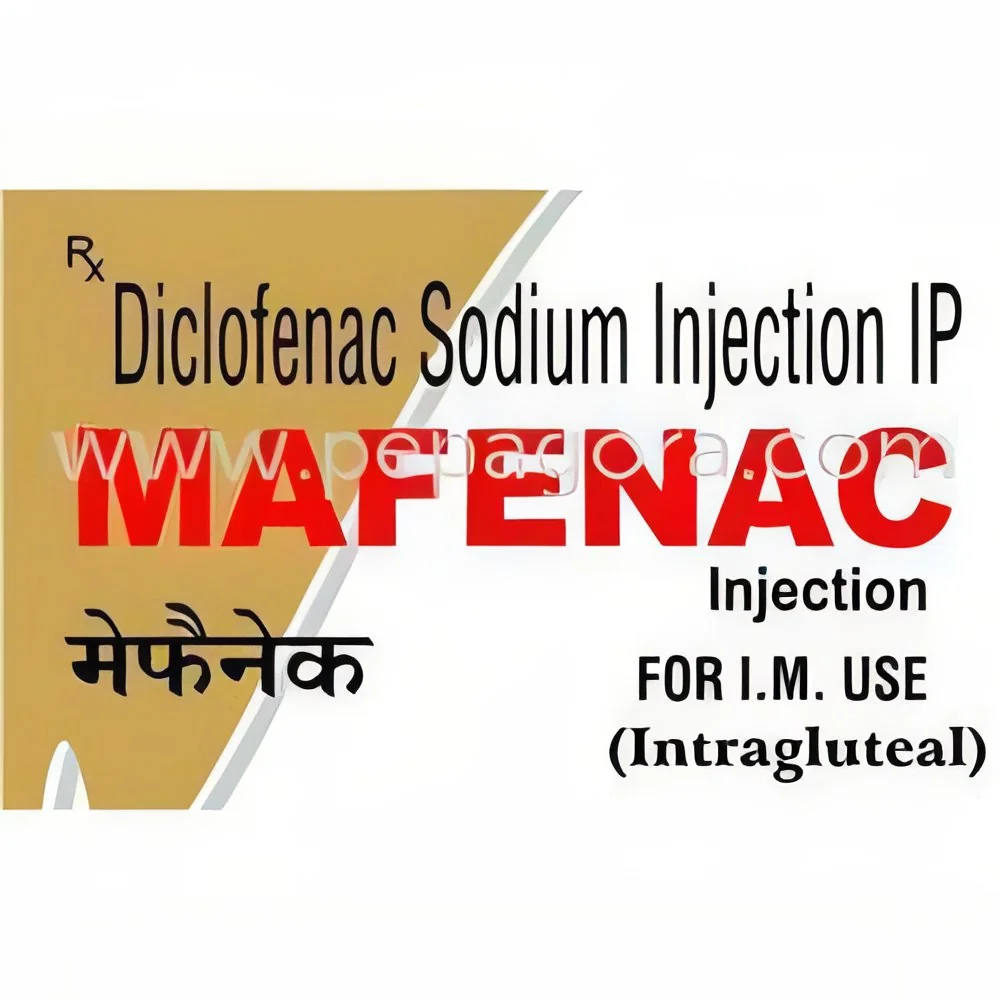
These are commonly used for pain relief and reducing inflammation. They are available in various formulations, including tablets, gels, and injections, making them versatile for multiple uses.
Corticosteroids
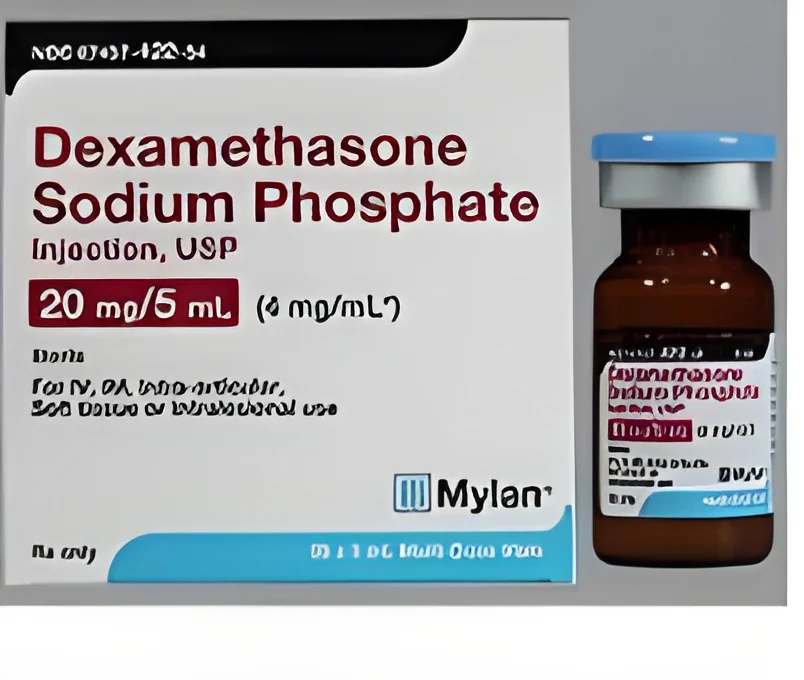
These agents are powerful anti-inflammatory drugs often prescribed for severe inflammation. They are used in various forms, such as oral tablets and topical creams, to manage conditions like asthma and severe allergies.
Natural Anti-inflammatory Compounds
Derived from plants, these compounds are gaining popularity in nutraceuticals and dietary supplements. They are often marketed for their health benefits without the side effects associated with synthetic drugs.
Benefits and Advantages
Utilizing anti-inflammatory agents provides several key advantages that can significantly impact health and productivity.
1. Pain Relief: These agents effectively alleviate pain associated with inflammation, improving quality of life for users.
2. Reduced Swelling: By targeting inflammation, they help decrease swelling, which is crucial for recovery from injuries.
3. Enhanced Healing: Anti-inflammatory agents can accelerate the healing process by reducing inflammation and allowing tissues to repair more effectively.
4. Versatile Applications: Their use spans across multiple industries, making them adaptable for various product formulations.
5. Improved Product Quality: In food and cosmetic industries, incorporating these agents can enhance the quality and longevity of products, providing added value to consumers.
Buying Guide for B2B Buyers
When sourcing anti-inflammatory agents, businesses should consider several critical factors to ensure they select the right products.
1. Quality Assessment: Evaluate the purity and concentration of the active ingredients to ensure efficacy. Look for suppliers providing certificates of analysis to verify quality.
2. Supplier Verification: Conduct background checks to ensure suppliers have a good reputation and comply with industry standards. This helps mitigate risks associated with sourcing.
3. Pricing and MOQ: Consider the cost per unit and the minimum order quantity (MOQ). Ensure pricing aligns with budget constraints while considering the quality of the product.
4. Delivery and Lead Times: Assess the supplier's logistics capabilities and their ability to meet delivery timelines. Reliable delivery is crucial for maintaining production schedules.
5. Compliance Requirements: Ensure that the products comply with relevant regulations and standards in your industry. This may include certifications like CE or adherence to local regulatory bodies.
Compliance and Certifications
Compliance and certifications are essential aspects of sourcing anti-inflammatory agents. Adhering to quality standards ensures that products are safe and effective for use.
Relevant quality standards include ISO 9001, which ensures quality management systems are in place, and HACCP, which focuses on food safety. These standards help in maintaining product integrity throughout the supply chain.
Industry certifications, like CE, indicate that the products meet European safety standards. This is particularly important for products intended for the pharmaceutical and food industries.
Safety and testing requirements are crucial to ensure that anti-inflammatory agents are free from harmful contaminants and meet the necessary efficacy benchmarks. Regular testing should be conducted by accredited laboratories to maintain compliance.
Regional compliance considerations are also vital, as regulations may vary by country. Understanding local laws and requirements will help ensure that products are compliant in the intended market.
Why Source Anti-inflammatory Agents from Pepagora?
Pepagora offers a reliable platform for sourcing anti-inflammatory agents, providing numerous advantages for B2B buyers.
Verified Supplier Network: Pepagora's extensive network consists of verified suppliers, ensuring that businesses can trust the quality and reliability of the products they source. This helps mitigate risks and fosters long-term partnerships.
Streamlined RFQ Process: The request for quotation (RFQ) system simplifies the procurement process, allowing buyers to receive competitive pricing and quick responses from multiple suppliers. This efficiency can significantly reduce sourcing time.
Trade Assurance and Support: Pepagora provides trade assurance, which protects buyers against risks associated with transactions. This added layer of support instills confidence in sourcing decisions.
Regional Coverage: With a strong presence in India, the GCC region, and Southeast Asia, Pepagora ensures comprehensive geographical coverage. This allows businesses to access a wide range of anti-inflammatory agents suited to their specific regional needs.











Frequently Asked Questions
What are Anti-inflammatory Agents?
Anti-inflammatory agents are substances that reduce inflammation and swelling in the body. They are commonly used in the treatment of various medical conditions, such as arthritis, allergies, and other inflammatory disorders.
What are the different types of Anti-inflammatory Agents?
The main types of anti-inflammatory agents include non-steroidal anti-inflammatory drugs (NSAIDs), corticosteroids, and disease-modifying antirheumatic drugs (DMARDs). Each type has its own mechanism of action and is used for specific conditions.
How do I choose the right Anti-inflammatory Agents?
Choosing the right anti-inflammatory agent depends on the specific condition being treated, the patient's medical history, and potential side effects. Consulting with a healthcare professional is essential to determine the most suitable option.
What are the standard specifications for Anti-inflammatory Agents?
Standard specifications for anti-inflammatory agents include their chemical composition, purity levels, and potency. These specifications can vary based on the type of agent and the manufacturer.
What is the price range for Anti-inflammatory Agents?
The price range for anti-inflammatory agents can vary widely based on the type, brand, and quantity purchased. Generally, prices can range from a few hundred to several thousand rupees per unit.
What quality standards apply to Anti-inflammatory Agents?
Anti-inflammatory agents must adhere to quality standards set by regulatory bodies such as the Drug Controller General of India (DCGI) and the World Health Organization (WHO). Compliance with Good Manufacturing Practices (GMP) is also crucial.
Where can I find Anti-inflammatory Agents suppliers in India?
Anti-inflammatory agents can be sourced from various suppliers in India, including pharmaceutical companies, wholesalers, and online B2B marketplaces like Pepagora. Conducting research and comparing suppliers is recommended for better options.
Can Anti-inflammatory Agents be customized?
Yes, some manufacturers offer customization options for anti-inflammatory agents based on specific requirements such as dosage forms, strengths, and packaging. It is advisable to discuss customization needs with the supplier.
What is the typical minimum order quantity for Anti-inflammatory Agents?
The typical minimum order quantity (MOQ) for anti-inflammatory agents varies by supplier and product type. Generally, MOQs can range from 100 to 1000 units, but this can be negotiated with the supplier.
What is the typical lead time for Anti-inflammatory Agents?
The typical lead time for anti-inflammatory agents can range from a few days to several weeks, depending on the supplier, product availability, and order size. It's important to confirm lead times when placing an order.
Why Businesses Trust Pepagora
Thousands of companies trust Pepagora to source smarter and sell faster
Expand Your Sales Globally

Source Smarter,Grow Faster
