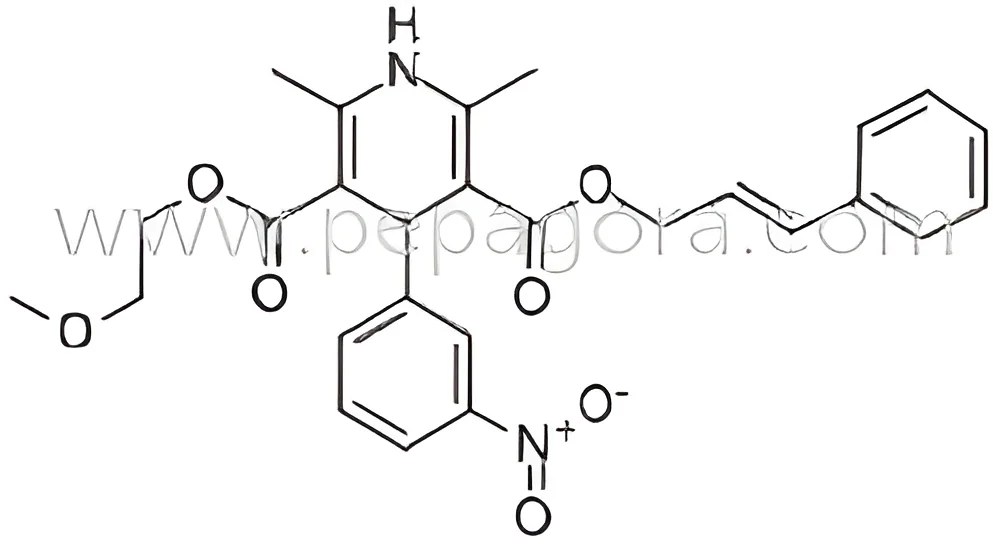
What are Cardiovascular Drug Ingredients?
Cardiovascular drug ingredients are specialized compounds used in the formulation of medications aimed at treating heart-related conditions. These ingredients can include active pharmaceutical ingredients (APIs) that act on various cardiovascular diseases, including hypertension, heart failure, and arrhythmias. They play a crucial role in the efficacy of medications, affecting how the drugs interact within the body and their overall therapeutic outcomes.
These ingredients are primarily used in pharmaceuticals that target cardiovascular health. They are essential in the production of various forms of medication, including tablets, capsules, and injectables. With rising incidences of heart diseases globally, the demand for effective cardiovascular medications continues to grow. This trend drives the market for cardiovascular drug ingredients, encouraging innovation and development within this sector.
The cardiovascular drug ingredient market is highly relevant, given the increasing prevalence of heart diseases across different demographics. The industry is characterized by a focus on research and development to create more effective drugs. Additionally, regulatory compliance and quality assurance are crucial as these ingredients are subjected to rigorous testing to ensure safety and effectiveness.
Key Features and Specifications
Cardiovascular drug ingredients possess several key features that make them suitable for pharmaceutical applications. Understanding these specifications is vital for manufacturers and buyers in the industry to ensure they select the right components for their formulations.
Key specifications include:
1. Purity Levels
- Ensures the ingredient is free from contaminants.
- Typically ranges from 95% to 99% purity.
2. Solubility
- Indicates how well the ingredient dissolves in solvents.
- Varies by ingredient, affecting absorption rates.
3. Stability
- Refers to the ingredient's ability to maintain its properties over time.
- Often assessed through accelerated stability testing.
4. Chemical Composition
- Details the molecular structure and active components.
- Critical for determining the drug's mechanism of action.
5. Shelf Life
- The period during which the ingredient remains effective.
- Typically ranges from 2 to 5 years depending on storage conditions.
6. Regulatory Compliance
- Must meet specific industry standards like GMP and ICH guidelines.
- Ensures safety and efficacy in final drug products.
7. Packaging Specifications
- Requires specific materials to maintain ingredient integrity.
- Commonly uses moisture-proof and light-resistant packaging.
8. Handling Requirements
- Describes necessary precautions during storage and use.
- May include temperature control and humidity monitoring.
These specifications are essential for ensuring the safety and effectiveness of cardiovascular medications.
Common Applications and Use Cases
Cardiovascular drug ingredients are utilized across various industries, reflecting their importance in healthcare.
1. Pharmaceutical Industry: These ingredients are critical in the development of drugs for hypertension, cholesterol management, and heart rhythm disorders.
2. Biotechnology Sector: Used in the formulation of biologics that target cardiovascular diseases, enhancing treatment options.
3. Research Institutions: Employed in clinical trials to evaluate new cardiovascular therapies and drug efficacy.
4. Nutraceuticals: Incorporated into dietary supplements aimed at heart health, providing preventive care.
5. Veterinary Medicine: Used in medications for animals with heart conditions, ensuring comprehensive health management.
6. Academic Research: Facilitates studies on cardiovascular diseases, aiding in the advancement of medical knowledge.
7. Health Care Providers: Used in compounding pharmacies for personalized medication solutions tailored to patient needs.
Product Variants and Subcategories
Cardiovascular drug ingredients come in various forms, catering to different therapeutic needs. This diversity allows for customized solutions in pharmaceutical formulations.
Variant 1: Antihypertensive Agents
These ingredients are designed to lower blood pressure. They include compounds like ACE inhibitors and beta-blockers, which are essential in managing hypertension and preventing heart failure.
Variant 2: Cholesterol-lowering Agents
This variant includes statins and fibrates, which are used to reduce cholesterol levels in patients at risk of cardiovascular disease. They play a vital role in preventing heart attacks and strokes.
Variant 3: Anticoagulants
These ingredients help prevent blood clots in patients with various cardiovascular conditions. Common examples are warfarin and direct oral anticoagulants, crucial for managing patients with atrial fibrillation.
Variant 4: Antiarrhythmics
These ingredients are used to treat irregular heartbeats. They help restore normal heart rhythm and are vital for patients with arrhythmias.
Benefits and Advantages
Sourcing high-quality cardiovascular drug ingredients presents numerous advantages for manufacturers and healthcare providers.
1. Enhanced Drug Efficacy: High-quality ingredients improve the therapeutic effectiveness of medications, leading to better patient outcomes.
2. Regulatory Compliance: Sourcing from certified suppliers ensures adherence to industry regulations, minimizing legal risks.
3. Consistent Quality: Reliable suppliers provide ingredients that meet stringent quality standards, ensuring uniformity in drug formulations.
4. Cost Efficiency: Bulk purchasing options can lower per-unit costs, improving overall profit margins for manufacturers.
5. Innovation Opportunities: Access to diverse and advanced ingredients supports the development of new therapies that meet evolving medical needs.
6. Technical Support: Many suppliers offer technical assistance and formulation advice, enhancing product development processes.
Buying Guide for B2B Buyers
When sourcing cardiovascular drug ingredients, manufacturers and pharmaceutical companies should consider several important factors to ensure they make informed purchasing decisions.
1. Quality Assessment: Evaluate the purity and stability of ingredients. Request certificates of analysis to confirm specifications.
2. Supplier Verification: Conduct thorough background checks on suppliers to ensure they meet industry standards and have a good reputation.
3. Pricing and MOQ: Understand the pricing structures and minimum order quantities. Compare offers from multiple suppliers to find the best value.
4. Delivery and Lead Times: Discuss logistics and expected delivery schedules. Timely supply is crucial for maintaining production schedules.
5. Compliance Requirements: Ensure that the ingredients meet all regulatory standards applicable in the regions where the products will be marketed.
Compliance and Certifications
Adhering to quality standards and obtaining necessary certifications is crucial in the production of cardiovascular drug ingredients.
Relevant quality standards include ISO 9001, which ensures quality management systems are in place. Additionally, compliance with HACCP principles is essential for food-related ingredients, and Good Distribution Practices (GDP) are necessary for maintaining product integrity during transport.
Industry certifications such as UL and CE are important for indicating that products meet safety and performance standards. These certifications provide assurance to buyers about the reliability of the ingredients.
Safety and testing requirements are paramount, and ingredients should undergo stringent testing protocols to ensure they are free from harmful contaminants. Furthermore, regional compliance considerations may vary, necessitating a thorough understanding of local regulations and market requirements.
Why Source Cardiovascular Drug Ingredients from Pepagora?
Pepagora offers a trusted platform for sourcing cardiovascular drug ingredients with several key advantages that support B2B buyers in making informed decisions.
Verified Supplier Network: Pepagora connects buyers with a network of verified suppliers, ensuring that all represented companies meet stringent quality and compliance standards. This reduces risks associated with sourcing and enhances trust in the procurement process.
Streamlined RFQ Process: The platform simplifies the request for quotation process, enabling buyers to quickly and efficiently obtain competitive pricing from multiple suppliers. This convenience saves time and enhances procurement efficiency.
Trade Assurance and Support: Buyers benefit from trade assurance programs that provide protection for transactions, ensuring that they receive the quality and quantity of ingredients as specified. Customer support is readily available to address any concerns that may arise.
Regional Coverage: Pepagora’s geographic reach spans India, the GCC, and Southeast Asia, allowing buyers to source ingredients from reliable suppliers across these regions. This comprehensive coverage facilitates access to a diverse range of cardiovascular drug ingredients, catering to various market needs.

 IN
IN