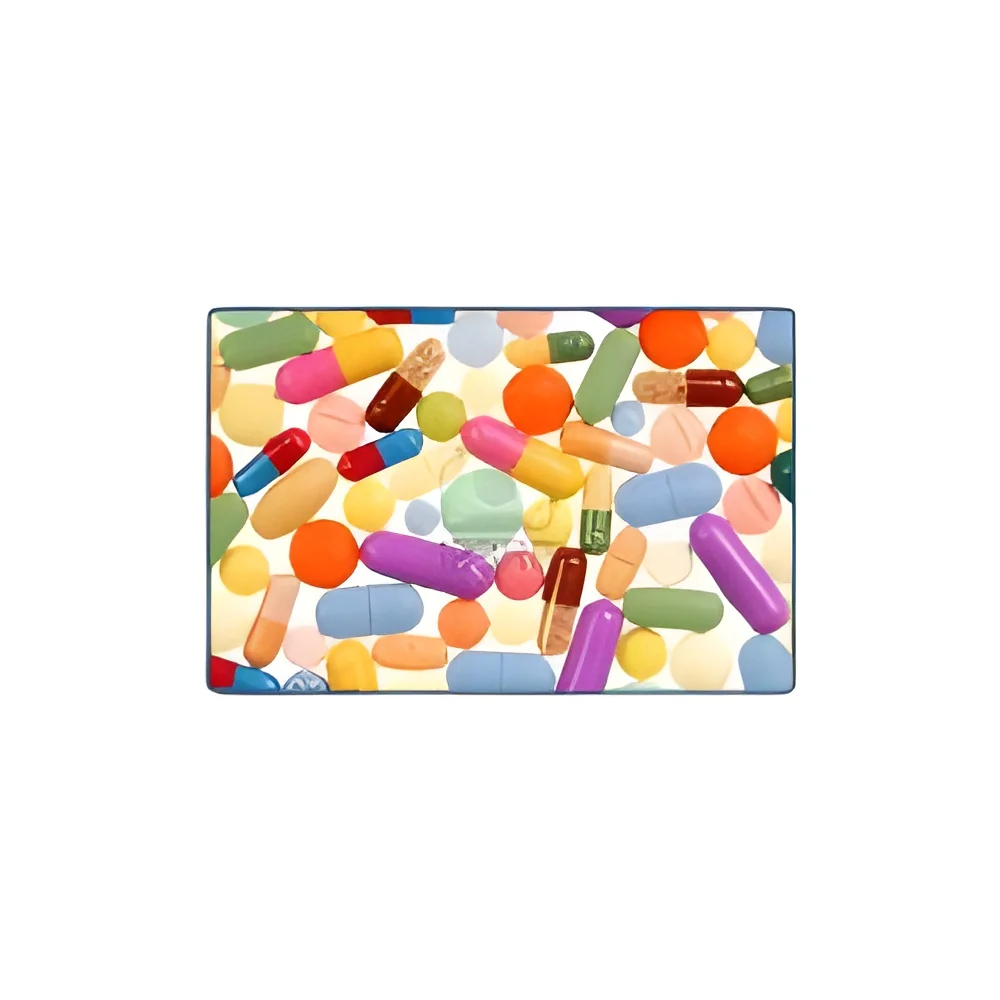
What are Colorants for Pharmaceuticals?
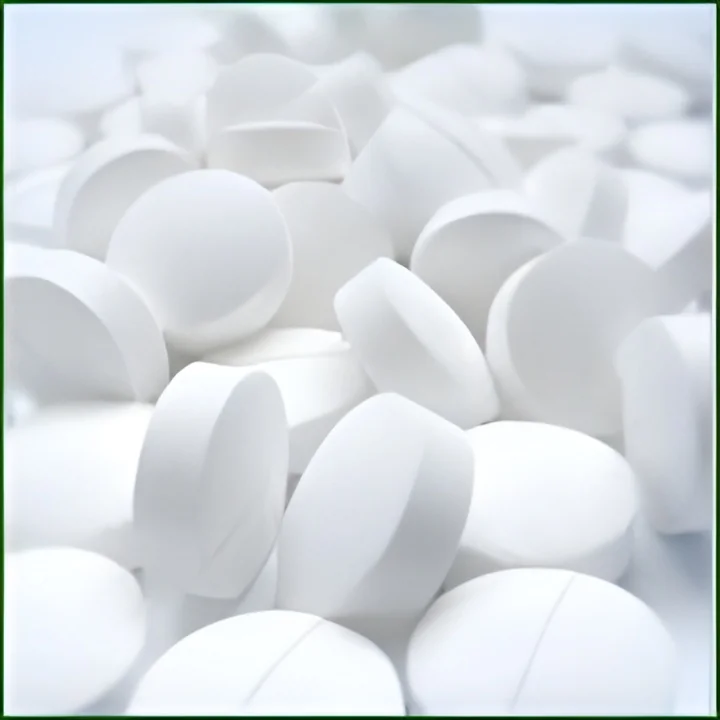
Colorants for pharmaceuticals are substances that add color to various pharmaceutical products, including tablets, capsules, and liquids. These colorants enhance the visual appeal of medications and aid in product identification. By using colorants, manufacturers can differentiate their products in a crowded marketplace and provide visual cues that enhance user experience.
The primary uses of colorants in pharmaceuticals include masking the natural color of active ingredients, improving aesthetic qualities, and ensuring product uniformity. They play a significant role in branding and marketing, as color can influence consumer perceptions and choices. Additionally, colorants can assist in dosage identification, ensuring that patients can easily recognize their medications.
In today's pharmaceutical industry, the use of colorants is highly relevant, as they contribute to the overall effectiveness of drug delivery systems. The global market for pharmaceutical colorants is growing steadily, driven by increasing demand for visually appealing and easily identifiable medications. Manufacturers are increasingly focusing on compliance with safety and quality standards, making the selection of appropriate colorants a critical aspect of pharmaceutical product development.
Key Features and Specifications
Colorants for pharmaceuticals come with a variety of features and specifications that cater to industry needs. Understanding these specifications is essential for manufacturers looking to enhance their products.
Key specifications include:
1. Type of Colorant
- Natural or synthetic options available
- Specific applications for each type
2. Color Stability
- Resistance to fading and degradation over time
- Essential for maintaining product integrity
3. Regulatory Compliance
- Adherence to FDA and EU regulations
- Ensures safety for human consumption
4. Solubility
- Water-soluble or oil-soluble formulations
- Influences the application method and effectiveness
5. Concentration Levels
- Varying concentrations depending on application
- Affects the final color intensity and product appearance
6. Safety and Toxicology
- Non-toxic and safe for human consumption
- Must meet stringent safety testing standards
7. Shelf Life
- Longevity of colorant effectiveness
- Important for product storage and distribution
8. Batch Consistency
- Uniformity in color across different production batches
- Critical for maintaining brand integrity
In summary, understanding the features and specifications of pharmaceutical colorants is crucial for manufacturers aiming to improve product quality and compliance.
Common Applications and Use Cases
Colorants for pharmaceuticals are utilized across a range of industries, enhancing product functionality and appeal.
1. Pharmaceutical Manufacturing: Colorants are essential in the production of tablets and capsules, aiding in identification and branding.
2. Nutraceuticals: These colorants are used in dietary supplements to improve visual appeal and consumer recognition.
3. Veterinary Products: Colorants help distinguish different formulations in veterinary medications, ensuring proper dosage and use.
4. Cosmetics: Although primarily pharmaceutical, colorants are also applied in cosmetic formulations that require regulatory compliance.
5. Food Supplements: Some pharmaceutical colorants are suitable for food-grade applications, enhancing the appearance of edible products.
6. Biologics: Colorants can assist in the identification of biologic medications, especially in complex formulations.
7. Medical Devices: Colorants are sometimes used in medical devices to indicate functionality or risk.
Product Variants and Subcategories
The diversity of colorants for pharmaceuticals allows manufacturers to choose variants that best fit their needs.
Natural Colorants
These are derived from plants and minerals and are preferred for their safety and consumer appeal. They offer vibrant colors without synthetic additives, making them suitable for organic products.
Synthetic Colorants
These colorants provide a broader range of colors and are often more cost-effective. They are used widely in various pharmaceutical applications due to their stability and consistency.
Benefits and Advantages
Sourcing colorants for pharmaceuticals provides several key advantages that can enhance product offerings.
1. Enhanced Aesthetic Appeal: Colorants improve the visual aspects of medications, making them more attractive to consumers.
2. Improved Identification: Different colors can help patients easily identify their medications, reducing the risk of dosage errors.
3. Brand Differentiation: Unique colors can set products apart in a crowded market, contributing to brand identity.
4. Compliance with Regulations: Using certified colorants ensures adherence to safety standards, protecting consumers and manufacturers.
5. Versatility: Colorants can be used across various pharmaceutical formulations, increasing their applicability.
6. Stability and Longevity: High-quality colorants maintain their effectiveness over time, ensuring consistent product performance.
Buying Guide for B2B Buyers
When sourcing colorants for pharmaceuticals, several factors should be considered to ensure quality and compliance.
1. Quality Assessment: Evaluate the quality of colorants based on supplier certifications and testing results. Look for colorants that meet industry standards for safety and efficacy.
2. Supplier Verification: Vet suppliers to ensure they have a good reputation and a history of reliability. Check for customer reviews and industry references.
3. Pricing and MOQ: Consider the pricing structure and minimum order quantities. Ensure that the pricing aligns with your budget while meeting production needs.
4. Delivery and Lead Times: Assess the logistics of supplier delivery schedules. Timely delivery is crucial for maintaining production timelines and meeting market demands.
5. Compliance Requirements: Ensure that the colorants comply with relevant regulations and quality standards. This is essential for avoiding potential legal issues and ensuring product safety.
Compliance and Certifications
Colorants for pharmaceuticals must meet various compliance and certification standards to ensure safety and efficacy.
Relevant quality standards include ISO 9001, which focuses on quality management systems. Compliance with HACCP (Hazard Analysis Critical Control Point) is also vital, as it helps identify and mitigate potential hazards in production.
Industry certifications such as CE indicate that the colorants meet European health, safety, and environmental protection standards.
Safety and testing requirements are critical, with rigorous evaluations needed to confirm that colorants are non-toxic and safe for human consumption.
Regional compliance considerations vary, with different countries having specific regulations governing the use of colorants in pharmaceuticals. Understanding these requirements is essential for manufacturers operating in multiple regions.
Why Source Colorants for Pharmaceuticals from Pepagora?
Pepagora offers a trusted platform for sourcing colorants for pharmaceuticals, providing several key advantages that enhance the buyer's experience.
Verified Supplier Network: Pepagora connects buyers with a network of verified suppliers, ensuring that products meet high-quality standards and compliance requirements.
Streamlined RFQ Process: The request for quotation (RFQ) system simplifies the sourcing process, allowing buyers to receive competitive quotes efficiently.
Trade Assurance and Support: Buyers benefit from trade assurance, providing protection throughout the purchasing process and ensuring satisfaction with product quality.
Regional Coverage: With a strong presence in India, GCC, and Southeast Asia, Pepagora facilitates access to a wide range of suppliers, enhancing sourcing options for buyers in these regions.

 IN
IN