
 IN
INNutraceutical Ingredients
1 products available
What are Nutraceutical Ingredients?
Nutraceutical ingredients are bioactive compounds derived from food sources that offer health benefits beyond basic nutrition. These ingredients can include vitamins, minerals, amino acids, fatty acids, and herbal extracts, all of which play significant roles in promoting health and preventing diseases. The term "nutraceutical" combines "nutrition" and "pharmaceutical," highlighting their dual role in providing nutritional value and supporting health.
Nutraceutical ingredients are primarily used in dietary supplements, functional foods, and beverages aimed at health-conscious consumers. They serve various business applications, including product formulation for health supplements, enhancing food products with added health benefits, and developing specialized nutrition products for specific health conditions. The growing focus on preventive healthcare and wellness has significantly increased the demand for these ingredients in the marketplace, leading to a robust nutraceutical sector.
The nutraceutical industry is gaining momentum globally, driven by rising health awareness, an aging population, and an increasing preference for natural products. Market insights indicate that the sector is expected to grow significantly over the coming years. As a result, businesses are actively exploring innovative formulations and sourcing high-quality nutraceutical ingredients to meet consumer demands.
Key Features and Specifications
Nutraceutical ingredients possess unique characteristics that make them suitable for various applications. Understanding these features is essential for businesses looking to integrate them into their products.
Key specifications include:
1. Source of Extraction
- Nutraceutical ingredients can be derived from natural sources such as plants, animals, or minerals.
- Common extraction methods include solvent extraction, cold pressing, and fermentation.
2. Bioavailability
- Refers to the degree and rate at which active ingredients are absorbed and utilized by the body.
- Higher bioavailability indicates better efficacy in delivering health benefits.
3. Purity Level
- Nutraceutical ingredients should meet specific purity standards to ensure safety and effectiveness.
- Purity is typically assessed through laboratory testing for contaminants and adulterants.
4. Stability
- Stability refers to the ingredient's ability to maintain its potency and efficacy over time.
- Factors affecting stability include temperature, humidity, and light exposure.
5. Dosage Form
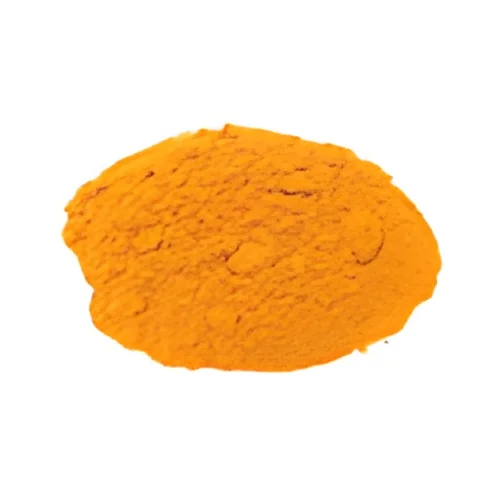
- Nutraceutical ingredients are available in various forms, such as powders, capsules, tablets, and liquid extracts.
- The choice of dosage form can influence consumer preference and product performance.
6. Regulatory Compliance
- Ingredients must comply with regional and international regulations, ensuring they meet safety and quality standards.
- Compliance is critical for market access and consumer trust.
7. Shelf Life
- The shelf life indicates how long the ingredient retains its potency and safety under specified storage conditions.
- It is essential for product formulation and inventory management.
8. Cost and Minimum Order Quantity (MOQ)
- Pricing varies based on ingredient type, quality, and sourcing methods.
- Businesses should consider MOQ to optimize procurement processes and manage costs effectively.
In summary, understanding these key features and specifications is crucial for businesses aiming to select the right nutraceutical ingredients for their product lines.
Common Applications and Use Cases
Nutraceutical ingredients are versatile and find applications across various industries. Their health-promoting properties make them ideal for numerous uses.
1. Dietary Supplements: Nutraceutical ingredients are extensively used in dietary supplements to enhance their nutritional value and therapeutic effects. This includes vitamins, minerals, and herbal extracts.
2. Functional Foods: Food manufacturers incorporate nutraceutical ingredients into functional foods to provide added health benefits. Examples include fortified cereals, energy bars, and beverages with added probiotics.
3. Sports Nutrition: The sports nutrition industry utilizes nutraceutical ingredients to support athletic performance and recovery. Ingredients such as amino acids and protein isolates are popular choices.
4. Weight Management: Products aimed at weight management often include nutraceutical ingredients that promote metabolism and appetite control, such as green tea extract or fiber.
5. Personal Care: The personal care industry is integrating nutraceutical ingredients for their antioxidant and anti-inflammatory properties, enhancing skincare and cosmetic products.
6. Animal Nutrition: Nutraceutical ingredients are also used in animal feed to improve health and performance in livestock and pets, contributing to overall wellbeing.
7. Functional Beverages: Nutraceutical ingredients are incorporated into beverages such as energy drinks and health tonics, providing functional benefits that appeal to health-conscious consumers.
Product Variants and Subcategories
Nutraceutical ingredients encompass a diverse range of products, catering to various health needs and consumer preferences.
Herbal Extracts
These are concentrated forms of plants known for their therapeutic properties. Common applications include stress relief, immune support, and digestive health.
Vitamins and Minerals
Essential for overall health, these ingredients help fill dietary gaps. They are commonly found in multivitamins and specialized supplements for different demographics.
Probiotics
Beneficial bacteria that support gut health are widely sought after. They are often included in dietary supplements and functional foods to promote digestive health.
Omega Fatty Acids
These essential fats are known for supporting heart and brain health. They are commonly found in fish oil supplements and fortified foods.
Amino Acids
Critical for muscle repair and growth, amino acids are popular in sports nutrition products. They support recovery and enhance athletic performance.
Benefits and Advantages
Nutraceutical ingredients offer several advantages for consumers and businesses alike. Understanding these benefits can guide product formulation and marketing strategies.
1. Health Promotion: Nutraceutical ingredients contribute to overall health by providing essential nutrients and bioactive compounds that support bodily functions.
2. Disease Prevention: Many nutraceutical ingredients are linked to the prevention of chronic diseases, making them appealing to health-conscious consumers.
3. Natural Alternatives: The demand for natural and organic products is rising, and nutraceutical ingredients provide an effective way to meet this consumer preference.
4. Customization Opportunities: Businesses can create tailored products by selecting specific nutraceutical ingredients to address unique health concerns or market segments.
5. Enhanced Product Appeal: Products containing nutraceutical ingredients can attract a wider audience by highlighting health benefits and functional claims.
6. Regulatory Compliance: Sourcing high-quality nutraceutical ingredients often ensures compliance with industry regulations, helping businesses build trust with consumers.
Buying Guide for B2B Buyers
When sourcing nutraceutical ingredients, businesses should consider several critical factors to ensure they select the right products for their needs.
1. Quality Assessment: Evaluate the quality of nutraceutical ingredients by examining production practices, testing for contaminants, and ensuring compliance with industry standards.
2. Supplier Verification: Vet suppliers to confirm their credibility and reliability. Check for certifications, customer reviews, and references to ensure they meet your quality and service expectations.
3. Pricing and MOQ: Analyze pricing structures and minimum order quantities to ensure they align with your budget and inventory management strategies.
4. Delivery and Lead Times: Discuss logistics with suppliers to understand delivery schedules and lead times. Efficient supply chain management is essential for maintaining product availability.
5. Compliance Requirements: Be aware of regional and international regulations that apply to nutraceutical ingredients. Ensure that your suppliers can meet these compliance standards to avoid legal issues.
Compliance and Certifications
Nutraceutical ingredients are subject to various quality and safety standards, which are crucial for ensuring consumer trust and product efficacy.
ISO 9001 is a key quality management standard that ensures organizations consistently meet customer and regulatory requirements. Achieving this certification demonstrates a commitment to quality processes.
HACCP (Hazard Analysis Critical Control Point) is a systematic approach to food safety that identifies and controls potential hazards in the production process. Compliance with HACCP standards is vital for businesses in the nutraceutical sector.
Good Distribution Practices (GDP) ensure that products are consistently stored, transported, and handled according to quality standards. Adhering to GDP guidelines is essential for maintaining product integrity throughout the supply chain.
Additionally, CE certification indicates that a product meets European safety, health, and environmental requirements. This certification can enhance market access and consumer confidence.
Safety and testing requirements are critical for ensuring that nutraceutical ingredients meet industry standards. Regular testing for contaminants, potency, and efficacy is necessary to maintain product quality.
Regional compliance considerations may vary based on local regulations, necessitating a thorough understanding of the specific requirements in the markets where products will be sold.
Why Source Nutraceutical Ingredients from Pepagora?
Pepagora provides a trusted platform for sourcing nutraceutical ingredients, offering several key advantages for businesses seeking high-quality products.
Verified Supplier Network: Pepagora has established a rigorous supplier verification process to ensure that all partners meet stringent quality and regulatory standards. This gives businesses peace of mind when sourcing ingredients.
Streamlined RFQ Process: The platform simplifies the request for quotation (RFQ) process, allowing buyers to quickly and efficiently find the right suppliers and negotiate terms. This saves time and enhances overall procurement efficiency.
Trade Assurance and Support: Pepagora offers trade assurance and comprehensive support, protecting buyers from potential risks associated with sourcing. This commitment to buyer protection fosters trust and confidence in transactions.
Regional Coverage: With a strong presence in India, the GCC, and Southeast Asia, Pepagora provides extensive regional coverage, allowing businesses to access a diverse range of nutraceutical ingredients from reliable suppliers.
By choosing Pepagora as a sourcing partner, businesses can leverage these advantages to enhance their product offerings and drive growth in the competitive nutraceutical market.

Frequently Asked Questions
What are Nutraceutical Ingredients?
Nutraceutical ingredients are substances derived from food sources that provide health benefits beyond basic nutrition. They are often used in dietary supplements, functional foods, and beverages to promote health, prevent disease, and enhance well-being.
What are the different types of Nutraceutical Ingredients?
Nutraceutical ingredients can be categorized into several types, including vitamins, minerals, amino acids, fatty acids, probiotics, and herbal extracts. Each type serves specific health benefits and can be used in various formulations.
How do I choose the right Nutraceutical Ingredients?
To choose the right nutraceutical ingredients, consider factors such as the intended health benefits, the target demographic, and the formulation type. Additionally, assess the quality and safety of the ingredients through supplier certifications and third-party testing.
What are the standard specifications for Nutraceutical Ingredients?
Standard specifications for nutraceutical ingredients typically include purity, potency, and microbiological limits. These specifications ensure that the ingredients meet safety and efficacy standards set by regulatory authorities.
What is the price range for Nutraceutical Ingredients?
The price range for nutraceutical ingredients varies widely based on the type, quality, and sourcing of the ingredients. Generally, prices can range from a few hundred to several thousand Indian Rupees per kilogram.
What quality standards apply to Nutraceutical Ingredients?
Quality standards for nutraceutical ingredients often include compliance with Good Manufacturing Practices (GMP), ISO certifications, and specific regulatory requirements set by authorities such as FSSAI in India. These standards ensure product safety and efficacy.
Where can I find Nutraceutical Ingredients suppliers in India?
You can find nutraceutical ingredients suppliers in India through B2B marketplaces like Pepagora, trade shows, and industry directories. It is advisable to research and verify suppliers for quality and reliability.
Can Nutraceutical Ingredients be customized?
Yes, many manufacturers offer customization of nutraceutical ingredients to meet specific formulation needs. Customization can include adjusting the potency, combining different ingredients, or tailoring formulations for targeted health benefits.
What is the typical minimum order quantity for Nutraceutical Ingredients?
The typical minimum order quantity (MOQ) for nutraceutical ingredients varies by supplier and product type, but it generally ranges from 1 kg to 100 kg. It is essential to confirm the MOQ with the supplier before placing an order.
What is the typical lead time for Nutraceutical Ingredients?
The typical lead time for nutraceutical ingredients can range from 1 to 4 weeks, depending on the supplier, product availability, and order size. It is advisable to discuss lead times with the supplier when placing an order.
Why Businesses Trust Pepagora
Thousands of companies trust Pepagora to source smarter and sell faster
Expand Your Sales Globally

Source Smarter,Grow Faster
