What are Coating Agents?
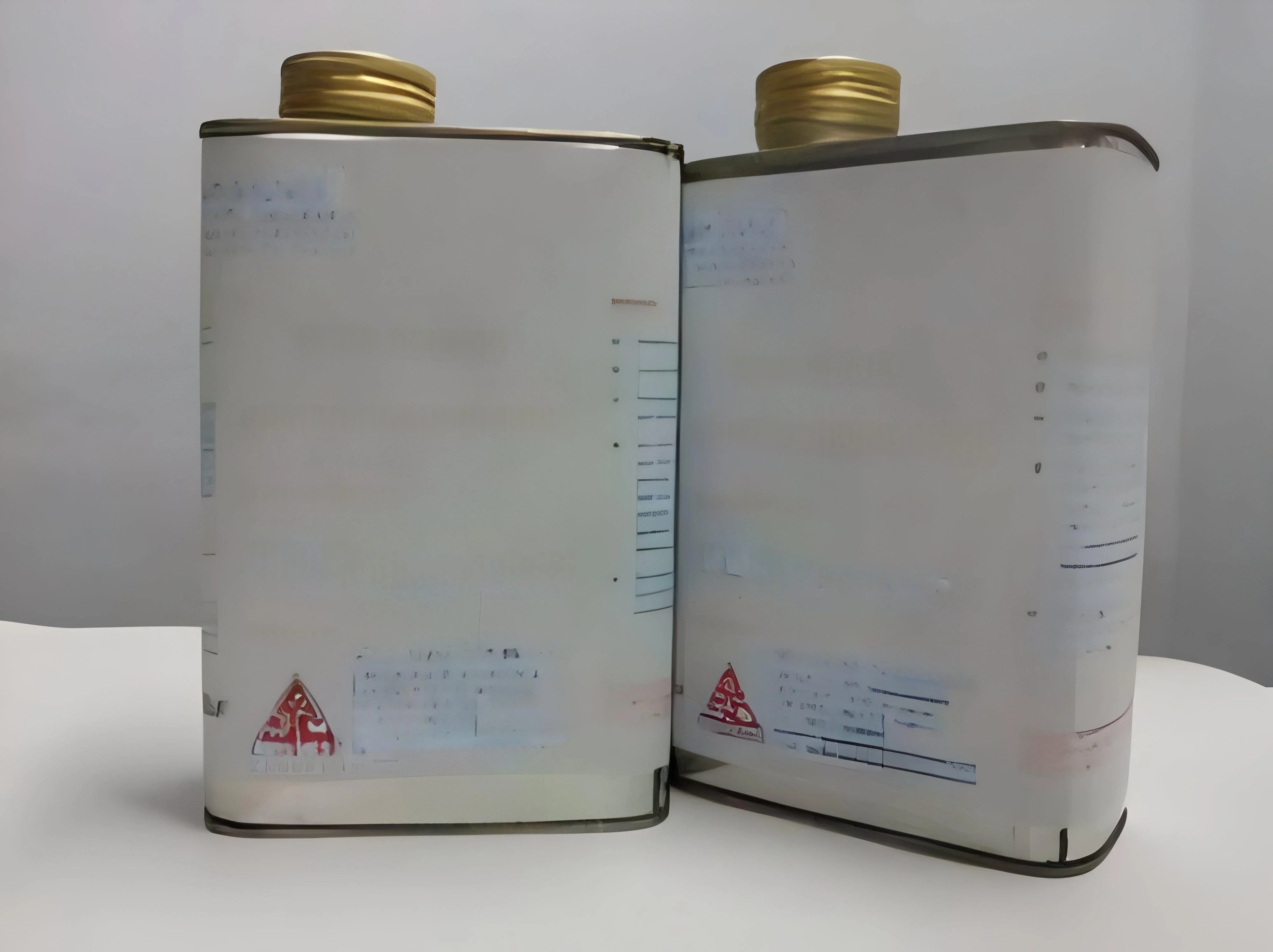
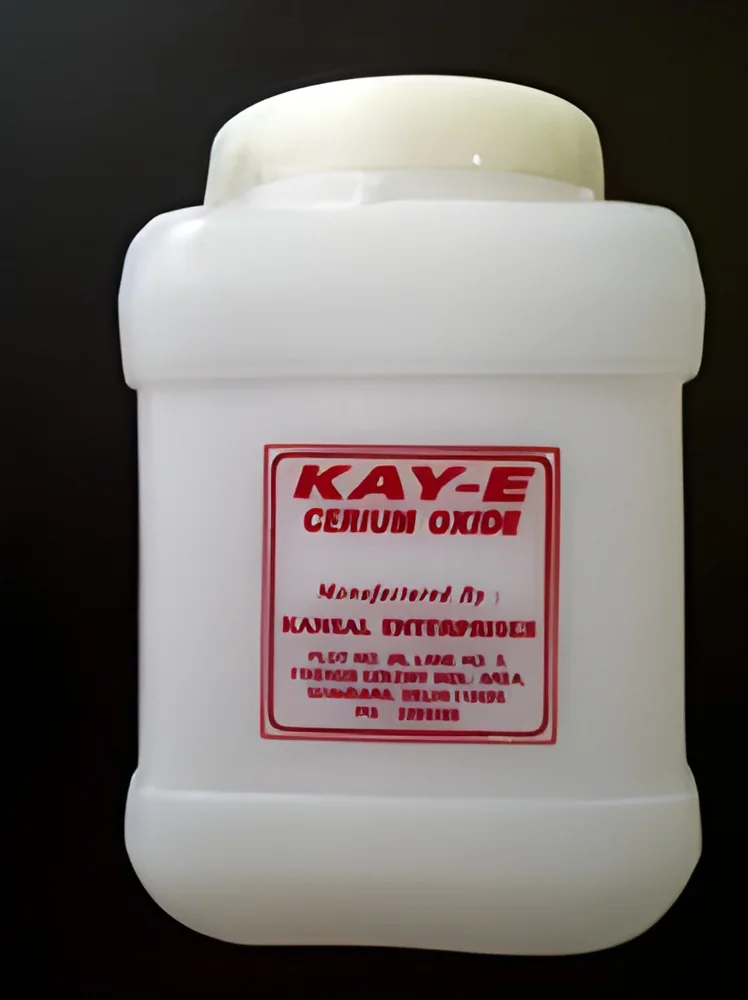
Coating agents are specialized substances used to create a protective or decorative layer on various surfaces. These agents are formulated to enhance performance characteristics such as corrosion resistance, adhesion, and aesthetic appeal. They can be applied in multiple forms, including liquids, powders, or sprays, depending on the substrate and desired outcome. Coating agents are essential in ensuring that materials maintain their integrity and visual quality over time.
The primary applications of coating agents span several industries, including manufacturing, construction, automotive, and electronics. In manufacturing, they are crucial for protecting metal components from rust and wear. In construction, coating agents serve to waterproof surfaces and improve durability. The automotive industry benefits from coatings that enhance the appearance and protect against environmental factors. As industries strive for improved performance and longevity of materials, the demand for quality coating agents continues to grow.
The market for coating agents is expanding, driven by technological advancements and increasing awareness of environmental concerns. Innovations in eco-friendly coatings and sustainable production methods are becoming more prevalent. As industries evolve, so does the need for versatile and high-performance coating solutions that cater to specific application requirements.
Key Features and Specifications
Coating agents come with a variety of features and specifications designed to meet industry demands. Understanding these specifications is crucial for selecting the appropriate product for specific applications.
Key specifications include:
1. Composition
- Typically composed of resins, pigments, solvents, and additives.
- Varies based on application requirements and desired properties.
2. Application Method
- Can be applied via spraying, brushing, or dipping.
- Each method has specific advantages depending on the surface and environment.
3. Drying Time
- Varies by formulation, generally ranging from minutes to hours.
- Important for operational efficiency and productivity.
4. Adhesion Strength
- Indicates how well the coating adheres to the substrate.
- Measured in terms of tensile strength or shear strength.
5. Chemical Resistance
- Ability to withstand exposure to various chemicals.
- Essential for applications in harsh environments.
6. Temperature Resistance
- Some coatings are designed to withstand high or low temperatures.
- Important for applications in extreme conditions.
7. UV Stability
- Ability to resist degradation from ultraviolet light exposure.
- Essential for outdoor applications.
8. Thickness Range
- Coatings can be formulated for various thicknesses.
- Thickness impacts durability and performance.
In summary, understanding the features and specifications of coating agents is vital for industries looking to improve the performance and longevity of their products.
Common Applications and Use Cases
Coating agents are utilized across a diverse range of industries, each with unique applications.
1. Automotive: Coating agents are used in vehicle manufacturing to provide a durable finish, improve aesthetics, and protect against rust and environmental damage.
2. Construction: In building projects, coating agents are essential for waterproofing surfaces, enhancing the visual appeal of structures, and providing protection against weathering.
3. Electronics: Coating agents are applied to electronic components to provide insulation and protection from moisture and dust, ensuring longevity and reliability.
4. Aerospace: In the aerospace sector, specialized coatings are used to reduce weight, improve fuel efficiency, and protect against extreme temperatures and corrosion.
5. Marine: Coating agents are crucial in boat and ship manufacturing, providing anti-fouling, corrosion resistance, and protection against harsh marine environments.
6. Furniture: Coatings are applied to furniture to enhance durability, improve appearance, and provide resistance to stains and scratches.
7. Packaging: Coating agents are used in packaging materials to improve barrier properties and prolong shelf life.
Product Variants and Subcategories
Coating agents come in various formulations to cater to different industrial needs. Each variant offers unique features and applications.
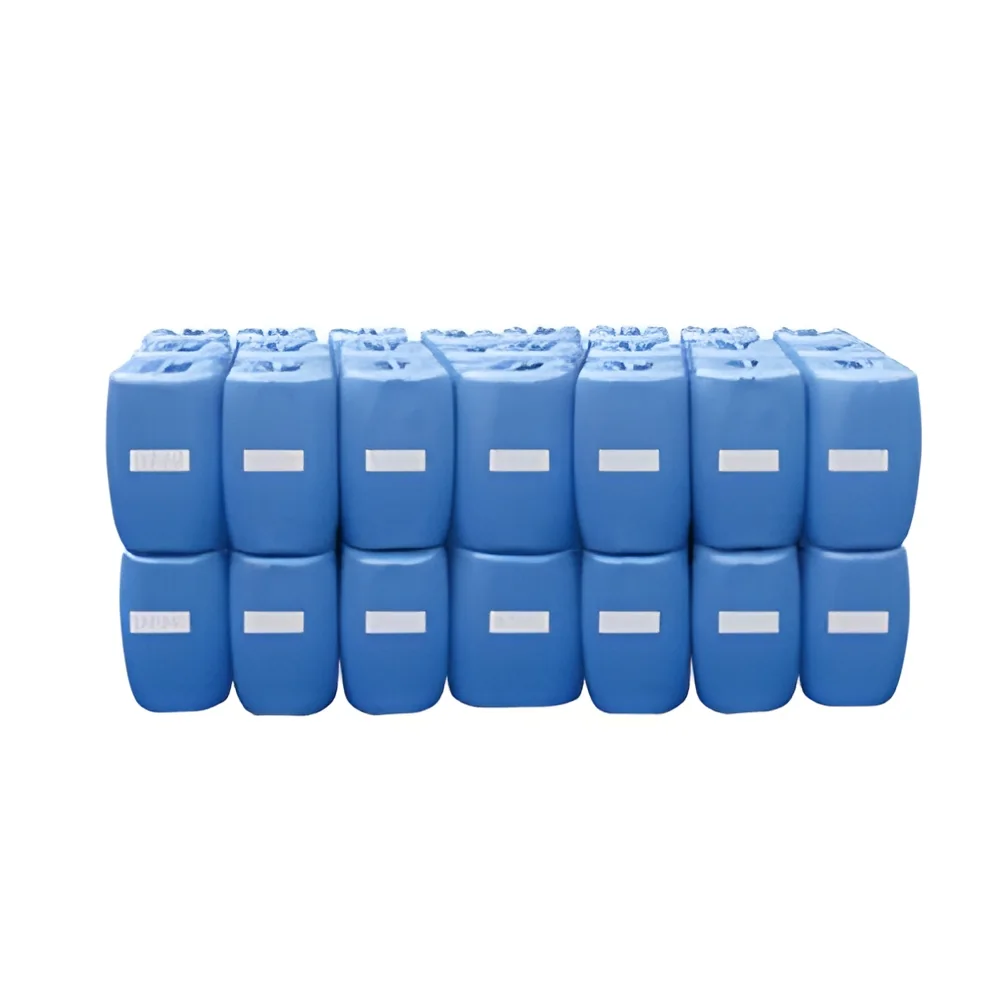
Water-based Coating Agents: These agents are environmentally friendly and low in volatile organic compounds (VOCs). They are ideal for indoor applications and provide excellent adhesion and durability.
Solvent-based Coating Agents: Known for their quick-drying properties, these agents are suitable for outdoor applications. They offer superior chemical resistance and are often used in industrial settings.
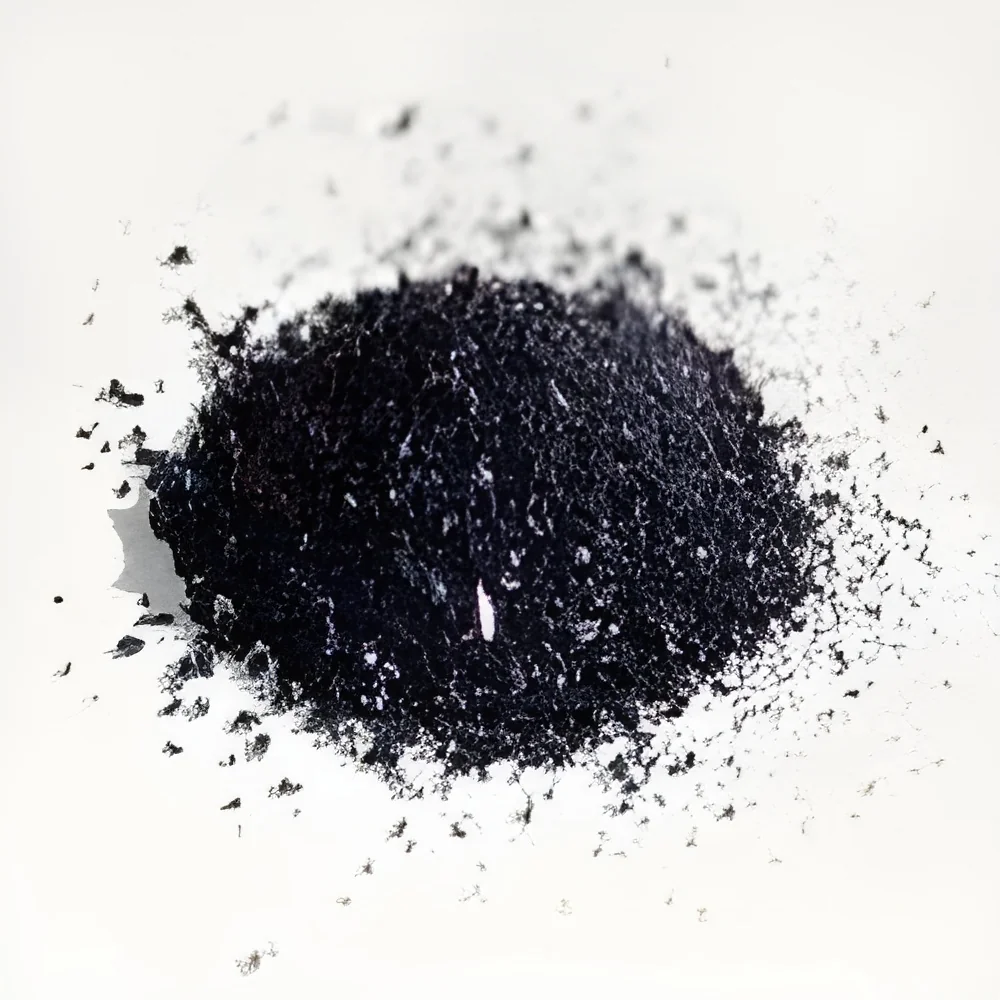
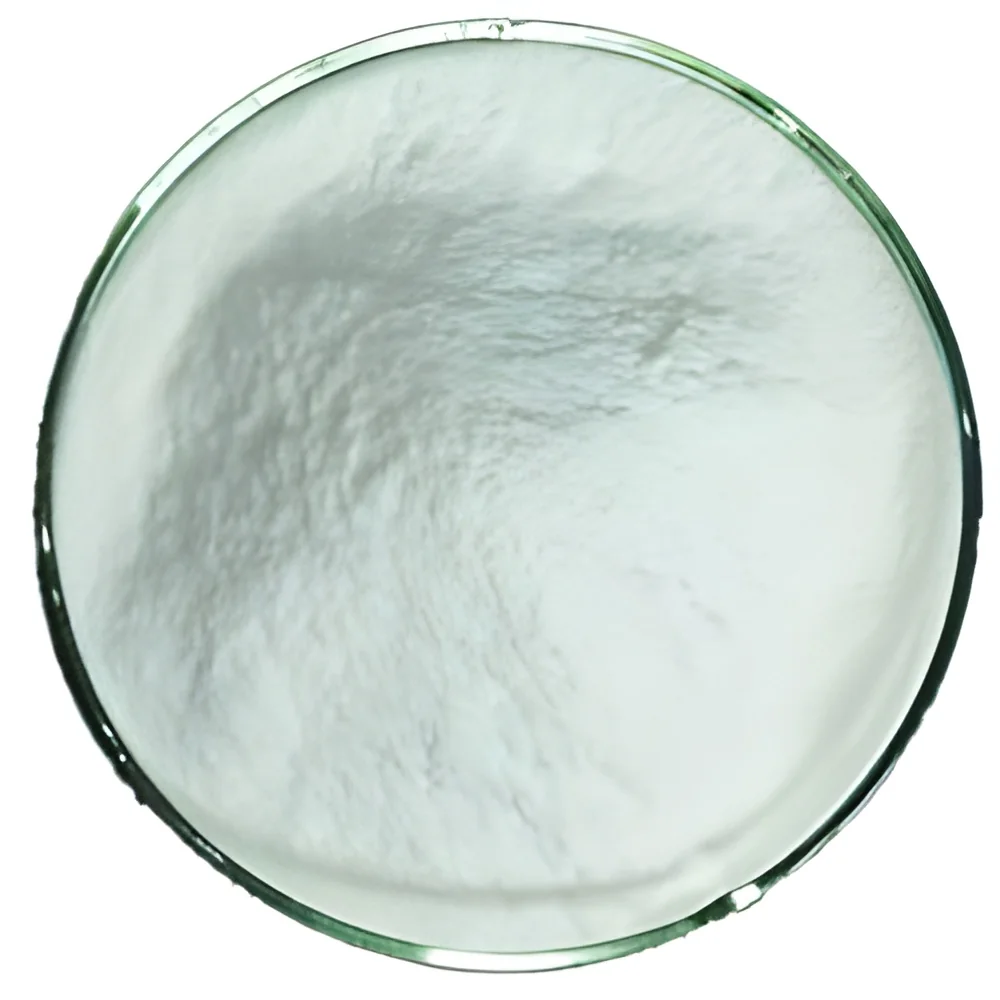
Powder Coating Agents: These coatings are applied as a dry powder and cured under heat. They provide a hard, durable finish and are commonly used in metal fabrication.
Benefits and Advantages
Coating agents offer several key benefits that enhance their value in industrial applications.
1. Enhanced Durability: Coating agents significantly improve the lifespan of materials by providing protection against wear, corrosion, and environmental factors.
2. Improved Aesthetics: They enhance the visual appeal of products, contributing to a better overall presentation and brand image.
3. Cost-Effectiveness: By extending the life of materials, coating agents reduce the need for frequent replacements, leading to long-term cost savings.
4. Versatility: Coating agents can be tailored to meet specific performance requirements, making them suitable for a wide range of applications.
5. Eco-Friendly Options: Many modern coatings are formulated to be environmentally friendly, reducing the impact on health and the environment.
6. Easy Application: Coating agents can be applied using various methods, making them adaptable to different production processes.
Buying Guide for B2B Buyers
When sourcing coating agents, it is important for businesses to consider several key factors to ensure they select the right product for their needs.
1. Quality Assessment: Evaluate the quality of coating agents based on performance standards and customer reviews. Look for products that meet industry specifications.
2. Supplier Verification: Vet potential suppliers to ensure they have a reliable track record and adhere to quality standards. This helps mitigate risks associated with subpar products.
3. Pricing and MOQ: Consider the cost of coating agents and the minimum order quantity required. Compare prices across suppliers to find the best value.
4. Delivery and Lead Times: Assess the supplier's ability to meet delivery schedules. Timely delivery is crucial for maintaining production timelines.
5. Compliance Requirements: Ensure that the coating agents meet relevant regulatory and safety standards. This includes certifications such as CE and adherence to local regulations.
Compliance and Certifications
Compliance with industry standards and certifications is crucial when selecting coating agents. Relevant quality standards such as ISO 9001 ensure that products meet international quality management criteria. Certifications like CE indicate that products comply with European health, safety, and environmental protection standards.
Safety and testing requirements should also be taken into account, as coating agents must undergo rigorous evaluations to ensure their performance and safety in various applications. Additionally, regional compliance considerations are important, as different countries may have specific regulations governing the use of chemical products in industrial settings.
Why Source Coating Agents from Pepagora?
Pepagora offers a trusted platform for sourcing coating agents, providing several key advantages for businesses.
Verified Supplier Network: Pepagora connects buyers with a network of verified suppliers, ensuring high-quality products and reliable service. This verification process helps buyers make informed decisions.
Streamlined RFQ Process: The platform features a simplified Request for Quotation (RFQ) system, allowing buyers to easily obtain quotes from multiple suppliers. This efficiency saves time and facilitates better pricing negotiations.
Trade Assurance and Support: Pepagora provides trade assurance to protect buyers from potential risks associated with transactions. Dedicated support teams are available to assist with any inquiries, ensuring a smooth purchasing experience.
Regional Coverage: With a strong presence in India, the GCC, and Southeast Asia, Pepagora offers extensive geographic reach to cater to diverse market needs. This regional coverage ensures that buyers can find suitable coating agents that meet local requirements.

 IN
IN