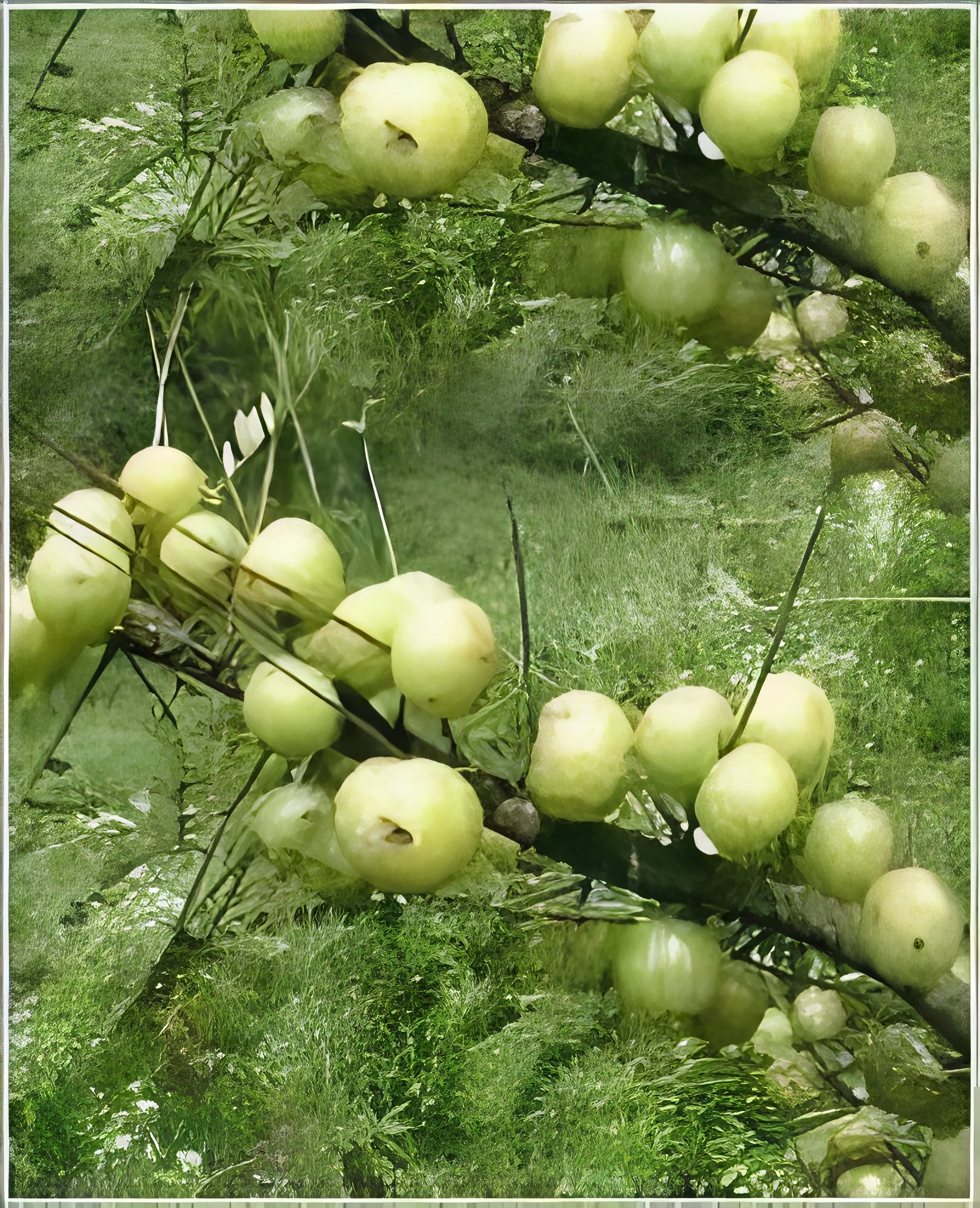
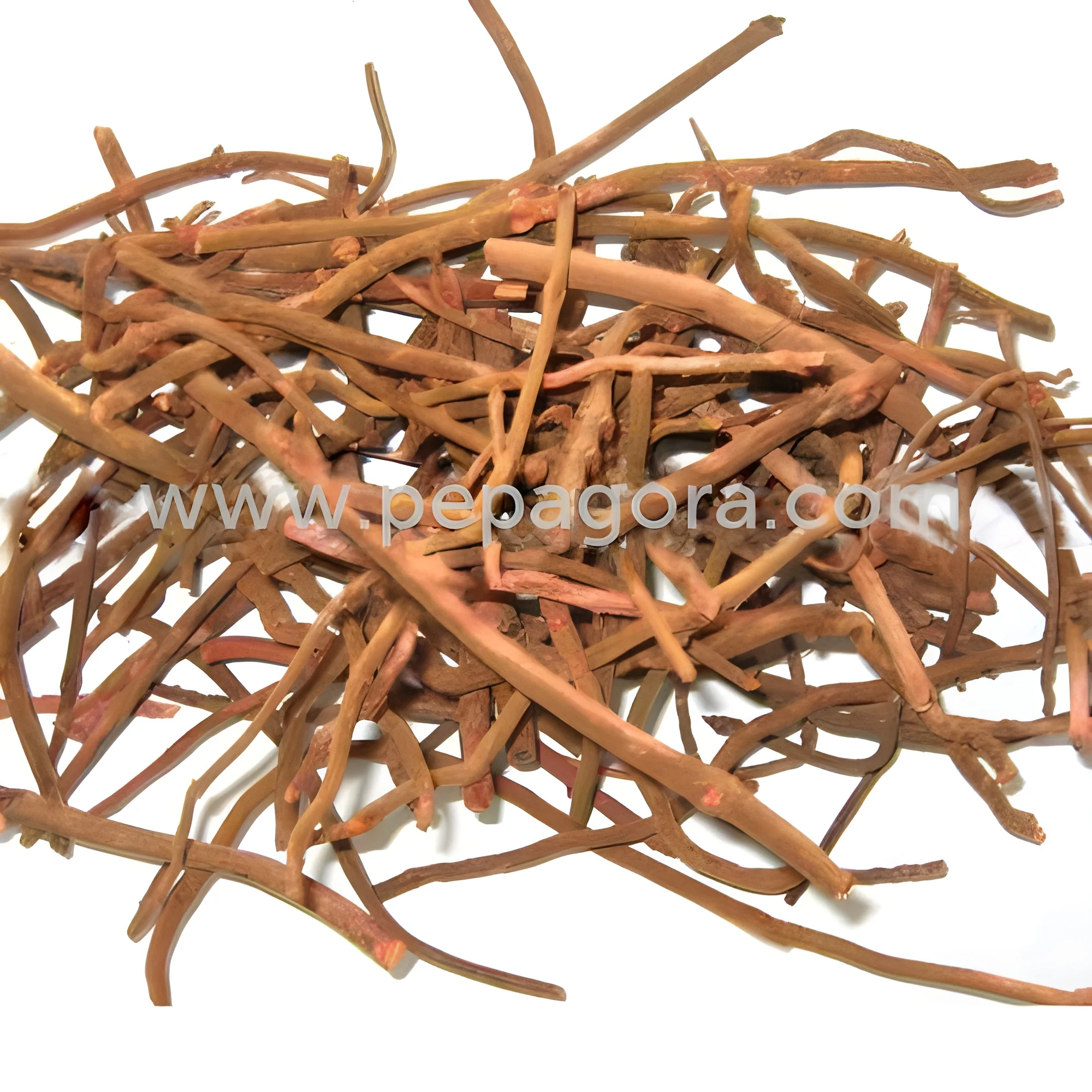
What are Ayurvedic Raw Materials?
Ayurvedic raw materials are natural substances derived from plants, minerals, and animal sources that are used in traditional Ayurvedic medicine. This ancient holistic healing system, originating from India, focuses on balancing the body's energies to promote health and well-being. Ayurvedic raw materials include herbs, roots, barks, seeds, and other components that serve as the foundational elements in various formulations for medicinal, therapeutic, and cosmetic purposes.
These materials are primarily used in the production of herbal medicines, dietary supplements, and personal care products. Businesses in the pharmaceutical, nutraceutical, and cosmetic industries rely on these raw materials to create products that align with the growing consumer demand for natural and holistic solutions. The market for Ayurvedic products has expanded significantly due to the increasing awareness of the benefits of natural health solutions, making it a relevant sector in today's health and wellness industry.
Key Features and Specifications
Ayurvedic raw materials possess several key features that make them desirable for various applications. These materials are often characterized by their purity, potency, and sustainability. They are typically sourced from organic farms or wildcrafted environments, ensuring minimal environmental impact.
Key specifications include:
1. Purity Level
- High purity levels are essential for efficacy.
- Typically above 95% for most herbal extracts.
2. Active Ingredient Concentration
- Concentration levels vary based on the specific raw material.
- Often measured in percentage (%).
3. Sourcing Method
- Sourced either through organic farming or wild harvesting.
- Ethical sourcing practices are preferred.
4. Shelf Life
- Generally has a shelf life of 1-3 years depending on storage conditions.
- Proper storage in cool, dry places can extend longevity.
5. Particle Size
- Usually ranges from coarse to fine powder.
- Specific requirements depend on the end-use application.
6. Moisture Content
- Typically kept below 10% to prevent degradation.
- Critical for maintaining quality over time.
7. Color and Aroma
- Should meet specific color and aroma profiles for authenticity.
- Variations can indicate quality differences.
8. Compliance with Standards
- Must adhere to relevant industry standards such as CE and ISO.
- Ensures safety and efficacy for consumers.
These specifications are crucial for businesses seeking quality Ayurvedic materials that meet regulatory standards and consumer expectations.
Common Applications and Use Cases
Ayurvedic raw materials are versatile and find applications across various industries.
1. Pharmaceuticals: These materials are used in the formulation of Ayurvedic medicines, which are increasingly recognized for their therapeutic benefits.
2. Nutraceuticals: Many companies incorporate Ayurvedic raw materials into dietary supplements aimed at enhancing health and wellness.
3. Cosmetics: The beauty industry utilizes these natural ingredients in skin care and hair care products, appealing to the demand for organic and non-toxic options.
4. Food and Beverages: Ayurvedic ingredients like ashwagandha and turmeric are included in health-focused food products and beverages for their nutritional benefits.
5. Veterinary Medicine: Certain Ayurvedic materials are used in pet care products, promoting health and vitality in animals.
6. Aromatherapy: Essential oils derived from Ayurvedic plants are popular in aromatherapy practices for their calming and healing properties.
7. Traditional Remedies: Many practitioners of Ayurveda use these raw materials to create customized remedies for individual health issues.
Product Variants and Subcategories
Ayurvedic raw materials come in diverse forms, tailored to specific uses and preferences.
Whole Herbs: These are unprocessed plant materials used in traditional remedies and formulations. They retain their natural properties and are preferred for their holistic benefits.
Powdered Extracts: These are concentrated forms of herbs, processed into a fine powder for easy incorporation into supplements and formulations. They offer higher potency and convenience.
Tinctures: Liquid extracts made by soaking herbs in alcohol or vinegar, tinctures are easy to use and provide concentrated herbal benefits.
Essential Oils: Extracted from plants, these oils are used in aromatherapy and cosmetic products for their fragrance and therapeutic properties.
Benefits and Advantages
Sourcing Ayurvedic raw materials offers numerous advantages for businesses looking to enhance their product offerings.
1. Natural Composition: Ayurvedic materials are derived from natural sources, appealing to health-conscious consumers seeking organic products.
2. Holistic Benefits: These raw materials provide a range of health benefits, addressing both physical and mental well-being.
3. Growing Market: The demand for Ayurvedic products is on the rise, driven by trends in natural health and wellness.
4. Diverse Applications: The versatility of Ayurvedic raw materials allows for various applications across multiple industries.
5. Traditional Trust: Ayurveda has a long-standing history and consumer trust, enhancing the marketability of products containing these materials.
6. Sustainable Sourcing: Many Ayurvedic raw materials are sourced sustainably, aligning with environmental values and practices.
Buying Guide for B2B Buyers
When sourcing Ayurvedic raw materials, B2B buyers should consider several important factors to ensure they make informed decisions.
1. Quality Assessment: It is crucial to evaluate the purity and potency of the materials. Buyers should request certificates of analysis and conduct thorough testing where possible.
2. Supplier Verification: Vetting suppliers is essential. Buyers should ensure that suppliers have a good reputation, certifications, and a track record of reliability in delivering quality products.
3. Pricing and MOQ: Understanding the pricing structure and minimum order quantities is important for budgeting and planning. Buyers should compare prices across multiple suppliers.
4. Delivery and Lead Times: Timely delivery is critical for production schedules. Buyers should confirm lead times and shipping options before placing orders.
5. Compliance Requirements: Buyers must be aware of the regulatory landscape, including certification requirements and safety standards, to ensure compliance in their markets.
Compliance and Certifications
Ayurvedic raw materials must meet various quality standards and industry certifications to ensure safety and efficacy.
Relevant quality standards include ISO 9001, which focuses on quality management systems, and HACCP (Hazard Analysis Critical Control Point), which addresses food safety.
Industry certifications such as CE (European Conformity) are important for products entering European markets. These certifications indicate that the products meet specific safety and performance requirements.
Safety and testing requirements are vital for ensuring that raw materials are free from contaminants and suitable for consumption or application. Regular testing for heavy metals, pesticides, and microbial content is recommended.
Regional compliance considerations also play a crucial role, as different countries have varying regulations regarding the sourcing, processing, and marketing of Ayurvedic products.
Why Source Ayurvedic Raw Materials from Pepagora?
Pepagora provides a trusted platform for sourcing Ayurvedic raw materials, offering several key advantages that benefit B2B buyers.
Verified Supplier Network: Pepagora connects buyers with a network of verified suppliers, ensuring that they source high-quality materials from reputable sources.
Streamlined RFQ Process: The platform features a streamlined Request for Quotation (RFQ) process, making it easy for buyers to obtain quotes from multiple suppliers quickly. This efficiency saves time and facilitates better decision-making.
Trade Assurance and Support: Pepagora offers trade assurance and support to protect buyers against risks associated with transactions. This includes assistance in dispute resolution and payment security.
Regional Coverage: With a strong presence in India, the GCC, and Southeast Asia, Pepagora provides extensive regional coverage, ensuring that buyers can access a diverse range of Ayurvedic raw materials tailored to their specific needs.
By leveraging the benefits of sourcing through Pepagora, businesses can enhance their product offerings and meet the growing demand for Ayurvedic solutions in the market.

 IN
IN