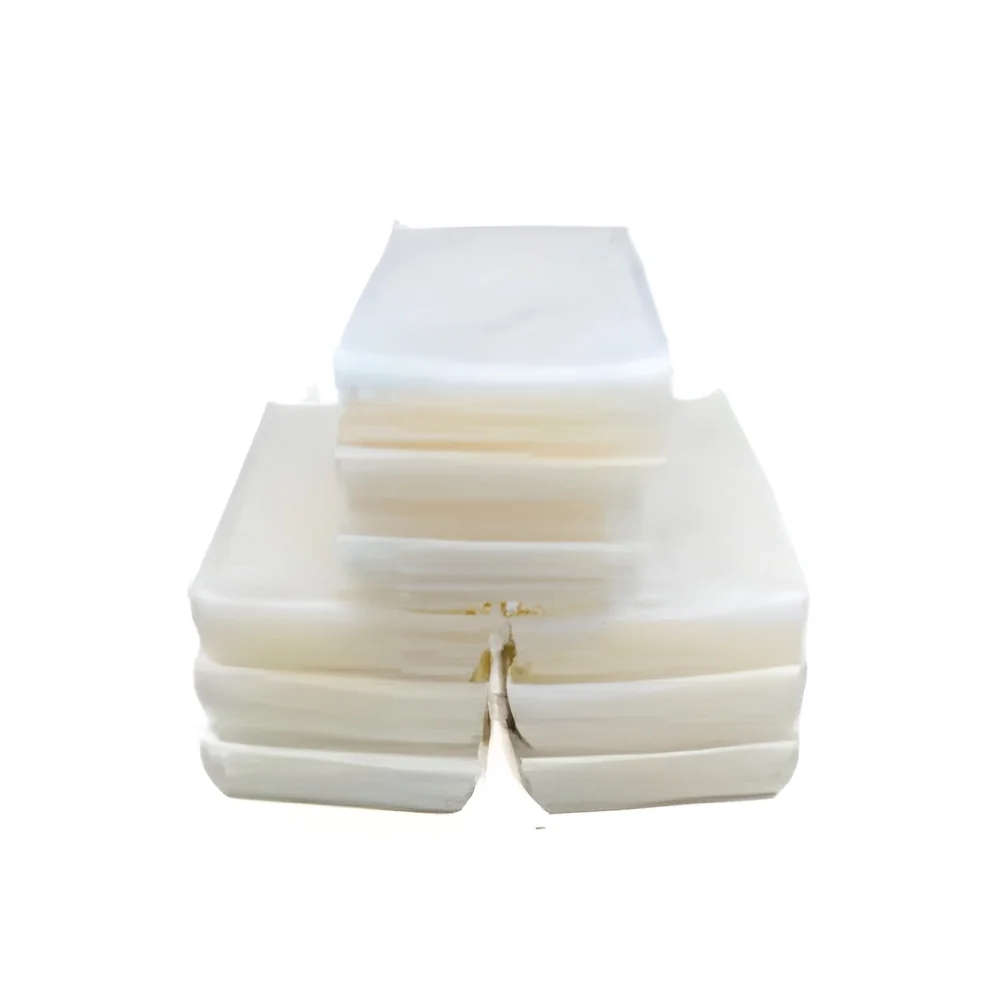
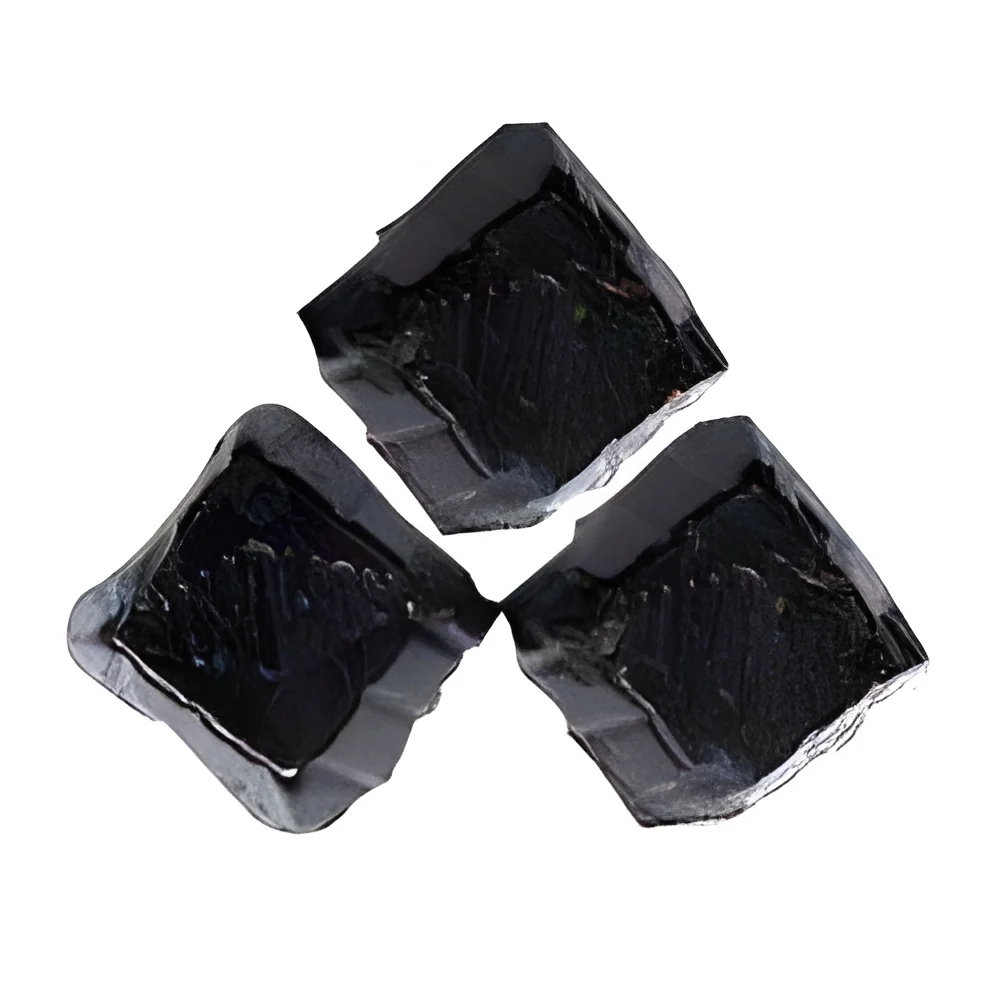
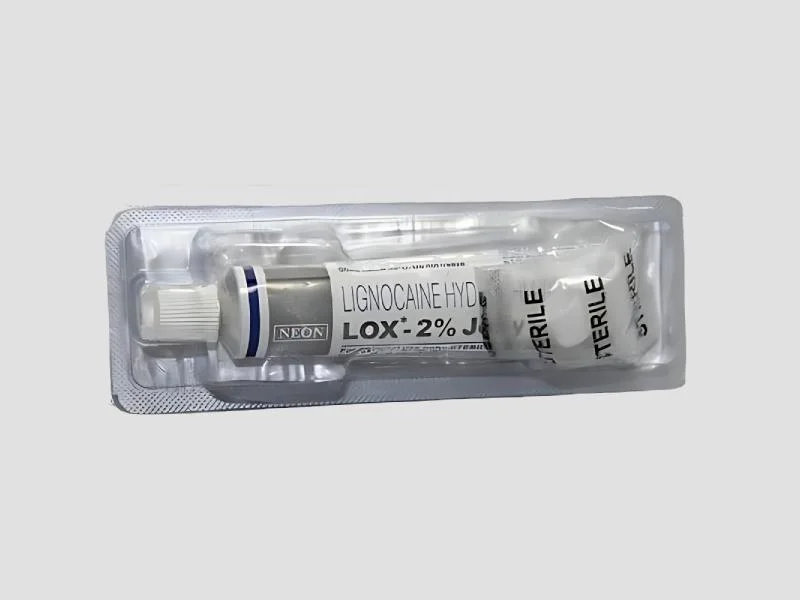
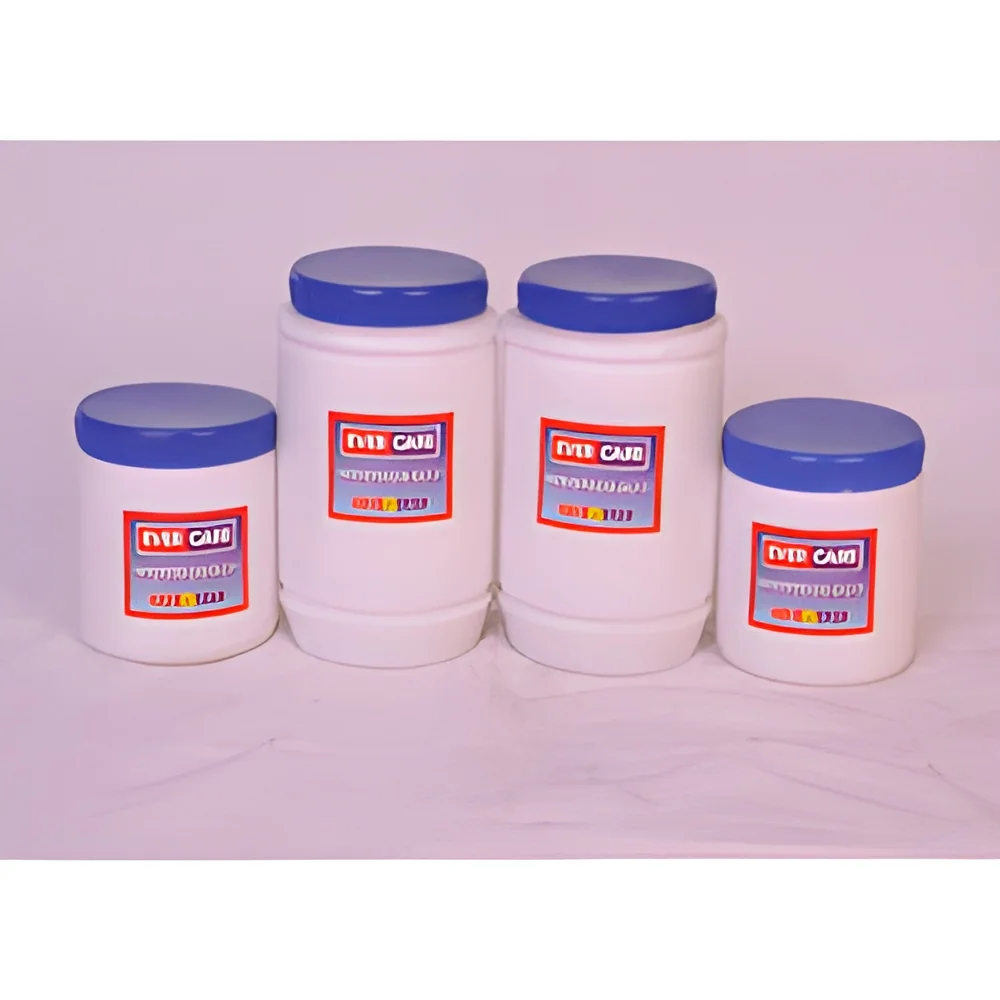
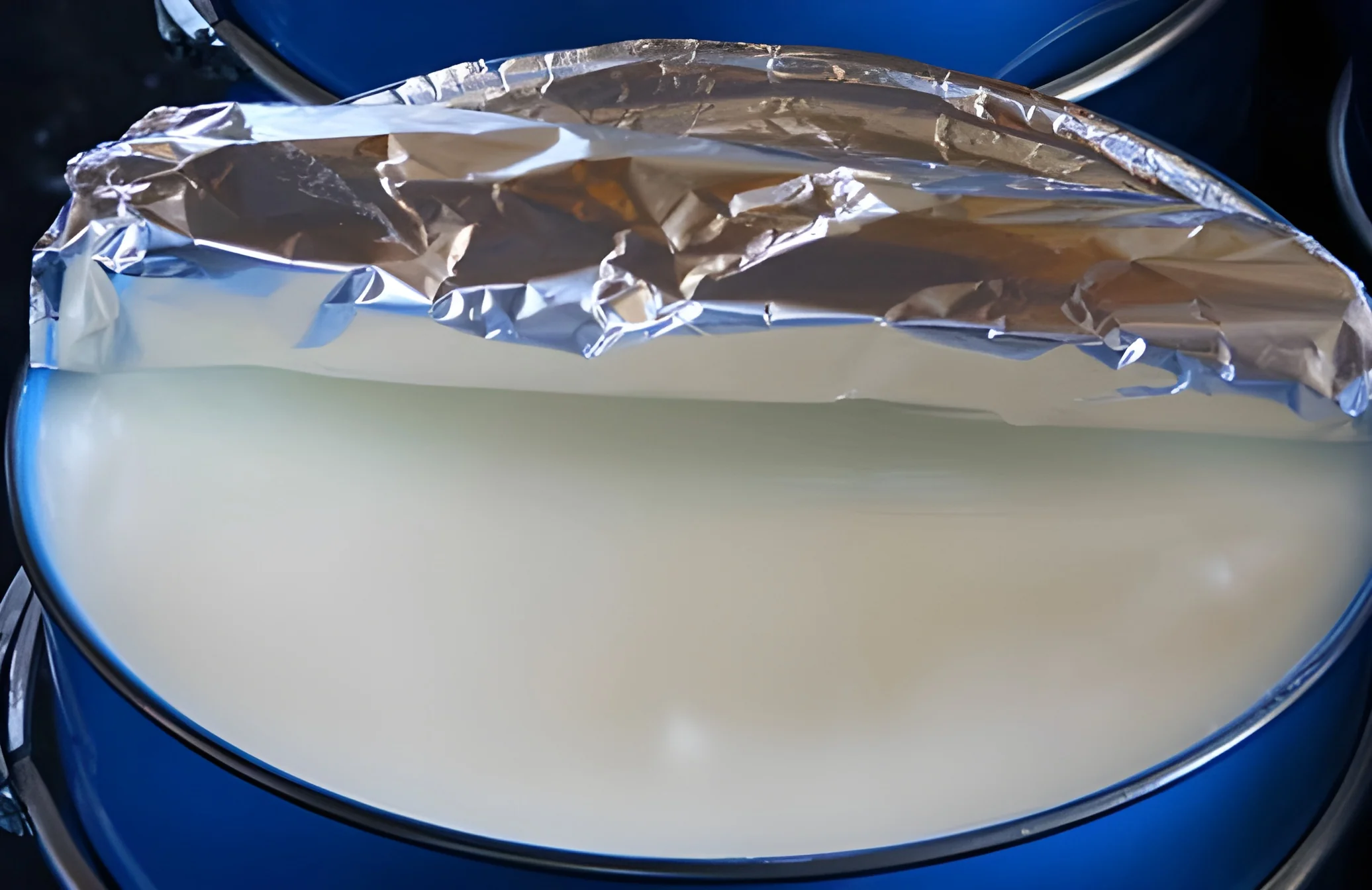
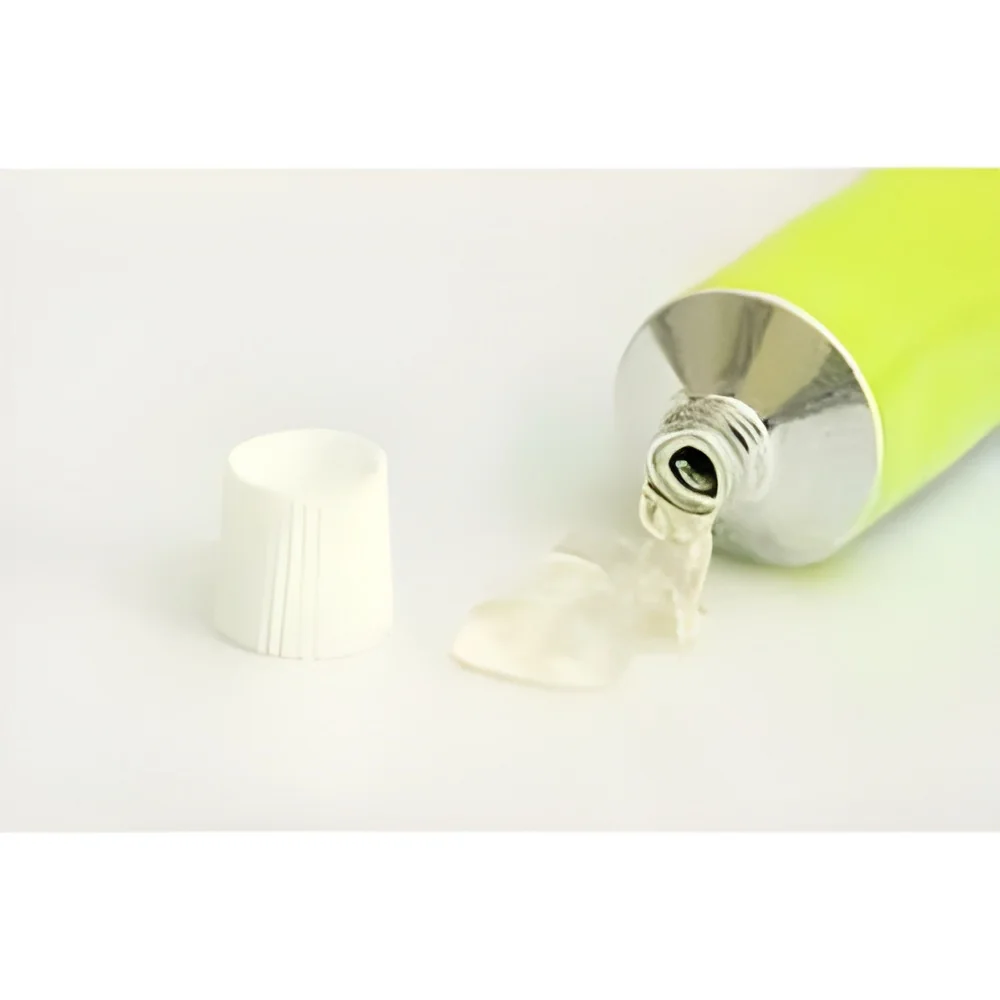
What are Pharmaceutical Grade Gels & Waxes?
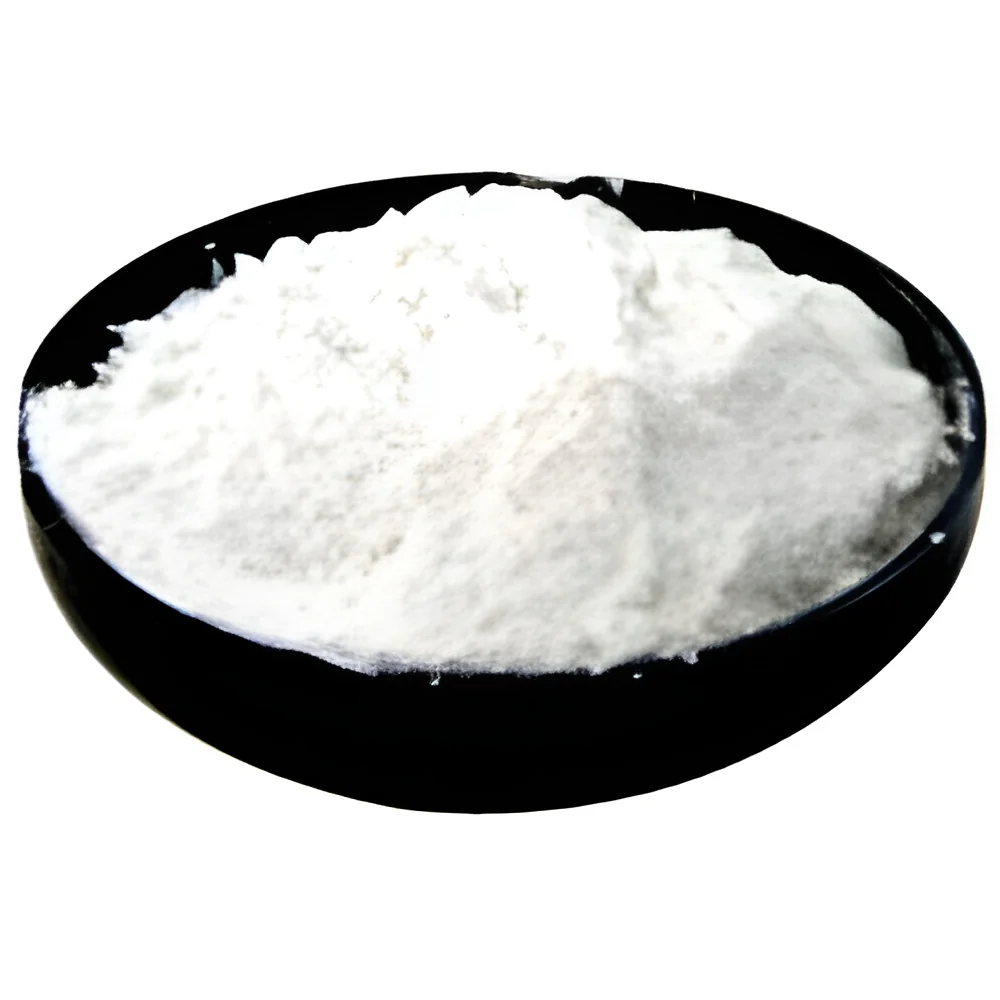
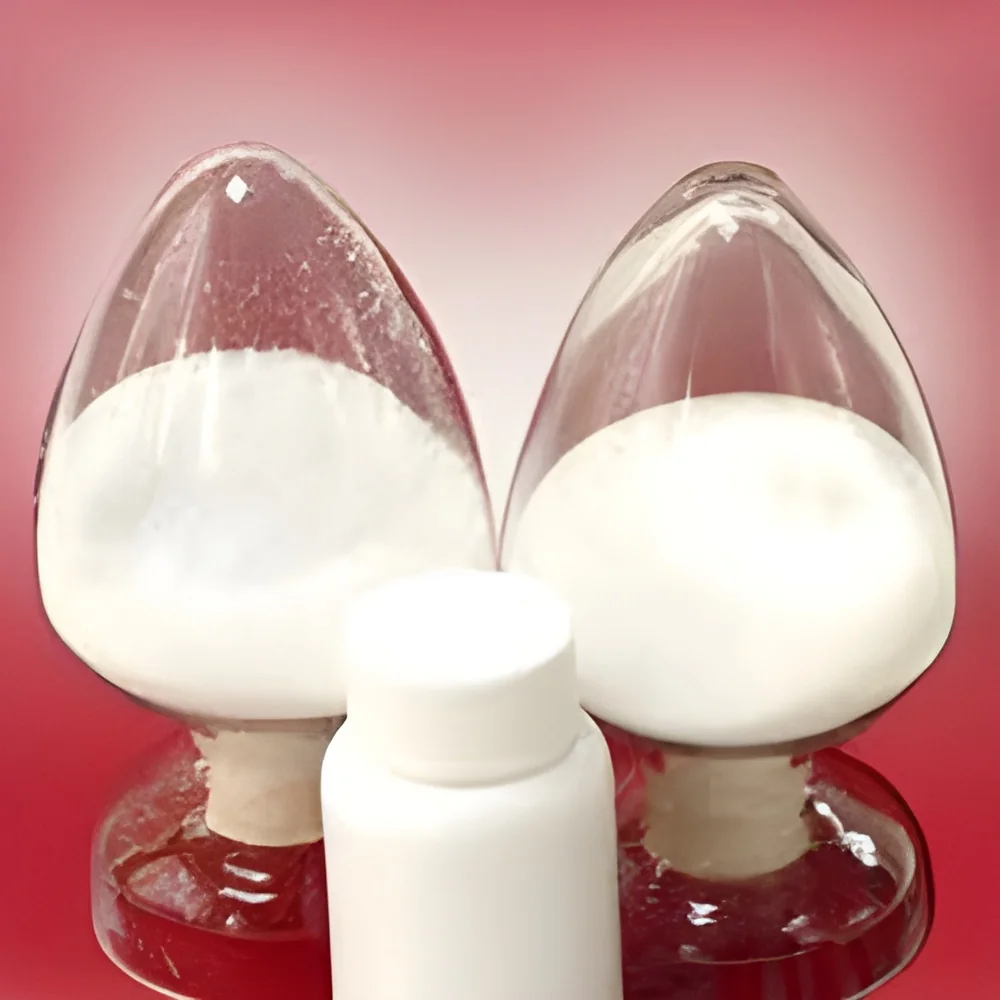
Pharmaceutical grade gels and waxes are specialized materials used in various pharmaceutical applications. These products are formulated to meet strict safety and quality standards, ensuring their suitability for medicinal use. They often serve as excipients, aiding in the formulation of drugs and providing desired consistency and stability. These gels and waxes can be derived from natural or synthetic sources, each offering unique properties tailored to specific applications.
The primary uses of pharmaceutical grade gels and waxes include drug delivery systems, topical preparations, and as stabilizers or thickeners in various formulations. Their versatility makes them essential in the development of ointments, creams, and other dosage forms. In the competitive pharmaceutical market, the demand for high-quality gels and waxes has grown, reflecting the industry's commitment to innovation and safety.
As the pharmaceutical industry evolves, the relevance of these materials continues to increase. With advancements in technology and formulation science, manufacturers are continually exploring new applications and enhancing existing products. This development is crucial for meeting regulatory requirements and addressing consumer needs within the healthcare sector.
Key Features and Specifications
Pharmaceutical grade gels and waxes are characterized by several key features that set them apart from lower-grade alternatives. These specifications ensure that they meet the rigorous demands of the pharmaceutical industry.
Key specifications include:
1. Purity Level
- Must meet specific purity criteria to ensure safety and efficacy.
- Typically, a minimum purity level of 98% is required.
2. Viscosity Range
- Essential for determining the flow properties of the product.
- Viscosity can vary widely, often measured in centipoise (cP) from 500 to 5000 cP.
3. pH Level
- Critical for maintaining product stability and compatibility.
- Generally maintained within a pH range of 5.0 to 7.5.
4. Moisture Content
- Influences the shelf life and stability of the product.
- Typically, moisture content must not exceed 5%.
5. Melting Point
- Important for applications involving heat processing.
- Melting points usually range from 50°C to 80°C.
6. Solubility
- Determines how well the product can be incorporated into formulations.
- Solubility may vary, requiring compatibility tests with solvents.
7. Microbial Limits
- Ensures the absence of harmful microorganisms.
- Must comply with specific microbial limits as per pharmaceutical standards.
8. Shelf Life
- Indicates the period during which the product maintains its quality.
- Typically, shelf life can range from 2 to 5 years under proper storage conditions.
The specifications outlined above are crucial for ensuring that pharmaceutical grade gels and waxes perform reliably in their intended applications, thus enhancing product safety and efficacy.
Common Applications and Use Cases
Pharmaceutical grade gels and waxes are utilized across various industries, each benefiting from their unique properties.
1. Pharmaceutical Industry: These materials are commonly used in the formulation of ointments, gels, and creams for topical applications, ensuring active ingredients are effectively delivered to the site of action.
2. Cosmetic Industry: Gels and waxes are employed in cosmetic formulations, providing texture and stability to creams, lotions, and other personal care products.
3. Food Industry: Used as thickeners and stabilizers in food products, ensuring consistent texture and quality.
4. Nutraceuticals: Gels and waxes serve as carriers for vitamins and supplements, enhancing bioavailability and product performance.
5. Veterinary Medicine: These materials are utilized in formulating medications and topical treatments for animals, ensuring safety and efficacy.
6. Medical Devices: Gels and waxes are included in the manufacturing of various medical devices, providing lubricity and enhancing comfort during use.
7. Adhesives and Sealants: In industrial applications, pharmaceutical grade waxes can be used in adhesives that require rigorous quality standards.
Product Variants and Subcategories
Pharmaceutical grade gels and waxes come in various forms to cater to specific needs within the industry.
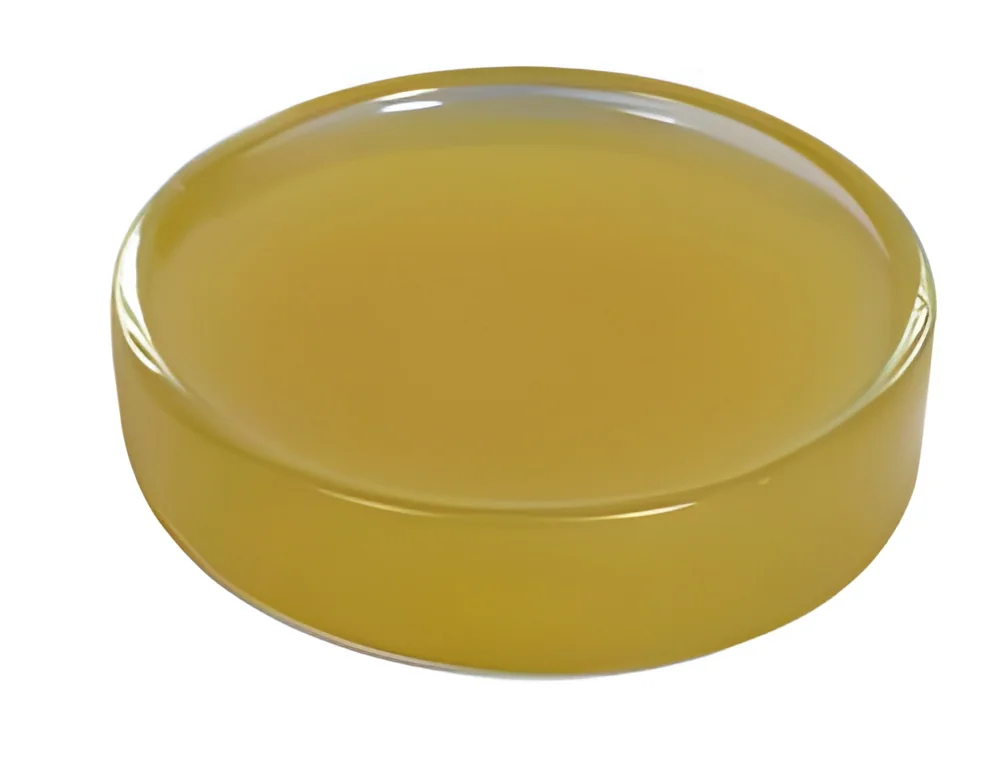
Gel Type A
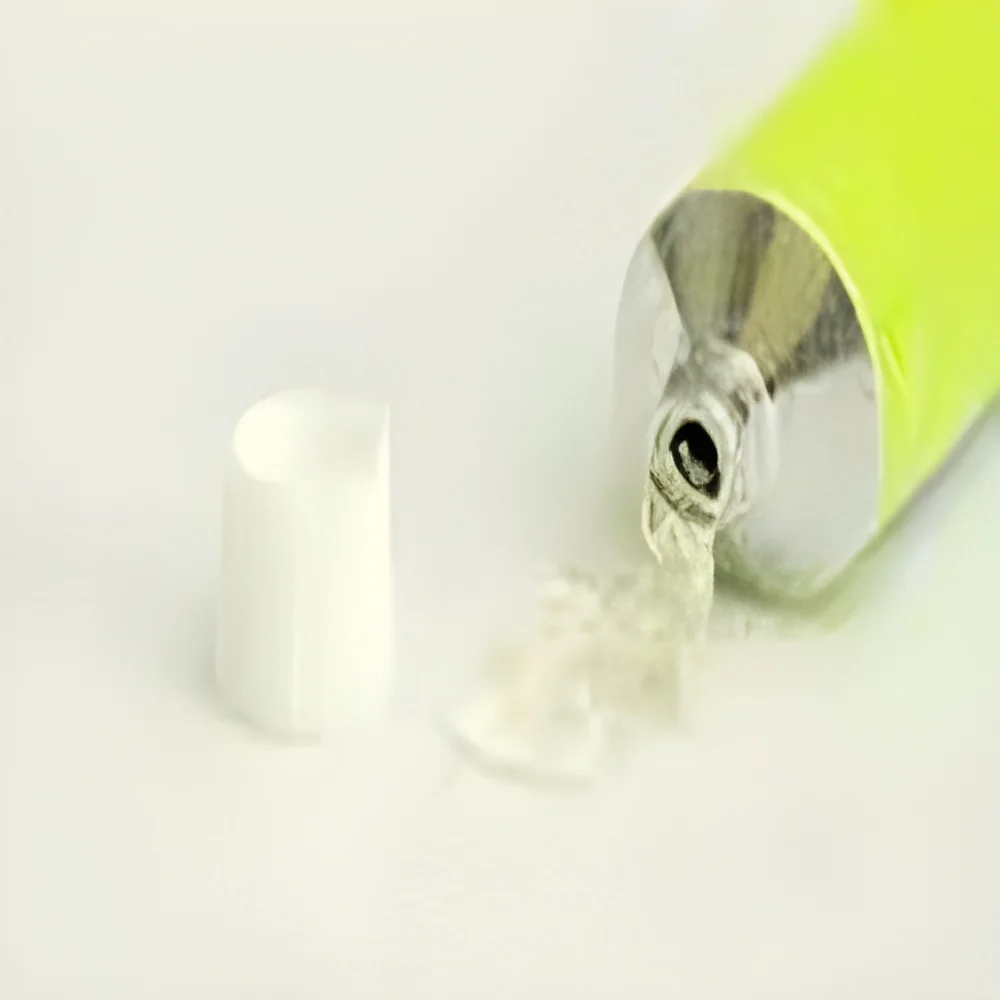
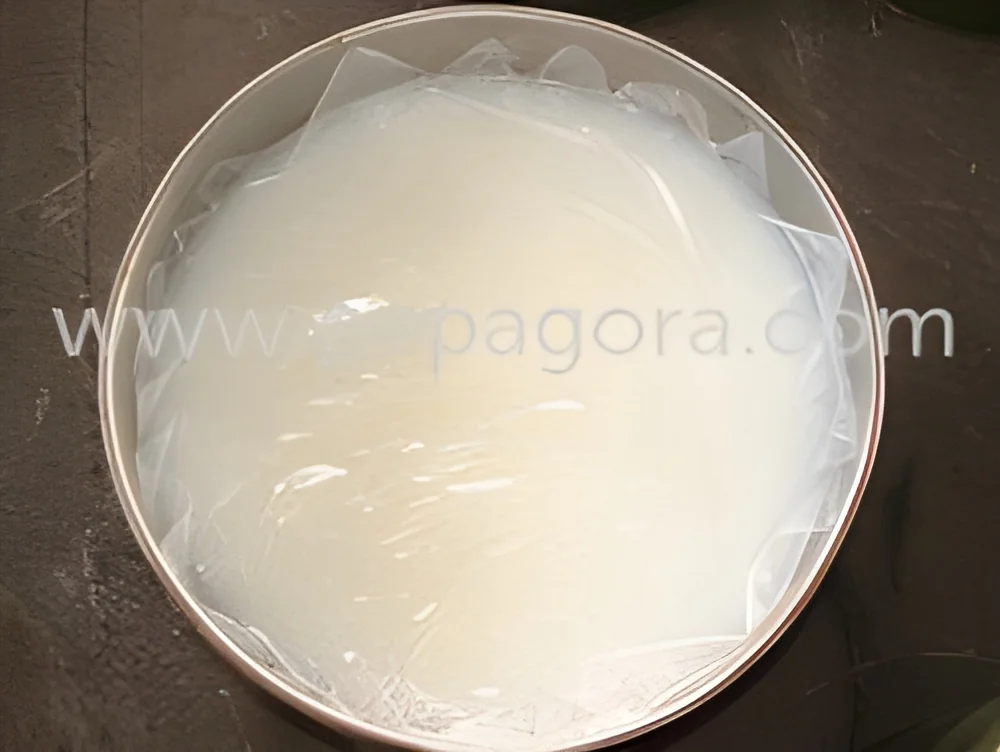
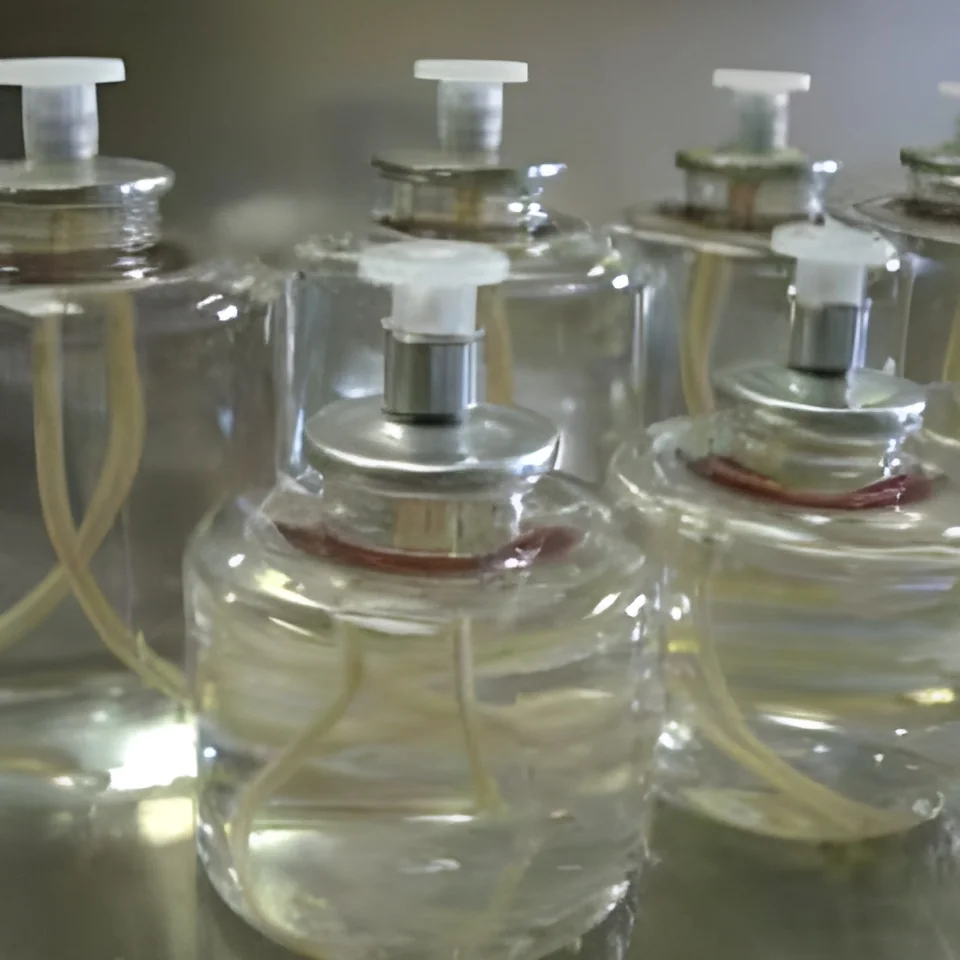
This variant is a clear, viscous gel that is ideal for topical formulations. It provides excellent adhesion and moisture retention, making it suitable for wound care and moisturizing applications.
Wax Type B
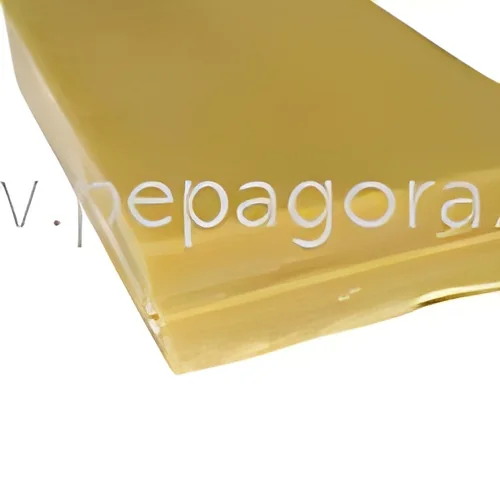
This variant is a hard wax with a high melting point, used primarily in the formulation of solid dosage forms. Its stability under heat makes it ideal for applications requiring precise melt characteristics.
Gel Type C
A semi-solid gel that offers a balance between viscosity and spreadability. This variant is commonly used in cosmetic applications, providing a smooth application while retaining moisture.
Wax Type D
This soft wax is designed for use in emulsions and creams, offering flexibility and stability. It is often utilized in both pharmaceutical and cosmetic formulations.
Benefits and Advantages
Sourcing pharmaceutical grade gels and waxes provides numerous advantages that enhance product performance and safety.
1. High Quality: Ensures compliance with stringent industry standards, leading to reliable product outcomes.
2. Versatility: Can be used in a wide range of applications, from pharmaceuticals to cosmetics, allowing for diverse formulations.
3. Enhanced Stability: Formulations utilizing these gels and waxes often exhibit improved shelf life and product consistency.
4. Improved Efficacy: Facilitates better drug delivery and absorption, enhancing therapeutic outcomes.
5. Customization Potential: Many suppliers offer formulations tailored to specific needs, ensuring compatibility with unique applications.
6. Regulatory Compliance: Sourced products meet necessary regulatory requirements, minimizing risk during production and distribution.
Buying Guide for B2B Buyers
When sourcing pharmaceutical grade gels and waxes, it is important for B2B buyers to consider several key factors.
1. Quality Assessment: Verify that products meet industry standards for purity and efficacy. Look for certifications that validate the quality of the gels and waxes.
2. Supplier Verification: Conduct thorough due diligence on suppliers to ensure they have a proven track record in the industry. Check references and certifications to confirm their reliability.
3. Pricing and MOQ: Understand the pricing structure and minimum order quantities (MOQ) required by suppliers. Compare several options to ensure competitive pricing without compromising quality.
4. Delivery and Lead Times: Assess the supplier's ability to meet delivery schedules. Timely delivery is crucial in maintaining production timelines.
5. Compliance Requirements: Ensure that the products meet all relevant regulatory compliance standards for your specific industry and region.
Compliance and Certifications
Pharmaceutical grade gels and waxes are subject to various quality standards and certifications that ensure their safety and efficacy.
These products must comply with ISO 9001 standards, which outline requirements for a quality management system. This certification ensures that manufacturers consistently produce quality products that meet customer and regulatory requirements.
Additionally, adherence to HACCP (Hazard Analysis Critical Control Point) guidelines is crucial for identifying and controlling potential hazards in production processes. This approach enhances the safety of the final products.
CE certification is also important for pharmaceutical products sold within the European market. It indicates conformity with health, safety, and environmental protection standards.
Safety and testing requirements are paramount, including thorough microbial testing and stability assessments to ensure that products remain effective over their intended shelf life.
Regional compliance considerations may vary, so it is essential to understand the specific regulations governing pharmaceutical products in different markets.
Why Source Pharmaceutical Grade Gels & Waxes from Pepagora?
Pepagora offers a trusted platform for sourcing pharmaceutical grade gels and waxes, providing several key advantages for B2B buyers.
Verified Supplier Network: Pepagora maintains a robust network of verified suppliers, ensuring that all products meet industry standards for quality and safety. This network simplifies the sourcing process and reduces risks associated with supplier selection.
Streamlined RFQ Process: The platform features an efficient Request for Quotation (RFQ) system that allows buyers to request quotes from multiple suppliers quickly. This system enhances transparency and competition, ensuring favorable pricing.
Trade Assurance and Support: Buyers can benefit from trade assurance programs that protect their investments. Pepagora offers support throughout the purchasing process, addressing buyer concerns and ensuring satisfaction.
Regional Coverage: With a strong presence in India, the GCC, and Southeast Asia, Pepagora caters to a wide geographical market. This regional coverage allows buyers to access a diverse range of products tailored to their local needs and compliance requirements.

 IN
IN