
 IN
Anti-Allergic & Antihistamines
13 products available
What are Anti-Allergic & Antihistamines?
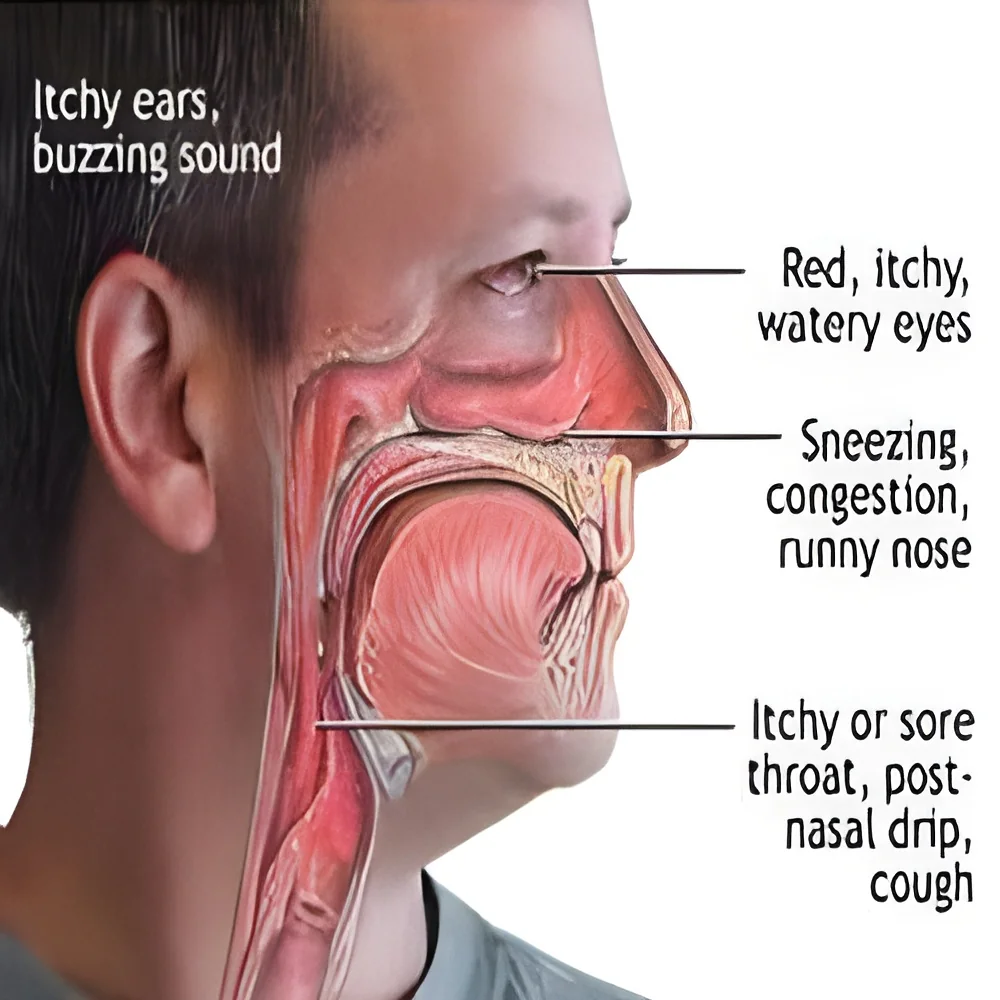
Anti-Allergic and Antihistamines are pharmaceutical agents designed to alleviate allergy symptoms by blocking the effects of histamine, a chemical released during allergic reactions. Histamine binds to receptors in various tissues, leading to typical allergic responses such as itching, sneezing, and swelling. By inhibiting this binding, antihistamines effectively reduce these symptoms, providing relief to individuals suffering from allergies.
These products are widely utilized in various sectors, including healthcare, pharmaceuticals, and consumer goods. They are commonly prescribed for conditions such as hay fever, allergic rhinitis, and even certain skin conditions. In the B2B context, these products are critical in ensuring employee wellness, enhancing productivity, and maintaining a safe working environment, especially in industries where exposure to allergens is frequent. The growing awareness of allergic conditions has led to an increase in market demand for these medications.
In the current market context, the antihistamine segment is expanding due to rising allergy prevalence and an increasing emphasis on health and wellness. The industry faces competition from both prescription and over-the-counter options. As a result, companies are focusing on innovation, product quality, and compliance with regulatory standards to stay ahead in the market.
Key Features and Specifications
Anti-Allergic and Antihistamines are offered with several key features that address the needs of different user groups. These specifications ensure that the products meet quality and effectiveness standards required in various applications.
Key specifications include:
1. Active Ingredients
- Typically include substances like diphenhydramine, loratadine, and cetirizine.
- Each ingredient has distinct properties and effectiveness for specific allergic conditions.
2. Dosage Forms
- Available in various forms such as tablets, syrups, and topical applications.
- Each form caters to different patient preferences and treatment requirements.
3. Onset of Action
- Varies from rapid onset (within 30 minutes) to slower-acting formulations.
- Important for determining the suitable option based on the urgency of symptom relief.
4. Duration of Effect
- Ranges from short-acting to long-acting options.
- Long-acting formulations are preferred for chronic conditions requiring sustained relief.
5. Side Effect Profile
- Some antihistamines cause drowsiness, while newer agents tend to have fewer sedative effects.
- Understanding side effects is crucial for selecting appropriate products for different populations.
6. Packaging Options
- Offered in bulk packaging for hospitals and clinics or retail-ready packaging for pharmacies.
- Packaging considerations can influence storage, shelf-life, and ease of distribution.
In summary, the key features and specifications of Anti-Allergic and Antihistamines ensure that they meet the diverse needs of consumers and healthcare providers while adhering to industry standards.
Common Applications and Use Cases
Anti-Allergic and Antihistamines serve a wide range of industries, each with specific applications that reflect the versatility of these products.
1. Healthcare: Antihistamines are frequently prescribed by healthcare professionals for managing allergic reactions and conditions such as asthma and eczema.
2. Pharmaceuticals: These products are essential components in the development of allergy relief medications, contributing to the overall pharmaceutical landscape.
3. Food Industry: Used in formulations to reduce adverse reactions in consumers with food allergies, ensuring product safety and compliance with health regulations.
4. Cosmetics: Incorporated into various skincare products to soothe skin irritation and allergic reactions, enhancing customer satisfaction.
5. Veterinary Medicine: Antihistamines are utilized to treat allergic conditions in animals, ensuring their comfort and well-being.
6. Manufacturing: Employed in the production of materials that need to be hypoallergenic, such as textiles and personal care products.
7. Travel and Leisure: Often recommended for travelers who may encounter allergens in new environments, enhancing travel experiences.
Product Variants and Subcategories
The diversity of Anti-Allergic and Antihistamines allows businesses to select products that best meet their specific needs.
Oral Antihistamines
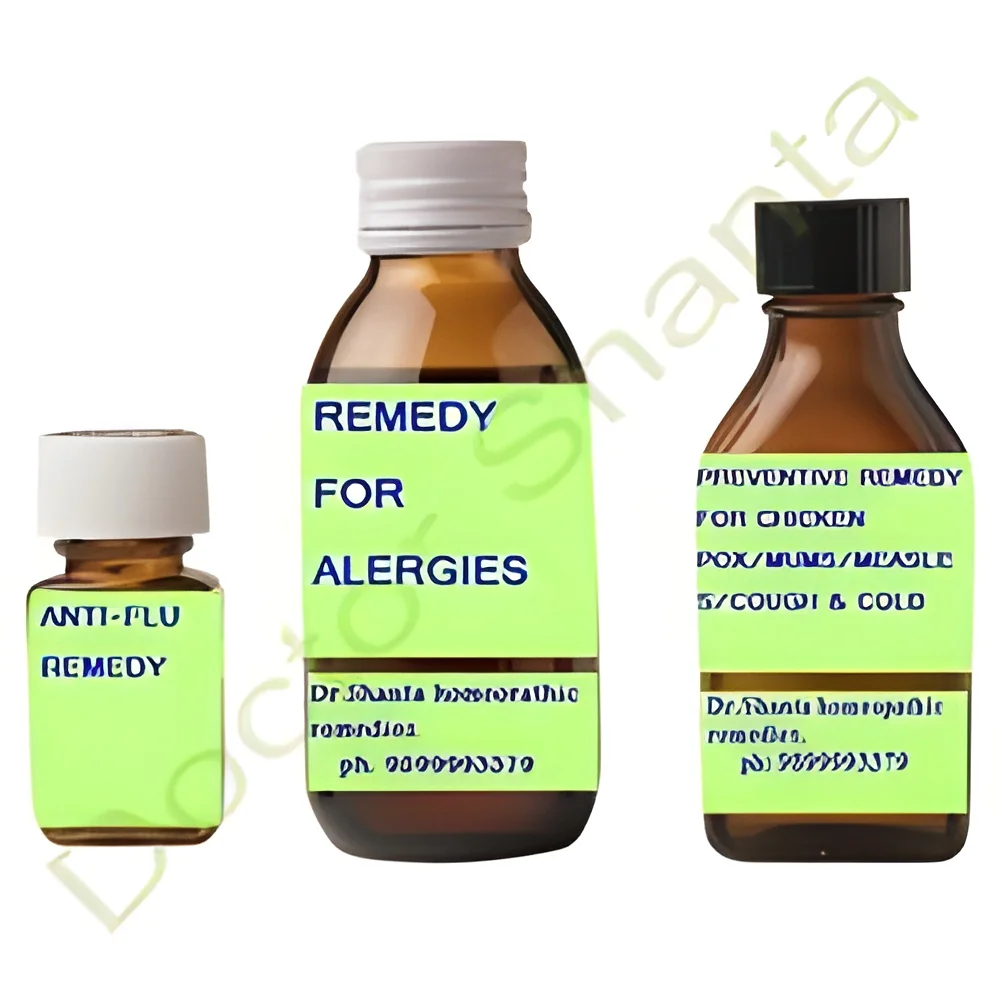
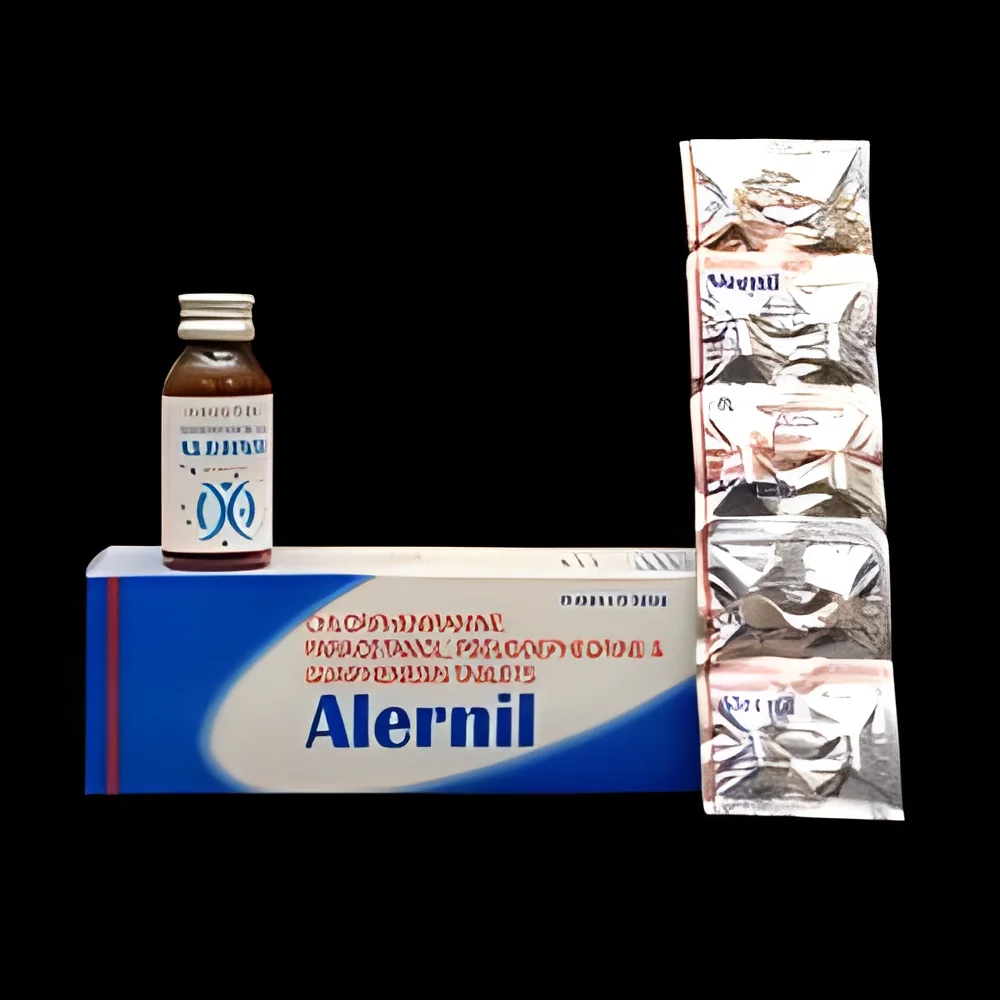
These are available in tablet or liquid form and are designed for systemic relief of allergy symptoms. They are commonly used for seasonal allergies and provide convenience and ease of administration.
Topical Antihistamines
These products come as creams or gels and are used to relieve localized allergic reactions, such as insect bites or skin irritations. They offer targeted relief with minimal systemic exposure.
Combination Products
Some antihistamines are available in combination with decongestants or other ingredients to provide comprehensive relief from multiple allergy symptoms. This variant caters to complex cases requiring multi-faceted treatment.
Benefits and Advantages
Anti-Allergic and Antihistamines offer numerous benefits that make them essential for consumers and businesses alike.
1. Symptom Relief: These products provide effective relief from allergy symptoms, improving quality of life for users.
2. Versatility: Available in various forms and formulations, they cater to the diverse needs of different populations.
3. Accessibility: Many antihistamines are available over-the-counter, making them easily accessible for consumers.
4. Improved Productivity: By alleviating allergy symptoms, these products help maintain workforce productivity, especially in sensitive environments.
5. Enhanced Safety: Compliance with regulatory standards ensures that these products are safe for consumer use, reducing liability for businesses.
6. Support for Chronic Conditions: Antihistamines are vital for individuals with ongoing allergies, providing long-term management options.
Buying Guide for B2B Buyers
When sourcing Anti-Allergic and Antihistamines, B2B buyers should consider several important factors to ensure they select the right products for their needs.
1. Quality Assessment: It is essential to evaluate the quality of the products by reviewing their active ingredients and efficacy. Buyers should look for products that comply with industry standards.
2. Supplier Verification: Vetting suppliers is crucial to ensure reliability and quality. Buyers should check for certifications and past performance records.
3. Pricing and MOQ: Understanding pricing structures and minimum order quantities (MOQ) is vital for budget planning and inventory management.
4. Delivery and Lead Times: Buyers should assess supplier logistics capabilities to ensure timely delivery, which is important for maintaining stock levels.
5. Compliance Requirements: Familiarity with regulatory and safety requirements is essential. Buyers should ensure that products meet local and international compliance standards.
Compliance and Certifications
Compliance and certifications play a key role in the manufacturing and distribution of Anti-Allergic and Antihistamines.
Relevant quality standards such as ISO 9001 ensure that manufacturers maintain high-quality management practices. This certification indicates that products are produced consistently and meet customer satisfaction.
Industry certifications, such as CE marking, signal compliance with European health, safety, and environmental protection standards. This is crucial for gaining market access in Europe and ensuring product safety for end-users.
Safety and testing requirements are also critical. Manufacturers must conduct rigorous testing to demonstrate the safety and efficacy of their products before they reach the market.
Regional compliance considerations may vary, and companies must be aware of local regulations regarding pharmaceuticals and consumer safety. This awareness is essential for navigating different markets effectively.
Why Source Anti-Allergic & Antihistamines from Pepagora?
Pepagora provides a trusted platform for sourcing Anti-Allergic and Antihistamines, offering several key advantages that enhance the purchasing experience for B2B buyers.
Verified Supplier Network: Pepagora ensures that all suppliers are thoroughly vetted, providing buyers with confidence in the quality and reliability of their products.
Streamlined RFQ Process: The platform simplifies the request for quotation process, allowing buyers to efficiently compare offers and make informed decisions.
Trade Assurance and Support: Buyers benefit from trade assurance programs that protect their purchases and ensure satisfaction, fostering trust in transactions.
Regional Coverage: Pepagora’s extensive network spans India, the GCC, and Southeast Asia, allowing buyers to access a wide range of products while benefiting from localized support and logistics.










Frequently Asked Questions
What are Anti-Allergic & Antihistamines?
Anti-Allergic & Antihistamines are medications used to relieve symptoms of allergies, such as sneezing, runny nose, and itchy eyes. They work by blocking the action of histamine, a substance in the body that causes allergic symptoms.
What are the different types of Anti-Allergic & Antihistamines?
There are two main types of Anti-Allergic & Antihistamines: first-generation and second-generation. First-generation antihistamines can cause drowsiness and include medications such as diphenhydramine, while second-generation antihistamines are less likely to cause sedation and include loratadine and cetirizine.
How do I choose the right Anti-Allergic & Antihistamines?
Choosing the right Anti-Allergic & Antihistamines depends on the specific allergy symptoms you are experiencing and any other health conditions you may have. It is advisable to consult with a healthcare professional to determine which medication is most suitable for your needs.
What are the standard specifications for Anti-Allergic & Antihistamines?
Standard specifications for Anti-Allergic & Antihistamines include dosage forms (tablets, syrups, etc.), active ingredients, and concentrations. Additionally, packaging and labeling requirements must comply with regulatory standards.
What is the price range for Anti-Allergic & Antihistamines?
The price range for Anti-Allergic & Antihistamines can vary widely based on the brand, formulation, and quantity purchased. Generally, prices can range from a few rupees for generic options to several hundred rupees for branded medications.
What quality standards apply to Anti-Allergic & Antihistamines?
Anti-Allergic & Antihistamines must adhere to quality standards set by regulatory authorities such as the Drug Controller General of India (DCGI). These standards ensure the safety, efficacy, and quality of the medications.
Where can I find Anti-Allergic & Antihistamines suppliers in India?
You can find Anti-Allergic & Antihistamines suppliers in India through B2B marketplaces like Pepagora, pharmaceutical trade shows, and industry directories. Conducting online searches and networking within the pharmaceutical industry can also yield potential suppliers.
Can Anti-Allergic & Antihistamines be customized?
Yes, some manufacturers may offer customization options for Anti-Allergic & Antihistamines, such as specific formulations or packaging. It is important to discuss your requirements with the supplier to determine the available customization options.
What is the typical minimum order quantity for Anti-Allergic & Antihistamines?
The typical minimum order quantity (MOQ) for Anti-Allergic & Antihistamines varies by supplier and product type. Generally, MOQs can range from 100 to 1000 units, depending on the manufacturer.
What is the typical lead time for Anti-Allergic & Antihistamines?
The typical lead time for Anti-Allergic & Antihistamines can vary based on the supplier and order size. Generally, lead times can range from 7 to 30 days, depending on the availability of the products and the supplier's production schedule.
Why Businesses Trust Pepagora
Thousands of companies trust Pepagora to source smarter and sell faster
Expand Your Sales Globally

Source Smarter,Grow Faster
