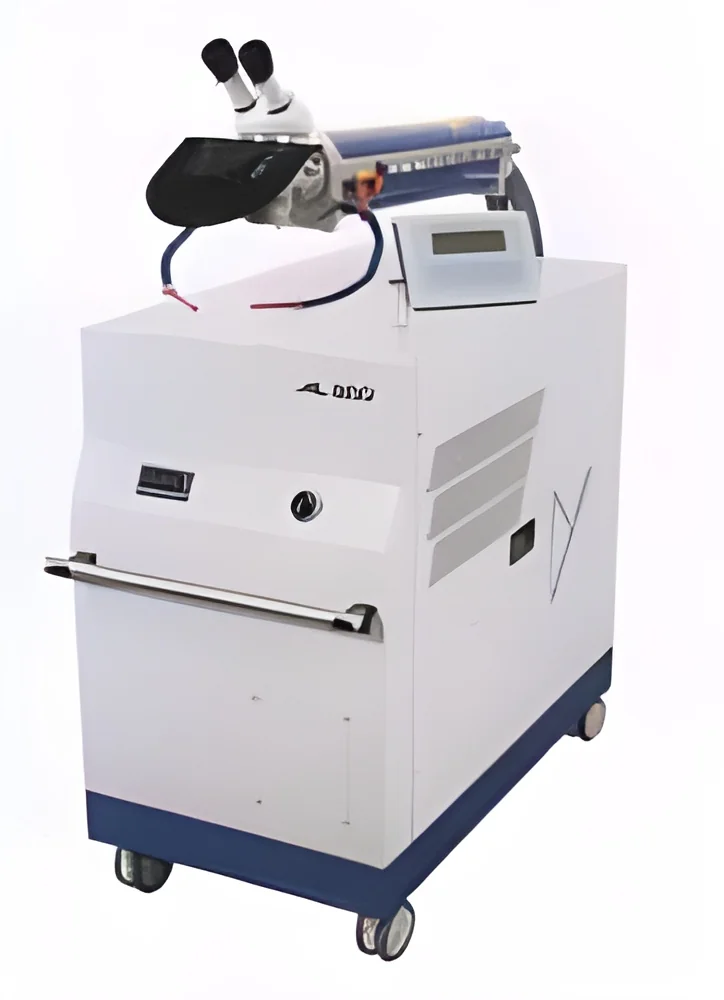
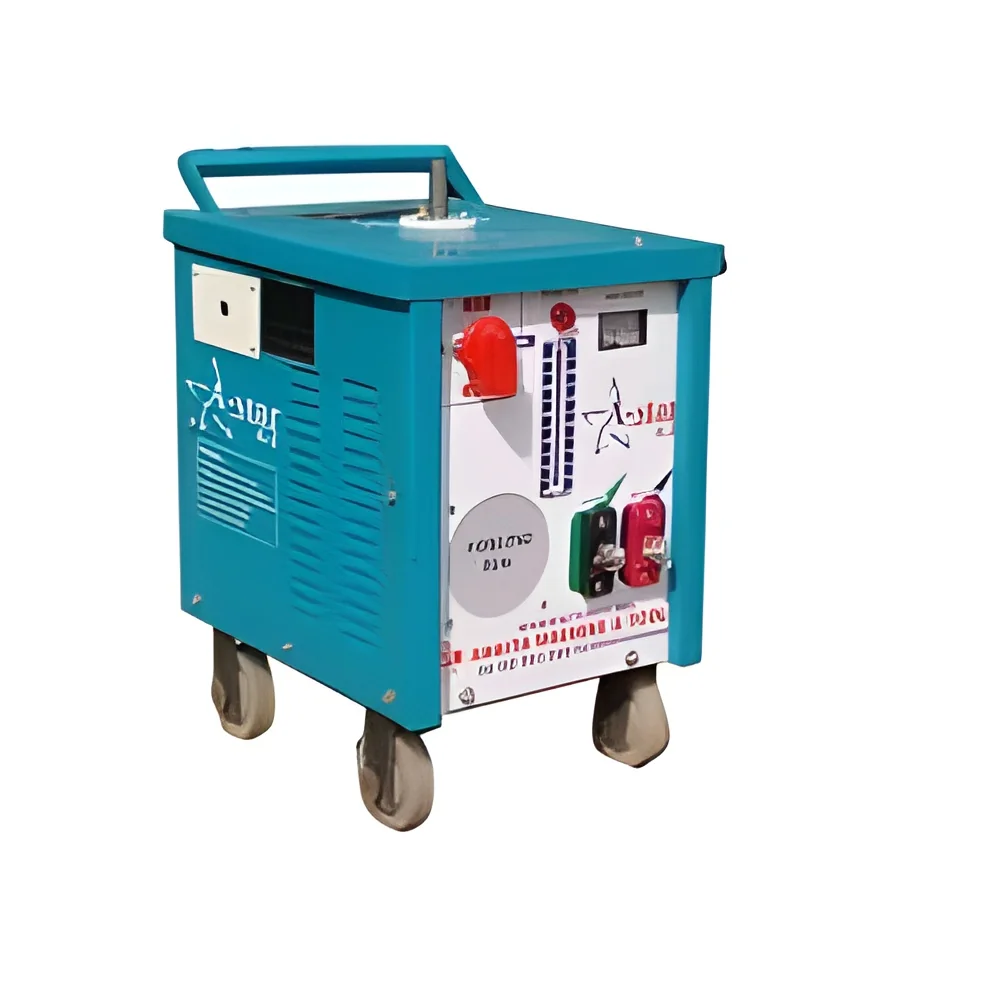
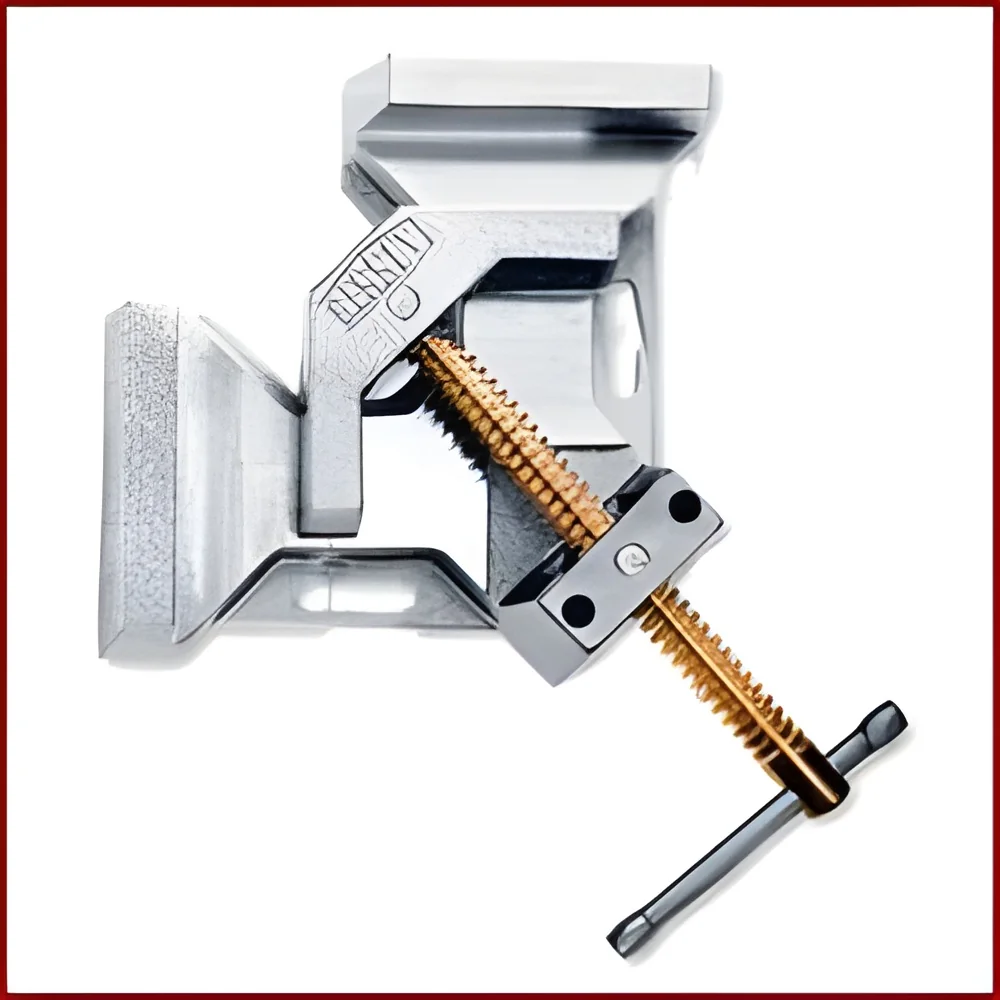
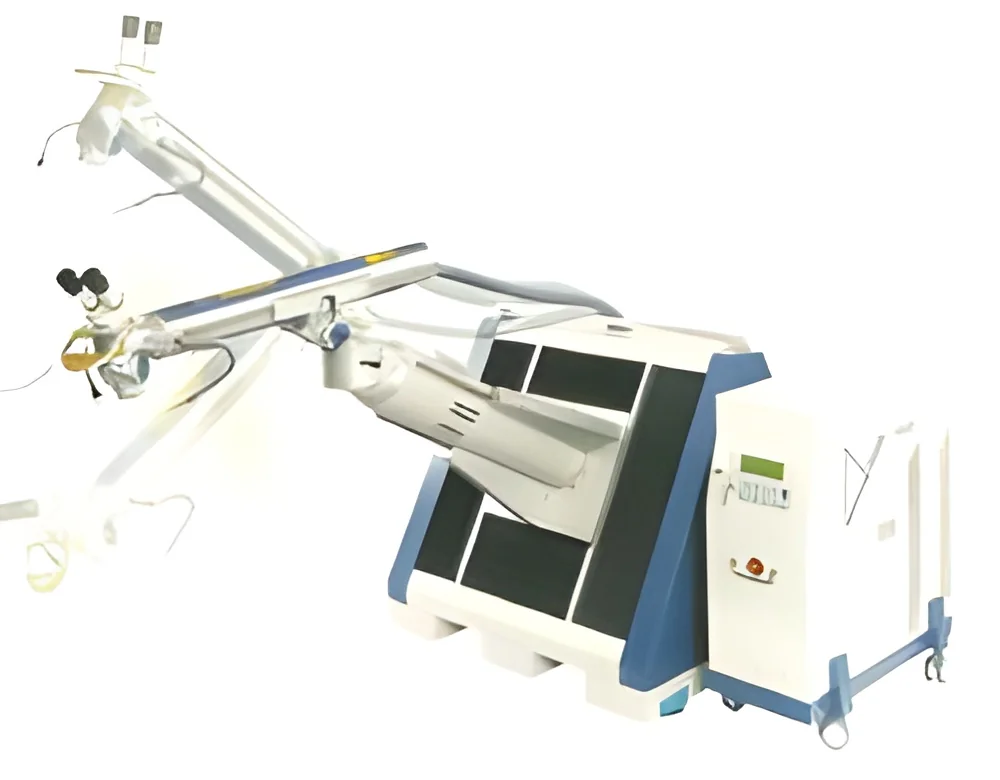
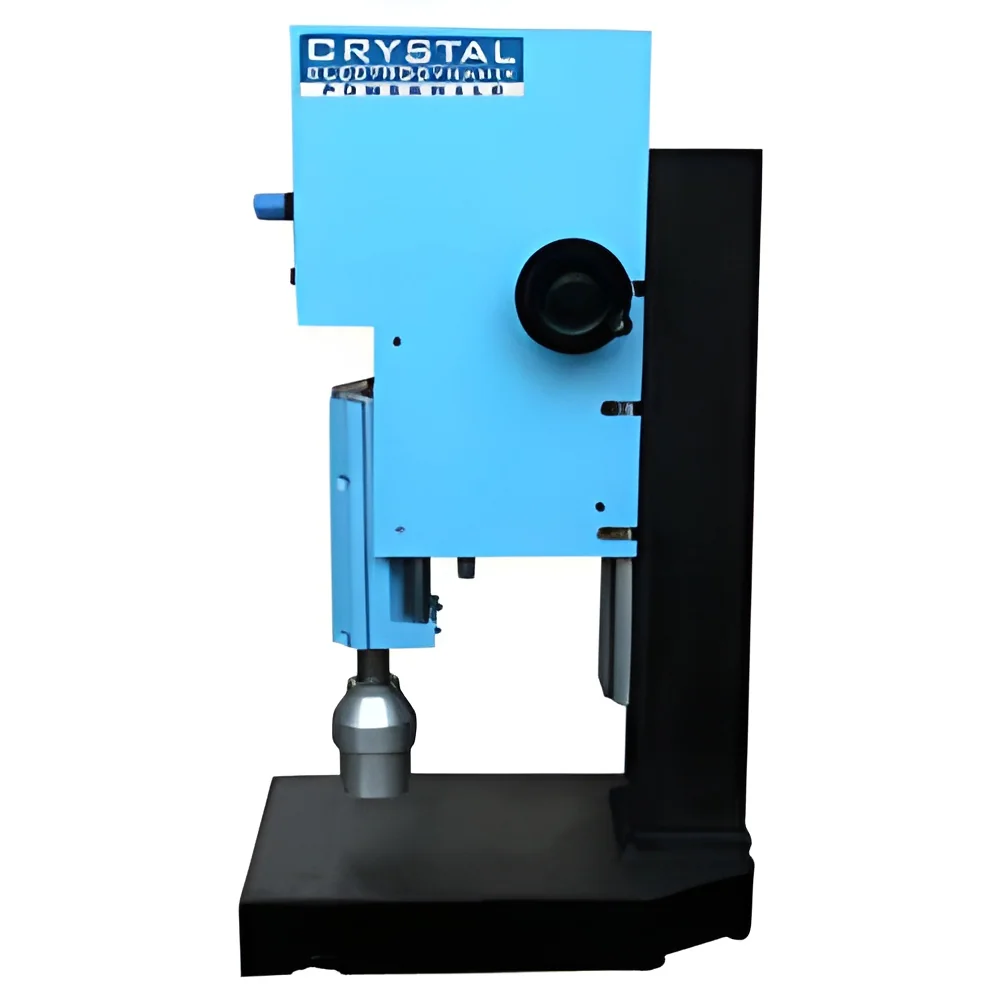
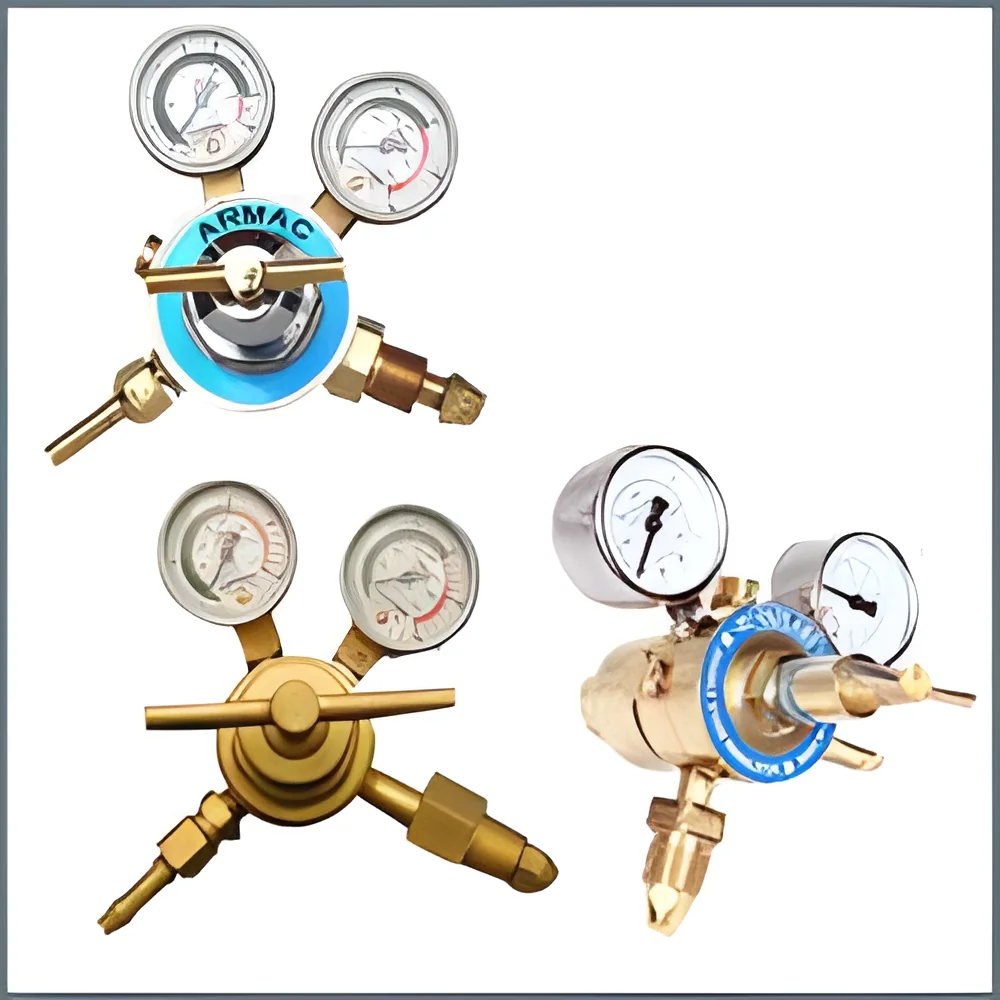
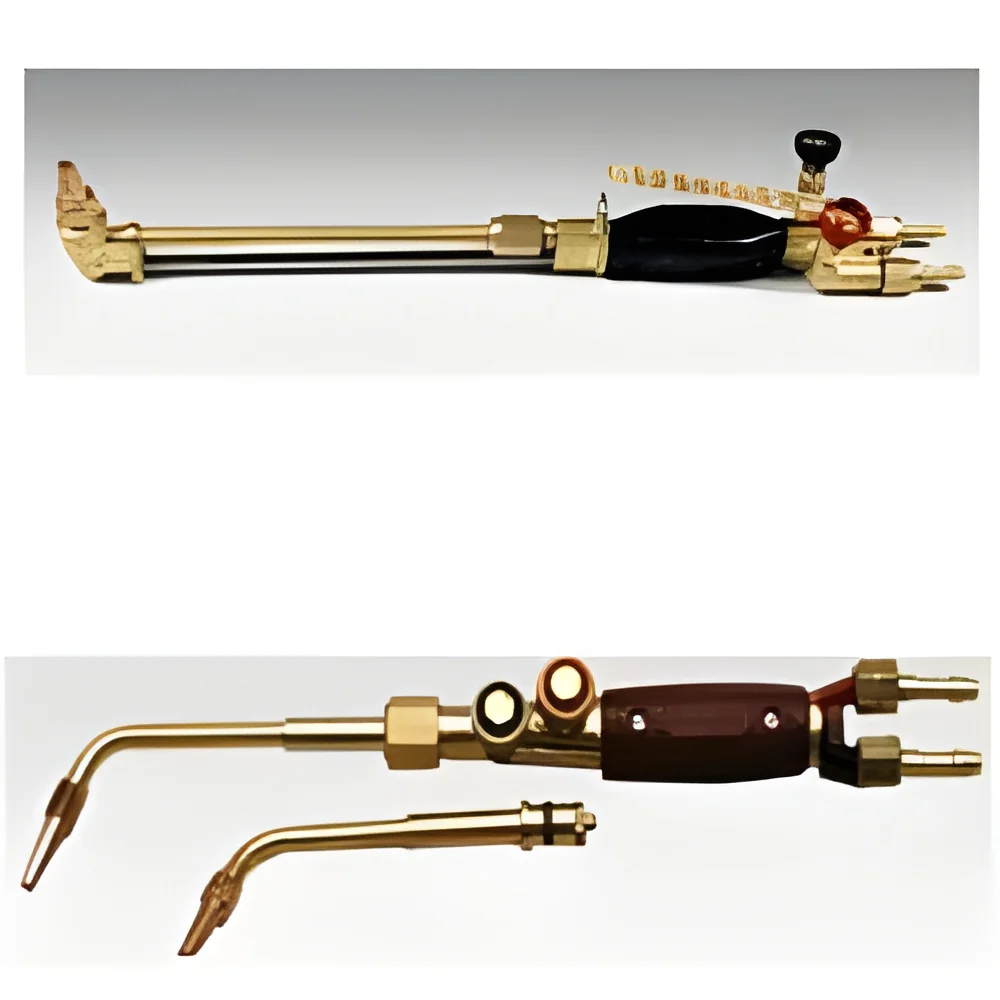
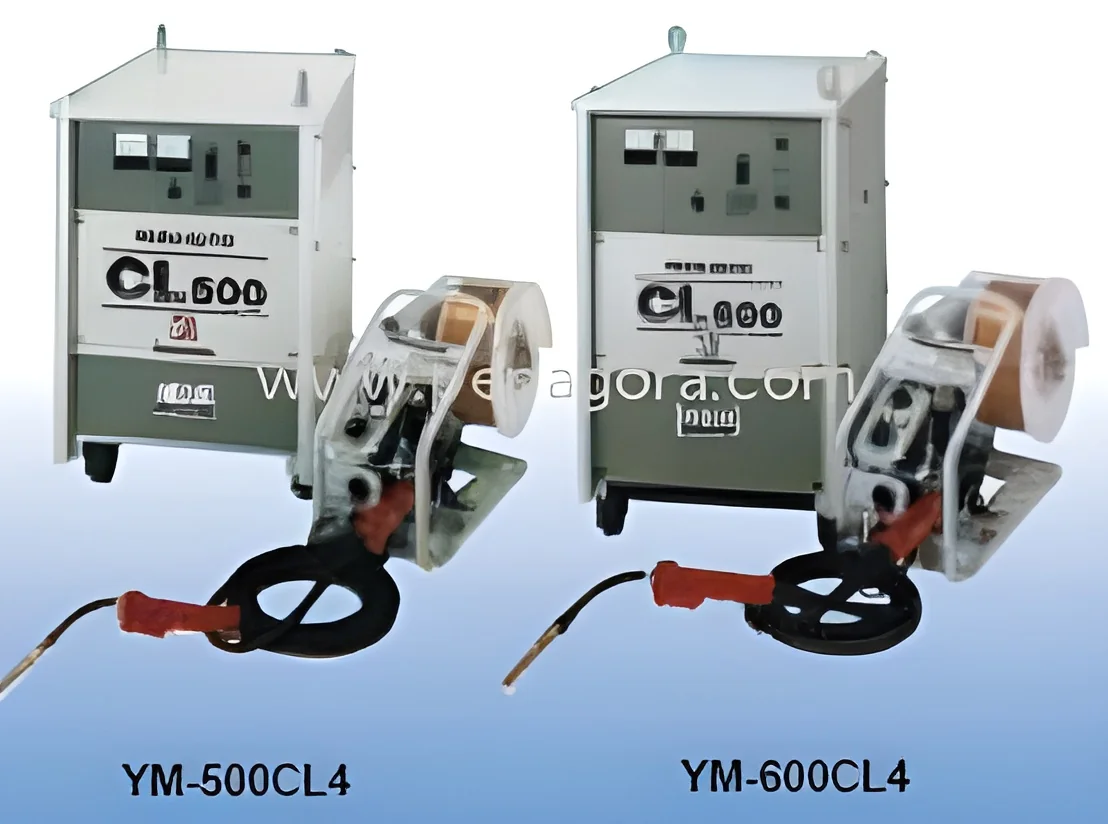
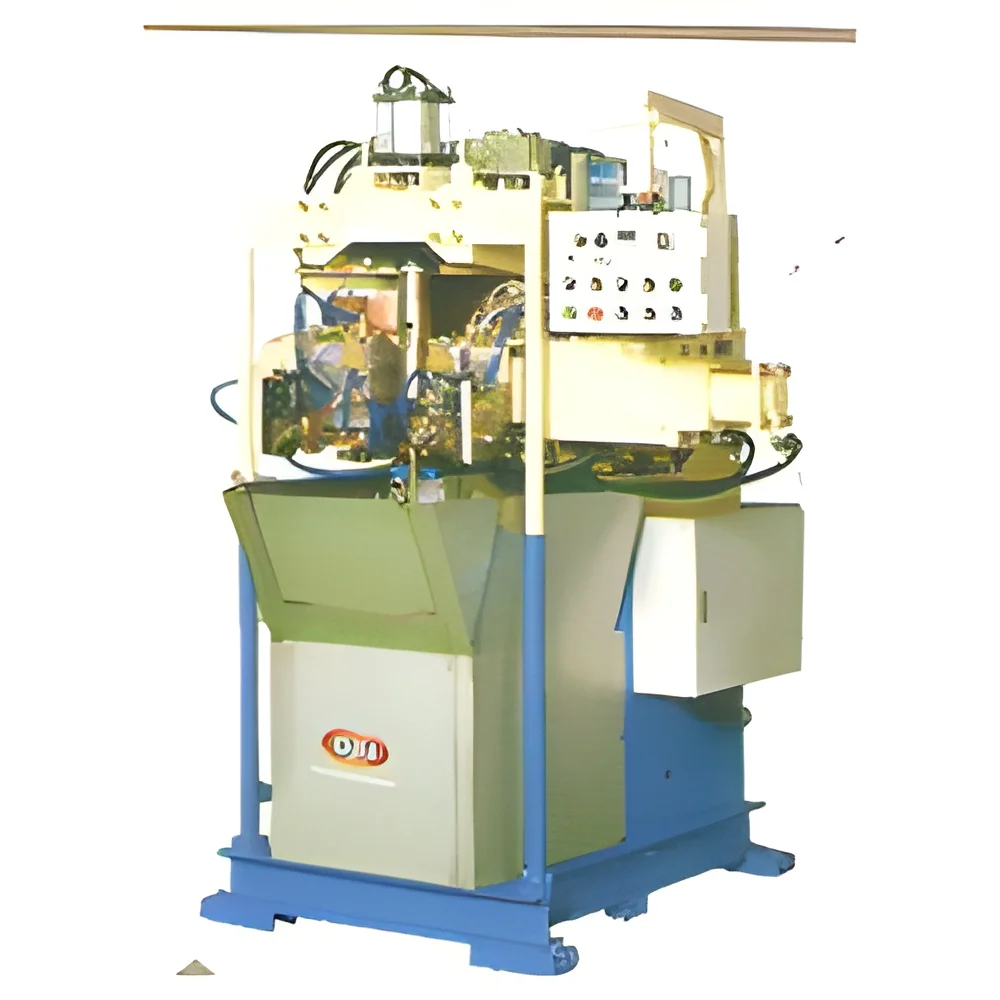
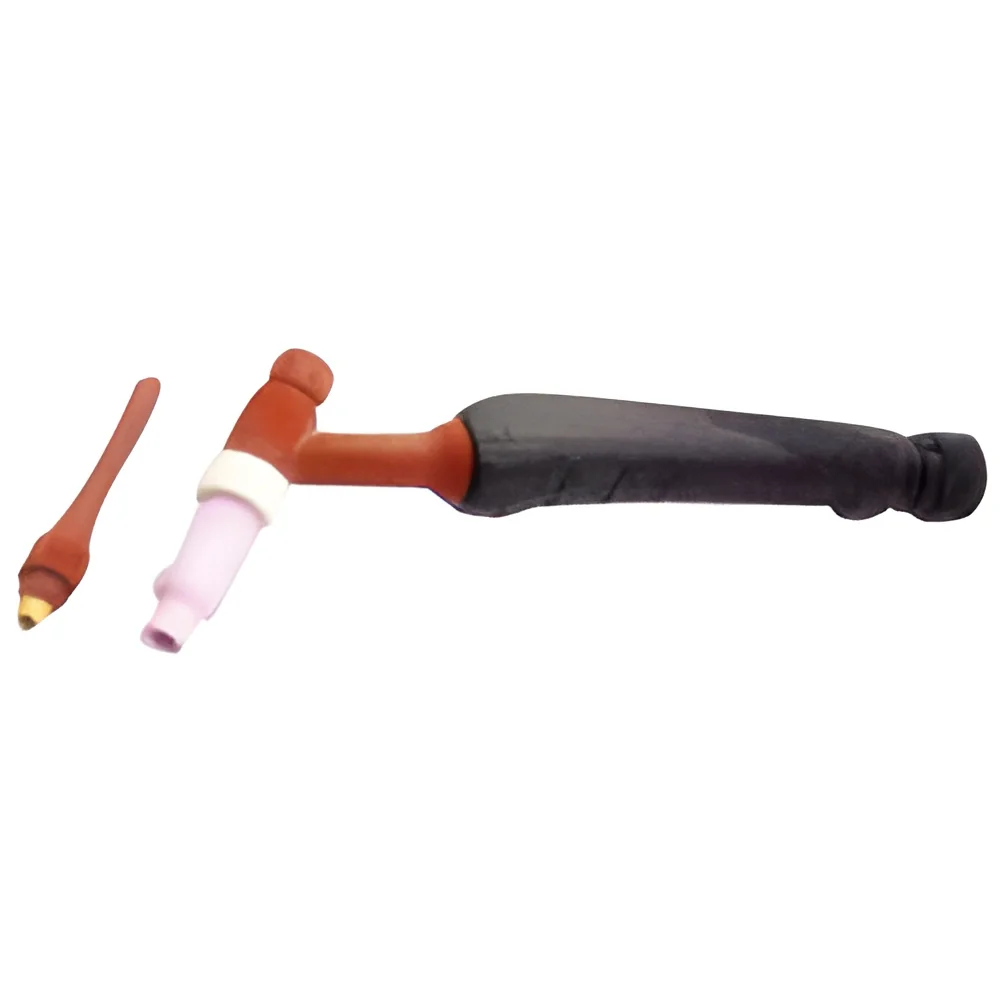
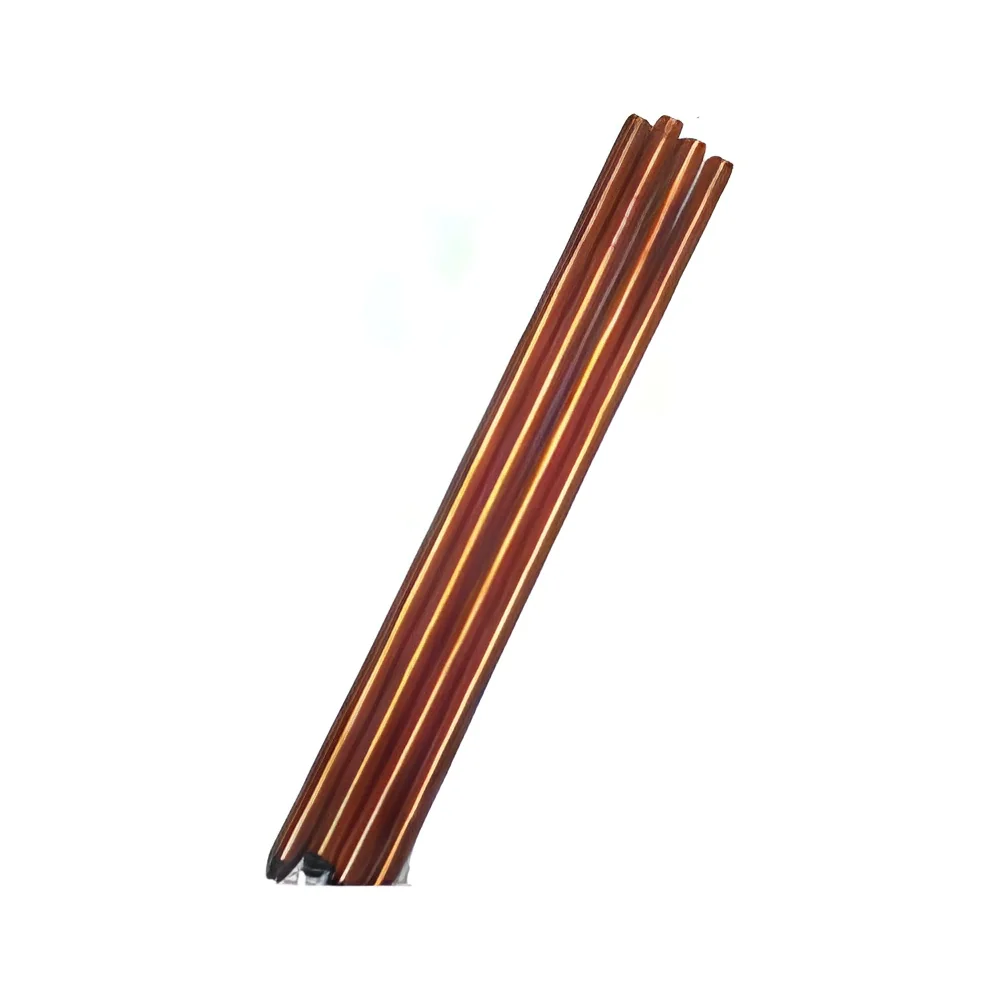
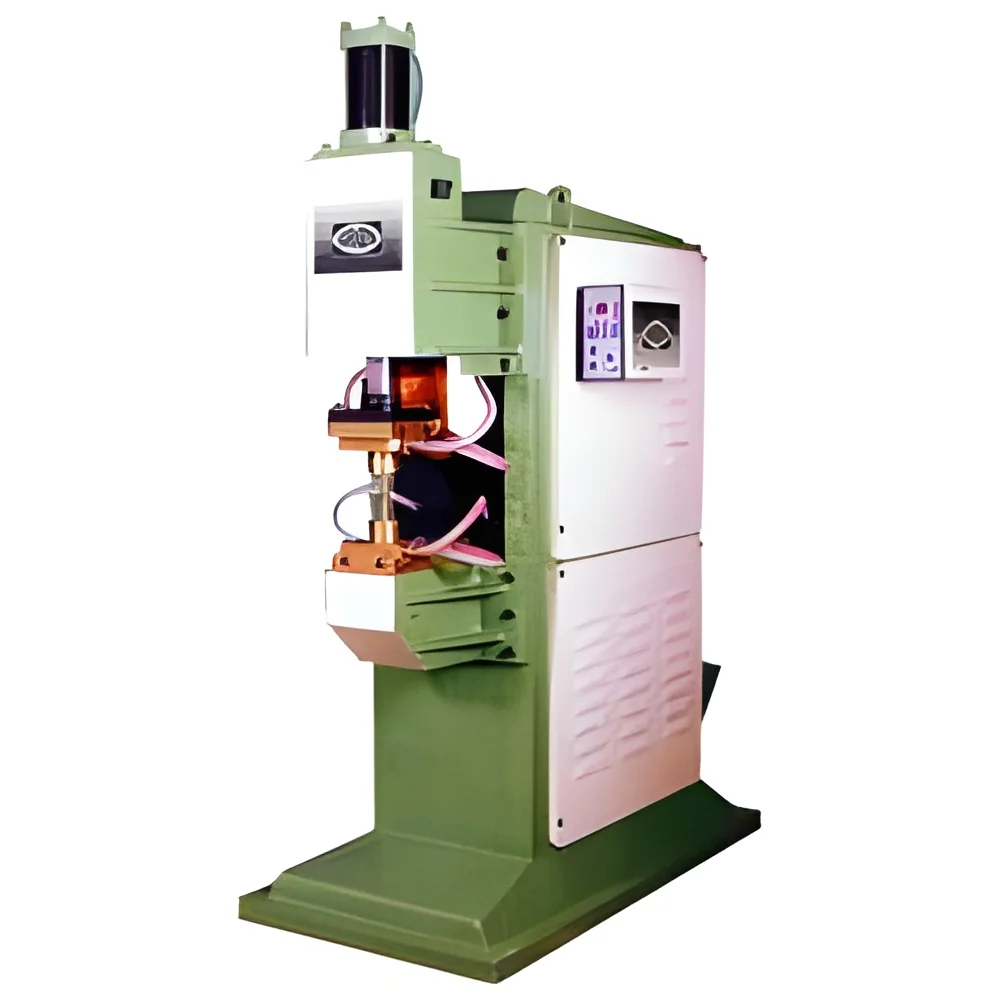
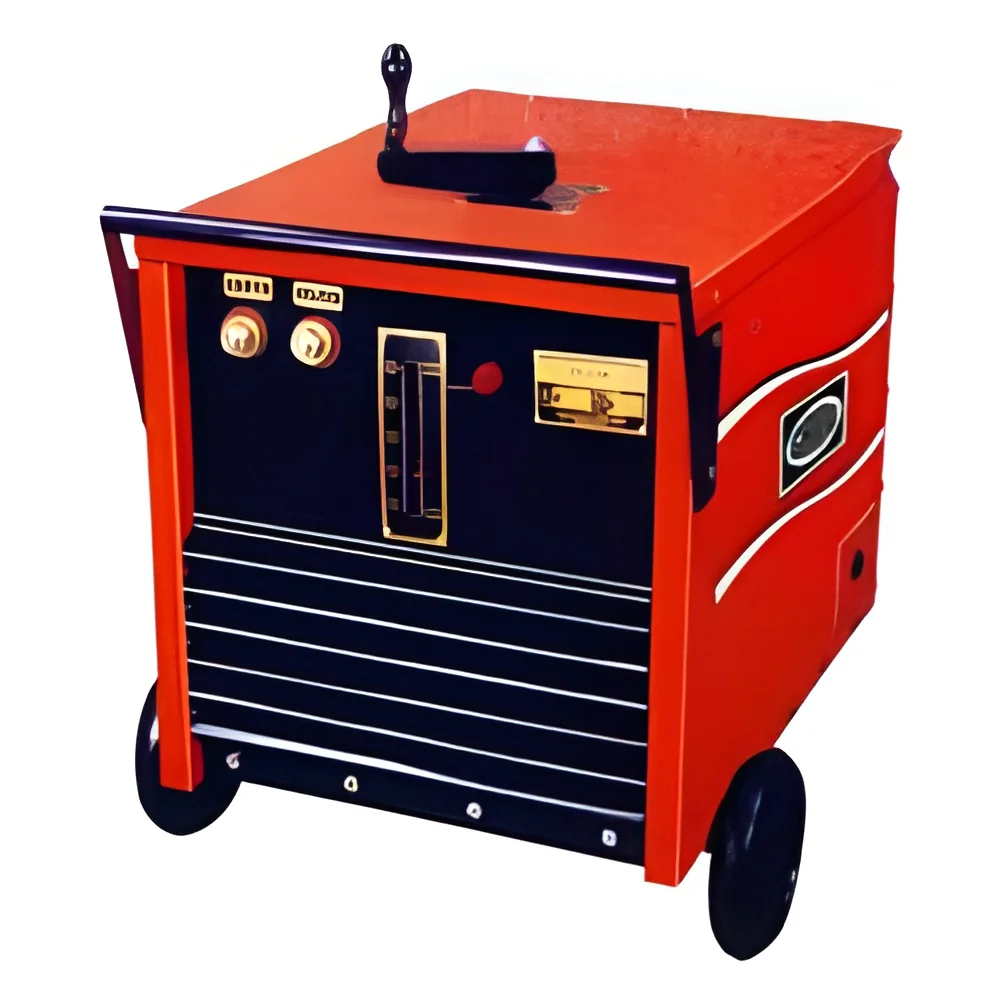
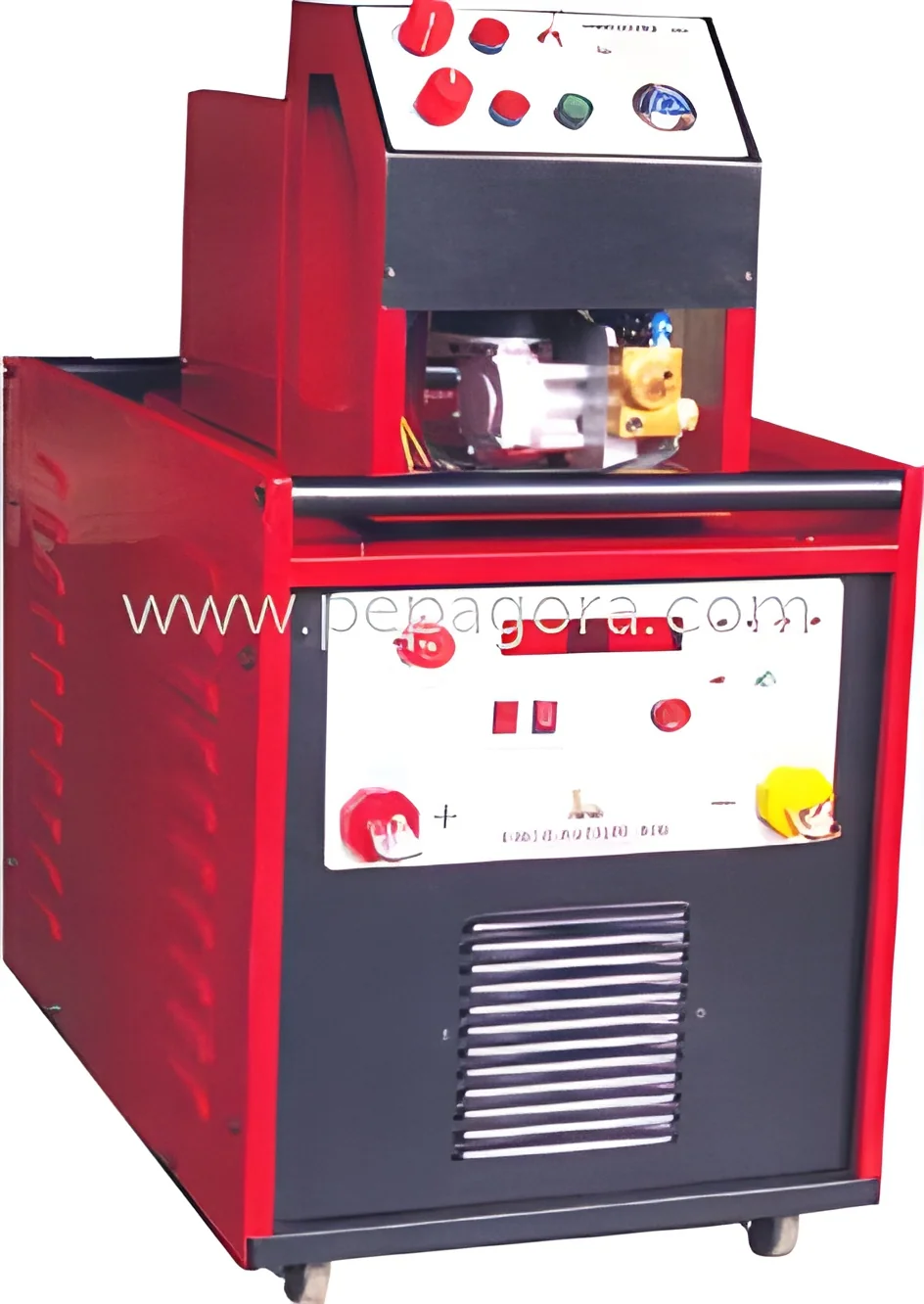
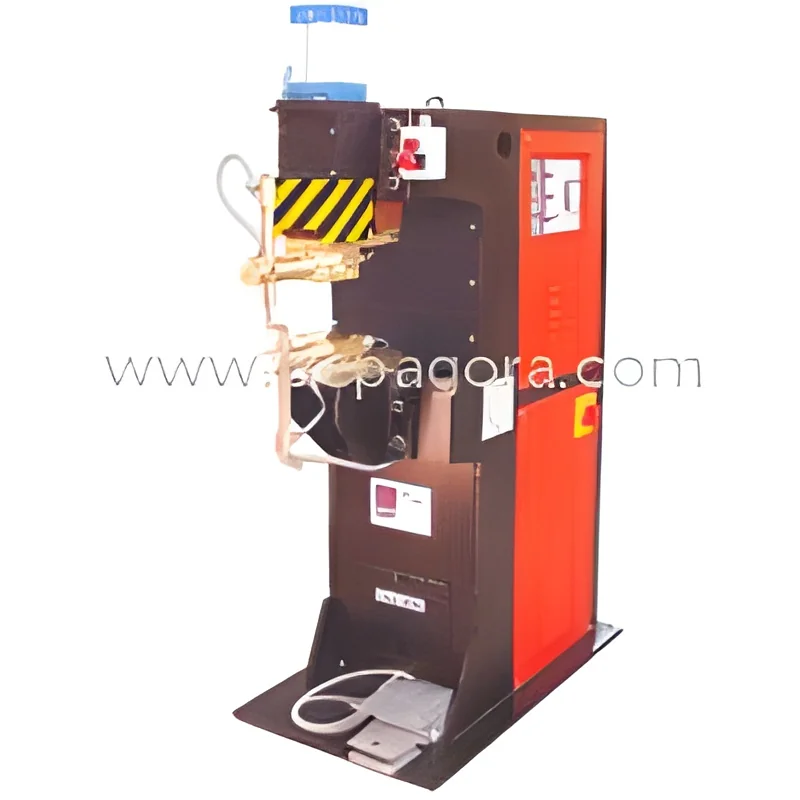
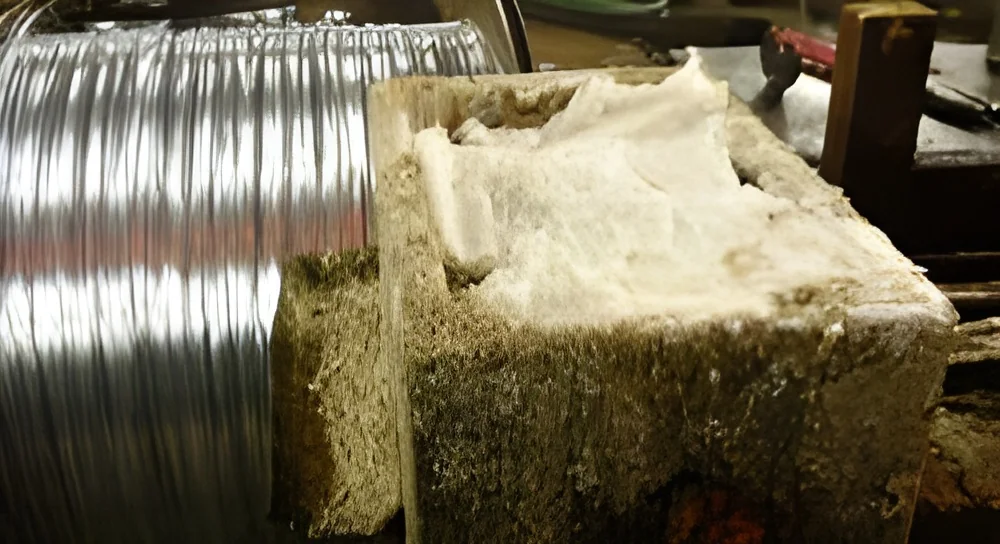
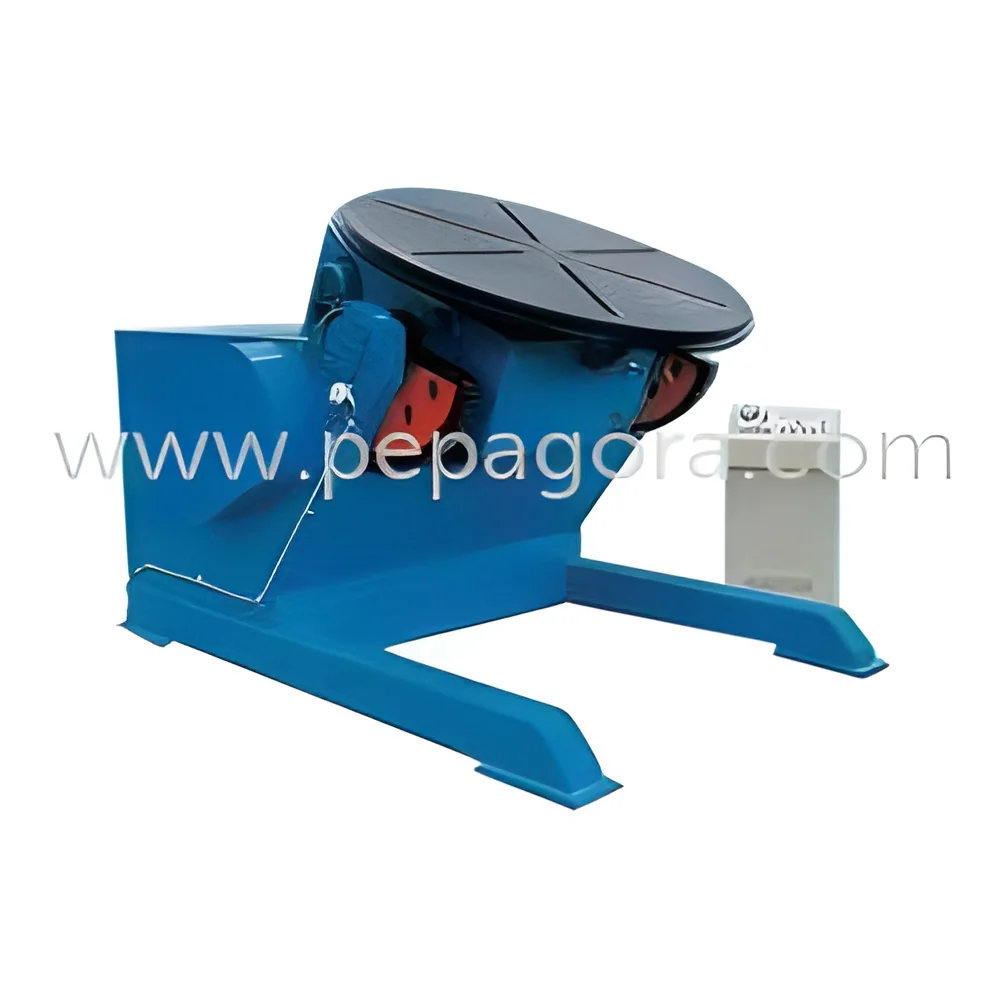
𝗪𝗵𝗮𝘁 𝗮𝗿𝗲 𝗪𝗲𝗹𝗱𝗶𝗻𝗴 𝗧𝗼𝗼𝗹𝘀 & 𝗔𝗰𝗰𝗲𝘀𝘀𝗼𝗿𝗶𝗲𝘀?
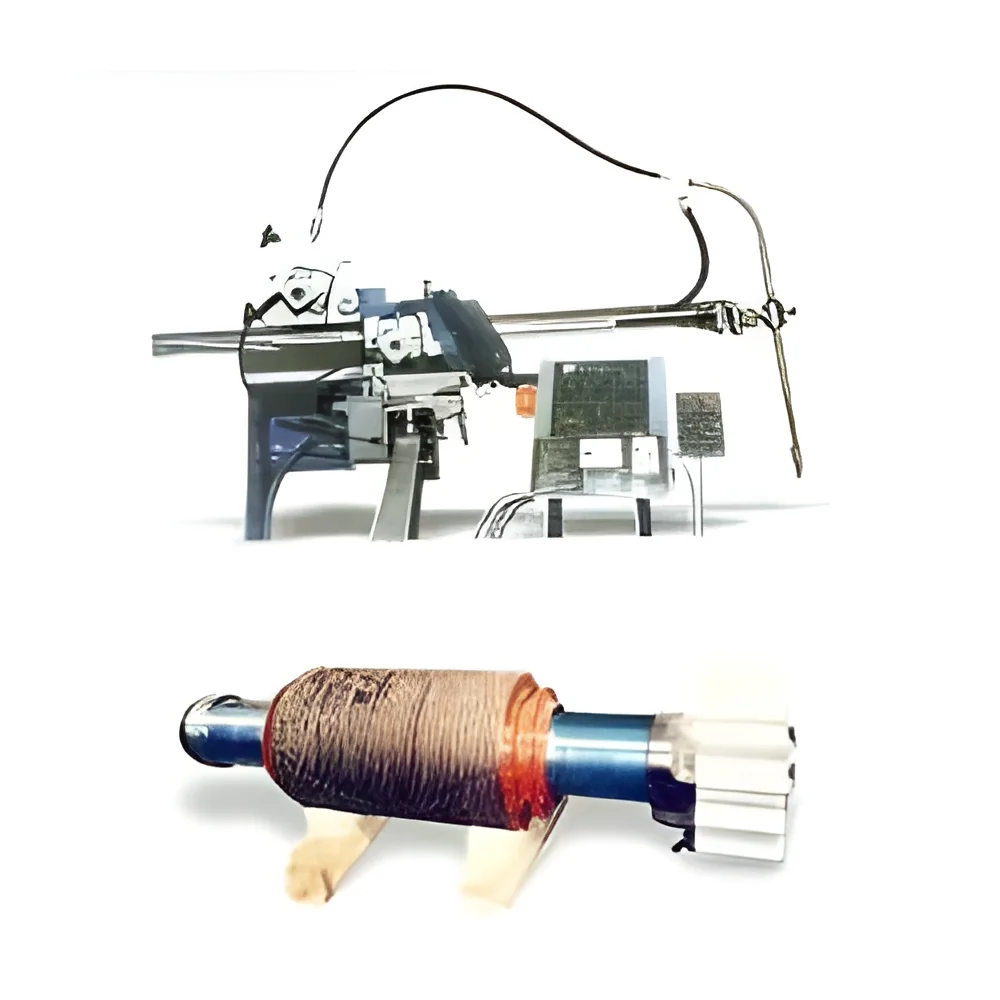
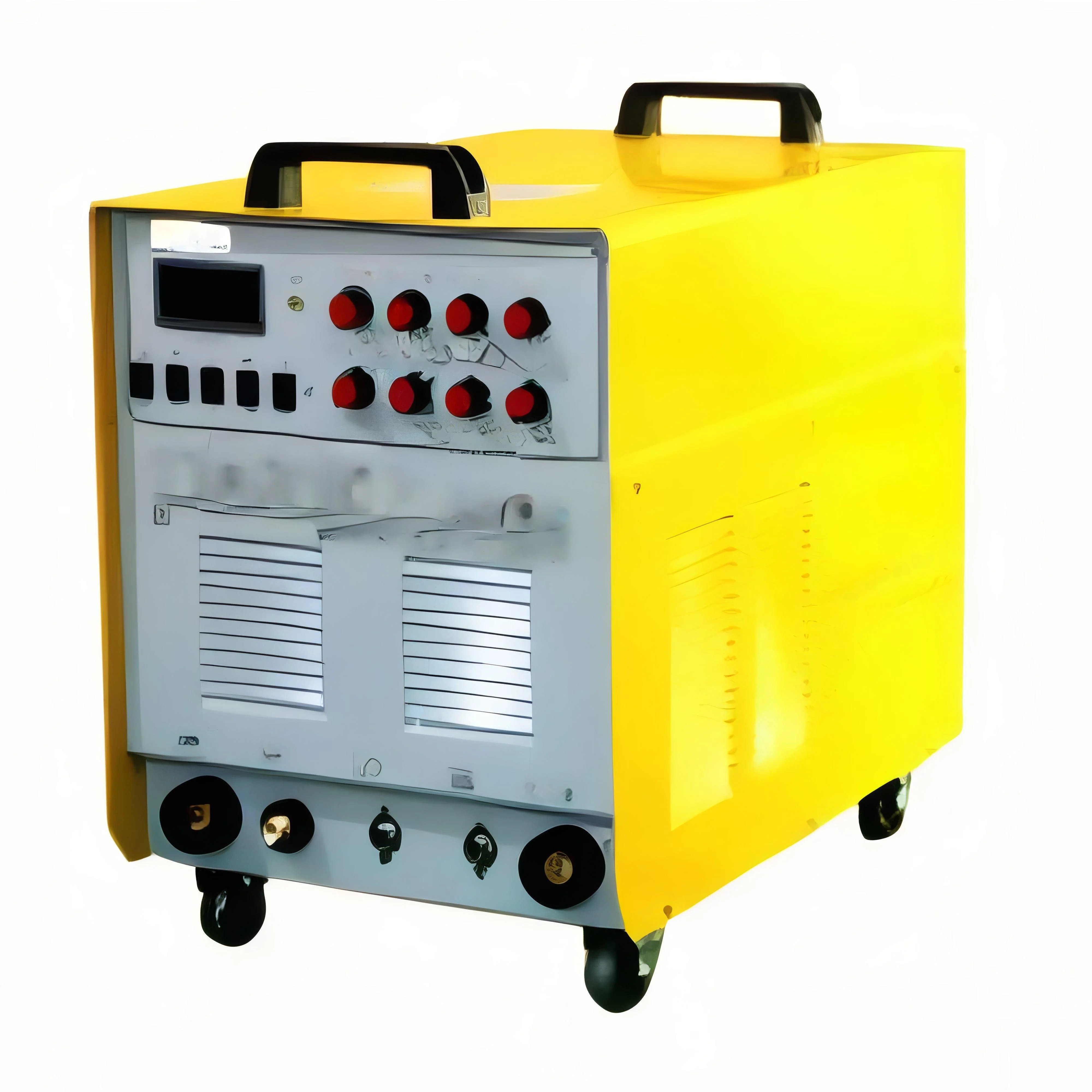
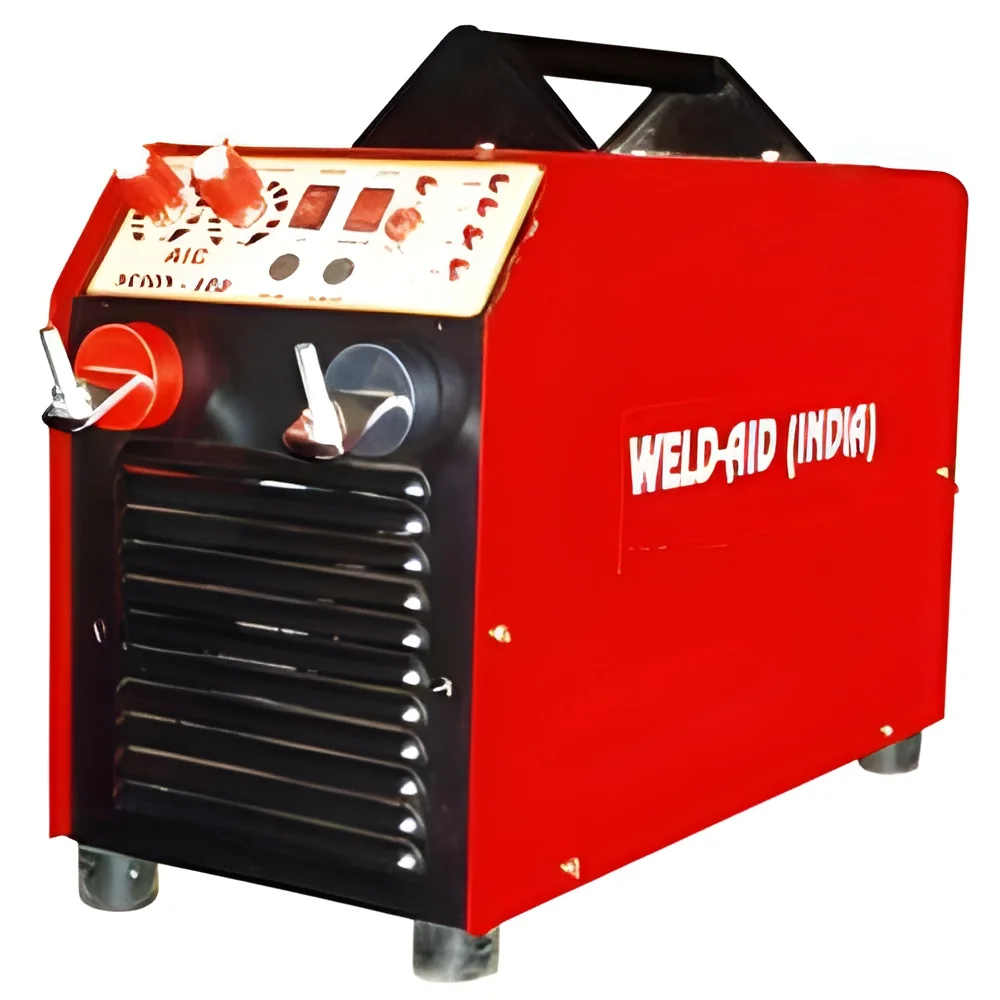
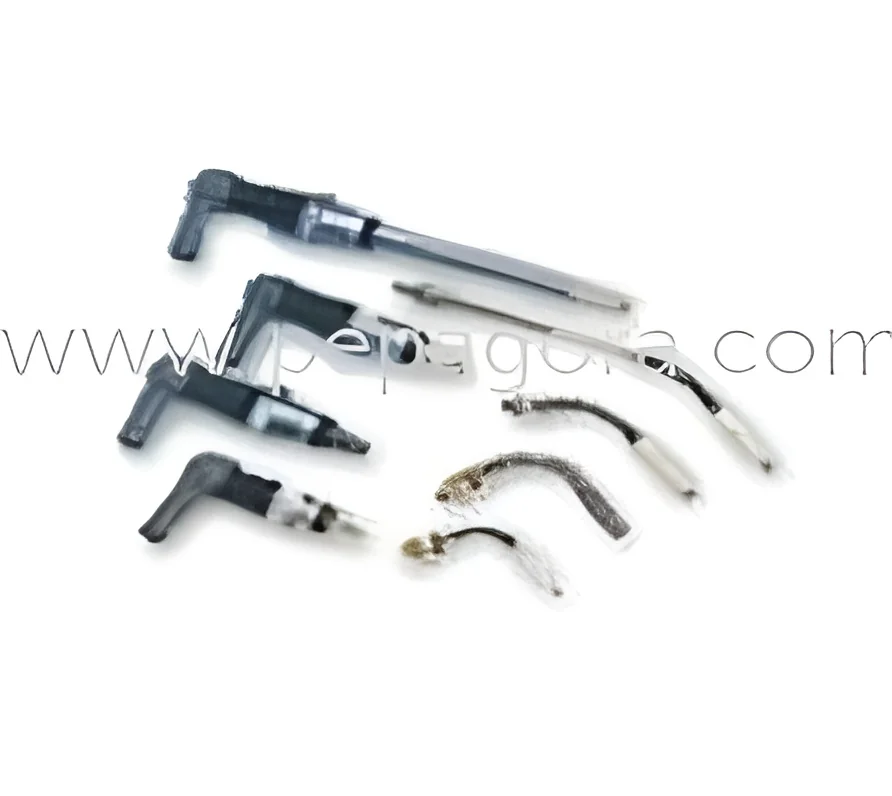
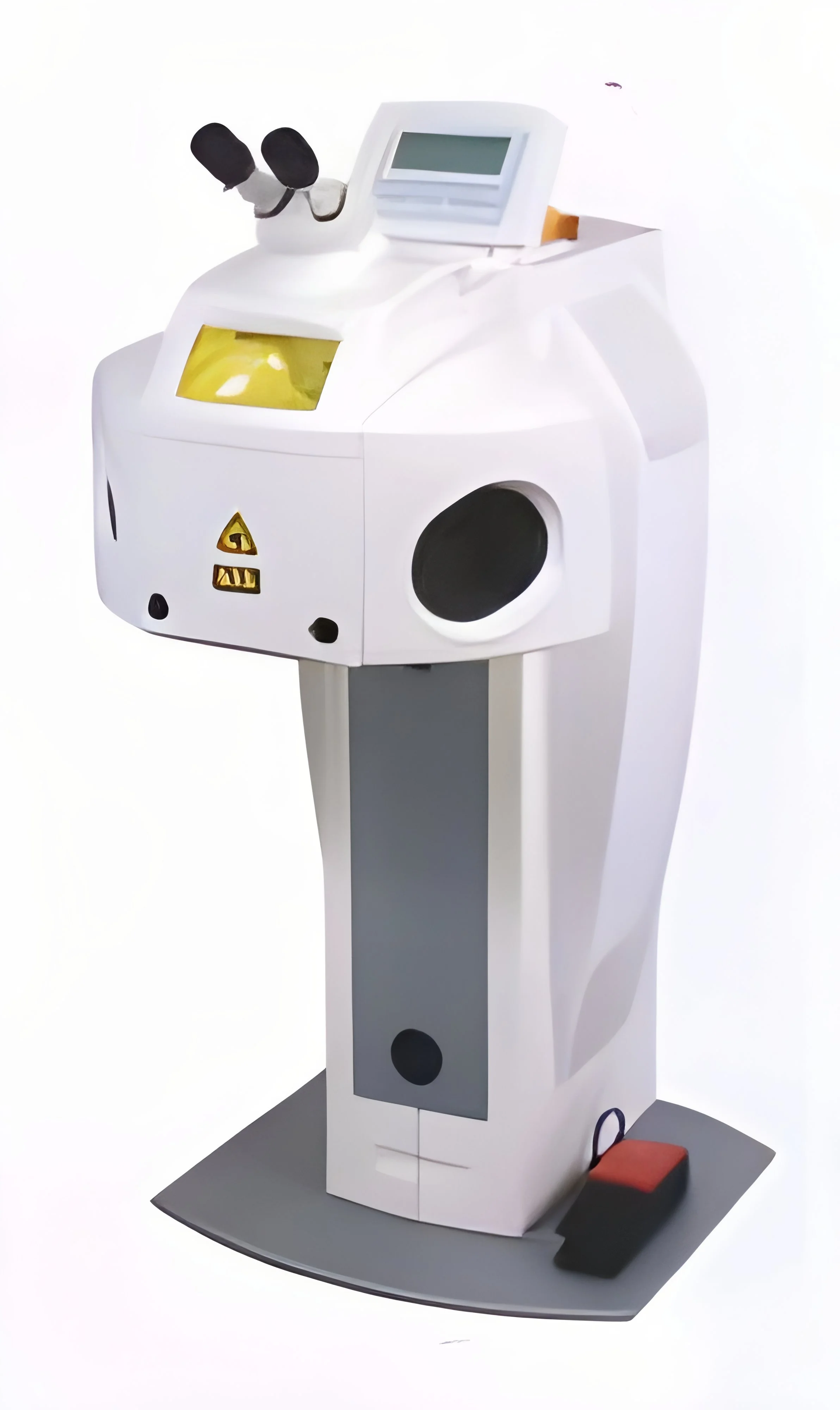
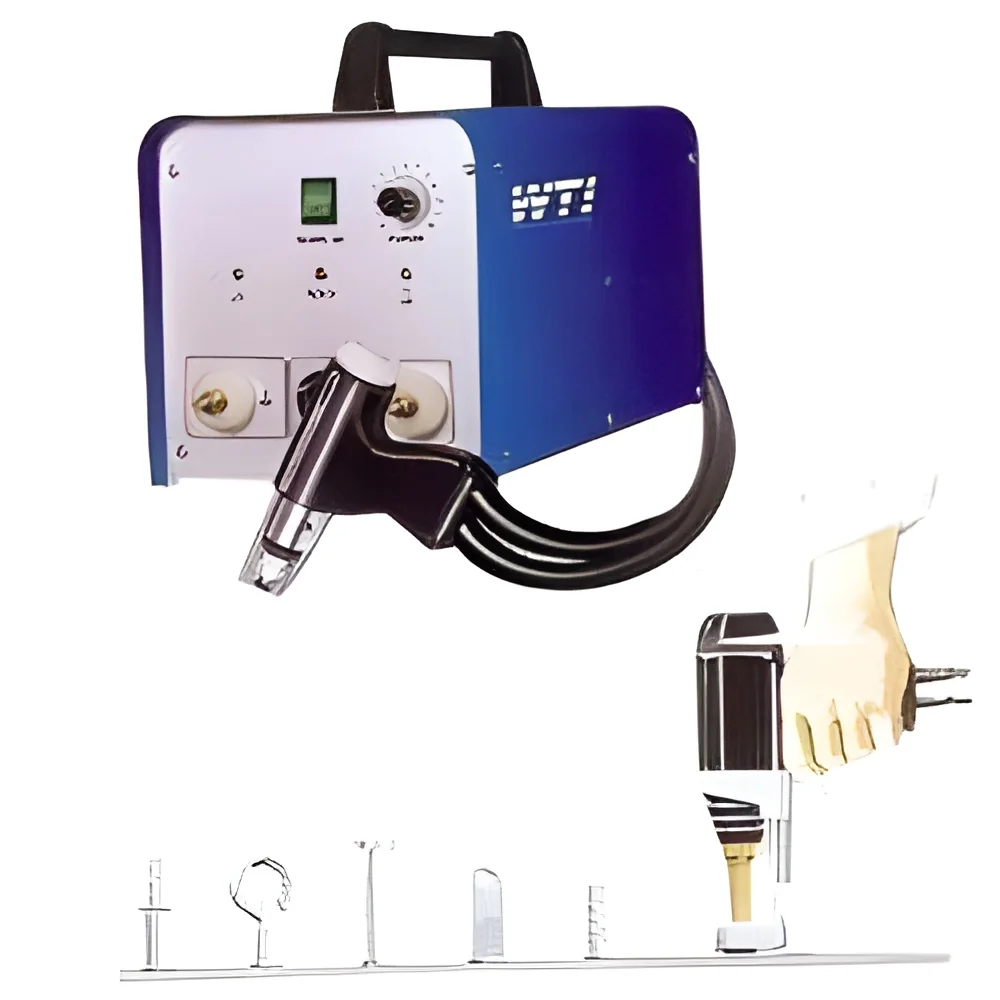
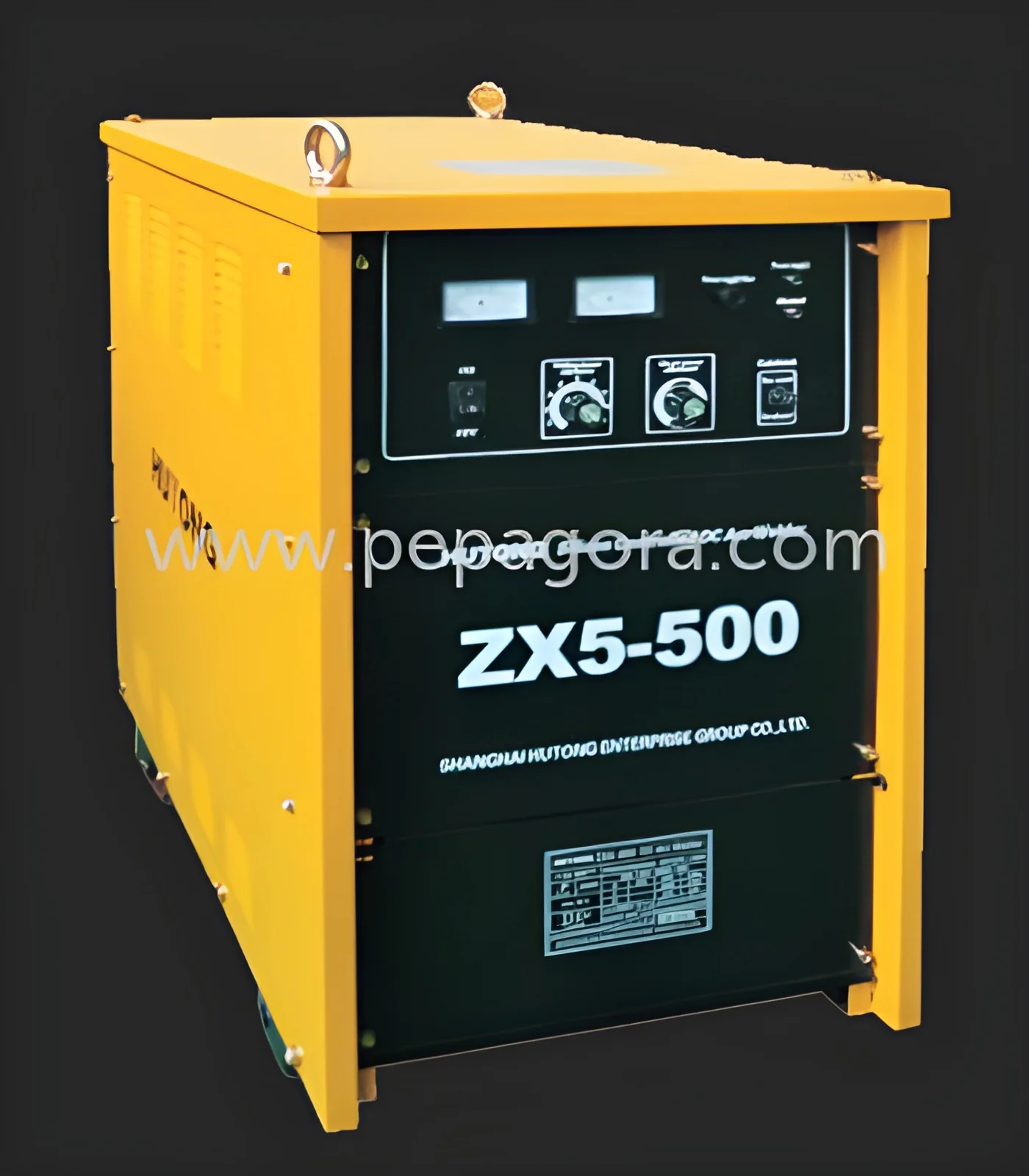
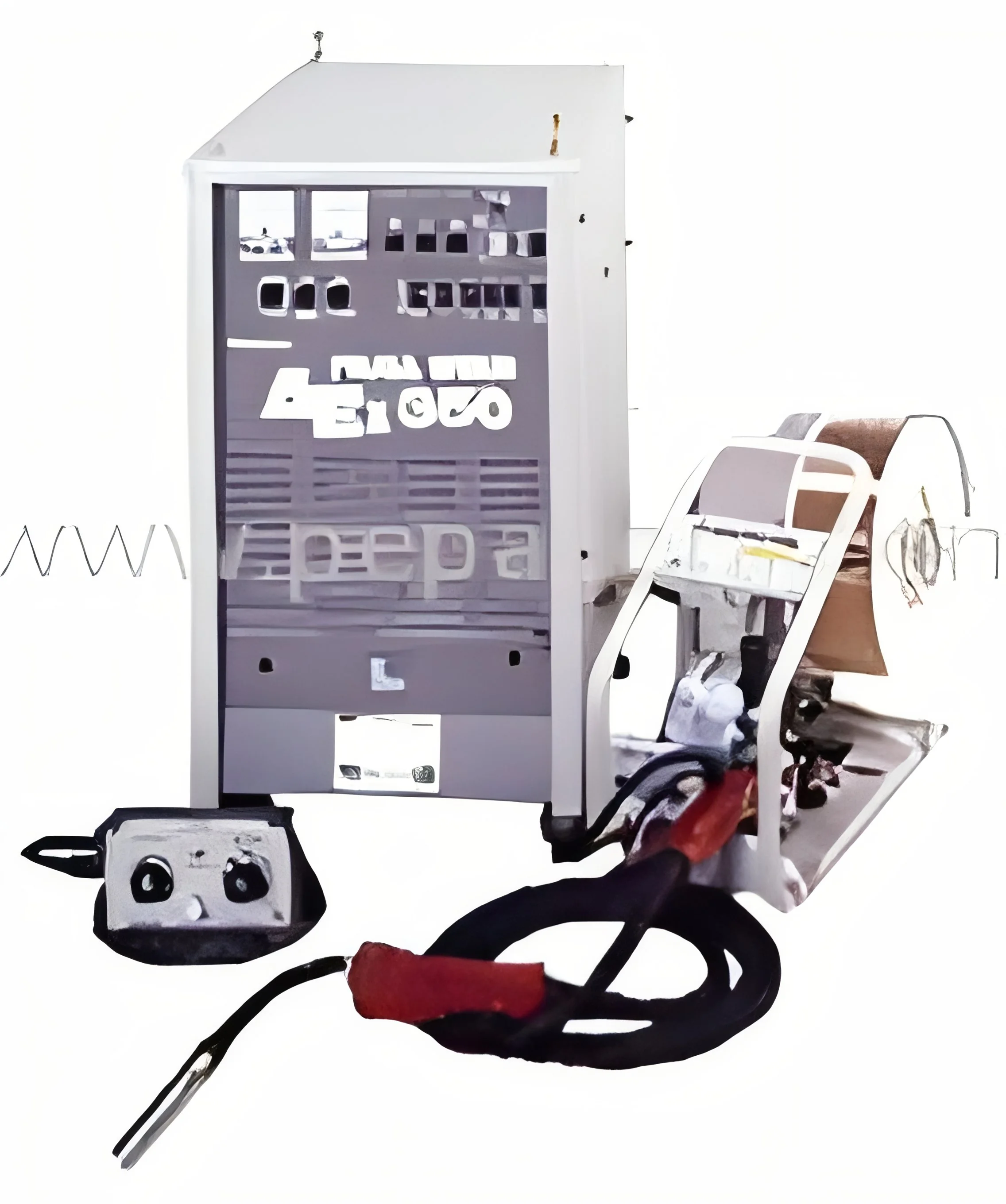
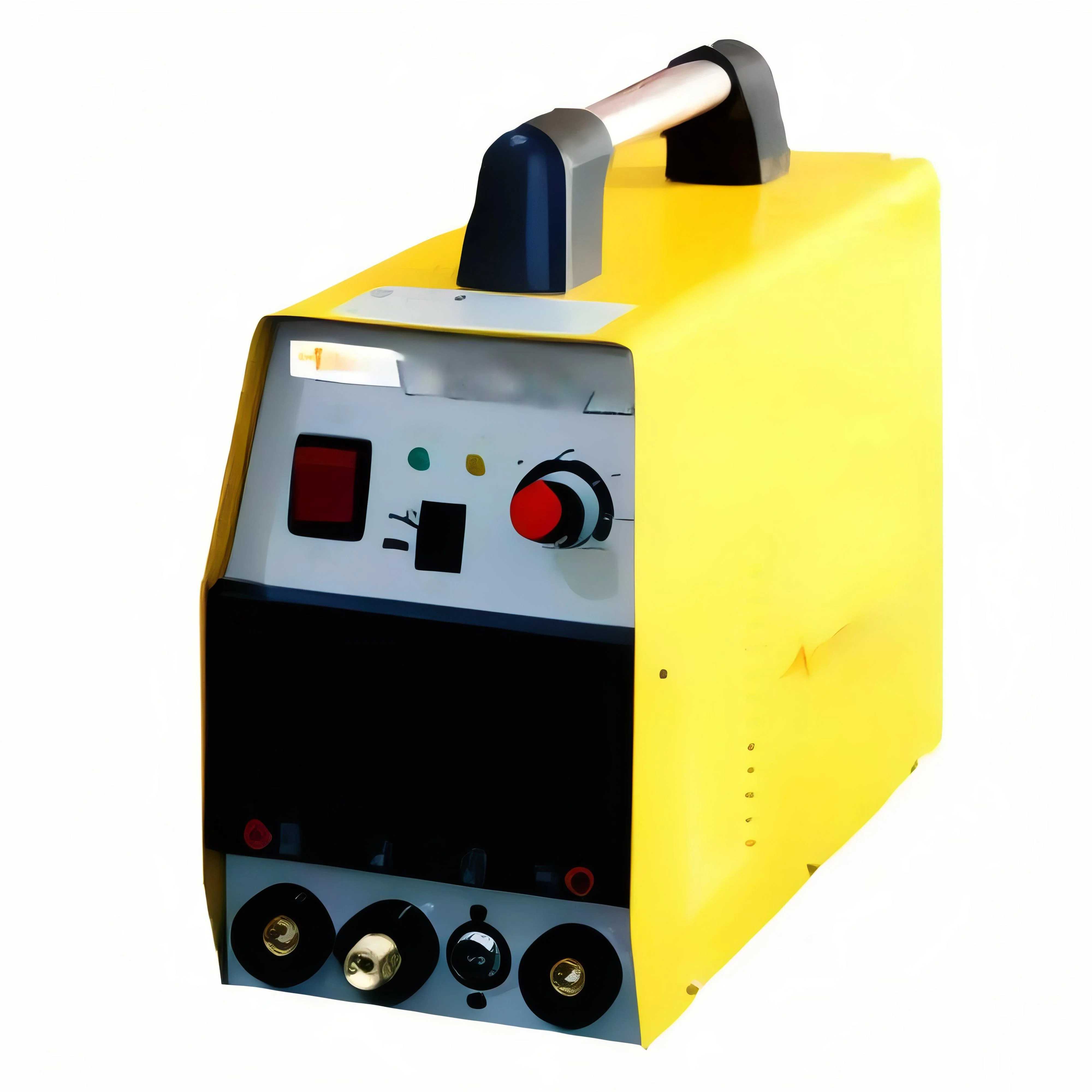
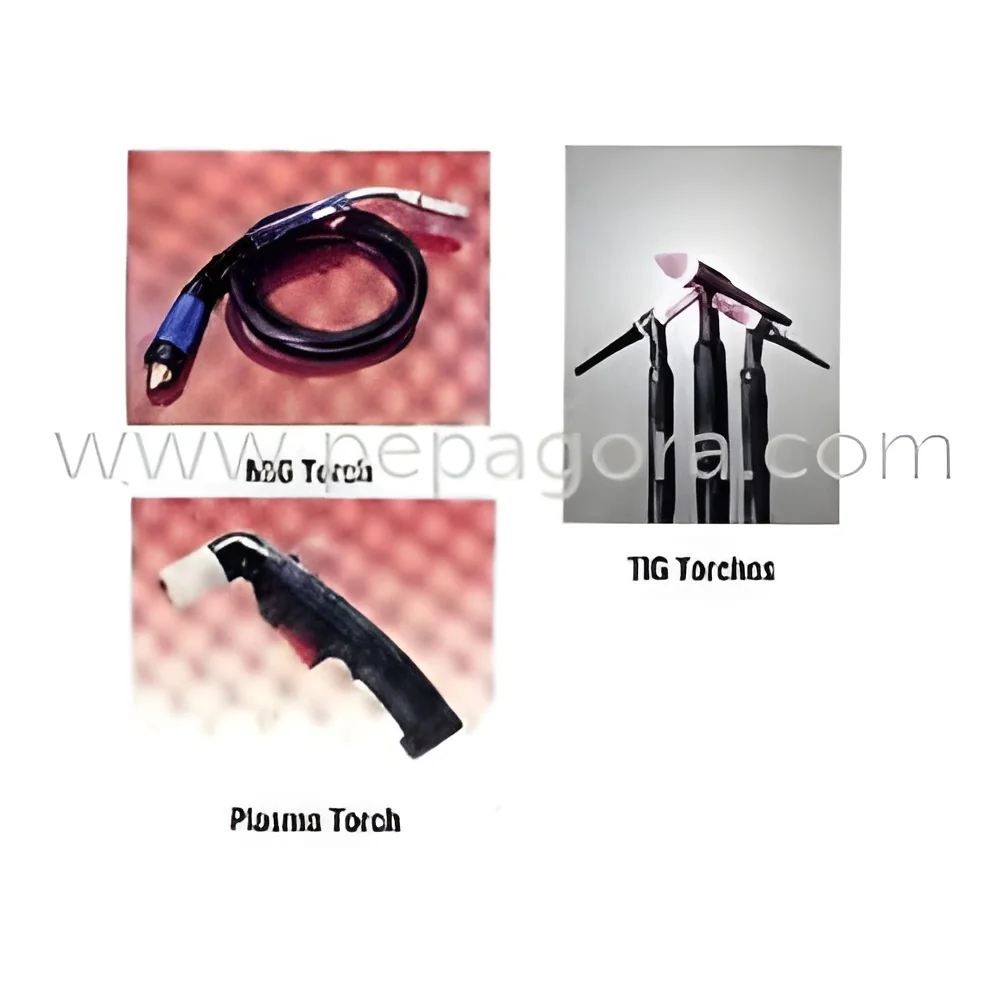
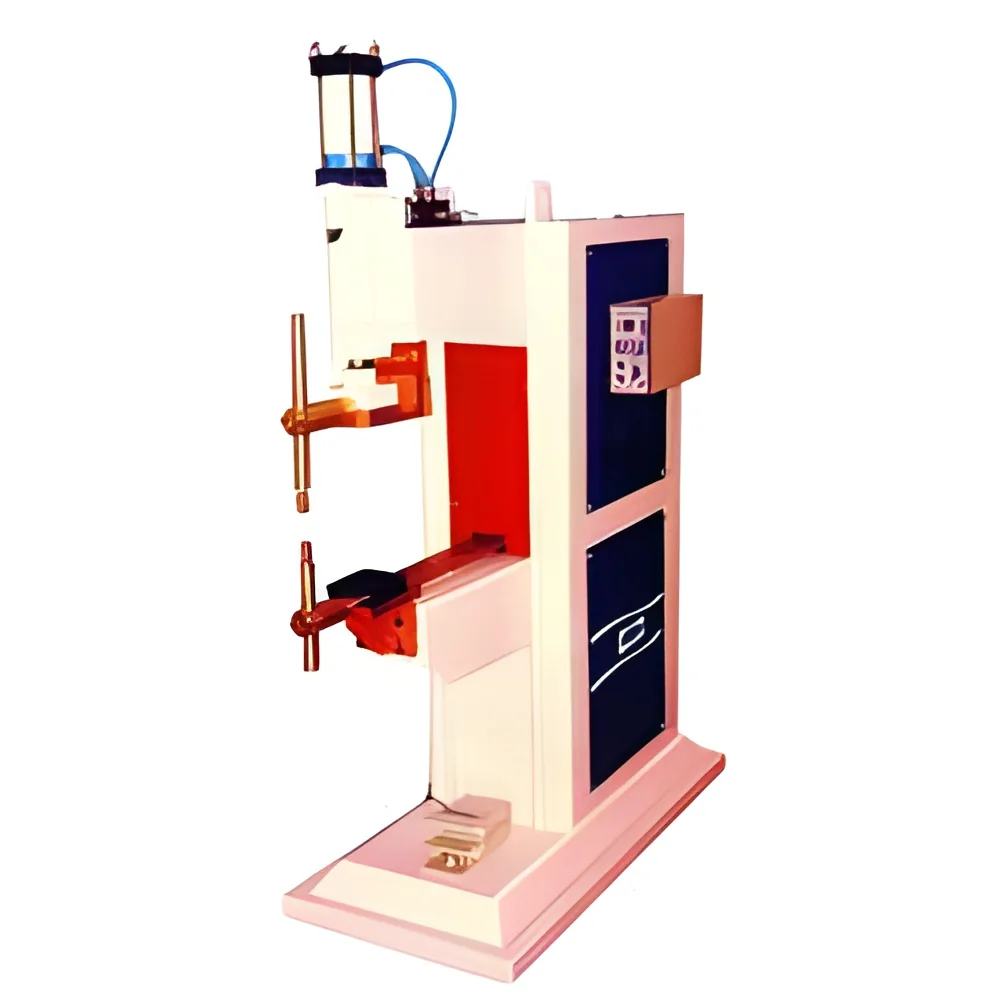
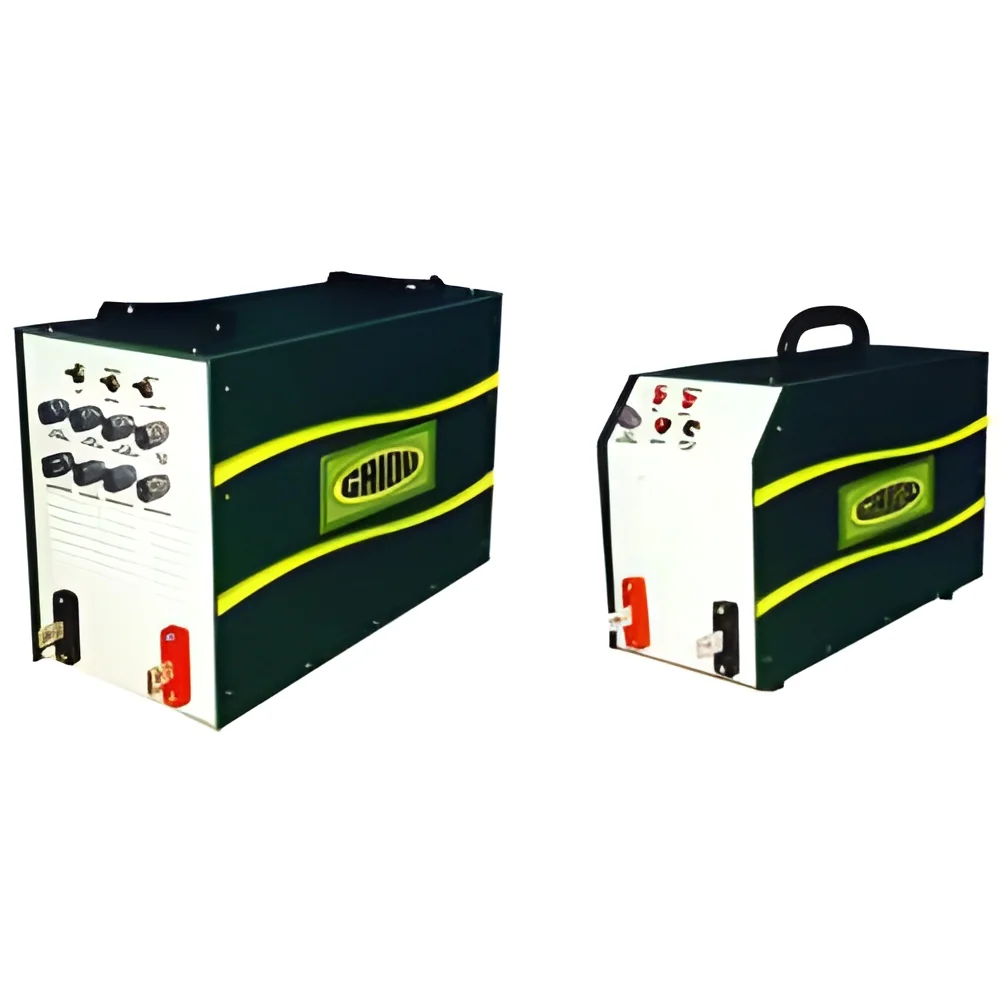
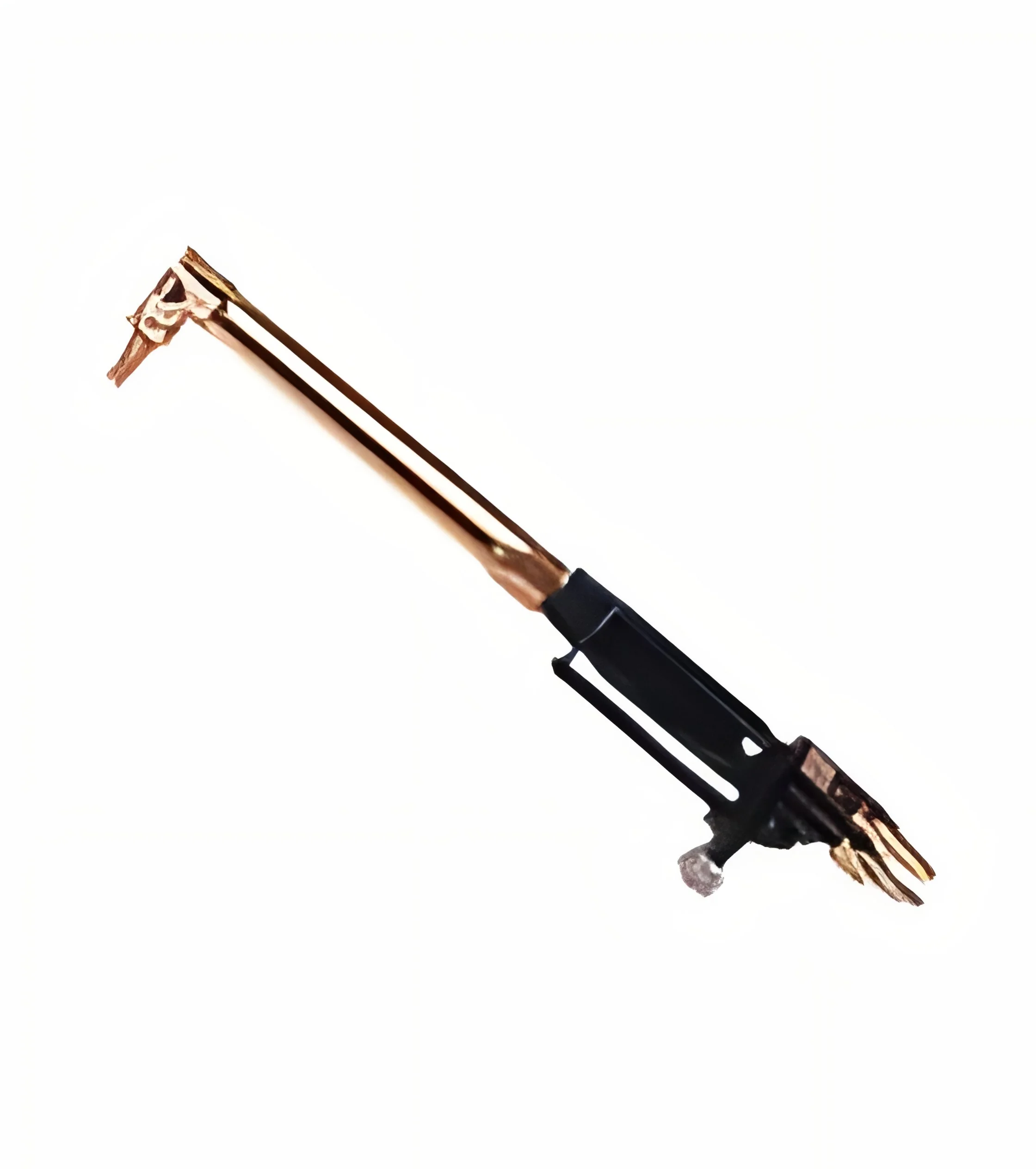
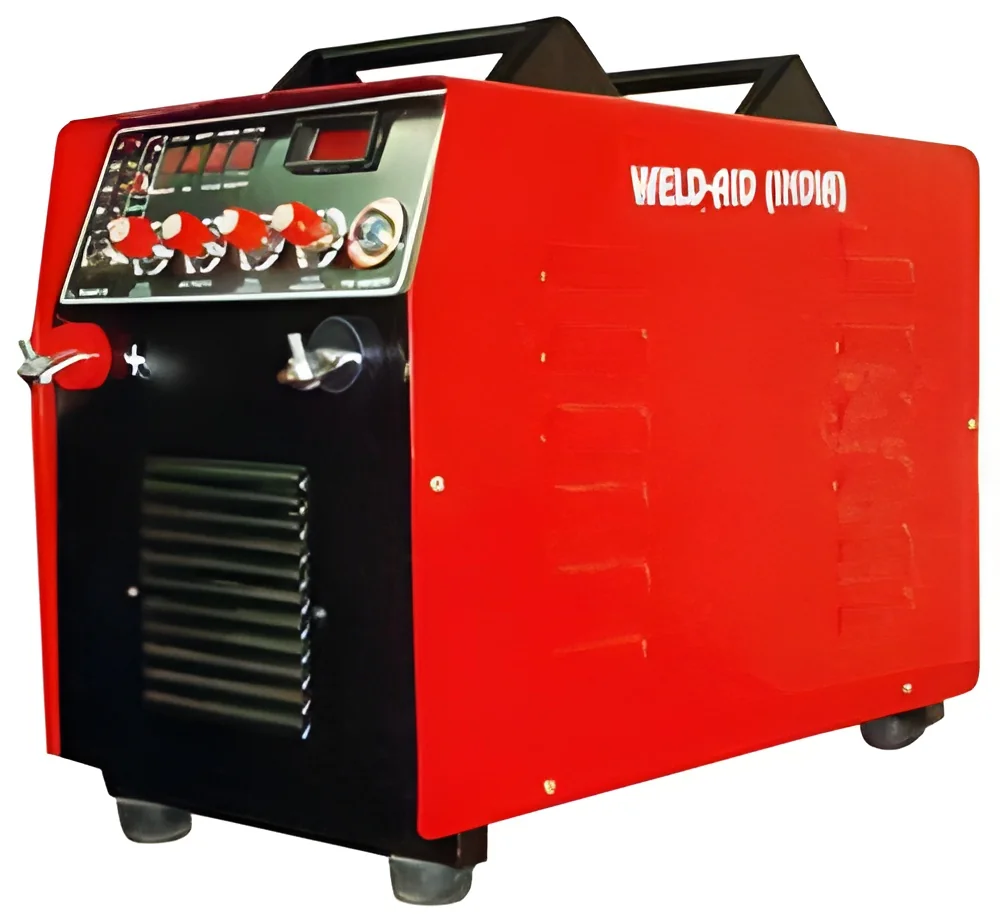
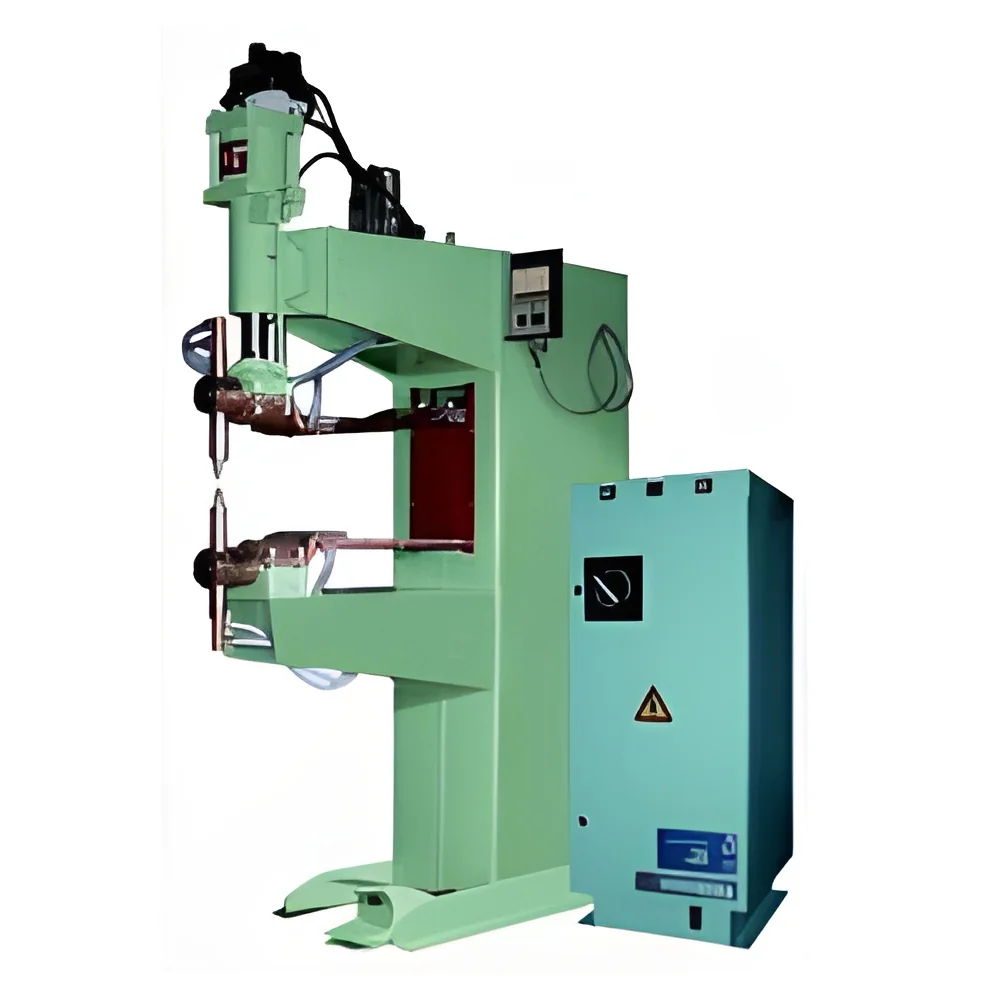
Welding tools and accessories are essential equipment used to join materials, typically metals, through the application of heat, pressure, or both. These tools encompass a wide range of items including welding machines, torches, helmets, gloves, and protective clothing. Each tool plays a specific role in ensuring the welding process is efficient, safe, and effective. The various types of welding include MIG, TIG, and stick welding, each requiring different tools and accessories tailored to those specific methods.
These tools are primarily used in manufacturing, construction, and repair industries where metal fabrication is necessary. Businesses rely on welding tools for creating durable joints in structures, machinery, and components. The market for welding tools and accessories is continually evolving, driven by advancements in technology and changes in industry standards. As industries increasingly focus on efficiency and safety, the demand for high-quality welding products is on the rise.
𝗞𝗲𝘆 𝗙𝗲𝗮𝘁𝘂𝗿𝗲𝘀 𝗮𝗻𝗱 𝗦𝗽𝗲𝗰𝗶𝗳𝗶𝗰𝗮𝘁𝗶𝗼𝗻𝘀
Welding tools and accessories come with a variety of features and specifications tailored to meet the needs of different applications. Understanding these specifications is crucial for buyers to choose the right equipment for their operations.
Key specifications include:
1. Power Source
- Types include AC, DC, or multi-process capabilities.
- Voltage ranges typically from 110V to 480V.
2. Welding Process Compatibility
- Can accommodate MIG, TIG, stick, or flux-cored welding.
- Specific models may support multiple processes.
3. Duty Cycle
- Indicates the amount of time the welder can operate before needing a cooldown.
- Common duty cycles are rated at 20%, 60%, or 100%.
4. Amperage Range
- Varies based on the welder type, often ranging from 10A to 300A.
- Higher amperage allows for welding thicker materials.
5. Weight and Portability
- Weight can range from lightweight (under 30 lbs) to heavy-duty (over 100 lbs).
- Portable units are designed for easy transport.
6. Safety Features
- Includes automatic shut-off, thermal overload protection, and safety glasses.
- Essential for protecting the operator and ensuring compliance with safety regulations.
7. Accessories Included
- Common accessories are welding helmets, gloves, and work clamps.
- May also include additional nozzles or wires specific to the welding process.
In summary, knowing the key features and specifications of welding tools and accessories helps businesses make informed purchasing decisions that align with their operational needs.
𝗖𝗼𝗺𝗺𝗼𝗻 𝗔𝗽𝗽𝗹𝗶𝗰𝗮𝘁𝗶𝗼𝗻𝘀 𝗮𝗻𝗱 𝗨𝘀𝗲 𝗖𝗮𝘀𝗲𝘀
Welding tools and accessories are utilized across various industries, each requiring specific applications for their operations.
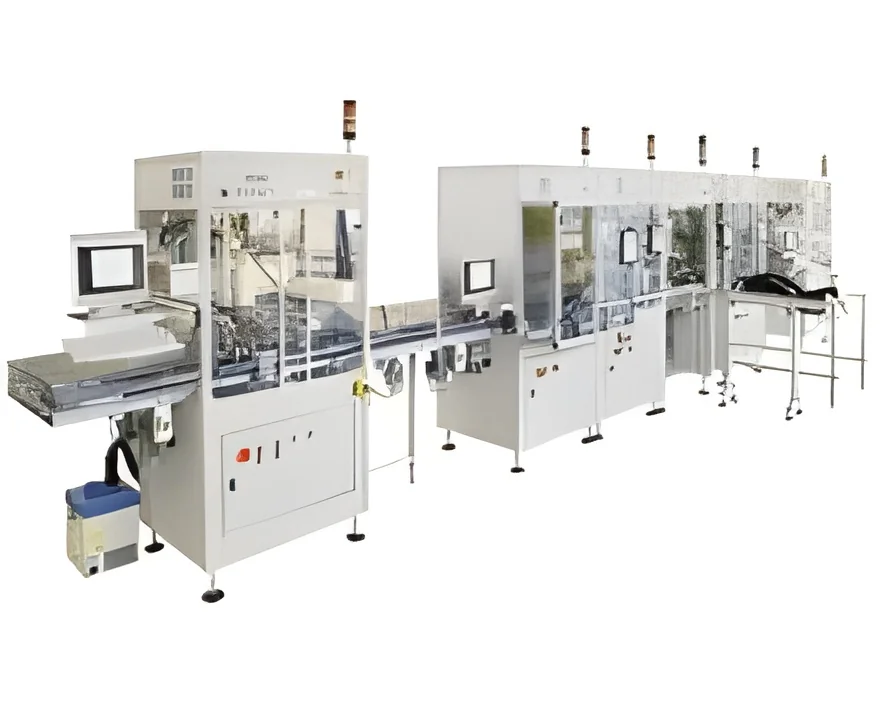
1. Manufacturing: In manufacturing, welding tools are used for assembling components in various products, from automobiles to machinery. Automated welding systems enhance production efficiency.
2. Construction: In the construction industry, welding is crucial for structural integrity. Tools are used to join steel beams and reinforcements in buildings, bridges, and other infrastructures.
3. Shipbuilding: Welding tools are essential in shipbuilding, where they are used to join metal plates and components of ships and submarines, ensuring durability and safety at sea.
4. Aerospace: In aerospace, welding is used for assembling aircraft parts. Precision welding tools are required to meet strict safety regulations and performance standards.
5. Oil and Gas: The oil and gas industry relies on welding for pipeline construction and maintenance. Tools must withstand extreme conditions and provide leak-proof joints.
6. Automotive Repair: In automotive repair shops, welding tools are used for bodywork and frame repairs. Quality tools ensure that repairs are durable and safe.
7. Metal Fabrication: Welding tools are integral to metal fabrication shops, where custom metal products are created for various applications. Versatile tools can adapt to different projects.
𝗣𝗿𝗼𝗱𝘂𝗰𝘁 𝗩𝗮𝗿𝗶𝗮𝗻𝘁𝘀 𝗮𝗻𝗱 𝗦𝘂𝗯𝗰𝗮𝘁𝗲𝗴𝗼𝗿𝗶𝗲𝘀
Welding tools and accessories are diverse, offering various options to meet the needs of different applications.
MIG Welding Equipment
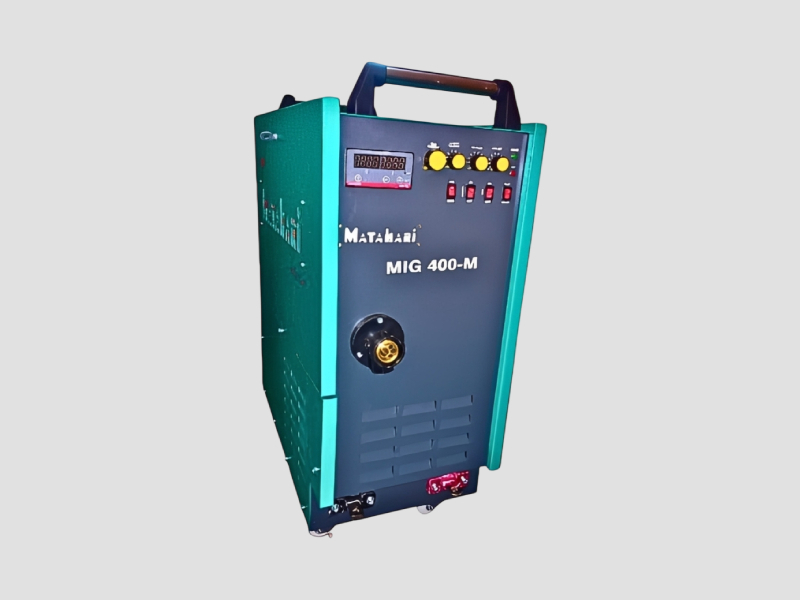
MIG welding equipment is designed for gas metal arc welding. This variant is user-friendly and effective for joining thin to medium-thick materials. It is ideal for automotive repair and light fabrication.
TIG Welding Equipment
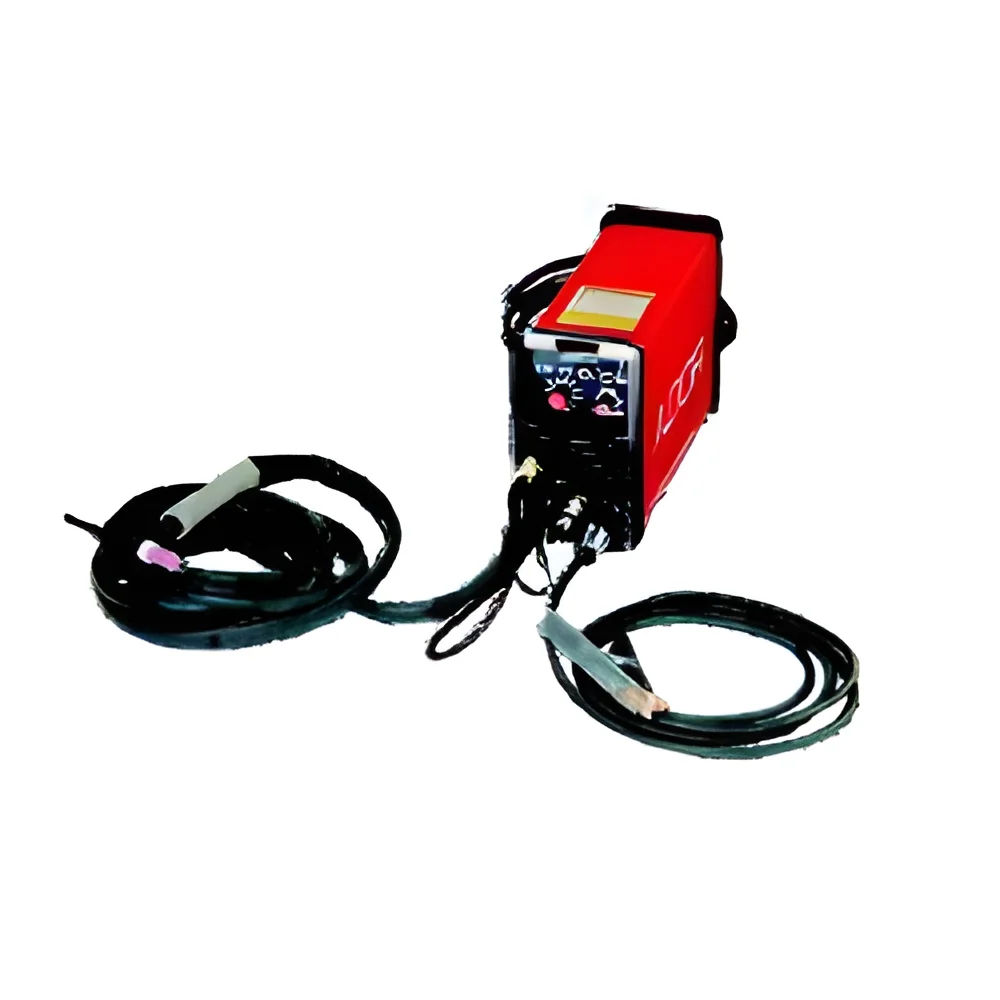
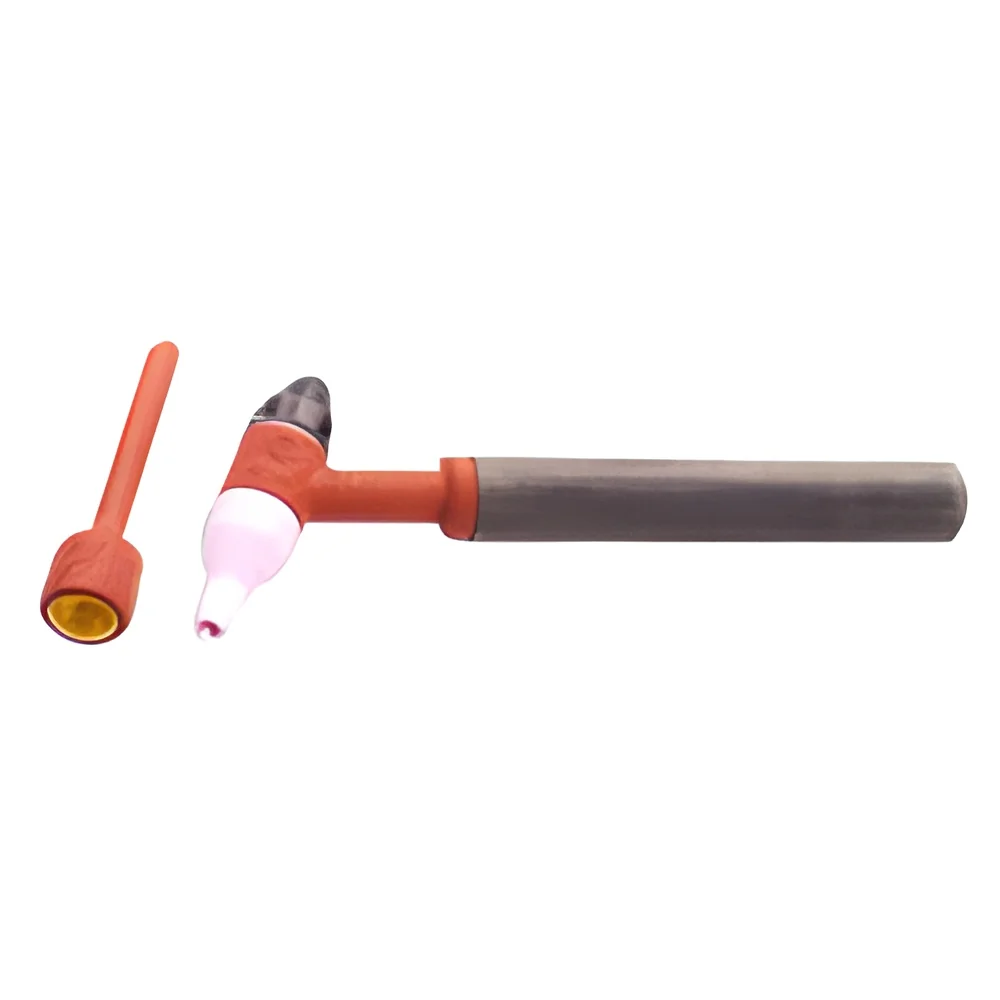
TIG welding equipment is used for gas tungsten arc welding, providing precise control over the weld. This variant is particularly useful for welding stainless steel and aluminum, commonly employed in aerospace and high-end fabrication.
Stick Welding Equipment
Stick welding equipment is versatile and effective for outdoor and heavy-duty applications. It is commonly used in construction and repair work due to its ability to weld thicker materials in challenging environments.
Welding Helmets and Safety Gear
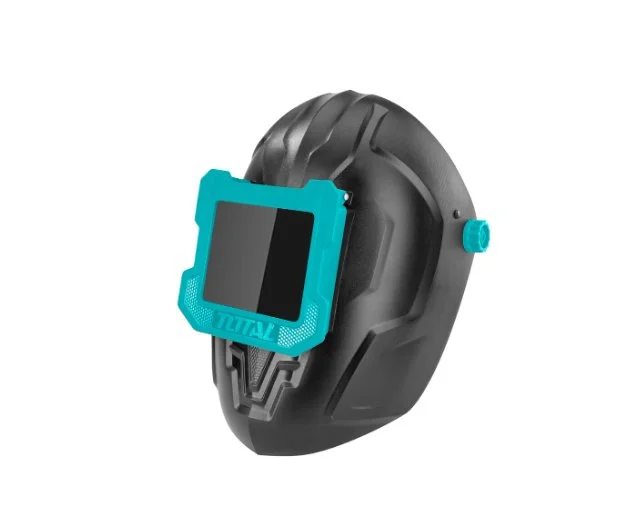
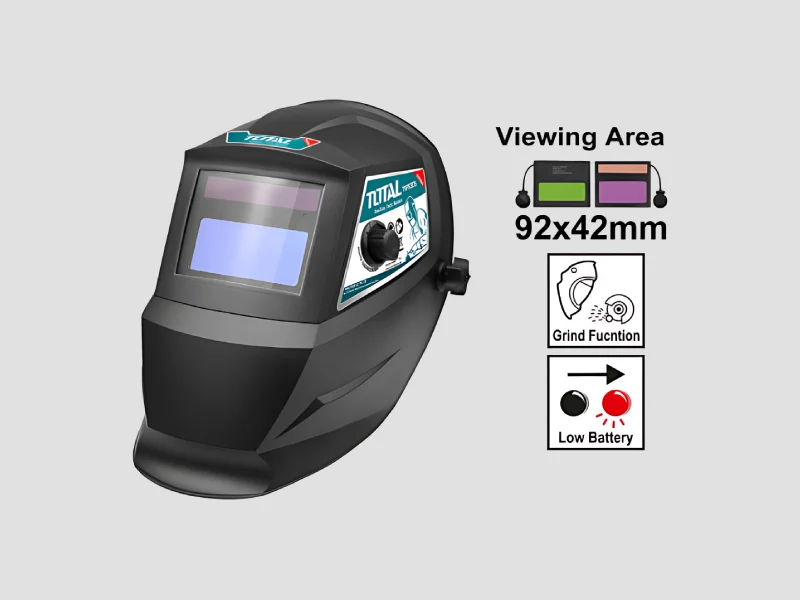
Welding helmets and safety gear are critical accessories that protect operators from sparks, heat, and harmful radiation. High-quality helmets feature auto-darkening technology for improved visibility and safety.
Welding Consumables
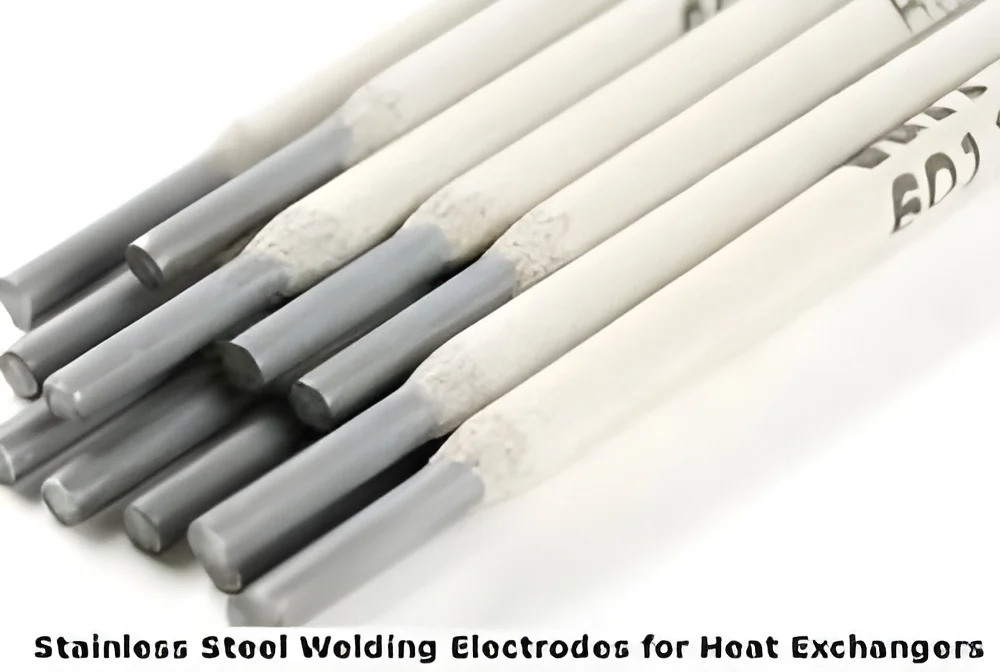
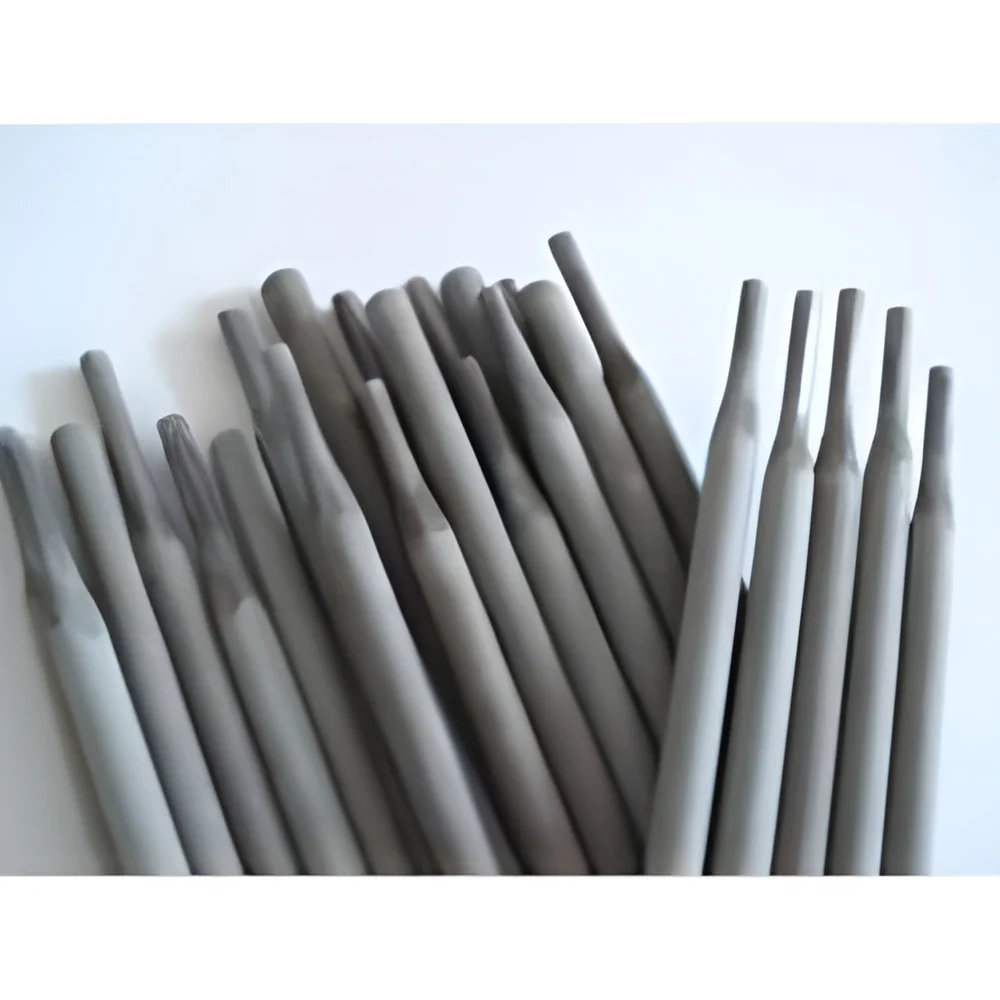
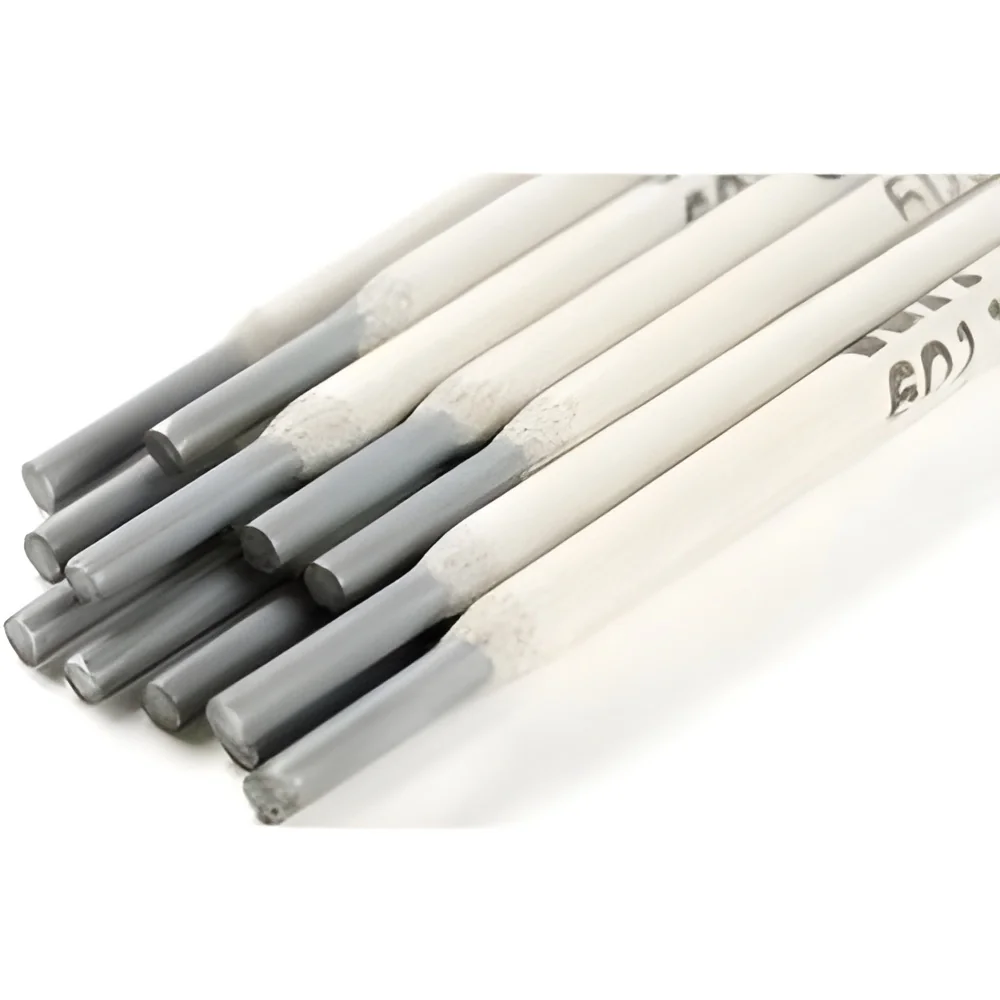
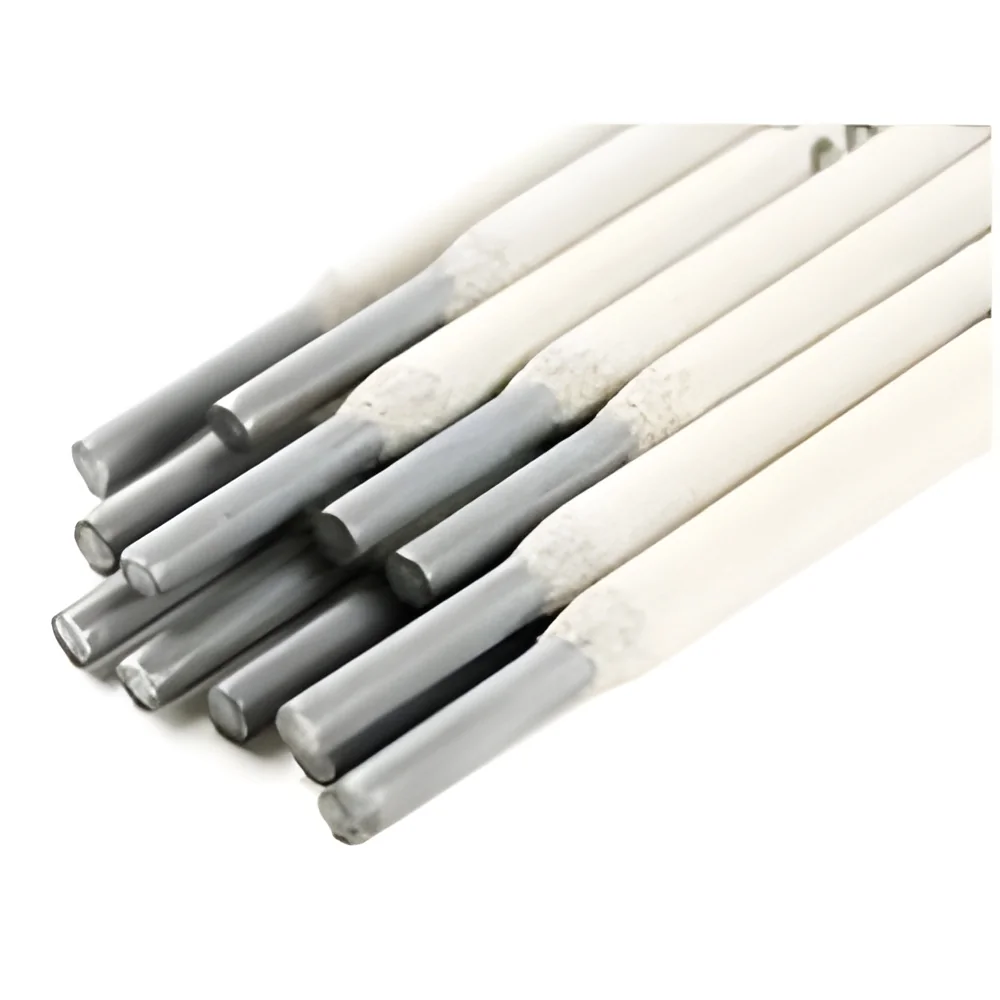
Welding consumables include wires, electrodes, and shielding gases. These materials are essential for various welding processes and must be chosen based on the specific requirements of the project.
𝗕𝗲𝗻𝗲𝗳𝗶𝘁𝘀 𝗮𝗻𝗱 𝗔𝗱𝘃𝗮𝗻𝘁𝗮𝗴𝗲𝘀
Investing in quality welding tools and accessories offers numerous benefits for businesses.
1. Enhanced Efficiency: High-quality tools improve the speed and efficiency of welding operations, leading to increased productivity.
2. Improved Safety: Modern welding equipment incorporates safety features that protect operators, reducing the risk of accidents and injuries.
3. Versatility: Many welding tools are designed for multiple processes, allowing businesses to adapt to various projects without needing separate equipment.
4. Quality of Work: Reliable tools ensure strong, consistent welds, which enhances the overall quality of manufactured or repaired products.
5. Cost-Effective: Investing in durable welding tools can reduce long-term costs associated with repairs and replacements, ultimately saving businesses money.
6. Regulatory Compliance: Quality welding tools often meet industry standards and certifications, helping businesses comply with safety and quality regulations.
𝗕𝘂𝘆𝗶𝗻𝗴 𝗚𝘂𝗶𝗱𝗲 𝗳𝗼𝗿 𝗕𝟮𝗕 𝗕𝘂𝘆𝗲𝗿𝘀
When sourcing welding tools and accessories, several critical factors should be considered to ensure the right fit for business needs.
1. Quality Assessment: Evaluate the quality of materials and construction of welding tools. Look for reputable brands that have a history of producing reliable equipment.
2. Supplier Verification: Vet suppliers thoroughly to ensure they provide authentic products. Check reviews, certifications, and references before making a purchase.
3. Pricing and MOQ: Understand the pricing structure and minimum order quantities (MOQ) required by suppliers. Compare costs to ensure you are getting competitive pricing.
4. Delivery and Lead Times: Inquire about delivery times to ensure that tools and accessories arrive when needed. Delays in equipment can impact project timelines.
5. Compliance Requirements: Ensure that the welding tools meet any relevant industry standards or certifications, such as CE. This is crucial for regulatory compliance and safety.
𝗖𝗼𝗺𝗽𝗹𝗶𝗮𝗻𝗰𝗲 𝗮𝗻𝗱 𝗖𝗲𝗿𝘁𝗶𝗳𝗶𝗰𝗮𝘁𝗶𝗼𝗻𝘀
Welding tools and accessories must adhere to various compliance standards and certifications to ensure safety, quality, and reliability.
ISO 9001 is a widely recognized quality management standard that applies to manufacturers of welding tools. Compliance with this standard indicates that the manufacturer maintains consistent quality in their products and processes.
The CE mark is a certification indicating that a product meets European Union safety, health, and environmental protection requirements. Welding tools bearing this certification have been tested and deemed safe for use within the EU.
Safety and testing requirements are critical in the welding industry due to the inherent risks associated with welding processes. Manufacturers must ensure that their tools undergo rigorous testing to meet safety standards.
Regional compliance considerations may vary, so businesses should be aware of specific regulations in their operating regions. Understanding local safety standards is essential for maintaining compliance and ensuring worker safety.
𝗪𝗵𝘆 𝗦𝗼𝘂𝗿𝗰𝗲 𝗪𝗲𝗹𝗱𝗶𝗻𝗴 𝗧𝗼𝗼𝗹𝘀 & 𝗔𝗰𝗰𝗲𝘀𝘀𝗼𝗿𝗶𝗲𝘀 𝗳𝗿𝗼𝗺 𝗣𝗲𝗽𝗮𝗴𝗼𝗿𝗮?
Pepagora offers a trusted platform for sourcing welding tools and accessories that meet the diverse needs of businesses in various industries. The platform connects buyers with verified suppliers, ensuring quality products and reliable service.
The verified supplier network at Pepagora provides peace of mind for buyers. Each supplier is vetted to ensure that they meet quality standards and have a proven track record in the industry.
Pepagora features a streamlined Request for Quotation (RFQ) process that simplifies the sourcing experience. Buyers can easily submit their requirements and receive competitive quotes from multiple suppliers, allowing for informed decision-making.
Trade assurance and support are cornerstones of the Pepagora experience. The platform offers buyer protection, ensuring that transactions are secure and that buyers receive the products they ordered.
With regional coverage in India, the GCC, and Southeast Asia, Pepagora connects buyers with suppliers in key markets. This geographic reach facilitates access to a wide range of welding tools and accessories, catering to diverse industrial needs.

 IN
IN