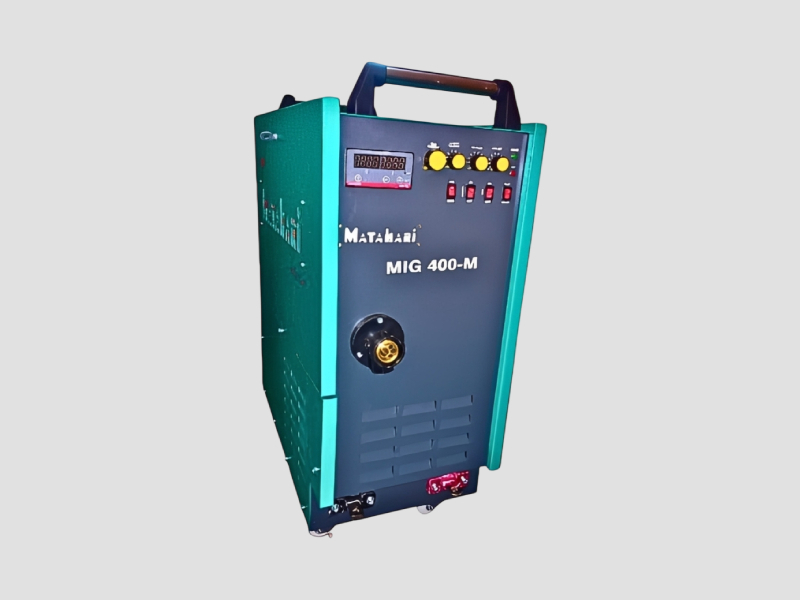
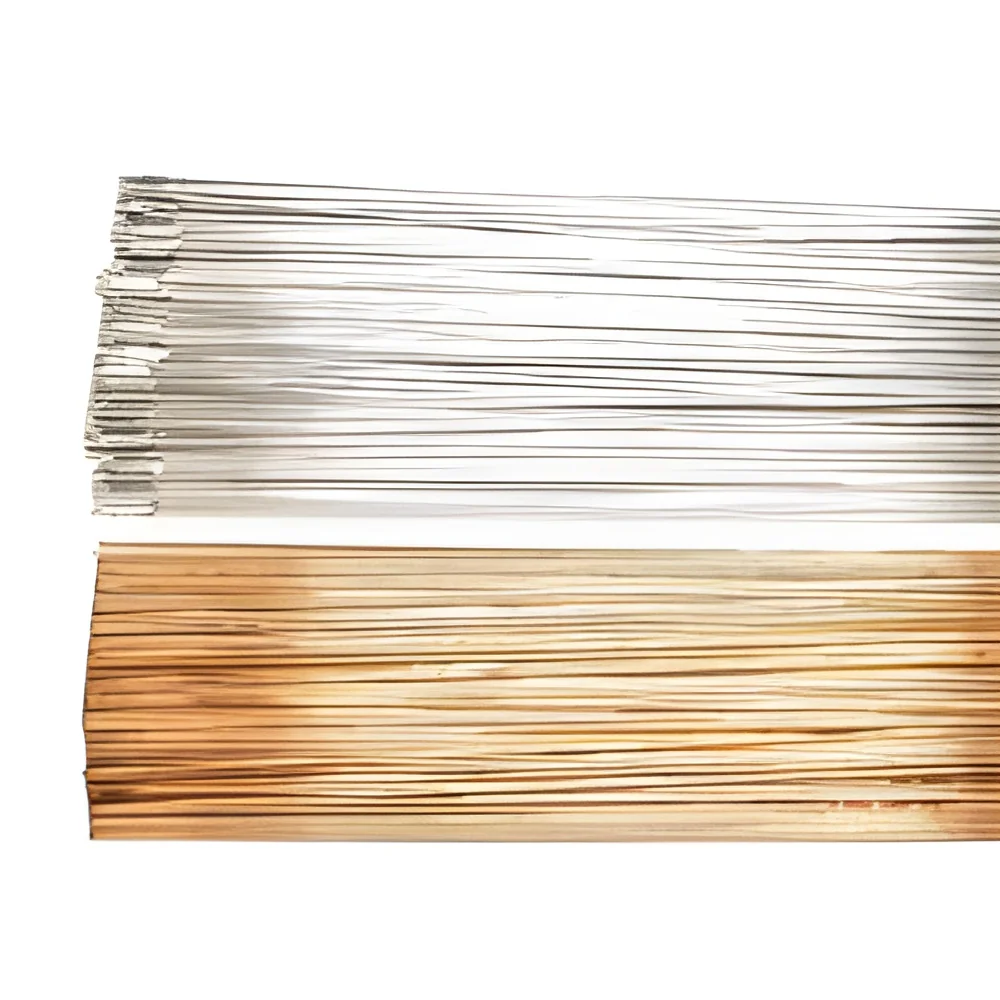
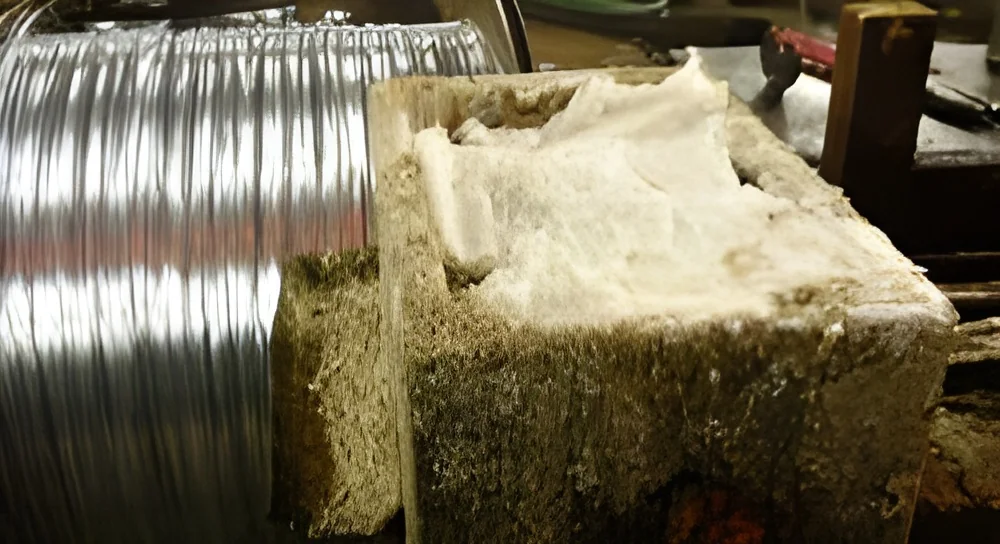
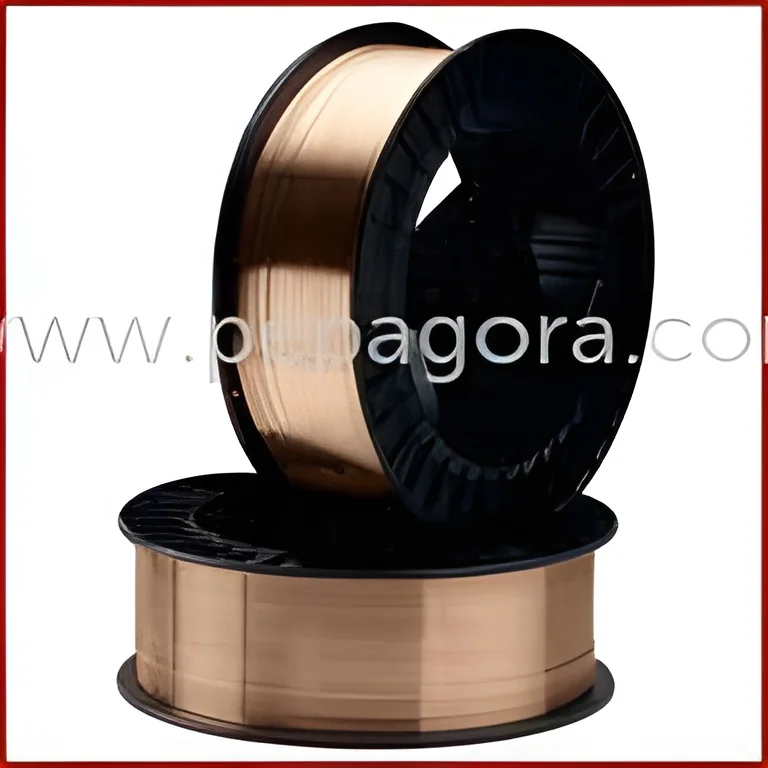
What are Welding Wires?
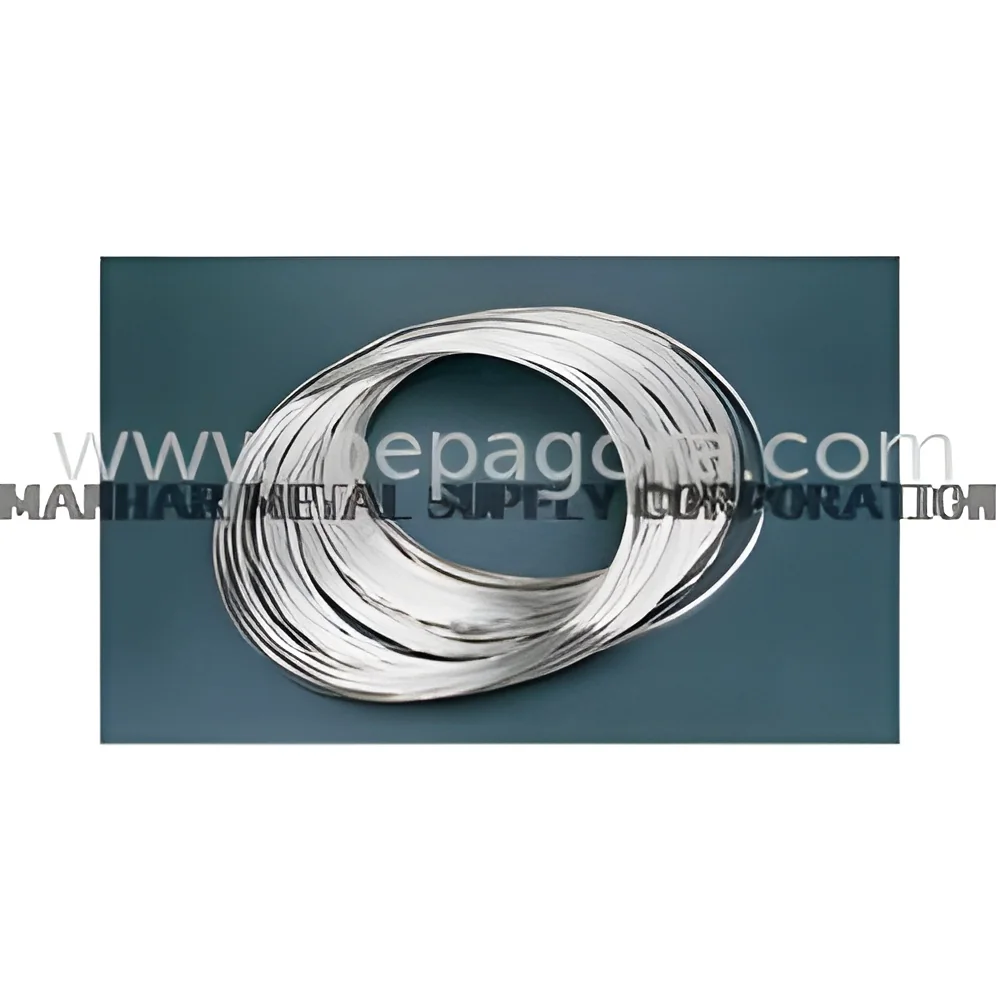
Welding wires are specialized metal wires used in various welding processes to create strong joints between metal components. These wires can be made from a variety of materials, including stainless steel, mild steel, and aluminum, depending on the specific application and welding technique. The wire is melted during the welding process, allowing it to fuse with the base metals, resulting in a durable bond. The choice of welding wire affects the quality, strength, and durability of the finished weld.
Welding wires find primary use in industries such as construction, automotive, manufacturing, and shipbuilding. They are essential for tasks like fabricating structures, repairing machinery, and assembling metal products. Businesses that rely on welding processes must choose the appropriate type of welding wire to ensure optimal performance and longevity of their projects. The welding wire market continues to grow as industries advance and require more specialized materials for increasingly complex applications.
Key Features and Specifications
When selecting welding wires, it is important to consider several key features and specifications that define their quality and performance. Proper understanding of these specifications can greatly influence the success of welding applications.
Key specifications include:
1. Wire Composition
- The material from which the wire is made, such as mild steel, stainless steel, or aluminum.
- Affects the mechanical properties and corrosion resistance of the weld.
2. Diameter
- Common diameters range from 0.6 mm to 2.4 mm.
- Impacts the amperage required and the speed of the welding process.
3. Tensile Strength
- The maximum amount of tensile stress the wire can withstand before failure.
- Typically measured in megapascals (MPa) with values varying based on wire type.
4. Melting Point
- The temperature at which the wire begins to melt, crucial for proper welding.
- Varies by the composition of the wire.
5. Coating Type
- Some wires come with a coating to enhance performance and reduce spattering.
- Coatings can include flux, which aids in shielding the weld pool.
6. Packaging Type
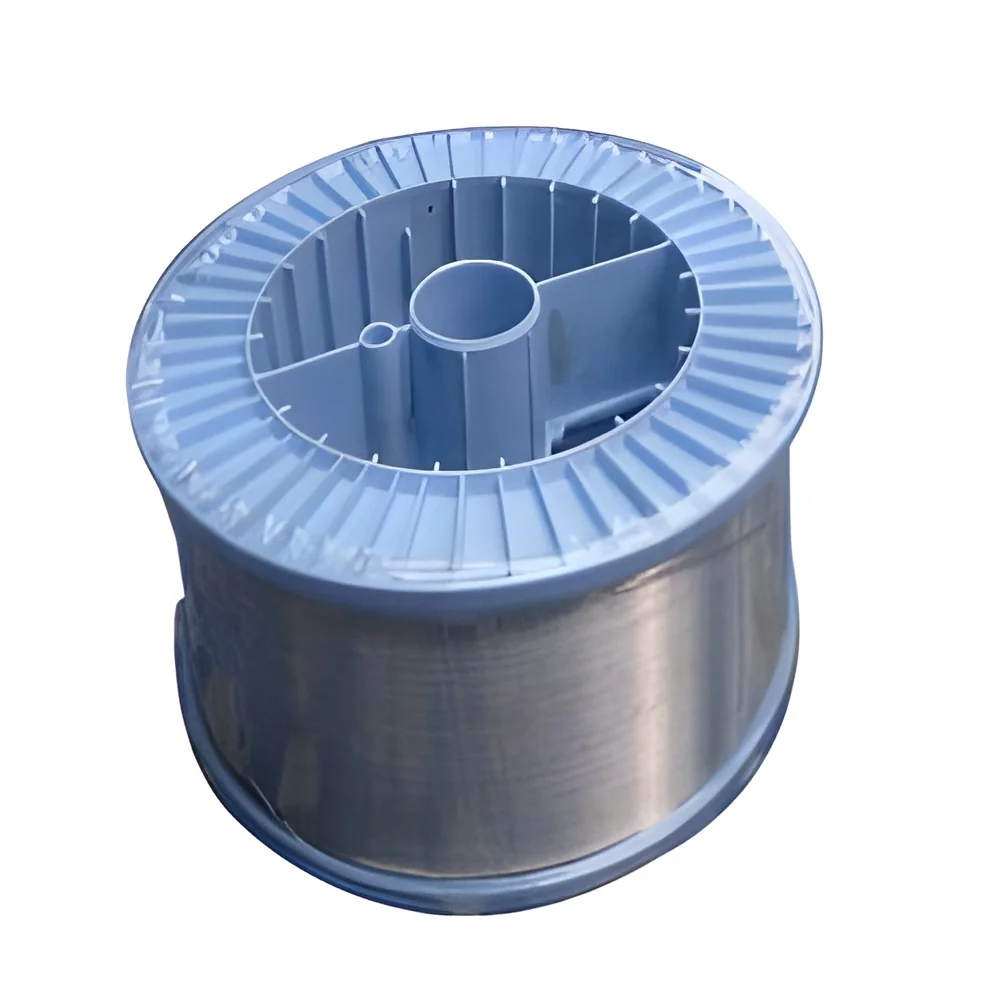
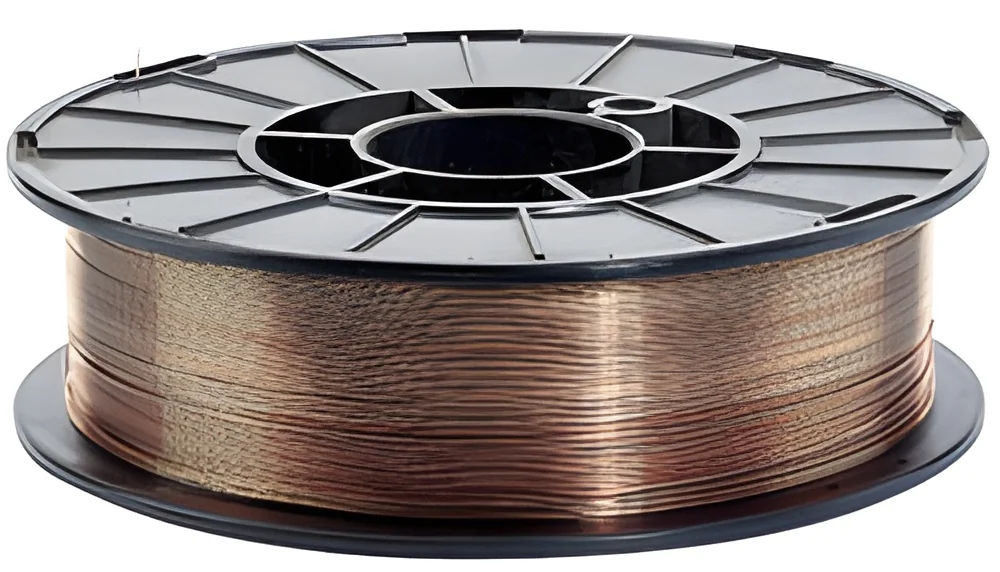
- Welding wires can be supplied in spools, coils, or straight lengths.
- The choice may depend on the welding equipment being used.
7. Compliance Standards
- Many welding wires adhere to specific industry standards for quality and safety.
- Common standards include CE certification.
8. Application Suitability
- Certain wires are designed for specific welding techniques, such as MIG or TIG.
- Choosing the right type is crucial for achieving optimal results.
In summary, understanding these specifications helps businesses select the right welding wires for their applications, ensuring quality welds and operational efficiency.
Common Applications and Use Cases
Welding wires are versatile materials used across various industries, each with specific applications that highlight their importance.
1. Construction: Welding wires are used for joining structural steel in buildings, bridges, and other infrastructure projects, ensuring strong and reliable connections.
2. Automotive: In the automotive sector, welding wires are essential for assembling car bodies and related components, providing strength and durability under various conditions.
3. Manufacturing: Many manufacturing processes rely on welding wires for creating metal parts and assemblies, enhancing product quality and performance.
4. Shipbuilding: In shipbuilding, welding wires are crucial for constructing hulls and internal structures, ensuring they can withstand harsh marine environments.
5. Aerospace: Welding wires are used in aerospace applications to bond lightweight materials and components, contributing to the overall performance and safety of aircraft.
6. Heavy Equipment: Industries involved in the production of heavy machinery utilize welding wires for fabricating and repairing equipment, ensuring longevity and reliability.
7. Energy: Welding wires play a role in constructing pipelines and energy infrastructure, crucial for oil, gas, and renewable energy applications.
Product Variants and Subcategories
Welding wires come in various forms, each tailored for specific applications and welding techniques. Understanding these variants can help businesses choose the right product for their needs.
MIG Welding Wire
MIG welding wire is designed for metal inert gas welding processes. This variant offers excellent feeding characteristics and is suitable for welding thin materials. It is often available in various alloys to match different base metals.
TIG Welding Wire
TIG welding wire is used in tungsten inert gas welding applications. It is typically solid and available in various diameters, allowing for precise welding of different materials, including stainless steel and aluminum.
Flux-Cored Wire
Flux-cored wire is designed for use in self-shielded or gas-shielded processes. This variant contains a core of flux that provides shielding and enhances the welding process, making it suitable for outdoor applications.
Stainless Steel Wire
Stainless steel welding wire is specifically manufactured for welding stainless steel materials. It provides excellent corrosion resistance and is suitable for applications in food processing, chemical processing, and more.
Aluminum Wire
Aluminum welding wire is formulated for welding aluminum and its alloys. This wire is lightweight and provides strong, corrosion-resistant joints, commonly used in automotive and aerospace applications.
Benefits and Advantages
Choosing the right welding wires offers several key benefits that can enhance productivity and quality in welding projects.
1. Improved Weld Quality: High-quality welding wires ensure strong and consistent welds, reducing the likelihood of defects.
2. Enhanced Corrosion Resistance: Specialized welding wires can provide excellent resistance to corrosion, extending the lifespan of the welded structures.
3. Increased Efficiency: Selecting the appropriate wire for the welding process can improve overall efficiency, reducing downtime and material waste.
4. Versatility: Welding wires are available in various materials and diameters, making them suitable for a wide range of applications.
5. Compliance with Standards: Quality welding wires often meet industry standards, ensuring safety and reliability in critical applications.
6. Cost-Effectiveness: Investing in high-quality welding wires can lead to fewer repairs and rework, ultimately saving money in the long run.
Buying Guide for B2B Buyers
When sourcing welding wires, it is essential for B2B buyers to evaluate various factors to ensure they make informed purchasing decisions.
1. Quality Assessment: Assess the quality of welding wires by reviewing material specifications, certifications, and performance data. Look for suppliers who provide detailed product information.
2. Supplier Verification: Conduct thorough vetting of potential suppliers. Check their reputation, customer reviews, and history in the industry to ensure reliability.
3. Pricing and MOQ: Understand the pricing structure and minimum order quantities (MOQ) offered by suppliers. Compare prices to ensure competitiveness while considering quality.
4. Delivery and Lead Times: Clarify delivery options and lead times. Ensure that suppliers can meet project timelines to avoid delays in production.
5. Compliance Requirements: Verify that the welding wires meet relevant industry standards and regulatory requirements. This is important for ensuring safety and quality in applications.
Compliance and Certifications
Welding wires must adhere to various quality standards and certifications to ensure they meet industry requirements. Relevant standards include ISO 9001 for quality management systems, which ensures that the manufacturing processes are effective and reliable. Additionally, welding wires may need to comply with safety standards such as CE marking, which indicates conformity with health, safety, and environmental protection standards.
Manufacturers should also adhere to safety testing requirements to ensure that their products can withstand the rigors of welding applications. Regional compliance considerations may vary, so it is essential for buyers to be aware of local regulations that may influence their purchasing decisions.
Why Source Welding Wires from Pepagora?
Pepagora provides a trusted platform for sourcing welding wires, offering several key advantages to B2B buyers.
Verified Supplier Network: Pepagora ensures that all suppliers in its network are thoroughly vetted. This verification process guarantees that buyers have access to reliable and high-quality welding wires.
Streamlined RFQ Process: The platform features a streamlined request for quotation (RFQ) process, allowing buyers to easily compare prices and specifications from multiple suppliers, saving time and effort.
Trade Assurance and Support: Pepagora offers trade assurance and dedicated support to buyers, providing protection during transactions and ensuring a smooth sourcing experience.
Regional Coverage: With a strong presence in India, the GCC, and Southeast Asia, Pepagora provides extensive regional coverage, ensuring that buyers can access welding wires that meet their specific needs effectively.

 IN
IN