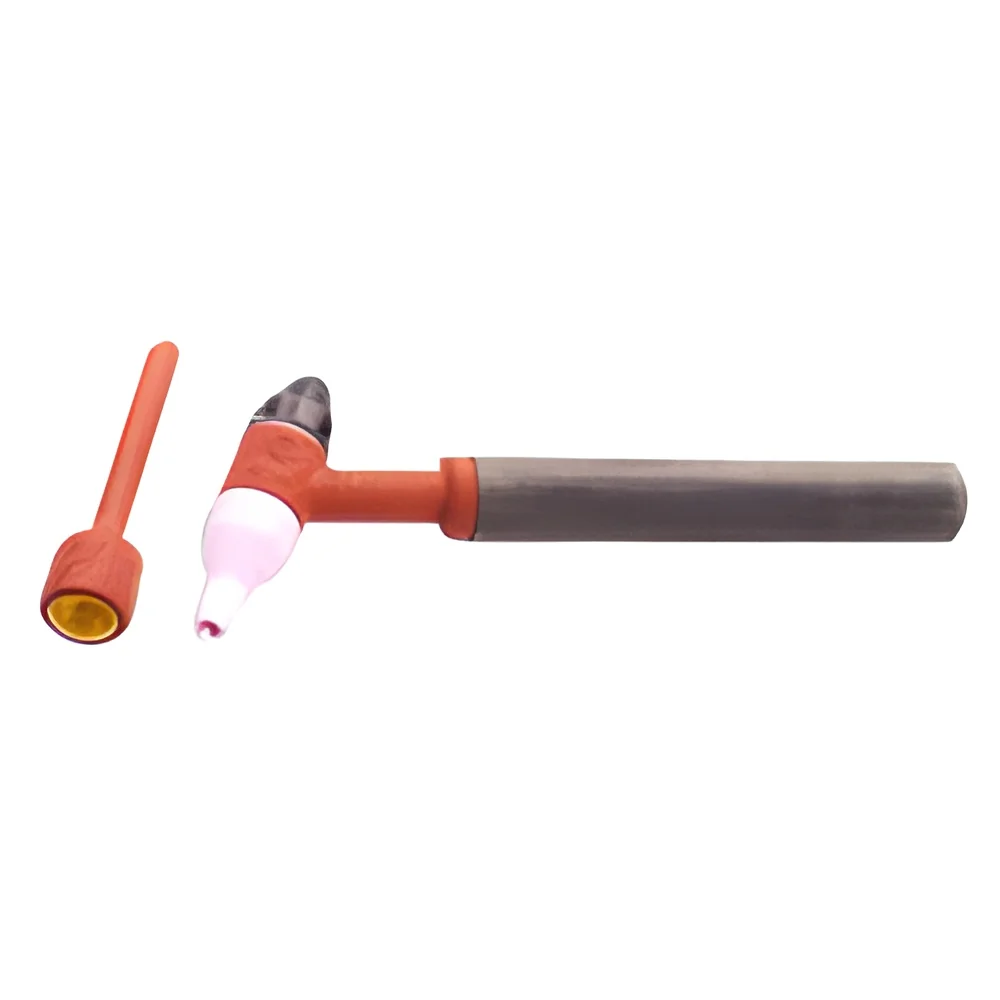
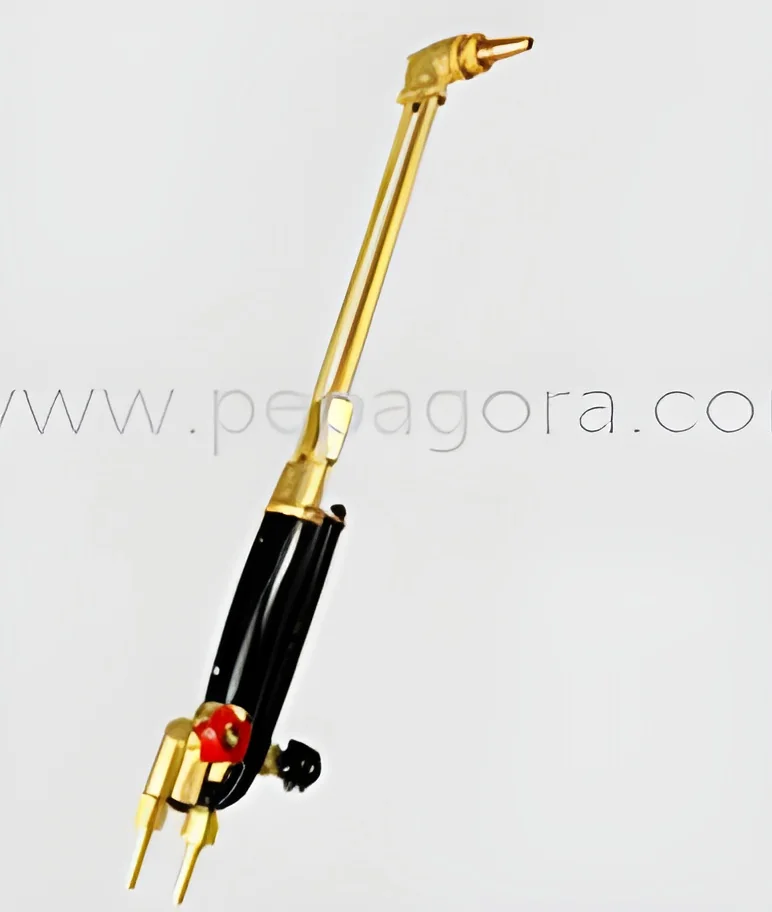
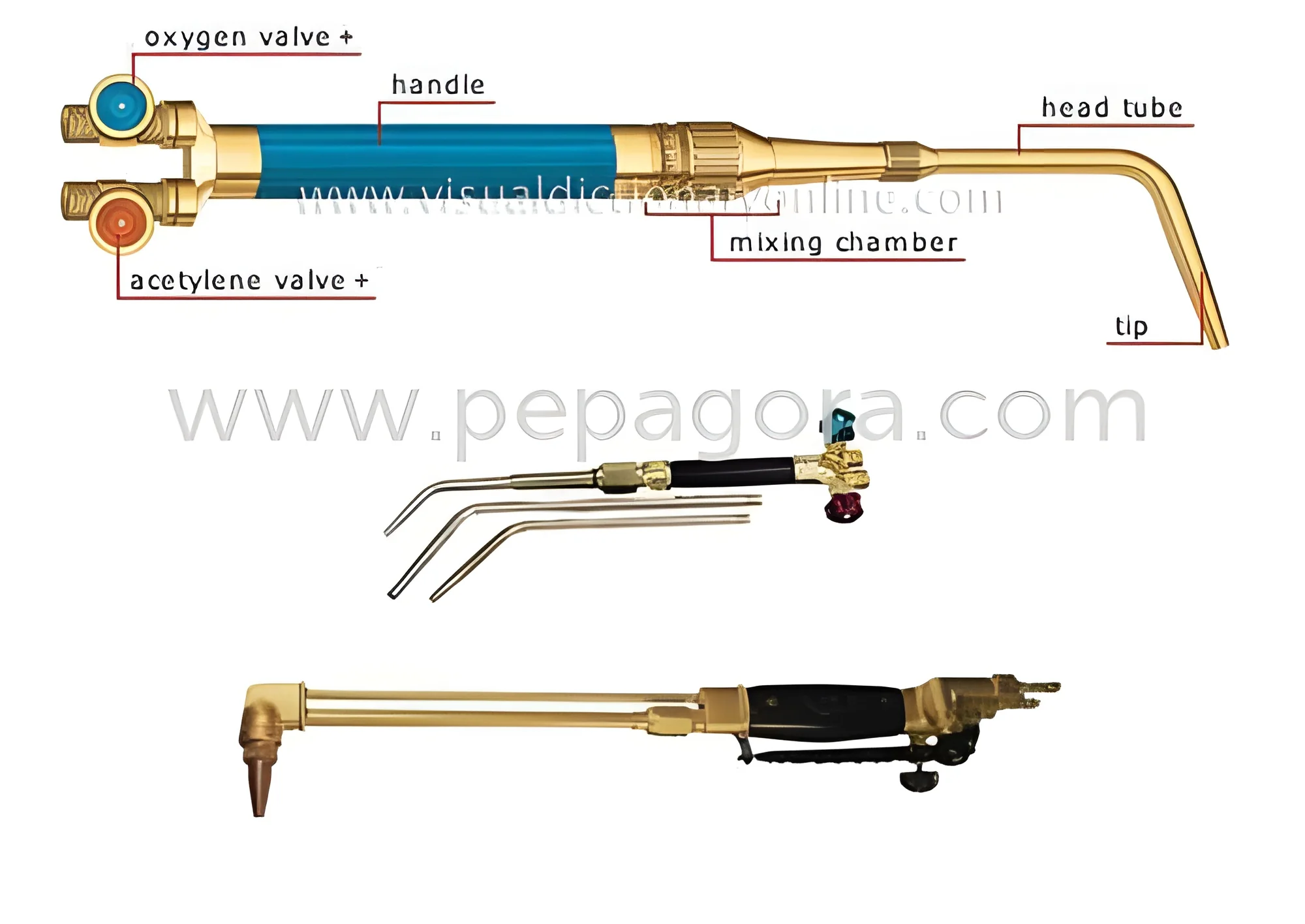
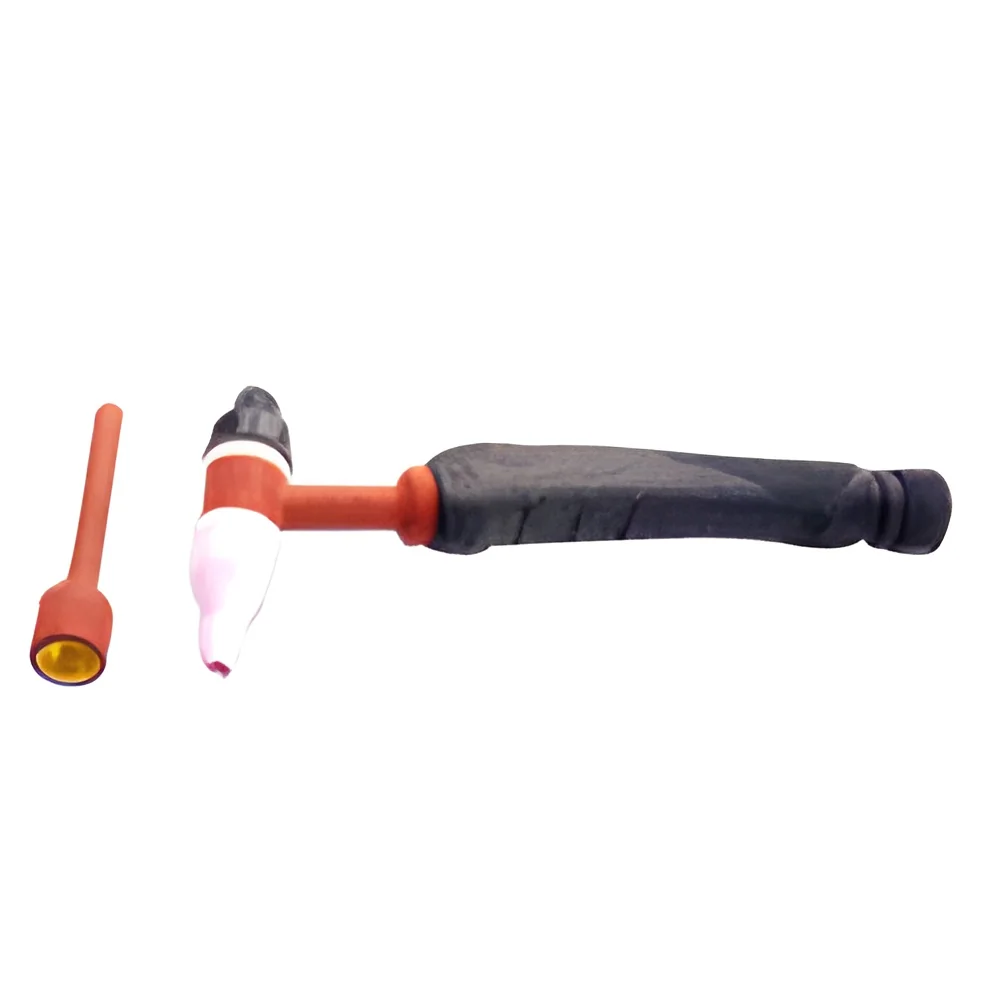
What are Welding Torches?
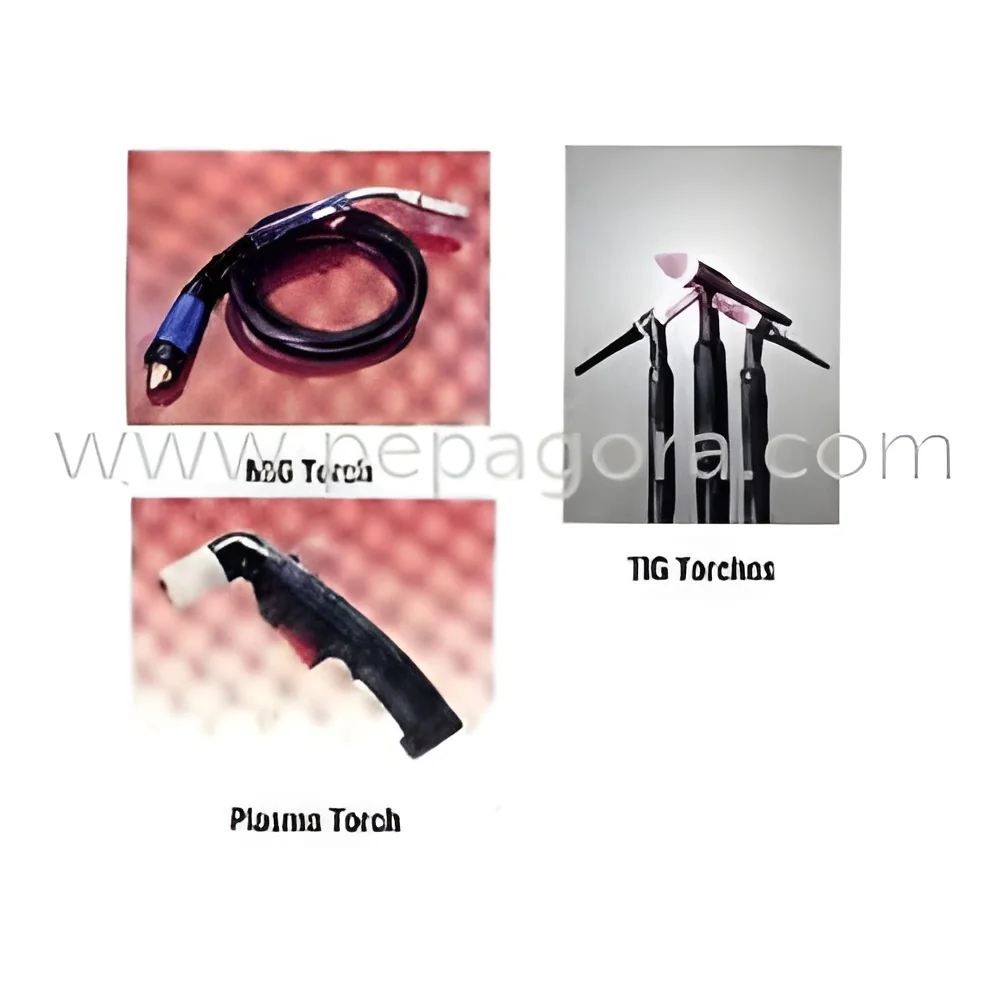
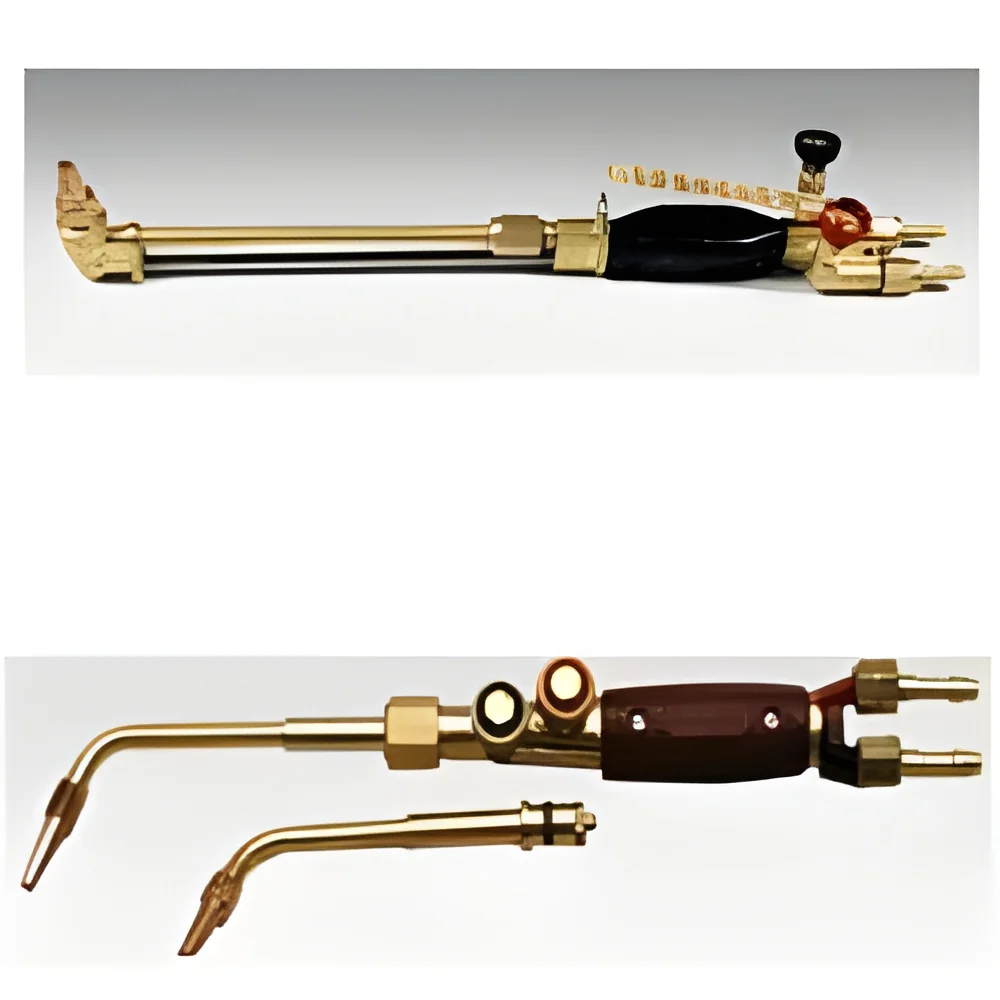
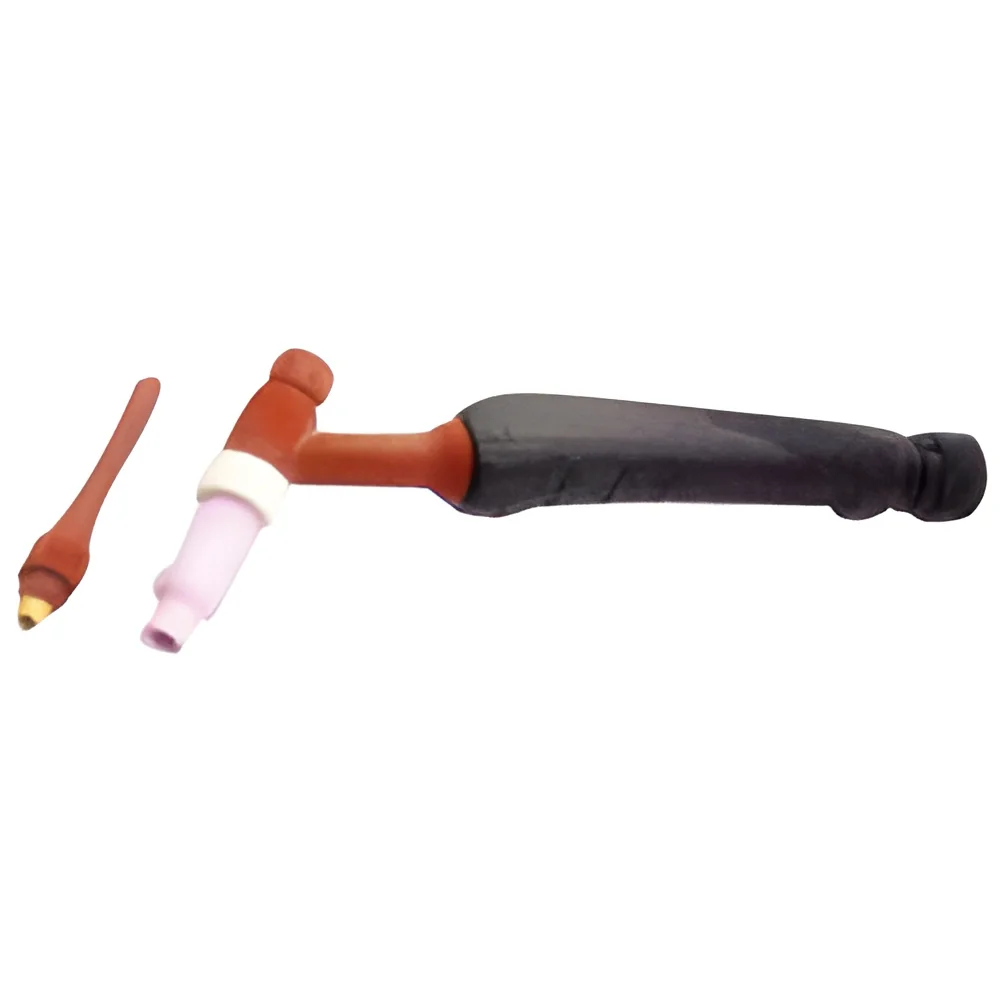
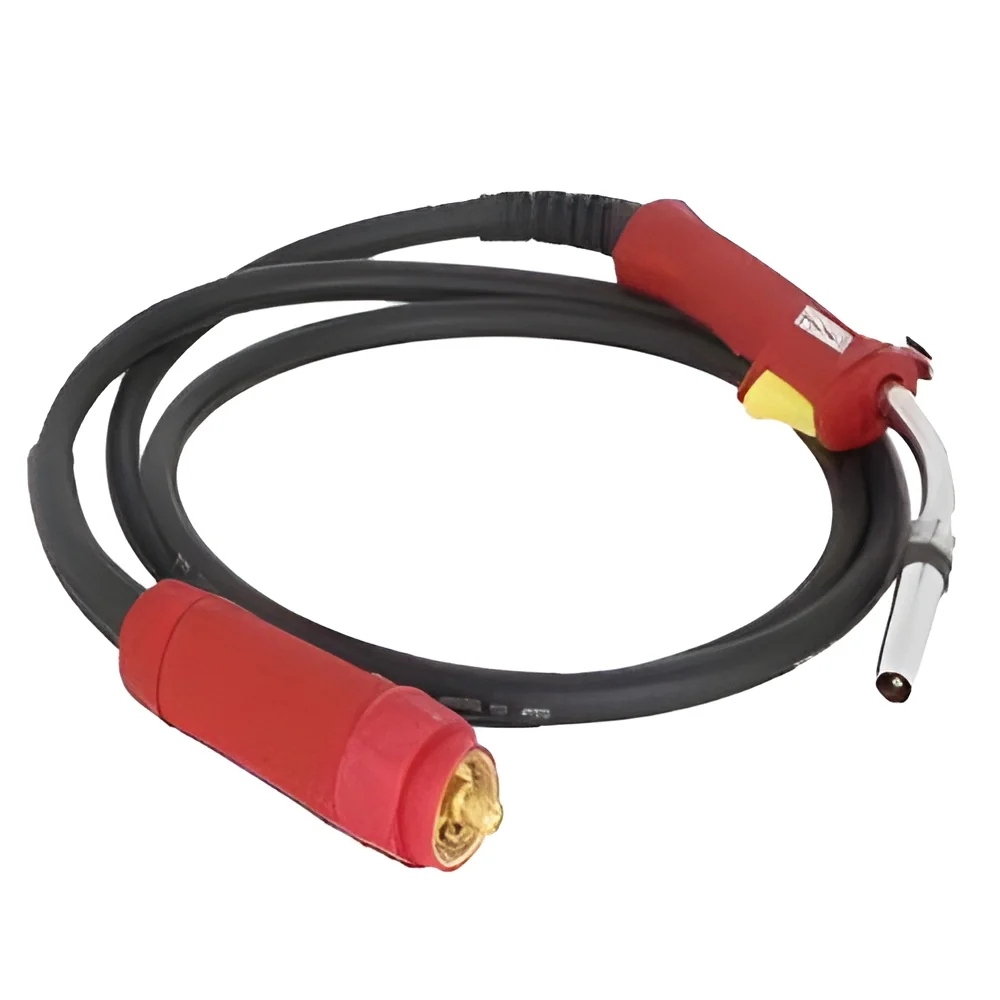
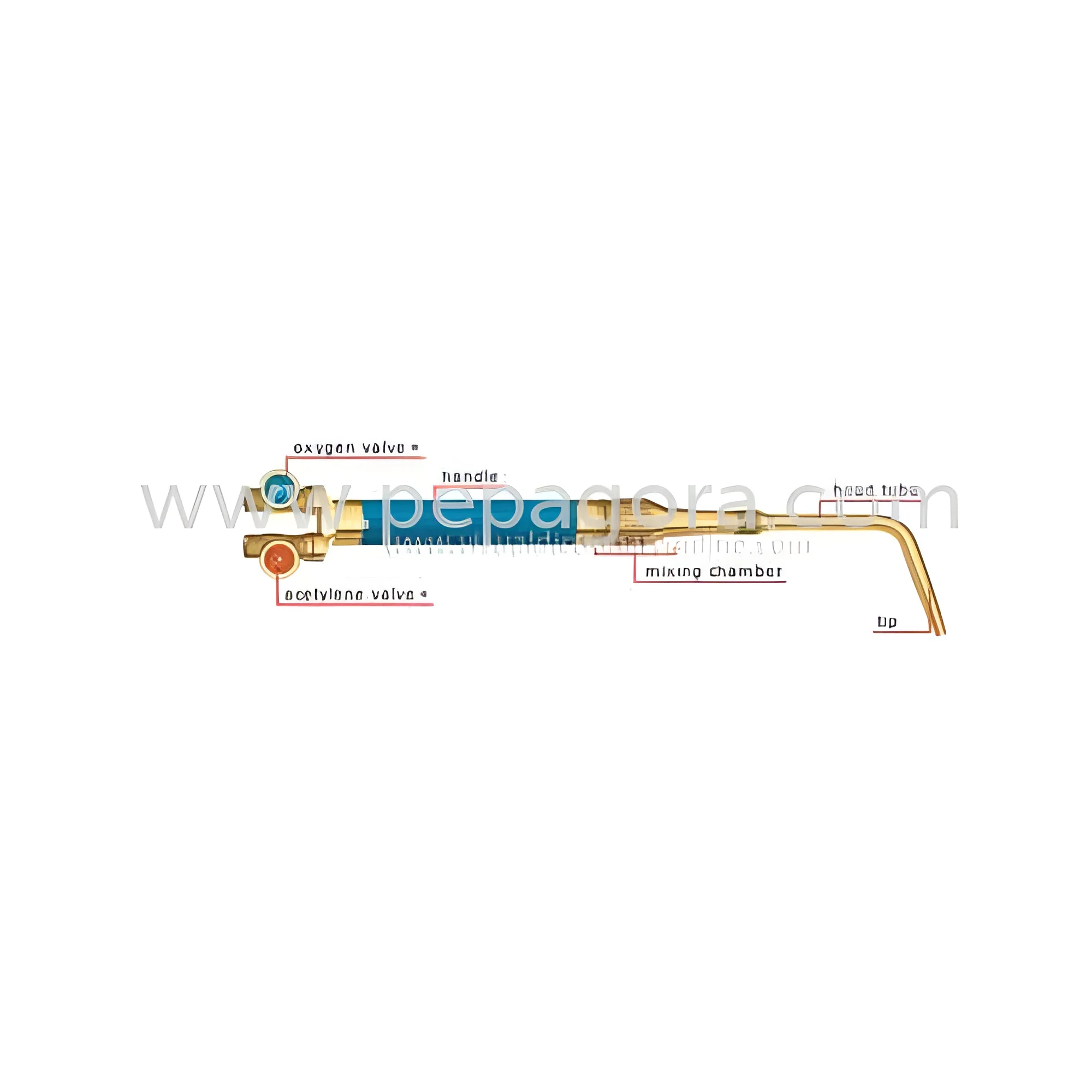
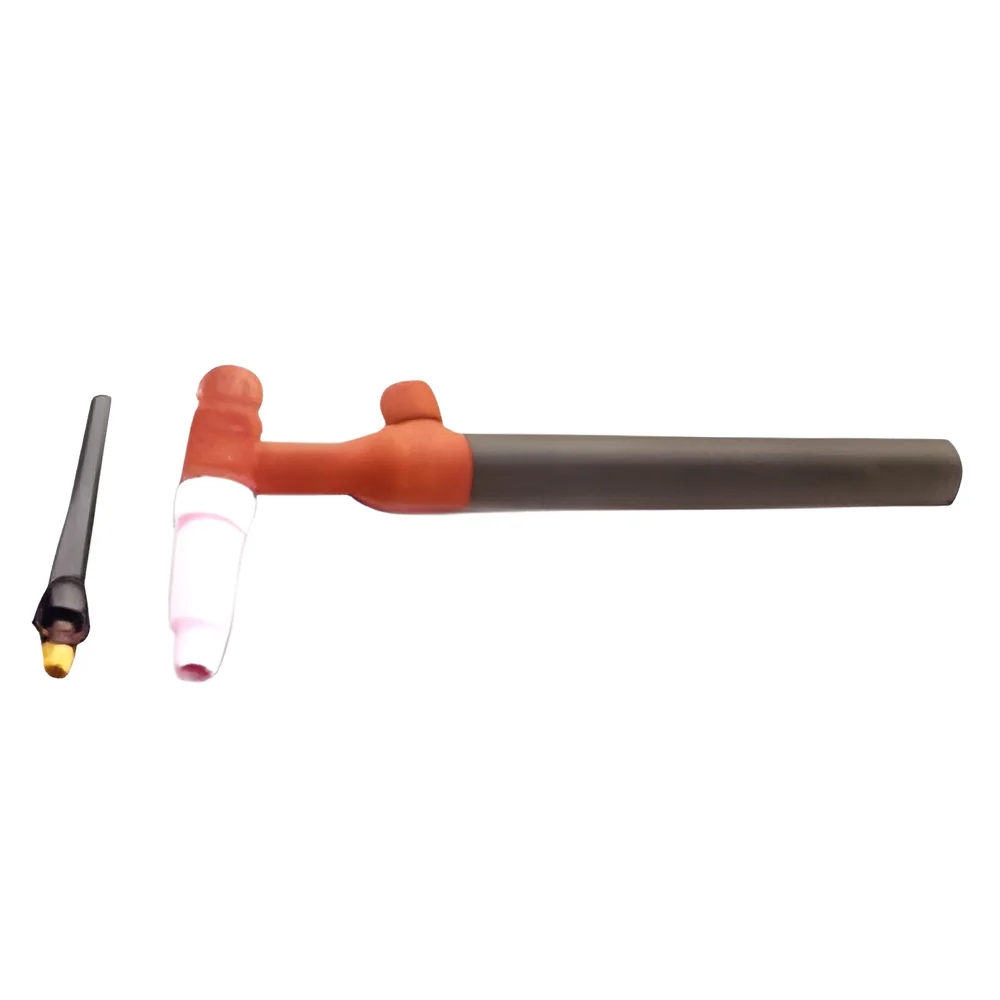
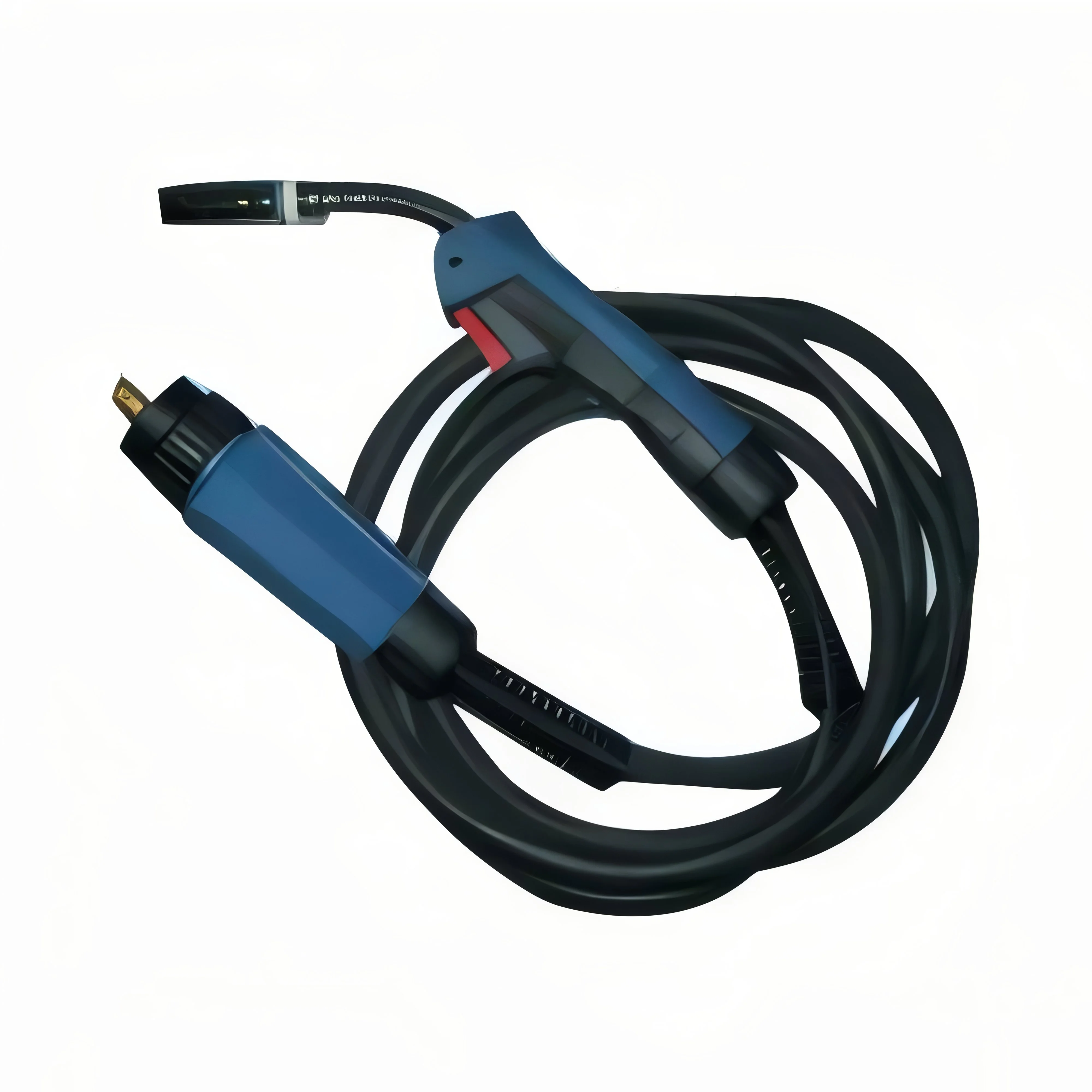
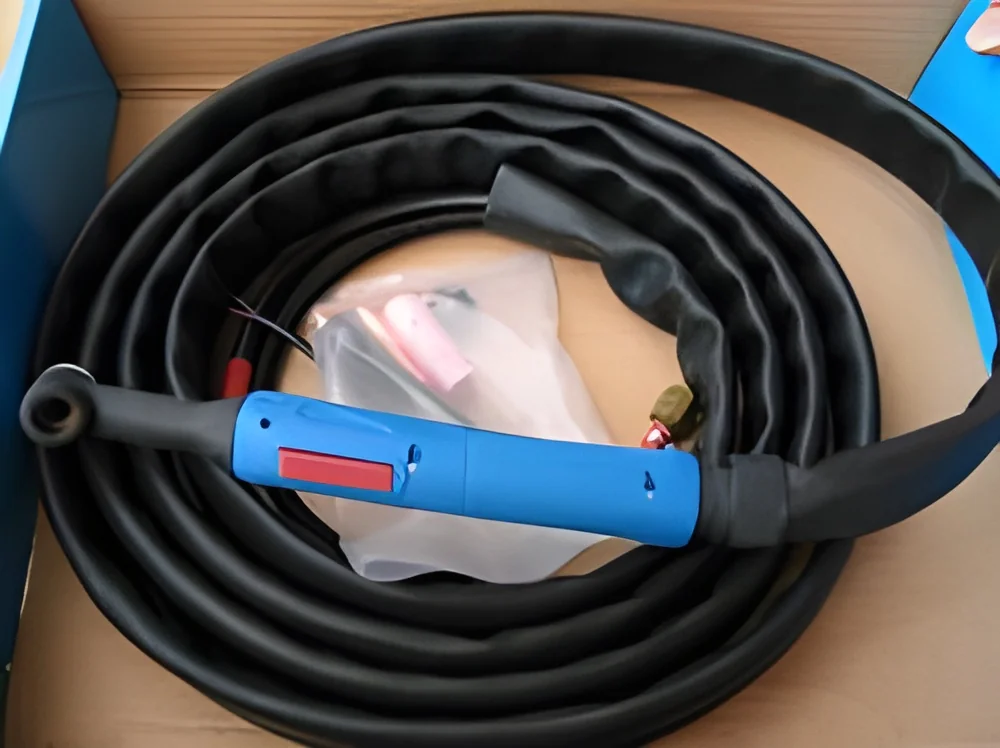
Welding torches are specialized tools used to join materials together by melting and fusing them with a heat source. These torches can be fueled by various gases, such as acetylene or propane, and are essential in a range of welding processes, including oxy-fuel welding, MIG welding, and TIG welding. They feature a nozzle or tip that directs the flame, allowing for precise control over the welding process. The design and functionality of welding torches vary based on the welding technique and specific application.
Welding torches are primarily used in industries such as manufacturing, construction, and automotive repair. They serve to create strong, permanent joints in metal components, making them vital for producing machinery, infrastructure, and vehicles. As industries continue to evolve, the demand for efficient and reliable welding equipment has grown, making welding torches an integral part of the manufacturing landscape. With advancements in technology, modern welding torches offer improved safety features and better performance, catering to the needs of diverse sectors.
Key Features and Specifications
Welding torches come with various features and specifications that cater to different welding applications. Understanding these specifications is crucial for selecting the right torch for specific projects.
Key specifications include:
1. Fuel Type
- Common fuels include acetylene, propane, and natural gas.
- Each fuel type offers different heat levels and efficiency.
2. Nozzle Size
- Available in various diameters to accommodate different welding tasks.
- Affects the flame intensity and heat distribution.
3. Flame Temperature
- Varies based on the fuel type and nozzle configuration.
- Critical for determining the effectiveness of the welding process.
4. Hose Length
- Standard lengths range from 10 to 25 feet.
- Longer hoses allow for greater mobility and access to hard-to-reach areas.
5. Handle Design
- Ergonomic designs reduce user fatigue and improve control.
- Some torches offer adjustable settings for different welding techniques.
6. Safety Features
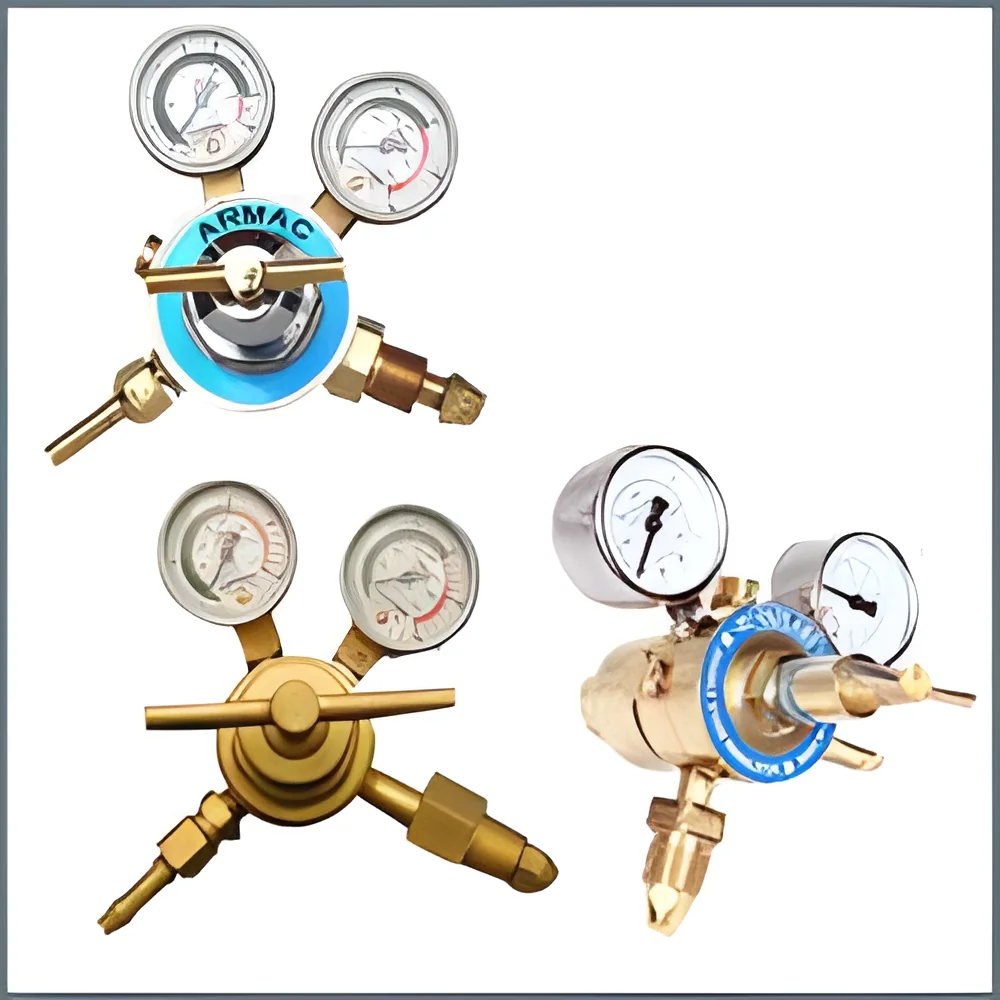
- Many models include built-in flame arrestors and pressure regulators.
- Ensures safe operation and reduces the risk of accidents.
7. Weight
- Lightweight models facilitate ease of use and portability.
- Heavier models may offer additional durability.
8. Certification
- Compliance with safety standards such as CE certification.
- Ensures reliability and adherence to industry regulations.
In summary, understanding the key features and specifications of welding torches is essential for making informed purchasing decisions. Selecting the right torch can enhance productivity and ensure quality in welding applications.
Common Applications and Use Cases
Welding torches are utilized across various industries, serving specific functions that require reliable and efficient welding solutions.
1. Manufacturing: In the manufacturing sector, welding torches are used for assembling components in machinery and equipment. Their precision allows for strong joints that can withstand operational stress.
2. Construction: Welding torches play a crucial role in construction projects, where they are used to join steel beams, pipes, and other structural elements, ensuring the integrity of buildings and infrastructure.
3. Automotive: In the automotive industry, welding torches are employed for fabricating parts and repairing vehicle bodies. Their versatility allows for repairs and modifications, enhancing vehicle performance.
4. Shipbuilding: Welding torches are essential in shipbuilding, used to assemble hulls and other structural components. They ensure watertight seals and robust joints that are vital for maritime safety.
5. Aerospace: In aerospace manufacturing, welding torches are used to join lightweight materials, ensuring that aircraft components meet stringent safety standards.
6. Metal Fabrication: Welding torches are widely used in metal fabrication shops for creating custom metal products. Their ability to handle intricate designs makes them indispensable.
7. Repair Services: Many repair services rely on welding torches to fix broken metal items, from household appliances to industrial machinery, extending the lifespan of equipment.
Product Variants and Subcategories
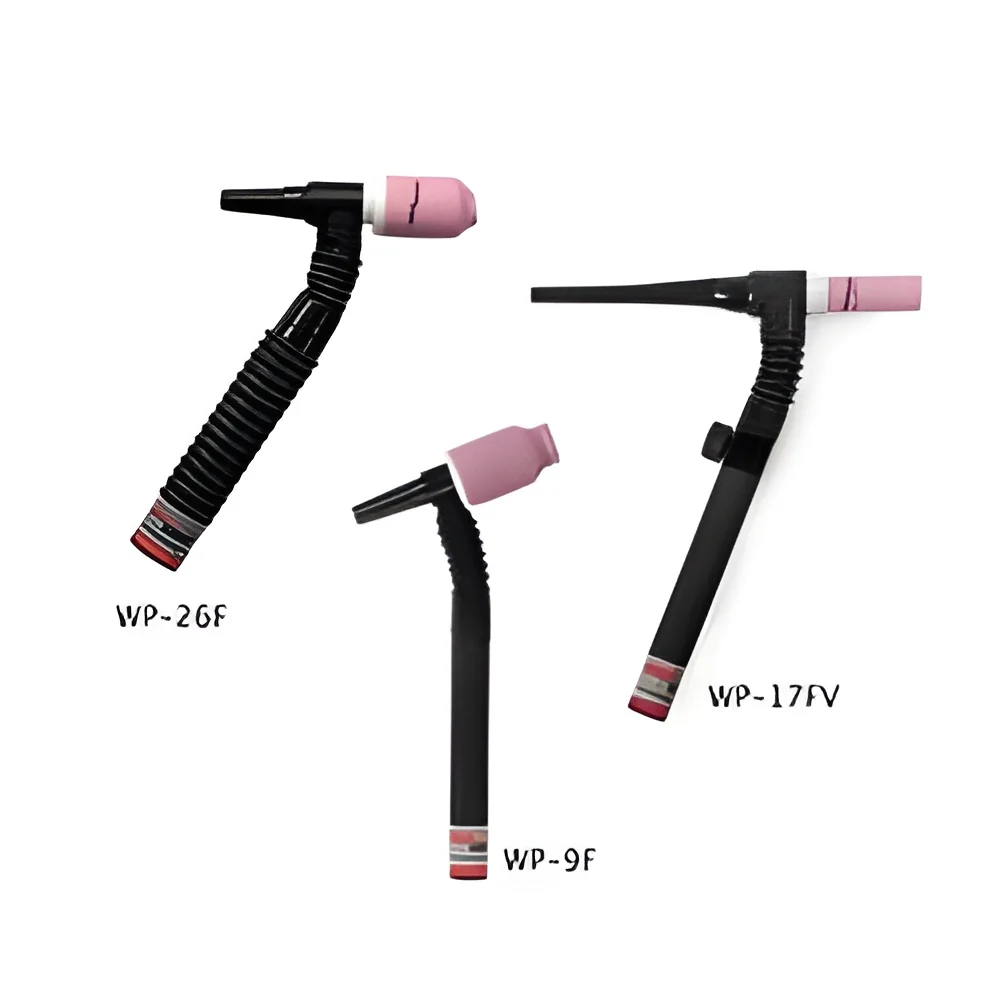
Welding torches come in various types, each designed for specific applications and user preferences.
Handheld Welding Torches: These portable torches are ideal for light to moderate welding tasks. They are user-friendly and suitable for both professionals and hobbyists. Their design allows for easy maneuverability in tight spaces.
Automated Welding Torches: Designed for use in robotic welding systems, these torches provide precision and efficiency in high-volume production environments. They are equipped with advanced technology for consistent performance.
Multi-Process Welding Torches: These versatile torches can handle multiple welding processes, such as MIG, TIG, and stick welding. They are perfect for businesses that require flexibility in their welding operations.
Specialty Welding Torches: These torches are tailored for specific industries or applications, such as underwater welding or high-altitude welding. They feature unique designs and capabilities to meet specialized needs.
Benefits and Advantages
Welding torches provide several key benefits that enhance their value in industrial applications.
1. Precision Welding: Welding torches allow for precise control over the welding process, resulting in high-quality joints and reduced material wastage.
2. Versatility: With various types available, welding torches can be used for multiple welding processes, making them suitable for diverse applications.
3. Portability: Handheld torches are lightweight and easy to transport, enabling users to work in various locations without compromising performance.
4. Cost-Effectiveness: Investing in quality welding torches can lead to long-term savings by reducing repair costs and increasing operational efficiency.
5. Safety Features: Many modern welding torches come equipped with safety mechanisms that protect users from hazards associated with welding.
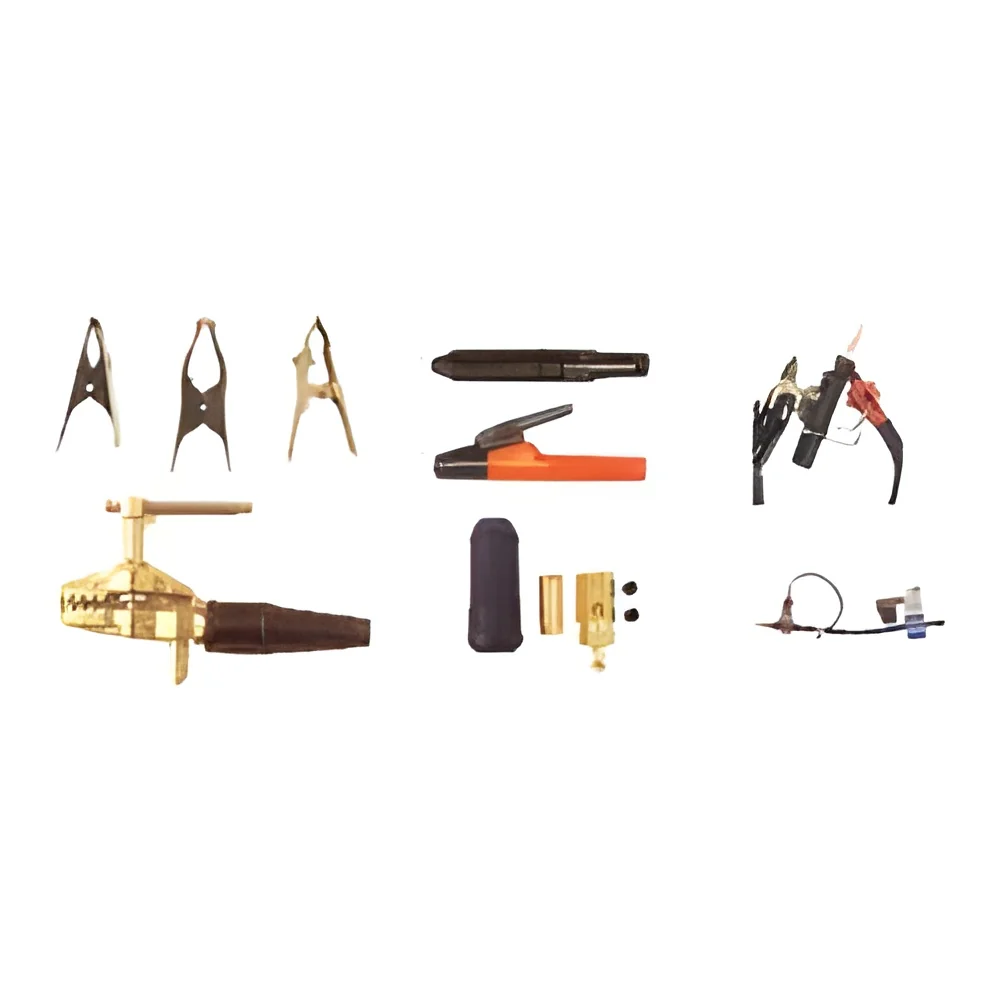
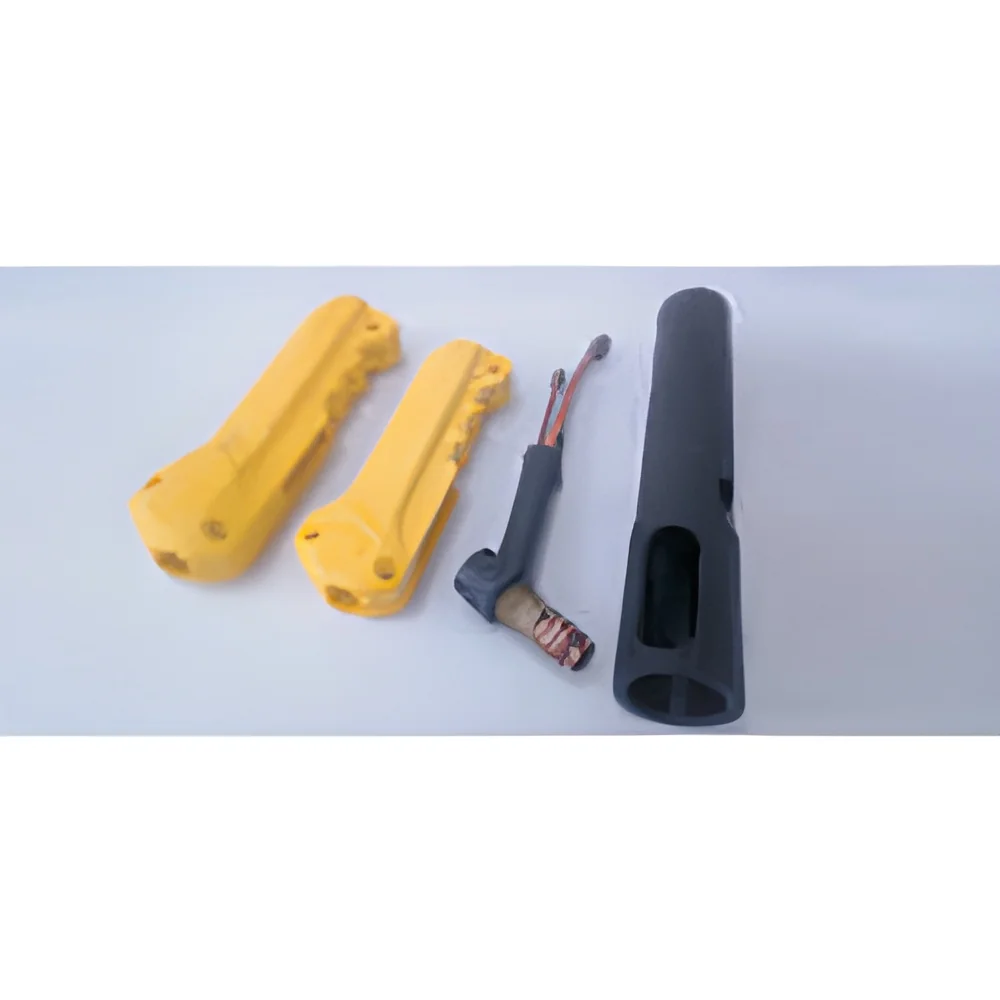
6. Easy Maintenance: Welding torches are designed for ease of maintenance, with readily available replacement parts and accessories.
Buying Guide for B2B Buyers
When sourcing welding torches, it is essential for buyers to consider several critical factors to ensure they make informed decisions.
1. Quality Assessment: Evaluate the quality of welding torches by examining materials, construction, and user reviews. High-quality products often lead to improved performance and safety.
2. Supplier Verification: It is crucial to vet suppliers for reliability and reputation. Research their history, certifications, and customer feedback to ensure you partner with a trustworthy source.
3. Pricing and MOQ: Understand the pricing structure and minimum order quantities required by suppliers. Compare quotes from multiple vendors to find competitive pricing while ensuring quality.
4. Delivery and Lead Times: Inquire about delivery schedules and lead times to avoid project delays. Reliable suppliers should provide clear timelines for order fulfillment.
5. Compliance Requirements: Ensure that the welding torches meet relevant compliance and safety standards specific to your industry. This may include certifications like CE to guarantee product safety and reliability.
Compliance and Certifications
Welding torches must adhere to specific quality standards and certifications to ensure safety and reliability in industrial applications.
One relevant standard is ISO 9001, which emphasizes quality management systems. Adhering to this standard helps ensure that manufacturing processes meet consistent quality benchmarks.
CE certification is another critical compliance requirement for welding torches. This certification indicates that products meet European safety, health, and environmental protection standards. It assures buyers that the torches have undergone rigorous testing and adhere to high safety standards.
Safety and testing requirements play a significant role in the production of welding torches. Manufacturers must conduct thorough testing to evaluate the performance and safety features of their products. Additionally, regional compliance considerations may vary, so it is important to understand local regulations and standards applicable to welding equipment.
Why Source Welding Torches from Pepagora?
Pepagora provides a trusted platform for sourcing welding torches with several key advantages for B2B buyers.
Verified Supplier Network: Pepagora has a robust verification process for suppliers, ensuring that buyers connect with reputable manufacturers. This minimizes the risk of subpar products and ensures quality.
Streamlined RFQ Process: The request for quotation (RFQ) process on Pepagora is designed to be user-friendly. Buyers can easily submit their requirements and receive competitive quotes from multiple suppliers, facilitating informed purchasing decisions.
Trade Assurance and Support: Pepagora offers trade assurance services that protect buyers throughout the transaction process. This includes support for resolving disputes and ensuring timely delivery of products.
Regional Coverage: With a focus on markets in India, the GCC, and Southeast Asia, Pepagora provides extensive regional coverage. This geographical reach allows buyers to access a diverse range of welding torches and suppliers tailored to their specific needs.

 IN
IN