
 IN
Welding Clamps & Fixtures
4 products available
What are Welding Clamps & Fixtures?
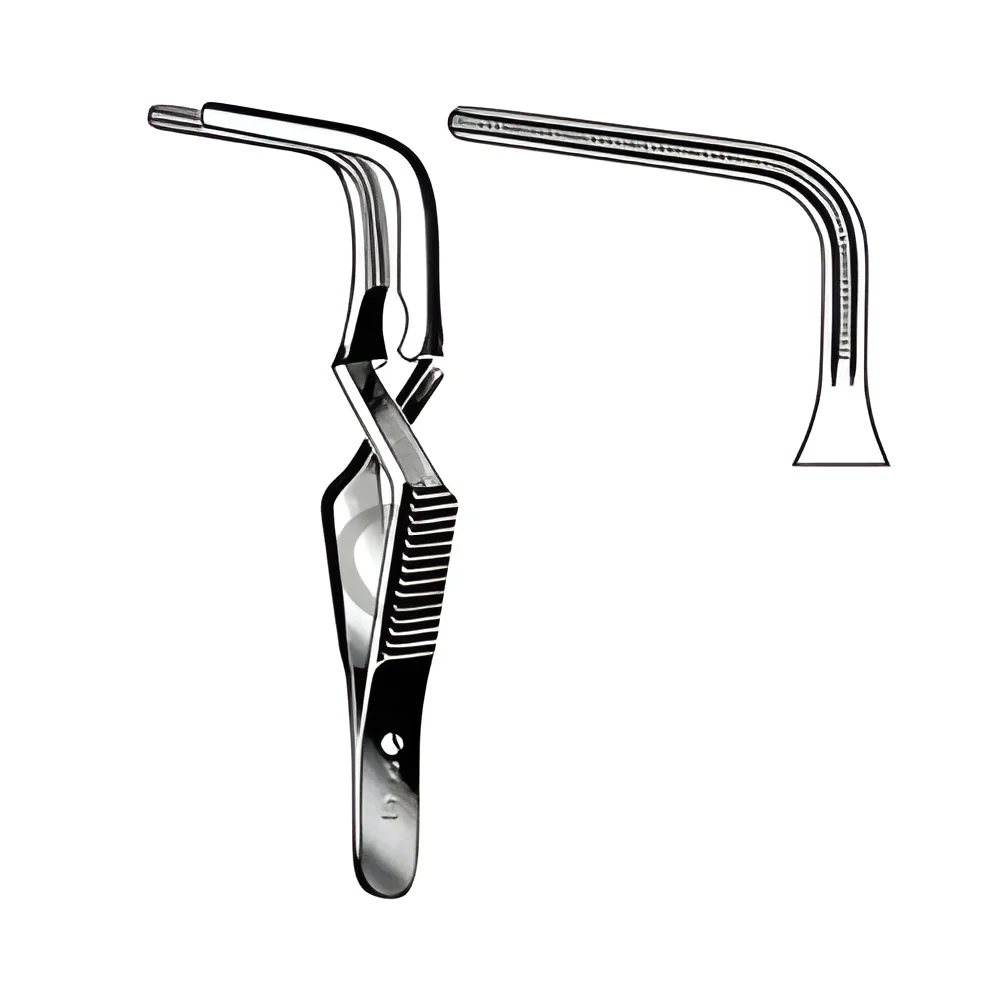
Welding clamps and fixtures are essential tools used in the welding process to hold workpieces in place securely. These devices ensure that the components are aligned correctly, promoting accurate and efficient welding operations. By stabilizing the parts being welded, clamps and fixtures enhance the quality of the weld and reduce the likelihood of defects.
These tools are widely utilized in various industries, including manufacturing, construction, and automotive. In manufacturing, welding clamps and fixtures are crucial for assembling products with precision. In construction, they support the fabrication of steel structures, while in automotive applications, they assist in the assembly of vehicle components. The relevance of welding clamps and fixtures in these industries underscores their importance in maintaining high standards of quality and efficiency.
As the market for welding equipment continues to grow, the demand for reliable and durable clamps and fixtures is increasing. Businesses are seeking solutions that not only improve production efficiency but also ensure safety and compliance with industry standards. This trend signifies the critical role that these tools play in modern industrial operations.
Key Features and Specifications
Welding clamps and fixtures come with various features that enhance their functionality and performance. Understanding these specifications is vital for selecting the right tools for specific applications.
Key specifications include:
1. Clamping Force
- This refers to the amount of force applied by the clamp to hold the workpieces securely.
- Typical ranges vary depending on the clamp type and size.
2. Material Composition
- Welding clamps and fixtures are often made from steel or aluminum for durability.
- The choice of material affects the weight and strength of the tool.
3. Adjustability
- Many clamps feature adjustable components to accommodate different sizes and shapes of workpieces.
- This versatility is crucial for varied welding tasks.
4. Size Options
- Various sizes are available to suit different applications, from small repair jobs to large-scale manufacturing.
5. Surface Treatment
- Protective coatings can enhance corrosion resistance and durability.
- Common treatments include galvanizing and powder coating.
6. Compatibility
- Some clamps are designed to work with specific welding equipment or setups.
- Ensuring compatibility can streamline the welding process.
7. Safety Features
- Many fixtures include safety mechanisms to prevent accidental release or movement during welding.
8. Weight Capacity
- Each clamp has a maximum weight capacity to ensure it can handle the intended workpieces safely.
Choosing the right specifications is essential for maximizing efficiency and safety in welding operations.
Common Applications and Use Cases
Welding clamps and fixtures find applications across numerous industries, highlighting their versatility and importance.
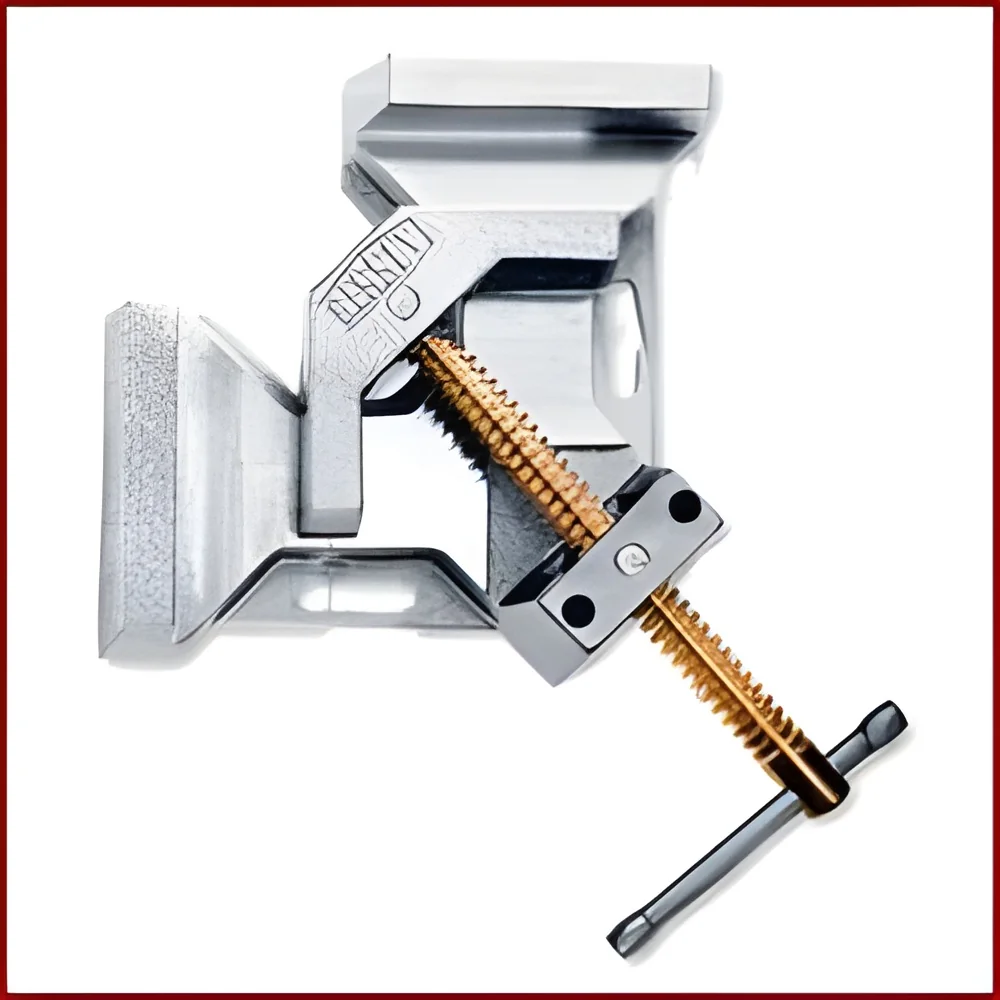
1. Automotive: In the automotive industry, welding fixtures are used to assemble various vehicle components, ensuring precision and repeatability in production.
2. Construction: Welding clamps are commonly employed in the construction of steel frameworks and structures, providing stability and alignment during the welding process.
3. Manufacturing: Manufacturers utilize welding fixtures to streamline assembly lines, facilitating the efficient joining of parts in products ranging from machinery to consumer goods.
4. Aerospace: In aerospace manufacturing, specialized clamps and fixtures ensure the integrity of components that must meet stringent safety and performance standards.
5. Shipbuilding: Welding fixtures play a critical role in shipbuilding, where they support large and complex structures that require precise welding.
6. Heavy Equipment: In the production of heavy machinery, welding clamps help maintain alignment and support during the fabrication of large components.
7. Furniture Making: In furniture production, clamps and fixtures are used to join metal and wood components, ensuring durability and quality.
Product Variants and Subcategories
Welding clamps and fixtures come in various forms to meet the diverse needs of different applications. This diversity allows businesses to select the most suitable tools for their specific tasks.
C-Clamps
C-Clamps are versatile tools that provide strong clamping force. They are ideal for holding workpieces in place during welding and can accommodate various shapes and sizes.
Toggle Clamps
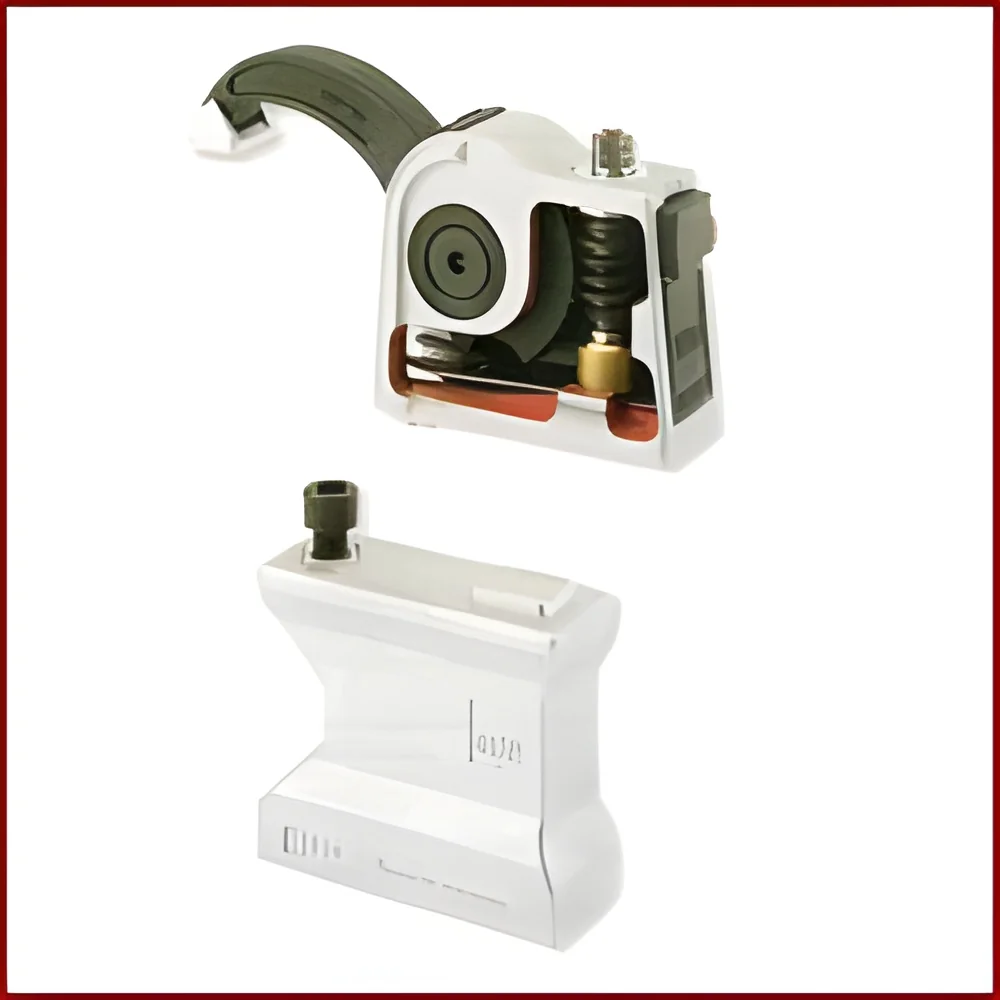
Toggle Clamps are known for their quick-release mechanism, allowing for fast adjustments. They are commonly used in setups where frequent repositioning is necessary.
Weld Fixtures
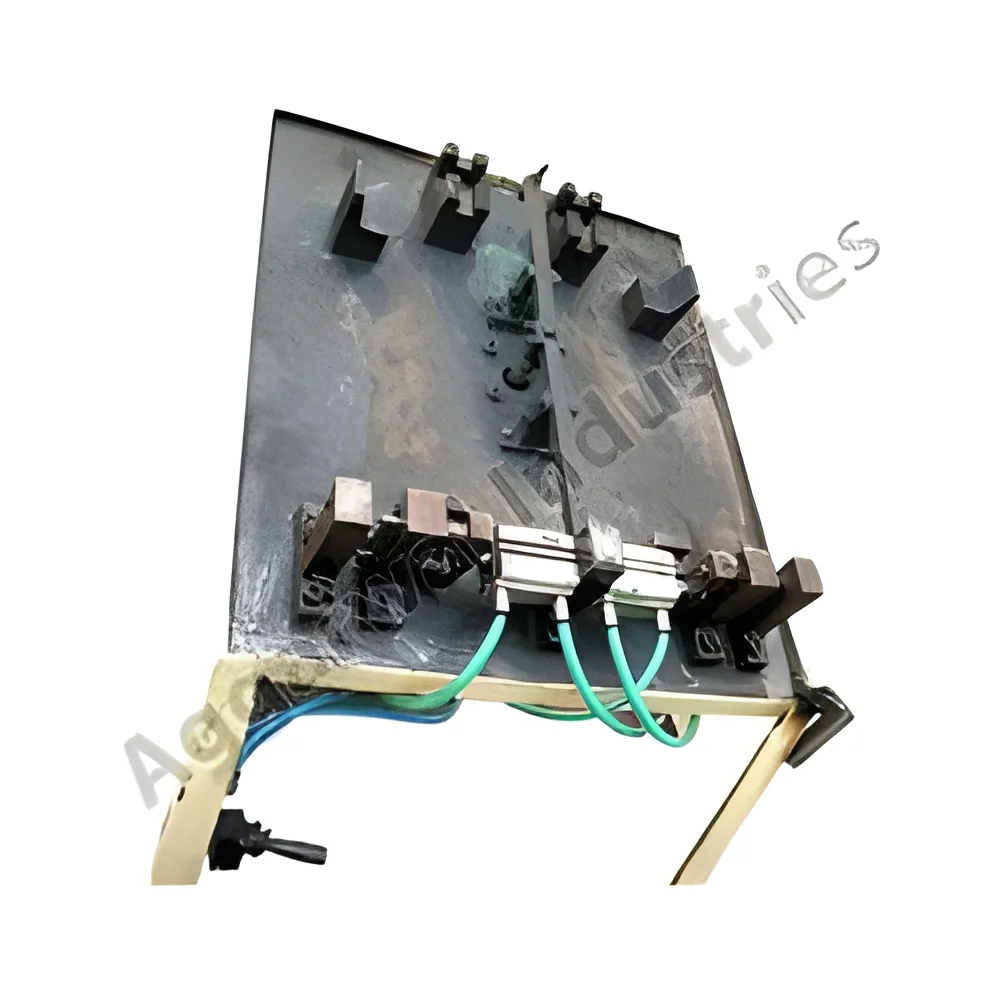
Weld fixtures are custom-made setups designed to hold parts in specific orientations. These fixtures enhance precision in welding operations, particularly in high-volume production.
Pipe Clamps
Pipe clamps are specifically designed for welding pipework. They ensure accurate alignment and secure holding of pipes during the welding process.
Magnetic Clamps
Magnetic clamps offer a unique solution for holding ferrous materials. They provide strong, instant holding power, making them ideal for quick setups.
Benefits and Advantages
Welding clamps and fixtures offer numerous benefits that enhance operational efficiency and product quality.
1. Improved Accuracy: By securely holding workpieces in place, clamps and fixtures promote precise welding, reducing the chances of misalignment.
2. Increased Efficiency: These tools streamline the welding process, allowing for faster setups and reduced labor time.
3. Enhanced Safety: Welding clamps provide stability, minimizing the risk of accidents during welding operations.
4. Versatility: With various types and sizes available, clamps and fixtures can be used across multiple applications and industries.
5. Cost-Effectiveness: Investing in high-quality clamps and fixtures can lead to long-term savings by reducing rework and improving weld quality.
6. Customization Options: Many manufacturers offer customizable fixtures to meet specific project requirements, further enhancing efficiency.
Buying Guide for B2B Buyers
When sourcing welding clamps and fixtures, it is essential to consider several factors to ensure the right selection for business needs.
1. Quality Assessment: Evaluate the quality of materials and construction. High-quality clamps should withstand the rigors of welding without deforming or breaking.
2. Supplier Verification: Vet potential suppliers for reliability and reputation. Look for manufacturers with a track record of producing durable and effective tools.
3. Pricing and MOQ: Understand the pricing structure and minimum order quantities. Compare prices from different suppliers to find the best value.
4. Delivery and Lead Times: Consider logistics and delivery schedules. Ensure that suppliers can meet your timeline for projects.
5. Compliance Requirements: Verify that the products meet necessary safety and quality standards. This may include certifications like CE and compliance with local regulations.
Compliance and Certifications
Welding clamps and fixtures must adhere to relevant quality and safety standards to ensure reliable performance in industrial applications. Common standards include ISO 9001, which outlines quality management system requirements, ensuring that products consistently meet customer expectations and regulatory requirements.
Certifications such as CE indicate that the products comply with European health, safety, and environmental protection standards. These certifications are crucial for businesses operating in regions where compliance is mandatory.
In addition to these standards, welding clamps and fixtures may need to pass specific safety and testing requirements to be deemed suitable for use in various industries. Regional compliance considerations should also be taken into account, as different areas may have unique regulations regarding welding equipment.
Why Source Welding Clamps & Fixtures from Pepagora?
Pepagora provides a trusted platform for sourcing welding clamps and fixtures, offering numerous advantages to B2B buyers.
Verified Supplier Network: Our platform features a network of verified suppliers, ensuring that businesses can find reputable manufacturers who meet quality and safety standards.
Streamlined RFQ Process: Pepagora simplifies the quotation process, allowing buyers to request multiple quotes efficiently. This helps in comparing prices and choosing the best option quickly.
Trade Assurance and Support: We prioritize buyer protection through trade assurance, providing support throughout the purchasing process to ensure a smooth transaction.
Regional Coverage: Pepagora's reach extends across India, the GCC, and Southeast Asia, enabling businesses to source high-quality welding clamps and fixtures from trusted suppliers in these regions.
By choosing Pepagora, businesses gain access to a reliable source of welding tools that enhance their operational efficiency and product quality.

Frequently Asked Questions
What are Welding Clamps & Fixtures?
Welding clamps and fixtures are tools used to hold workpieces in place during the welding process. They ensure precise alignment and stability, which is crucial for achieving high-quality welds.
What are the different types of Welding Clamps & Fixtures?
There are several types of welding clamps and fixtures, including C-clamps, toggle clamps, and magnetic clamps. Each type serves specific purposes, such as securing irregular shapes or providing quick adjustments during the welding process.
How do I choose the right Welding Clamps & Fixtures?
Choosing the right welding clamps and fixtures involves considering the size and shape of your workpieces, the welding technique being used, and the required holding force. It's essential to evaluate the materials and specifications to ensure compatibility with your projects.
What are the standard specifications for Welding Clamps & Fixtures?
Standard specifications for welding clamps and fixtures typically include load capacity, jaw opening size, and material type. It's important to refer to manufacturer guidelines for specific dimensions and performance characteristics.
What is the price range for Welding Clamps & Fixtures?
The price range for welding clamps and fixtures can vary widely based on type, material, and manufacturer. Generally, you can expect prices to range from a few hundred to several thousand Indian Rupees depending on the complexity and quality.
What quality standards apply to Welding Clamps & Fixtures?
Welding clamps and fixtures are often manufactured according to industry standards such as ISO or ASTM. Adherence to these standards ensures that the products are reliable, safe, and suitable for professional use.
Where can I find Welding Clamps & Fixtures suppliers in India?
You can find welding clamps and fixtures suppliers in India through various B2B marketplaces, trade shows, and local industrial suppliers. Online platforms like Pepagora also provide a comprehensive list of manufacturers and suppliers.
Can Welding Clamps & Fixtures be customized?
Yes, many manufacturers offer customization options for welding clamps and fixtures to meet specific project requirements. Customization can include alterations in size, shape, and additional features to enhance functionality.
What is the typical minimum order quantity for Welding Clamps & Fixtures?
The typical minimum order quantity (MOQ) for welding clamps and fixtures varies by supplier but generally ranges from 5 to 100 units. It's advisable to check with individual suppliers for their specific MOQ policies.
What is the typical lead time for Welding Clamps & Fixtures?
The lead time for welding clamps and fixtures can vary based on the supplier and order size, typically ranging from 1 to 4 weeks. Custom orders may require additional time depending on the complexity of the modifications.
Why Businesses Trust Pepagora
Thousands of companies trust Pepagora to source smarter and sell faster
Expand Your Sales Globally

Source Smarter,Grow Faster
