What are Welding Helmets (Auto-darkening, Manual)?
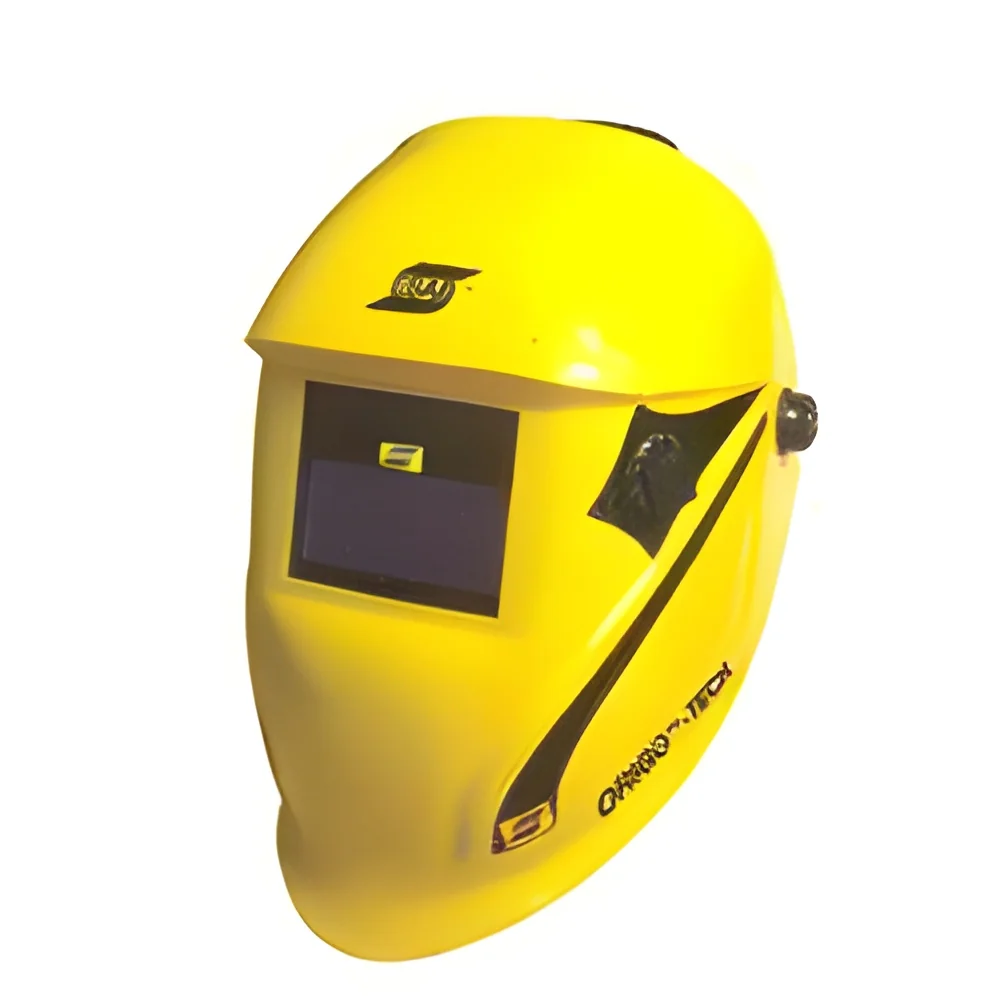
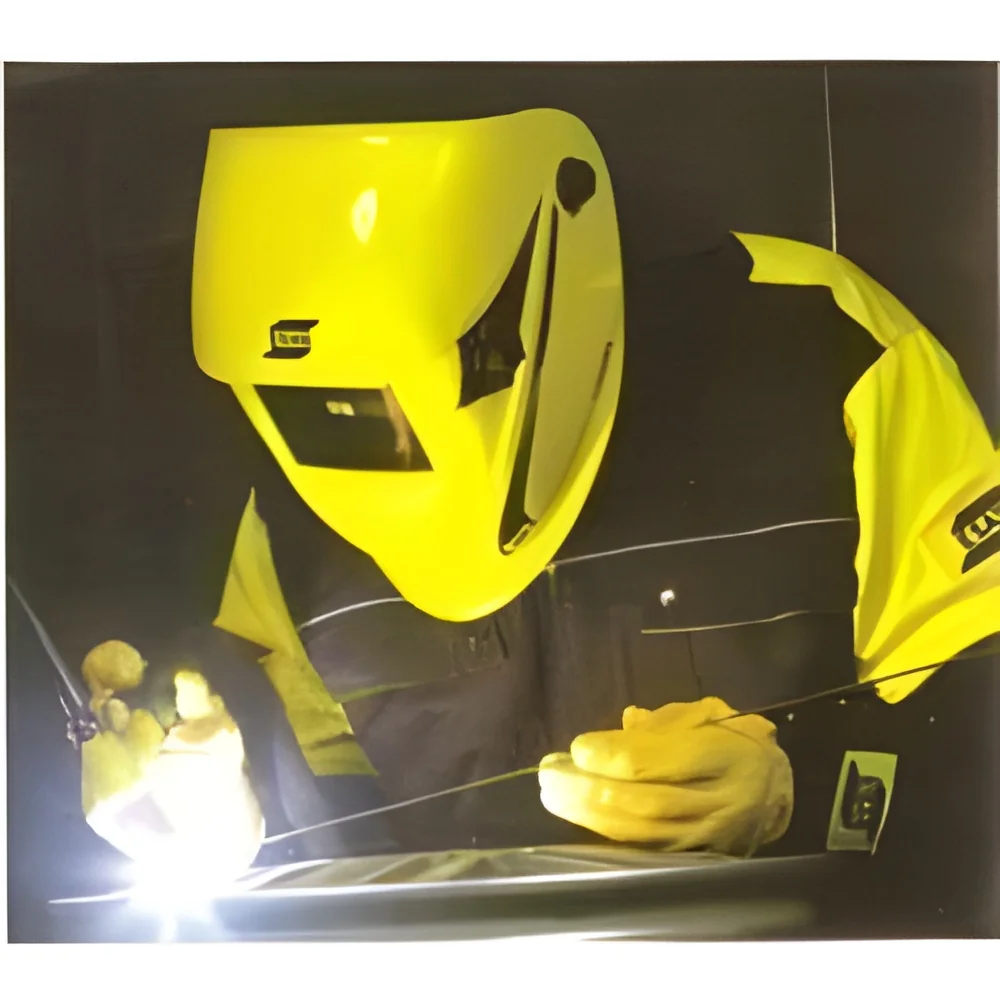
Welding helmets are essential protective gear designed for professionals involved in welding activities. They shield the eyes, face, and neck from harmful ultraviolet (UV) and infrared (IR) radiation emitted during welding processes. Welding helmets come in two main types: auto-darkening and manual. Auto-darkening helmets feature a lens that automatically adjusts to varying light conditions, providing immediate protection. Manual helmets require the user to flip the lens down before starting the welding process.
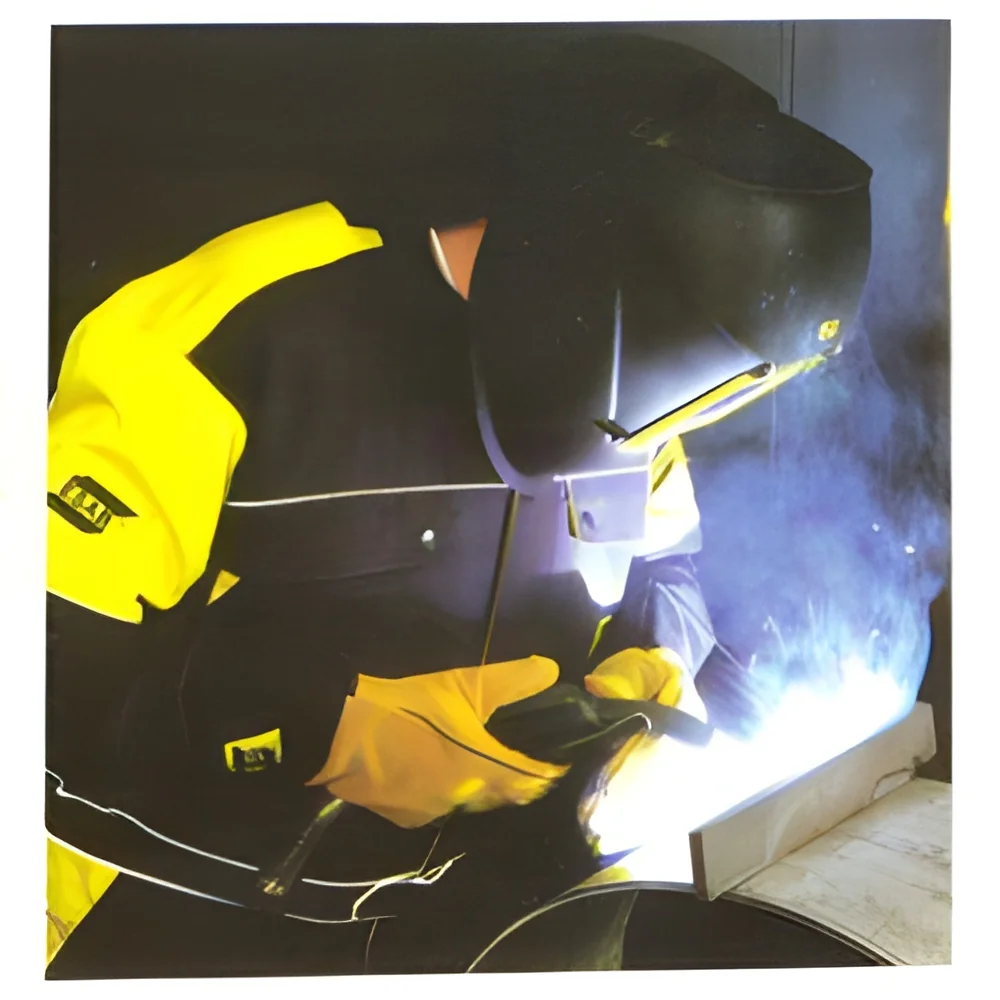
These helmets are widely used in various industries, including manufacturing, construction, and metal fabrication. They serve to enhance safety and productivity by allowing welders to see their work clearly while ensuring maximum protection. With the growing demand for welding in various sectors, the market for welding helmets continues to expand, emphasizing the importance of selecting the right type for specific applications.
𝗞𝗲𝘆 𝗙𝗲𝗮𝘁𝘂𝗿𝗲𝘀 𝗮𝗻𝗱 𝗦𝗽𝗲𝗰𝗶𝗳𝗶𝗰𝗮𝘁𝗶𝗼𝗻𝘀
Welding helmets vary in features and specifications, catering to the needs of different users. Key specifications include:
1. Lens Type
- Auto-darkening or fixed shade
- Shade range typically from 9 to 13 for auto-darkening
2. Response Time
- Speed at which the lens darkens when exposed to an arc
- Typical response time is 1/25,000 seconds for auto-darkening helmets
3. Viewing Area
- Size of the lens area for visibility
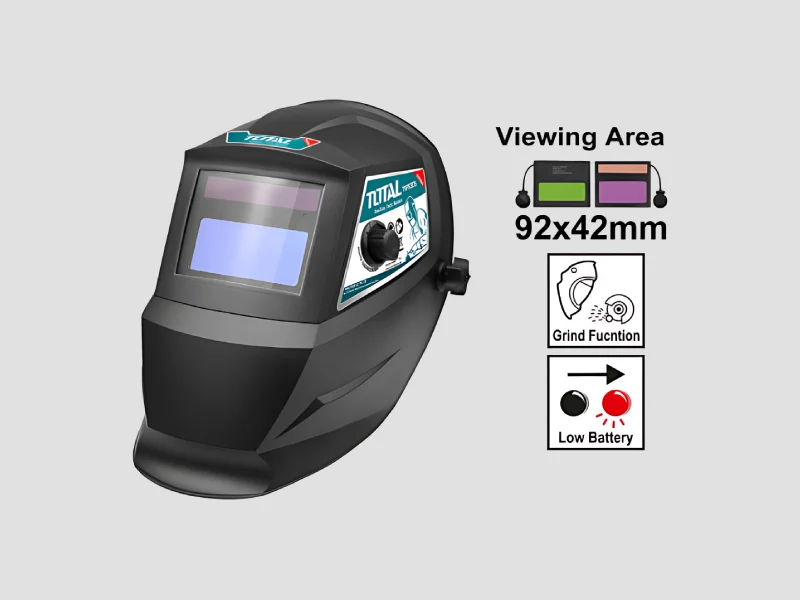
- Common dimensions range from 3.9 x 2.5 inches to 4.5 x 5.5 inches
4. Weight
- Overall weight of the helmet
- Usually between 1.5 to 3.5 pounds for comfort during prolonged use
5. Power Source
- Battery-operated or solar-powered options
- Battery life can range from 2000 to 5000 hours
6. Adjustable Features
- Ability to adjust sensitivity and delay settings
- Customizable settings for different welding applications
7. Headgear Comfort
- Type of headgear for fit and comfort
- Ratchet-style or flip-up options available
8. Compliance Standards
- Adherence to safety standards such as ANSI Z87.1 and CE mark
- Important for ensuring product safety and quality
In summary, understanding these features and specifications is crucial for selecting the right welding helmet to meet specific job requirements and enhance safety.
𝗖𝗼𝗺𝗺𝗼𝗻 𝗔𝗽𝗽𝗹𝗶𝗰𝗮𝘁𝗶𝗼𝗻𝘀 𝗮𝗻𝗱 𝗨𝘀𝗲 𝗖𝗮𝘀𝗲𝘀
Welding helmets are utilized across a range of industries, each with its specific applications.
1. Manufacturing: In manufacturing, welding helmets protect workers engaged in constructing metal structures, ensuring safety during the welding process.
2. Construction: Construction sites often require welding for structural components, where helmets help prevent injuries from sparks and intense light.
3. Automotive: The automotive industry uses welding helmets for assembling vehicle parts, providing necessary protection against harmful emissions and bright arcs.
4. Shipbuilding: In shipbuilding, welding helmets are critical for workers welding large metal components in confined spaces.
5. Metal Fabrication: Metal fabrication shops rely on these helmets for various welding tasks, ensuring safety and compliance with industry standards.
6. Aerospace: In the aerospace sector, welding helmets are essential for maintaining safety while working on aircraft components.
7. Art and Sculpture: Artists and sculptors also use welding helmets for metalwork, protecting themselves while creating intricate designs.
𝗣𝗿𝗼𝗱𝘂𝗰𝘁 𝗩𝗮𝗿𝗶𝗮𝗻𝘁𝘀 𝗮𝗻𝗱 𝗦𝘂𝗯𝗰𝗮𝘁𝗲𝗴𝗼𝗿𝗶𝗲𝘀
Welding helmets come in various types to suit different user needs and preferences.
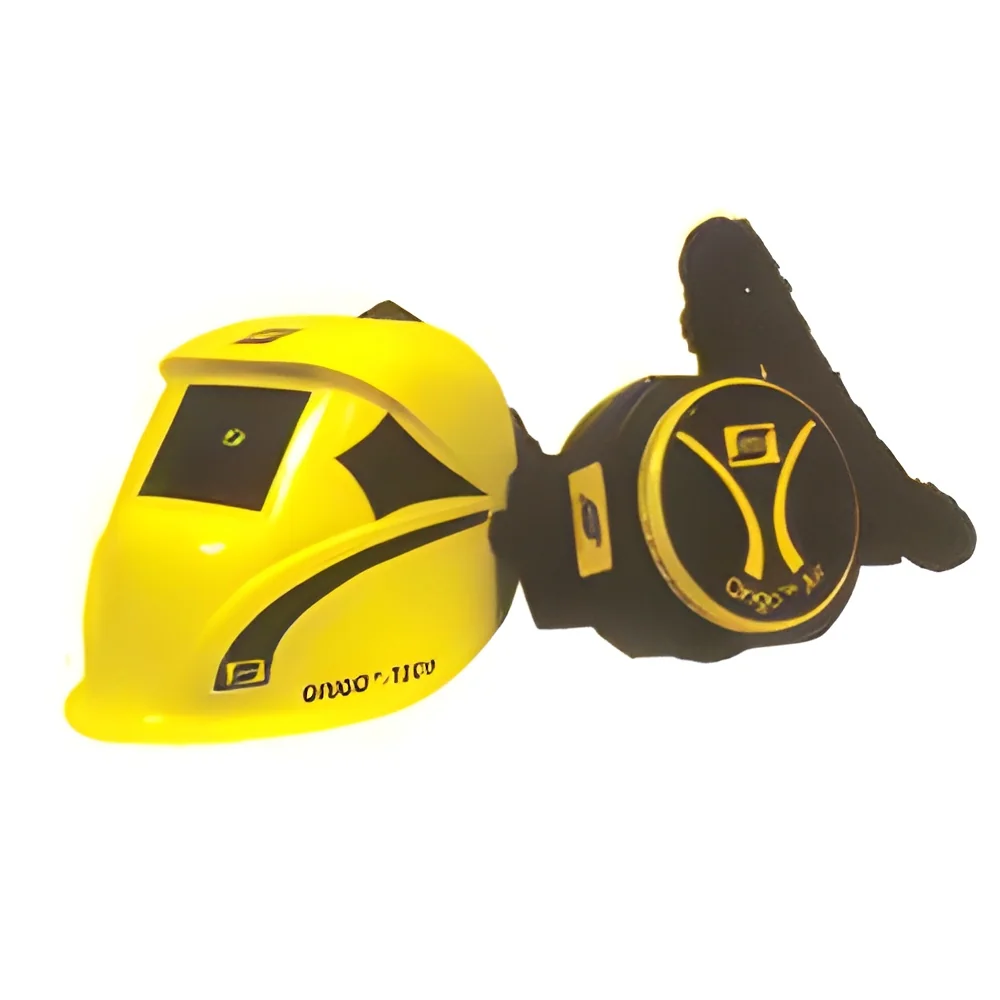
Auto-Darkening Welding Helmets: These helmets automatically adjust their lens shade based on the light intensity of the welding arc. They offer convenience and enhanced visibility, allowing welders to see the workpiece clearly before and after the weld.
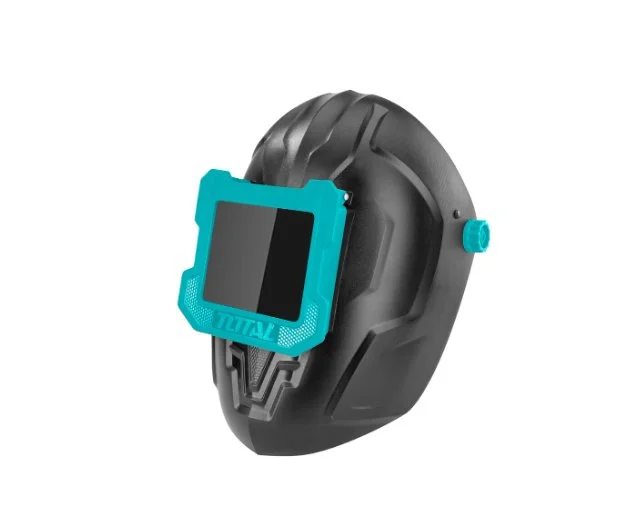
Manual Welding Helmets: These helmets require users to manually lower the lens into place before beginning the welding process. They are generally more cost-effective and suitable for less frequent welding tasks.
𝗕𝗲𝗻𝗲𝗳𝗶𝘁𝘀 𝗮𝗻𝗱 𝗔𝗱𝘃𝗮𝗻𝘁𝗮𝗴𝗲𝘀
Welding helmets offer numerous benefits to users, enhancing both safety and efficiency.
1. Eye Protection: Welding helmets provide critical protection against harmful UV and IR radiation, preventing eye damage during welding activities.
2. Improved Visibility: Auto-darkening helmets enhance visibility by adjusting to light conditions, allowing welders to see their work clearly without needing to flip the helmet down.
3. Comfort and Fit: Many helmets come with adjustable headgear, providing a comfortable fit for extended wear during long work hours.
4. Versatility: These helmets are suitable for various welding processes, including MIG, TIG, and stick welding, making them versatile tools for professionals.
5. Compliance with Safety Standards: Most welding helmets meet industry safety standards, ensuring they provide adequate protection for users.
6. Extended Battery Life: Many modern auto-darkening helmets feature long-lasting batteries, reducing the need for frequent replacements and enhancing usability.
𝗕𝘂𝘆𝗶𝗻𝗴 𝗚𝘂𝗶𝗱𝗲 𝗳𝗼𝗿 𝗕𝟮𝗕 𝗕𝘂𝘆𝗲𝗿𝘀
When sourcing welding helmets, it is essential for B2B buyers to consider several factors to ensure they make informed purchasing decisions.
1. Quality Assessment: Evaluate the quality of the welding helmets by checking for certifications and compliance with safety standards. Look for products that meet ANSI and CE regulations to ensure reliability.
2. Supplier Verification: Vet potential suppliers by checking their history and reputation in the market. Ensure they have a proven track record of providing quality products and reliable service.
3. Pricing and MOQ: Consider the pricing structure and minimum order quantities (MOQ) offered by suppliers. Compare prices among different vendors to find the best value for your budget.
4. Delivery and Lead Times: Assess delivery schedules and lead times to ensure that you can receive the products when needed. Reliable suppliers should provide clear timelines for order fulfillment.
5. Compliance Requirements: Be aware of any specific compliance requirements related to your industry or region, ensuring that the helmets you purchase meet all necessary regulations.
𝗖𝗼𝗺𝗽𝗹𝗶𝗮𝗻𝗰𝗲 𝗮𝗻𝗱 𝗖𝗲𝗿𝘁𝗶𝗳𝗶𝗰𝗮𝘁𝗶𝗼𝗻𝘀
Welding helmets must adhere to various quality standards to ensure they provide adequate protection. Key standards include ISO 9001, which outlines quality management systems, and CE certification, indicating compliance with European safety standards.
Safety and testing requirements are critical, as helmets must undergo rigorous inspections to confirm their effectiveness in protecting users from harmful radiation and physical hazards.
Regional compliance considerations may vary, requiring buyers to be aware of specific regulations applicable in their area. Ensuring that helmets meet these standards is vital for safety and legal compliance.
Why Source Welding Helmets (Auto-darkening, Manual) from Pepagora?
Pepagora offers a reliable platform for sourcing welding helmets, providing several key advantages to B2B buyers.
Verified Supplier Network: Pepagora has established a network of verified suppliers, ensuring that buyers can trust the quality and reliability of the products they purchase.
Streamlined RFQ Process: The request for quotation (RFQ) process is designed to be straightforward, allowing buyers to easily request quotes from multiple suppliers, simplifying the purchasing process.
Trade Assurance and Support: Pepagora provides trade assurance, offering buyers protection against issues such as non-delivery or product quality concerns. This support enhances buyer confidence.
Regional Coverage: With a strong presence in regions such as India, the GCC, and Southeast Asia, Pepagora ensures that buyers can access quality welding helmets tailored to their specific regional needs.
By choosing Pepagora, businesses can benefit from a comprehensive sourcing experience that prioritizes quality, reliability, and customer satisfaction.

 IN
IN