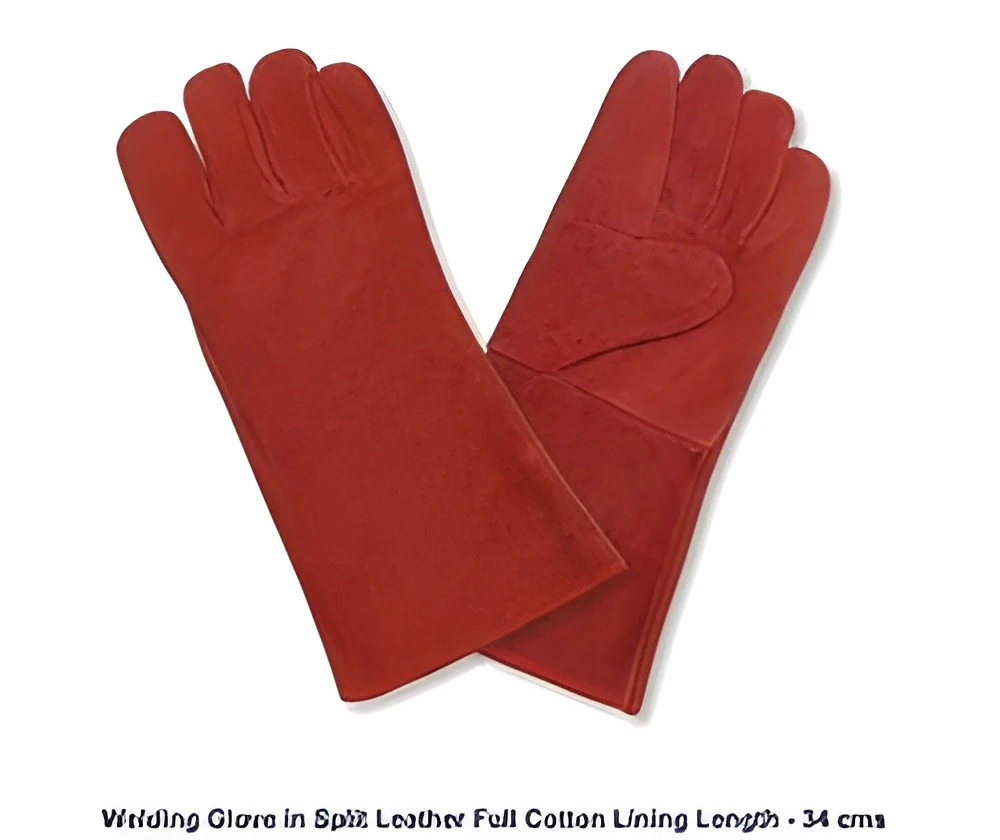
𝗪𝗵𝗮𝘁 𝗮𝗿𝗲 𝗪𝗲𝗹𝗱𝗶𝗻𝗴 𝗚𝗹𝗼𝘃𝗲𝘀?
Welding gloves are specialized protective gear designed to shield the hands from the various hazards associated with welding processes. These gloves are made from durable materials that provide heat resistance, abrasion protection, and dexterity during welding tasks. The design and construction of welding gloves prioritize both safety and functionality, ensuring that welders can work effectively while minimizing the risk of injury.
Welding gloves are primarily used in industries such as manufacturing, construction, and metalworking. They are essential for professionals engaged in arc welding, MIG welding, TIG welding, and other welding techniques, where exposure to intense heat and sparks is a constant threat. In addition to protection, welding gloves also contribute to improved grip and control, enhancing overall performance in welding applications. As the demand for skilled welders continues to grow, investing in high-quality welding gloves becomes increasingly relevant for businesses seeking to ensure workplace safety and compliance.
𝗞𝗲𝘆 𝗙𝗲𝗮𝘁𝘂𝗿𝗲𝘀 𝗮𝗻𝗱 𝗦𝗽𝗲𝗰𝗶𝗳𝗶𝗰𝗮𝘁𝗶𝗼𝗻𝘀
Welding gloves are characterized by several key features that enhance their protective capabilities and user comfort. When selecting welding gloves, it is essential to consider their specifications, which reflect their quality and suitability for various welding applications.
Key specifications include:
1. Material Composition
- Typically made from leather, often cowhide or goat skin
- Provides excellent heat resistance and durability
2. Heat Resistance Rating
- Gloves are rated for specific temperature ranges to prevent burns
- Often tested up to 350 degrees Celsius or higher
3. Length and Coverage
- Gloves typically range from 14 to 18 inches in length
- Extended cuffs for added protection against sparks and spatter
4. Dexterity and Grip
- Designed to allow for fine motor skills while providing a strong grip
- Textured palms enhance handling of tools and materials
5. Lining
- Many gloves feature thermal linings for increased comfort
- Helps to wick away moisture, keeping hands dry
6. Reinforcement Areas
- Reinforced stitching and additional padding in high-wear areas
- Enhances durability and extends the life of the gloves
7. Compliance Certifications
- Gloves should meet safety standards such as CE certification
- Ensures that the gloves have passed rigorous testing for protection
In summary, understanding these key features and specifications is crucial for selecting the right welding gloves that ensure both safety and comfort during welding operations.
𝗖𝗼𝗺𝗺𝗼𝗻 𝗔𝗽𝗽𝗹𝗶𝗰𝗮𝘁𝗶𝗼𝗻𝘀 𝗮𝗻𝗱 𝗨𝘀𝗲 𝗖𝗮𝘀𝗲𝘀
Welding gloves find usage across a wide range of industries, reflecting their versatility and importance in ensuring safety.
1. Manufacturing: In manufacturing settings, welding gloves protect workers during the fabrication of metal components and assemblies, where welding is a routine process.
2. Construction: Construction sites often require welding for structural steel work. Gloves provide essential protection against heat and sparks during metal joining tasks.
3. Automotive: In the automotive industry, welding gloves are used for repairing and assembling vehicles, providing welders with the necessary protection from heat and molten metal.
4. Shipbuilding: The shipbuilding industry relies on welding for constructing and repairing vessels. High-quality gloves ensure that workers are shielded from potential hazards.
5. Art and Sculpture: Artists who work with metal often use welding gloves to safeguard their hands while creating intricate metal sculptures.
6. Aerospace: In aerospace manufacturing, welding gloves protect technicians working on aircraft components, where precision and safety are paramount.
7. Oil and Gas: In the oil and gas sector, welding gloves are essential for maintenance and repair tasks, protecting workers from harsh working conditions.
𝗣𝗿𝗼𝗱𝘂𝗰𝘁 𝗩𝗮𝗿𝗶𝗮𝗻𝘁𝘀 𝗮𝗻𝗱 𝗦𝘂𝗯𝗰𝗮𝘁𝗲𝗴𝗼𝗿𝗶𝗲𝘀
Welding gloves come in various styles to meet different needs, providing options for users based on their specific applications.
Leather Welding Gloves
These gloves are primarily made from high-quality leather, offering excellent heat resistance and durability. They are suitable for heavy-duty welding tasks and provide a good balance of protection and dexterity.
Aluminized Welding Gloves
Aluminized gloves provide added protection against radiant heat and are ideal for high-temperature welding processes. They are often used in industries where heat exposure is extreme.
Insulated Welding Gloves
These gloves feature additional thermal insulation, making them suitable for colder environments or tasks requiring prolonged exposure to heat. They ensure that hands remain warm while still offering protection.
𝗕𝗲𝗻𝗲𝗳𝗶𝘁𝘀 𝗮𝗻𝗱 𝗔𝗱𝘃𝗮𝗻𝘁𝗮𝗴𝗲𝘀
Welding gloves offer several key benefits that enhance safety and performance in welding operations.
1. Enhanced Safety: The primary benefit of welding gloves is the protection they provide against burns, cuts, and abrasions. This is crucial in preventing workplace injuries.
2. Improved Dexterity: Many welding gloves are designed to maintain dexterity, allowing welders to handle tools and materials with precision while still being protected.
3. Comfort and Fit: Properly fitted gloves enhance comfort during long welding sessions, reducing fatigue and discomfort caused by ill-fitting gear.
4. Heat Resistance: Quality welding gloves are constructed to withstand high temperatures, ensuring that welders are protected from heat exposure during operations.
5. Durability: With reinforced stitching and premium materials, welding gloves are built to last, providing long-term protection and value for businesses.
6. Compliance with Standards: Many welding gloves come with certifications that meet industry safety standards, ensuring that businesses comply with regulations.
𝗕𝘂𝘆𝗶𝗻𝗴 𝗚𝘂𝗶𝗱𝗲 𝗳𝗼𝗿 𝗕𝟮𝗕 𝗕𝘂𝘆𝗲𝗿𝘀
When sourcing welding gloves for business use, there are several factors to consider to ensure the best selection for your needs.
1. Quality Assessment: Evaluate the quality of materials used in the gloves, such as leather type and stitching. Look for gloves that have been tested for heat resistance and durability.
2. Supplier Verification: Vet potential suppliers to ensure they provide reliable products. Check for customer reviews, certifications, and their track record in the industry.
3. Pricing and MOQ: Understand the pricing structures and minimum order quantities (MOQ) from suppliers. Consider bulk purchasing options for cost savings.
4. Delivery and Lead Times: Inquire about delivery times and logistics. Ensure that the supplier can meet your project timelines and can handle your order volume.
5. Compliance Requirements: Ensure that the gloves meet relevant safety standards for your industry. Compliance with regulations like CE certification is essential for worker safety.
𝗖𝗼𝗺𝗽𝗹𝗶𝗮𝗻𝗰𝗲 𝗮𝗻𝗱 𝗖𝗲𝗿𝘁𝗶𝗳𝗶𝗰𝗮𝘁𝗶𝗼𝗻𝘀
Welding gloves must meet various compliance and certification standards to ensure safety and performance in industrial settings. Quality standards such as ISO 9001 provide a framework for consistent manufacturing processes and product quality. Additionally, many welding gloves carry industry certifications, including CE marking, which indicates that they meet European safety requirements.
Safety and testing requirements for welding gloves are stringent, with many gloves undergoing rigorous testing to assess their heat resistance, abrasion protection, and overall effectiveness in preventing injuries. It is also important to consider regional compliance requirements, as different countries may have specific regulations governing personal protective equipment. Ensuring that welding gloves adhere to these standards is crucial for businesses aiming to maintain a safe and compliant workplace.
𝗪𝗵𝘆 𝗦𝗼𝘂𝗿𝗰𝗲 𝗪𝗲𝗹𝗱𝗶𝗻𝗴 𝗚𝗹𝗼𝘃𝗲𝘀 𝗳𝗿𝗼𝗺 𝗣𝗲𝗽𝗮𝗴𝗼𝗿𝗮?
Pepagora provides a trusted platform for sourcing welding gloves, offering several key advantages to B2B buyers.
Verified Supplier Network: Pepagora ensures that all suppliers on the platform are thoroughly vetted. This verification process guarantees that buyers can trust the quality and reliability of the products they purchase.
Streamlined RFQ Process: The request for quotation (RFQ) system simplifies the sourcing process. Buyers can easily request quotes from multiple suppliers, allowing for informed decision-making based on pricing and product specifications.
Trade Assurance and Support: Pepagora offers trade assurance, protecting buyers against potential issues with their orders. This buyer protection fosters confidence in the purchasing process, ensuring a smooth transaction.
Regional Coverage: With a strong presence in regions like India, the GCC, and Southeast Asia, Pepagora facilitates connections between buyers and suppliers across diverse markets. This geographic reach enhances accessibility to quality welding gloves while catering to local needs.

 IN
IN