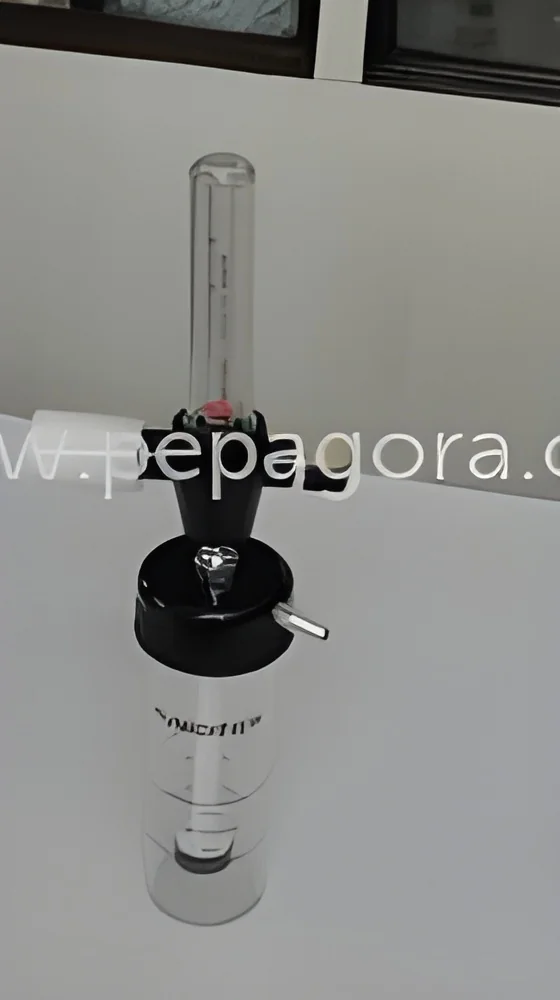
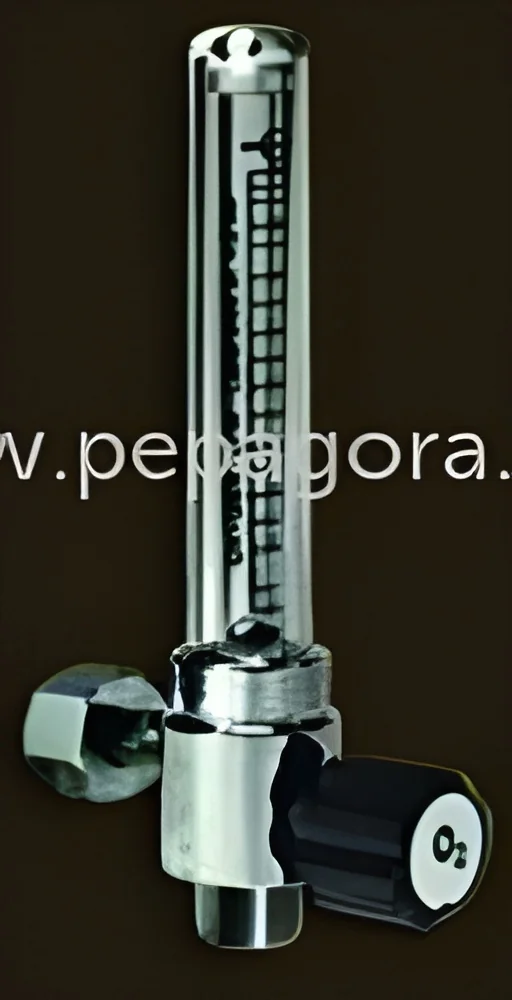
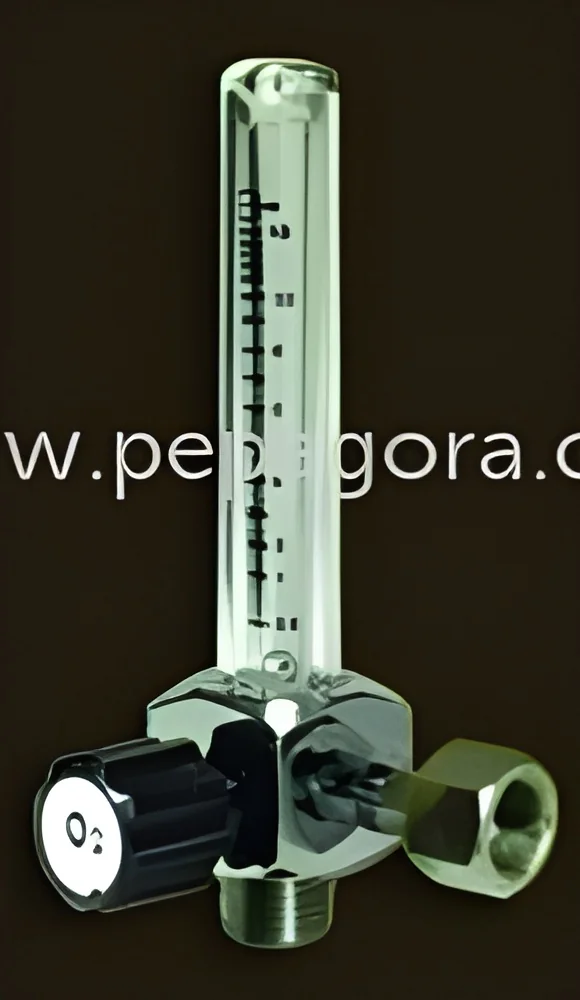
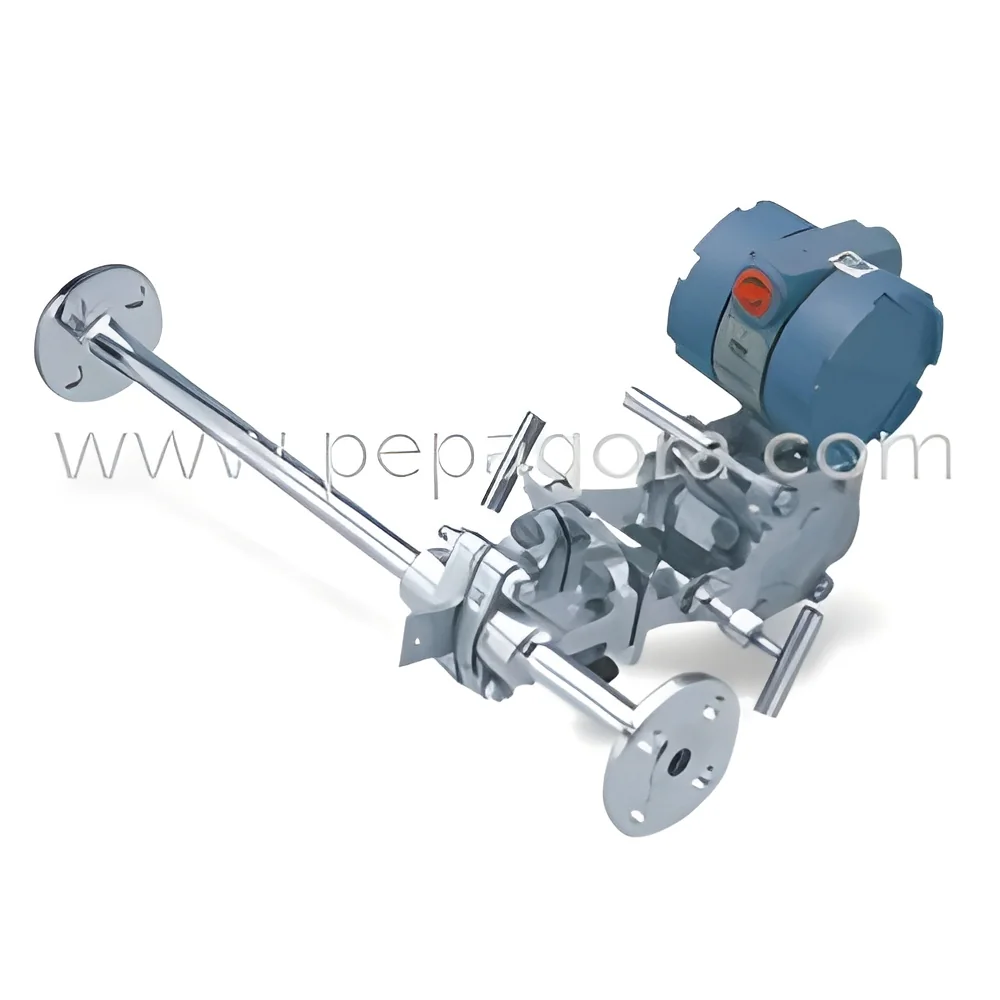
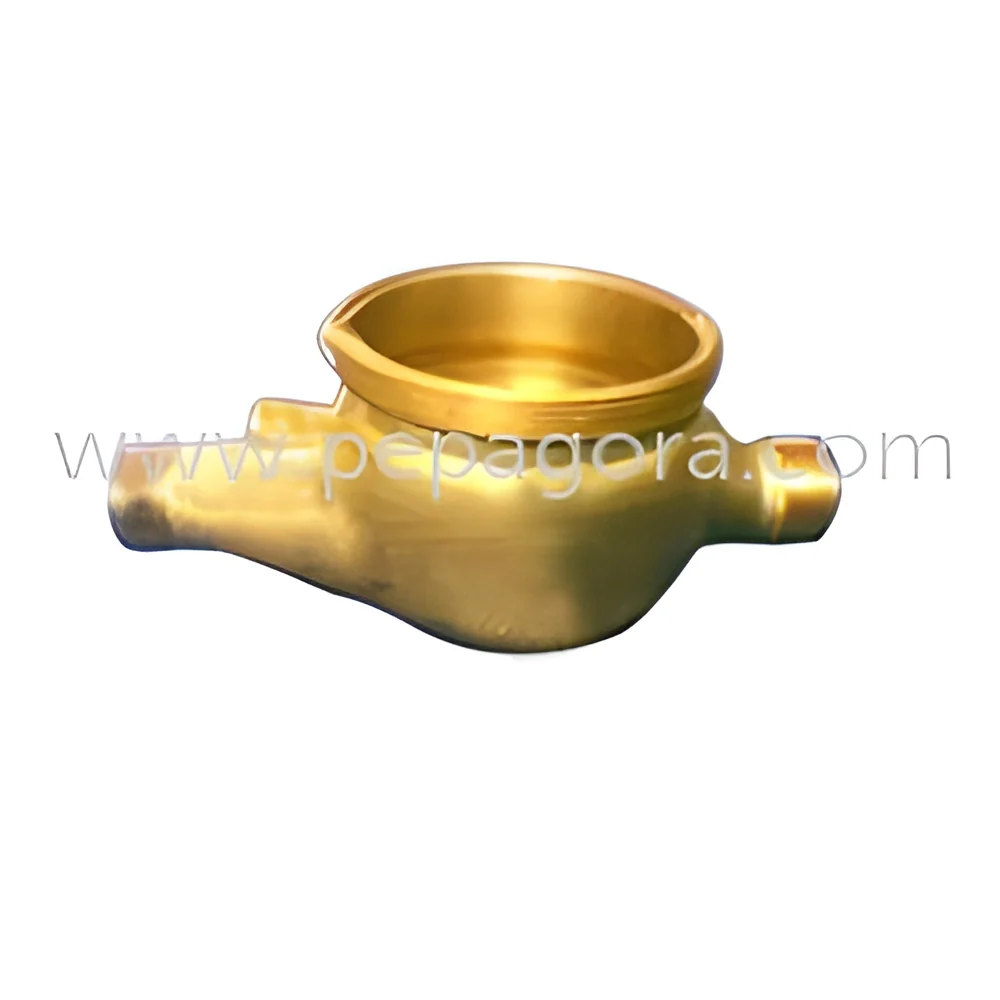
What are Gas Regulators & Flow Meters?
Gas regulators and flow meters are essential components in managing and measuring gas flow in various industrial applications. Gas regulators control the pressure of gases, ensuring they are delivered at a consistent and safe rate. Flow meters, on the other hand, measure the volume or mass of gas flowing through a system, providing critical data for monitoring and control.
These devices are widely used across numerous industries, including manufacturing, energy, and food processing. In manufacturing, gas regulators and flow meters are crucial for controlling processes that require precise gas measurements. In the energy sector, they manage the distribution of natural gas, while in food processing, they ensure the safe handling of gases used in preservation and packaging. Overall, their relevance in the industry is underscored by the need for safety, efficiency, and compliance with regulatory standards.
Key Features and Specifications
Gas regulators and flow meters come equipped with a variety of features designed to enhance performance and reliability. Understanding these specifications is key to selecting the right equipment for specific needs.
Key specifications include:
1. Pressure Regulation
- Ensures consistent gas pressure
- Ranges typically from low to high pressure depending on the application
2. Flow Measurement Type
- Can be volumetric or mass flow measurement
- Options include mechanical, electronic, or thermal measurement types
3. Accuracy
- Indicates the reliability of measurements
- Often expressed as a percentage of the full scale
4. Connection Types
- Includes options such as flanged, threaded, or quick-connect fittings
- Compatibility with existing systems is essential
5. Temperature Range
- Suitable for specific operating environments
- Critical for maintaining performance in varying conditions
6. Material Construction
- Common materials include brass, stainless steel, and plastic
- Chosen based on chemical compatibility and durability
7. Certification Standards
- Compliance with industry standards such as UL and CE
- Ensures safety and reliability in operation
8. Monitoring Capabilities
- Some models offer digital displays or remote monitoring options
- Enhances ease of use and data collection
These specifications help ensure that gas regulators and flow meters meet the demands of industrial applications while providing reliability and safety.
Common Applications and Use Cases
Gas regulators and flow meters are utilized across a range of industries, each with specific applications.
1. Manufacturing: These devices control gas supply in processes such as welding, cutting, and heating, ensuring optimal performance and safety.
2. Energy: In natural gas distribution, regulators maintain supply pressure, while flow meters measure usage for billing and efficiency monitoring.
3. Food Processing: Gas regulators manage gases used in food preservation, while flow meters ensure accurate measurement in packaging processes.
4. Chemical Processing: Precise control of gases is vital in reactions, making gas regulators and flow meters crucial for maintaining safety and accuracy.
5. HVAC Systems: Used to regulate gas flow for heating systems, ensuring efficient operation and comfort.
6. Laboratory Settings: Gas flow measurement is essential in research and testing, requiring high accuracy and reliability.
7. Automotive Industry: Gas regulators are used in fuel systems to maintain consistent fuel delivery and performance.
Product Variants and Subcategories
Gas regulators and flow meters come in different variants to cater to diverse industrial needs.
Standard Gas Regulators
These regulators are designed for general applications and provide reliable pressure control for a variety of gases. They are commonly used in manufacturing and processing industries.
High-Pressure Regulators
Designed for applications requiring higher pressure settings, these regulators ensure safe handling of gases in environments where pressure fluctuations can occur.
Electronic Flow Meters
These meters offer advanced measurement capabilities with digital displays, allowing for accurate monitoring and integration with automated systems.
Ultrasonic Flow Meters
These meters use ultrasonic technology for non-intrusive flow measurement, ideal for sensitive applications where traditional methods may not be suitable.
Benefits and Advantages
Investing in gas regulators and flow meters offers several important benefits.
1. Enhanced Safety: They ensure safe gas pressure levels, reducing the risk of leaks and accidents in industrial environments.
2. Improved Efficiency: Accurate flow measurement leads to optimized processes, minimizing waste and enhancing productivity.
3. Regulatory Compliance: Meeting industry standards ensures that operations align with safety and quality regulations.
4. Cost Savings: Efficient gas management reduces operational costs by minimizing excess consumption and waste.
5. Data Accuracy: Reliable measurement and monitoring improve decision-making and operational efficiency.
6. Versatility: With various models available, these products can be tailored to specific applications across industries.
Buying Guide for B2B Buyers
When sourcing gas regulators and flow meters, buyers should consider several critical factors to ensure they select the most suitable products.
1. Quality Assessment: Evaluate products based on quality standards and durability. Look for certifications that indicate reliability and compliance with industry regulations.
2. Supplier Verification: Vet suppliers to ensure they have a track record of providing reliable products and services. Research their reputation and customer feedback.
3. Pricing and MOQ: Understand the cost structure and minimum order quantities. Compare prices across different suppliers to ensure competitive rates.
4. Delivery and Lead Times: Consider logistics, including delivery schedules and lead times. Ensure suppliers can meet your project timelines consistently.
5. Compliance Requirements: Familiarize yourself with relevant regulatory needs that may affect your choice of gas regulators and flow meters. Compliance can impact safety and operational efficiency.
Compliance and Certifications
Compliance with quality standards is crucial for gas regulators and flow meters. Certifications such as ISO 9001 ensure that manufacturers maintain high-quality management practices throughout the production process. Additionally, industry certifications like UL and CE indicate that products meet safety and performance criteria.
Testing requirements are essential to ensure that these devices operate safely under various conditions. Manufacturers are often required to conduct rigorous testing to confirm product reliability. Regional compliance considerations may vary based on local regulations, emphasizing the importance of sourcing products that meet specific regional standards to avoid legal and operational issues.
Why Source Gas Regulators & Flow Meters from Pepagora?
Pepagora provides a trusted platform for sourcing gas regulators and flow meters, offering several key advantages for B2B buyers.
Verified Supplier Network: Pepagora has a comprehensive network of verified suppliers, ensuring that buyers have access to high-quality products from reputable manufacturers.
Streamlined RFQ Process: The platform simplifies the request for quotation process, allowing buyers to quickly receive competitive quotes from multiple suppliers, saving time and effort.
Trade Assurance and Support: Buyers benefit from trade assurance measures that protect their purchases and ensure satisfactory resolutions in case of issues, fostering a secure buying environment.
Regional Coverage: Pepagora's extensive reach across India, the GCC, and Southeast Asia ensures that buyers can find suitable products locally, enhancing convenience and reducing logistics challenges.

 IN
IN