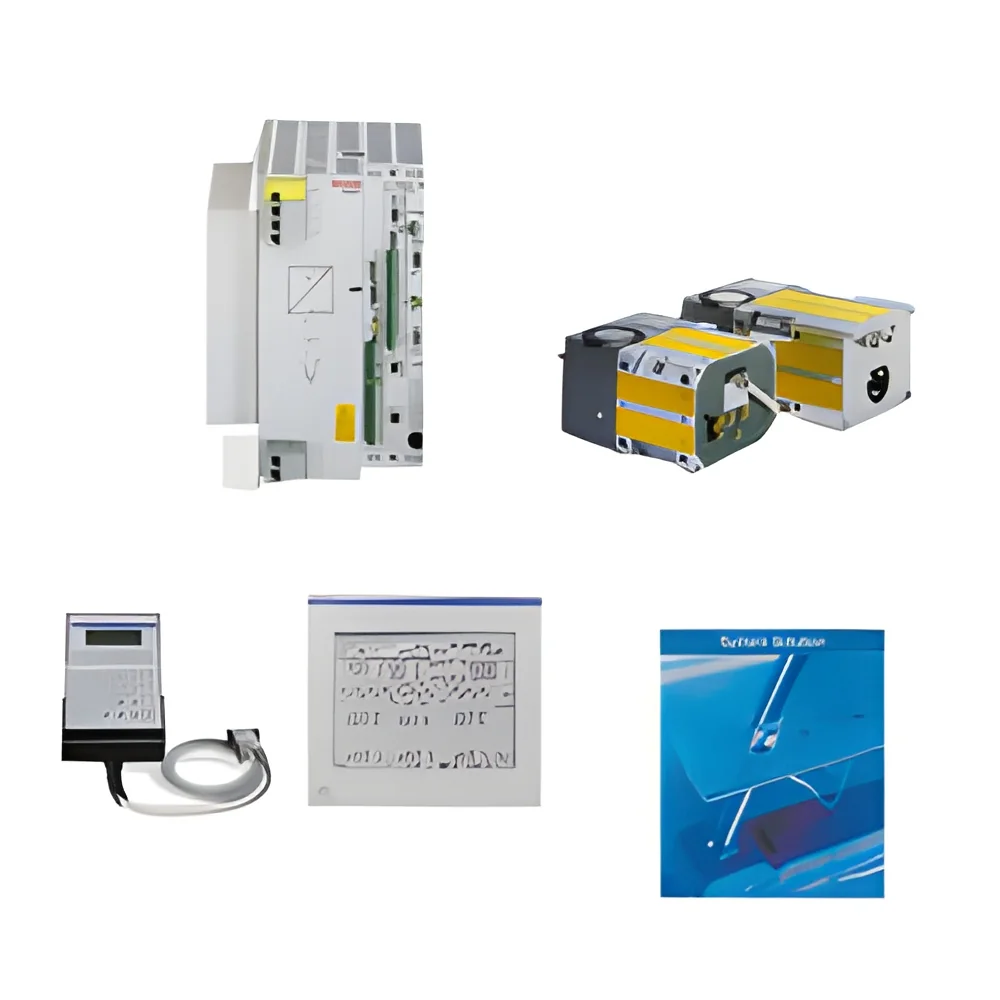
𝗪𝗵𝗮𝘁 𝗮𝗿𝗲 𝗜𝗻𝘃𝗲𝗿𝘁𝗲𝗿 𝗪𝗲𝗹𝗱𝗶𝗻𝗴 𝗠𝗮𝗰𝗵𝗶𝗻𝗲𝘀?
Inverter Welding Machines are advanced welding devices that utilize inverter technology to convert electrical energy into the desired welding current. This technology allows for greater efficiency and control during the welding process. Unlike traditional welding machines, inverter welders are typically lighter and more portable, making them suitable for various environments. They can deliver consistent power and a stable arc, resulting in high-quality welds.
These machines find primary use across multiple sectors, including manufacturing, construction, and automotive industries. They are essential for tasks such as metal fabrication, repair work, and assembly processes. Inverter welding machines are particularly valued for their versatility, enabling users to perform different welding techniques such as MIG, TIG, and stick welding. The growing emphasis on automation and precision in industrial processes further highlights the relevance of inverter welding technology in today’s market.
As industries evolve, the demand for efficient, high-performance welding solutions continues to grow. Inverter welding machines are at the forefront of this trend, providing businesses with the ability to improve productivity while maintaining quality standards. Their adaptability to various welding applications makes them a critical investment for companies looking to enhance their manufacturing capabilities.
𝗞𝗲𝘆 𝗙𝗲𝗮𝘁𝘂𝗿𝗲𝘀 𝗮𝗻𝗱 𝗦𝗽𝗲𝗰𝗶𝗳𝗶𝗰𝗮𝘁𝗶𝗼𝗻𝘀
Inverter Welding Machines are characterized by several key features that contribute to their efficiency and usability. The following specifications outline the essential elements of these machines:
1. Power Output
- Typically ranges from 150 to 300 amps.
- Allows for a variety of welding applications.
2. Duty Cycle
- Generally between 60% and 100%.
- Indicates the machine’s ability to perform continuous welding tasks without overheating.
3. Voltage Input
- Compatible with both single-phase and three-phase power sources.
- Commonly operates within 220V to 440V ranges.
4. Weight
- Lightweight design, usually between 15 to 30 kg.
- Enhances portability for onsite work.
5. Control Features
- Digital displays for easy monitoring.
- Adjustments for arc force and hot start functions.
6. Cooling System
- Built-in cooling mechanisms to prevent overheating.
- Ensures consistent performance during extended use.
7. Welding Techniques Supported
- Multi-process capabilities, including MIG, TIG, and stick welding.
- Provides flexibility for various project needs.
Inverter Welding Machines combine these features to deliver reliable performance in demanding environments. Their technological advancements make them a preferred choice for businesses looking to improve their welding operations.
𝗖𝗼𝗺𝗺𝗼𝗻 𝗔𝗽𝗽𝗹𝗶𝗰𝗮𝘁𝗶𝗼𝗻𝘀 𝗮𝗻𝗱 𝗨𝘀𝗲 𝗖𝗮𝘀𝗲𝘀
Inverter Welding Machines have a broad range of applications across various industries.
1. Manufacturing: In manufacturing, these machines facilitate the fabrication of metal components and assemblies, ensuring precise welds in production lines.
2. Construction: In the construction sector, inverter welders are used for structural steelwork, allowing workers to join steel beams and reinforcements efficiently.
3. Automotive: The automotive industry relies on inverter welding machines for assembling vehicle parts, providing strong and durable welds that meet safety standards.
4. Shipbuilding: In shipbuilding, these machines are employed for welding hulls and other critical components, ensuring reliable performance in harsh marine environments.
5. Aerospace: In aerospace applications, inverter welders help in the assembly of aircraft parts, where precision and quality are paramount.
6. HVAC: In HVAC systems, inverter welding machines are utilized for fabricating ductwork and other components, ensuring airtight and leak-proof connections.
7. Metal Repair: These machines are also invaluable in repair shops for fixing various metal components, providing quick and effective solutions for maintenance needs.
𝗣𝗿𝗼𝗱𝘂𝗰𝘁 𝗩𝗮𝗿𝗶𝗮𝗻𝘁𝘀 𝗮𝗻𝗱 𝗦𝘂𝗯𝗰𝗮𝘁𝗲𝗴𝗼𝗿𝗶𝗲𝘀
Inverter Welding Machines are available in various variants to cater to diverse welding requirements.
Portable Inverter Welders
These lightweight models are designed for easy transportation, making them ideal for fieldwork and onsite repairs. They typically offer multiple welding processes and power settings for versatility.
Industrial Inverter Welders
Geared toward heavy-duty applications, these machines provide higher power output and enhanced duty cycles. They are suitable for large-scale manufacturing and industrial environments where consistent performance is crucial.
Multi-Process Inverter Welders
These versatile machines support multiple welding techniques, including MIG, TIG, and stick welding. They provide flexibility for users who require different welding methods within a single unit.
𝗕𝗲𝗻𝗲𝗳𝗶𝘁𝘀 𝗮𝗻𝗱 𝗔𝗱𝘃𝗮𝗻𝘁𝗮𝗴𝗲𝘀
Inverter Welding Machines offer several advantages that can significantly enhance operational efficiency.
1. Portability: Their lightweight design allows for easy transportation and setup, making them ideal for onsite jobs.
2. Energy Efficiency: Inverter technology consumes less power compared to traditional welding machines, leading to lower energy costs.
3. Versatility: These machines can perform multiple welding processes, catering to a wide range of applications and materials.
4. Precision Control: Advanced control features allow for fine adjustments to welding parameters, resulting in high-quality welds.
5. Reduced Heat Input: Inverter welders produce less heat during the welding process, minimizing warping and distortion of materials.
6. Quick Setup: Many models feature user-friendly interfaces that facilitate easy adjustments and quick setup for various welding tasks.
𝗕𝘂𝘆𝗶𝗻𝗴 𝗚𝘂𝗶𝗱𝗲 𝗳𝗼𝗿 𝗕𝟮𝗕 𝗕𝘂𝘆𝗲𝗿𝘀
When sourcing Inverter Welding Machines, several factors should be considered to ensure the best choice for your business needs.
1. Quality Assessment: Evaluate the machine's build quality and reliability. Look for models with robust construction and positive user reviews to ensure they can withstand demanding applications.
2. Supplier Verification: Vet suppliers thoroughly to confirm their credibility. Check for industry certifications and customer testimonials to ensure they deliver quality products.
3. Pricing and MOQ: Compare prices across different suppliers while considering the minimum order quantity. Ensure the pricing aligns with your budget and expected usage.
4. Delivery and Lead Times: Discuss logistics with suppliers to understand delivery schedules and lead times. Ensure they can meet your timelines for project requirements.
5. Compliance Requirements: Be aware of any regulatory standards that apply to welding machines in your region. Ensure the selected machines comply with relevant safety and quality standards.
𝗖𝗼𝗺𝗽𝗹𝗶𝗮𝗻𝗰𝗲 𝗮𝗻𝗱 𝗖𝗲𝗿𝘁𝗶𝗳𝗶𝗰𝗮𝘁𝗶𝗼𝗻𝘀
Inverter Welding Machines must adhere to several quality and safety standards to ensure their reliability and performance in industrial applications.
ISO 9001 is a key quality management standard that many manufacturers adhere to, ensuring consistent product quality and customer satisfaction. Compliance with this standard indicates a commitment to quality processes and continuous improvement.
CE certification is crucial for machines sold in the European market, signifying conformity with health, safety, and environmental protection standards. This certification assures buyers of the machine's safety and performance.
Safety and testing requirements may include rigorous evaluations to ensure machines operate safely under various conditions. Manufacturers often conduct tests to verify their products' performance, durability, and safety features.
Regional compliance considerations may vary based on local regulations and standards. Businesses should be aware of specific requirements in their geographical area to ensure their welding machines meet all necessary legal obligations.
𝗪𝗵𝘆 𝗦𝗼𝘂𝗿𝗰𝗲 𝗜𝗻𝘃𝗲𝗿𝘁𝗲𝗿 𝗪𝗲𝗹𝗱𝗶𝗻𝗴 𝗠𝗮𝗰𝗵𝗶𝗻𝗲𝘀 𝗳𝗿𝗼𝗺 𝗣𝗲𝗽𝗮𝗴𝗼𝗿𝗮?
Pepagora offers a reliable platform for sourcing Inverter Welding Machines, providing several advantages to B2B buyers.
Verified Supplier Network: Pepagora connects buyers with a network of verified suppliers, ensuring that all listed manufacturers meet stringent quality and reliability standards. This gives buyers confidence in their sourcing decisions.
Streamlined RFQ Process: The platform features an efficient request-for-quotation (RFQ) system that simplifies the procurement process. Buyers can easily request quotes from multiple suppliers, allowing for quick comparisons and informed decisions.
Trade Assurance and Support: Pepagora provides trade assurance to protect buyers throughout the purchasing process. This includes support for resolving disputes and ensuring that transactions are secure and reliable.
Regional Coverage: With a strong presence in India, the GCC, and Southeast Asia, Pepagora offers extensive regional coverage, making it easier for businesses to access local suppliers and meet their unique needs. This broad geographic reach enhances the sourcing experience for customers seeking inverter welding machines.

 IN
IN