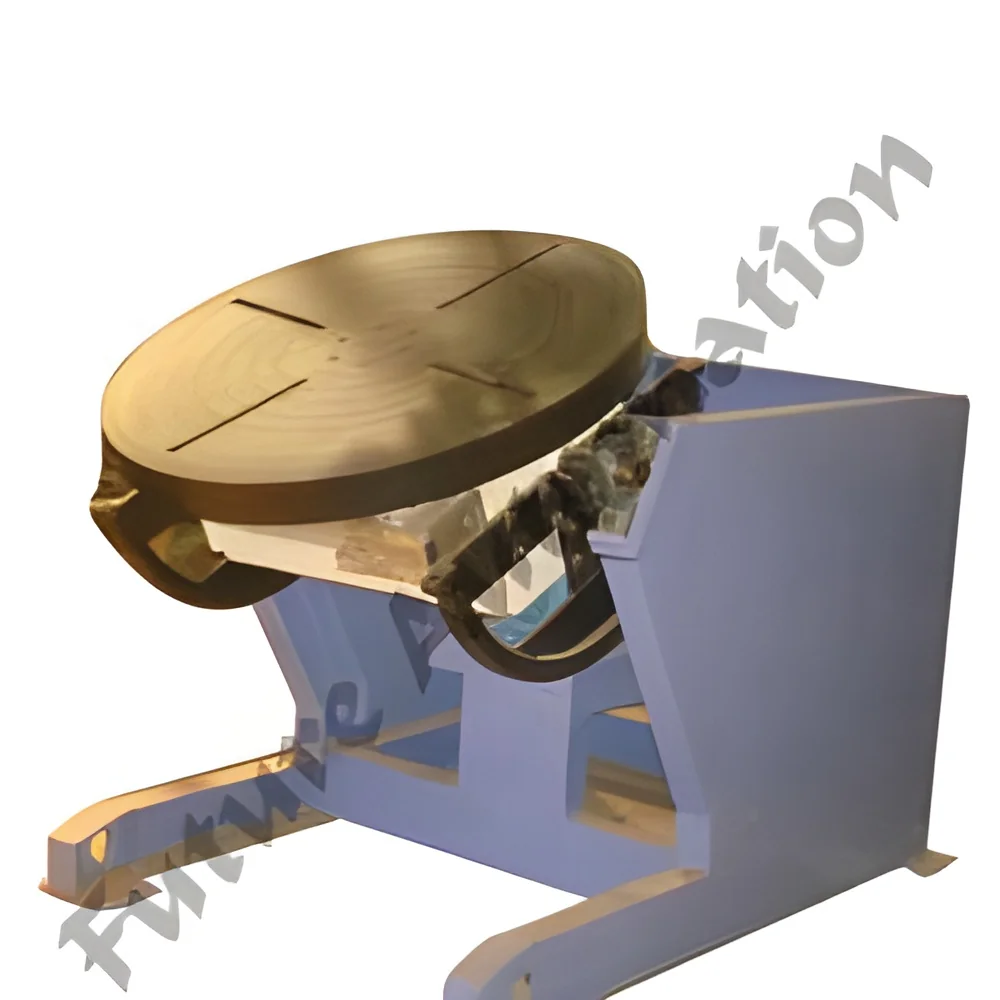
𝗪𝗵𝗮𝘁 𝗮𝗿𝗲 𝗪𝗲𝗹𝗱𝗶𝗻𝗴 𝗣𝗼𝘀𝗶𝘁𝗶𝗼𝗻𝗲𝗿𝘀?
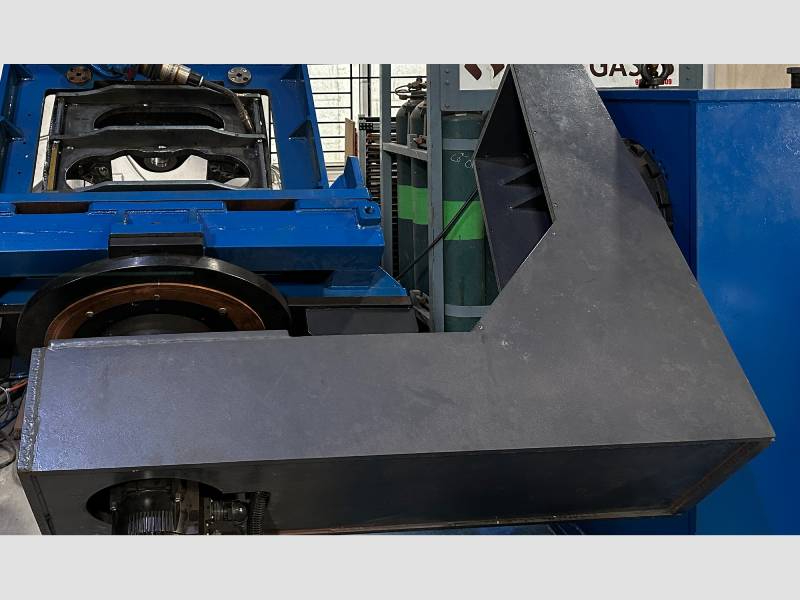
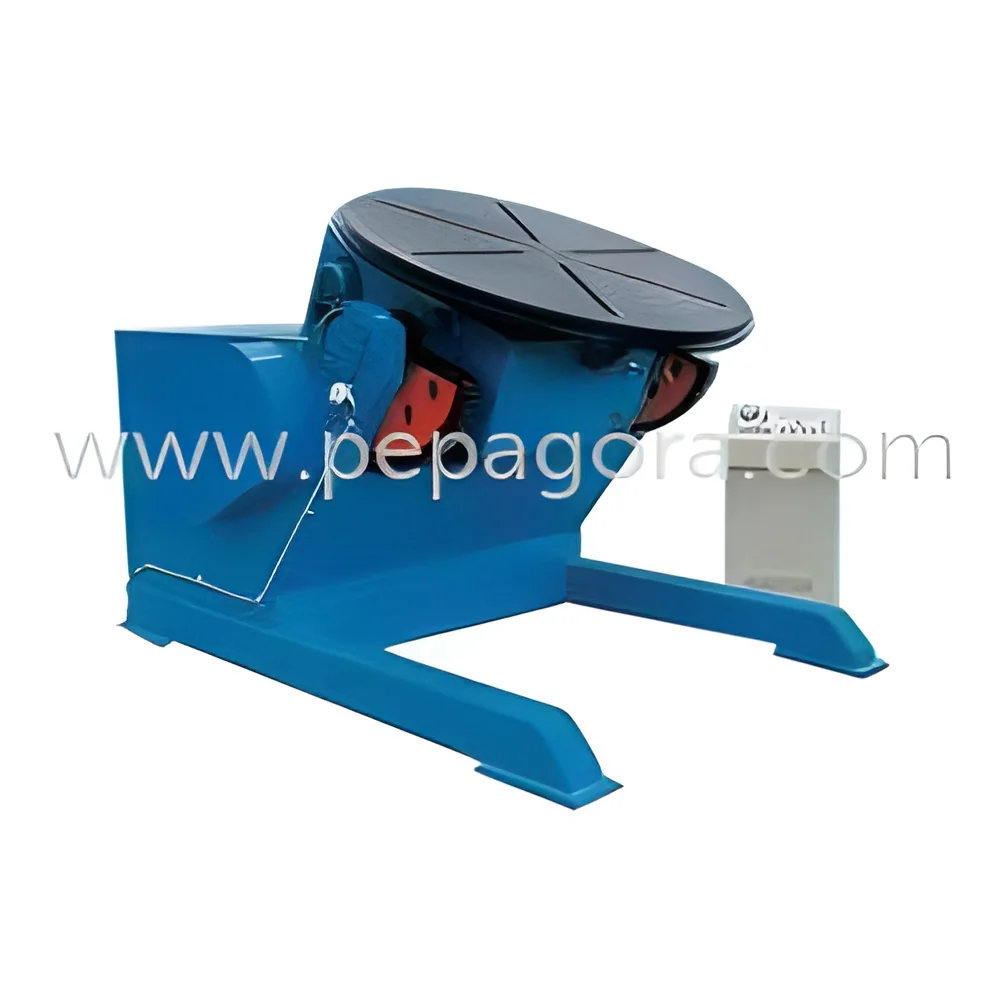
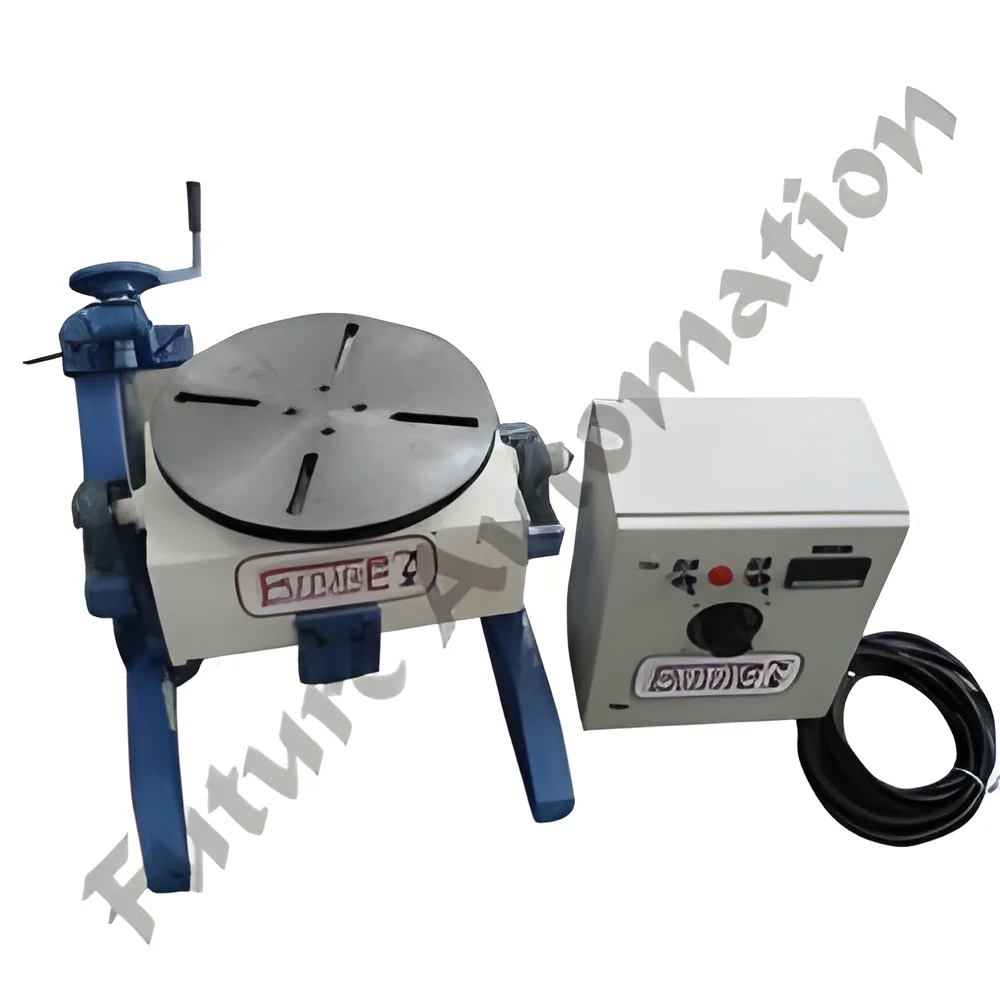
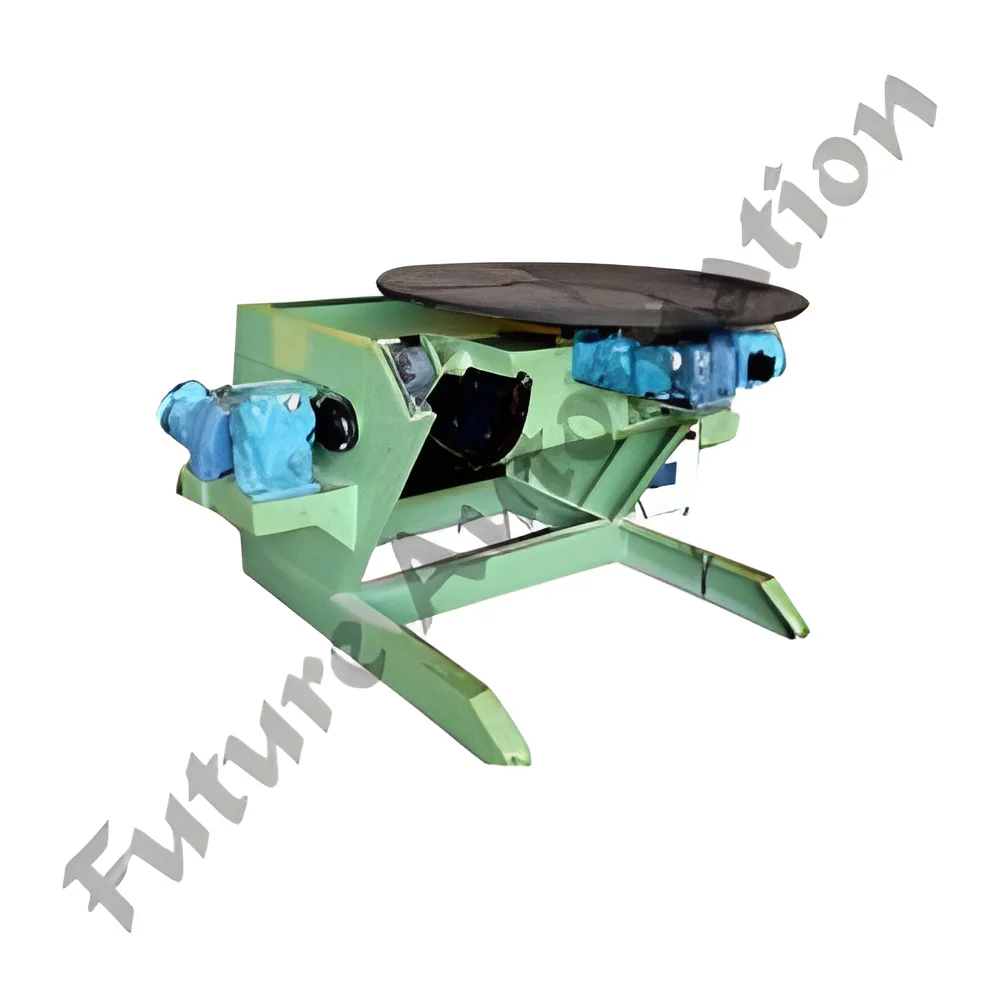
Welding positioners are specialized equipment designed to hold and manipulate workpieces during the welding process. These machines enhance efficiency by allowing welders to work on components at various angles and orientations without manual handling. By providing precise positioning, welding positioners help reduce fatigue for operators and improve overall welding quality.
These devices are primarily used in industries such as manufacturing, construction, and repair services, where they facilitate processes like pipe welding, assembly, and heavy fabrication. Welding positioners are particularly valuable for large or cumbersome parts that require stability and accurate alignment during welding. In the current market, the demand for welding positioners is growing as industries seek to enhance productivity and maintain high quality in their welding operations.
𝗞𝗲𝘆 𝗙𝗲𝗮𝘁𝘂𝗿𝗲𝘀 𝗮𝗻𝗱 𝗦𝗽𝗲𝗰𝗶𝗳𝗶𝗰𝗮𝘁𝗶𝗼𝗻𝘀
Welding positioners come equipped with several key features and specifications that enhance their functionality. Understanding these elements is essential for selecting the right equipment for specific applications.
Key specifications include:
1. Load Capacity
- The maximum weight the positioner can handle, typically ranging from 200 kg to over 3000 kg.
2. Rotation Speed
- The speed at which the positioner can rotate the workpiece, generally varying from 0.1 to 10 revolutions per minute.
3. Tilt Angle
- The adjustable angle of the workpiece, often ranging from 0 to 90 degrees for optimal accessibility.
4. Control System
- Options for manual or automatic controls, allowing for precise adjustments during operation.
5. Dimensions
- Size of the positioner, which can affect workspace compatibility and portability.
6. Power Supply
- Information on the required power source, commonly ranging from 110V to 480V.
7. Safety Features
- Includes overload protection and emergency stop functions to ensure safe operation.
8. Construction Material
- Typically made from durable materials such as steel or aluminum to withstand rigorous use.
In summary, welding positioners offer a range of features that improve the efficiency and safety of welding operations. Their specifications should be carefully considered to meet the needs of specific applications.
𝗖𝗼𝗺𝗺𝗼𝗻 𝗔𝗽𝗽𝗹𝗶𝗰𝗮𝘁𝗶𝗼𝗻𝘀 𝗮𝗻𝗱 𝗨𝘀𝗲 𝗖𝗮𝘀𝗲𝘀
Welding positioners are versatile tools used across multiple industries to enhance the welding process.
1. Automotive Industry: In automotive manufacturing, welding positioners are used for the assembly of frames and body panels, allowing for consistent and high-quality welds.
2. Aerospace Industry: In aerospace, these machines facilitate the complex welding of components such as fuselages and wings, where precision is crucial.
3. Oil and Gas Sector: Welding positioners are used for fabricating large pipes and structures, ensuring welds are completed at optimal angles for strength and durability.
4. Shipbuilding: In shipbuilding, positioners help weld large sections of ships, enabling efficient assembly and repair work.
5. Heavy Machinery: For heavy machinery fabrication, welding positioners allow for the easy manipulation of large components, improving weld quality and operator safety.
6. Construction: In construction applications, these devices are essential for welding structural steel components, ensuring accuracy and stability.
7. Custom Fabrication Shops: Custom metal fabrication shops utilize welding positioners for a variety of projects, allowing for tailored solutions to meet specific customer needs.
𝗣𝗿𝗼𝗱𝘂𝗰𝘁 𝗩𝗮𝗿𝗶𝗮𝗻𝘁𝘀 𝗮𝗻𝗱 𝗦𝘂𝗯𝗰𝗮𝘁𝗲𝗴𝗼𝗿𝗶𝗲𝘀
Welding positioners come in various models to cater to different industrial needs and applications. Each variant is designed with specific features to enhance usability.
Standard Welding Positioners: These are the most common type, featuring basic functions suitable for general welding tasks. They are ideal for smaller workshops and standard applications.
Heavy-Duty Welding Positioners: Designed for larger, heavier components, these positioners offer higher load capacities and enhanced stability. They are suitable for industrial environments where heavy fabrication is common.
Rotary Welding Positioners: These positioners feature a rotating table, allowing for continuous operation and increased efficiency. They are often used in assembly lines for mass production.
𝗕𝗲𝗻𝗲𝗳𝗶𝘁𝘀 𝗮𝗻𝗱 𝗔𝗱𝘃𝗮𝗻𝘁𝗮𝗴𝗲𝘀
Welding positioners provide numerous benefits that enhance the welding process and overall operational efficiency.
1. Improved Productivity: By allowing welders to work at optimal angles, these devices significantly reduce the time taken to complete welds.
2. Enhanced Quality: Positioners ensure precise alignment and stability, leading to higher quality welds and fewer defects.
3. Operator Comfort: By reducing the need for manual handling, welding positioners decrease operator fatigue and improve comfort during long welding sessions.
4. Versatility: These machines can be used in various applications and across multiple industries, making them a flexible solution for welding needs.
5. Safety Enhancements: With integrated safety features, welding positioners help mitigate risks associated with manual welding processes.
6. Cost-Effectiveness: Investing in welding positioners can lead to long-term savings by reducing material waste and improving production efficiency.
𝗕𝘂𝘆𝗶𝗻𝗴 𝗚𝘂𝗶𝗱𝗲 𝗳𝗼𝗿 𝗕𝟮𝗕 𝗕𝘂𝘆𝗲𝗿𝘀
When sourcing welding positioners, several key factors should be taken into account to ensure a suitable purchase.
1. Quality Assessment: Evaluate the quality of materials and construction, looking for established brands with a reputation for reliability.
2. Supplier Verification: Vet potential suppliers to ensure they have a proven track record and positive customer feedback to guarantee dependable service.
3. Pricing and MOQ: Compare pricing structures and consider minimum order quantities to align with your budget and production needs.
4. Delivery and Lead Times: Understand logistics and delivery timelines to ensure that the positioners will arrive when needed without disrupting operations.
5. Compliance Requirements: Be aware of any regulatory standards and certifications, such as CE, that the welding positioners must meet to ensure safety and reliability.
𝗖𝗼𝗺𝗽𝗹𝗶𝗮𝗻𝗰𝗲 𝗮𝗻𝗱 𝗖𝗲𝗿𝘁𝗶𝗳𝗶𝗰𝗮𝘁𝗶𝗼𝗻𝘀
Welding positioners must adhere to various compliance and certification standards to ensure they meet industry requirements. Key quality standards include ISO 9001, which focuses on quality management systems, ensuring that manufacturers maintain consistent quality in their products.
In terms of industry certifications, the CE mark indicates compliance with health, safety, and environmental protection standards for products sold within the European Economic Area. This certification assures buyers that the equipment meets European safety requirements.
Safety and testing requirements are crucial for welding positioners, as these devices must undergo rigorous testing to ensure they operate safely under various conditions. This includes assessing load capacities and operational limits.
Furthermore, regional compliance considerations may vary, and businesses should ensure their suppliers meet local regulations and standards. This attention to compliance helps mitigate risks associated with using non-compliant equipment.
𝗪𝗵𝘆 𝗦𝗼𝘂𝗿𝗰𝗲 𝗪𝗲𝗹𝗱𝗶𝗻𝗴 𝗣𝗼𝘀𝗶𝘁𝗶𝗼𝗻𝗲𝗿𝘀 𝗳𝗿𝗼𝗺 𝗣𝗲𝗽𝗮𝗴𝗼𝗿𝗮?
Pepagora offers a trusted platform for sourcing welding positioners, providing numerous advantages for B2B buyers. One of the key benefits is access to a verified supplier network. Pepagora ensures that all listed suppliers are thoroughly vetted, allowing buyers to engage with reliable manufacturers and distributors.
Additionally, the platform features a streamlined RFQ process. This system simplifies the quotation process, enabling buyers to quickly receive competitive pricing and terms from multiple suppliers, which enhances decision-making efficiency.
Trade assurance and support are also significant advantages offered by Pepagora. The platform provides buyer protection, ensuring that transactions are secure and that buyers receive the products as described. This level of assurance is crucial for businesses investing in equipment.
Finally, Pepagora's regional coverage extends across India, the GCC, and Southeast Asia. This wide geographic reach ensures that buyers can source welding positioners tailored to their specific needs, regardless of location, making Pepagora a valuable resource in the global market for industrial equipment.

 IN
IN