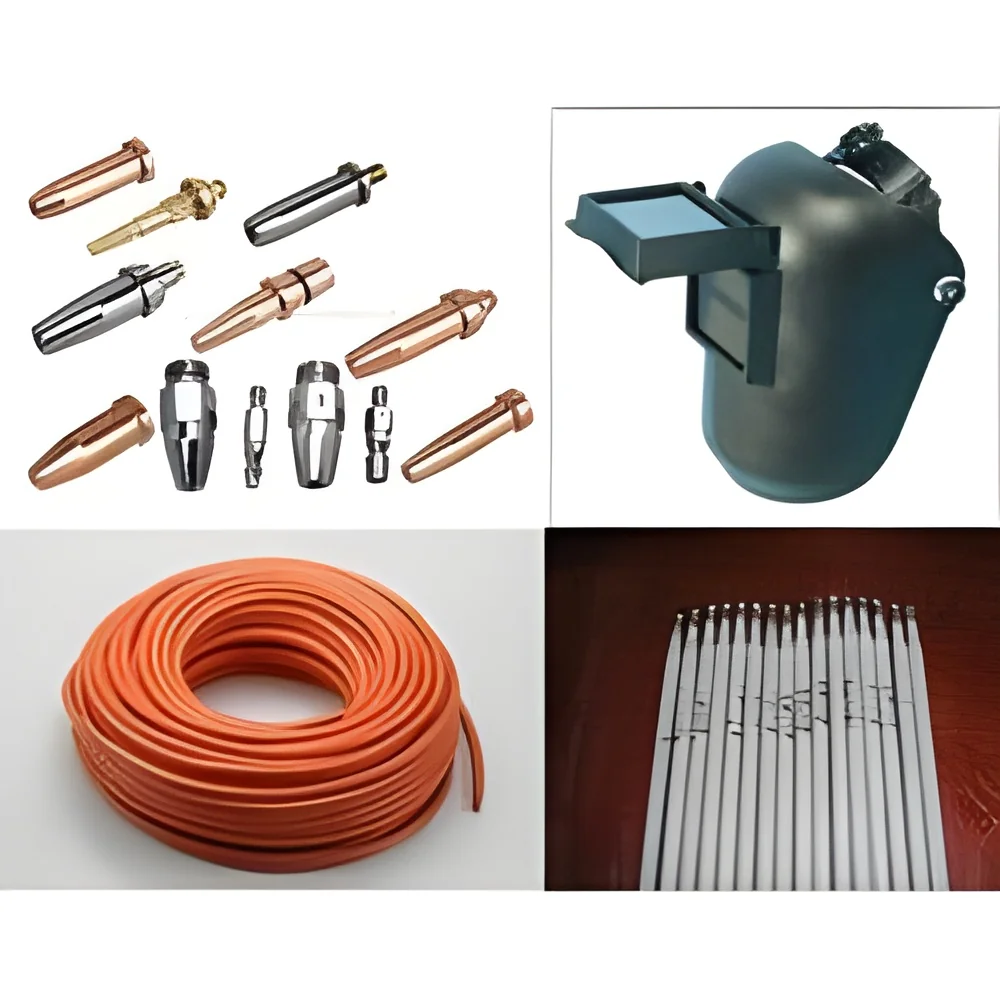
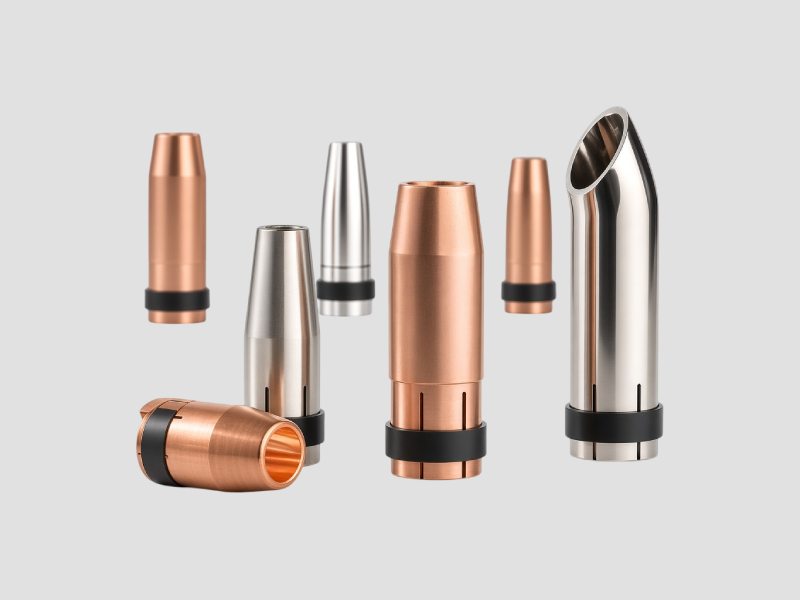
What are Welding Tips & Nozzles?
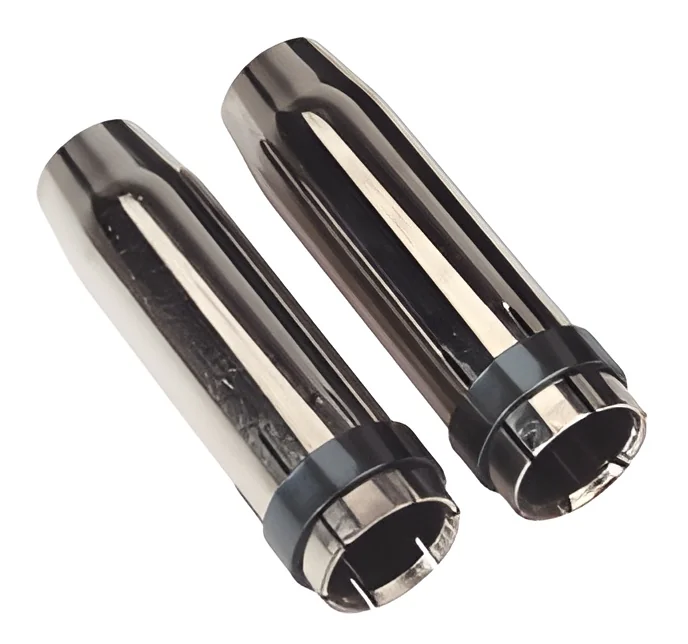
Welding tips and nozzles are vital components used in various welding processes. They serve as the interface between the welding torch and the workpiece, directing the flow of gas and providing a conduit for the welding arc. Welding tips are made from conductive materials that can withstand high temperatures, while nozzles help to focus the gas stream, ensuring efficient shielding of the weld area. The right selection of tips and nozzles is crucial for achieving optimal welding performance and quality.
These components are primarily used in industries that require metal joining, such as manufacturing, construction, and automotive. In these sectors, welding tips and nozzles ensure precise welds and improve the efficiency of welding operations. They are integral to processes like MIG (Metal Inert Gas) and TIG (Tungsten Inert Gas) welding, where the quality of the weld depends significantly on the type of tip and nozzle used. Given the increasing demand for stronger and more durable welds in high-stress applications, the market for welding tips and nozzles continues to grow.
The relevance of welding tips and nozzles in the industry cannot be overstated. As manufacturers seek to optimize their welding processes and improve product quality, the selection of high-performance welding tips and nozzles has become a key consideration. Suppliers are responding to this demand with a variety of options tailored to different welding applications and materials.
Key Features and Specifications
Welding tips and nozzles come with several key features that cater to diverse welding needs. Understanding these specifications is essential for selecting the right components for specific applications.
Key specifications include:
1. Material Composition
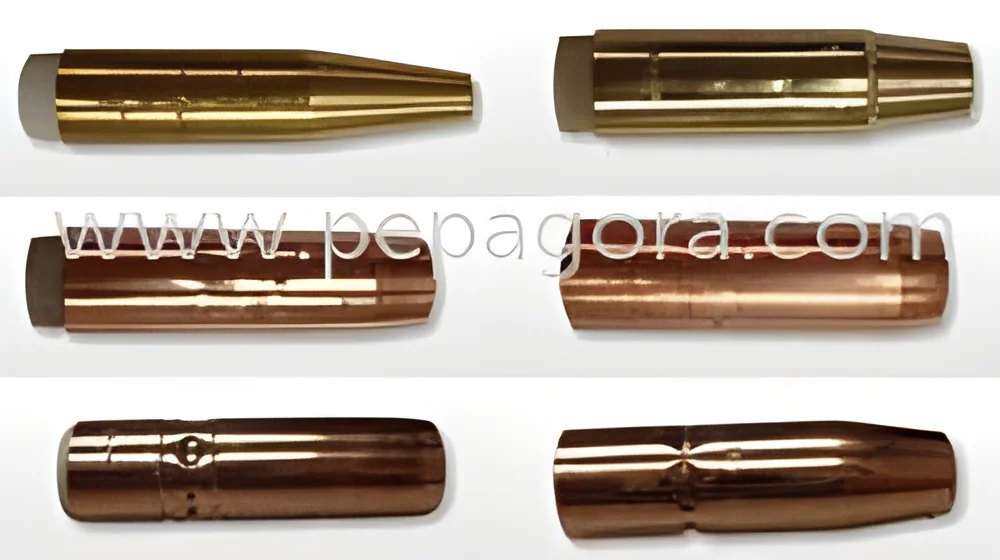
- Typically made from copper or brass to withstand high temperatures
- Resistant to wear and oxidation to ensure longevity
2. Size and Diameter
- Available in various sizes to fit different welding torches
- Common diameters range from 0.030 inches to 0.125 inches
3. Tip Configuration
- Different shapes such as conical, round, and flat for varying applications
- Design affects the heat distribution and welding arc stability
4. Nozzle Length
- Available in standard lengths to accommodate various welding setups
- Longer nozzles provide better shielding for deeper welds
5. Shielding Gas Compatibility
- Designed to work with various shielding gases like Argon and CO2
- Ensures effective protection of the weld pool
6. Heat Resistance
- Can withstand temperatures exceeding 1000 degrees Celsius
- Essential for maintaining performance during prolonged welding
7. Ease of Replacement
- Most tips and nozzles are designed for quick and easy replacement
- Reduces downtime during welding operations
8. Certification and Compliance
- Many products meet industry standards for quality and safety
- Compliance with CE certification ensures reliability in performance
Choosing the right combination of these specifications can greatly enhance welding efficiency and results.
Common Applications and Use Cases
Welding tips and nozzles are essential in a variety of industrial applications, ensuring effective welding processes across different sectors.
1. Automotive Industry: In automotive manufacturing, precise welding is critical for assembling parts and frames. Welding tips and nozzles ensure strong joints in both structural and aesthetic components.
2. Construction Sector: Welding is a key process in the construction of buildings and infrastructure. Tips and nozzles are used to weld metal beams and reinforcements, providing structural integrity.
3. Metal Fabrication: In metal fabrication shops, welding tips and nozzles are utilized for creating custom metal parts. Their versatility allows for different welding techniques tailored to specific projects.
4. Shipbuilding: The shipbuilding industry relies heavily on welding for constructing hulls and superstructures. The right welding tips and nozzles help ensure water-tight seals and strong joints.
5. Aerospace: Aerospace manufacturing requires high precision and strength in welds. Specialized tips and nozzles are used to meet stringent safety and performance standards.
6. HVAC: In heating, ventilation, and air conditioning systems, welding tips and nozzles are used to join metal ductwork and components, ensuring proper airflow and efficiency.
7. Pipeline Construction: Welding tips and nozzles play a vital role in joining pipes in oil and gas pipelines, where reliability and safety are paramount.
Product Variants and Subcategories
Welding tips and nozzles are available in various configurations to meet specific welding requirements. This diversity allows businesses to select the most suitable options for their applications.
Standard Welding Tips
These are the most commonly used tips, designed for general welding applications. They provide reliable performance in a wide range of settings, suitable for both amateur and professional welders.
Specialized Nozzles
These nozzles are tailored for specific welding processes or materials. They may feature unique designs to enhance gas flow or heat concentration, thereby improving weld quality.
High-Temperature Tips
Designed for applications requiring extreme heat resistance, these tips are ideal for welding materials that require higher melting points. They ensure durability and performance under demanding conditions.
Low-Profile Nozzles
These nozzles are designed for working in tight spaces where standard nozzles may not fit. They provide effective shielding for welds in confined areas without compromising quality.
Benefits and Advantages
Welding tips and nozzles offer numerous advantages that contribute to more efficient and effective welding processes.
Key benefits include:
1. Improved Welding Quality: The right tips and nozzles ensure a stable arc and consistent gas flow, resulting in higher-quality welds.
2. Increased Efficiency: Properly designed components minimize downtime by allowing for quick replacements and effective gas shielding.
3. Enhanced Safety: High-quality welding tips and nozzles reduce the risk of defects and failures, contributing to safer working conditions.
4. Versatility: A wide range of options allows for effective use in various materials and welding techniques, meeting diverse industry needs.
5. Long Lifespan: Durable materials ensure that tips and nozzles can withstand high temperatures and wear, leading to lower replacement costs.
6. Cost-Effectiveness: Investing in quality welding tips and nozzles can lead to reduced operational costs through improved efficiency and fewer defects.
Buying Guide for B2B Buyers
When sourcing welding tips and nozzles, B2B buyers should consider several important factors to ensure they make informed purchasing decisions.
1. Quality Assessment: Evaluate the material and construction of tips and nozzles to ensure they meet the demands of your specific welding applications. Look for manufacturers that adhere to industry standards.
2. Supplier Verification: Vet suppliers carefully to confirm their reputation and reliability. Check for reviews and testimonials to ensure they provide quality products consistently.
3. Pricing and MOQ: Understand the pricing structure and minimum order quantities (MOQ) to ensure the purchases align with your budget and operational needs.
4. Delivery and Lead Times: Inquire about logistics and delivery timelines. Timely delivery is crucial for maintaining production schedules and minimizing downtime.
5. Compliance Requirements: Ensure that the products meet all relevant compliance and certification requirements, such as CE certification, to guarantee safety and performance.
Compliance and Certifications
Welding tips and nozzles must adhere to various compliance and certification standards to ensure safety and quality in industrial applications.
Relevant quality standards such as ISO 9001 guarantee that manufacturers follow rigorous quality management practices. Adherence to these standards indicates a commitment to producing reliable products.
Industry certifications like CE signify that the products meet European safety, health, and environmental protection requirements. This certification is particularly important for companies operating in regions with strict regulatory frameworks.
In addition to quality and safety standards, product testing is essential to ensure that welding tips and nozzles can withstand the rigors of industrial use. Manufacturers must conduct tests for durability and performance under specified conditions.
Regional compliance considerations may also vary, requiring buyers to be aware of local regulations and standards that govern the use of welding equipment and components.
Why Source Welding Tips & Nozzles from Pepagora?
Pepagora provides a trusted platform for sourcing welding tips and nozzles, offering several key advantages for B2B buyers.
Verified Supplier Network: Pepagora connects buyers with a network of verified suppliers, ensuring that each product meets high-quality standards. This network helps businesses find reliable sources for their welding supplies.
Streamlined RFQ Process: The platform features a user-friendly request for quotation (RFQ) system, allowing buyers to easily compare prices and specifications from multiple suppliers. This process simplifies sourcing and helps buyers make informed decisions.
Trade Assurance and Support: Pepagora offers trade assurance policies that protect buyers against potential risks associated with sourcing. This support includes assistance throughout the purchasing process, ensuring a smooth transaction.
Regional Coverage: With a strong presence in regions such as India, the GCC, and Southeast Asia, Pepagora provides extensive geographic reach. This coverage allows buyers to tap into local markets while benefiting from competitive pricing and quality products.

 IN
IN