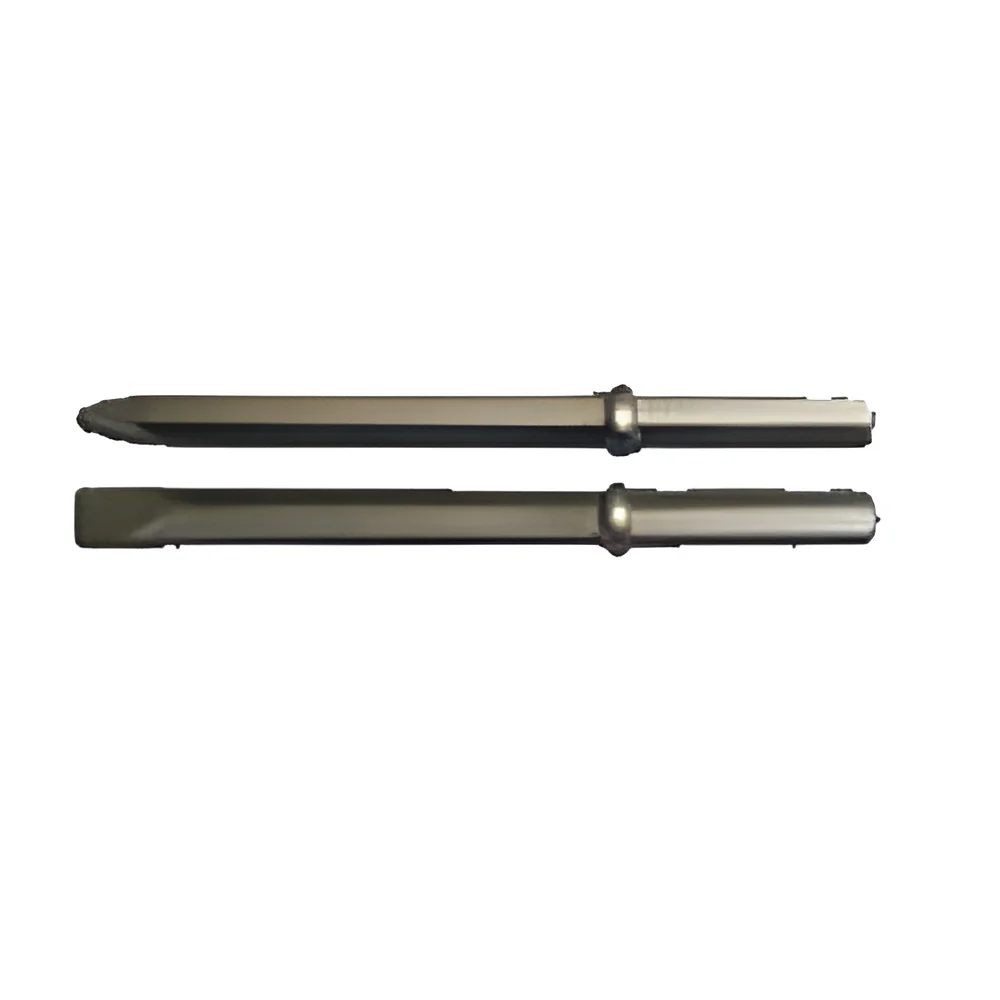
𝗪𝗵𝗮𝘁 𝗮𝗿𝗲 𝗖𝗵𝗶𝗽𝗽𝗶𝗻𝗴 𝗛𝗮𝗺𝗺𝗲𝗿𝘀?
Chipping hammers are specialized tools designed for removing debris, such as concrete, rust, or other materials from surfaces. These tools are typically powered by electricity or compressed air, enabling them to deliver high-impact blows that effectively chip away unwanted material. Their portable design allows for easy maneuverability, making them an essential asset for construction and maintenance tasks.
The primary uses of chipping hammers include surface preparation, concrete demolition, and the removal of coatings or contaminants. They are commonly employed in industries such as construction, manufacturing, and metalworking. Businesses utilize these tools to ensure surfaces are clean and ready for further processing, such as painting or welding. The versatility of chipping hammers makes them relevant in various applications, contributing to improved productivity and efficiency on job sites.
In the current market context, chipping hammers are vital for contractors and maintenance teams. As industries increasingly focus on safety and efficiency, the demand for robust and reliable chipping hammers continues to grow. This trend is further supported by advancements in technology, leading to the development of more efficient and user-friendly models.
𝗞𝗲𝘆 𝗙𝗲𝗮𝘁𝘂𝗿𝗲𝘀 𝗮𝗻𝗱 𝗦𝗽𝗲𝗰𝗶𝗳𝗶𝗰𝗮𝘁𝗶𝗼𝗻𝘀
Chipping hammers come with a variety of features and specifications that enhance their performance and usability. Understanding these specifications can help buyers make informed decisions when selecting a model that fits their needs.
Key specifications include:
1. Power Source
- Electric or pneumatic options available
- Voltage specifications for electric models typically range from 110V to 240V
2. Hammering Rate
- Measured in blows per minute (BPM)
- Common rates range from 1,000 to 3,000 BPM depending on the model
3. Weight
- Usually varies from 5 to 20 pounds
- Heavier models provide more impact force but may be less maneuverable
4. Chisel Size
- Availability of various chisel sizes for different applications
- Standard sizes include 0.5 inches to 1 inch
5. Vibration Control
- Features to minimize operator fatigue
- Advanced models may include anti-vibration technology
6. Sound Level
- Measured in decibels (dB)
- Typical sound levels range from 85 dB to 95 dB
7. Durability
- Built with rugged materials to withstand harsh environments
- Often reinforced to prevent wear and tear
8. Safety Features
- Includes guards and ergonomic designs
- Compliance with safety standards is essential
In summary, these specifications are crucial for determining the suitability of a chipping hammer for specific tasks. Buyers should consider power, weight, and safety features when selecting the right tool.
𝗖𝗼𝗺𝗺𝗼𝗻 𝗔𝗽𝗽𝗹𝗶𝗰𝗮𝘁𝗶𝗼𝗻𝘀 𝗮𝗻𝗱 𝗨𝘀𝗲 𝗖𝗮𝘀𝗲𝘀
Chipping hammers are utilized across multiple industries, serving a broad range of applications.
1. Construction: In construction, chipping hammers are used for surface preparation, including the removal of old concrete, asphalt, and other materials. They are essential for tasks such as resurfacing and demolition.
2. Manufacturing: In manufacturing, these tools help remove excess material from metal parts and components. This is critical for ensuring quality and precision in production processes.
3. Metalworking: Chipping hammers are frequently used in metalworking applications to eliminate rust, scale, and other impurities from metal surfaces. This prepares the material for further processing like welding or coating.
4. Shipbuilding: In shipbuilding, chipping hammers are employed to clean and prepare ship hulls for painting and maintenance. This ensures longevity and protection against corrosion.
5. Road Maintenance: For road maintenance crews, chipping hammers are vital for repairing asphalt and concrete surfaces, allowing for efficient patching and resurfacing.
6. Demolition: In demolition projects, chipping hammers assist in breaking down concrete structures, making them indispensable for deconstruction tasks.
7. Renovation: Renovation projects often require the removal of tiles or old coatings, where chipping hammers play a crucial role in ensuring surfaces are clean for new installations.
𝗣𝗿𝗼𝗱𝘂𝗰𝘁 𝗩𝗮𝗿𝗶𝗮𝗻𝘁𝘀 𝗮𝗻𝗱 𝗦𝘂𝗯𝗰𝗮𝘁𝗲𝗴𝗼𝗿𝗶𝗲𝘀
Chipping hammers come in a variety of models, each catering to specific needs. While subcategories are not available, different models offer unique features that enhance functionality.
Electric Chipping Hammer: This variant is powered by electricity, making it suitable for indoor use. It provides consistent power and is ideal for smaller jobs where portability is essential.
Pneumatic Chipping Hammer: Utilizing compressed air, this type is often more powerful and suited for heavy-duty applications. It is commonly used in construction and demolition tasks where high impact is required.
Lightweight Chipping Hammer: Designed for ease of use, lightweight models are ideal for operators who require maneuverability without sacrificing performance. They are perfect for overhead work and long hours.
Heavy-Duty Chipping Hammer: These hammers are built for the toughest jobs and can handle significant wear and tear. They are preferred in industrial settings where durability is a priority.
𝗕𝗲𝗻𝗲𝗳𝗶𝘁𝘀 𝗮𝗻𝗱 𝗔𝗱𝘃𝗮𝗻𝘁𝗮𝗴𝗲𝘀
Chipping hammers provide numerous benefits that enhance operational efficiency and effectiveness.
1. High Efficiency: Chipping hammers deliver quick results, reducing the time required for surface preparation compared to manual methods.
2. Versatility: These tools can be used across various industries and applications, making them a valuable addition to any toolkit.
3. Improved Safety: Many models are designed with safety features that protect the operator from potential hazards, contributing to a safer work environment.
4. Ergonomic Design: Many chipping hammers feature ergonomic designs that reduce operator fatigue and improve comfort during prolonged use.
5. Cost-Effective: Investing in a chipping hammer can save costs in labor and time, providing a good return on investment for businesses.
6. Easy Maintenance: Most models are designed for easy maintenance, allowing for a longer lifespan and consistent performance.
𝗕𝘂𝘆𝗶𝗻𝗴 𝗚𝘂𝗶𝗱𝗲 𝗳𝗼𝗿 𝗕𝟮𝗕 𝗕𝘂𝘆𝗲𝗿𝘀
When sourcing chipping hammers, businesses should consider several key factors to ensure they select the right tool for their needs.
1. Quality Assessment: Evaluate the quality of materials and construction. Look for tools that meet industry standards for durability and performance.
2. Supplier Verification: Vet potential suppliers to ensure they have a reliable reputation and track record in providing quality products. Check for customer reviews and testimonials.
3. Pricing and MOQ: Understand the price range and any minimum order quantities (MOQ) that may apply. Compare prices among various suppliers while considering the quality of the tools.
4. Delivery and Lead Times: Inquire about delivery schedules and lead times to ensure that tools can be sourced promptly to meet project deadlines.
5. Compliance Requirements: Verify that the products meet relevant industry standards and regulations, ensuring safety and compliance with local laws.
𝗖𝗼𝗺𝗽𝗹𝗶𝗮𝗻𝗰𝗲 𝗮𝗻𝗱 𝗖𝗲𝗿𝘁𝗶𝗳𝗶𝗰𝗮𝘁𝗶𝗼𝗻𝘀
Chipping hammers are subject to various quality standards and certifications that ensure their safety and reliability. Key standards include ISO 9001, which focuses on quality management systems, and CE certification, indicating compliance with European safety requirements.
Safety and testing requirements are paramount in the design and manufacture of chipping hammers. This includes rigorous testing to ensure that tools can withstand the rigors of industrial use without compromising operator safety.
Regional compliance considerations are also essential, especially for businesses operating in multiple countries. Understanding local regulations regarding tool safety and performance is vital for maintaining compliance and ensuring worker safety.
𝗪𝗵𝘆 𝗦𝗼𝘂𝗿𝗰𝗲 𝗖𝗵𝗶𝗽𝗽𝗶𝗻𝗴 𝗛𝗮𝗺𝗺𝗲𝗿𝘀 𝗳𝗿𝗼𝗺 𝗣𝗲𝗽𝗮𝗴𝗼𝗿𝗮?
Pepagora provides a trusted platform for sourcing chipping hammers, offering several key advantages to buyers.
Verified Supplier Network: Pepagora connects buyers with a network of verified suppliers, ensuring that all products meet high standards of quality and reliability. This network provides peace of mind when sourcing equipment.
Streamlined RFQ Process: The platform features a streamlined request for quotation (RFQ) process that simplifies sourcing. Buyers can quickly receive quotes from multiple suppliers, making it easier to compare options.
Trade Assurance and Support: Pepagora offers trade assurance that protects buyers during transactions. This includes buyer protection policies that ensure a secure purchasing experience.
Regional Coverage: With a presence in India, the GCC region, and Southeast Asia, Pepagora provides extensive geographic reach. This allows businesses to source chipping hammers from reliable suppliers across multiple regions, enhancing accessibility and convenience.

 IN
IN