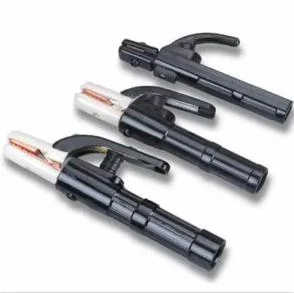
𝗪𝗵𝗮𝘁 𝗮𝗿𝗲 𝗘𝗹𝗲𝗰𝘁𝗿𝗼𝗱𝗲 𝗛𝗼𝗹𝗱𝗲𝗿𝘀?
Electrode holders are essential tools used in various welding and machining applications. They serve the primary function of securely gripping welding electrodes, ensuring a stable connection during the welding process. The design of these holders allows for easy handling and manipulation, which is critical for achieving precise welds. Typically, electrode holders are constructed from durable materials to withstand high temperatures and harsh working environments.
These products find their primary uses in industries such as construction, automotive, manufacturing, and maintenance. In these sectors, electrode holders facilitate processes like arc welding and plasma cutting, where a reliable connection between the electrode and the power source is crucial. Their importance is underscored by the necessity for consistent performance and safety in welding operations, making them a vital component in the toolkit of professionals in these fields.
The market for electrode holders is influenced by advancements in welding technology and increasing demand for high-quality welding solutions. As industries evolve and require more sophisticated welding techniques, the relevance of electrode holders continues to grow. Companies are increasingly seeking products that ensure efficiency and reliability in their operations, further driving the demand for high-performance electrode holders.
𝗞𝗲𝘆 𝗙𝗲𝗮𝘁𝘂𝗿𝗲𝘀 𝗮𝗻𝗱 𝗦𝗽𝗲𝗰𝗶𝗳𝗶𝗰𝗮𝘁𝗶𝗼𝗻𝘀
Electrode holders come with a range of features and specifications that cater to different welding needs. Understanding these specifications can help businesses choose the right product for their applications.
Key specifications include:
1. Material Composition
- Typically made from high-conductivity copper and durable insulation materials.
- Ensures longevity and effective electrical conductivity.
2. Current Rating
- Rated for specific amperages, often ranging from 300A to 600A.
- Determines the maximum current the holder can handle for various welding applications.
3. Length
- Available in different lengths, usually between 200mm to 400mm.
- Longer holders provide better reach in complex welding setups.
4. Insulation Type
- Insulated designs are available to prevent electrical shock.
- Materials used are often heat-resistant to withstand high temperatures.
5. Grip Design
- Ergonomically designed grips for better handling and comfort.
- Some models feature non-slip surfaces for improved control.
6. Electrode Size Compatibility
- Designed to accommodate various electrode sizes, commonly from 1/16 inch to 1/8 inch.
- Ensures versatility in usage across different welding tasks.
7. Weight
- Lightweight designs for ease of use during prolonged operations.
- Heavier models may provide stability but can be tiring over extended periods.
8. Adjustable Clamp Mechanism
- Allows for secure holding of electrodes while permitting quick changes.
- Enhances efficiency by reducing downtime during tasks.
In summary, selecting an electrode holder requires careful consideration of its specifications to ensure optimal performance in specific applications.
𝗖𝗼𝗺𝗺𝗼𝗻 𝗔𝗽𝗽𝗹𝗶𝗰𝗮𝘁𝗶𝗼𝗻𝘀 𝗮𝗻𝗱 𝗨𝘀𝗲 𝗖𝗮𝘀𝗲𝘀
Electrode holders are utilized in a variety of industries, each with unique applications.
1. Construction: In construction, electrode holders are used for welding structural steel and reinforcing bars, ensuring strong connections in buildings and infrastructure projects.
2. Automotive: The automotive industry employs electrode holders for welding car frames and components, where precision and strength are critical for safety and performance.
3. Manufacturing: In manufacturing, these tools are essential for fabricating metal parts and assemblies, enabling efficient production processes.
4. Shipbuilding: Shipbuilders use electrode holders for welding hulls and structural components, which must withstand harsh marine environments.
5. Maintenance and Repair: In maintenance operations, electrode holders aid in repairing machinery and equipment, ensuring that repairs are durable and reliable.
6. Aerospace: The aerospace sector relies on precise welding for aircraft components, where the quality of the weld is paramount for safety.
7. Energy: In the energy sector, particularly in renewable energy projects, electrode holders are used for constructing and maintaining solar panels and wind turbines.
𝗣𝗿𝗼𝗱𝘂𝗰𝘁 𝗩𝗮𝗿𝗶𝗮𝗻𝘁𝘀 𝗮𝗻𝗱 𝗦𝘂𝗯𝗰𝗮𝘁𝗲𝗴𝗼𝗿𝗶𝗲𝘀
Electrode holders come in various designs and configurations to meet different operational needs.
Heavy-Duty Electrode Holders: These are designed for high-amperage applications, often used in industrial settings where robust performance is required. They typically feature reinforced construction to handle extreme conditions.
Lightweight Electrode Holders: Ideal for applications that require mobility and ease of use, these holders are made from lighter materials while still offering necessary strength and performance.
Anti-Slip Electrode Holders: Featuring specialized grips to prevent slipping, these holders are perfect for applications where precision is essential, such as in overhead welding tasks.
Adjustable Electrode Holders: These variants allow users to easily adjust the grip to hold different sizes of electrodes securely, enhancing versatility in various welding processes.
𝗕𝗲𝗻𝗲𝗳𝗶𝘁𝘀 𝗮𝗻𝗱 𝗔𝗱𝘃𝗮𝗻𝘁𝗮𝗴𝗲𝘀
Using quality electrode holders provides several advantages to businesses.
1. Enhanced Safety: Quality holders reduce the risk of electrical shock and ensure safe handling of electrodes during welding.
2. Improved Efficiency: Well-designed holders facilitate quick electrode changes, minimizing downtime and increasing productivity.
3. Durability: High-quality materials ensure longevity, reducing the need for frequent replacements and saving costs over time.
4. Consistent Performance: Reliable holders provide stable electrical connections, leading to consistent and high-quality welds.
5. Ergonomic Design: Comfortable grips reduce fatigue during use, allowing operators to work longer without discomfort.
6. Versatility: Many holders can accommodate various electrode sizes, making them suitable for a wide range of applications.
𝗕𝘂𝘆𝗶𝗻𝗴 𝗚𝘂𝗶𝗱𝗲 𝗳𝗼𝗿 𝗕𝟮𝗕 𝗕𝘂𝘆𝗲𝗿𝘀
When sourcing electrode holders, several factors should be considered to ensure the best purchase decision.
1. Quality Assessment: Evaluate the materials and construction of the electrode holders. Look for reputable brands known for their quality and durability.
2. Supplier Verification: Confirm the reliability of suppliers by checking their credentials and previous customer feedback. A verified supplier is essential for consistent quality.
3. Pricing and MOQ: Understand the pricing structure and minimum order quantities (MOQ) set by suppliers. This information helps in budgeting and planning for inventory needs.
4. Delivery and Lead Times: Inquire about the expected delivery timelines and lead times to ensure that products arrive when needed for projects.
5. Compliance Requirements: Ensure that the products meet relevant safety and quality standards. Compliance with industry regulations is crucial for operational safety and efficiency.
𝗖𝗼𝗺𝗽𝗹𝗶𝗮𝗻𝗰𝗲 𝗮𝗻𝗱 𝗖𝗲𝗿𝘁𝗶𝗳𝗶𝗰𝗮𝘁𝗶𝗼𝗻𝘀
Electrode holders must adhere to specific compliance standards to ensure safety and quality in various applications.
Relevant quality standards, such as ISO 9001, focus on maintaining high-quality management systems across manufacturing processes. Adherence to these standards is important for ensuring consistency in product quality.
Industry certifications like CE indicate that the product complies with European safety and health requirements. This certification assures buyers of the product’s reliability and safety.
Additionally, safety and testing requirements should be met to guarantee that the holders can withstand the demands of high-temperature environments. Regular testing ensures that the holders perform effectively under operational stresses.
Regional compliance considerations may also play a role, as different regions may have specific regulations regarding the use of electrical equipment. Understanding these regulations is essential for businesses operating in multiple regions.
𝗪𝗵𝘆 𝗦𝗼𝘂𝗿𝗰𝗲 𝗘𝗹𝗲𝗰𝘁𝗿𝗼𝗱𝗲 𝗛𝗼𝗹𝗱𝗲𝗿𝘀 𝗳𝗿𝗼𝗺 𝗣𝗲𝗽𝗮𝗴𝗼𝗿𝗮?
Pepagora provides a trusted platform for sourcing electrode holders, offering numerous advantages to B2B buyers.
Verified Supplier Network: Pepagora features a network of verified suppliers, ensuring that buyers can access high-quality electrode holders from reputable manufacturers. This verification process helps minimize risks associated with sourcing.
Streamlined RFQ Process: The Request for Quotation (RFQ) process on Pepagora is designed to facilitate quick and efficient procurement. Buyers can easily compare offers from multiple suppliers, making informed decisions based on their specific requirements.
Trade Assurance and Support: Pepagora offers trade assurance and support services to protect buyers throughout the purchasing process. This includes assistance with resolving disputes and ensuring that products meet agreed-upon specifications.
Regional Coverage: With a strong presence in India, the GCC, and Southeast Asia, Pepagora caters to a diverse market. This geographic reach allows buyers to find local suppliers and streamline logistics, ensuring timely delivery and support.

 IN
IN