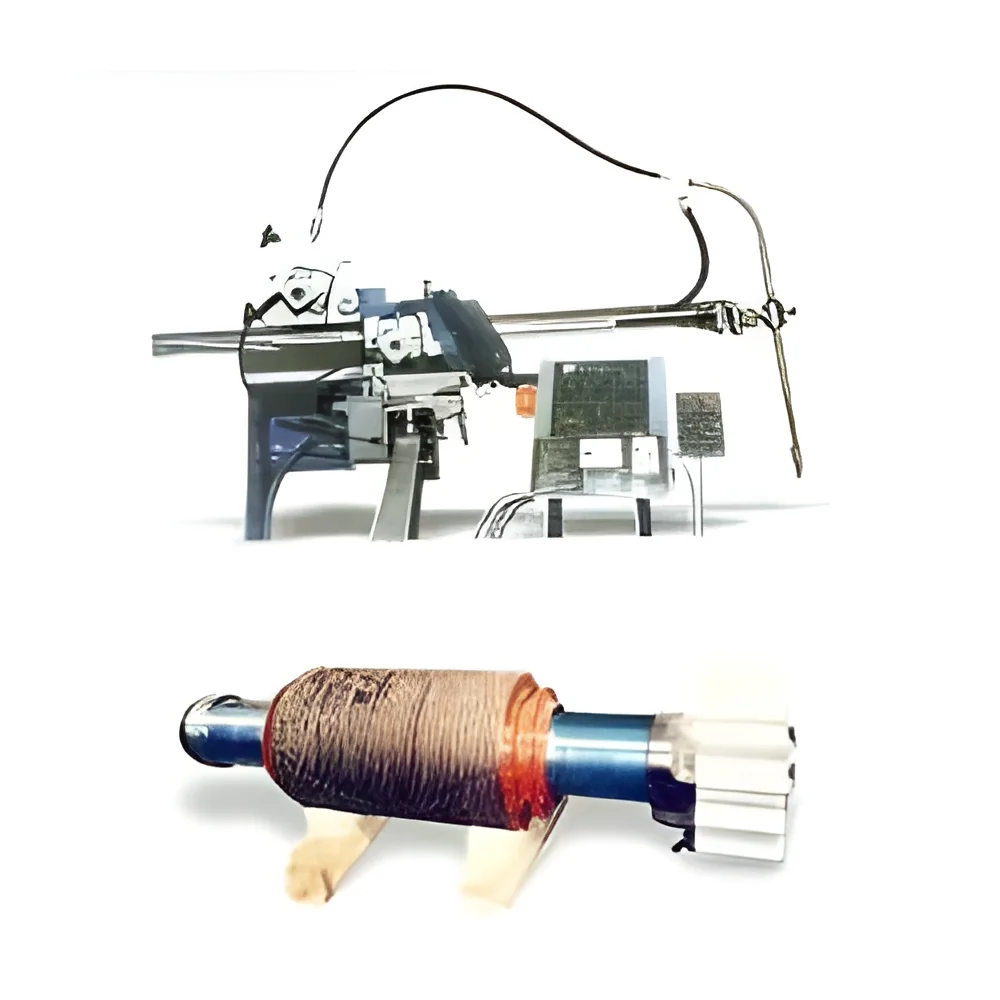
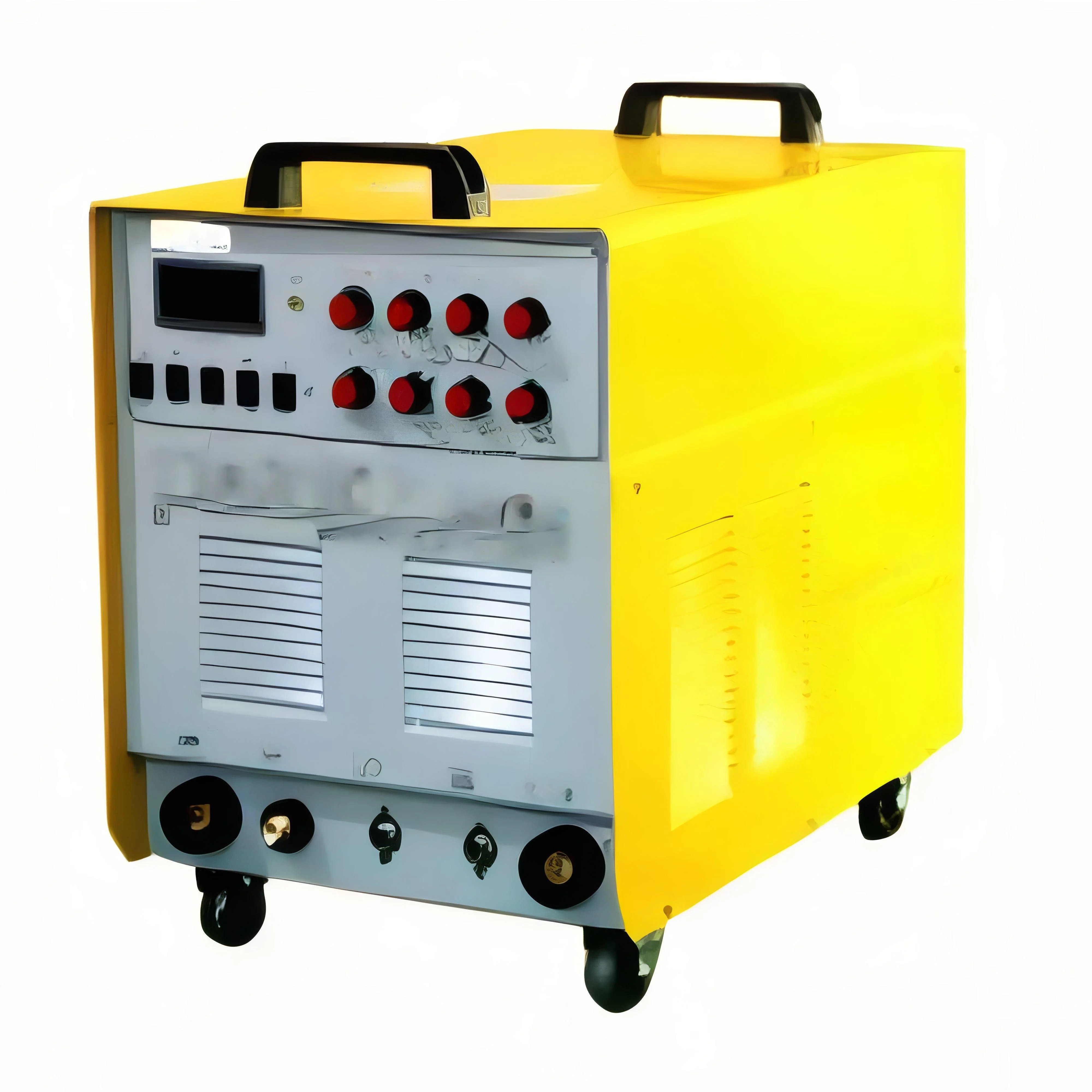
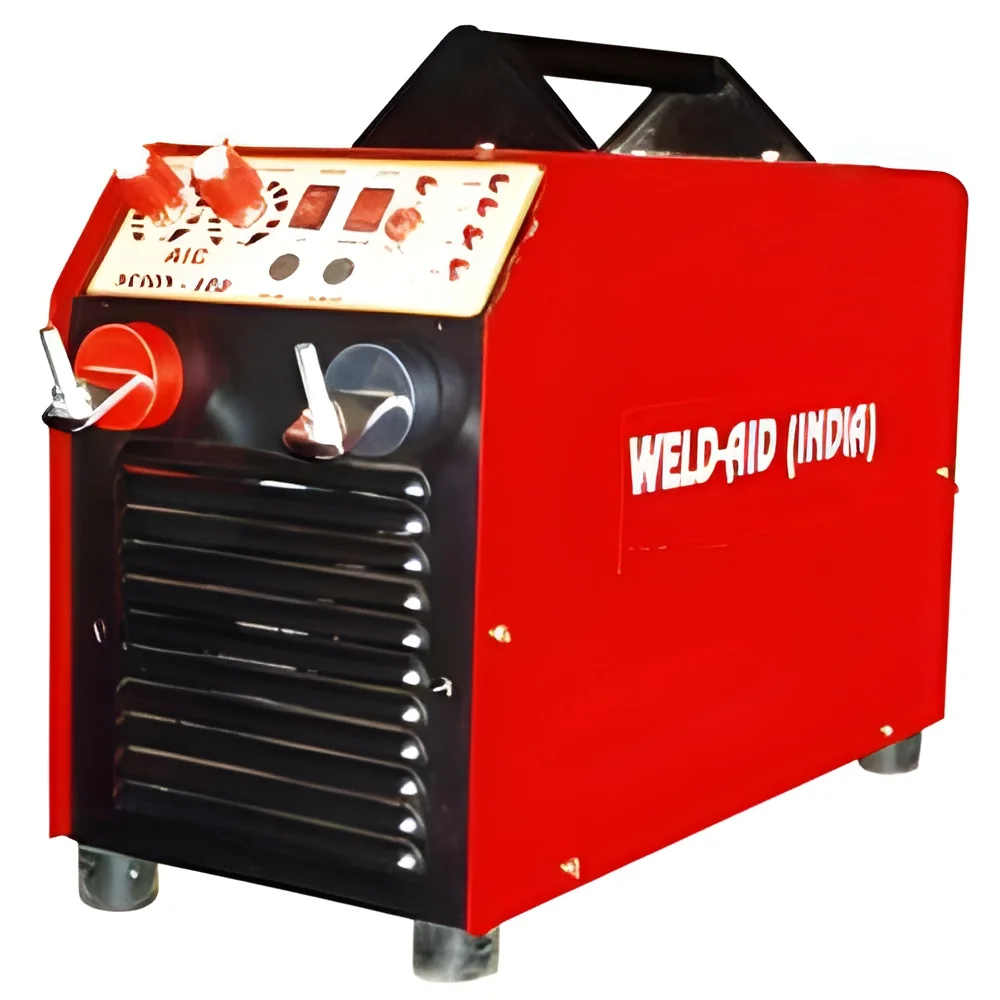
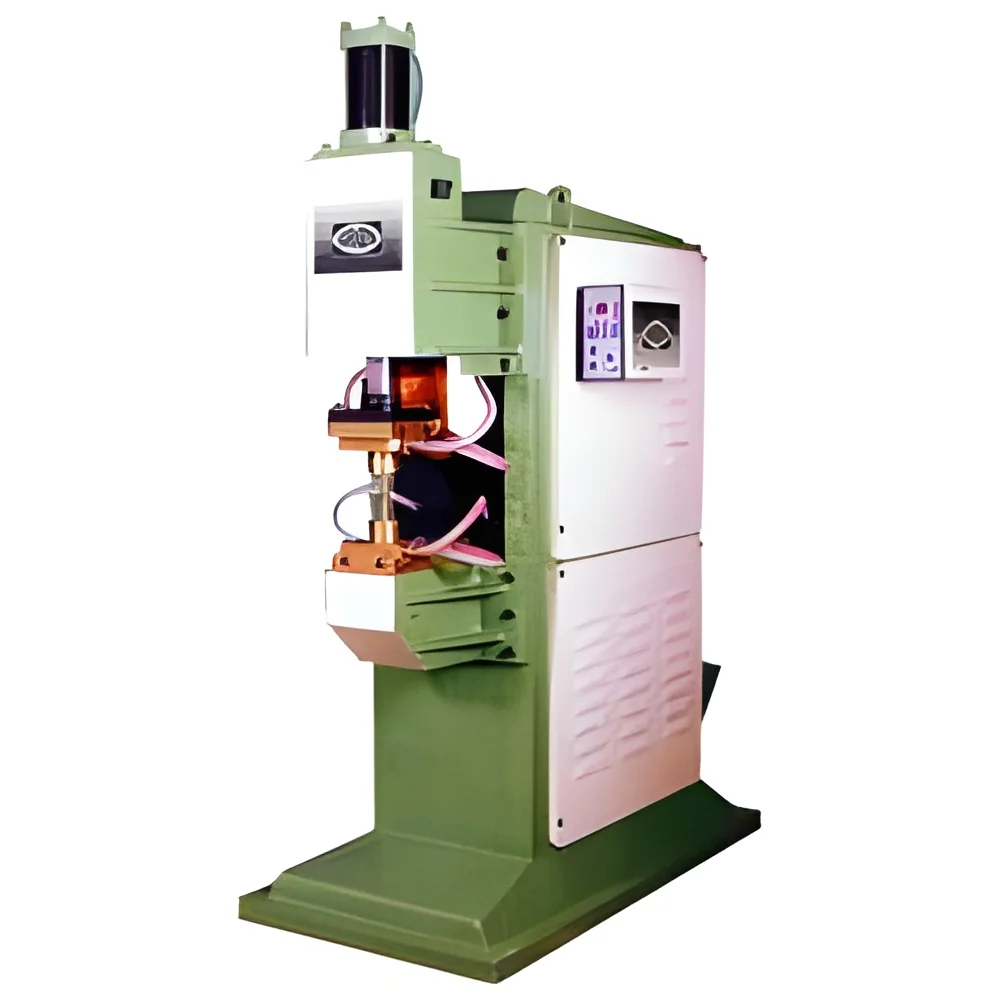
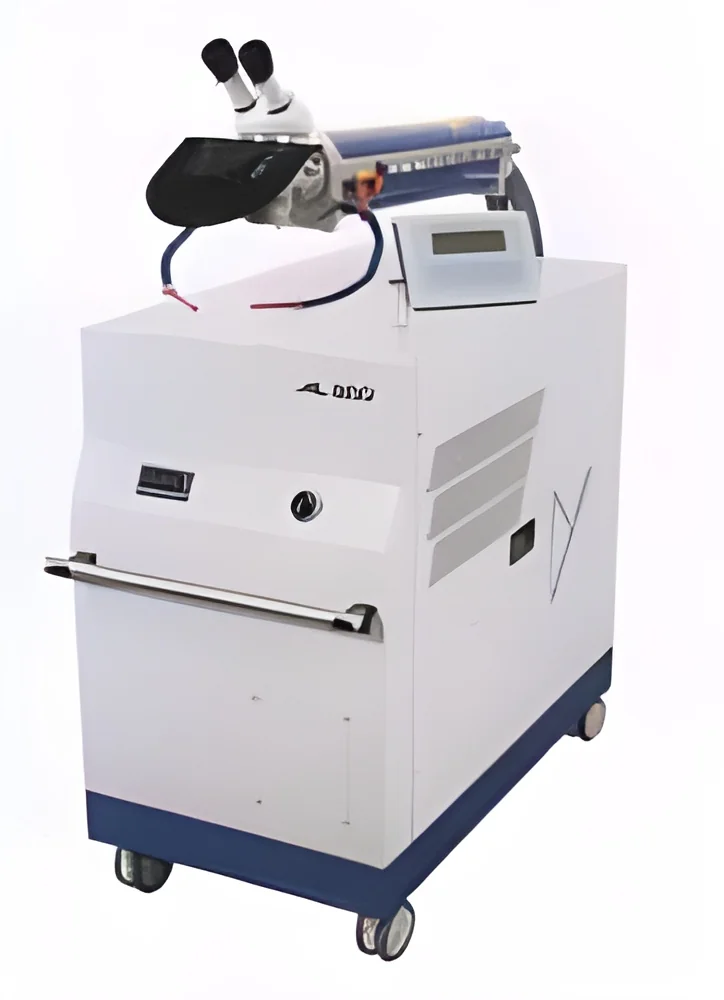
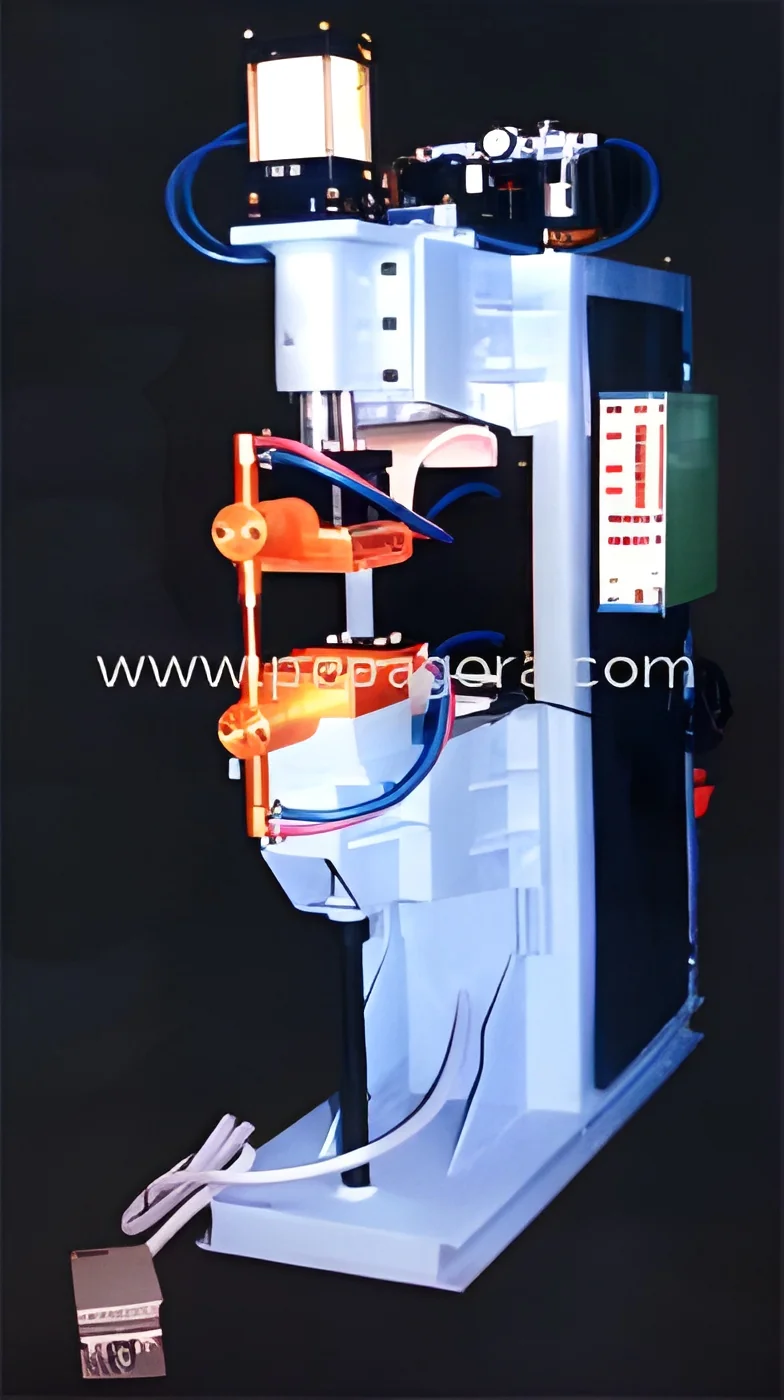
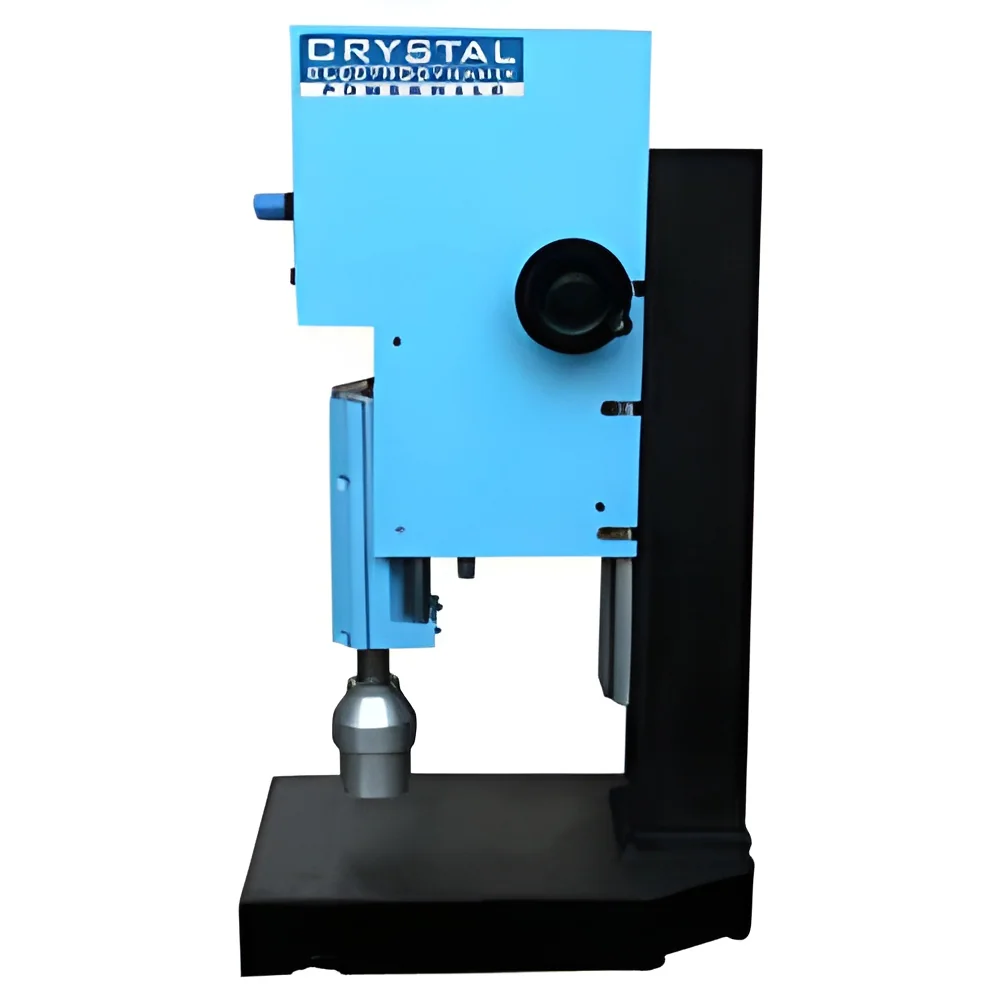
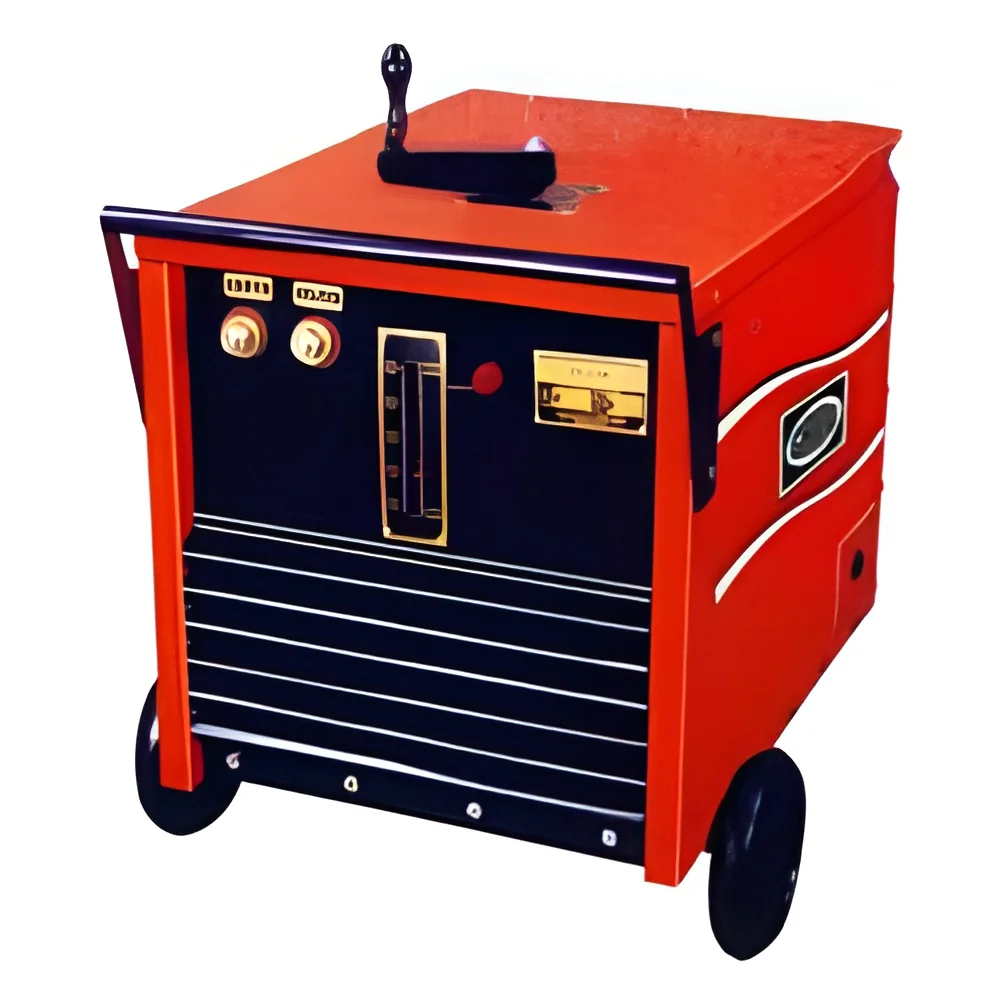
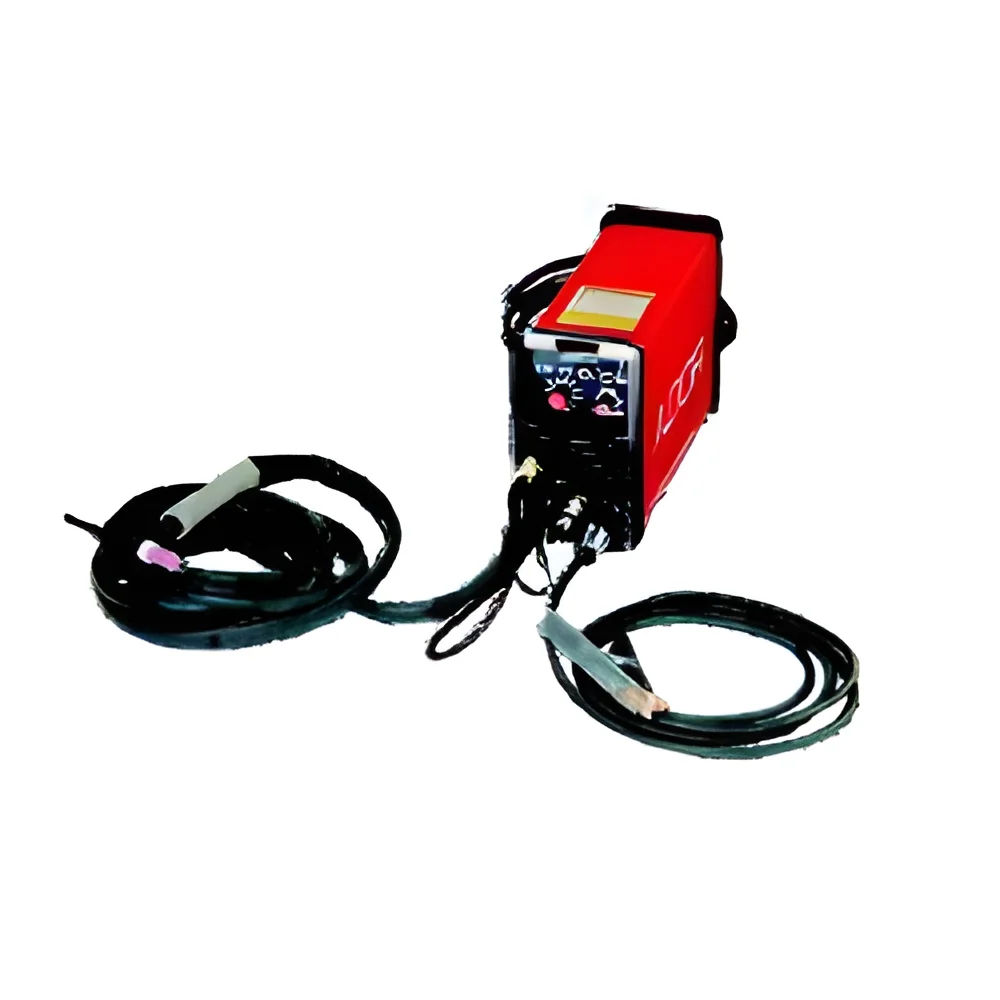
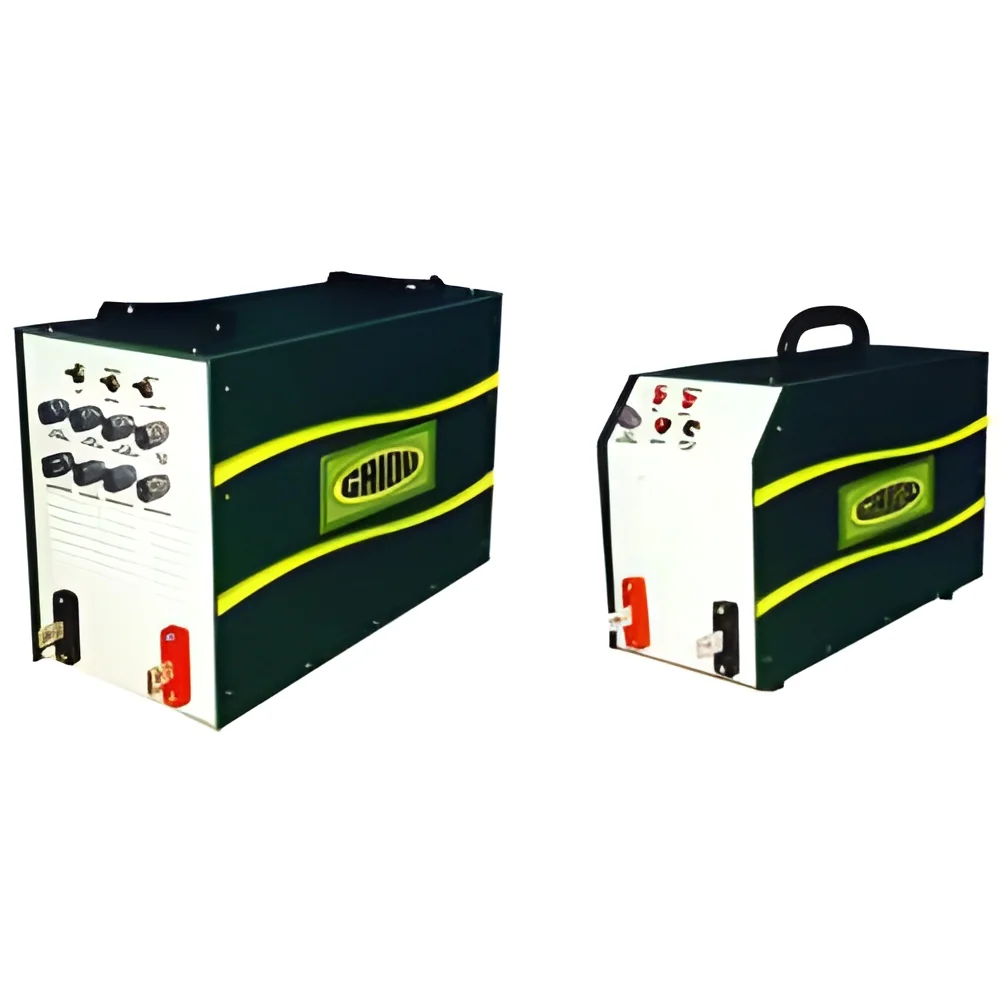
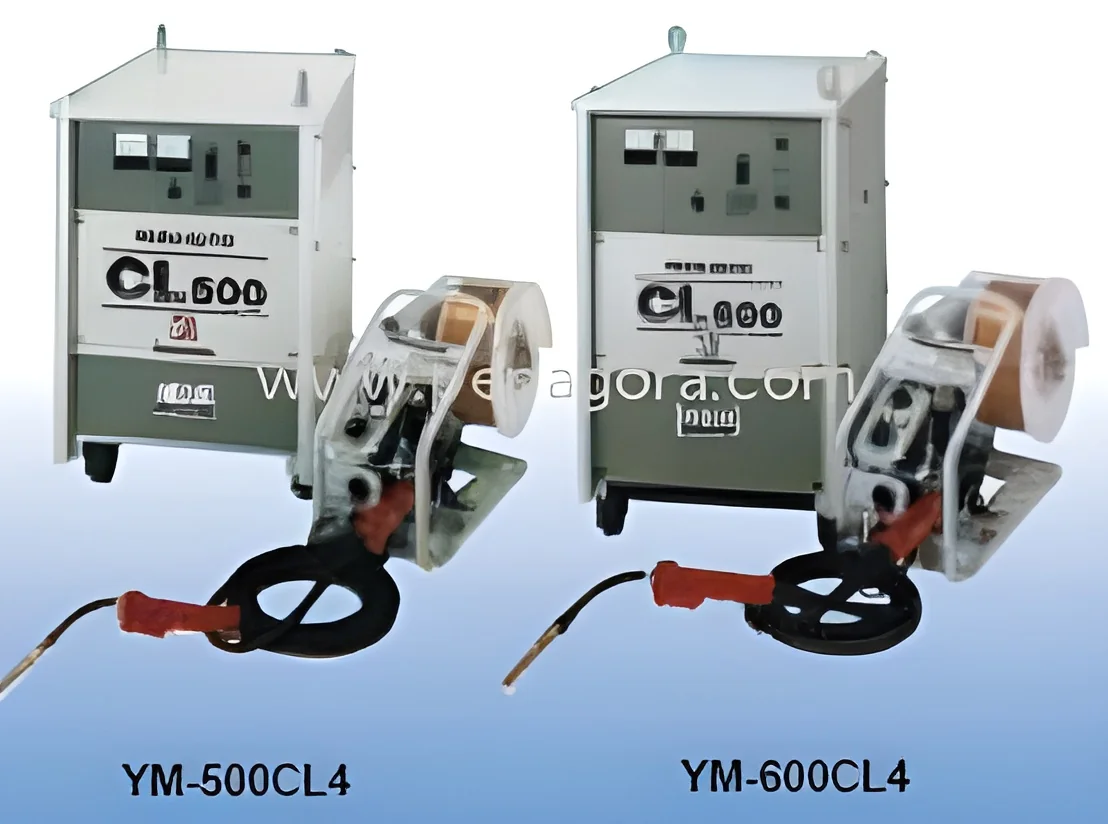
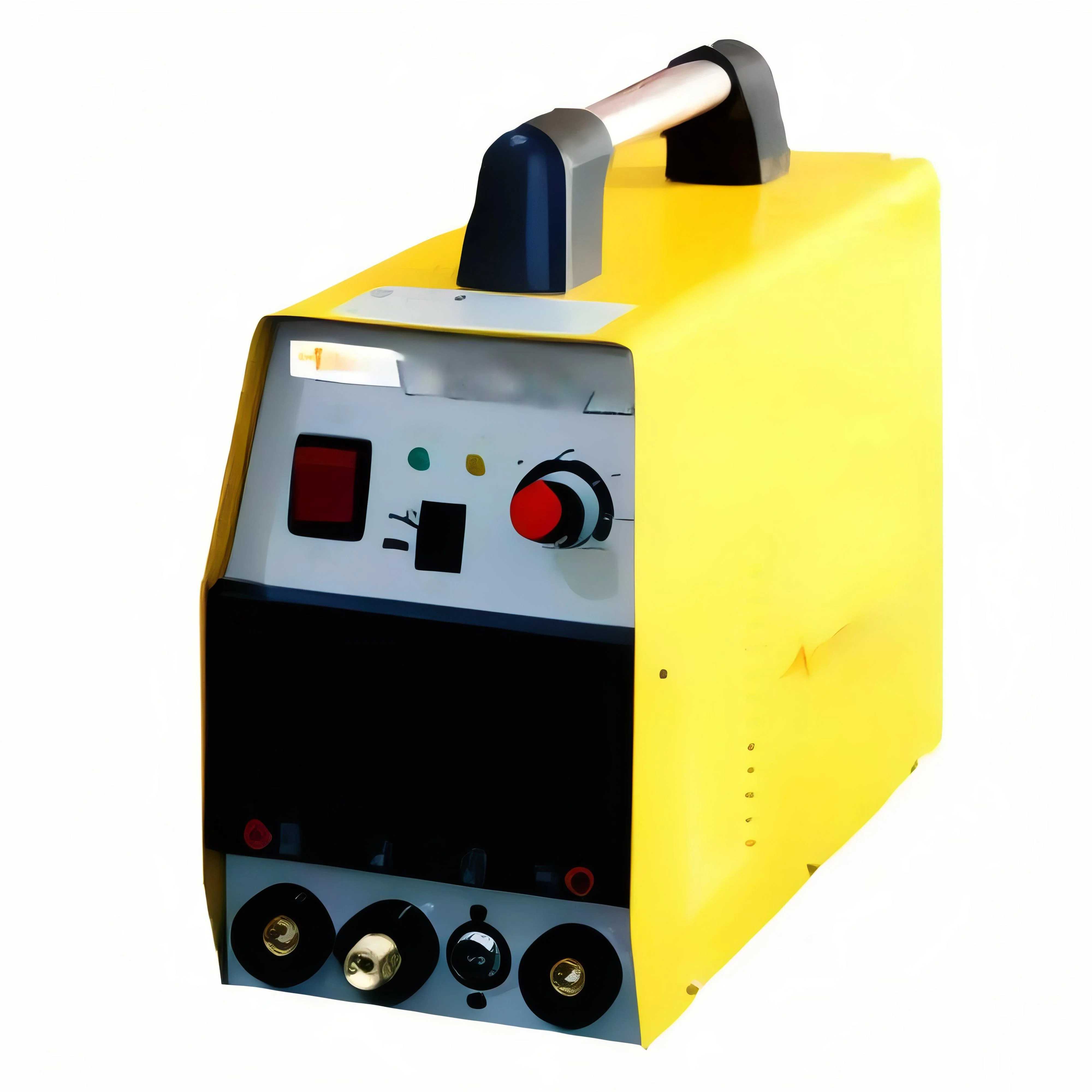
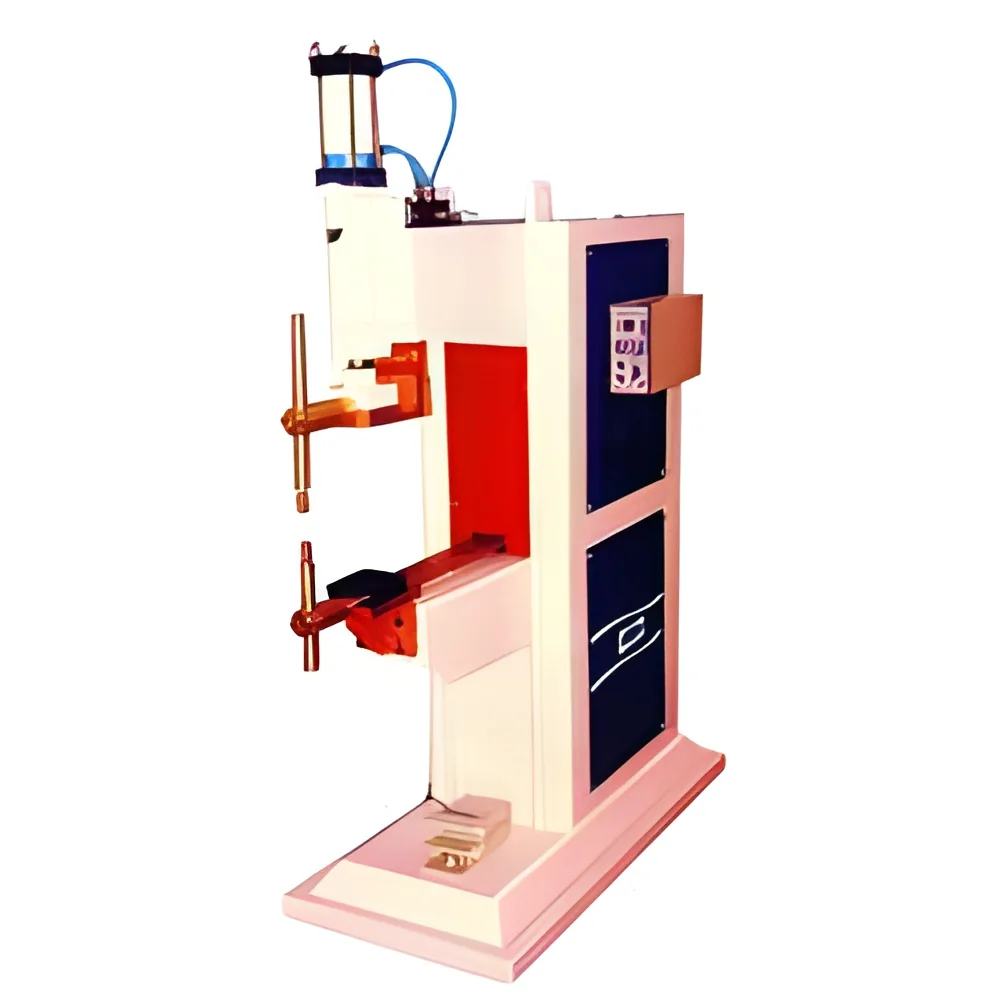
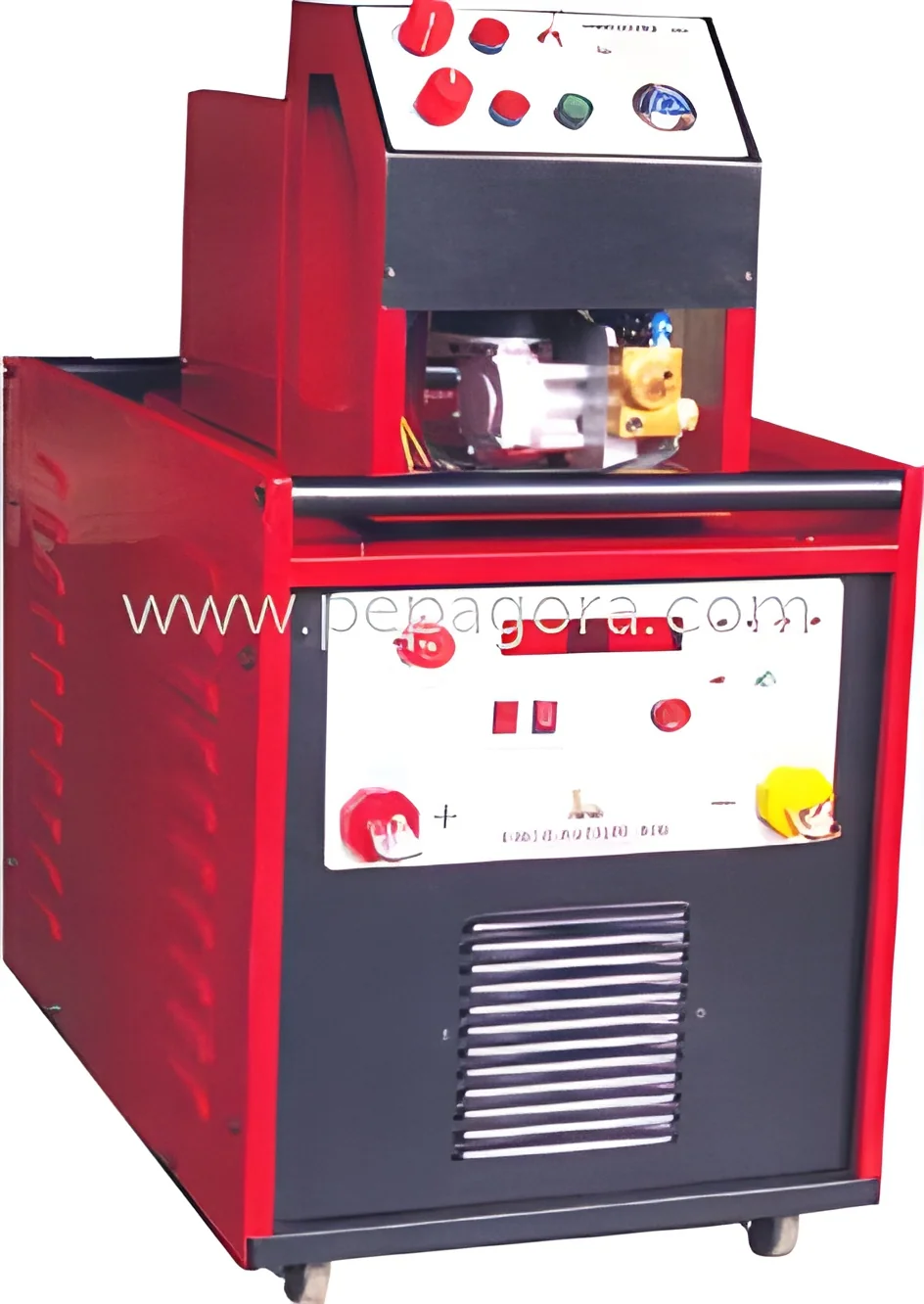
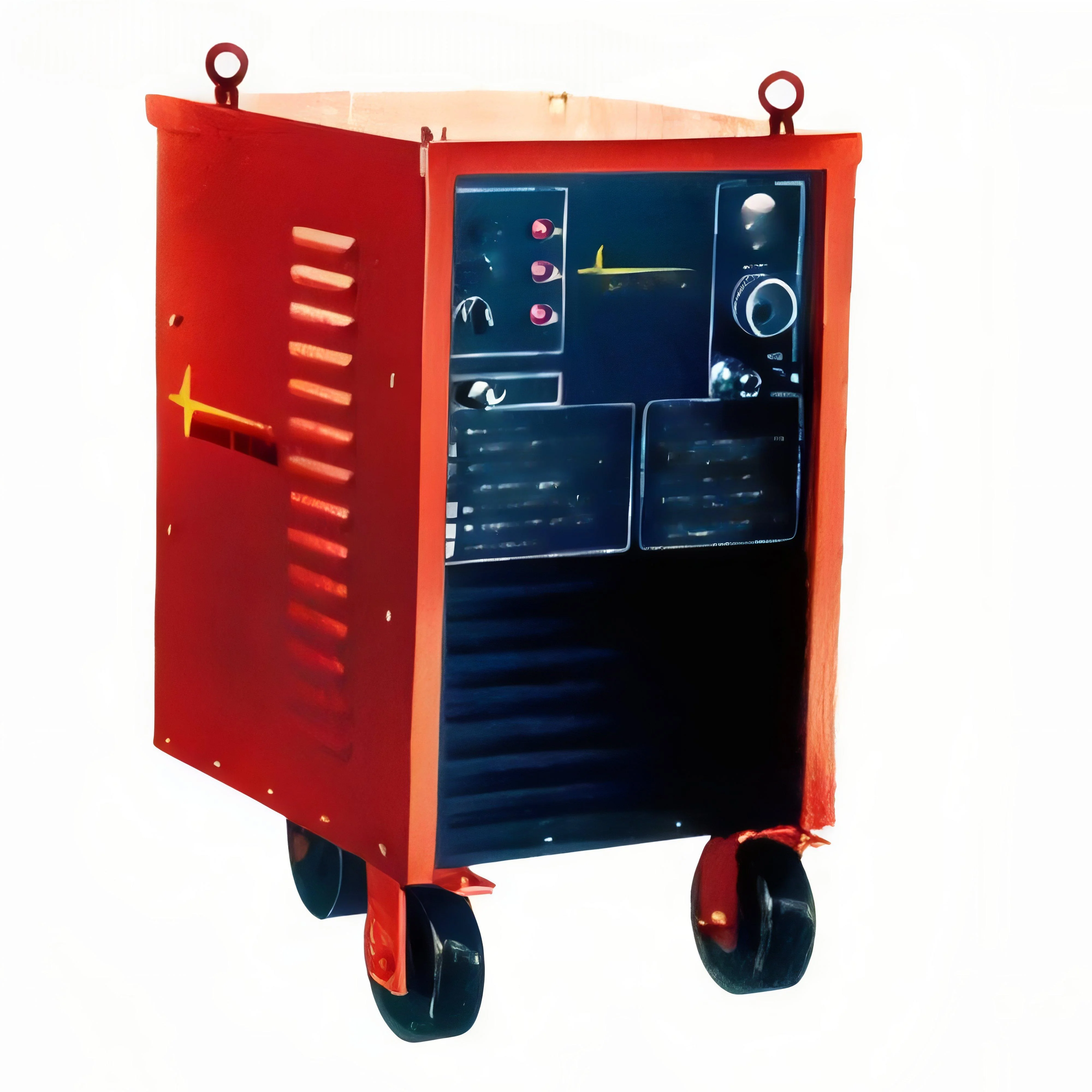
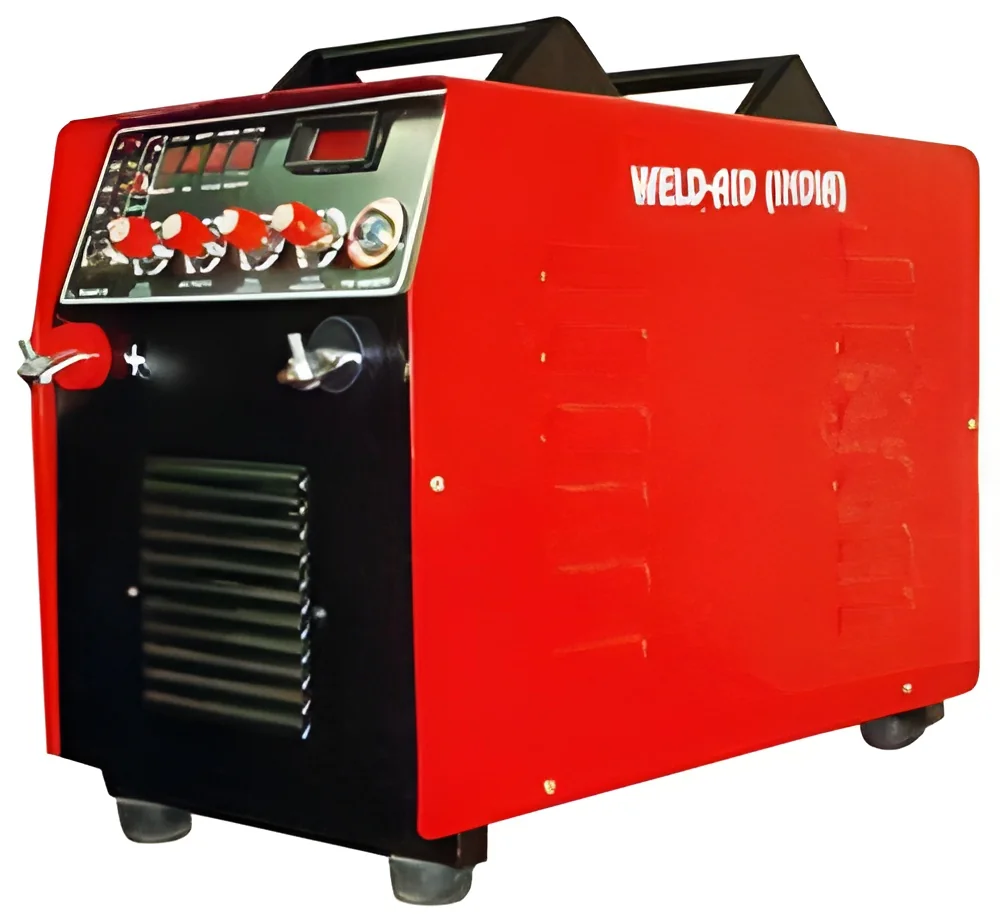
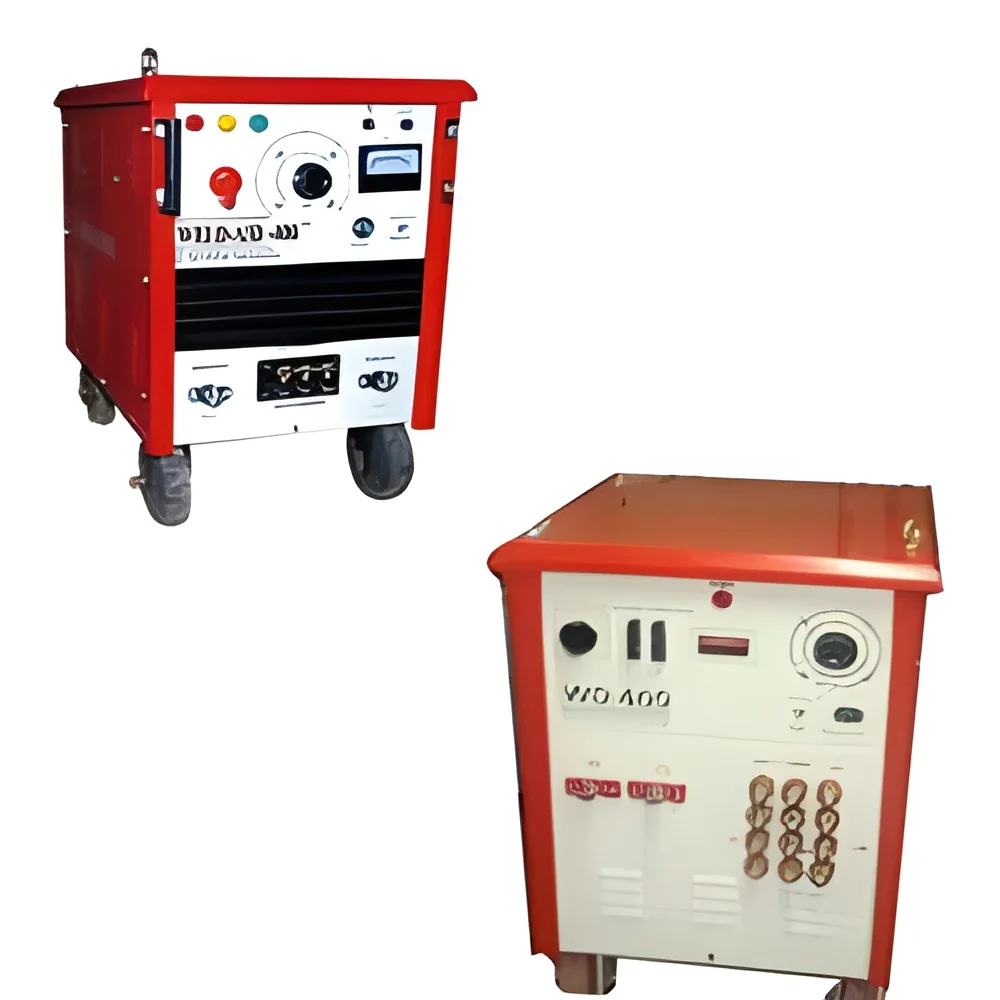
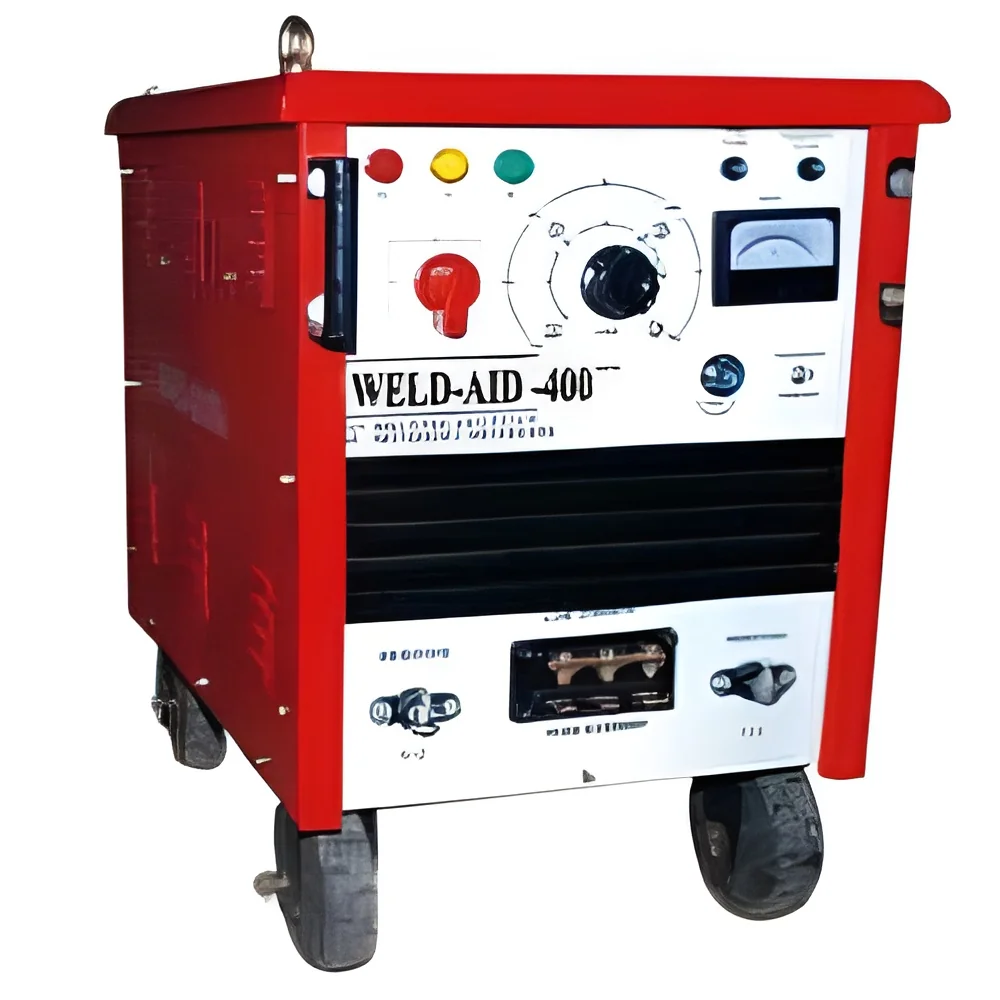
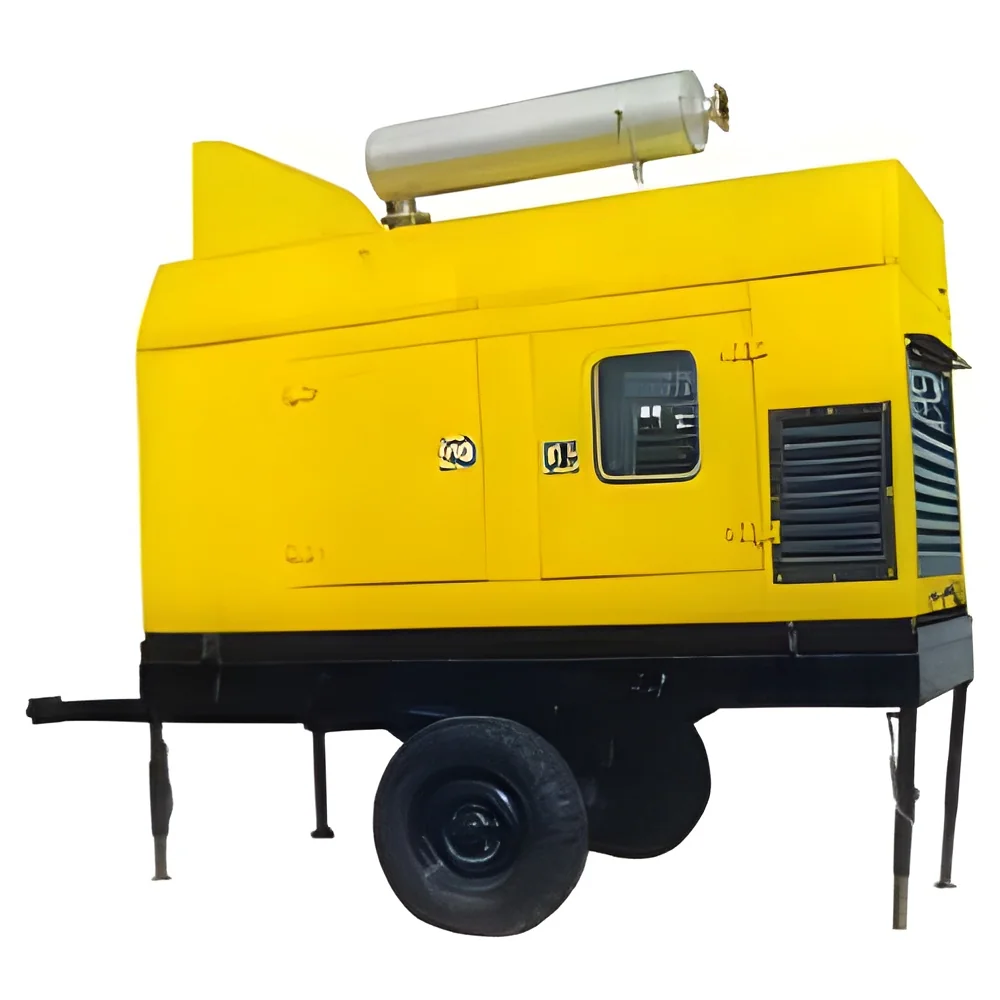
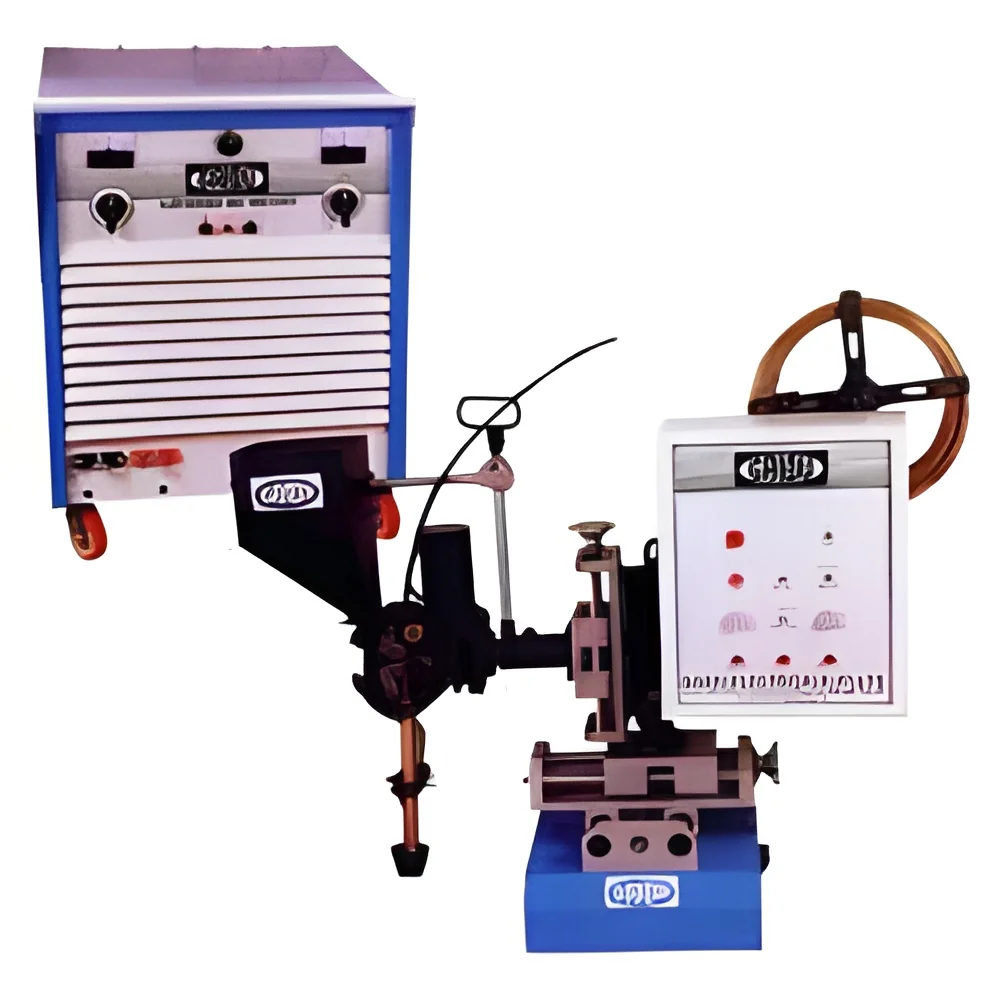
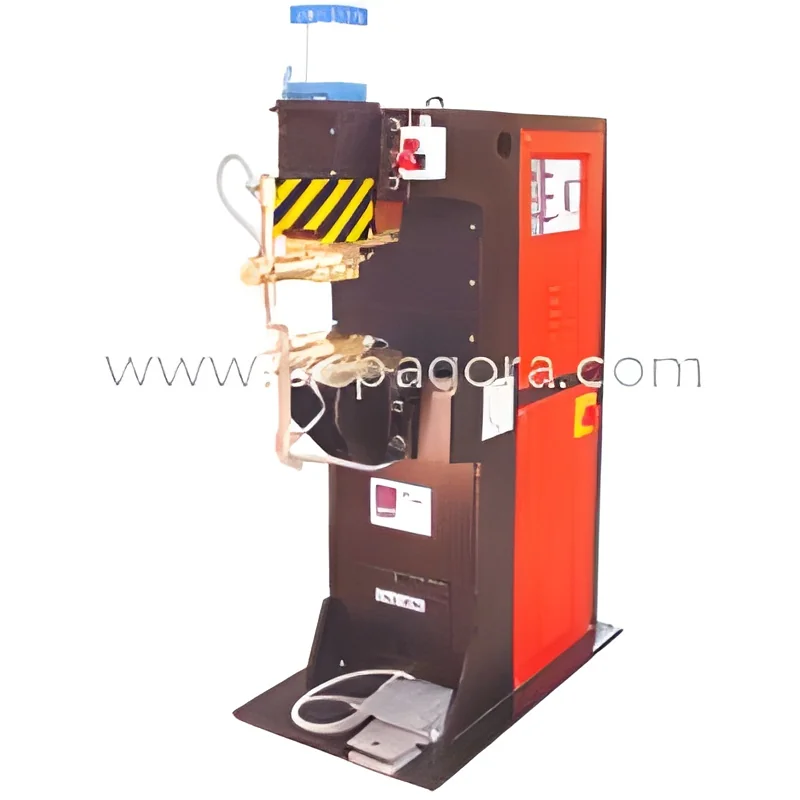
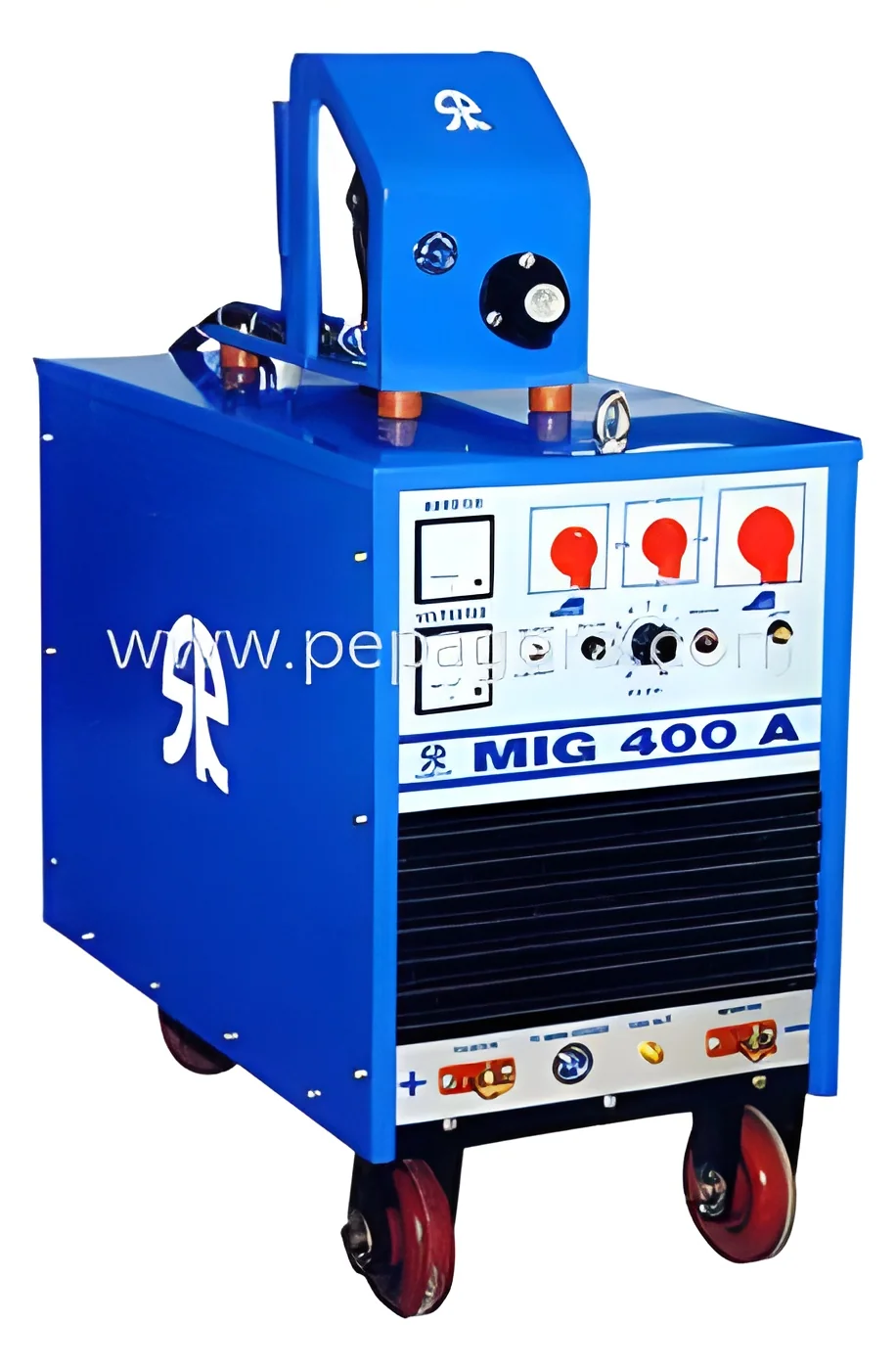
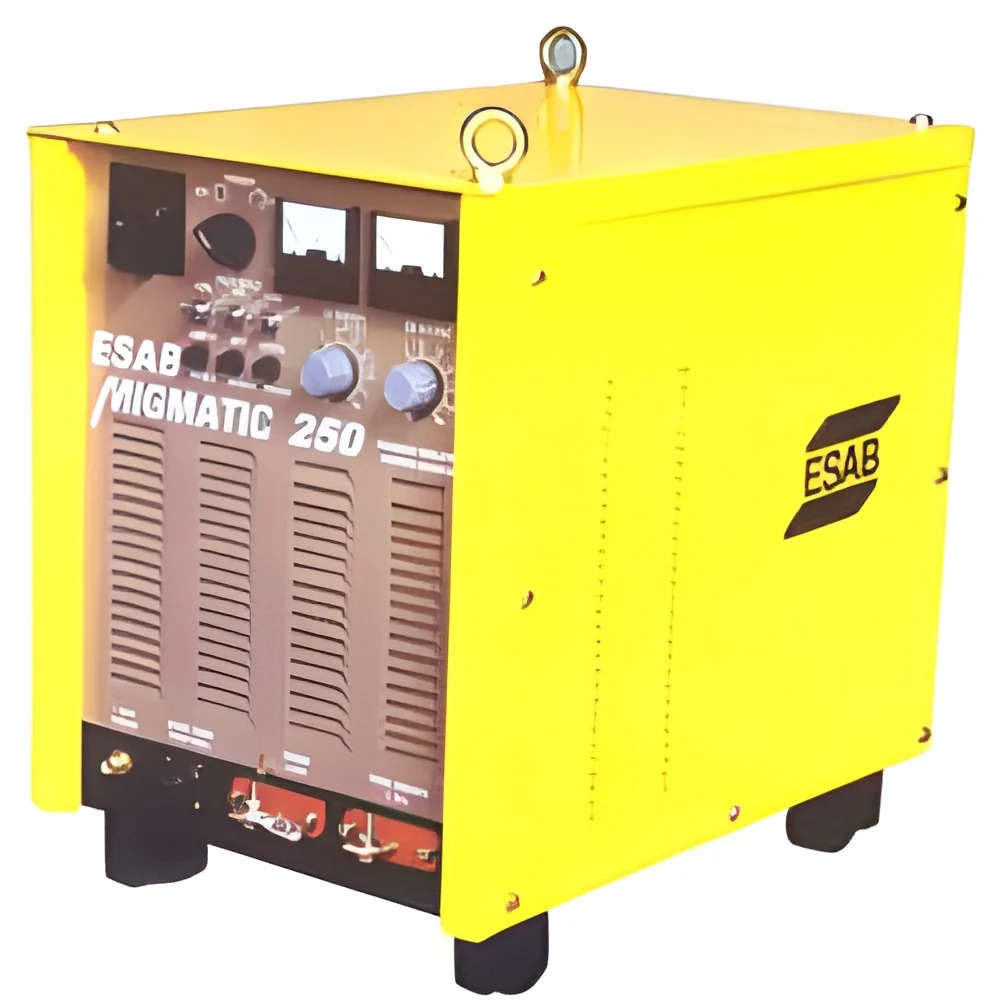
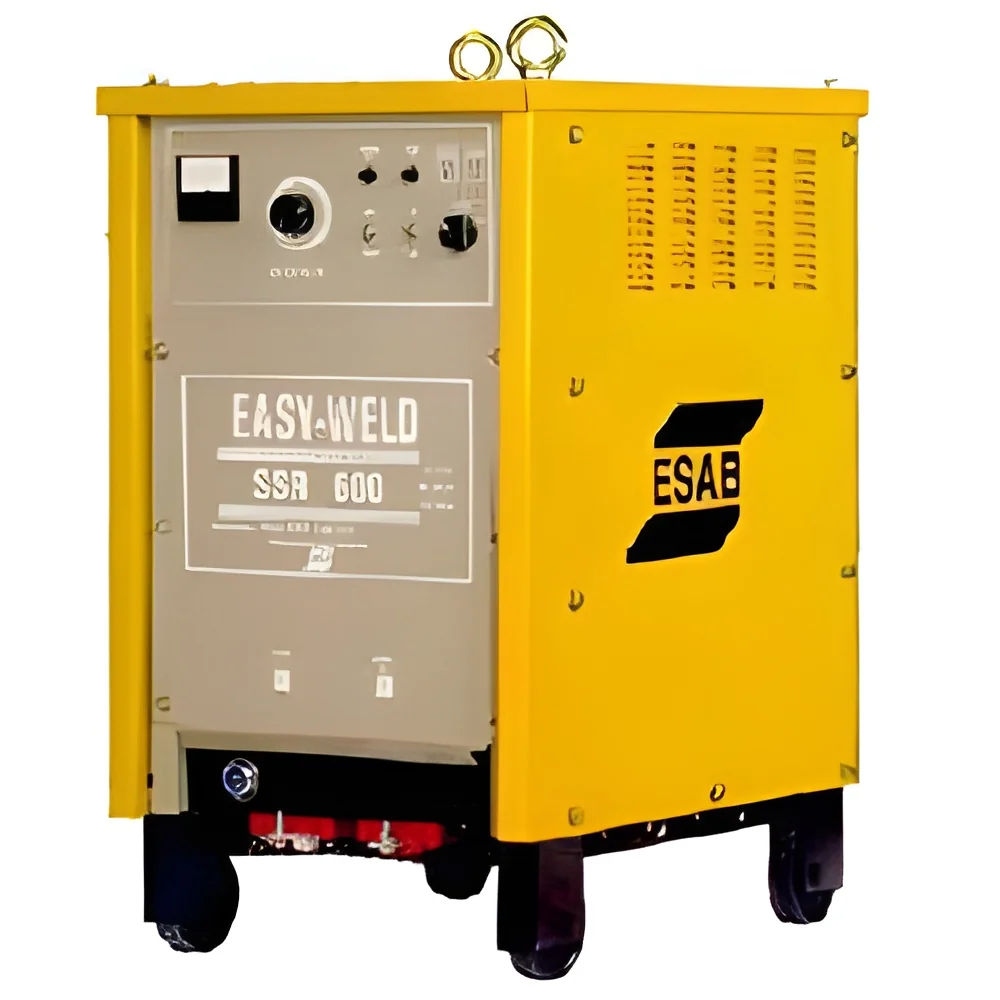
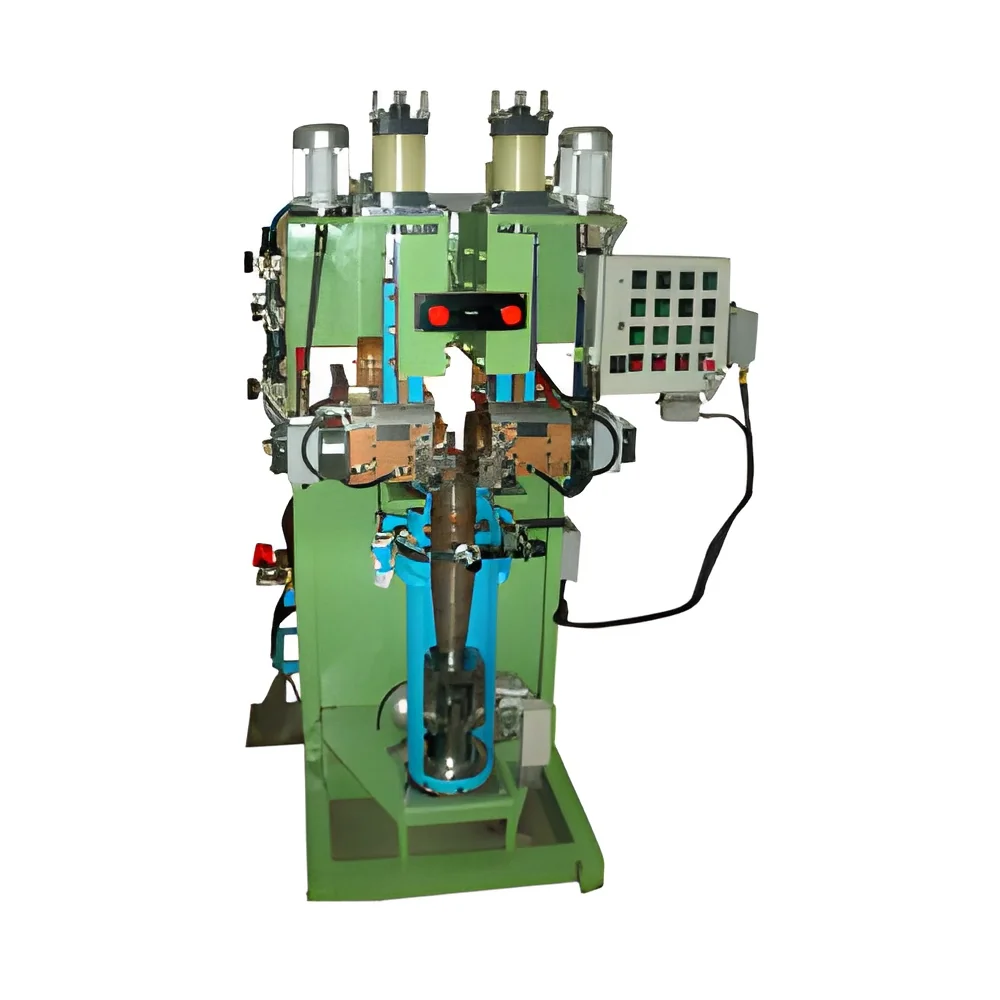
What are Gas Welding Equipment?
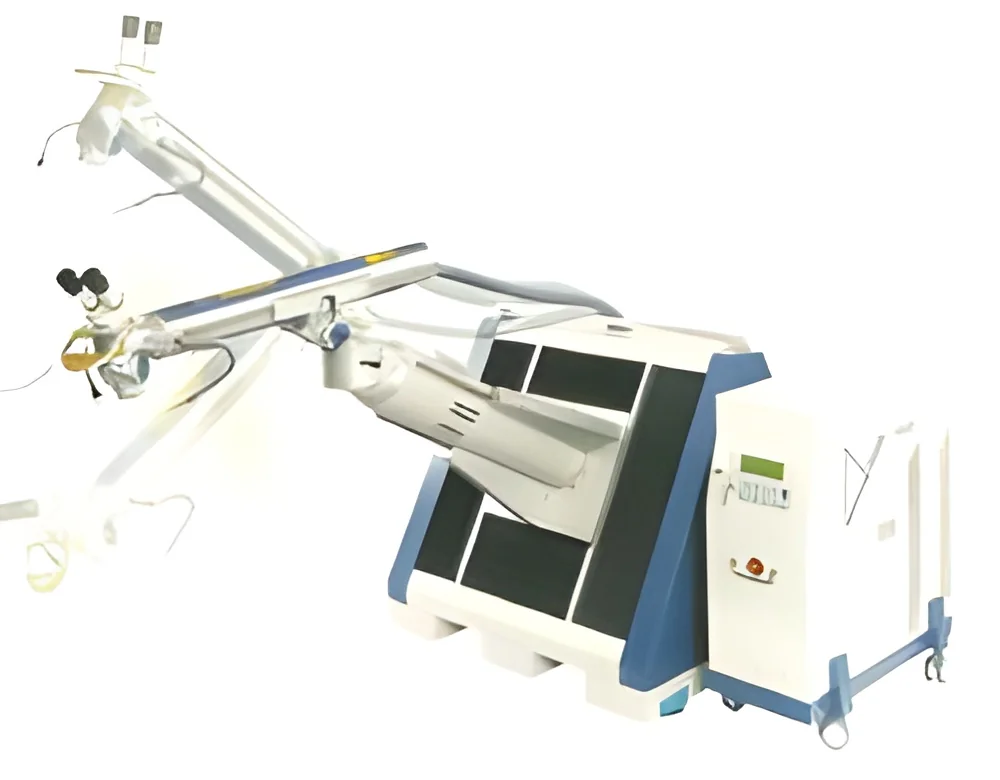
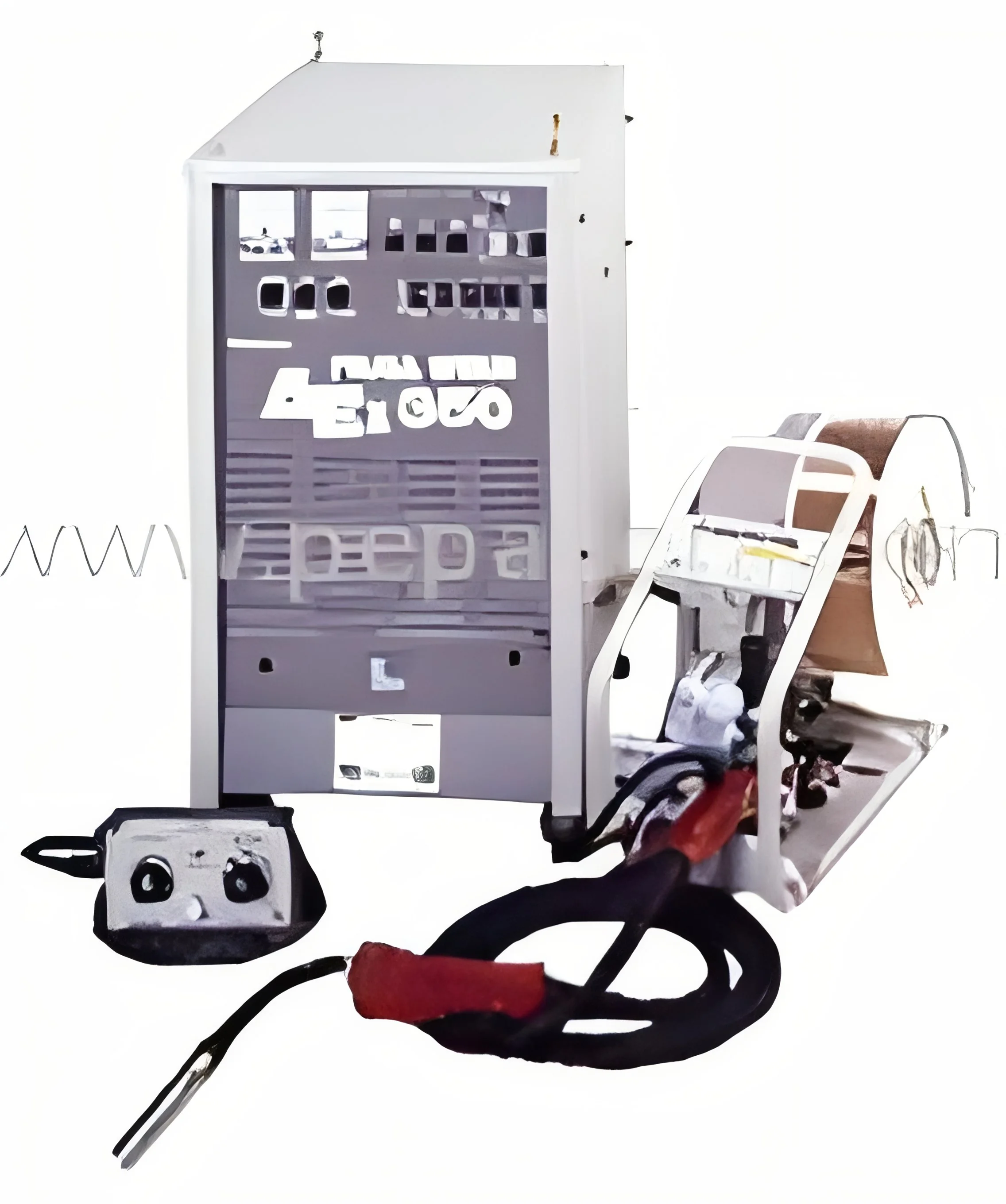
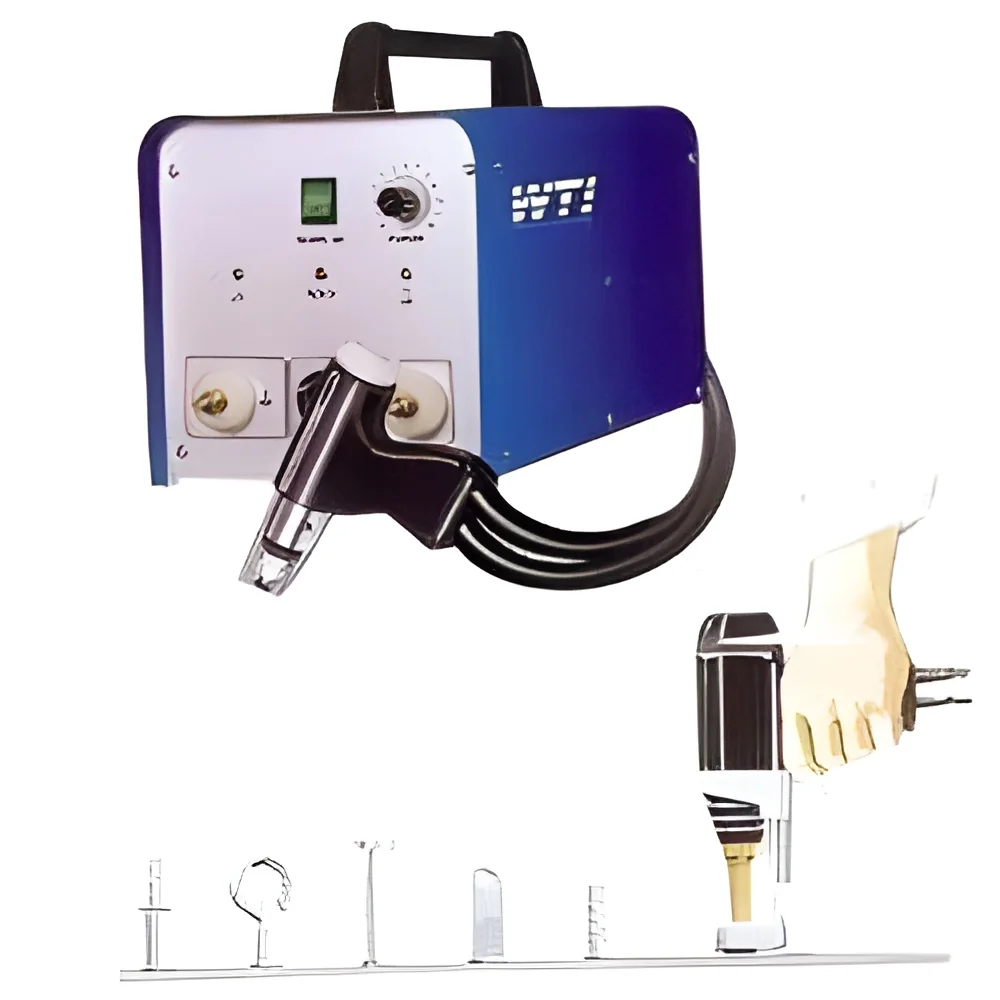
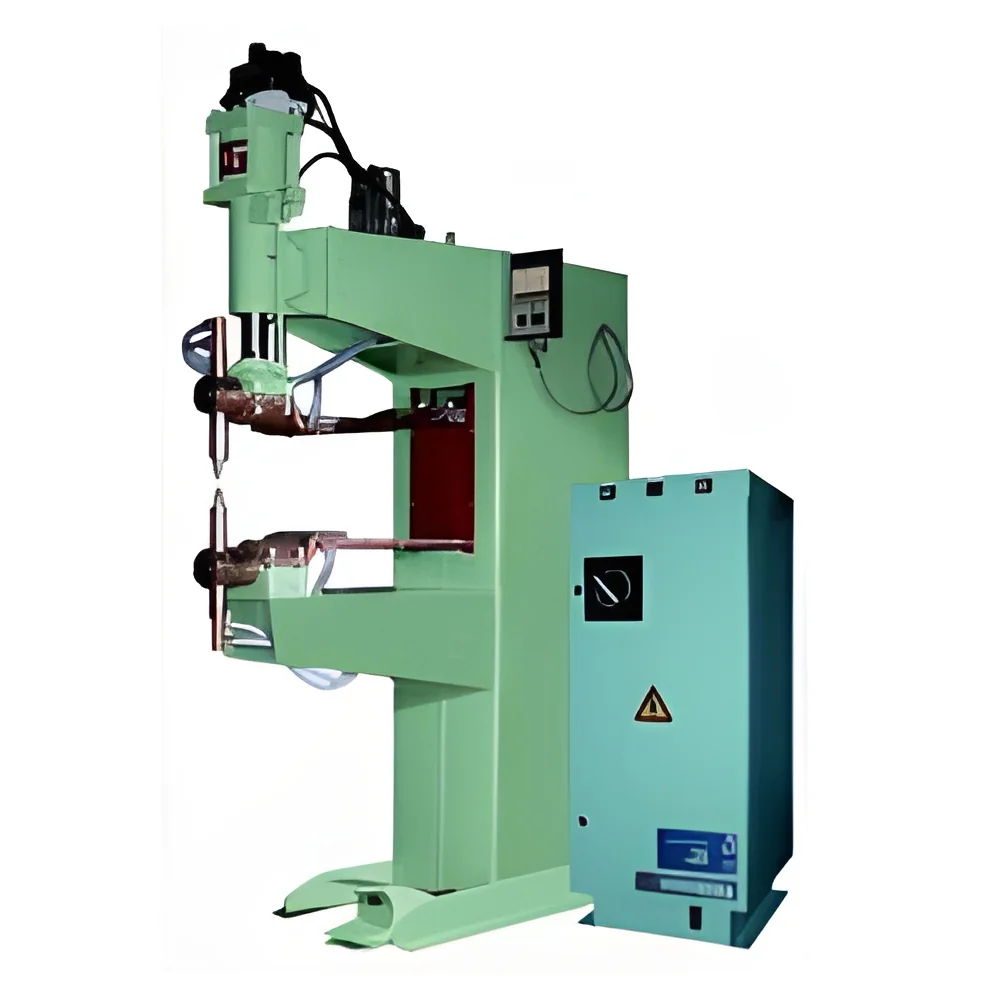
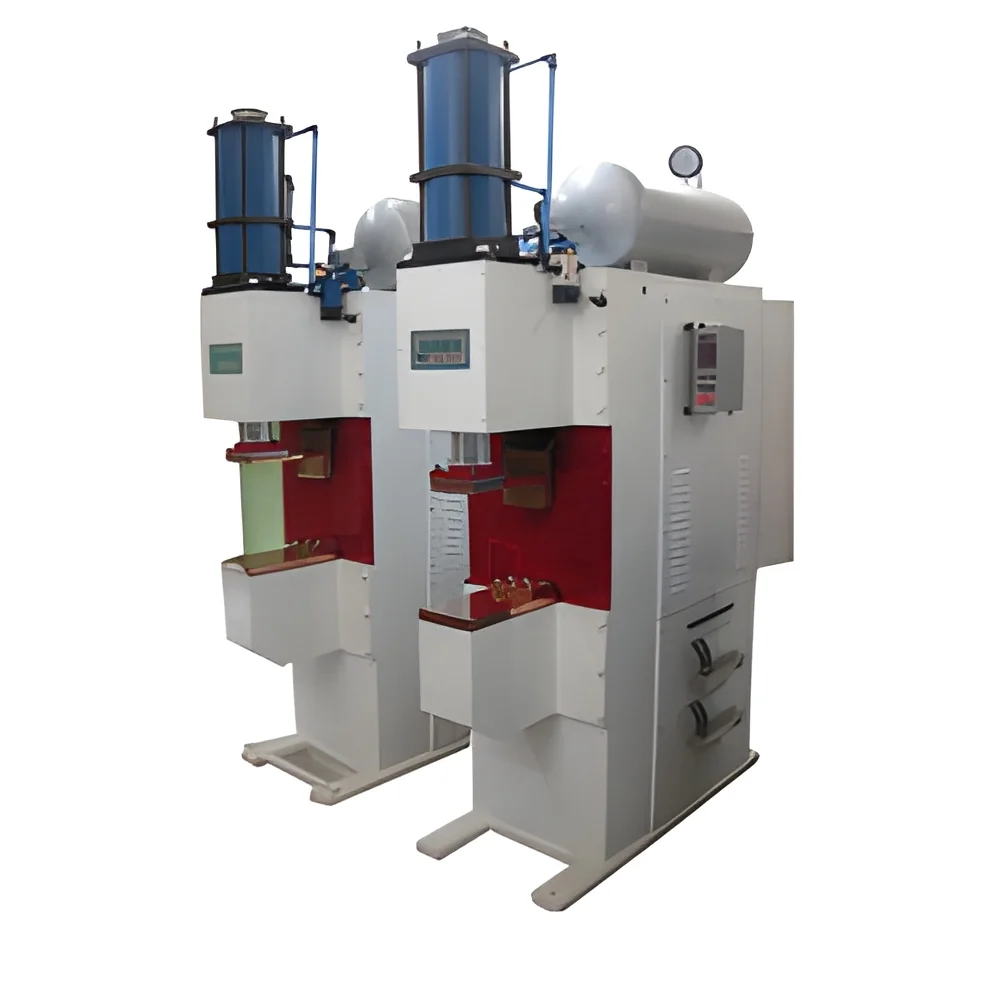
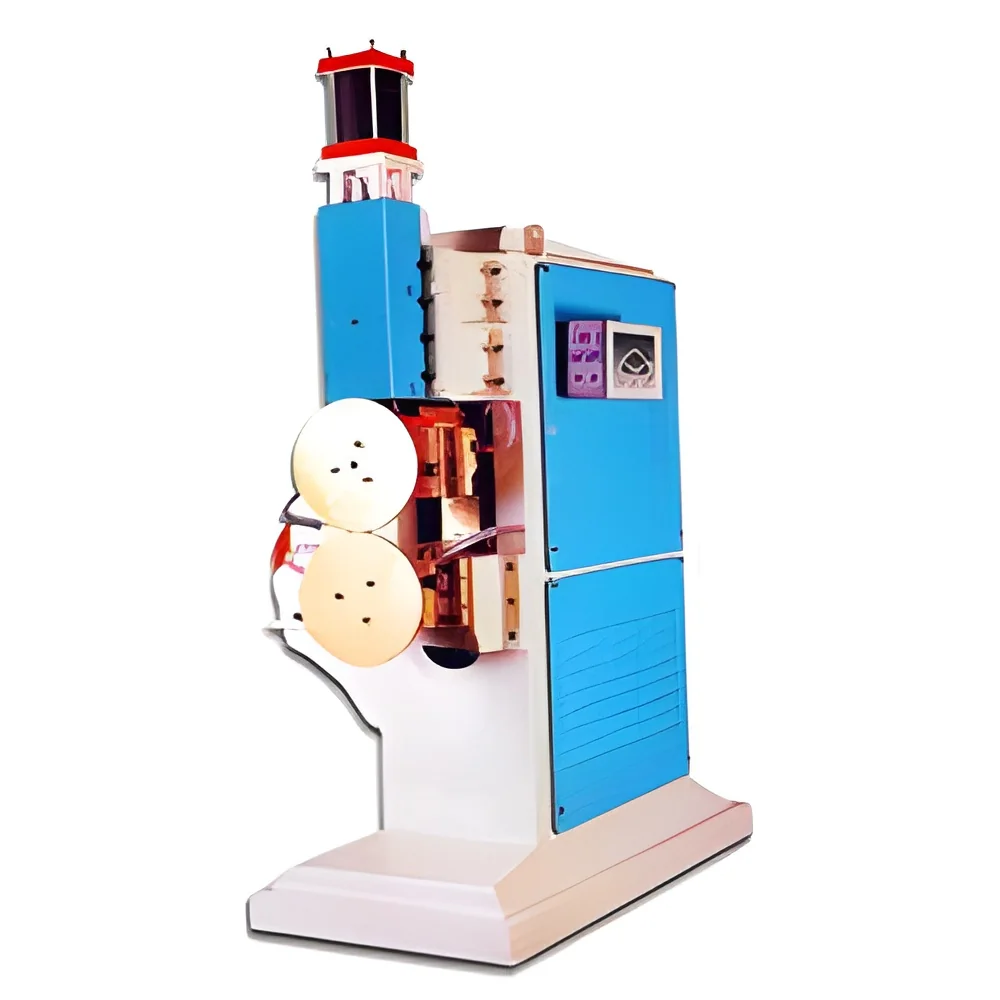
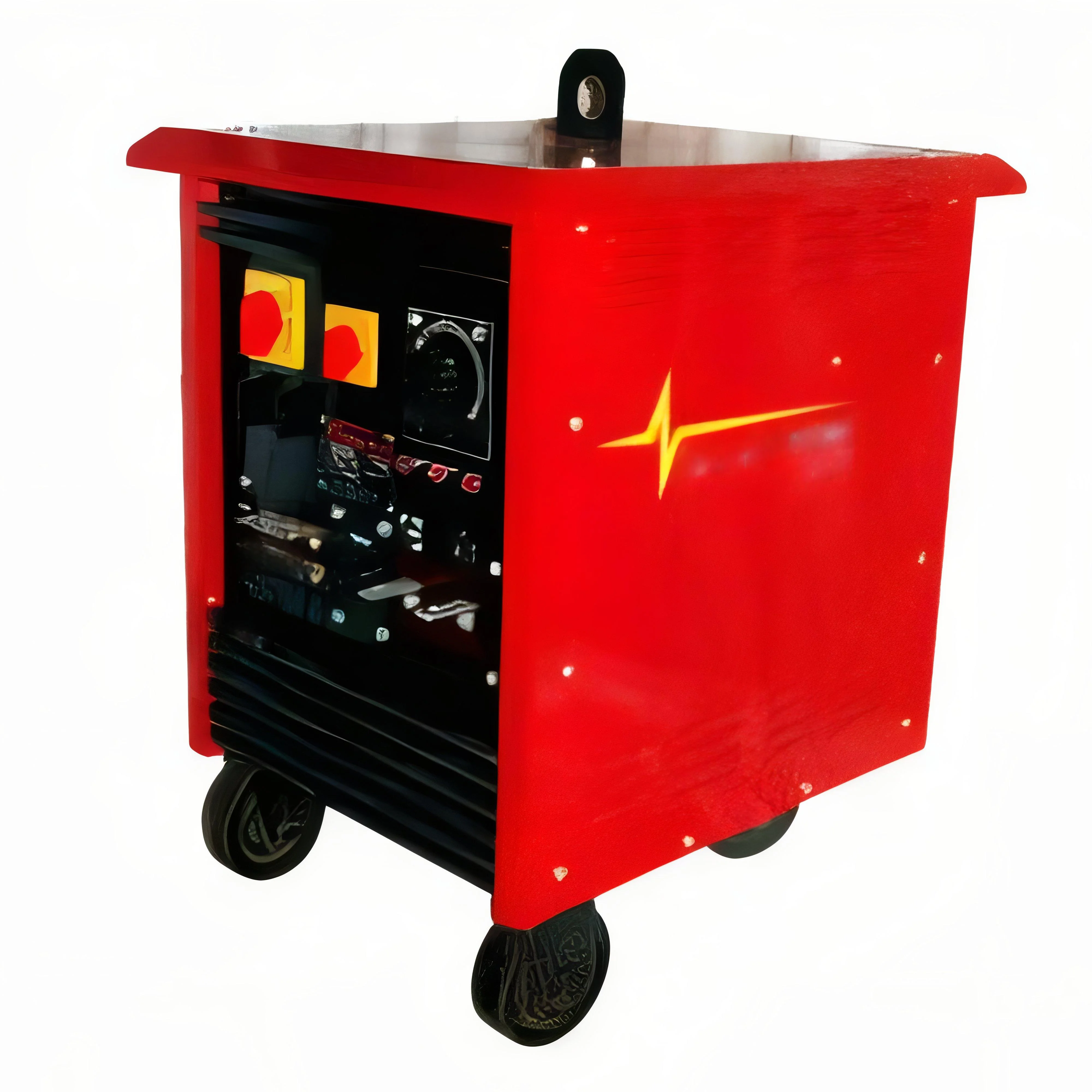
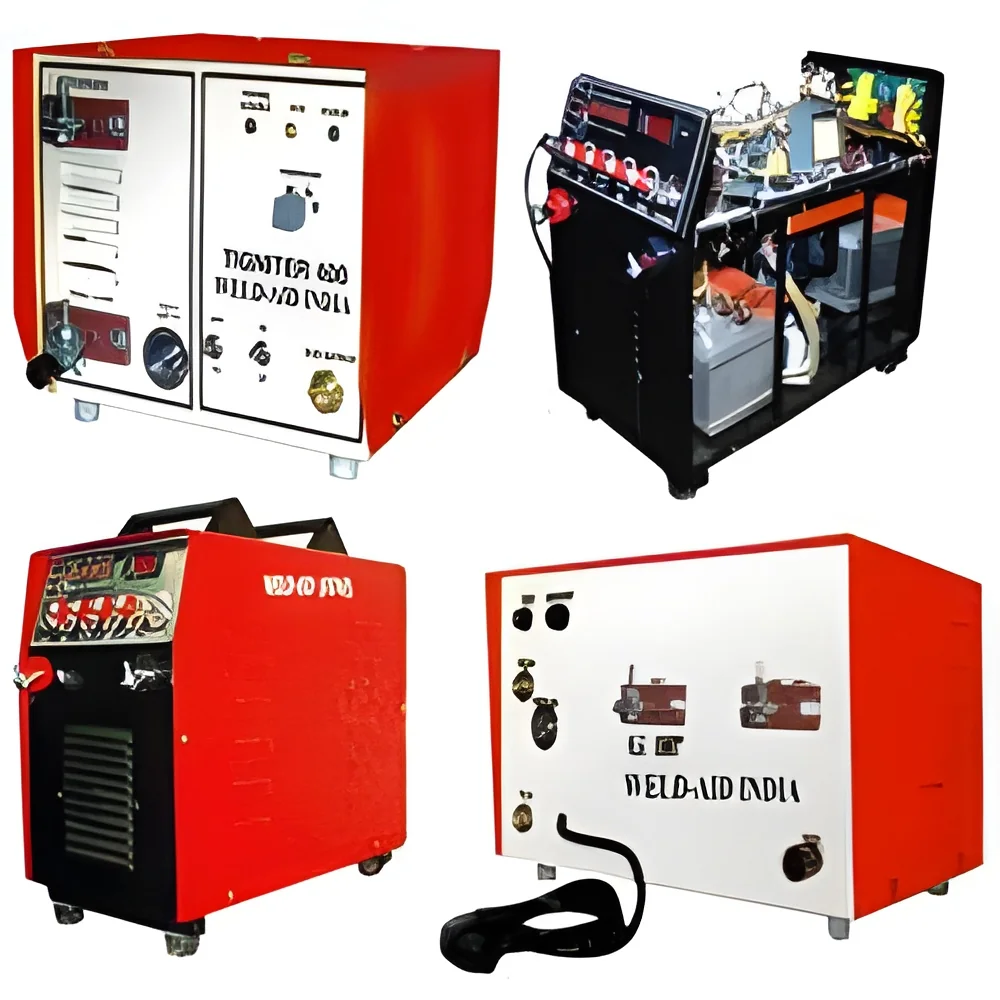
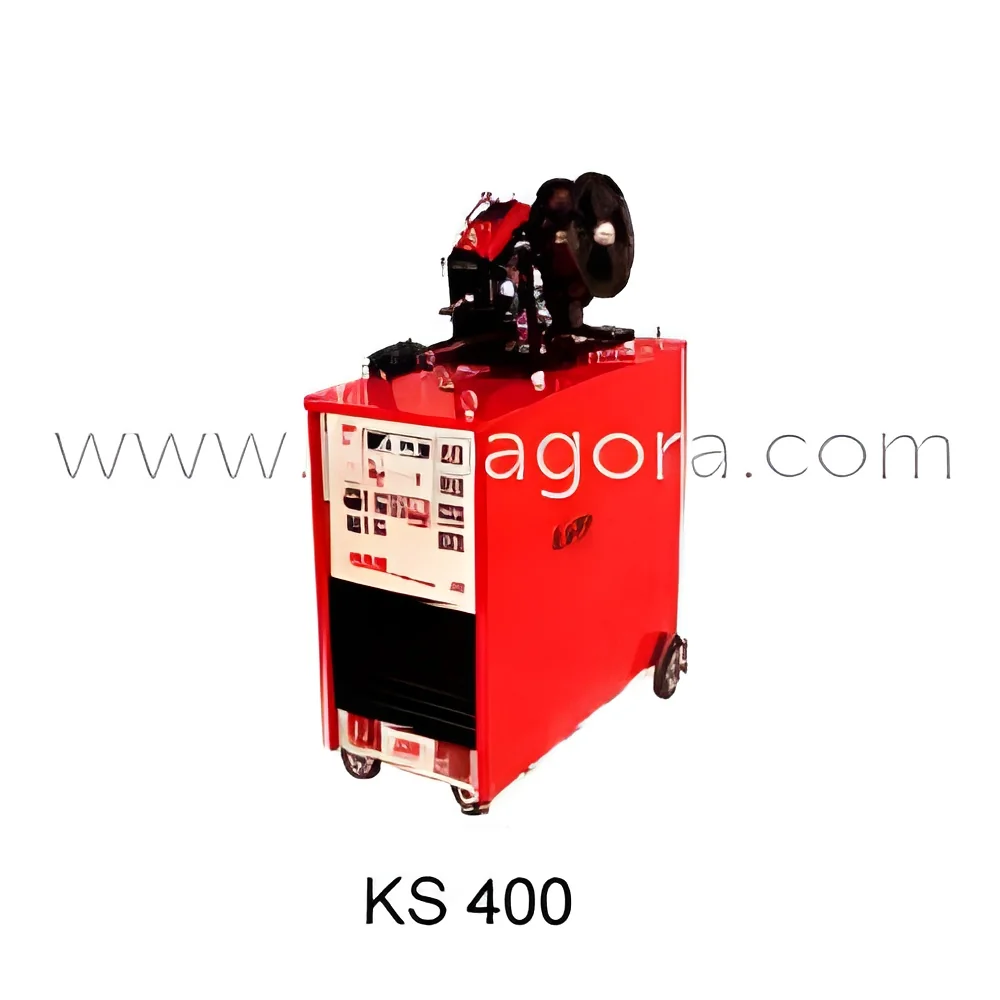
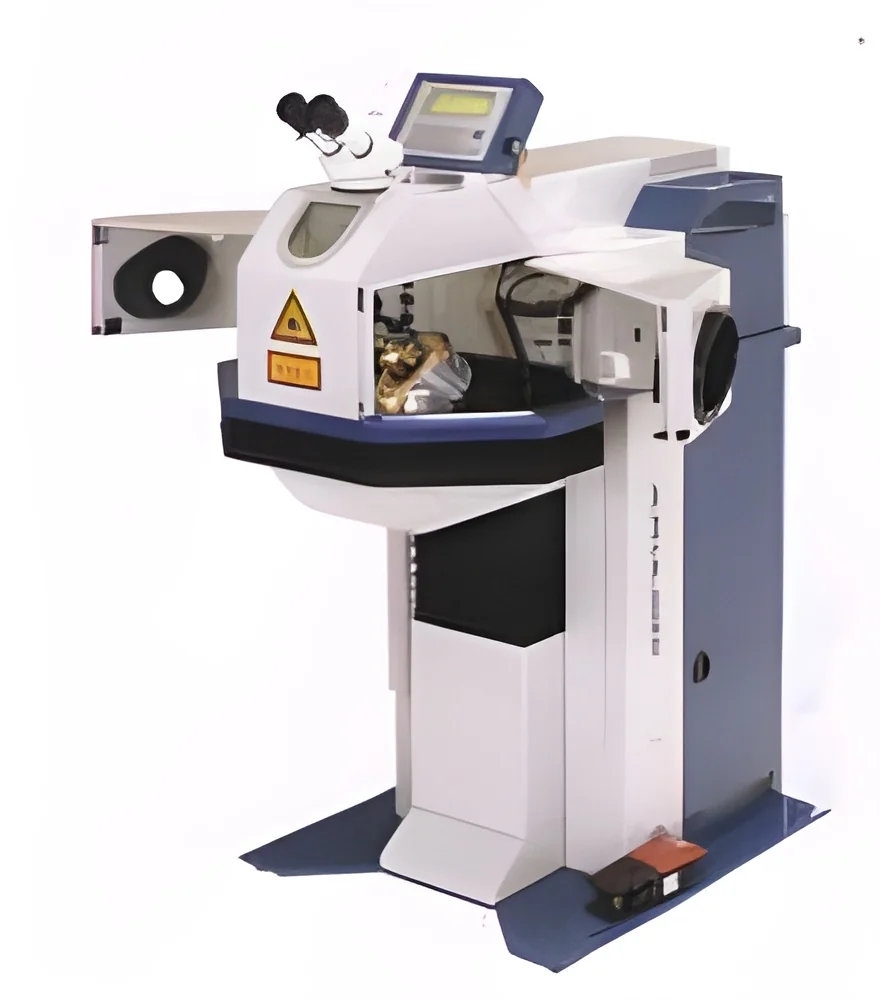
Gas welding equipment refers to a collection of tools and machines that utilize combustion gases, primarily oxygen and acetylene, to join metals through a process known as fusion welding. This method involves heating the workpieces to their melting points and allowing them to fuse together. Gas welding is widely recognized for its versatility, affordability, and ease of use, making it a popular choice in various industrial applications.
The primary uses of gas welding equipment include metal fabrication, repair work, and maintenance across several industries. Businesses leverage gas welding for tasks such as welding, brazing, cutting, and heating metals. It is commonly employed in sectors like automotive, construction, and manufacturing, where precise and robust joining of materials is crucial. As industries evolve, the demand for gas welding equipment continues to grow, driven by advancements in technology and the need for efficient metalworking solutions.
The relevance of gas welding equipment in today's market cannot be overstated. As industries strive for higher productivity and quality, gas welding remains a fundamental process. Its adaptability and cost-effectiveness position it as a vital component in the manufacturing landscape, supporting a wide range of applications and industries.
Key Features and Specifications
Gas welding equipment is characterized by several key features that enhance performance and usability. Understanding these specifications is essential for selecting the right equipment for specific applications.
Key specifications include:
1. Welding Torch Type
- Various types of torches are available, including oxy-acetylene and oxy-propane.
- Each type is designed for specific applications and metal thicknesses.
2. Pressure Control
- Equipment typically features regulators for controlling gas pressure.
- Pressure ranges may vary depending on the type of gas and application.
3. Nozzle Size
- Different nozzle sizes accommodate various welding tasks.
- Larger nozzles are suited for thicker materials, while smaller nozzles are ideal for precision work.
4. Hose Length
- Hoses come in various lengths to suit different work environments.
- Standard lengths typically range from 10 to 25 feet.
5. Safety Features
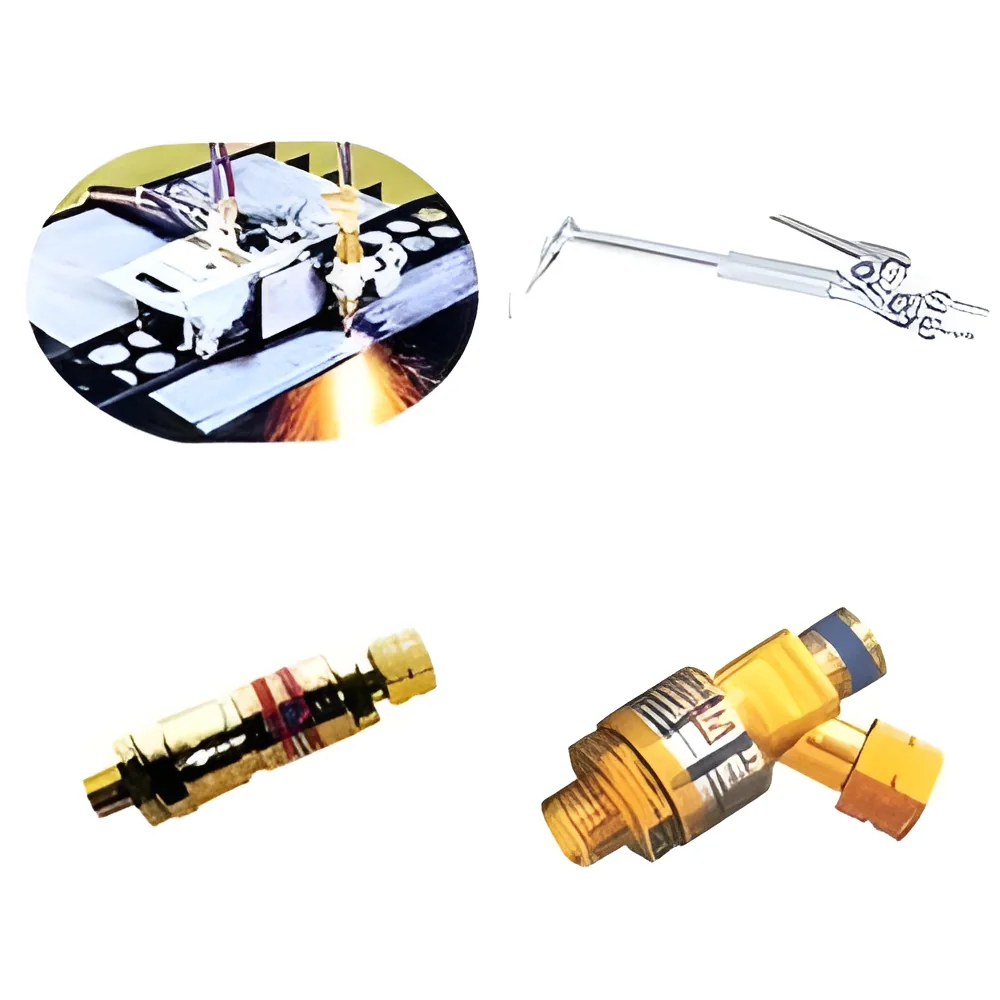
- Equipment includes safety valves and flashback arrestors to prevent accidents.
- Safety features are crucial for ensuring operator protection.
6. Portability
- Many gas welding systems are designed for easy transport.
- Lightweight frames and compact designs enhance mobility.
7. Fuel Gas Compatibility
- Equipment can be compatible with different fuel gases, such as acetylene, propane, or butane.
- Compatibility impacts performance based on the application.
8. Heat Output
- The heat output is measured in BTUs and varies by equipment type.
- Higher heat output is necessary for thicker materials.
In summary, selecting gas welding equipment involves understanding these specifications to ensure it meets the specific needs of the intended application.
Common Applications and Use Cases
Gas welding equipment finds applications across various industries, showcasing its versatility and effectiveness.
1. Automotive Industry: Gas welding is used for repairing and fabricating body parts, exhaust systems, and chassis components. It allows for precise welding in tight spaces.
2. Construction: In construction, gas welding is employed for metal joining in structural frameworks and the installation of pipelines. It is ideal for both indoor and outdoor applications.
3. Manufacturing: Gas welding plays a critical role in manufacturing processes, including the production of metal products and components. It enables efficient fabrication and assembly.
4. Shipbuilding: The shipbuilding industry utilizes gas welding to join metals in ship construction and repair. It is essential for ensuring the integrity of marine structures.
5. Artistic Metalwork: Artists and craftsmen use gas welding for creating sculptures and decorative metal pieces. Its flexibility allows for intricate designs and artistic expression.
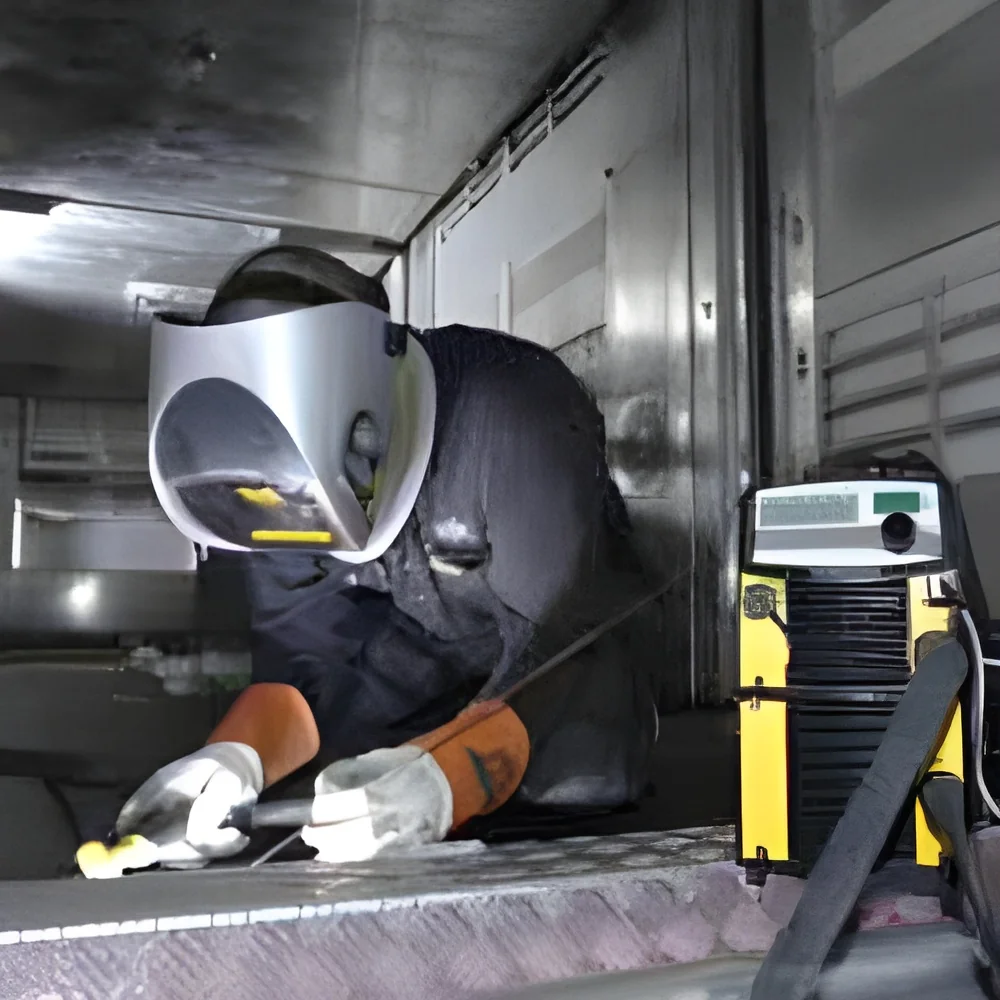
6. HVAC: Gas welding is utilized in the heating, ventilation, and air conditioning industries for ductwork fabrication and repair. Its precision ensures effective sealing and airflow.
7. Repair Shops: Many repair shops rely on gas welding for a variety of metal repairs, from furniture to machinery. Its versatility makes it a go-to solution for quick fixes.
Product Variants and Subcategories
Gas welding equipment encompasses a variety of products tailored to meet diverse industrial needs. While specific subcategories are not available, several variants stand out.
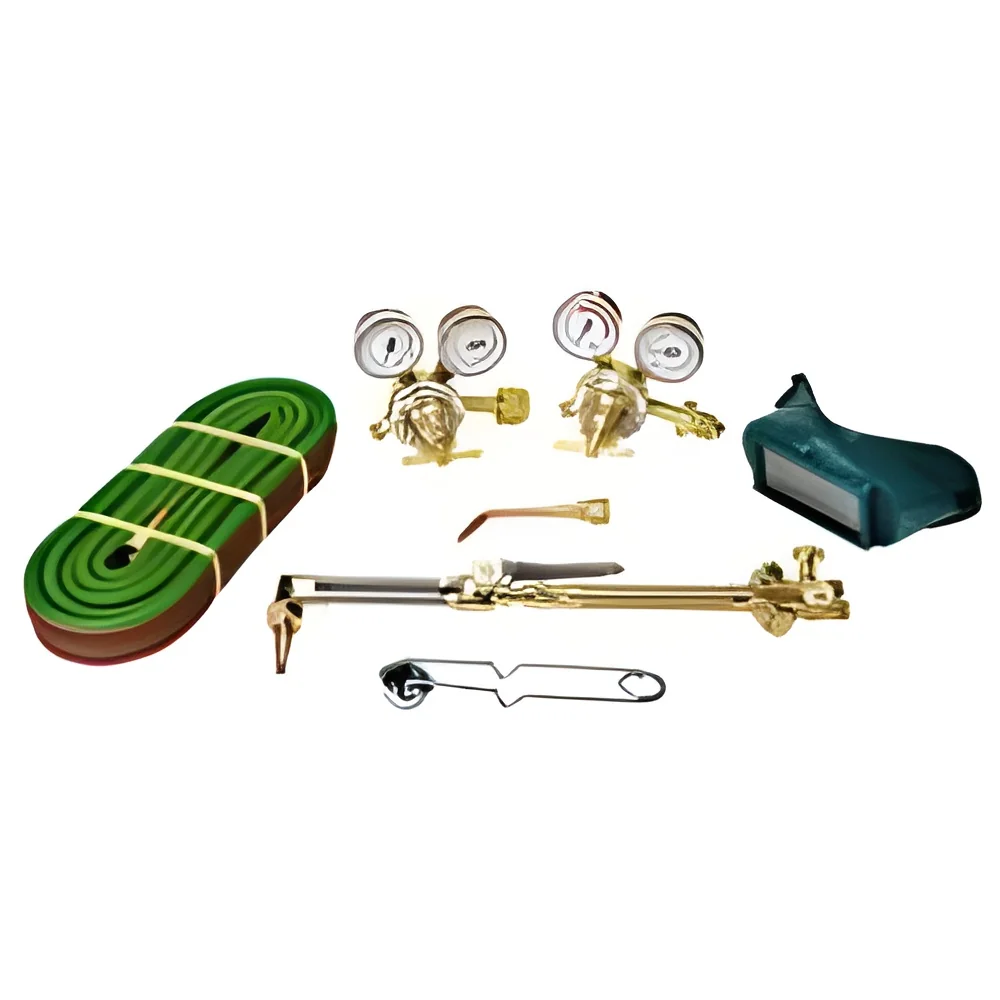
Portable Gas Welding Kit: This variant includes essential tools and equipment for mobile operations. It is ideal for fieldwork and small repairs, featuring a lightweight design for easy transport.
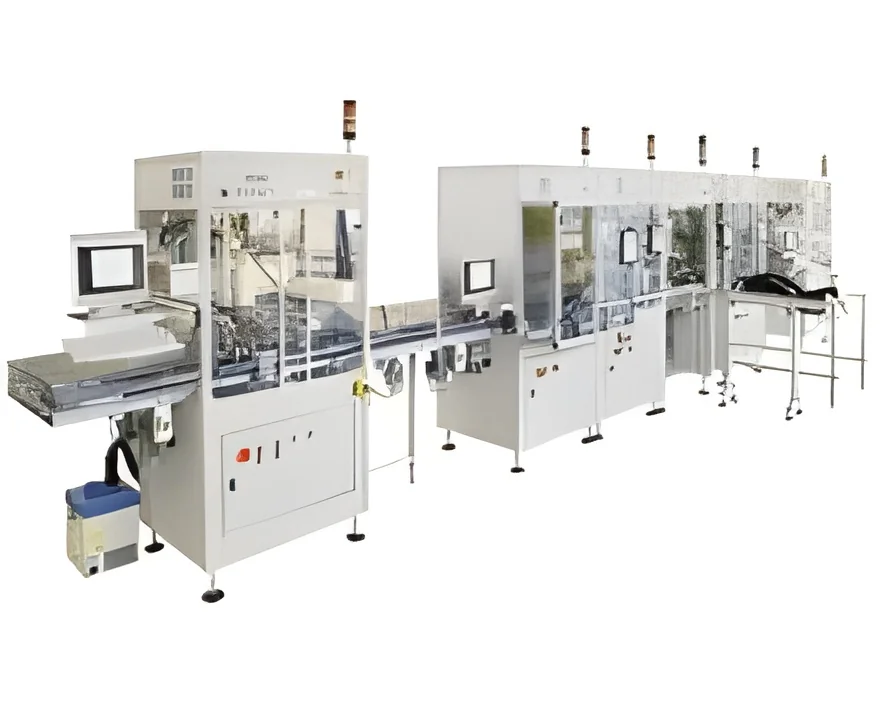
Industrial Gas Welding System: Designed for high-volume production environments, this system includes advanced features for enhanced performance. It is suitable for large-scale manufacturing and heavy-duty applications.
Gas Cutting Equipment: This variant focuses on cutting metals with precision. It includes specialized torches and nozzles designed for efficient cutting operations.
Benefits and Advantages
Gas welding equipment offers numerous benefits that make it a preferred choice for many industries.
1. Cost-Effective: Gas welding equipment is generally more affordable compared to other welding techniques, making it accessible for small businesses.
2. Versatility: It can be used for a wide range of applications, including welding, cutting, and brazing, catering to diverse industrial needs.
3. Portability: Many gas welding systems are designed for easy transport, allowing for flexibility in various work environments.
4. Ease of Use: Gas welding is relatively straightforward, enabling operators to quickly learn and perform welding tasks with minimal training.
5. Precise Control: The ability to regulate heat and flame size provides operators with greater control over the welding process, ensuring high-quality results.
6. Wide Availability: Gas welding equipment is widely available from various suppliers, making it easy for businesses to source the equipment they need.
Buying Guide for B2B Buyers
When sourcing gas welding equipment, several key factors should be considered to ensure optimal purchasing decisions.
1. Quality Assessment: Evaluate the quality of the equipment by reviewing manufacturer credentials, product reviews, and customer feedback. High-quality equipment enhances safety and performance.
2. Supplier Verification: Vet potential suppliers by checking their reputation, certifications, and industry experience. Reliable suppliers are essential for ensuring consistent product quality.
3. Pricing and MOQ: Consider pricing models and minimum order quantities (MOQ) when negotiating with suppliers. Competitive pricing can significantly impact procurement budgets.
4. Delivery and Lead Times: Assess logistics and delivery capabilities of suppliers. Timely delivery is crucial for maintaining production schedules and minimizing downtime.
5. Compliance Requirements: Ensure the equipment complies with relevant industry standards and regulations. This includes safety certifications and environmental considerations.
Compliance and Certifications
Gas welding equipment is subject to various compliance and certification standards that ensure safety and quality in industrial applications. While specific standards are not detailed, several relevant quality standards include ISO 9001, which focuses on quality management systems, and CE marking, which indicates compliance with European health, safety, and environmental protection standards.
Safety and testing requirements are critical in the gas welding industry. Equipment must undergo rigorous testing to ensure it meets safety benchmarks, including pressure tests and flame safety evaluations. Regional compliance considerations may vary, requiring adherence to local regulations governing gas handling and welding operations.
Ensuring that gas welding equipment meets these standards is essential for maintaining workplace safety and operational efficiency, particularly in industries where precision and reliability are paramount.
Why Source Gas Welding Equipment from Pepagora?
Pepagora offers a trusted platform for sourcing gas welding equipment, providing numerous advantages to B2B buyers.
Verified Supplier Network: Pepagora connects businesses with a network of verified suppliers, ensuring that buyers can access high-quality equipment from reputable manufacturers. This verification process reduces the risks associated with sourcing from unknown vendors.
Streamlined RFQ Process: The platform features a streamlined Request for Quotation (RFQ) process, allowing buyers to easily compare quotes from multiple suppliers. This efficiency helps businesses make informed purchasing decisions quickly.
Trade Assurance and Support: Pepagora offers trade assurance programs that protect buyers during transactions. These programs provide peace of mind by ensuring that suppliers meet their commitments regarding product quality and delivery.
Regional Coverage: With a focus on regions including India, the Gulf Cooperation Council (GCC), and Southeast Asia, Pepagora provides extensive geographic coverage. This reach enables businesses to source gas welding equipment locally, enhancing convenience and reducing shipping times.
By choosing Pepagora for gas welding equipment needs, businesses can leverage a reliable sourcing platform that prioritizes quality, efficiency, and buyer protection.

 IN
IN