IN
IN₹
Description
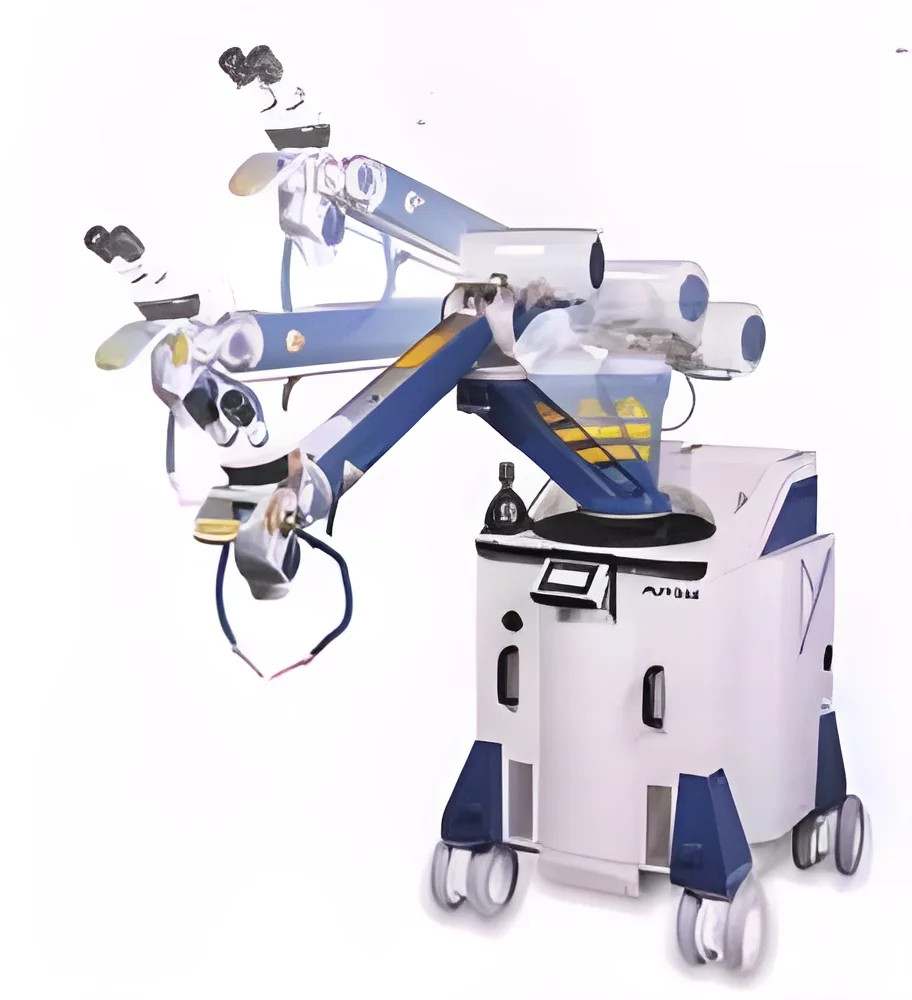
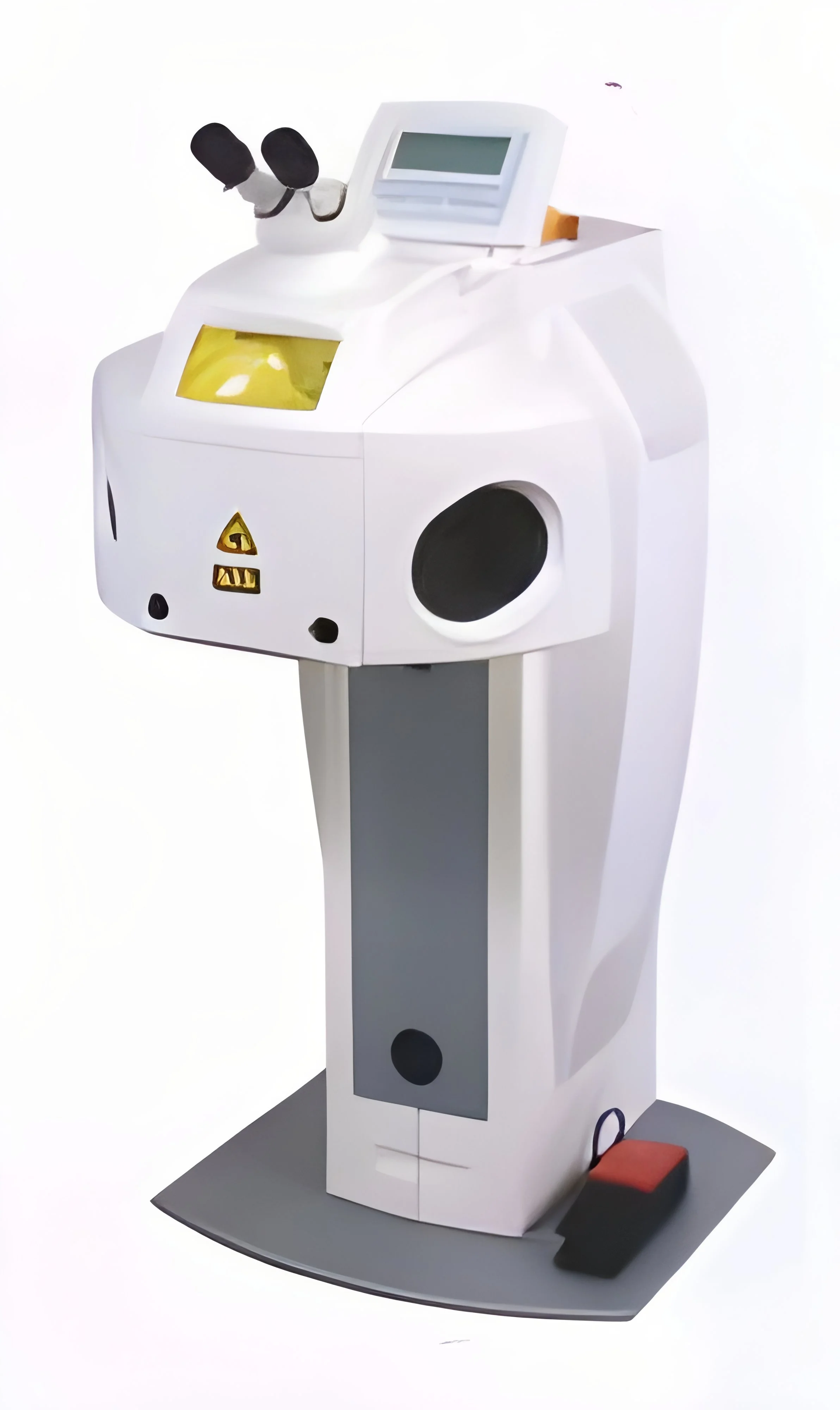
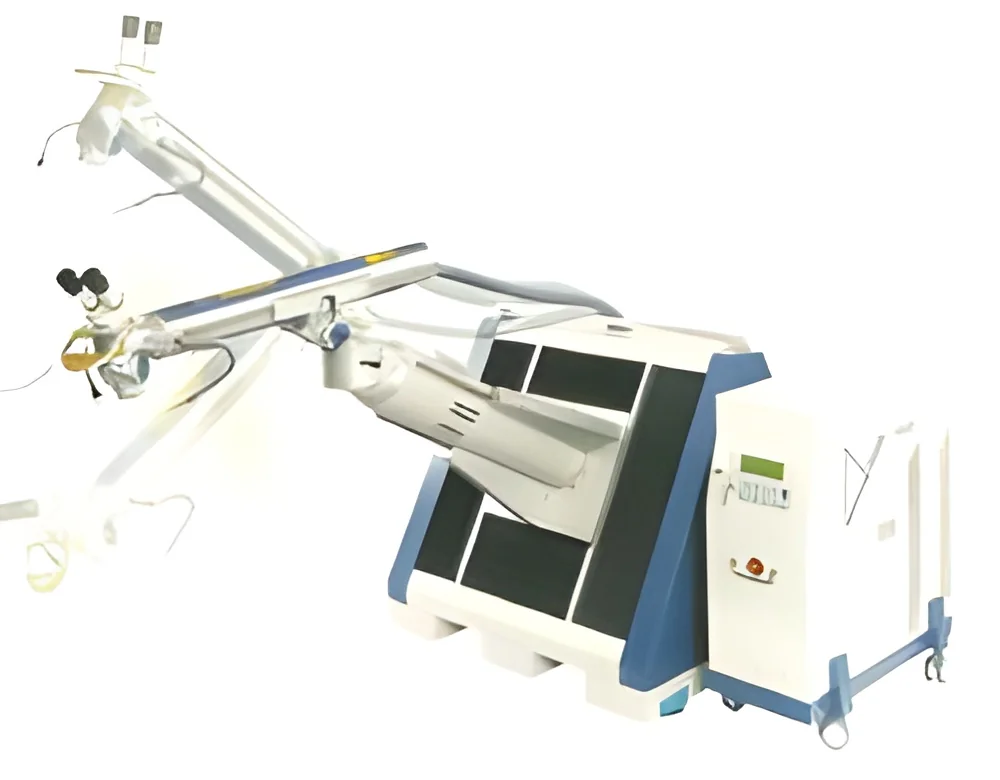
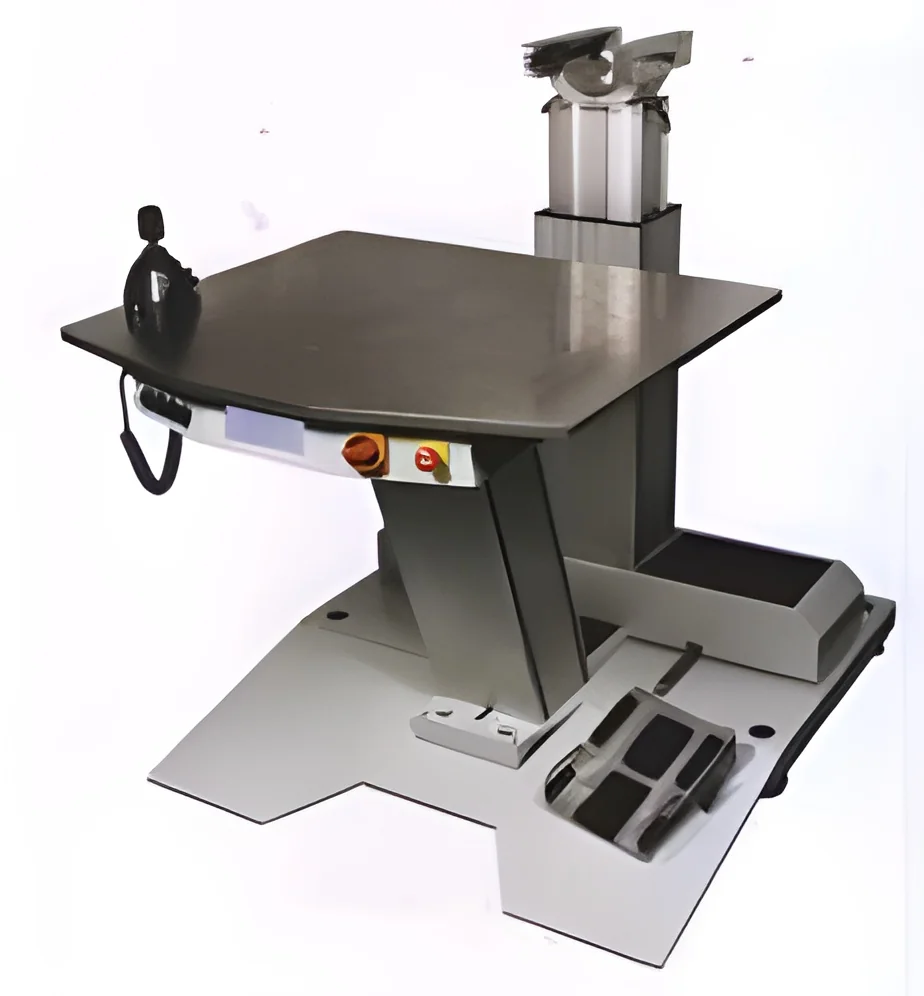
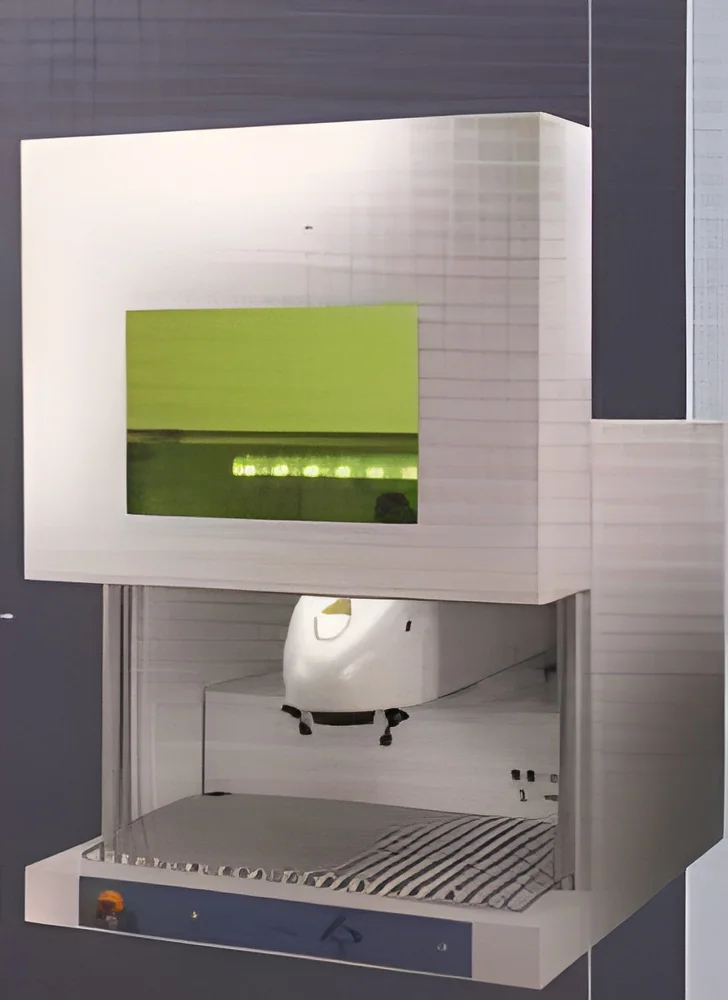
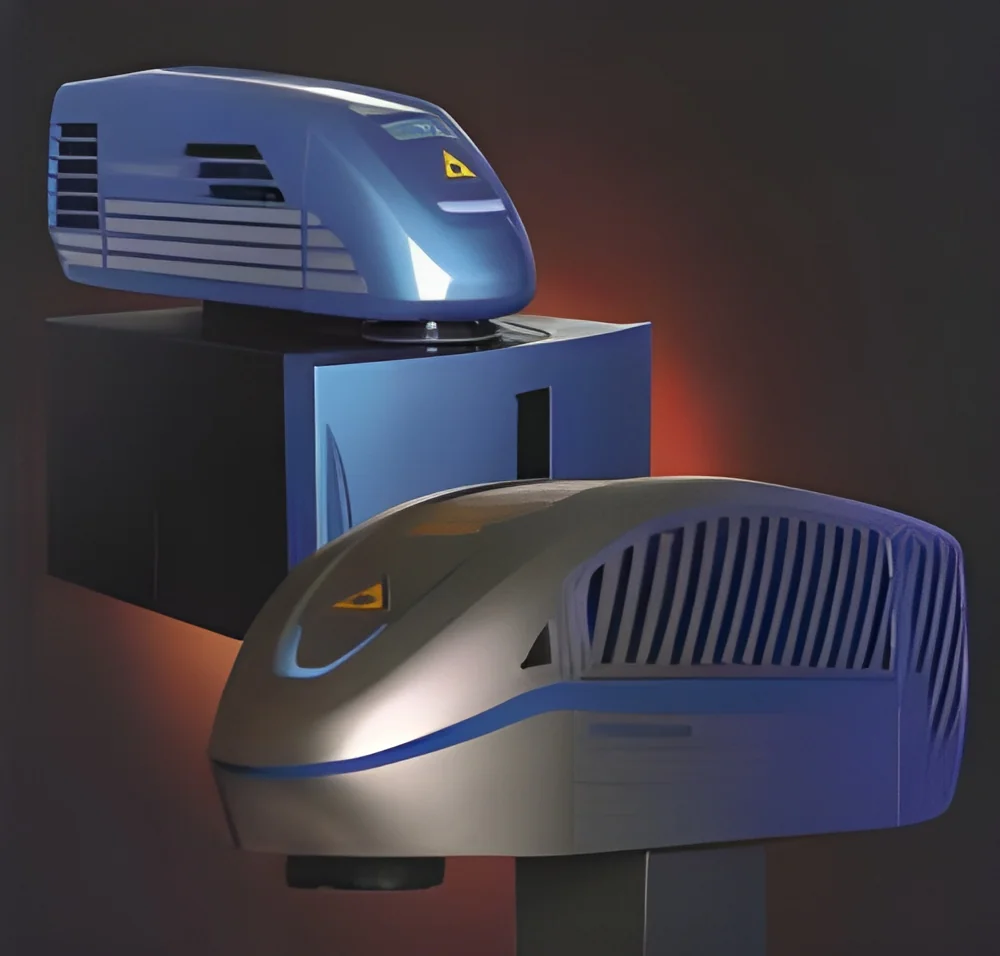
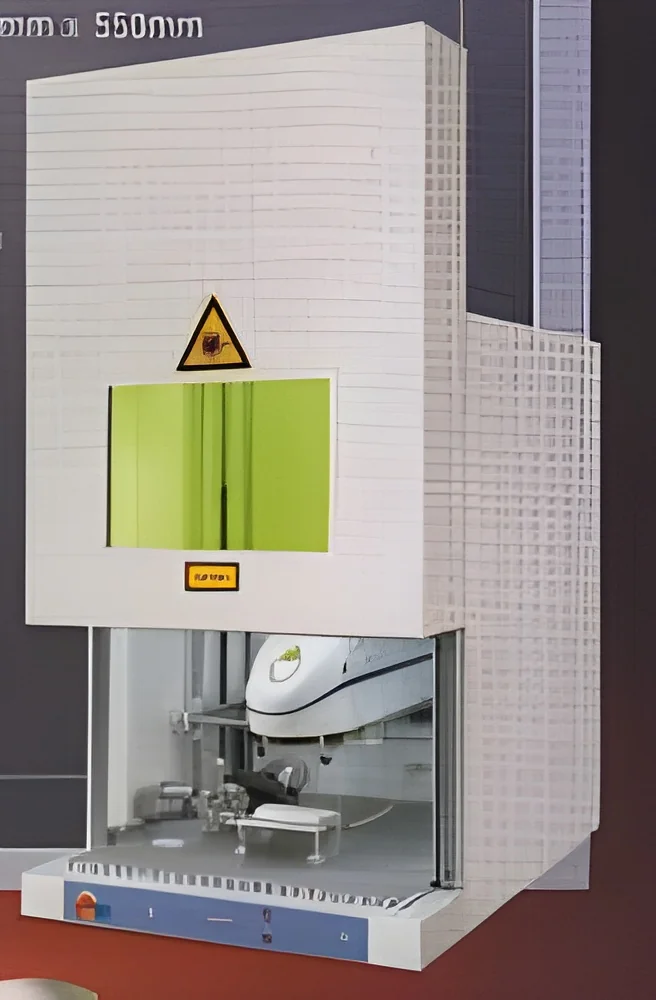
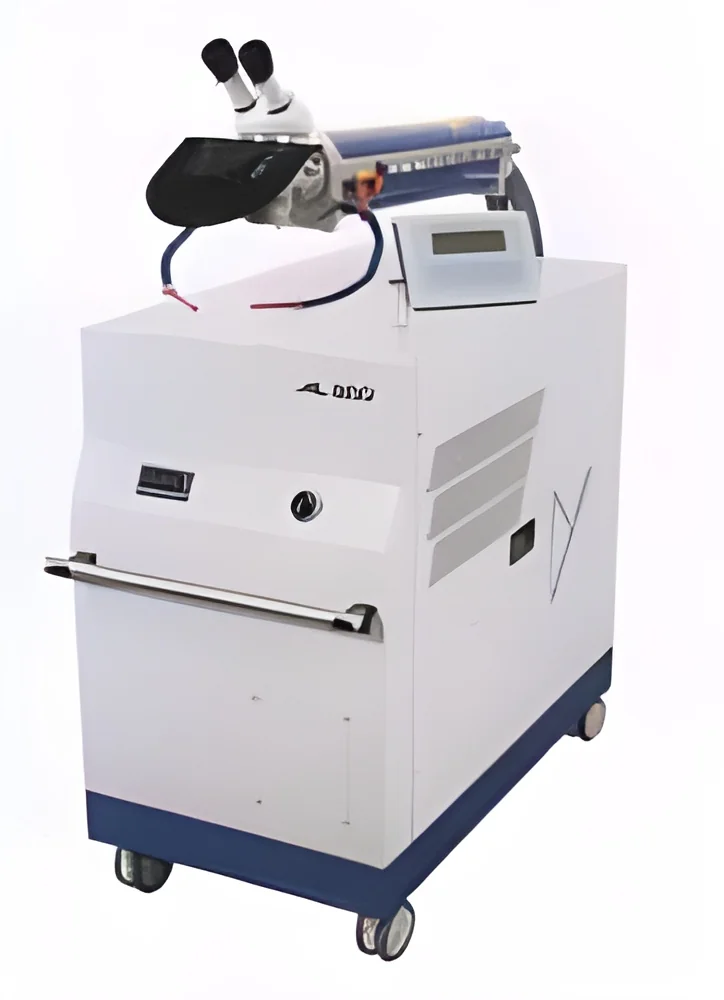
Our industrial laser welding systems represent advanced joining technology designed for manufacturers requiring exceptional weld quality and production efficiency. These systems utilize high-energy laser beams to create strong, clean welds on various metals and alloys without physical contact, eliminating contamination risks and reducing material distortion. The automated operation ensures consistent results batch after batch, making them ideal for high-volume production environments where precision and repeatability are paramount. With programmable parameters and precise power control, these systems adapt to diverse material thicknesses and joint configurations, providing versatile welding solutions that outperform traditional methods in both speed and quality.

These laser welding systems serve critical roles across multiple industries requiring precision metal joining. In automotive manufacturing, they are essential for electric vehicle battery production, welding battery components...
Our industrial laser welding systems represent advanced joining technology designed for manufacturers requiring exceptional weld quality and production efficiency. These systems utilize high-energy laser beams to create strong, clean welds on various metals and alloys without physical contact, eliminating contamination risks and reducing material distortion. The automated operation ensures consistent results batch after batch, making them ideal for high-volume production environments where precision and repeatability are paramount. With programmable parameters and precise power control, these systems adapt to diverse material thicknesses and joint configurations, providing versatile welding solutions that outperform traditional methods in both speed and quality.

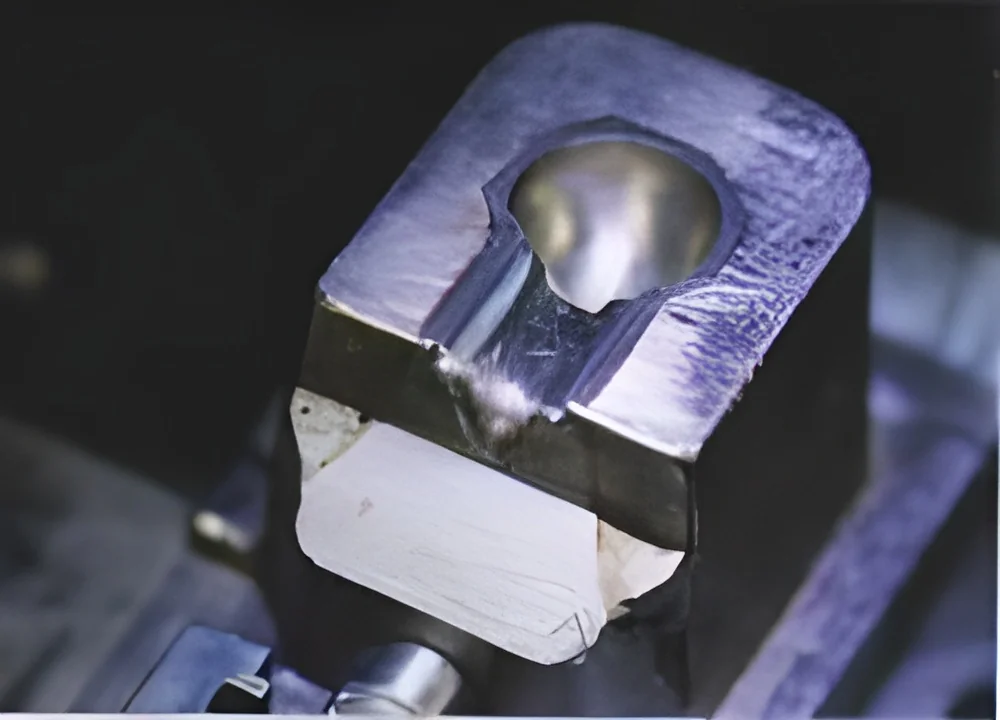
These laser welding systems serve critical roles across multiple industries requiring precision metal joining. In automotive manufacturing, they are essential for electric vehicle battery production, welding battery components and enclosures with minimal heat input to protect sensitive electronics. Aerospace manufacturers rely on them for turbine blade repair and assembly of lightweight structures where weld integrity directly impacts safety and performance. The medical industry utilizes these systems for assembling surgical instruments and implantable devices requiring precise hermetic seals and biocompatible welds. Electronics manufacturers employ them for precision welding of micro-components and enclosure sealing, while industrial equipment makers use them for fabricating durable machinery components with superior fatigue resistance and longevity.

The operational value of our laser welding systems extends beyond technical capabilities to deliver measurable business advantages and return on investment. These systems significantly reduce production costs by minimizing material waste, eliminating consumables like filler metals, and reducing post-welding processing requirements. Their reliability ensures minimal downtime and consistent output quality, reducing rejection rates and rework expenses. The non-contact welding process extends tool life and decreases maintenance needs compared to traditional welding methods. Manufacturers benefit from increased production throughput due to faster welding speeds and automation capabilities, allowing skilled operators to focus on higher-value tasks while maintaining consistent quality standards throughout extended production runs.

Key Features:
- High-precision laser beam delivery for accurate weld placement
- Automated programmable operation with memory settings
- Minimal heat-affected zone preserving material properties
- Compatibility with various metals including steel, aluminum, copper
- Robust construction for continuous industrial operation

Benefits:
- Increased production efficiency through faster welding speeds
- Reduced operational costs with minimal material waste
- Consistent high-quality welds with repeatable results
- Lower maintenance requirements and extended system lifespan
- Enhanced manufacturing flexibility across multiple materials
Specifications
| Additional Information | |
|---|---|
| Country of Origin | India |
Application
Industrial laser welding systems provide exceptional precision for manufacturing applications requiring clean, high-strength metal joins. These systems deliver consistent results across various materials including stainless steel, aluminum, titanium, and copper alloys, making them suitable for diverse production environments where accuracy and repeatability are critical for component performance and assembly quality.
These advanced welding solutions are engineered for industries demanding hermetic sealing, fine weld seams, and full automation compatibility. From medical device manufacturing to automotive component assembly, laser welding systems maintain structural integrity while minimizing thermal impact, ensuring superior finish quality without the need for extensive post-processing operations in high-volume production settings.
- Electric vehicle battery pack assembly and component welding
- Medical instrument manufacturing with precision hermetic seals
- Aerospace component repair and turbine blade fabrication
- Electronics housing and micro-component assembly
- Precision manufacturing of industrial equipment components
Trade Details
| Available Stock | In Stock |
| Sample Availability | No |
Payment Terms
| Payment Terms |
|
Company Profile
Inter Tech Consultants, Maharashtra
 Maharashtra, India
Maharashtra, IndiaTools & Hardware•Trading Company•Importer / Exporter
Factory Details
Factory SizeBelow 1000 sqm
Annual Production Capacity0
Main Markets
South Asia
Industrial Laser Welding Systems For High Speed Precision Metal Joining
Industrial laser welding systems deliver high-speed precision metal joining for manufacturing applications. These reliable automated systems create clean welds with minimal heat distortion on various metals and alloys, ideal for automotive, aerospace, and electronics production environments.
Min. Order Quantity: 1 unit
Shipping
Shipping fee and delivery date to be negotiated. Contact supplier now for more details.
Inter Tech Consultants
 Maharashtra, India
Maharashtra, IndiaTools & HardwareTrading Company