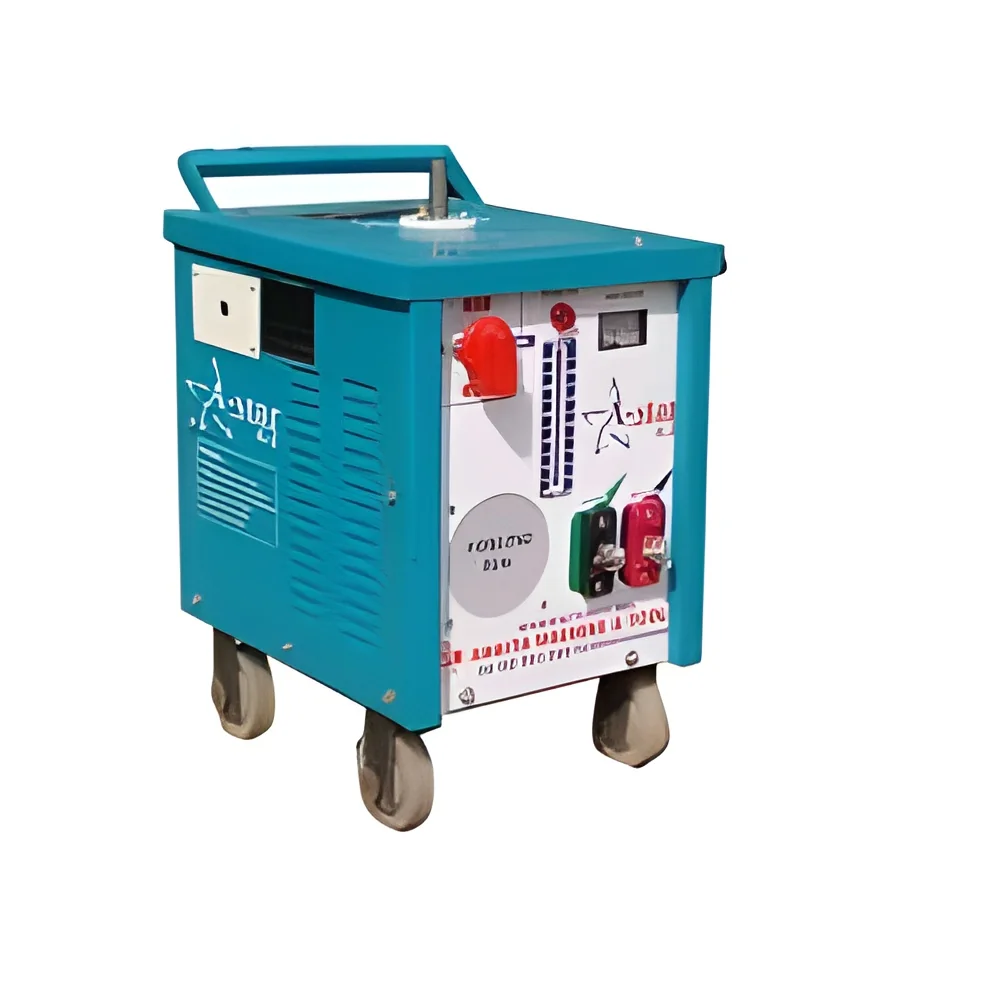
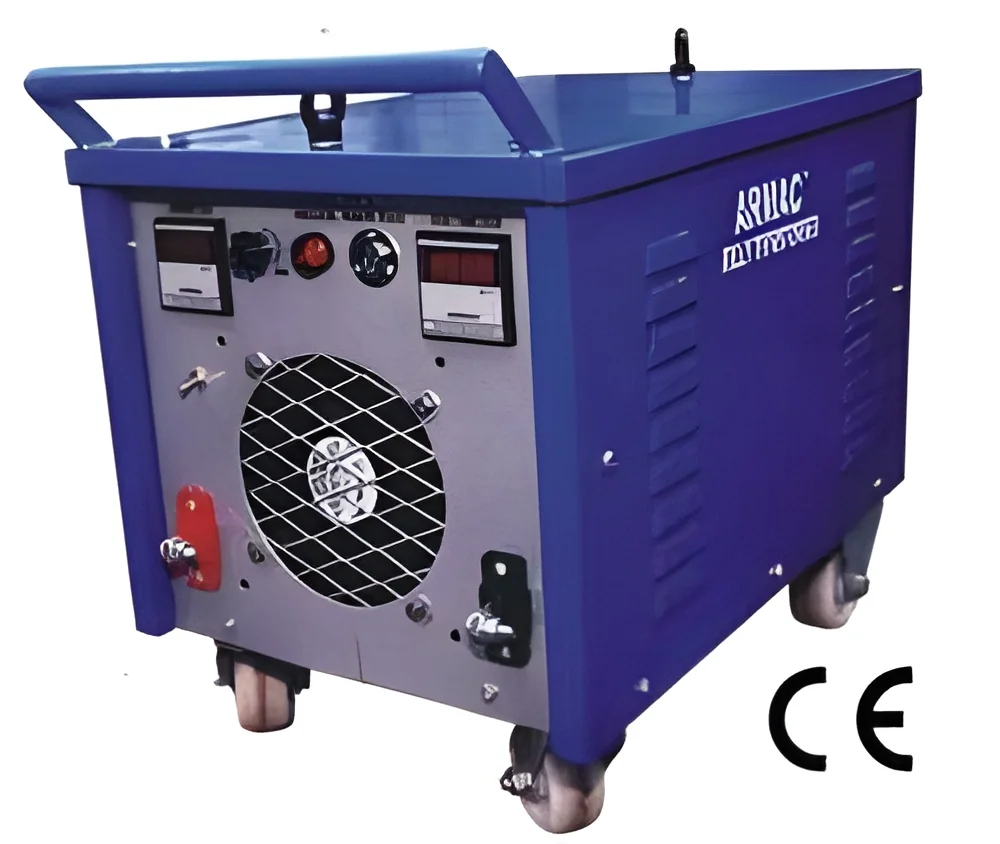
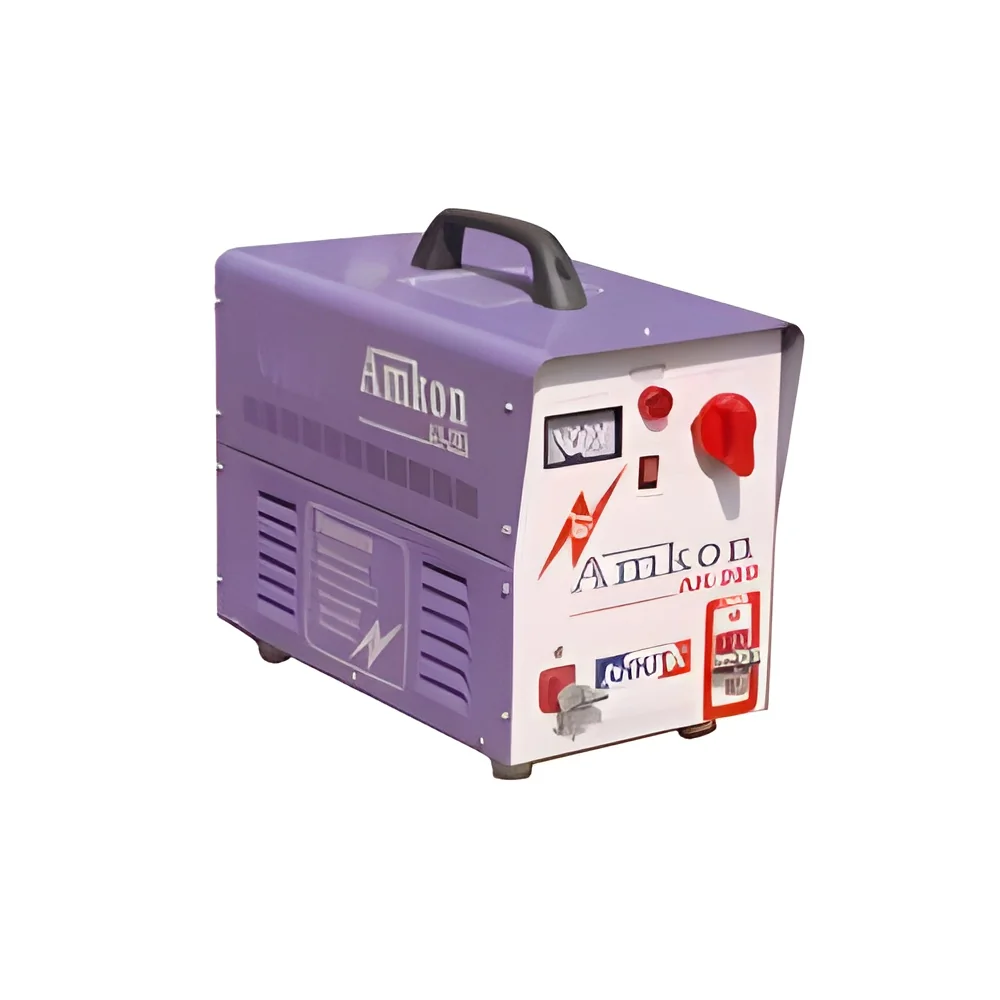
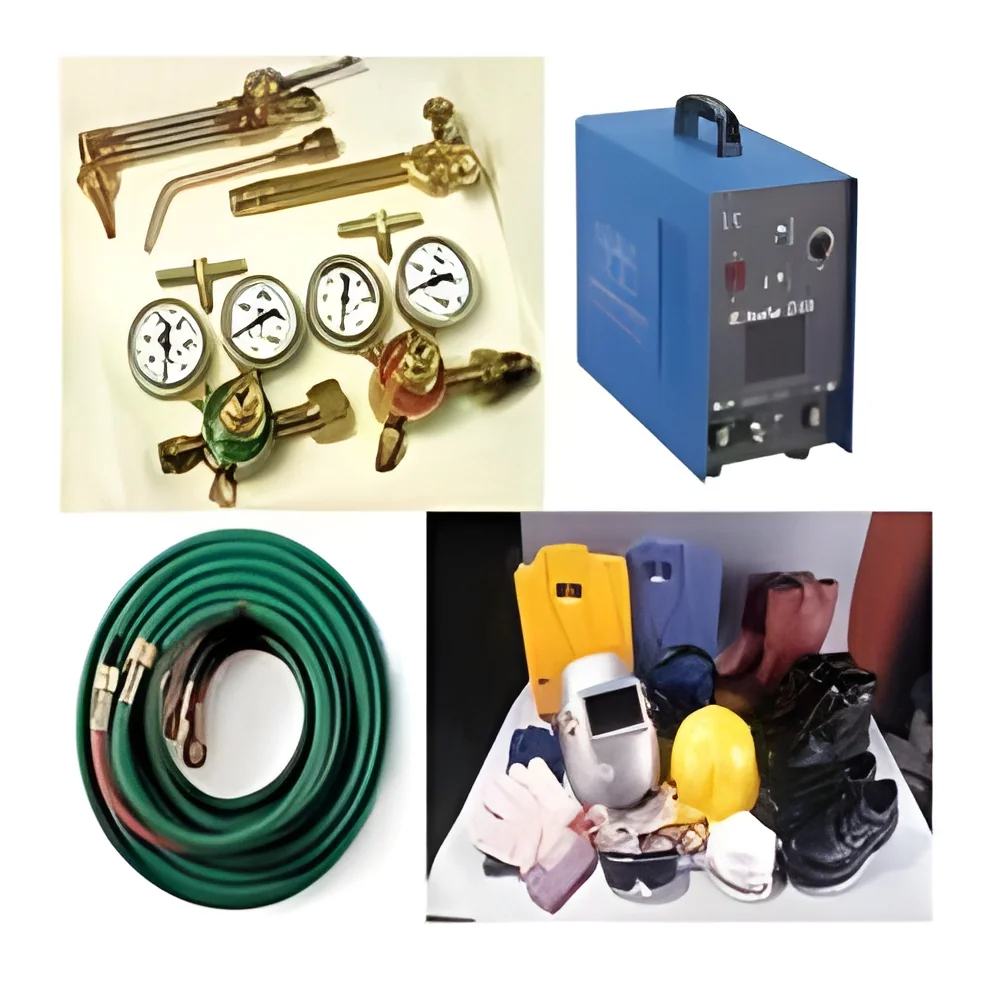
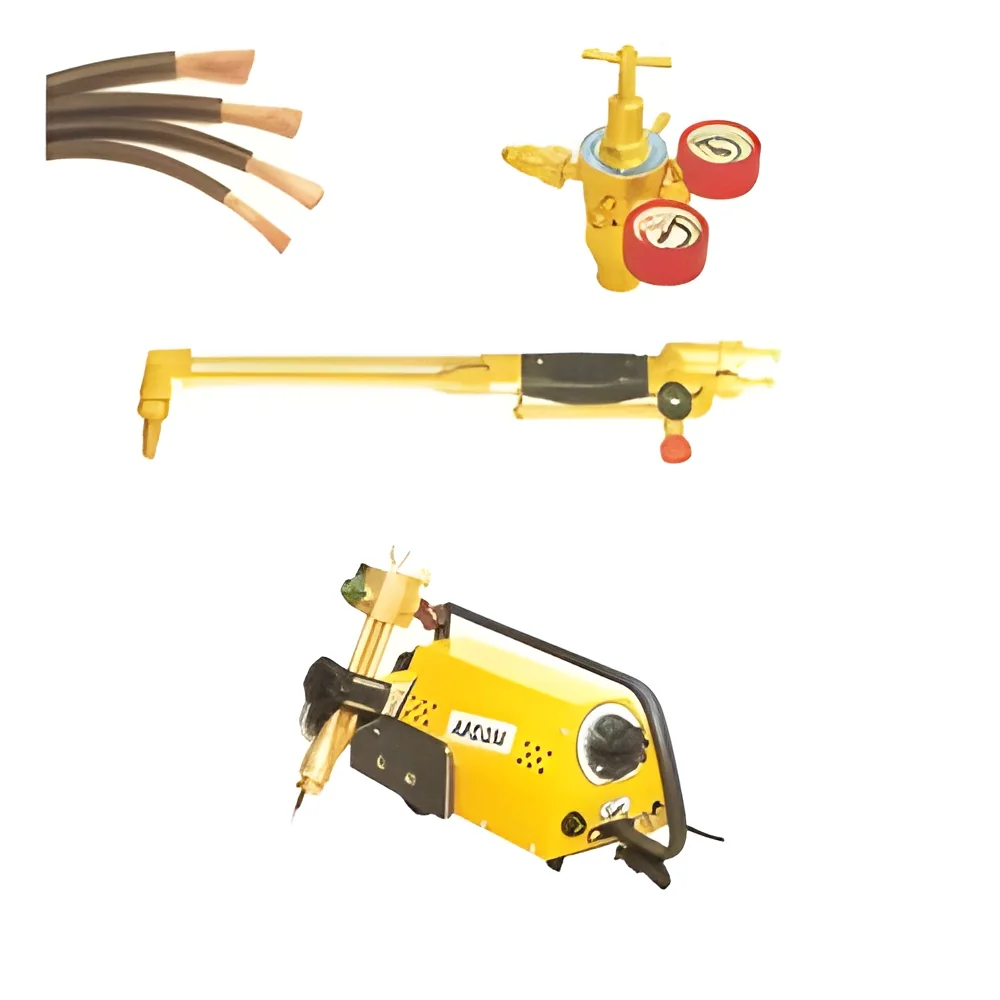
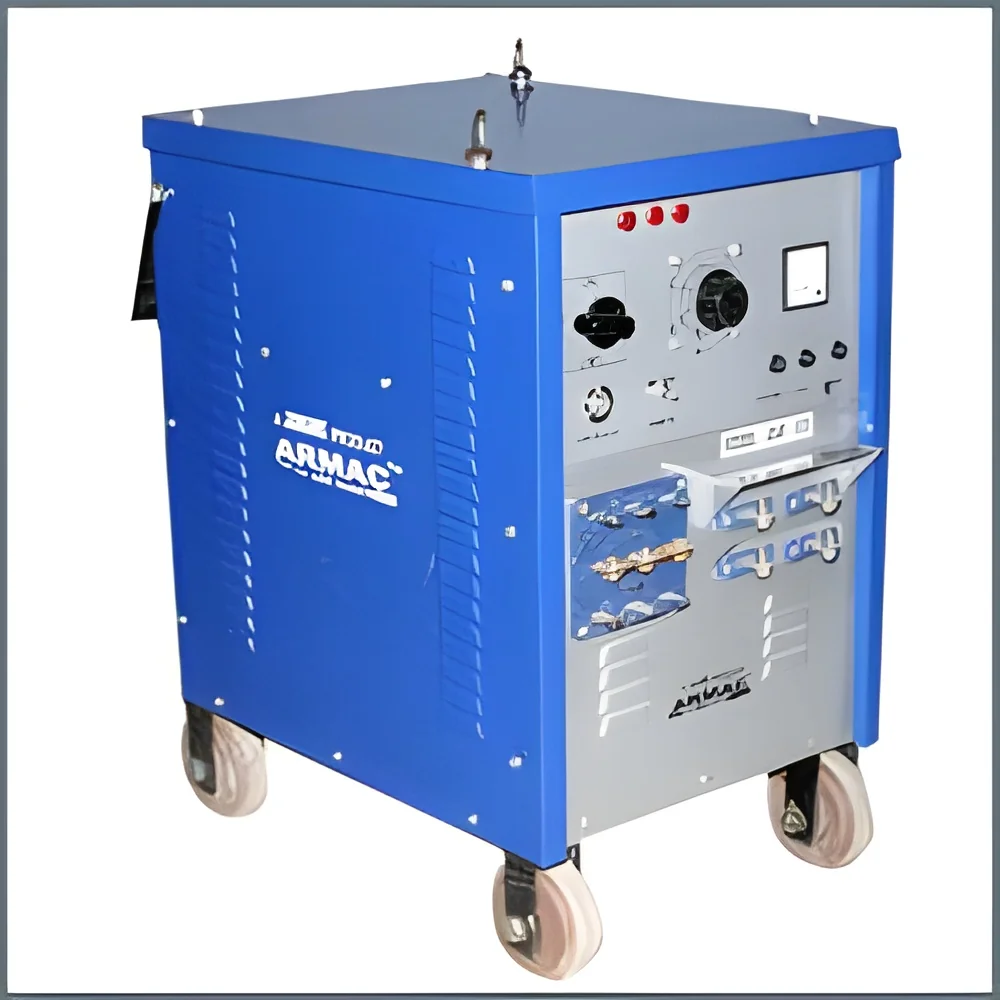
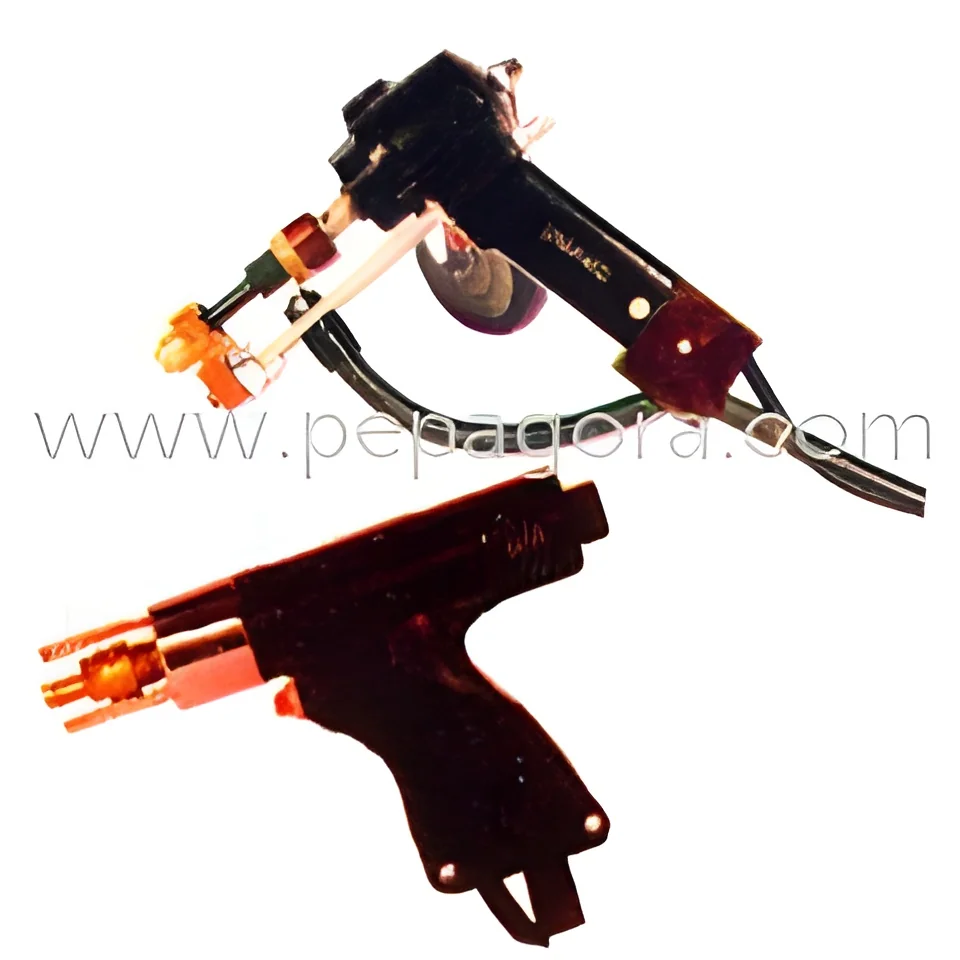
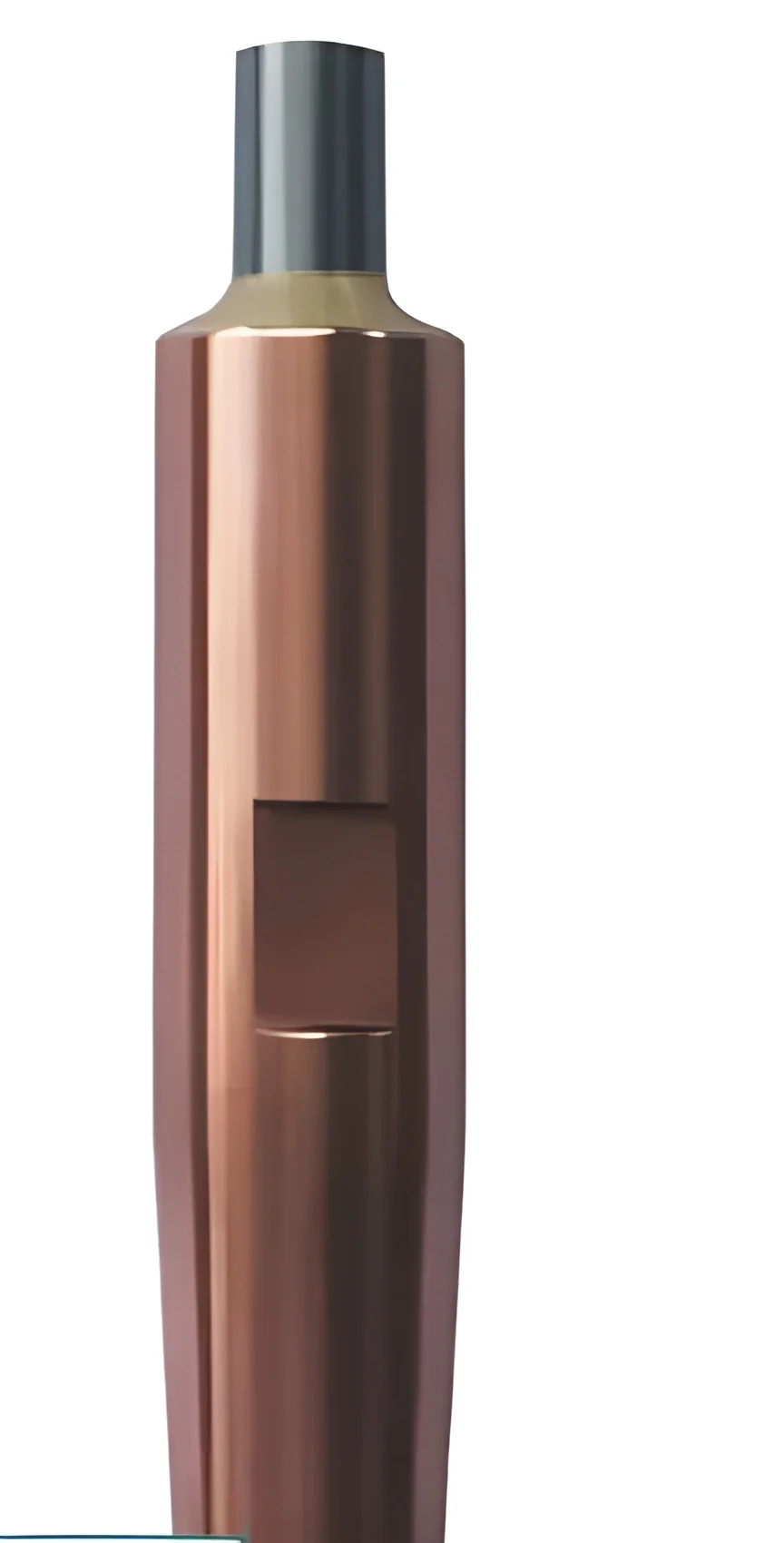
What are Welding Machines (MIG, TIG, ARC)?
Welding machines are essential tools used in various industries to join metal parts through the application of heat and pressure. The three primary types of welding machines are MIG (Metal Inert Gas), TIG (Tungsten Inert Gas), and ARC (Arc Welding) machines. Each type of machine employs different techniques and methods for welding, catering to specific applications and materials. MIG welding is known for its speed and efficiency, making it ideal for production work. TIG welding offers precision and control, suitable for intricate work and non-ferrous materials. ARC welding is versatile and robust, often used in heavy industrial applications.
These welding machines find applications in several sectors, including manufacturing, automotive, construction, and maintenance. Businesses utilize these machines for fabricating metal structures, repairing machinery, and assembling components. Their reliability and effectiveness contribute significantly to operational efficiency and product quality. The welding machine market continues to grow due to advancements in technology and increasing demand for automation in industrial processes.
In the current market context, welding machines are critical for companies aiming to enhance productivity and maintain high standards of craftsmanship. With evolving industry demands, businesses are increasingly investing in modern welding solutions to improve their competitive edge. Understanding the different types and applications of welding machines is crucial for organizations looking to optimize their operations.
๐๐ฒ๐ ๐๐ฒ๐ฎ๐๐๐ฟ๐ฒ๐ ๐ฎ๐ป๐ฑ ๐ฆ๐ฝ๐ฒ๐ฐ๐ถ๐ณ๐ถ๐ฐ๐ฎ๐๐ถ๐ผ๐ป๐
Welding machines come equipped with various features and specifications that enhance their performance and versatility. When choosing a welding machine, it is essential to consider these specifications to ensure it meets the specific needs of your business.
Key specifications include:
1. Welding Process Type
- Types include MIG, TIG, and ARC
- Each process has unique applications and benefits
2. Power Output
- Measured in volts and amps
- Determines the thickness of materials that can be welded
3. Duty Cycle
- Indicates the percentage of time a machine can operate within a given period
- Higher duty cycles allow for longer use without overheating
4. Weight and Portability
- Varied weights for different models
- Some models designed for easy transport
5. Control Options
- Includes manual and automatic settings
- Advanced models may feature digital displays and programmable functions
6. Cooling System
- Air-cooled or liquid-cooled options available
- Affects performance during extended use
7. Input Power Source
- Options include single-phase and three-phase power
- Important for compatibility with existing electrical systems
8. Safety Features
- Welding machines often include safety mechanisms such as thermal overload protection
- Essential for operator safety and equipment longevity
In summary, understanding the key features and specifications of welding machines is vital for making informed purchasing decisions. Selecting a machine that aligns with specific operational requirements can significantly enhance productivity and quality.
๐๐ผ๐บ๐บ๐ผ๐ป ๐๐ฝ๐ฝ๐น๐ถ๐ฐ๐ฎ๐๐ถ๐ผ๐ป๐ ๐ฎ๐ป๐ฑ ๐จ๐๐ฒ ๐๐ฎ๐๐ฒ๐
Welding machines are utilized across a diverse range of industries, each with unique requirements and applications.
1. Manufacturing: In this sector, welding machines are used for assembling metal structures, fabricating components, and ensuring product integrity. They are essential in the production of machinery, tools, and equipment.
2. Automotive: Welding is critical in automotive manufacturing for joining various parts such as frames, body panels, and exhaust systems. The precision of TIG welding is particularly valued in this industry for its clean and strong welds.
3. Construction: In construction, welding machines are used for structural steel fabrication, pipeline construction, and metal fabrication. Their ability to create strong joints is crucial for ensuring safety and durability.
4. Shipbuilding: The shipbuilding industry relies on welding machines to fabricate and repair large metal structures. ARC welding is commonly used in this sector due to its versatility.
5. Aerospace: In aerospace manufacturing, precision welding is necessary for assembling aircraft components. Both TIG and MIG welding are utilized for their ability to create strong, lightweight joints.
6. Maintenance and Repairs: Welding machines are vital in maintenance applications, allowing for quick repairs of machinery and equipment, thus minimizing downtime.
7. Art and Design: In creative industries, welding machines are used to create metal sculptures and artistic installations, showcasing the versatility of welding techniques.
๐ฃ๐ฟ๐ผ๐ฑ๐๐ฐ๐ ๐ฉ๐ฎ๐ฟ๐ถ๐ฎ๐ป๐๐ ๐ฎ๐ป๐ฑ ๐ฆ๐๐ฏ๐ฐ๐ฎ๐๐ฒ๐ด๐ผ๐ฟ๐ถ๐ฒ๐
Welding machines are available in a variety of models and configurations to suit different needs and applications. This product diversity allows businesses to select the most appropriate equipment for their specific tasks.
MIG Welding Machines
MIG welding machines are designed for high-speed welding of metals. They are user-friendly and ideal for both novice and experienced welders. These machines utilize a continuous wire feed system, making them efficient for production environments.
TIG Welding Machines
TIG welding machines offer exceptional control and precision, making them suitable for welding thin materials and intricate designs. They utilize a non-consumable tungsten electrode and require a higher skill level, making them popular for high-quality welding tasks.
ARC Welding Machines
ARC welding machines are versatile and can be used for various applications, including heavy-duty welding tasks. They are known for their robustness and are often used in construction and repair work. These machines can operate in different environments, including outdoors.
๐๐ฒ๐ป๐ฒ๐ณ๐ถ๐๐ ๐ฎ๐ป๐ฑ ๐๐ฑ๐๐ฎ๐ป๐๐ฎ๐ด๐ฒ๐
Investing in welding machines provides numerous benefits to businesses across various sectors. Understanding these advantages can help organizations make informed purchasing decisions.
1. Increased Efficiency: Welding machines, especially MIG models, enable faster production times, allowing businesses to meet demand more effectively.
2. Improved Quality: High-quality welds achieved through advanced technology ensure the integrity and durability of finished products.
3. Versatility: With different welding processes available, businesses can choose machines that cater to a wide range of applications and materials.
4. Cost-Effectiveness: Automated welding solutions can reduce labor costs and minimize material waste, leading to significant savings.
5. Enhanced Safety: Modern welding machines come equipped with safety features that protect operators and reduce the risk of accidents.
6. Skill Development: Advanced welding machines often include training programs and user-friendly controls, helping operators improve their skills and productivity.
๐๐๐๐ถ๐ป๐ด ๐๐๐ถ๐ฑ๐ฒ ๐ณ๐ผ๐ฟ ๐๐ฎ๐ ๐๐๐๐ฒ๐ฟ๐
When sourcing welding machines, it is essential for B2B buyers to consider several factors to ensure they select the right equipment for their business needs.
1. Quality Assessment: Evaluate the build quality and reliability of the machines. Look for brands that meet industry standards and have a reputation for durability.
2. Supplier Verification: Vet suppliers by checking their credentials, customer reviews, and certifications. Ensure they have a track record of providing reliable products and services.
3. Pricing and MOQ: Understand the pricing structure and minimum order quantities (MOQ) for the machines. Compare quotes from different suppliers to find the best deal.
4. Delivery and Lead Times: Consider the logistics involved in shipping the machines. Ensure that suppliers can meet your delivery timelines to avoid disruptions in operations.
5. Compliance Requirements: Verify that the welding machines comply with relevant industry standards and regulations. This includes safety certifications and adherence to environmental guidelines.
๐๐ผ๐บ๐ฝ๐น๐ถ๐ฎ๐ป๐ฐ๐ฒ ๐ฎ๐ป๐ฑ ๐๐ฒ๐ฟ๐๐ถ๐ณ๐ถ๐ฐ๐ฎ๐๐ถ๐ผ๐ป๐
Welding machines must adhere to various quality standards and certifications to ensure safety and reliability. One relevant standard is ISO 9001, which focuses on quality management systems. This certification indicates that manufacturers have established processes to ensure consistent quality in their products.
In addition, many welding machines are certified by CE standards, which signify compliance with European health, safety, and environmental protection legislation. This certification is crucial for manufacturers looking to market their machines in Europe and other regions that recognize CE marking.
Safety and testing requirements are also paramount in the welding machine industry. Machines must undergo rigorous testing to ensure they perform safely under various conditions. Regional compliance considerations may vary, so it is essential for manufacturers to stay updated on local regulations in the markets they serve.
Why Source Welding Machines (MIG, TIG, ARC) from Pepagora?
Pepagora provides a trusted platform for sourcing welding machines with several key advantages for businesses.
Verified Supplier Network: Pepagora ensures that all suppliers in its network have been thoroughly vetted for quality and reliability. This gives buyers confidence in their purchasing decisions.
Streamlined RFQ Process: The platform offers a user-friendly request for quotation (RFQ) system, allowing buyers to easily compare prices and specifications from multiple suppliers, saving time and effort.
Trade Assurance and Support: Pepagora offers trade assurance programs that protect buyers throughout the purchasing process. This includes support for resolving any issues that may arise, ensuring a smooth transaction.
Regional Coverage: With a wide geographic reach in markets such as India, the GCC, and Southeast Asia, Pepagora connects buyers with suppliers that can meet their needs for welding machines across different regions.
By choosing Pepagora, businesses can benefit from these advantages, making the sourcing process for welding machines more efficient and secure.