
 IN
Ground Clamps
2 products available
What are Ground Clamps?
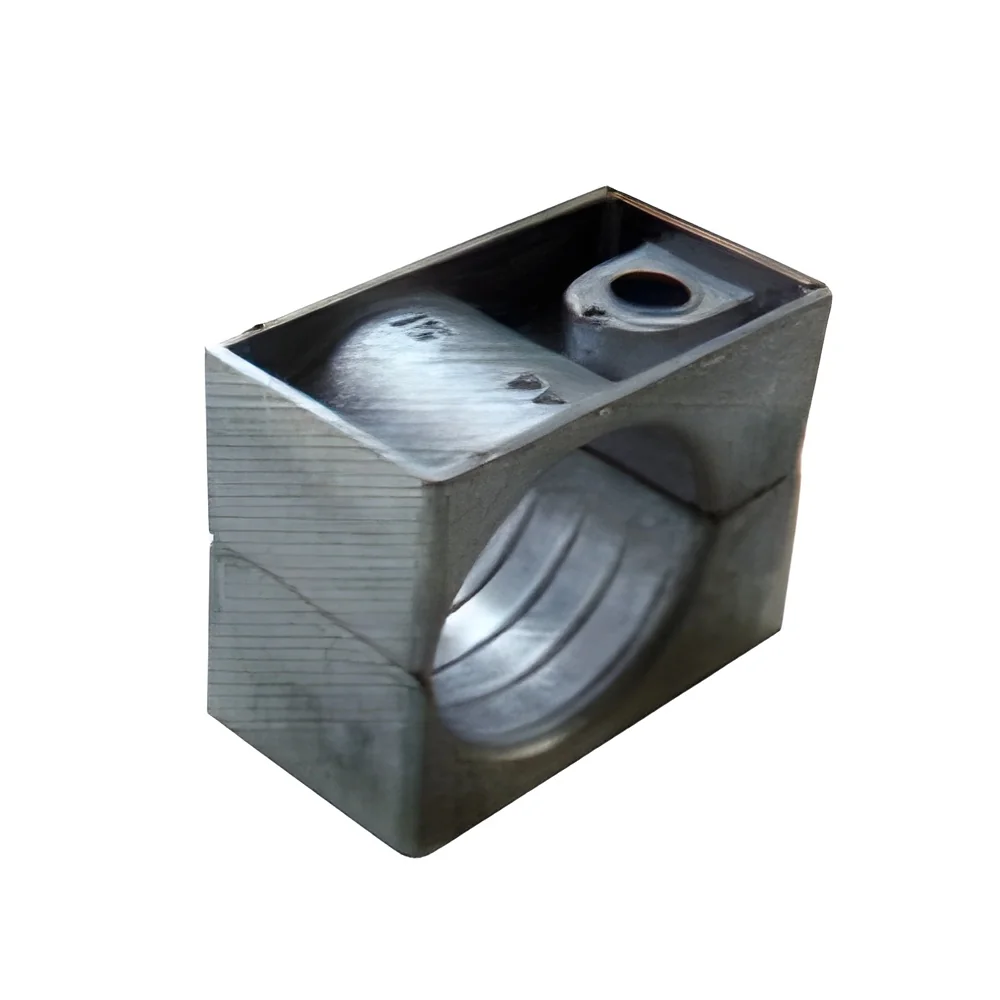
Ground clamps are essential electrical components used to create a secure electrical connection between grounding wires and various structures or equipment. These clamps ensure that electrical systems are properly grounded, which is critical for safety and functionality. They are designed to accommodate different wire sizes and materials, providing reliable conductivity and mechanical strength.
Ground clamps find widespread application in industries such as construction, telecommunications, and utilities. Their primary role is to protect equipment and personnel by preventing electrical shocks and ensuring that electrical systems function correctly. Ground clamps are often used in outdoor settings, where environmental factors can impact electrical safety. As industries increasingly prioritize safety and compliance, the demand for high-quality ground clamps remains strong.
In the current market context, ground clamps are relevant in various sectors, including renewable energy, where proper grounding is vital for solar panel installations and wind turbines. As technology evolves, the need for reliable grounding solutions will continue to grow, emphasizing the importance of ground clamps in maintaining electrical safety standards.
Key Features and Specifications
Ground clamps come with a range of features and specifications that cater to different industrial needs. These specifications ensure that the clamps perform effectively under various conditions and meet safety standards.
Key specifications include:
1. Material
- Typically made of copper, aluminum, or steel to ensure durability and conductivity.
- Resistance to corrosion and environmental wear is crucial for outdoor applications.
2. Wire Size Compatibility
- Designed to accommodate different wire gauges, typically ranging from AWG 6 to AWG 14.
- Provides flexibility for various grounding applications.
3. Clamping Mechanism
- Features either a screw or bolt mechanism for secure attachment.
- Allows for easy installation and maintenance.
4. Voltage Rating
- Rated for specific voltage levels, ensuring they can handle the electrical load.
- Common ratings include 600V and higher for industrial applications.
5. Temperature Tolerance
- Designed to operate effectively in a range of temperatures, although specific ranges are not detailed.
- Ensures performance in diverse environments.
6. Compliance Certification
- Many ground clamps are CE certified, reflecting adherence to safety and quality standards.
- Compliance with regional regulations is essential for market acceptance.
7. Finish Type
- Available in various finishes, such as galvanized or tin-plated, to enhance corrosion resistance.
- The finish type can impact the clamp's longevity and performance.
In summary, understanding the features and specifications of ground clamps is crucial for selecting the right product for specific applications. Proper selection ensures safety, reliability, and compliance with industry standards.
Common Applications and Use Cases
Ground clamps serve various industries, providing essential grounding solutions for electrical systems.
1. Construction: Ground clamps are widely used in construction sites to secure grounding systems for temporary power setups, ensuring worker safety and equipment protection.
2. Telecommunications: In telecommunications, ground clamps are essential for grounding antennas and communication towers, preventing electrical surges from damaging sensitive equipment.
3. Utilities: Electric utilities utilize ground clamps to ground transmission lines and substations, minimizing the risk of electrical faults and enhancing system reliability.
4. Renewable Energy: Ground clamps are critical in solar and wind energy systems, ensuring that installations are safely grounded to prevent electrical hazards.
5. Industrial Manufacturing: In manufacturing facilities, ground clamps are used to ground machinery and equipment, helping to reduce the risk of electrical shocks.
6. HVAC Systems: Ground clamps are integral to grounding HVAC equipment, ensuring proper operation and safety in commercial and residential buildings.
7. Railways: Ground clamps are used in railway systems to ground tracks and signaling equipment, enhancing safety and reducing the impact of lightning strikes.
Product Variants and Subcategories
Ground clamps come in various types to meet specific applications and industry needs. The diversity in product design allows for tailored solutions across different sectors.
Standard Ground Clamps: These clamps are designed for general applications and are suitable for various wire sizes. They are easy to install and are often used in construction and utility settings.
Heavy-Duty Ground Clamps: Built for rigorous environments, heavy-duty clamps offer enhanced durability and are used in industrial applications where higher electrical loads are present.
Adjustable Ground Clamps: These clamps feature adjustable mechanisms that allow for accommodating different wire sizes and configurations. They are ideal for applications where flexibility is required.
Spring-Loaded Ground Clamps: Designed for quick attachment and release, spring-loaded clamps are perfect for temporary setups in construction and maintenance work.
Benefits and Advantages
Ground clamps offer numerous benefits that enhance safety and efficiency in electrical systems.
1. Enhanced Safety: By providing a reliable grounding connection, ground clamps significantly reduce the risk of electrical shocks and equipment failures.
2. Improved Equipment Longevity: Proper grounding helps protect sensitive equipment from electrical surges, extending the lifespan of machinery and devices.
3. Compliance with Regulations: Using certified ground clamps ensures adherence to local and international safety standards, reducing liability for businesses.
4. Versatility: Ground clamps can be used in various applications, making them suitable for different industries and environments.
5. Easy Installation: Many ground clamps are designed for quick and simple installation, saving time and labor costs during setup.
6. Cost-Effectiveness: Investing in quality ground clamps can prevent costly downtime and repairs, making them a wise choice for businesses.
Buying Guide for B2B Buyers
When sourcing ground clamps, several factors should be considered to ensure the right selection for your needs.
1. Quality Assessment: Evaluate the materials and manufacturing processes used in the production of ground clamps. High-quality materials ensure durability and reliability.
2. Supplier Verification: Conduct due diligence to verify suppliers' reputations and certifications. This ensures you are sourcing from reputable manufacturers.
3. Pricing and MOQ: Understand the pricing structures and minimum order quantities (MOQ) from suppliers. This helps in budgeting and planning your procurement strategy.
4. Delivery and Lead Times: Inquire about delivery schedules and lead times to ensure timely availability of ground clamps for your projects.
5. Compliance Requirements: Check for compliance with local and international standards to avoid regulatory issues in your operations.
Compliance and Certifications
Ground clamps must adhere to various quality standards and certifications to ensure safety and reliability in their applications.
ISO 9001 is a widely recognized quality management standard that applies to manufacturers of ground clamps. Compliance with this standard indicates that the manufacturer follows rigorous quality control processes.
Additionally, ground clamps often carry CE certification, which signifies conformity with European health, safety, and environmental protection standards. This certification is crucial for products marketed in European markets.
Safety and testing requirements are also important, as ground clamps must be tested for durability, conductivity, and resistance to environmental factors. Regional compliance considerations may vary, so it is essential to be aware of local regulations that govern electrical safety.
Why Source Ground Clamps from Pepagora?
Pepagora provides a trusted platform for sourcing ground clamps, offering several key advantages for B2B buyers.
Verified Supplier Network: Pepagora connects buyers with a network of verified suppliers, ensuring that businesses can source high-quality ground clamps from reputable manufacturers. This reduces the risks associated with procurement.
Streamlined RFQ Process: The platform offers a streamlined request-for-quotation (RFQ) process, making it easy for buyers to obtain quotes and compare prices. This efficiency helps businesses make informed purchasing decisions.
Trade Assurance and Support: Pepagora emphasizes buyer protection through trade assurance programs. This support ensures that transactions are secure and that buyers have recourse in case of disputes.
Regional Coverage: With a strong presence in regions such as India, the GCC, and Southeast Asia, Pepagora offers extensive geographic reach. This allows buyers to source ground clamps tailored to their specific regional requirements.


Frequently Asked Questions
What are Ground Clamps?
<p>Ground clamps are electrical connectors used to establish a secure electrical connection between a ground conductor and a grounding rod or plate. They ensure proper grounding of electrical systems and equipment to enhance safety and minimize electrical hazards.</p>
What are the different types of Ground Clamps?
<p>There are several types of ground clamps including, but not limited to, bolt-type clamps, screw-type clamps, and pressure-type clamps. Each type serves different applications and is designed for various grounding materials like copper, aluminum, or steel.</p>
How do I choose the right Ground Clamps?
<p>To choose the right ground clamps, consider the material of the conductor, the installation environment, and the required electrical rating. Additionally, ensure that the clamp is compatible with the type of grounding system you are using.</p>
What are the standard specifications for Ground Clamps?
<p>Standard specifications for ground clamps typically include the material type, size, electrical rating, and corrosion resistance. It is crucial to refer to industry standards such as ASTM or IEC for specific requirements based on your application.</p>
What is the price range for Ground Clamps?
<p>The price range for ground clamps can vary widely depending on the type, material, and specifications. Generally, you can expect prices to range from a few rupees for basic models to several hundred rupees for high-quality or specialized clamps.</p>
What quality standards apply to Ground Clamps?
<p>Quality standards for ground clamps often include compliance with international and national standards such as ISO, ASTM, and IS. These standards ensure that the clamps meet specific performance criteria for safety, durability, and reliability.</p>
Where can I find Ground Clamps suppliers in India?
<p>You can find ground clamps suppliers in India through online B2B marketplaces like Pepagora, trade shows, and industrial supply companies. It's advisable to check supplier reviews and product certifications to ensure quality.</p>
Can Ground Clamps be customized?
<p>Yes, many manufacturers offer customization options for ground clamps based on specific requirements such as size, material, and design. Custom clamps can be beneficial for unique applications or specific installation conditions.</p>
What is the typical minimum order quantity for Ground Clamps?
<p>The typical minimum order quantity (MOQ) for ground clamps can vary by supplier, but it usually ranges from 100 to 1000 pieces. It's best to check with individual suppliers for their specific MOQ policies.</p>
What is the typical lead time for Ground Clamps?
<p>The typical lead time for ground clamps can range from a few days to several weeks, depending on the supplier's stock availability and whether the clamps are custom-made. Always confirm the lead time with the supplier before placing an order.</p>
Why Businesses Trust Pepagora
Thousands of companies trust Pepagora to source smarter and sell faster
Expand Your Sales Globally

Source Smarter,Grow Faster
