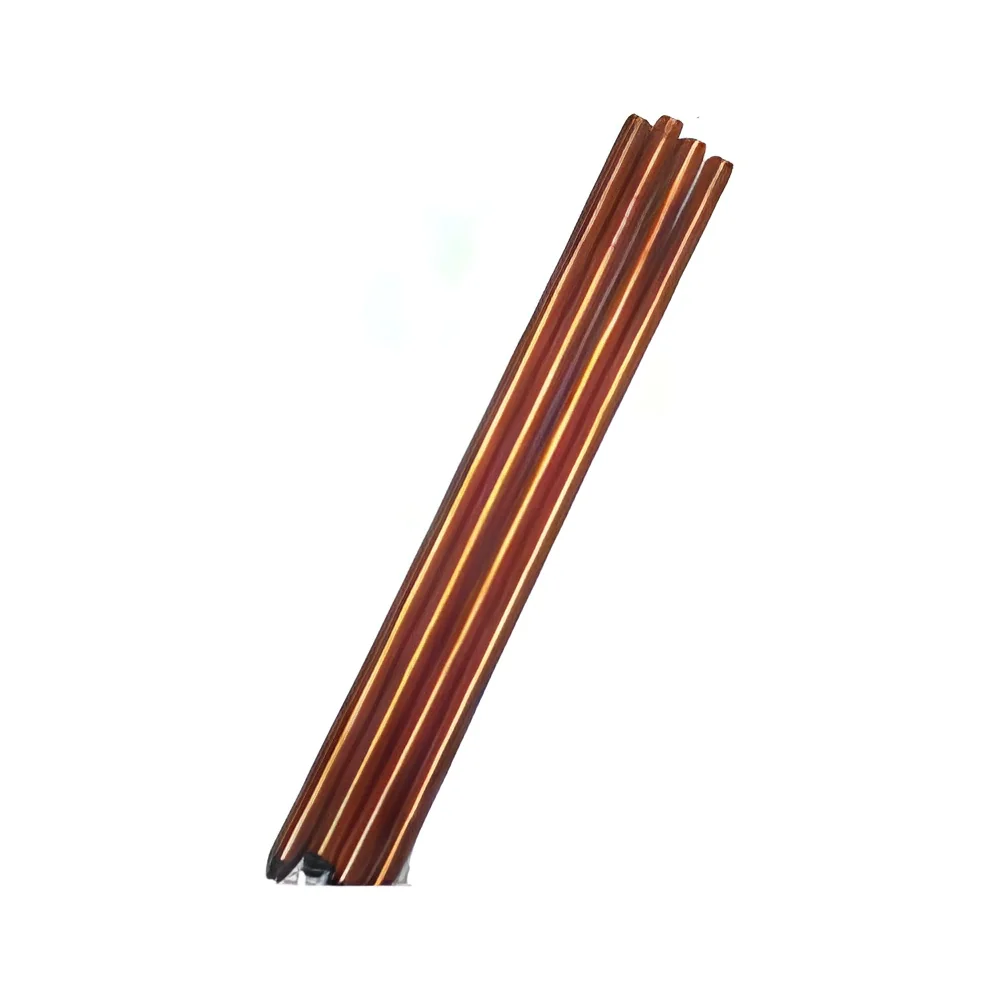
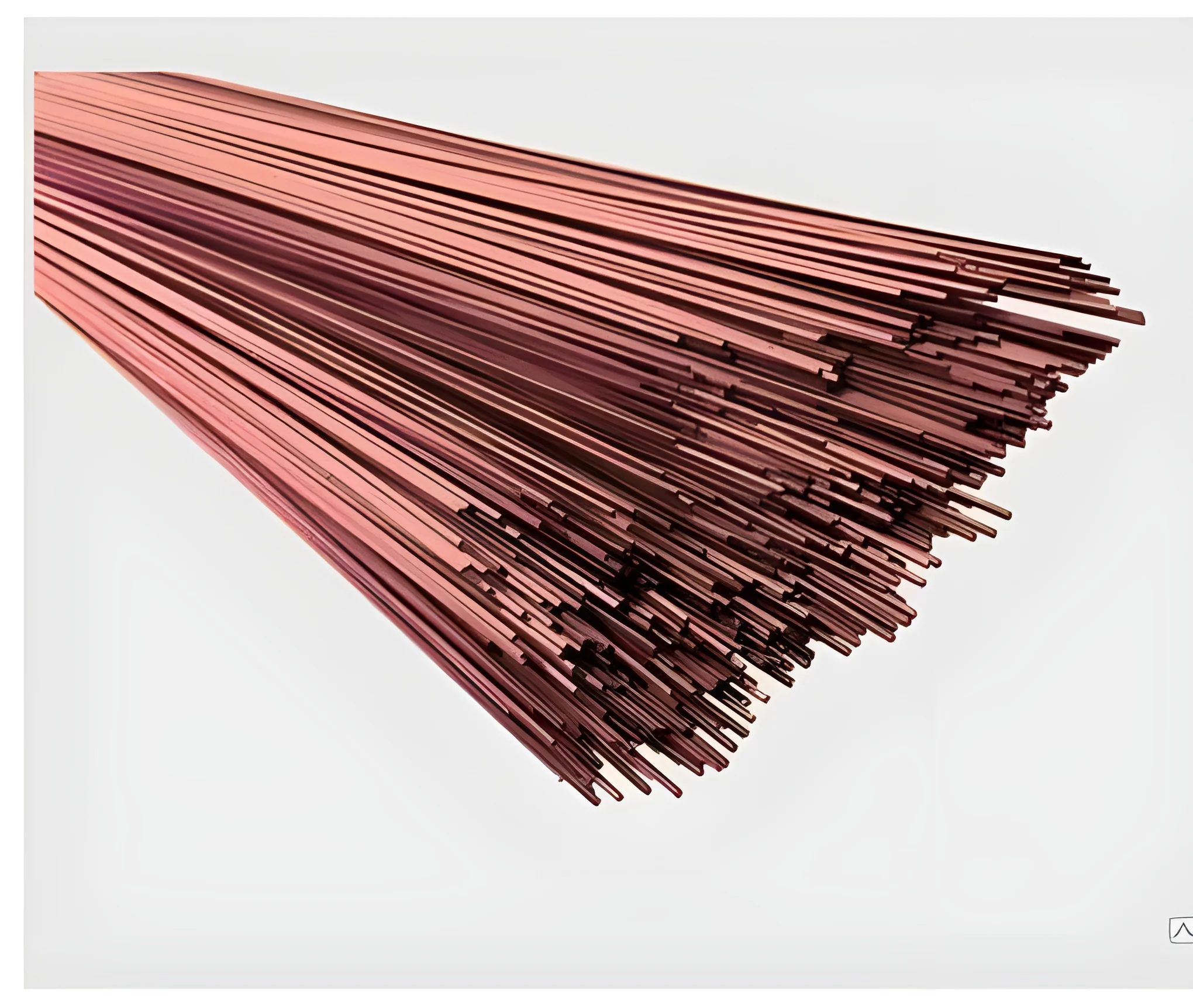
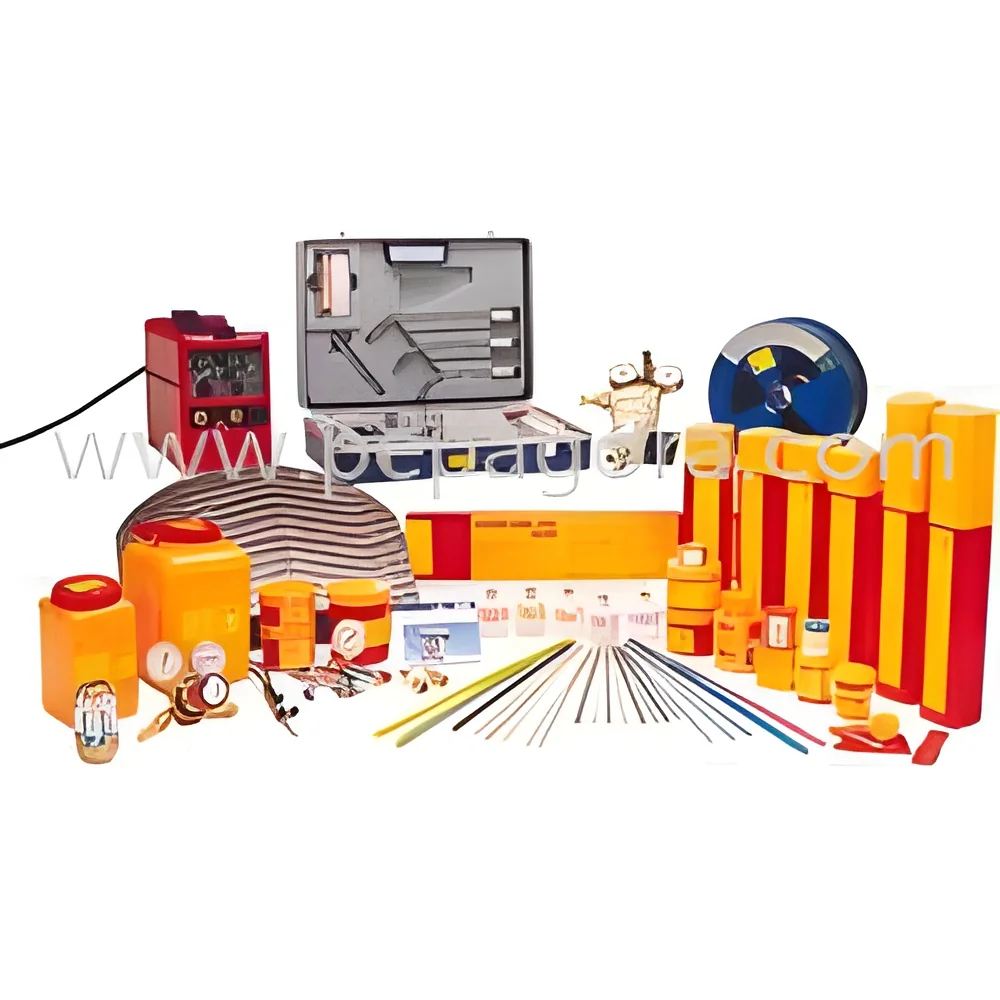
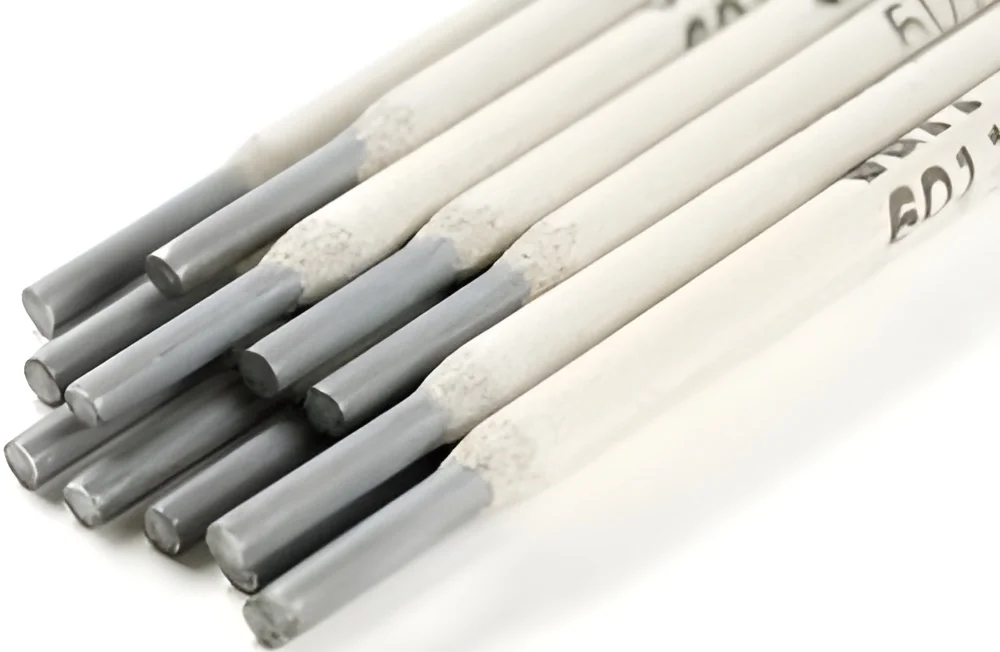
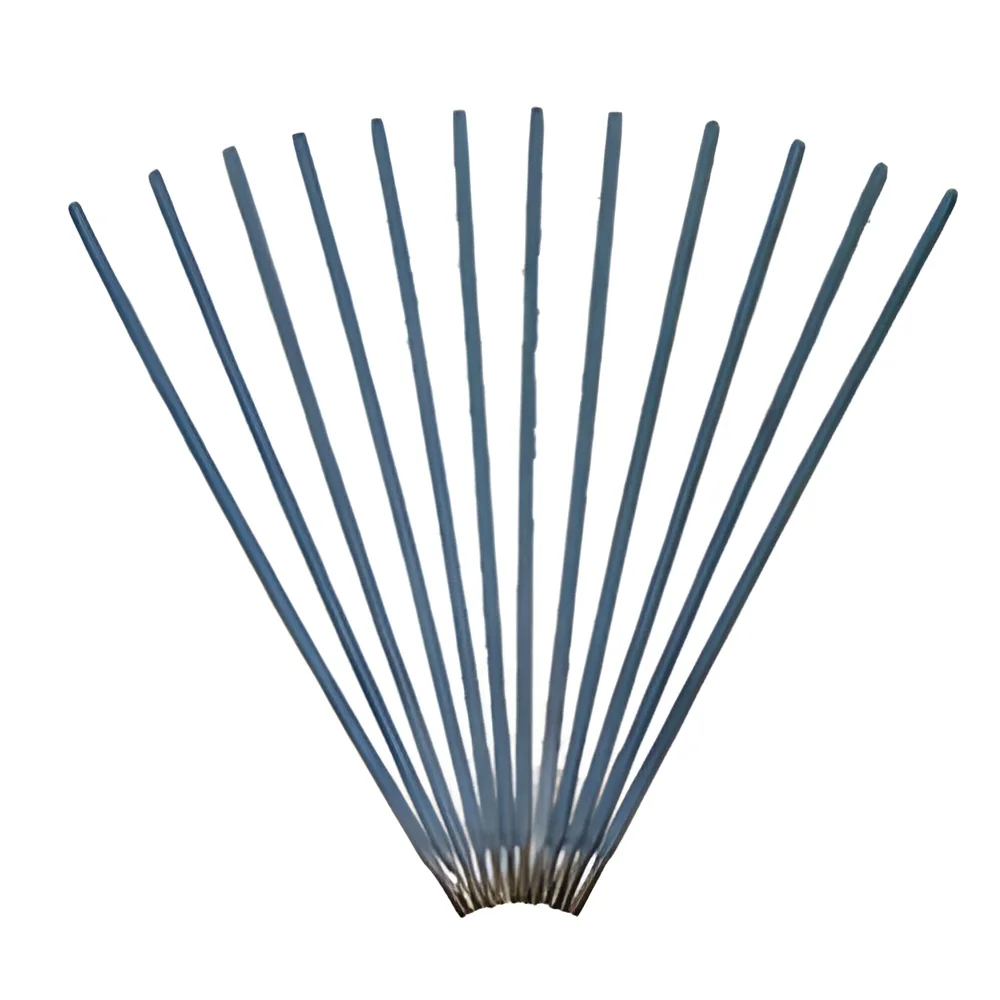
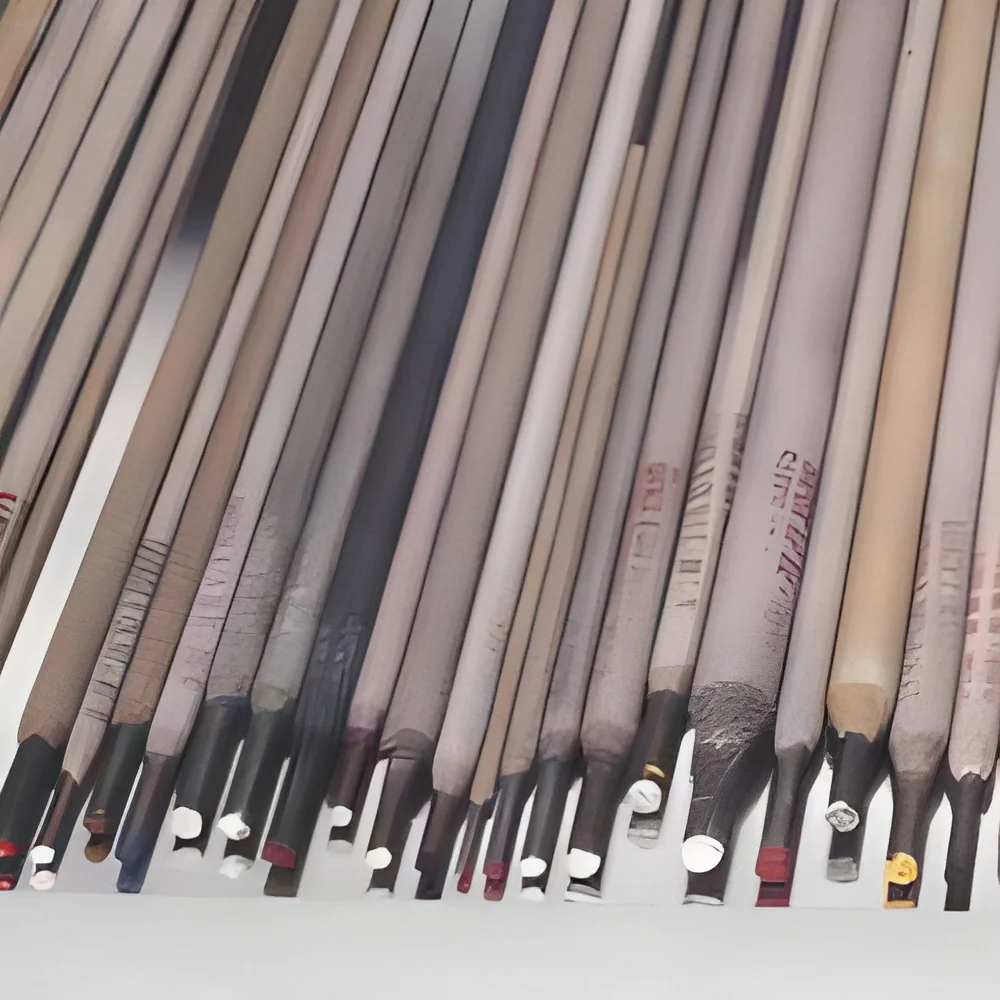
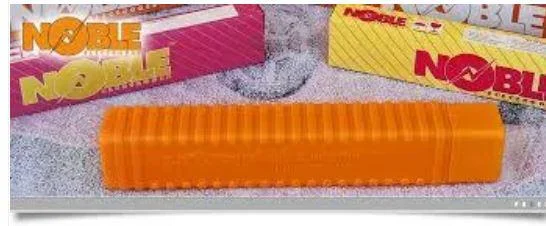
What are Welding Rods?
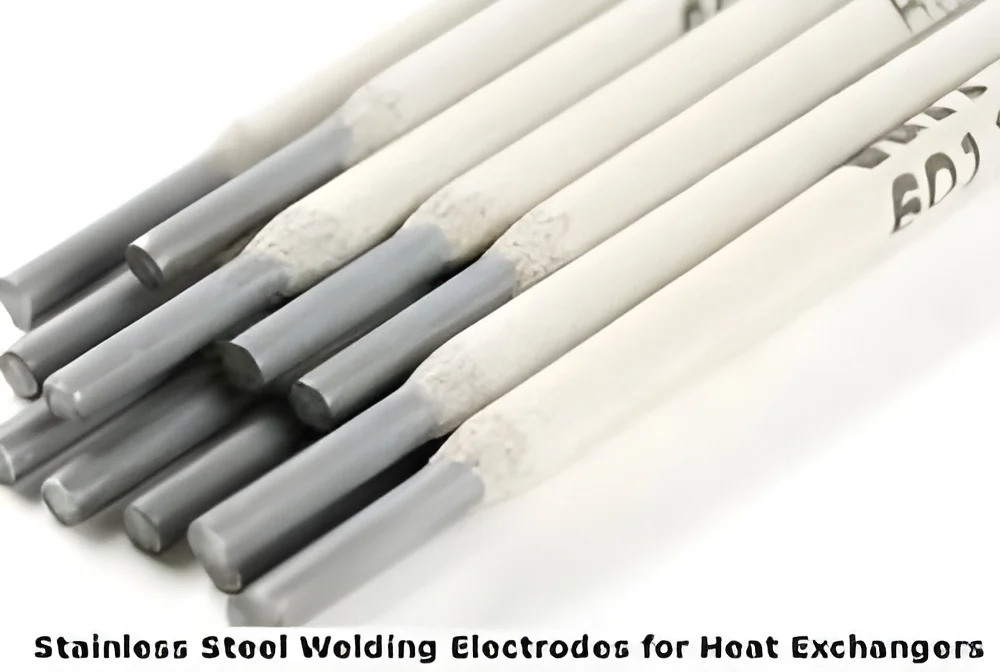
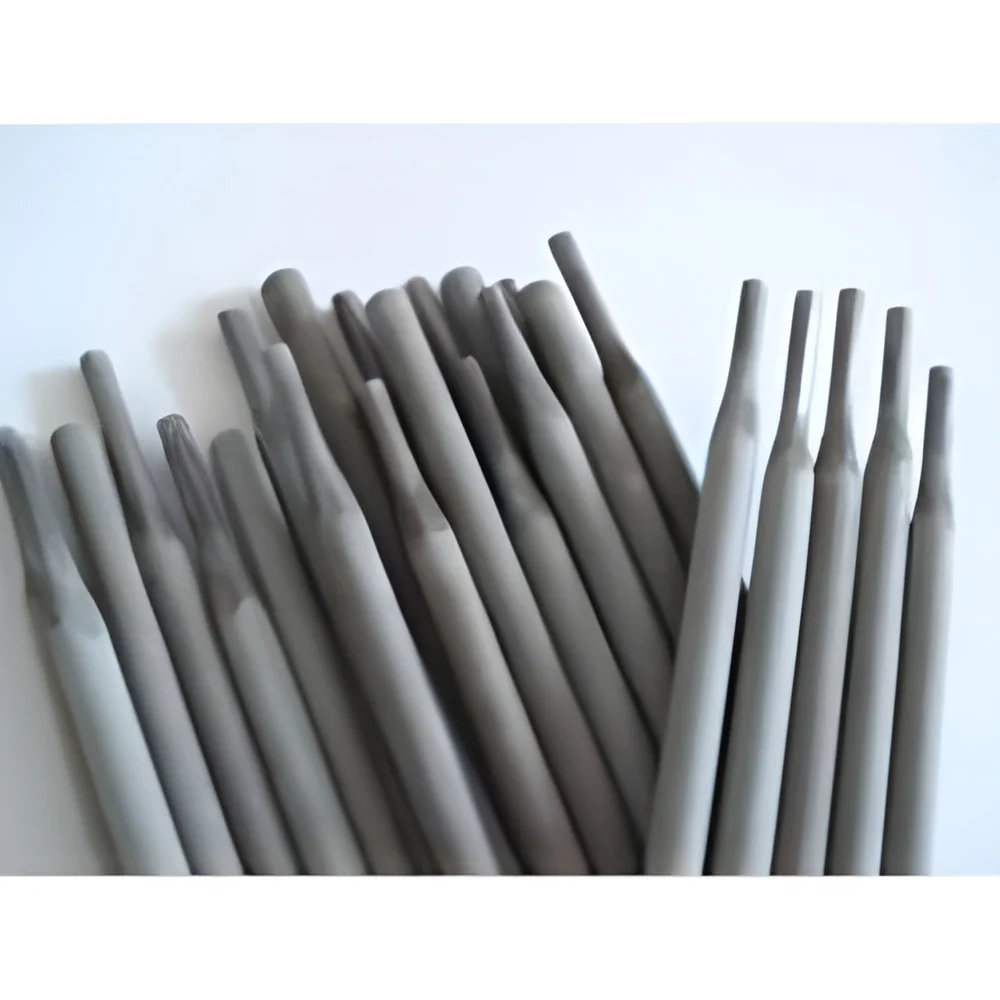
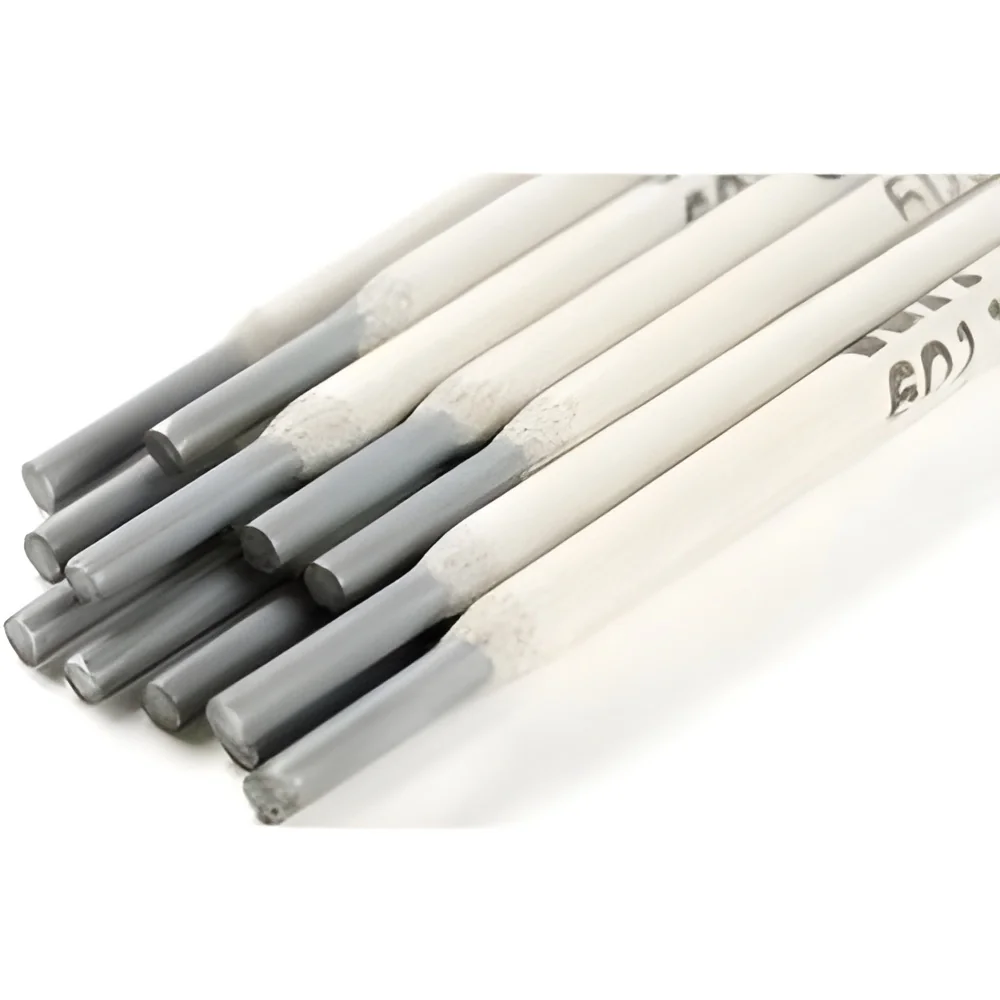
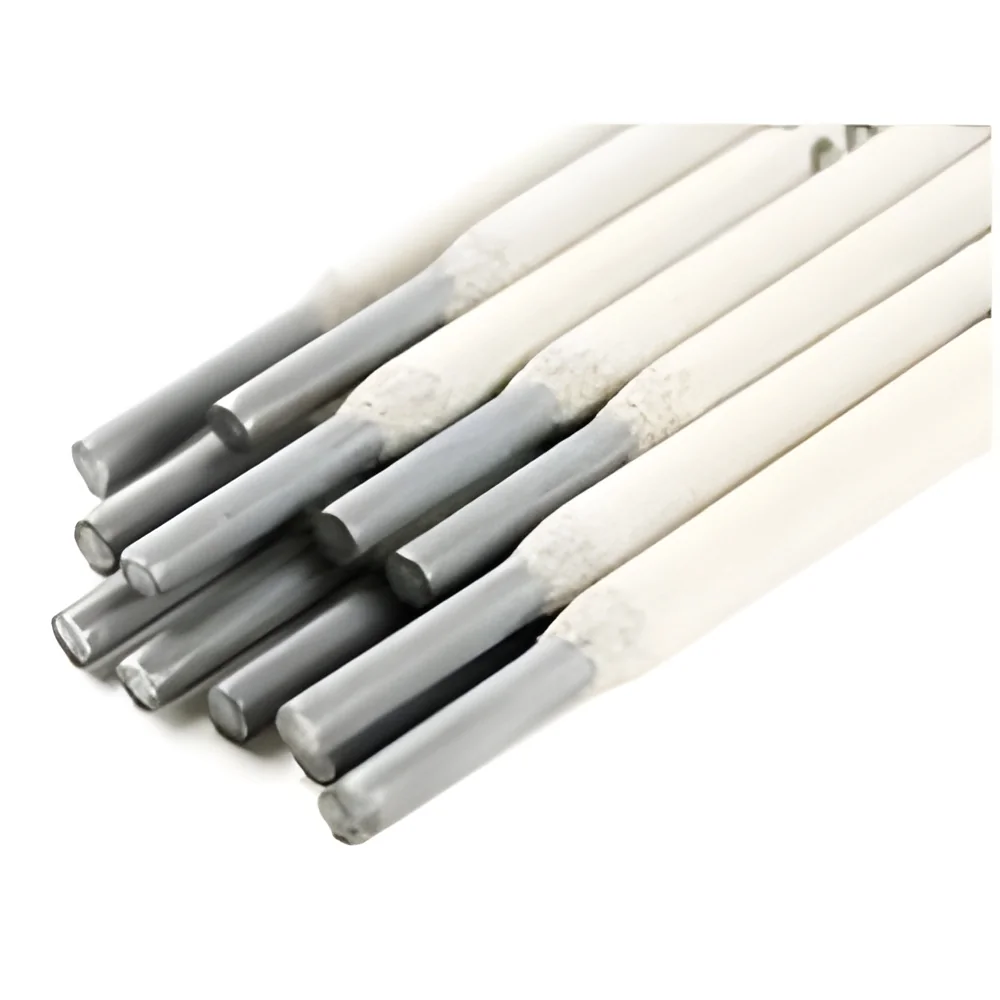
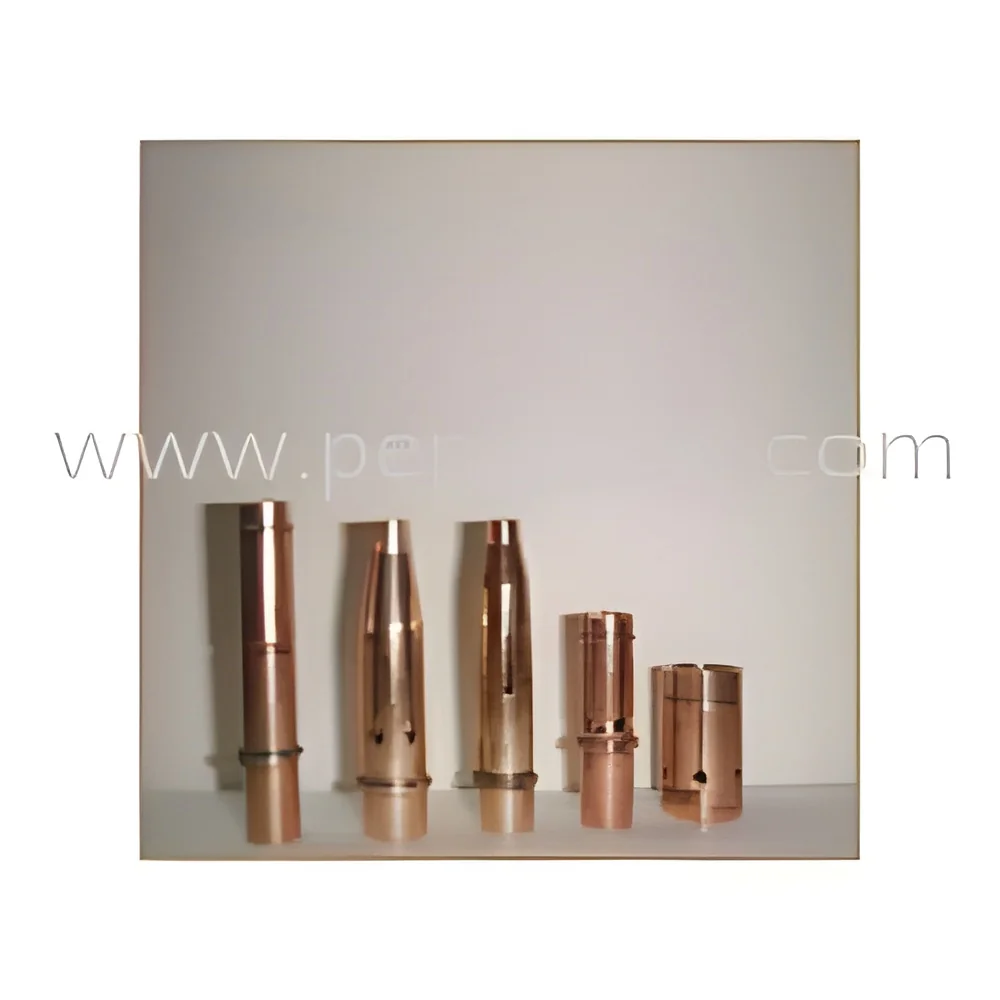
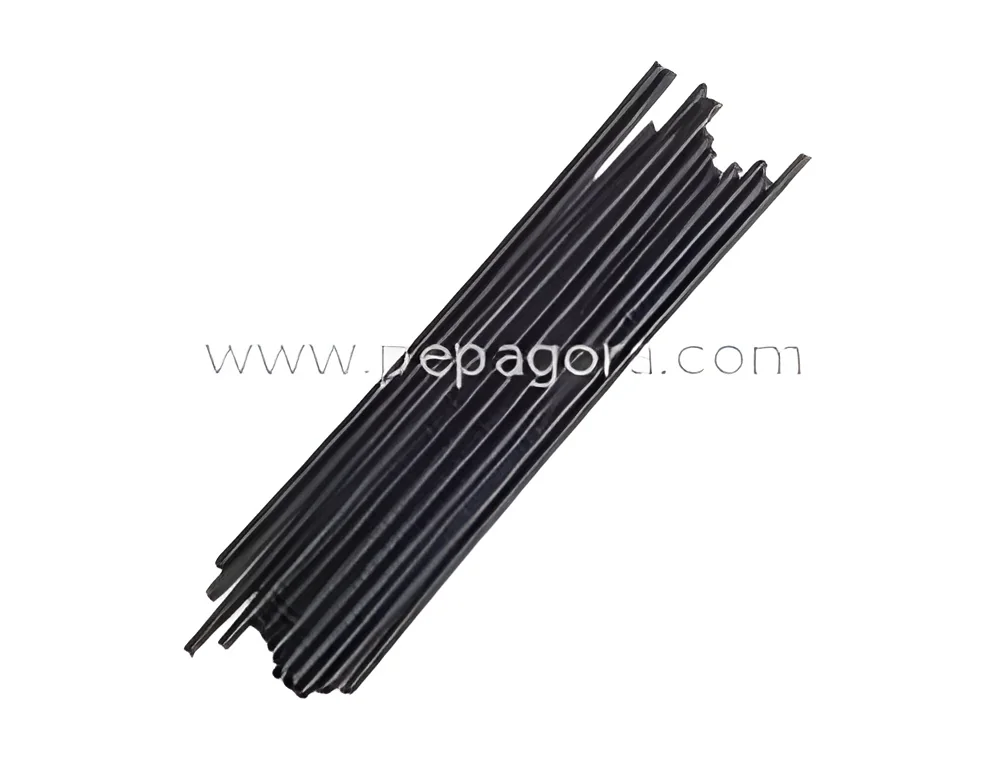
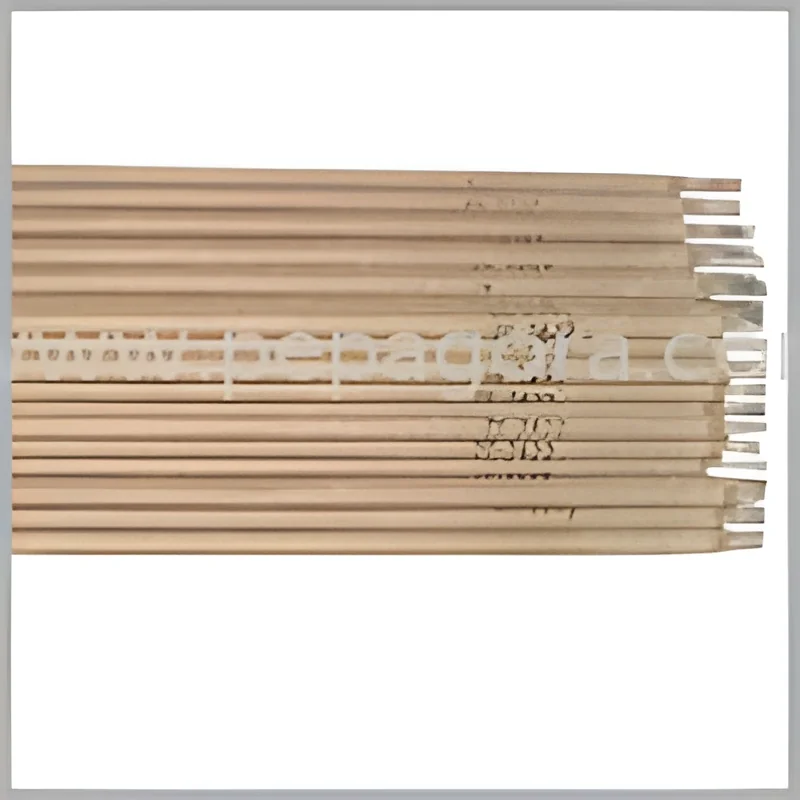
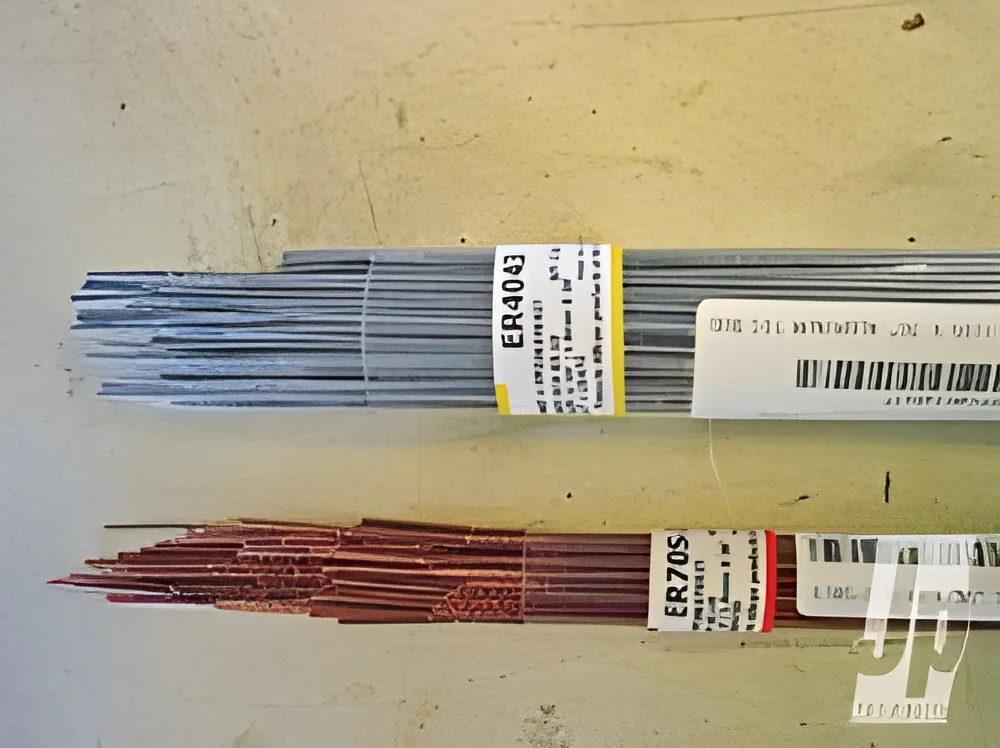
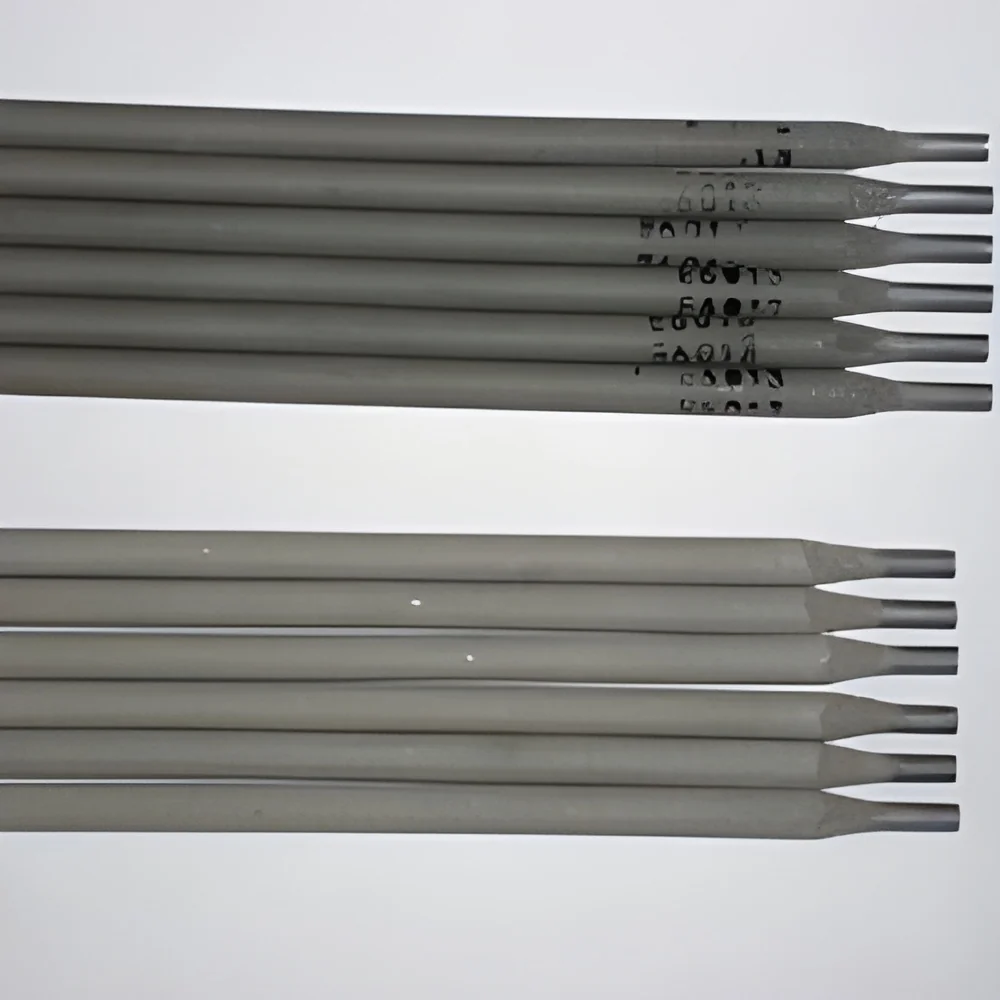
Welding rods are consumable materials used in the welding process to join metal pieces together. They serve as filler materials that melt and fuse with the base metals during the welding operation. Typically made from various alloys, welding rods are designed to match the properties of the metals being joined, ensuring a strong bond and integrity of the weld. Their composition can vary widely depending on the welding technique being employed, including shielded metal arc welding, gas tungsten arc welding, and others.
These rods are predominantly used across various sectors, including construction, manufacturing, automotive, and shipbuilding. They play a crucial role in fabricating structures, repairing equipment, and ensuring the durability of welded joints. As industries increasingly rely on advanced welding technologies, the demand for high-quality welding rods has surged, reflecting their importance in maintaining structural integrity and meeting safety standards.
Key Features and Specifications
Welding rods come with a range of features and specifications that define their performance and suitability for different applications. Understanding these specifications is essential for selecting the right welding rod for a specific job.
Key specifications include:
1. Type of Welding Rod
- Different types include solid, flux-cored, and metal-cored rods.
- Each type has unique applications and benefits.
2. Diameter
- Common diameters range from 1/16 to 1/4 inch.
- Diameter affects the amount of filler material deposited and the weld bead size.
3. Material Composition
- Typically composed of steel, stainless steel, or aluminum.
- Composition influences weld strength and corrosion resistance.
4. Coating Type
- Coatings can be basic, rutile, or cellulose.
- These coatings affect arc stability and slag formation.
5. Current Type
- Available for both AC and DC welding processes.
- Choice depends on the welding machine and application.
6. Tensile Strength
- Measured in megapascals (MPa) or pounds per square inch (psi).
- Indicates the maximum stress that the welded joint can withstand.
7. Chemical Properties
- Includes elements like carbon, manganese, and nickel.
- Affects the mechanical properties and performance of the weld.
8. Certifications
- Compliance with standards such as CE is crucial.
- Certifies the quality and safety of the welding rods.
Selecting the right specifications ensures optimal performance and durability in welding applications.
Common Applications and Use Cases
Welding rods serve various industries and applications, each requiring specific types and properties.
1. Construction: In construction, welding rods are used to join steel beams, reinforcing bars, and structural components. They ensure the integrity and strength of buildings and bridges.
2. Manufacturing: In manufacturing, these rods are essential for assembling machinery and equipment. They provide robust joints that can withstand operational stresses.
3. Automotive: The automotive industry relies on welding rods for fabricating vehicle frames and components. High-strength rods ensure safety and durability in automotive designs.
4. Shipbuilding: In shipbuilding, welding rods are crucial for joining hulls and internal structures. They must offer corrosion resistance for longevity in marine environments.
5. Aerospace: In aerospace, specialized welding rods are used for joining high-performance materials. Precision and quality are vital in ensuring the safety of aircraft.
6. Oil and Gas: In the oil and gas sector, welding rods are used for constructing pipelines and refineries. They need to withstand extreme conditions and corrosive environments.
7. Energy: The energy sector utilizes welding rods in power plants and renewable energy installations. They are essential for constructing wind turbines and solar panel frameworks.
Product Variants and Subcategories
Welding rods come in various types and formulations to cater to different welding processes and materials. Each variant has distinct features that meet specific application needs.
Solid Welding Rods: These are the most common type of welding rods, made from a single metal alloy. They are typically used in arc welding and are known for producing strong welds with minimal slag.
Flux-Cored Welding Rods: These rods contain a flux core that generates shielding gas when melted. They are ideal for outdoor welding and can be used with or without an external shielding gas.
Metal-Cored Welding Rods: Designed for high-speed applications, metal-cored rods offer improved arc stability and reduced spatter. They are used in manufacturing and construction for their efficiency.
Benefits and Advantages
Welding rods offer a range of benefits that enhance their usability in various applications. Understanding these advantages can help businesses make informed purchasing decisions.
1. Strength and Durability: Welding rods create strong joints that withstand mechanical stress and environmental conditions, ensuring longevity in applications.
2. Versatility: Available in multiple types and compositions, welding rods can be used in diverse industries and materials, from steel to aluminum.
3. Cost-Effectiveness: High-quality welding rods reduce the need for repairs, thus saving costs in the long run. Investing in durable rods can lead to lower operational expenses.
4. Ease of Use: Many welding rods are designed for user-friendly application, allowing for quicker setup and operation, which enhances productivity.
5. Compliance with Standards: Quality welding rods meet industry standards, ensuring safety and reliability in critical applications.
6. Improved Weld Quality: Advanced formulations lead to better penetration and reduced defects, resulting in higher-quality welds.
Buying Guide for B2B Buyers
When sourcing welding rods, B2B buyers should consider several key factors to ensure they select the right products for their needs.
1. Quality Assessment: Evaluate the quality of welding rods by examining certifications and testing results. Look for rods that comply with industry standards to guarantee performance.
2. Supplier Verification: Vet potential suppliers carefully to ensure they have a reliable reputation and history of providing high-quality products. Consider their certifications and customer reviews.
3. Pricing and MOQ: Understand the pricing structure and minimum order quantities (MOQ) from suppliers. This information helps in budget planning and ensures you meet project requirements.
4. Delivery and Lead Times: Discuss delivery schedules and lead times with suppliers. Timely delivery is critical in maintaining project timelines.
5. Compliance Requirements: Ensure that the welding rods meet all relevant regulatory and compliance requirements for your industry. This includes safety and environmental standards.
Compliance and Certifications
Welding rods must adhere to various quality standards and certifications to ensure safety and effectiveness in applications. Compliance with ISO 9001 is often expected, as it signifies a commitment to quality management systems.
Additionally, welding rods may carry the CE mark, which indicates compliance with European health, safety, and environmental protection standards. This certification is crucial for products entering the European market.
It is also essential for welding rods to undergo rigorous testing to meet safety and performance criteria. This includes assessments for tensile strength, ductility, and corrosion resistance.
Regional compliance considerations may vary, so buyers should be aware of specific regulations in their area. Understanding these compliance factors is vital to ensure that welding rods are safe and effective for their intended use.
Why Source Welding Rods from Pepagora?
Pepagora provides a trusted platform for sourcing welding rods, offering several key advantages to B2B buyers.
Verified Supplier Network: Pepagora has a comprehensive network of verified suppliers, ensuring that buyers receive high-quality products from reputable sources. This verification process helps mitigate risks associated with sourcing.
Streamlined RFQ Process: The platform simplifies the Request for Quotation (RFQ) process, allowing buyers to easily compare offers from multiple suppliers. This efficiency saves time and facilitates better purchasing decisions.
Trade Assurance and Support: Pepagora offers trade assurance to protect buyers, providing support throughout the sourcing process. This buyer protection builds confidence in transactions and ensures satisfaction.
Regional Coverage: With a strong presence in India, the GCC, and Southeast Asia, Pepagora connects buyers with local suppliers, enhancing accessibility and reducing shipping times. This regional focus is beneficial for businesses looking to source welding rods efficiently.
By choosing Pepagora, businesses can navigate the complexities of sourcing welding rods with confidence and ease.

 IN
IN