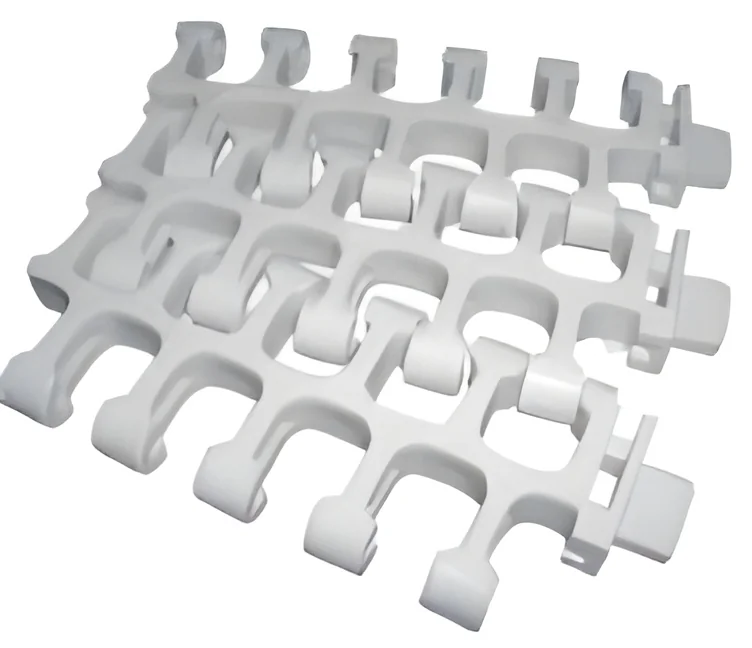
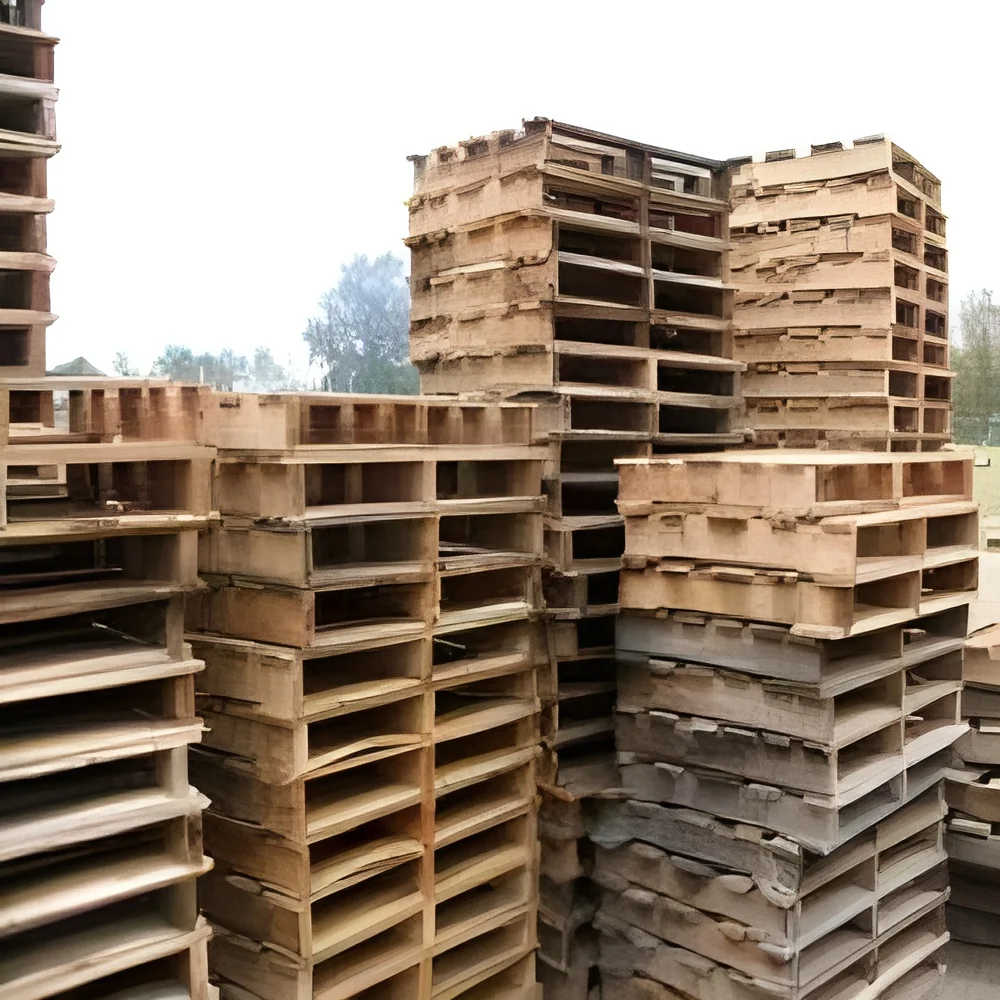
𝗪𝗵𝗮𝘁 𝗮𝗿𝗲 𝗣𝗮𝗹𝗹𝗲𝘁𝘀, 𝗖𝗿𝗮𝘁𝗲𝘀 & 𝗖𝗼𝗻𝘁𝗮𝗶𝗻𝗲𝗿𝘀?
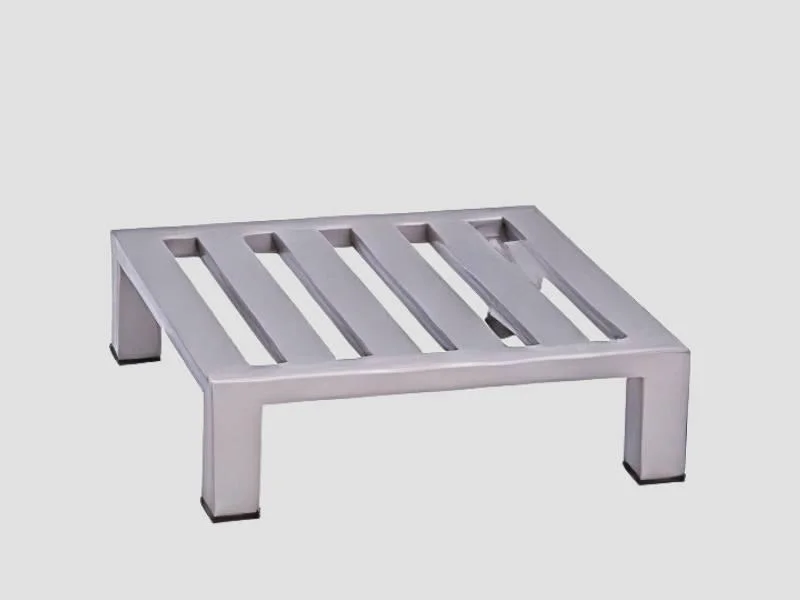
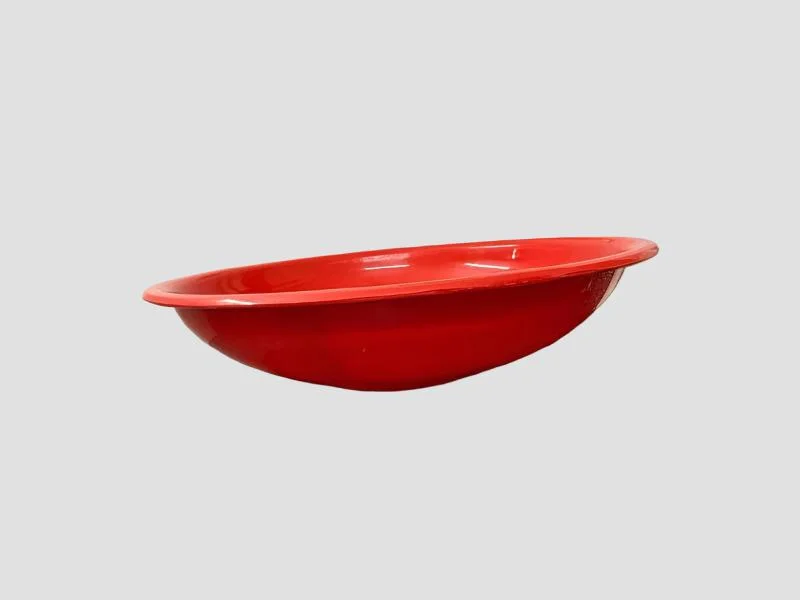
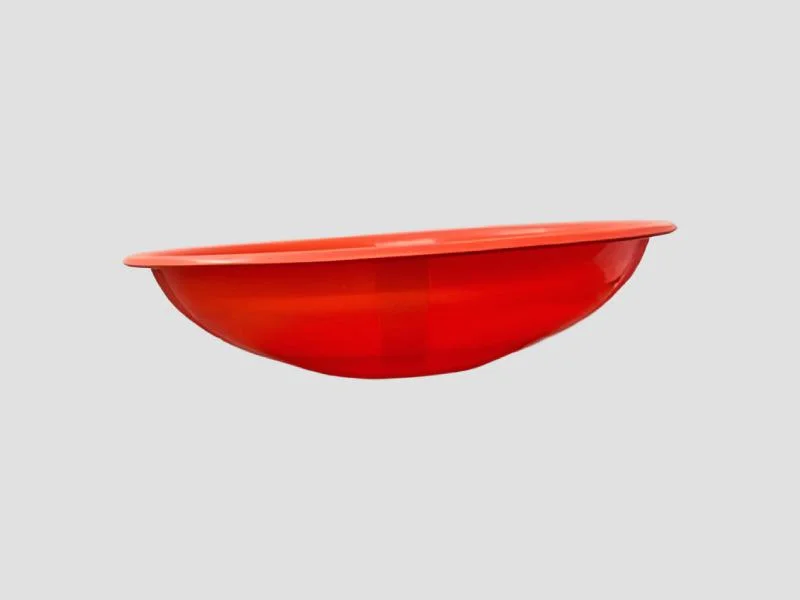
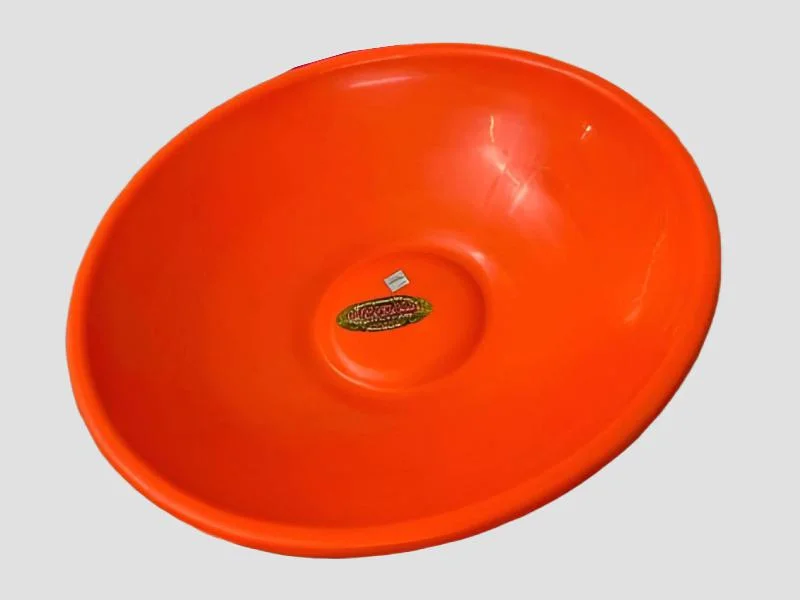
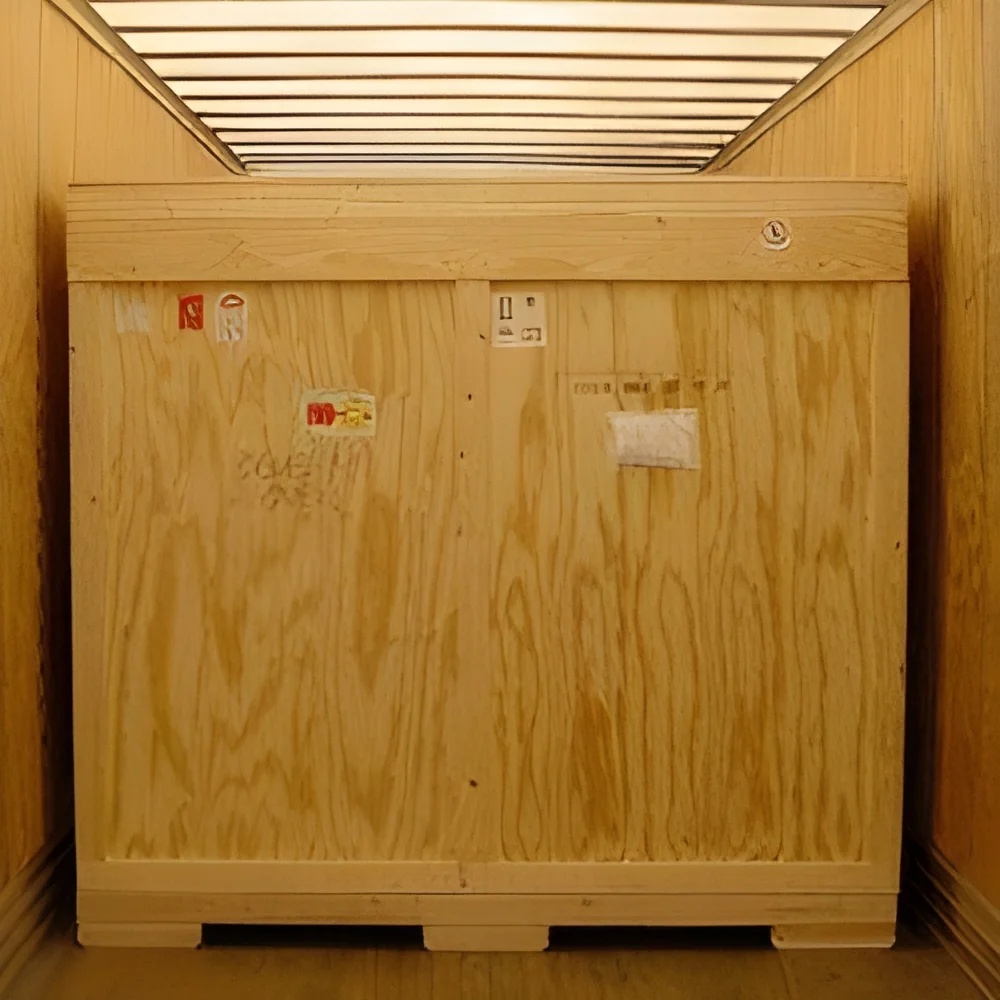
Pallets, crates, and containers are essential components of modern logistics and supply chain management. They are designed to facilitate the storage, transport, and handling of goods across various industries. Pallets are flat structures typically made of wood, plastic, or metal, which allow goods to be stacked and moved efficiently using forklifts or pallet jacks. Crates provide a more rigid structure for holding items securely, often featuring slats or solid walls for added protection. Containers are larger units meant for transporting goods over longer distances, particularly in shipping and freight applications.
These products serve a wide range of business applications. In manufacturing, pallets and crates are used to organize materials and finished products. In retail, they help in the efficient movement of merchandise from warehouses to stores. The agricultural sector utilizes crates for transporting perishable goods, while containers are critical for international shipping, ensuring that goods arrive safely and in good condition.
The relevance of pallets, crates, and containers in today’s industries cannot be overstated. With the growth of e-commerce and global trade, the demand for these products has surged. They play a pivotal role in optimizing supply chain efficiency and ensuring that products are delivered on time and in optimal condition. As businesses increasingly focus on sustainability and cost-effectiveness, the choice of materials and designs for pallets, crates, and containers has become an important consideration.
𝗞𝗲𝘆 𝗙𝗲𝗮𝘁𝘂𝗿𝗲𝘀 𝗮𝗻𝗱 𝗦𝗽𝗲𝗰𝗶𝗳𝗶𝗰𝗮𝘁𝗶𝗼𝗻𝘀
Pallets, crates, and containers come with a variety of features that cater to the diverse needs of businesses. Understanding these specifications is crucial for selecting the right products for your operational requirements.
Key specifications include:
1. Material Type
- Common materials include wood, plastic, and metal.
- Each material has its own weight capacity and durability characteristics.
2. Dimension Options
- Standard sizes range from 48x40 inches to custom dimensions.
- Height and design can vary based on application needs.
3. Load Capacity
- Varies significantly depending on construction material and design.
- Can range from 500 lbs to over 3000 lbs based on specifications.
4. Stackability
- Many pallets and crates are designed to be stackable.
- This feature maximizes storage space and improves logistics efficiency.
5. Environmental Considerations
- Options available for recyclable and eco-friendly materials.
- Compliance with sustainability standards is increasingly important.
6. Customization Options
- Many manufacturers offer customization for branding or specific dimensions.
- Tailored solutions can enhance operational efficiency.
7. Safety Features
- Some products are designed with safety edges or non-slip surfaces.
- These features reduce the risk of injuries during handling.
8. Compliance and Certifications
- Compliance with industry standards like CE can be crucial for safety.
- Certification ensures quality and reliability in various operational contexts.
In summary, selecting the right pallets, crates, and containers involves understanding these specifications. Businesses should consider their specific application needs, weight requirements, and compliance standards when making a choice.
𝗖𝗼𝗺𝗺𝗼𝗻 𝗔𝗽𝗽𝗹𝗶𝗰𝗮𝘁𝗶𝗼𝗻𝘀 𝗮𝗻𝗱 𝗨𝘀𝗲 𝗖𝗮𝘀𝗲𝘀
Pallets, crates, and containers are utilized across a multitude of industries, each with specific applications that enhance operational efficiency.
1. Manufacturing: In manufacturing, pallets are used to transport raw materials and finished goods. Crates are frequently used to store components during the production process.
2. Retail: Retailers utilize pallets for in-store displays and for transporting merchandise from distribution centers. Crates are often used for bulk items and seasonal products.
3. Agriculture: In agriculture, crates are essential for transporting fruits, vegetables, and other perishables. They are designed to provide ventilation and protect goods during transit.
4. Food and Beverage: Pallets and crates are crucial for storing and transporting packaged foods and beverages, ensuring compliance with safety standards.
5. Pharmaceuticals: In the pharmaceutical industry, containers are used to store and ship sensitive products that require temperature control and secure handling.
6. Automotive: Crates are used to hold automotive parts during transport, while pallets facilitate the movement of larger components within assembly lines.
7. E-commerce: With the rise of online shopping, pallets and containers are used to manage inventory and ensure efficient delivery to customers.
𝗣𝗿𝗼𝗱𝘂𝗰𝘁 𝗩𝗮𝗿𝗶𝗮𝗻𝘁𝘀 𝗮𝗻𝗱 𝗦𝘂𝗯𝗰𝗮𝘁𝗲𝗴𝗼𝗿𝗶𝗲𝘀
Pallets, crates, and containers come in a variety of forms to meet different business needs. The diversity in product variants allows for tailored solutions in various applications.
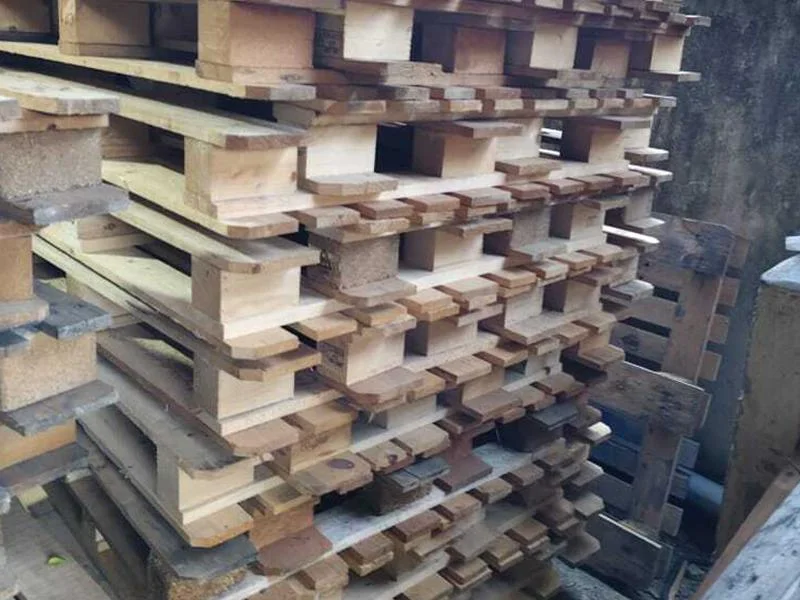
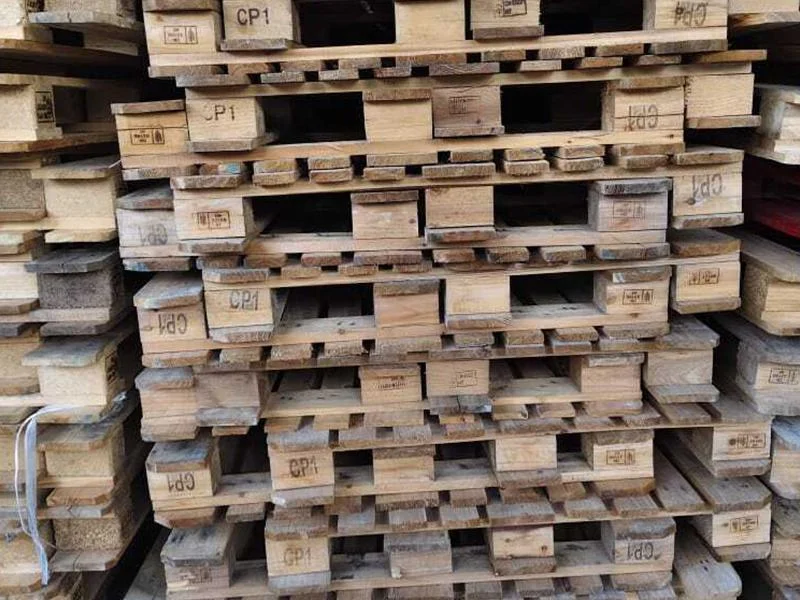
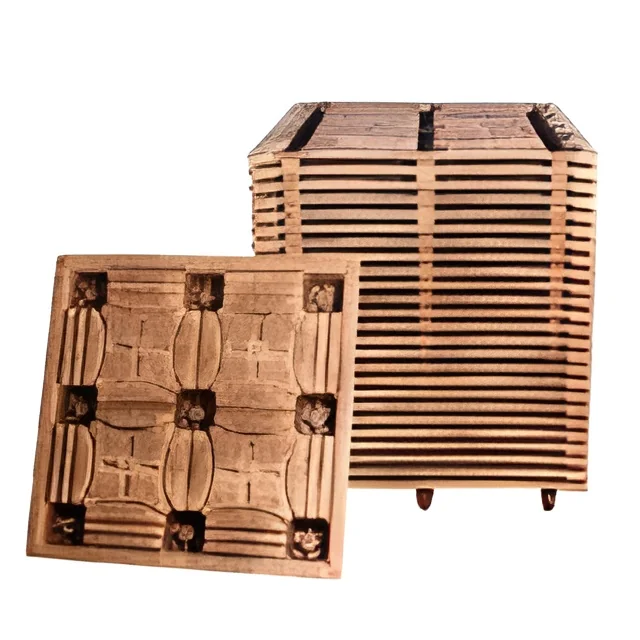
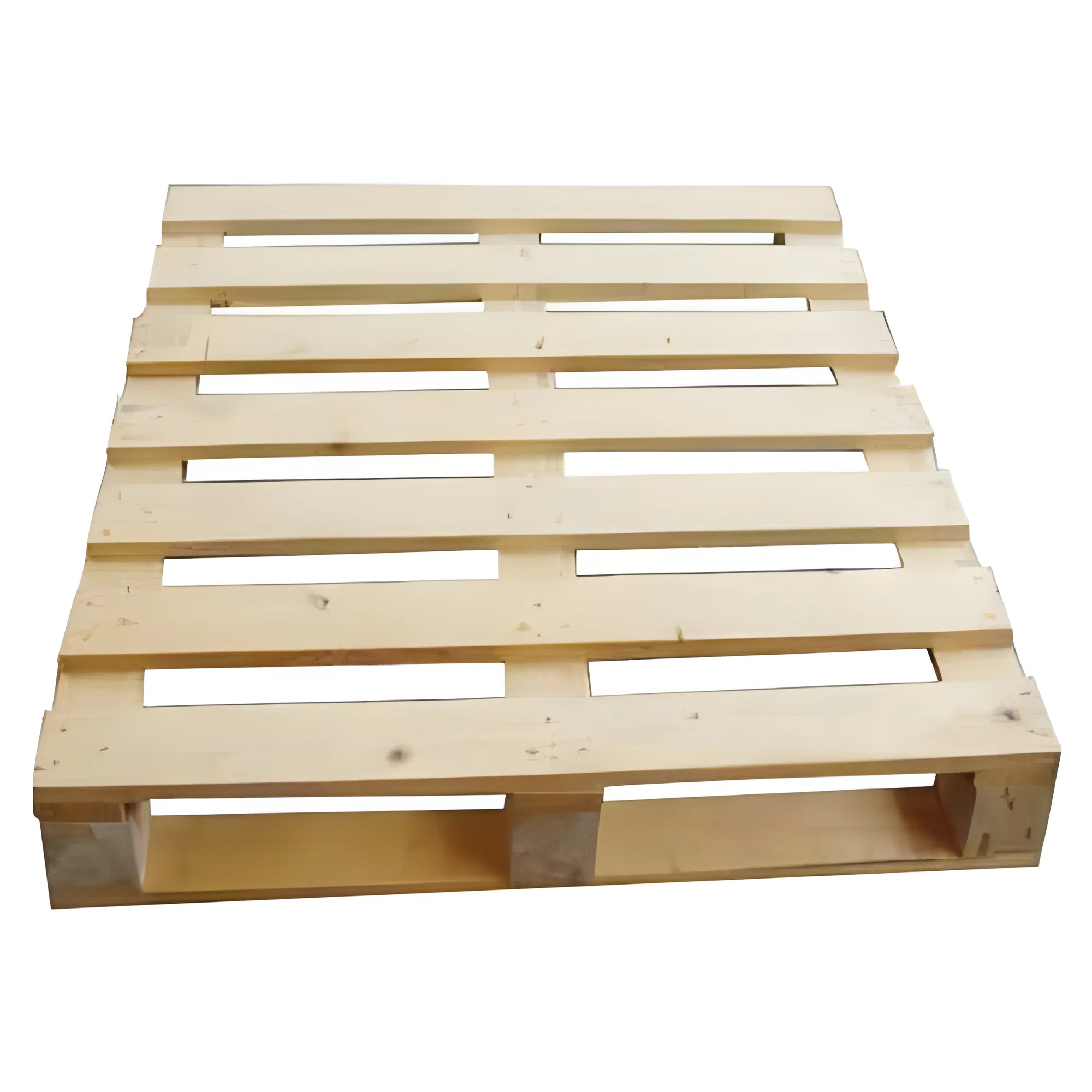
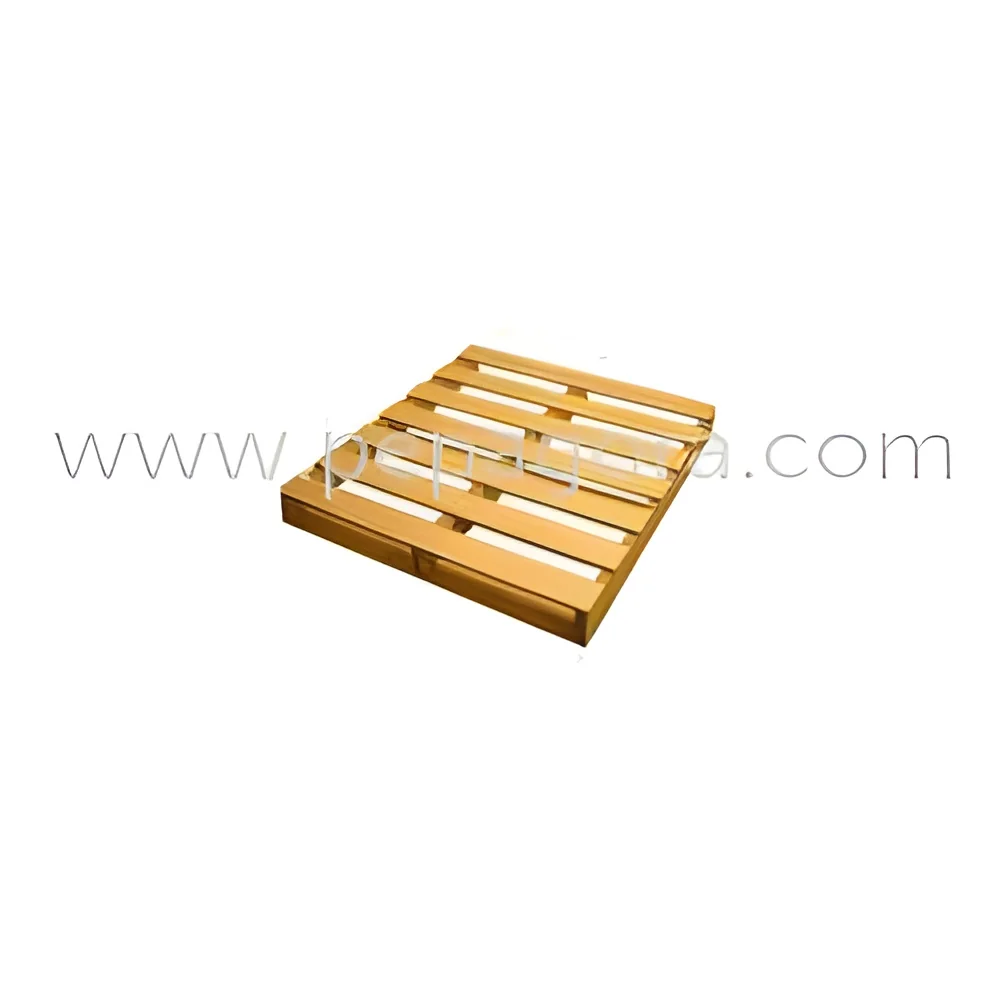
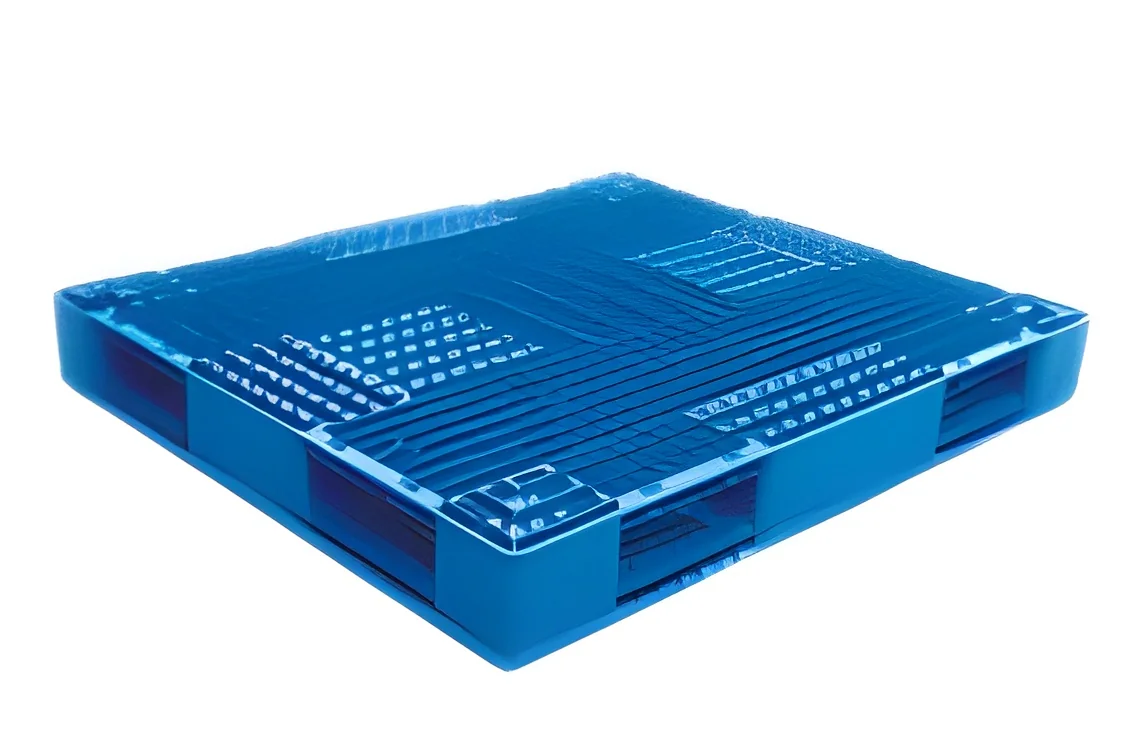
Wooden Pallets: These are the most common type, offering good load-bearing capacity and ease of repair. They are often used in warehouses and retail settings.
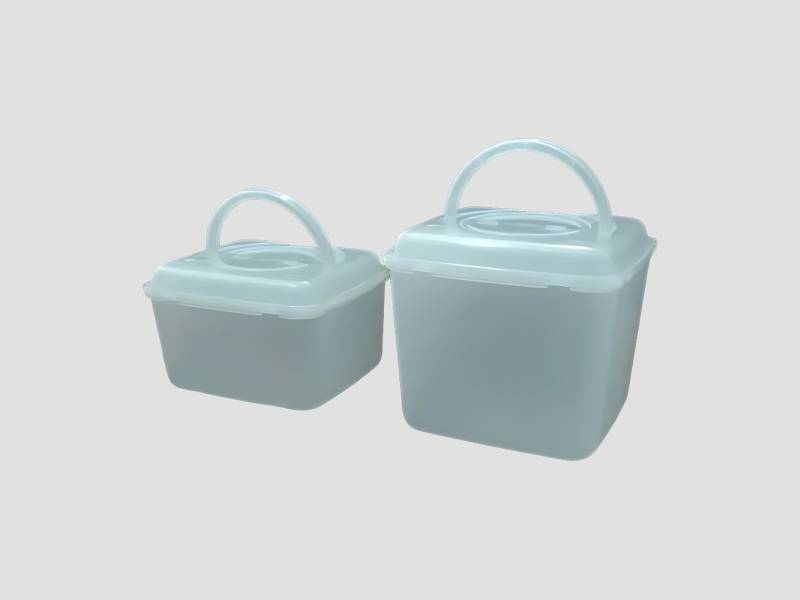
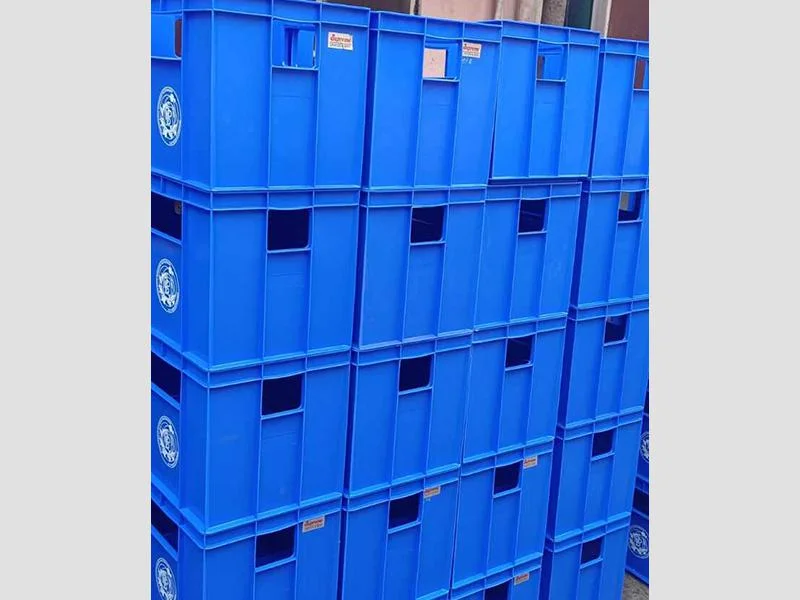
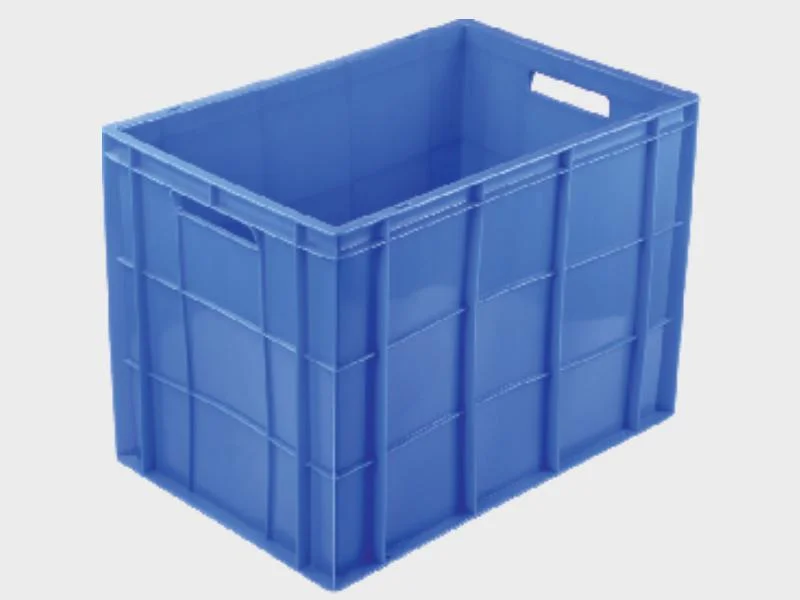
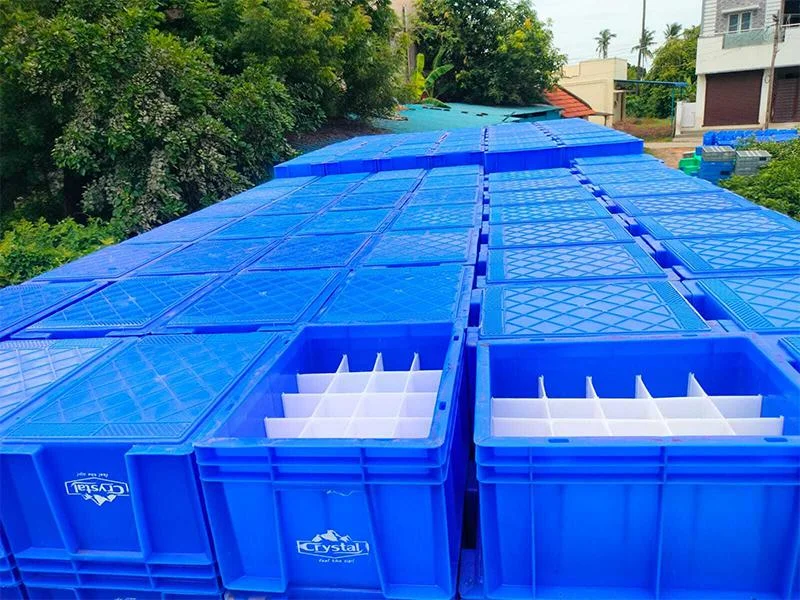
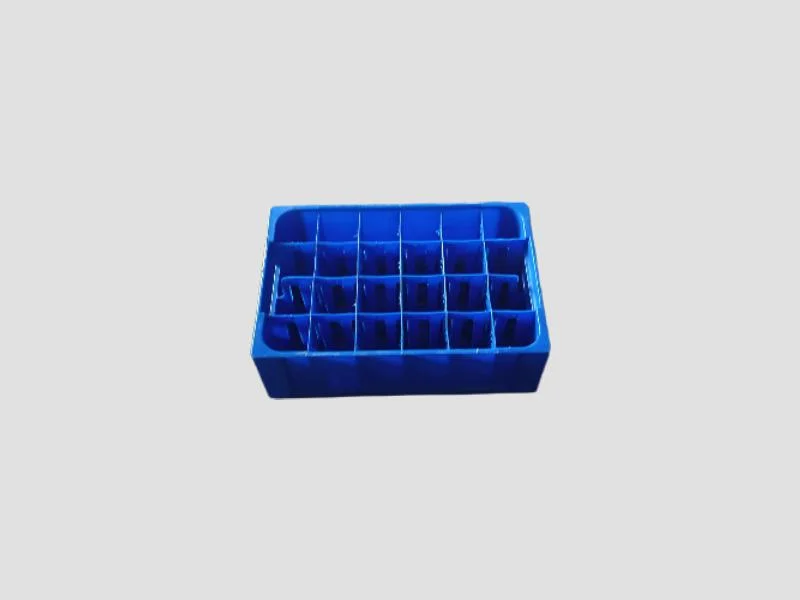
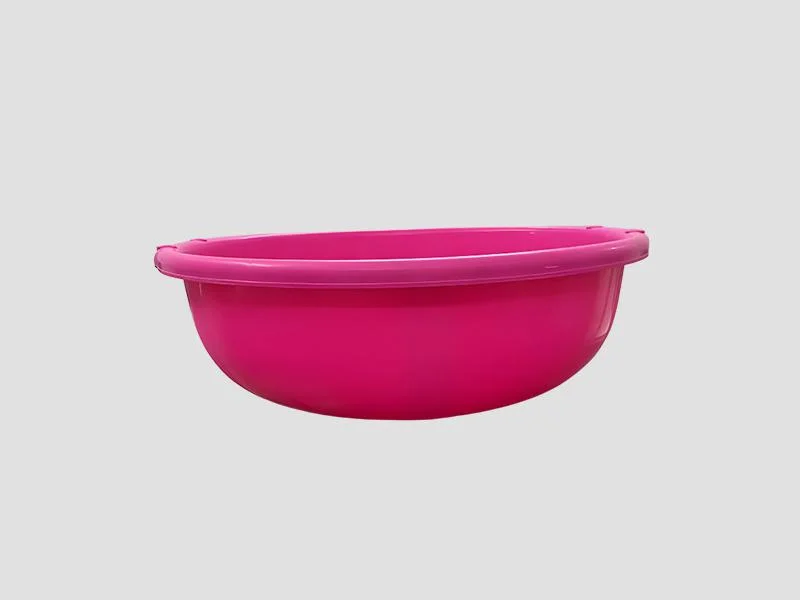
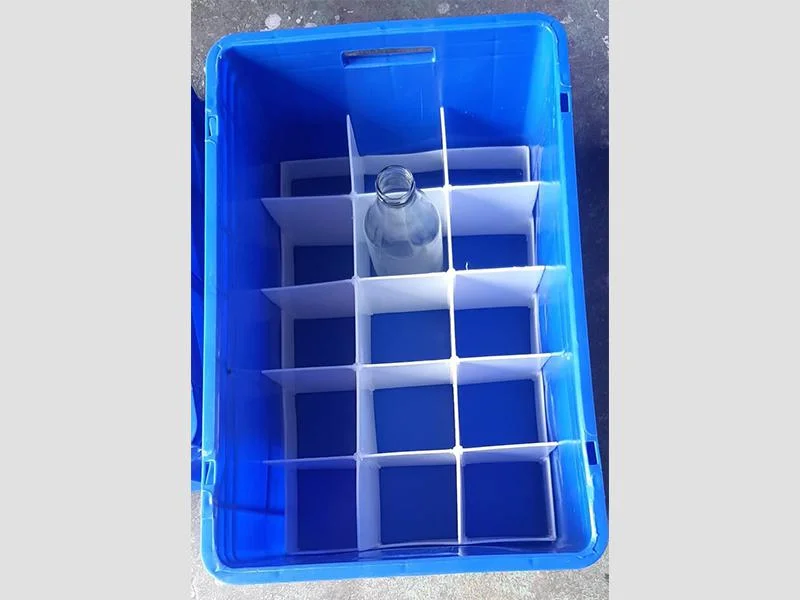
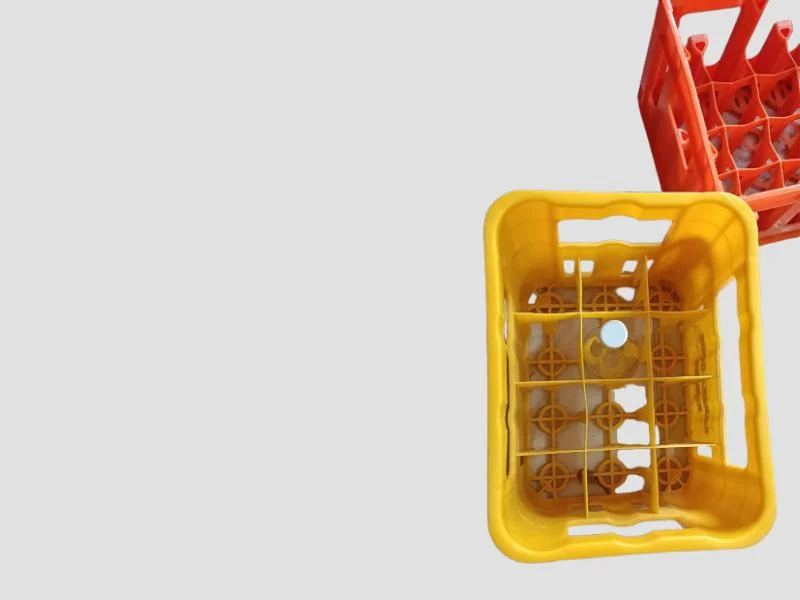
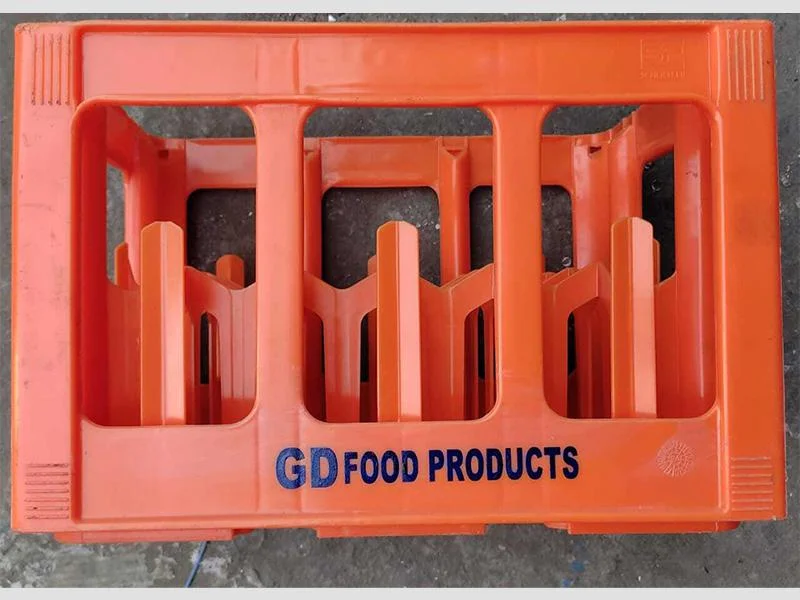
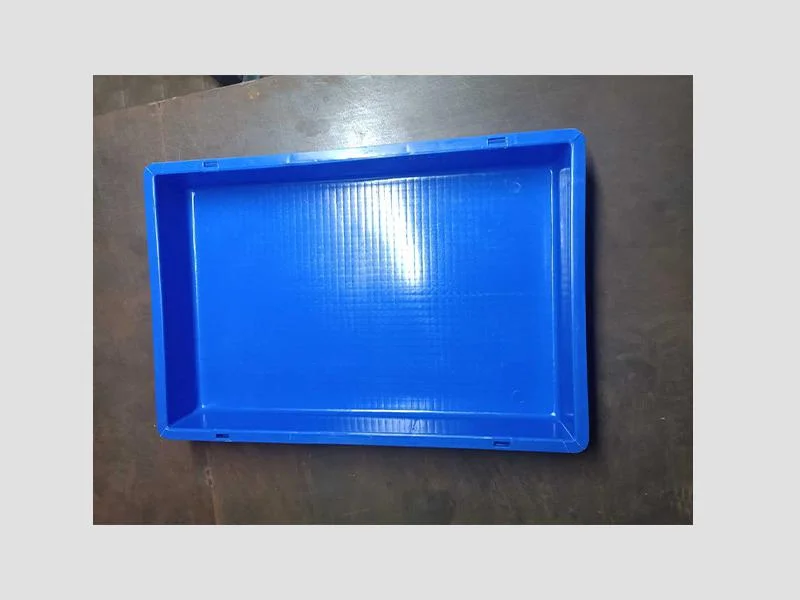
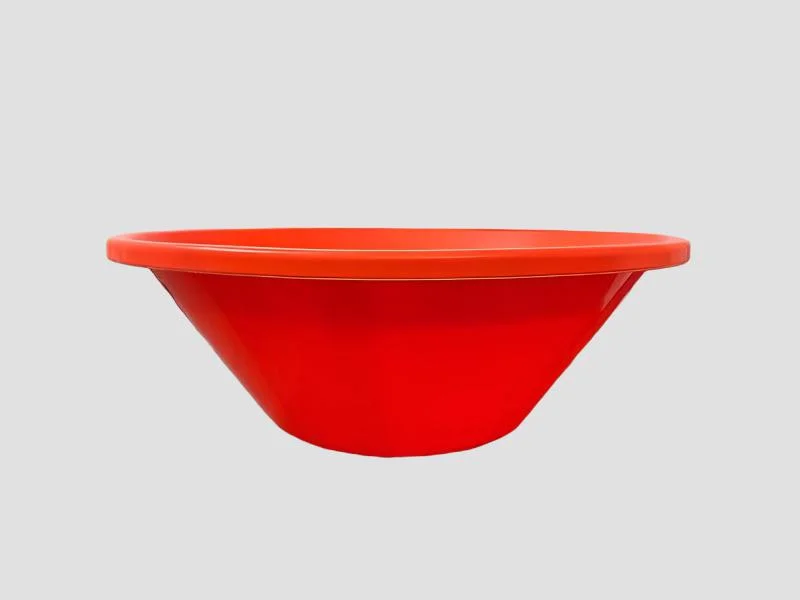
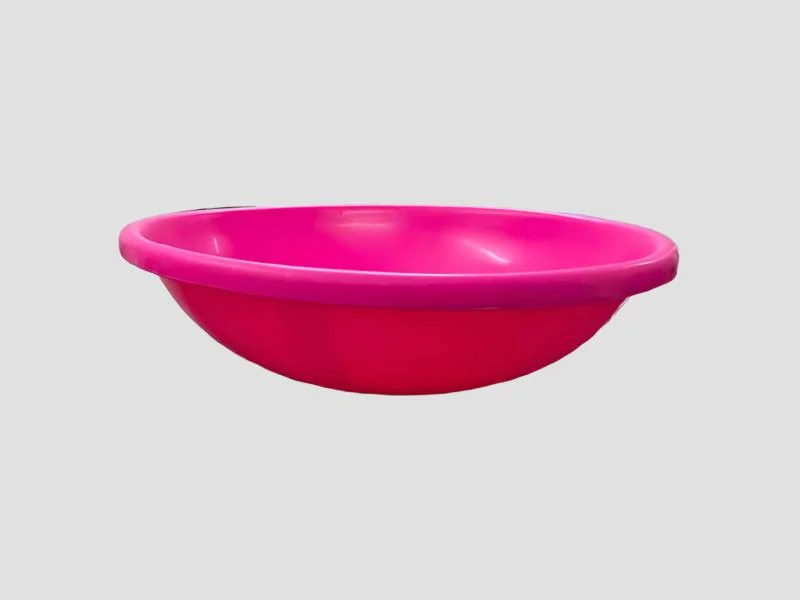
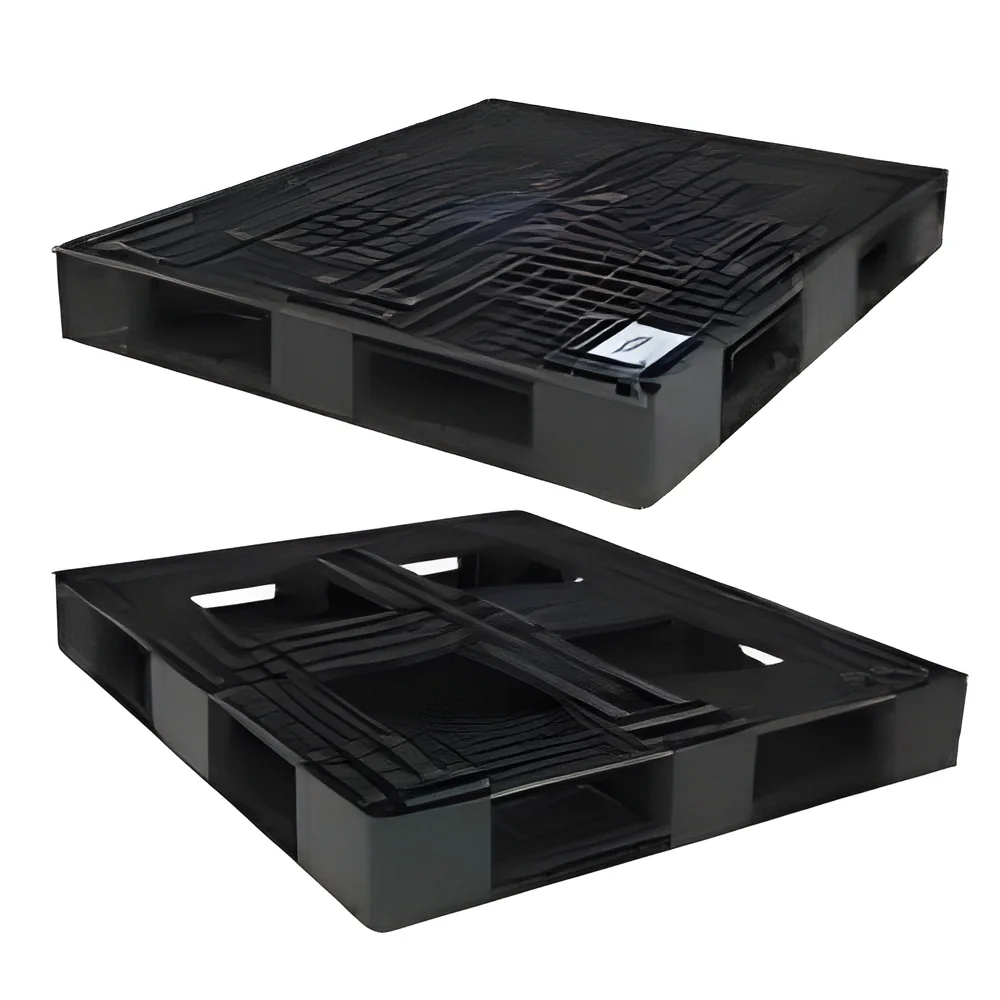
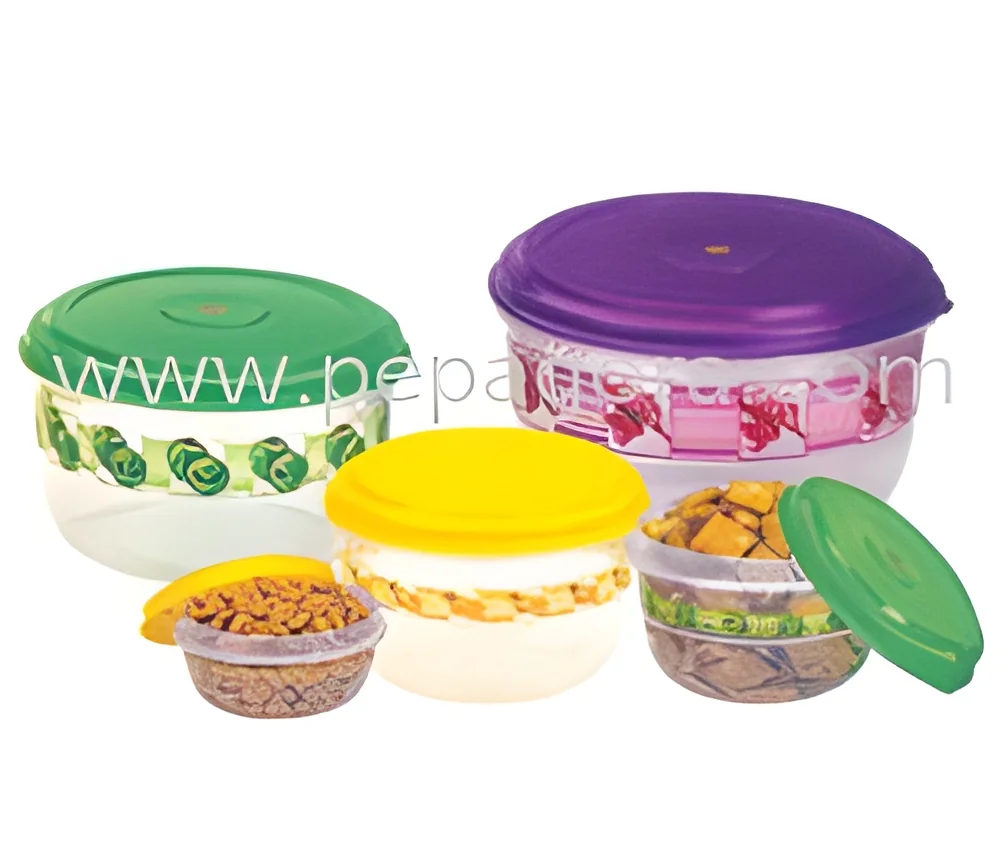
Plastic Crates: Lightweight and durable, plastic crates are ideal for transporting food and beverages. They are easy to clean and can be stacked efficiently.
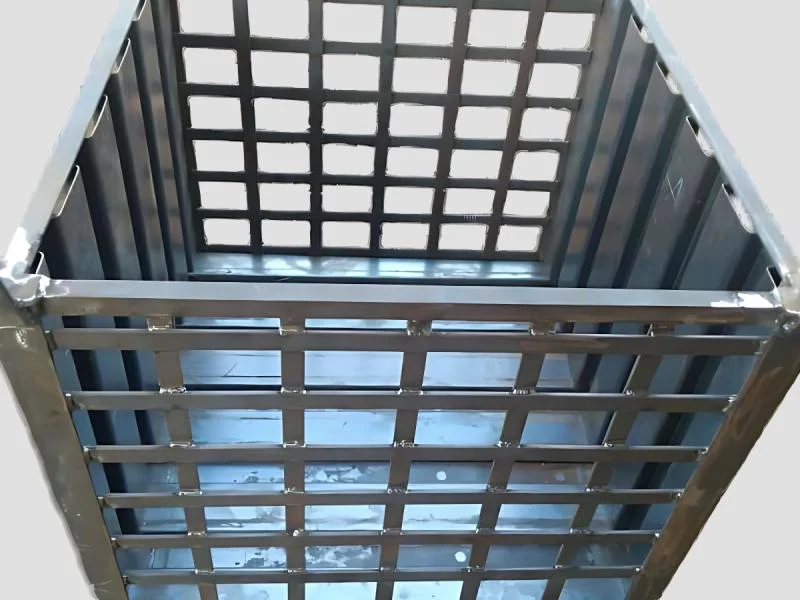
Metal Containers: Known for their strength and durability, metal containers are used in heavy-duty applications, particularly in shipping and industrial settings.
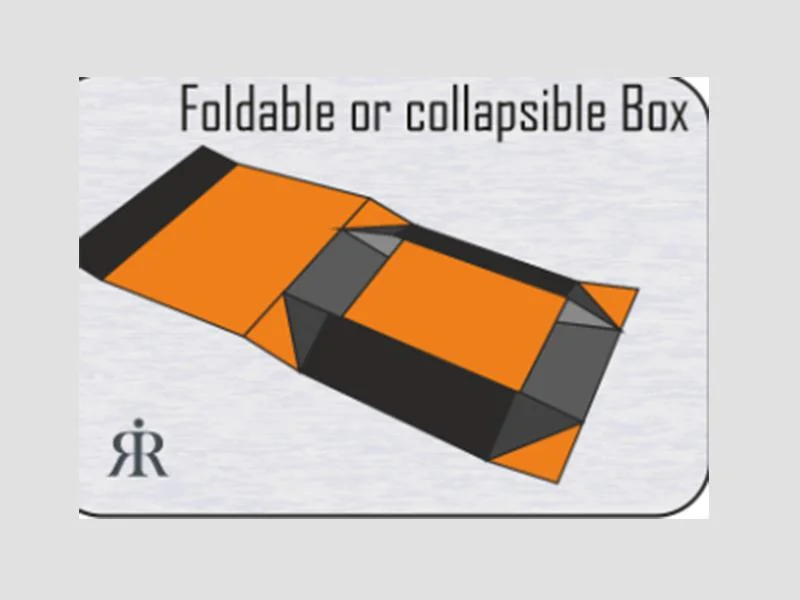
Collapsible Crates: These crates can be folded when not in use, saving valuable space. They are commonly used in logistics and transportation.
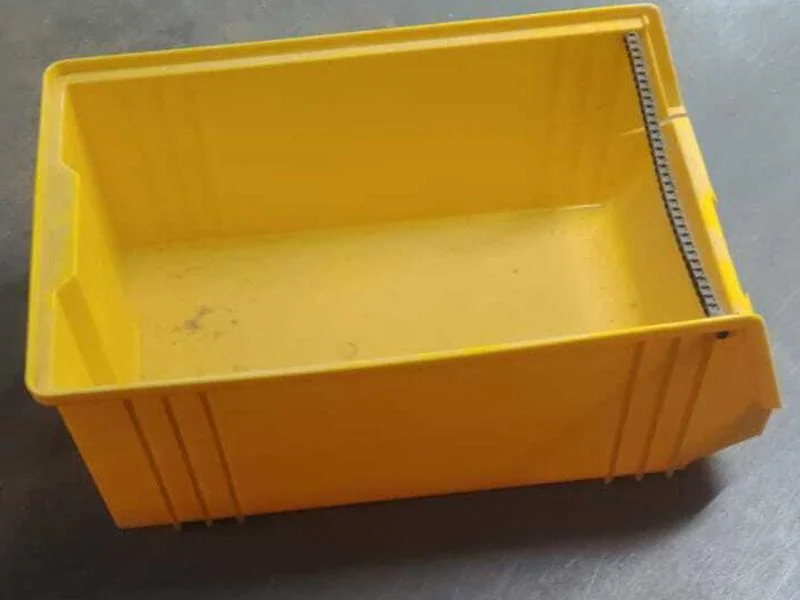
Stackable Containers: Designed for efficient storage, these containers allow for vertical stacking, maximizing warehouse space and improving accessibility.
𝗕𝗲𝗻𝗲𝗳𝗶𝘁𝘀 𝗮𝗻𝗱 𝗔𝗱𝘃𝗮𝗻𝘁𝗮𝗴𝗲𝘀
Choosing the right pallets, crates, and containers offers several key benefits that enhance operational efficiency and reduce costs.
1. Space Optimization: Efficient design allows for stacking and storage, maximizing available space in warehouses and transport vehicles.
2. Enhanced Safety: Properly designed pallets and crates minimize the risk of injury during handling and transport, ensuring a safer work environment.
3. Improved Durability: High-quality materials enhance the lifespan of pallets and containers, reducing the need for frequent replacements.
4. Cost-Effectiveness: Investing in the right products minimizes waste and improves logistics efficiency, leading to overall cost savings.
5. Customization: The ability to customize sizes and materials ensures that businesses can meet specific needs, improving operational workflows.
6. Environmental Sustainability: Many products are available in eco-friendly materials, allowing businesses to meet sustainability goals.
𝗕𝘂𝘆𝗶𝗻𝗴 𝗚𝘂𝗶𝗱𝗲 𝗳𝗼𝗿 𝗕𝟮𝗕 𝗕𝘂𝘆𝗲𝗿𝘀
When sourcing pallets, crates, and containers, several factors are crucial for making an informed decision.
1. Quality Assessment: Ensure that products meet industry standards and are made from durable materials. Check for certifications that indicate compliance with safety and quality regulations.
2. Supplier Verification: Vet suppliers carefully to ensure reliability and quality. Look for reviews and ratings from other buyers to assess their reputation.
3. Pricing and MOQ: Understand the pricing structure and minimum order quantities. This helps in budgeting and ensures that you meet your operational requirements without overcommitting.
4. Delivery and Lead Times: Consider logistics when planning your procurement. Check suppliers' delivery schedules and lead times to ensure timely availability of products.
5. Compliance Requirements: Be aware of any industry-specific regulations that your products must meet. This includes safety standards and environmental considerations that may affect your choice of materials.
𝗖𝗼𝗺𝗽𝗹𝗶𝗮𝗻𝗰𝗲 𝗮𝗻𝗱 𝗖𝗲𝗿𝘁𝗶𝗳𝗶𝗰𝗮𝘁𝗶𝗼𝗻𝘀
Compliance with industry standards and certifications is vital for ensuring quality and safety in pallets, crates, and containers. Key quality standards include ISO 9001, which ensures that products meet international quality management principles. This standard helps organizations consistently provide products that meet customer and regulatory requirements.
Additionally, certifications such as HACCP (Hazard Analysis Critical Control Point) are important for businesses in the food industry, as they ensure that products are safe for handling and storage. CE certification is also relevant, indicating that products meet European safety requirements.
Safety and testing requirements are critical in various industries, particularly those handling sensitive materials. Regular testing and adherence to safety protocols help in maintaining product integrity. Moreover, regional compliance considerations should be taken into account, as different areas may have specific regulations that affect production and distribution.
𝗪𝗵𝘆 𝗦𝗼𝘂𝗿𝗰𝗲 𝗣𝗮𝗹𝗹𝗲𝘁𝘀, 𝗖𝗿𝗮𝘁𝗲𝘀 & 𝗖𝗼𝗻𝘁𝗮𝗶𝗻𝗲𝗿𝘀 𝗳𝗿𝗼𝗺 𝗣𝗲𝗽𝗮𝗴𝗼𝗿𝗮?
Pepagora offers a trusted platform for sourcing pallets, crates, and containers with a range of advantages that set it apart from competitors.
Verified Supplier Network: Pepagora features a network of verified suppliers, ensuring that buyers can source high-quality products with confidence. This verification process helps in establishing trust and reliability in the procurement process.
Streamlined RFQ Process: The request for quotation (RFQ) system simplifies the procurement process. Buyers can easily compare offers from multiple suppliers, helping them make informed decisions based on price and quality.
Trade Assurance and Support: Pepagora provides trade assurance to buyers, offering protection throughout the transaction. This includes support in case of disputes or issues, ensuring a smooth purchasing experience.
Regional Coverage: With a strong presence in India, the GCC, and Southeast Asia, Pepagora caters to a wide geographic area. This extensive reach allows buyers to find suitable suppliers that meet their specific regional needs, further enhancing the efficiency of their procurement strategy.

 IN
IN